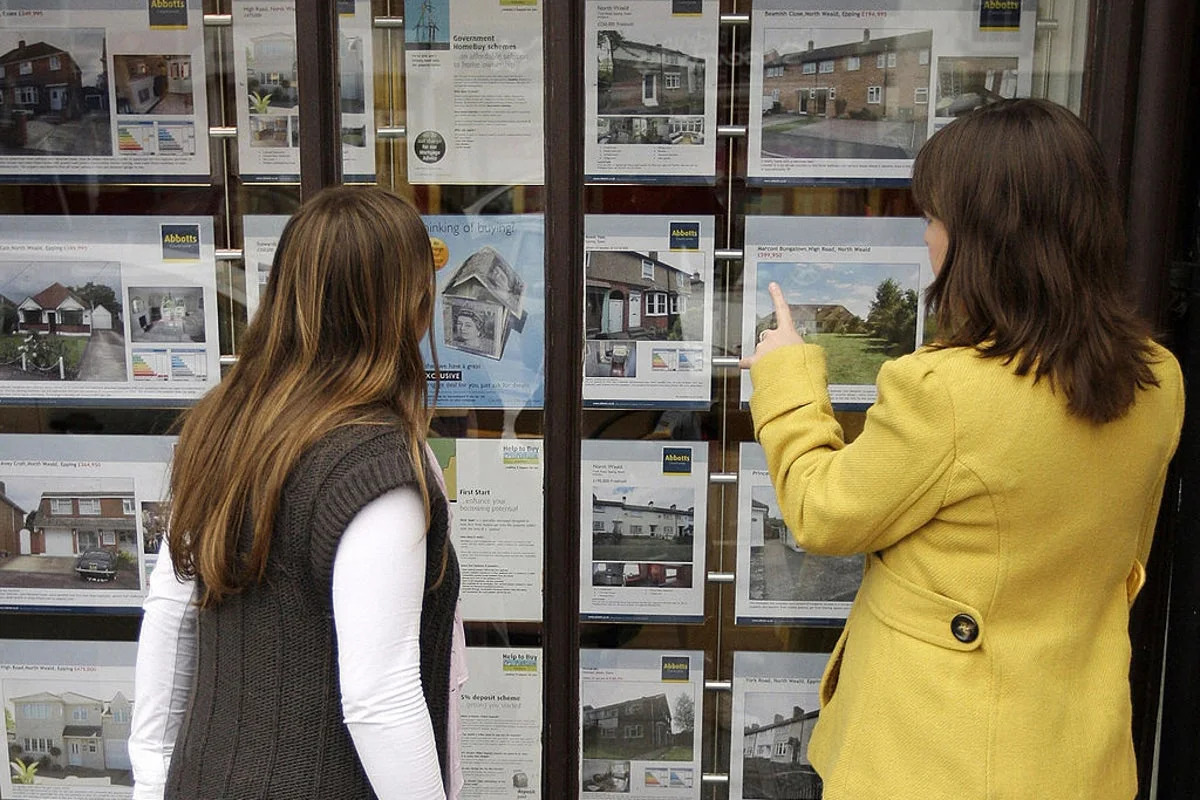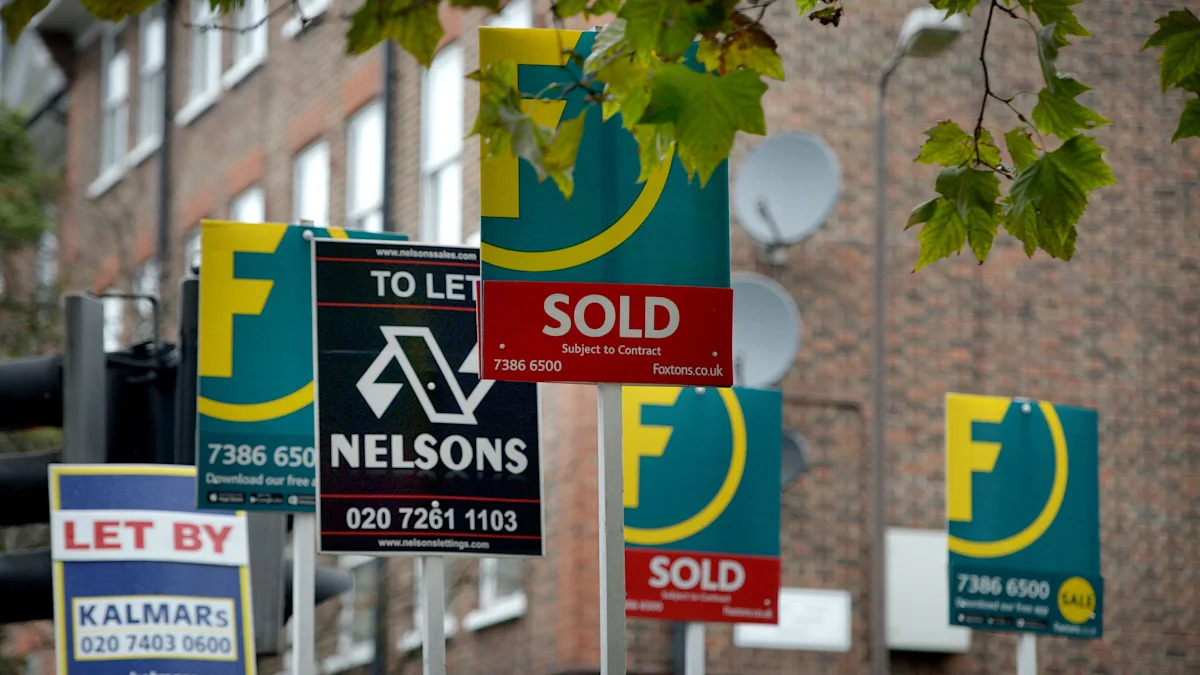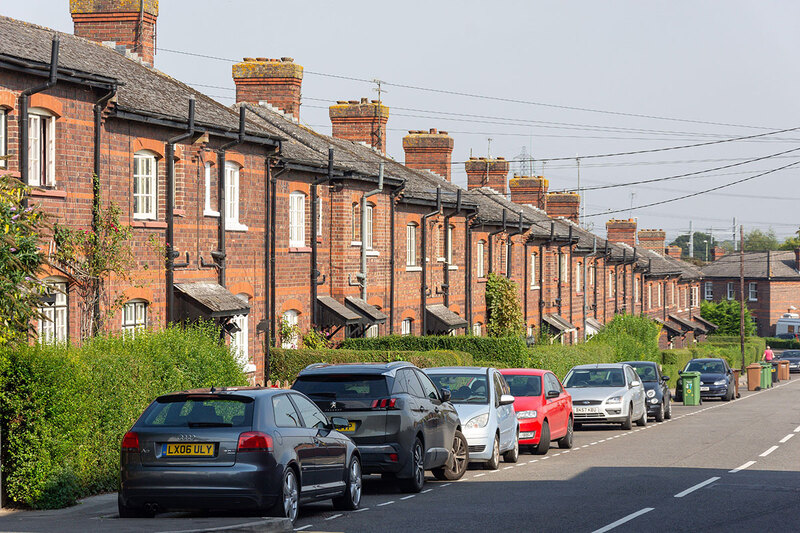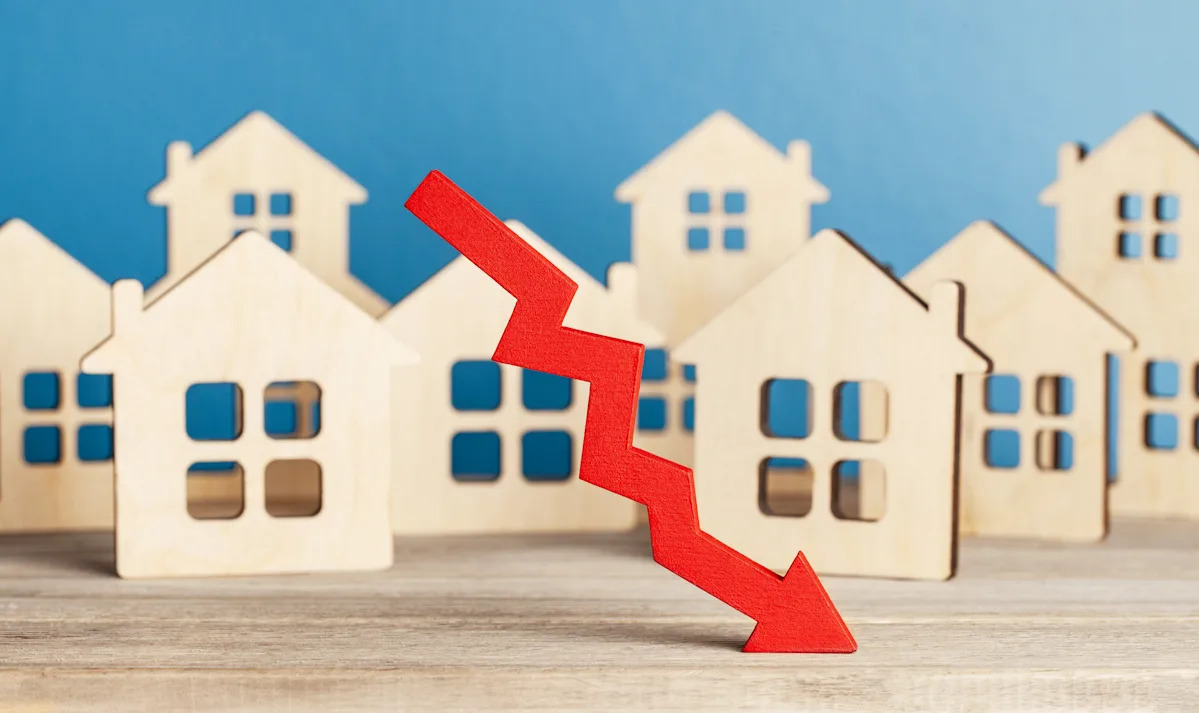
The average UK house price fell by 0.5% month on month in March, according to an index.
It was the first monthly fall of 2026, with increases of 0.8% in January and 0.3% in February.
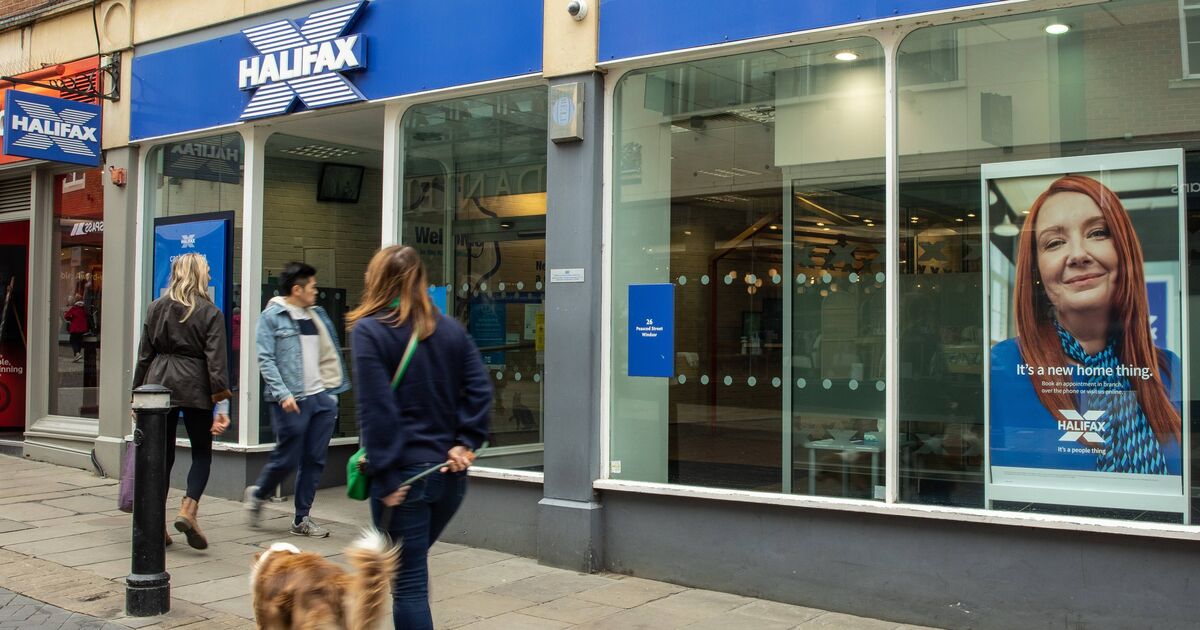
Across the UK, the average house price in March was £299,677, Halifax said.
Annual growth in property values also slowed, reaching 0.8% in March, softening from 1.2% in February.
Amanda Bryden, head of mortgages, Halifax, said: “The recent slowdown in the housing market reflects the wide uncertainty regarding the conflict in the Middle East.
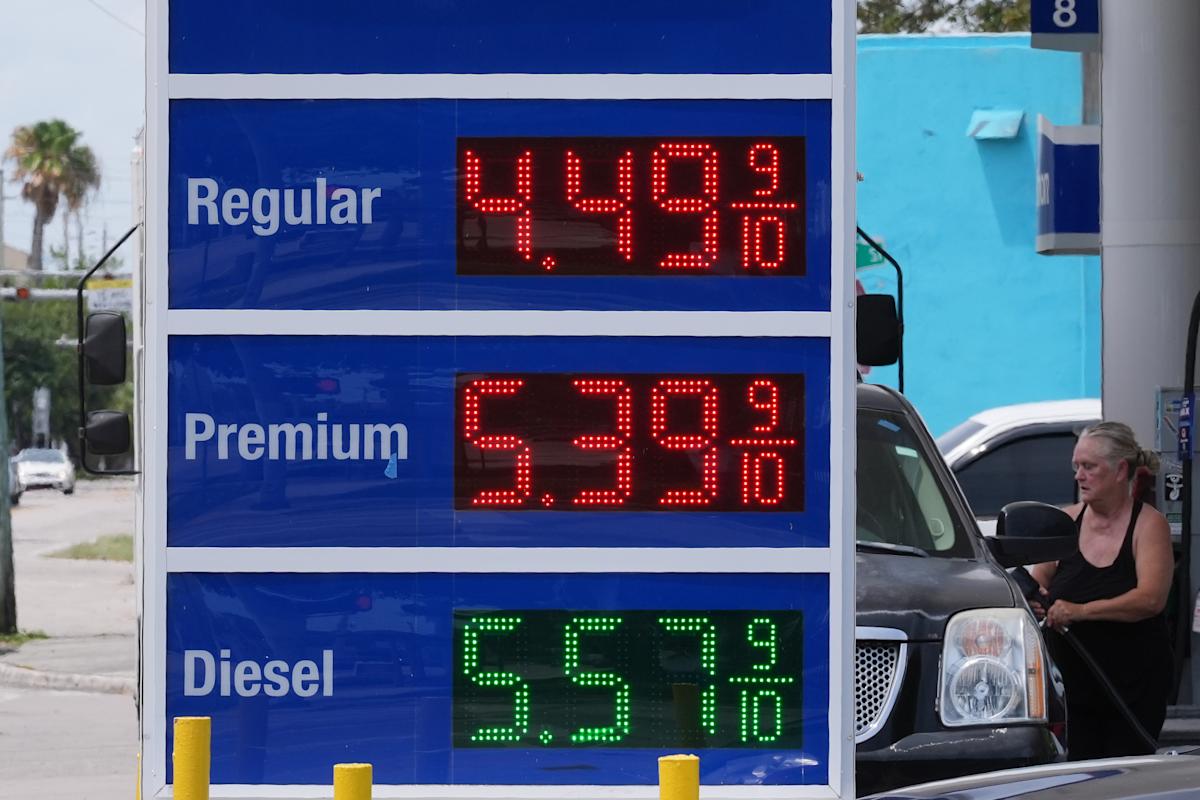
“Concerns about higher energy prices have pushed up inflation expectations, which in turn led to a rise in mortgage rates, reducing confidence that interest rates will be cut this year and dampening the initial momentum in the market seen at the start of the year.”
She added: “The recent increase in UK mortgage rates has been more modest than the sharp rises seen during the mini-budget of 2022.
“Further, many households will already be on fixed deals, protecting them from the latest rate rises.
“Taking all this into account, house prices may prove resilient, even if uncertainty weighs on market activity in the near term.”
The report said that Northern Ireland continued to lead UK annual house price growth, with average prices up by 8.7% over the past year to reach £224,809.
Strong growth was also recorded in Scotland, with average house prices rising by 4.4% annually to reach an average price of £222,716.
Wales saw a more modest average house price increase of 1.6% on an annual basis, taking the typical home value to £230,909.
In England, stronger price growth remains concentrated in northern regions, the report said.
House prices in the North East have increased by around 5% typically annually to reach £184,119 while the North West recorded annual growth of 3.1%, with the average home costing £247,442.
Tom Bill, head of UK residential research at Knight Frank, said: “What goes up must come down, but for mortgage rates the drop will be more gradual than the sharp increase triggered by the Middle East conflict, even if the two-week ceasefire deal holds.”
He said factors including the longer-term inflationary impact “means mortgage rates won’t snap back to where they were in February”.
“This will keep demand and house prices in check this year.”
Karen Noye, a mortgage expert at wealth manager Quilter, said: “Changes in mortgage costs do not feed through to house prices immediately, so any meaningful shift in price momentum linked to the recent rise in borrowing costs is likely to emerge from this point onwards.