Community health system WellSpan Health inked a seven-year strategic alliance with Philips to drive advanced imaging technology across its network and co-develop new AI and tech tools.
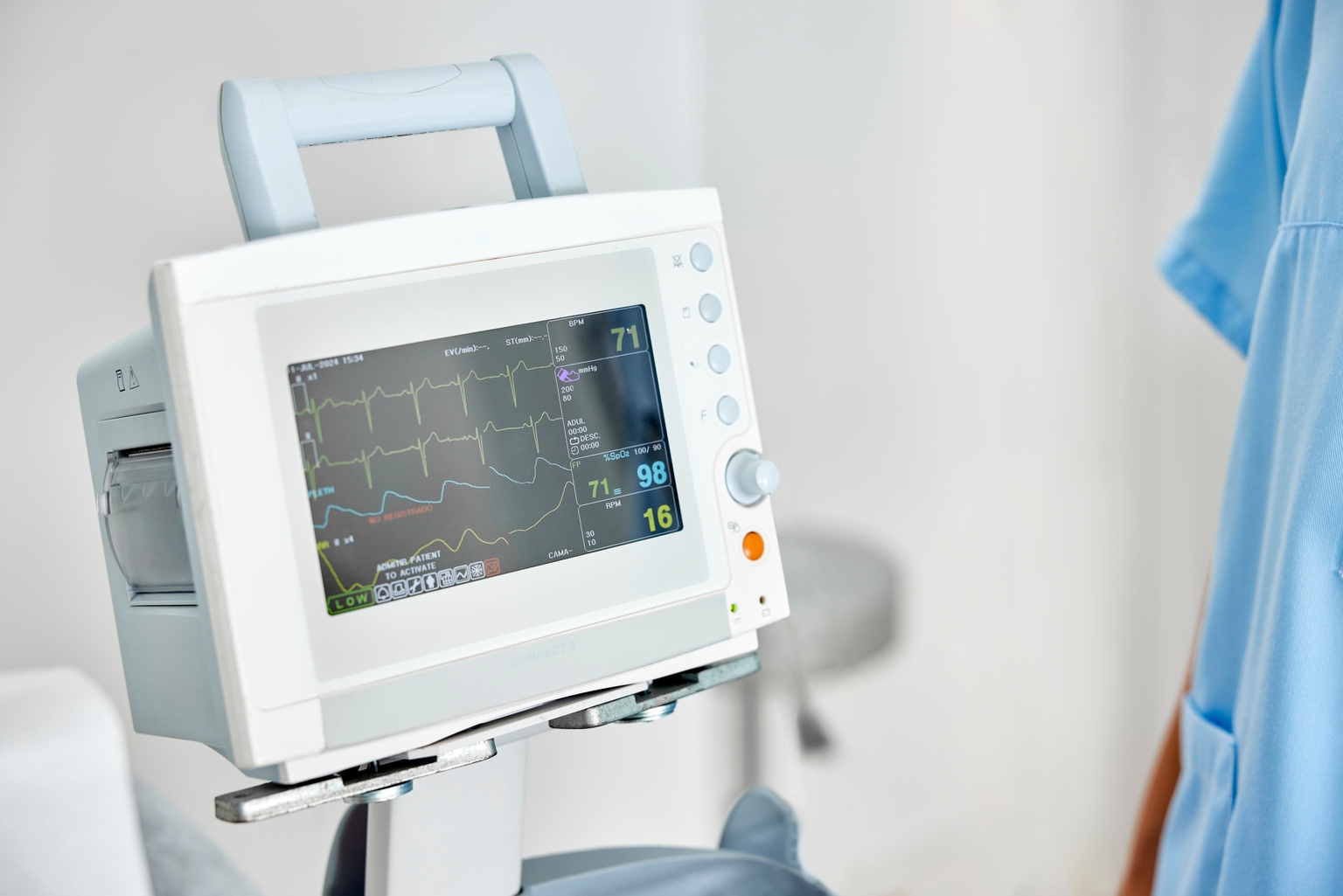
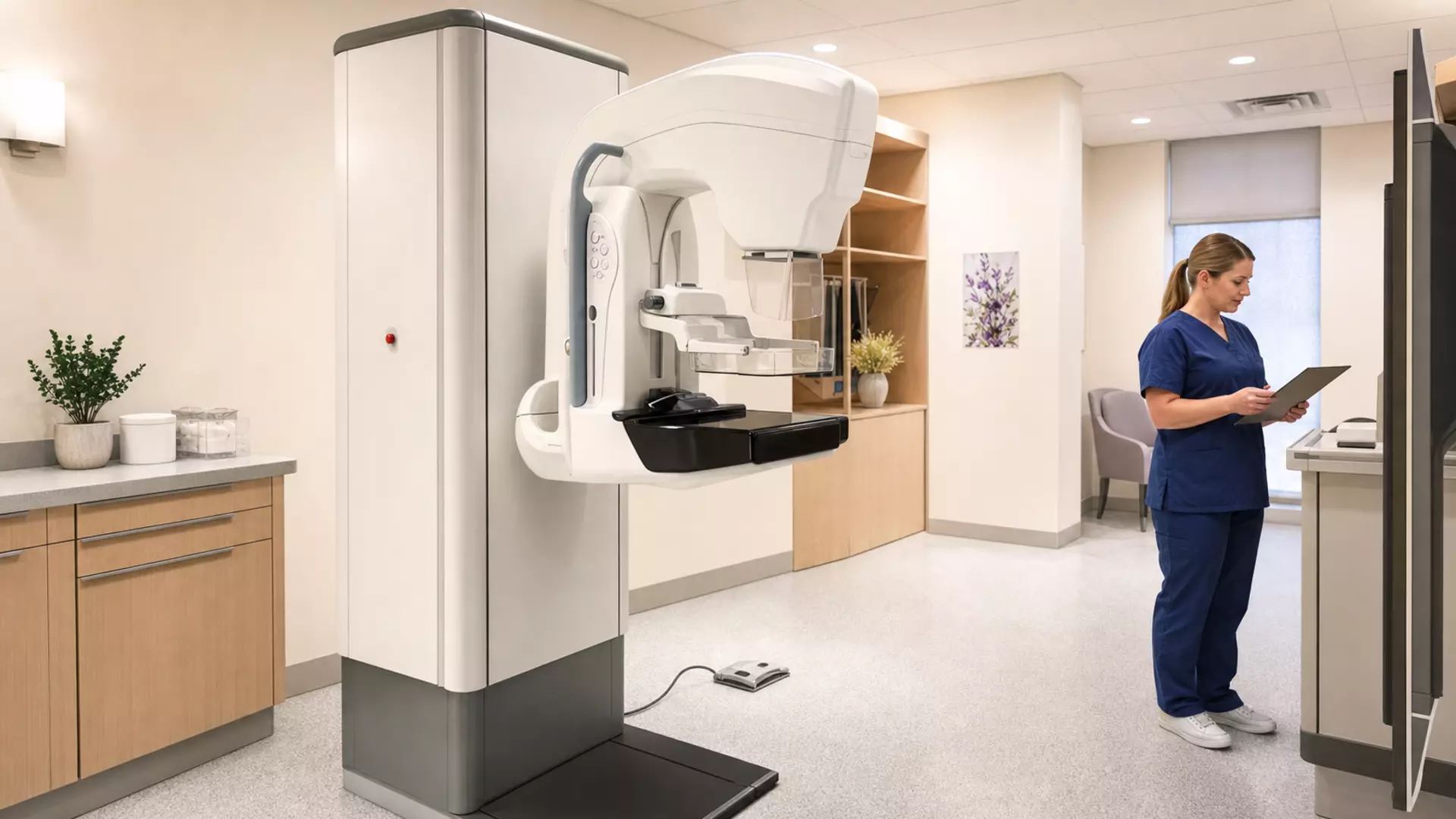
Philips’ technology will support WellSpan’s full network of 12 hospitals, diagnostic imaging centers and ambulatory surgery centers across Central Pennsylvania and Northern Maryland. A long-term commercial agreement establishes Philips as WellSpan’s preferred vendor across patient monitoring, enterprise informatics and all applicable imaging modalities, including CT, MR, digital X-ray, ultrasound and image-guided therapy.
The commercial agreement includes a structured approach to technology lifecycle management: WellSpan and Philips will align equipment, service, training and upgrade planning under a single coordinated framework, according to the organizations.
The alliance marks Philips’s first research and innovation collaboration with a U.S. community health system. The health tech giant and WellSpan plan to co-develop net-new products and features that advance care delivery, drawing on Philips’ R&D pipeline, with WellSpan serving as both a proving ground and a co-creator.
Research is expected to examine how AI and digital tools are improving throughput, cost and workflow efficiency, the organizations said.
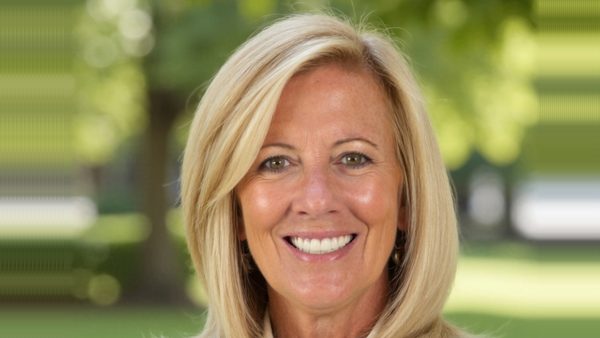
Roxanna Gapstur, Ph.D., R.N., WellSpan president and CEO, told Fierce Healthcare the strategic partnership with Philips fits broadly into the health system’s innovation strategy to work more deeply with a handful of tech companies and aligns with its WellSpan 2030 strategic plan. In September, WellSpan Health expanded its partnership with General Catalyst to test out and scale artificial intelligence tools. The health system also works with health tech startups Hippocratic AI and Aidoc as well as Amazon Web Services for cloud and analytics technology.
WellSpan has evolved its tech strategy with a focus on culture and competence to deploy AI and tech in an international way beyond just pilot projects, WellSpan’s CEO noted.
“We’ve been pretty deep into innovation the last five years in working toward ensuring that we can streamline our health system, make things simpler for our patients and really personalize care. With that, we’ve had a few large partnerships, so rather than go at things point solution by point solution, we’ve worked closely with Philips for several years. We’re good partners, and they came to really respect the approach we have here at WellSpan around innovation, which is the culture and competence to really scale across our entire organization,” Gapstur said in an interview.
Most people in the U.S. receive care at community health systems, Gapstur noted. The collaboration with Philips marks an important step to expand the latest innovative tech and AI tools to community providers.
“Making sure that we can provide the very best care to most of the people in the United States by creating cutting-edge therapies and equipment for those individuals to get the right diagnosis. we feel very passionate about and Phillips agrees. So we can build together both of us having our innovation and research functions, and both of us having the same goal of improving care in these communities. Together we can co-develop new products together, whether it’s new workflows, new software, new ways of imaging for patients, and we can also do research in those areas too, so we can really study what we’re doing and make sure that what we’re doing is improving outcomes,” she said.
The collaboration with Philips will puts WellSpan at the forefront of diagnostics and imaging in community health, she noted.
“What we’re excited about is what might be things that are coming up both within Philips and ideas that we come up with together that haven’t really been tried yet, and could some of those things be tried at WellSpan first to understand how they work, and then bring those to the market after that Whereas most times that kind of work is done in academic medical centers, we think it’s really important for community health systems to be part of that whole process as well,” Gapstur said.
Potential areas for future innovation include the use of AI in imaging, AI-enabled workflows and the use of digital twins to advance imaging procedures and diagnostics, she noted.
“Philips is working avatars. as an example. for patients during scanning, as the technologists can’t be in the room with the patient when they’re receiving a scan, and so having that human-like interaction when you’re in the scanner is really helpful to help calm people. So, being able to deploy AI agents or avatars to be able to soothe patients and to really make that experience better,” Gapstur said.
The use of AI also could help decrease scanning times for patients. “We have some exciting ideas about AI-enabled care that I think could really be a differentiator, and where digital twins can come in is as they are a microcosm of a certain thing. It could be the human body, it could be logistics: ‘what does your supply chain look like?’ So you build it over and then you learn from your digital twin how to really improve that process,” she said.
Gapstur added, “We have a few initial ideas, but we’ll be getting together with our teams in the next couple months, and we’ll really be coming up with a work plan for our first first year.”
Through the tech partnership with Philips, WellSpan aims to expand access to care, including in rural communities, while also reducing pressure on clinical teams through AI and digital tools . The health system has a goal to reclaim more than 450,000 hours of workforce time in 2026.
WellSpan is focused on simplifying healthcare and personalizing care, and the Philips partnership “hits squarely on both of those in terms of how we want our patients to experience the healthcare system,” Gapstur said.
“We won’t have 50 partners here at WellSpan, we’ll have two, three, or four partners, so we have some pretty big platforms that we’ve put in place that will be the main way we interact with patients and teams, and Philips is going to be one of those bigger platforms,” she said.