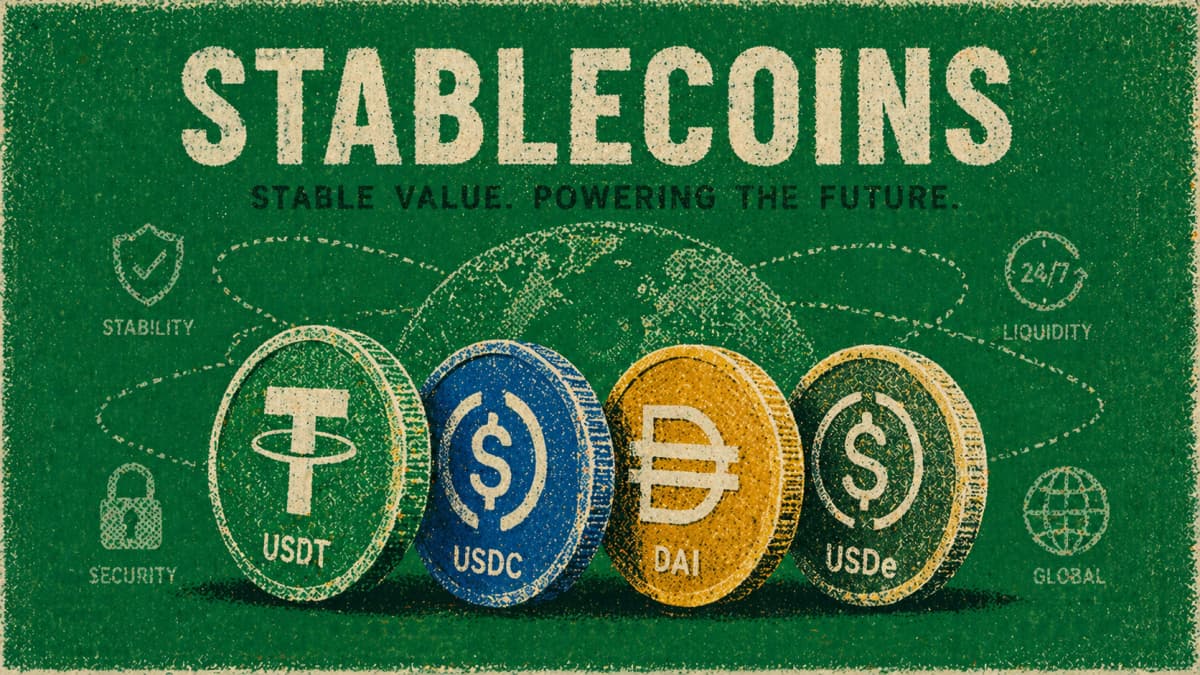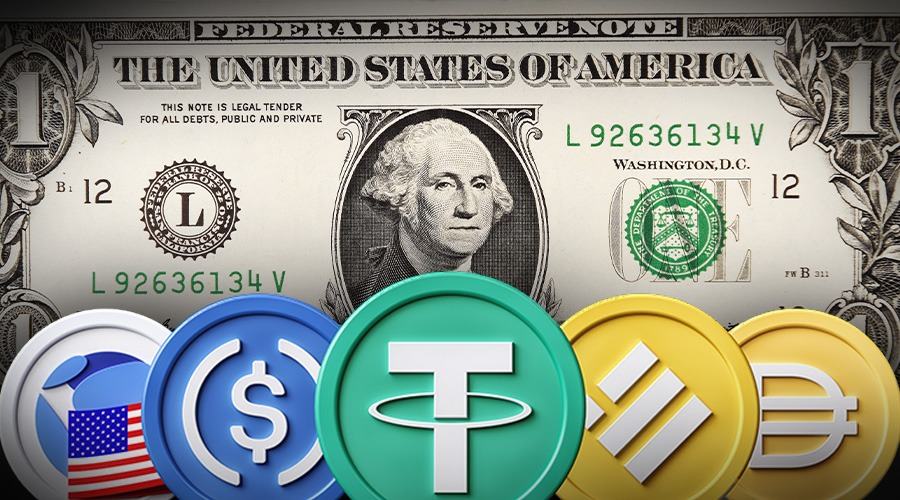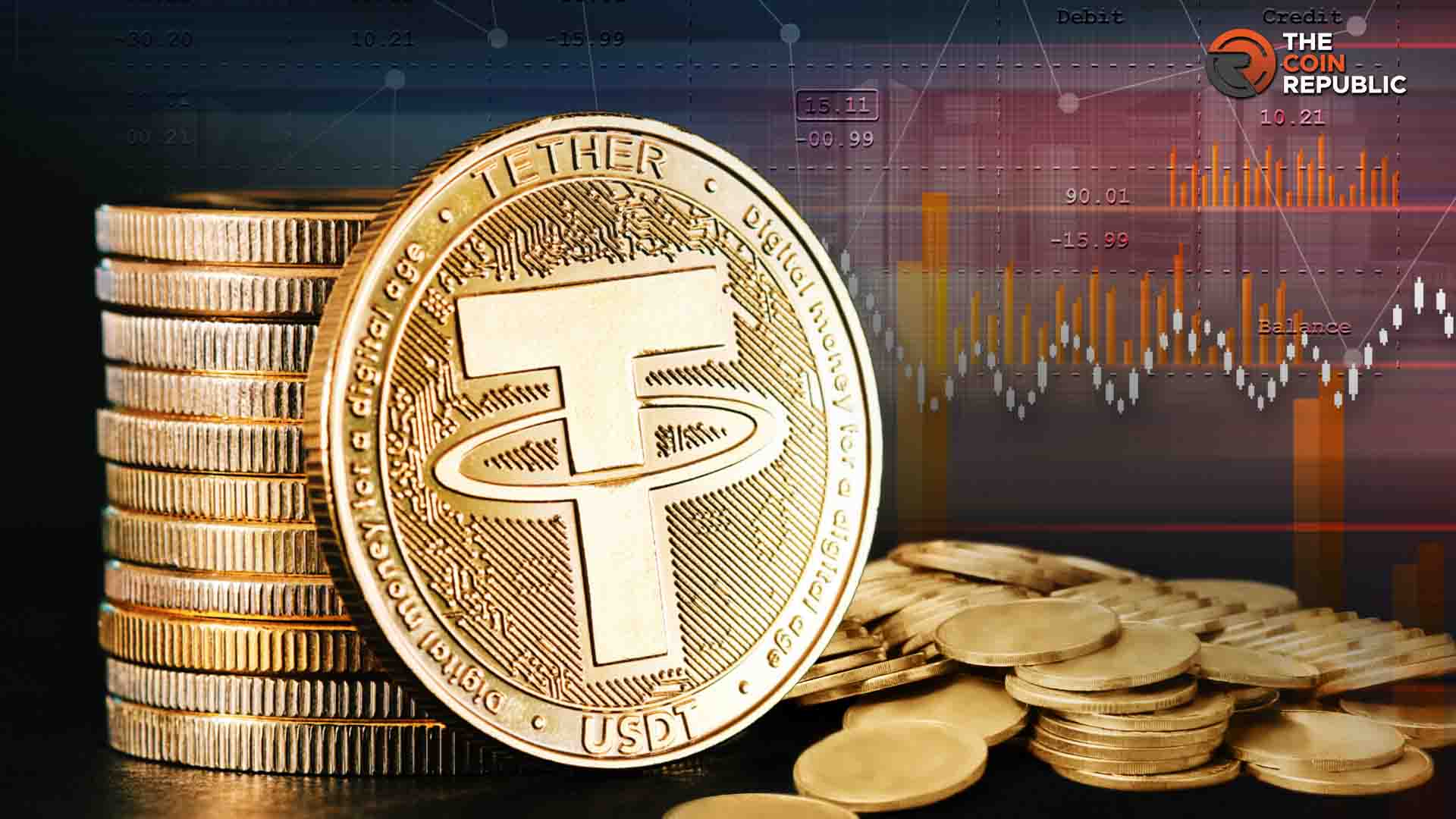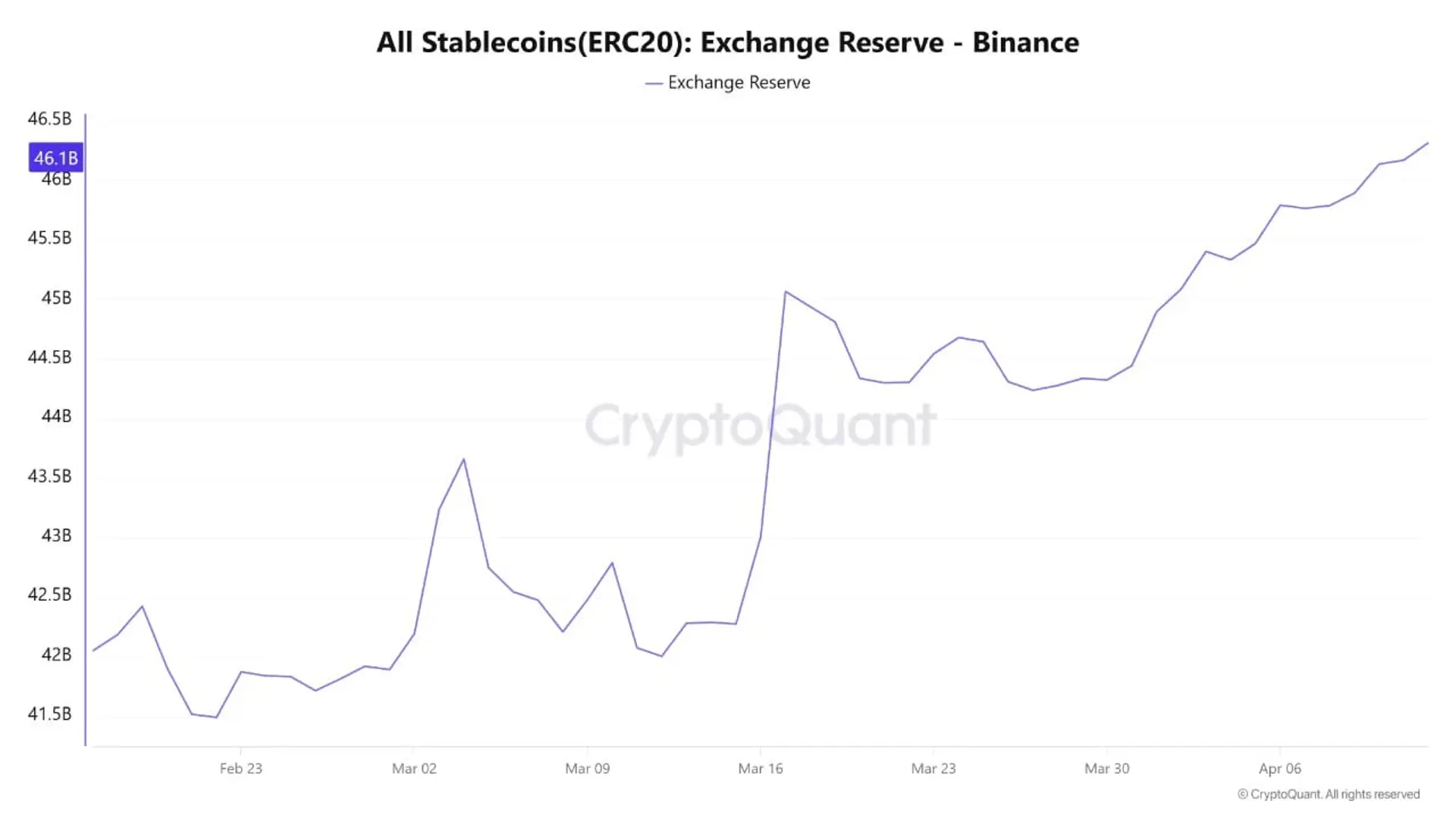
Tether and Circle are still competing for stablecoin dominance, with Tether’s USDT representing approximately 63% market share on CoinGecko’s Top USD Stablecoins chart, and Circle’s USDC representing approximately 25%.
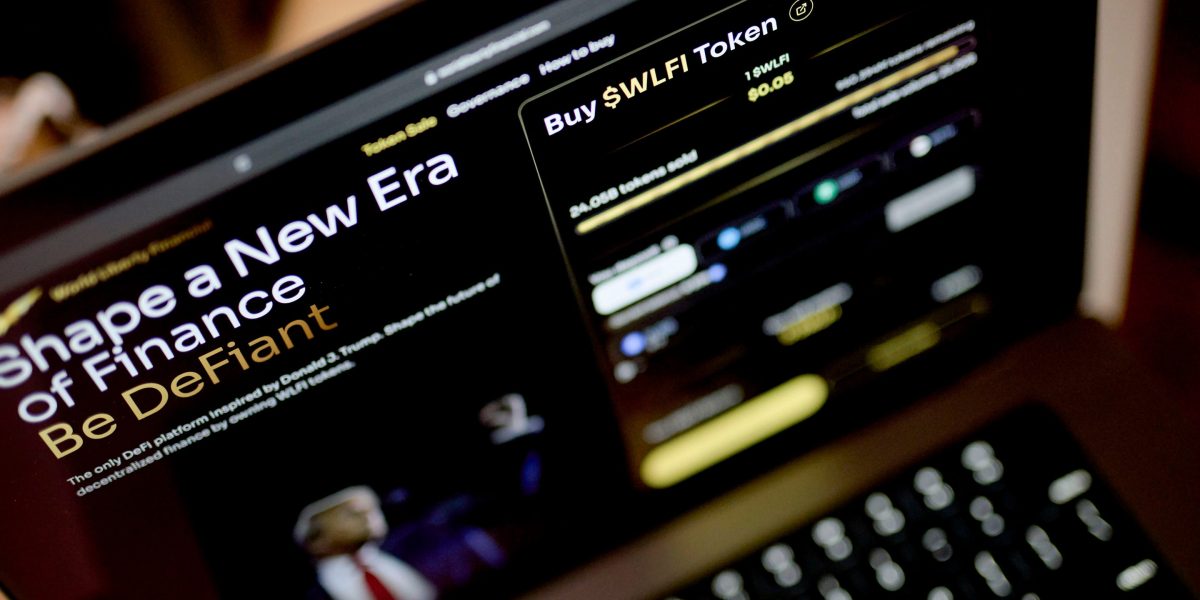
This dominant duopoly hasn’t been meaningfully threatened despite the emergence of new competitors like USD1, issued by the Trump-affiliated World Liberty Financial.
The two coins still retain substantial differences, including in how their reserves are constructed and maintained and how they’ve each approached important political questions in Washington D.C.
USDT and USDC growth
In the United States the GENIUS Act, which was signed into law on July 18 last year, sets the regulatory guidelines for stablecoins. This newfound legitimacy may have helped contribute to this growth.
Circle seems to believe it’s prepared for this, claiming that it was “responsible before it was required” and is “ready now”; Tether, meanwhile, is launching USAT, led by former White House advisor Bo Hines, to target the US.
Circle’s stock is publicly traded, and its stock price has increased by more than 50% so far this year. Data from Yahoo Finance says the market capitalization for Circle is approximately $34 billion.
Tether is still privately held, so its valuation is far less definite. It also reportedly tried to raise funds at a valuation of $500 billion, something that led investors to balk.
USDT and USDC reserves
Tether’s attestation suggests that it holds approximately $8.2 billion as “equity,” which represents the difference between its stated value of assets and its liabilities (issued tokens).
This makes up approximately 4% of its market capitalization.
Circle’s attestation, meanwhile, suggests that it has approximately $76 million more in assets than it has circulating USDC. This represents approximately 0.1% of its market capitalization.
Read more: Tether Investments: What a $100B stablecoin empire does with its profits
Tether’s more aggressive reserve compositions contribute to its massive profits, and it claims to have earned $10 billion in profits last year.
Circle’s 10-K annual filing with the SEC shows that it’s still losing money, recording a loss of nearly $70 million for 2025 — though a portion of that could be attributed to the large amount of stock-based compensation related to going public.
Stablecoins in Washington
Both Tether and Circle are active in Washington D.C., advocating for regulations that will benefit their respective businesses.
In some cases they have also become increasingly entangled with members of Donald Trump’s administration.
Howard Lutnick, the commerce secretary, was scrutinized after his nomination due to the ties between the firm he founded, Cantor Fitzgerald, and Tether.
Cantor serves as one of the most important custodians for this stablecoin, and Tether has become increasingly important to other parts of Cantor’s business.
This has included Tether partnering with Cantor as one of the key custodians for its new US-targeted USAT stablecoin, working with Twenty One on its special purpose acquisition company listing, and perhaps most controversially, reportedly lending Lutnick family members money.
Specifically, Tether reportedly loaned money to an entity called Dynasty Trust A, one of the trusts that benefits the Lutnick children and that acquired Cantor Fitzgerald when Howard divested it due to ethics concerns.
This loan is reportedly collateralized by a convertible note that would convert to equity in Tether.
The loan has also sparked ethical concerns once it was reported by Bloomberg. This has included calls from Senator Elizabeth Warren and Senator Ron Wyden to release documents related to this loan.
The size of the loan is still unknown.
Coinbase, which owned a stake in Circle and maintains agreements that entitle it to large payments from Circle’s income, was a donor to Trump’s fortified ballroom project.
Circle, meanwhile, had previously donated to Trump’s inaugural committee.
Both have become important funders of lobbyists over the last several years.
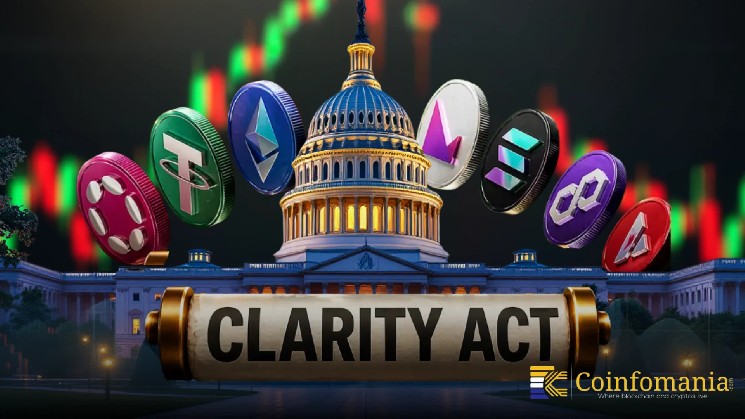
Coinbase reportedly withheld its support for the bill until it restored yield for stablecoins, and this may have slowed the CLARITY Act.
Read more: Tether challenges USDC Solana hegemony with $127.5M Drift bailout
Among the less consequential changes as these giants vie for dominance have been Pornhub choosing to replace its payout option for models who partner with the program.
The platform had originally adopted USDC following a choice by PayPal to cut it off.
In the Solana decentralized finance space, Tether has made aggressive moves, including funding a bailout of Drift that would see the protocol “transition its settlement asset from USDC to USDT.”
Got a tip? Send us an email securely via Protos Leaks. For more informed news and investigations, follow us on X, Bluesky, and Google News, or subscribe to our YouTube channel.