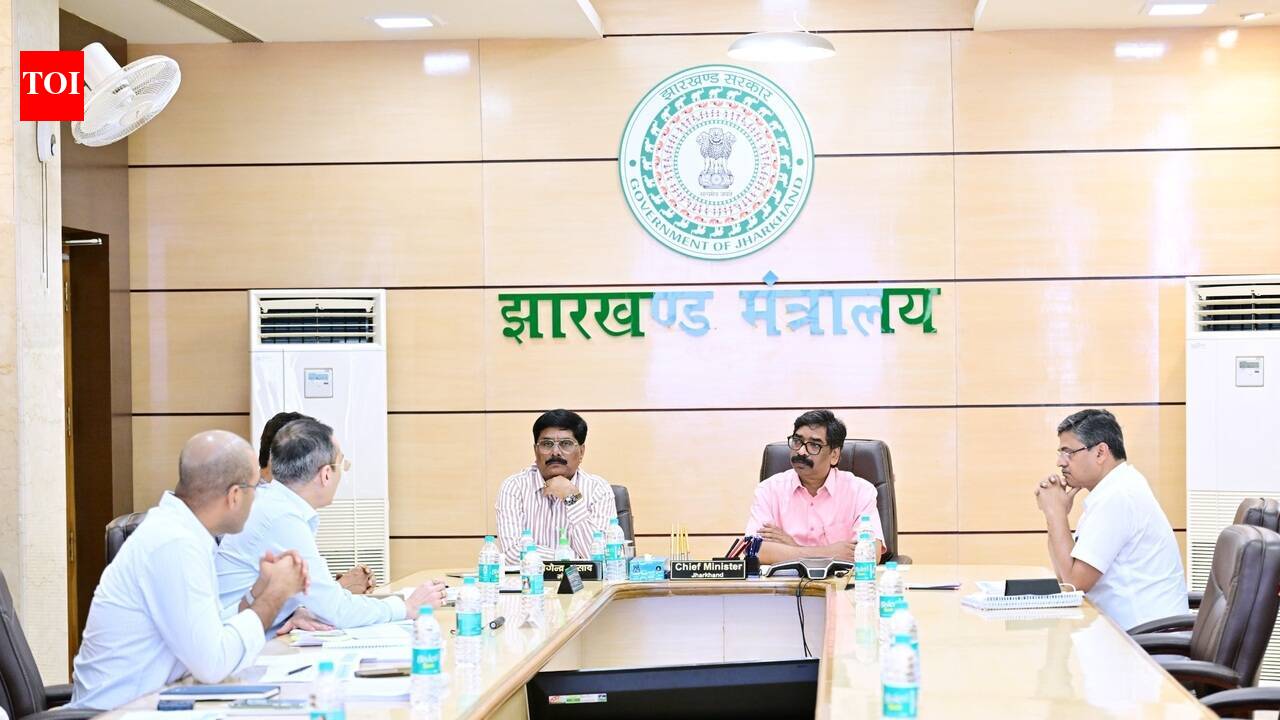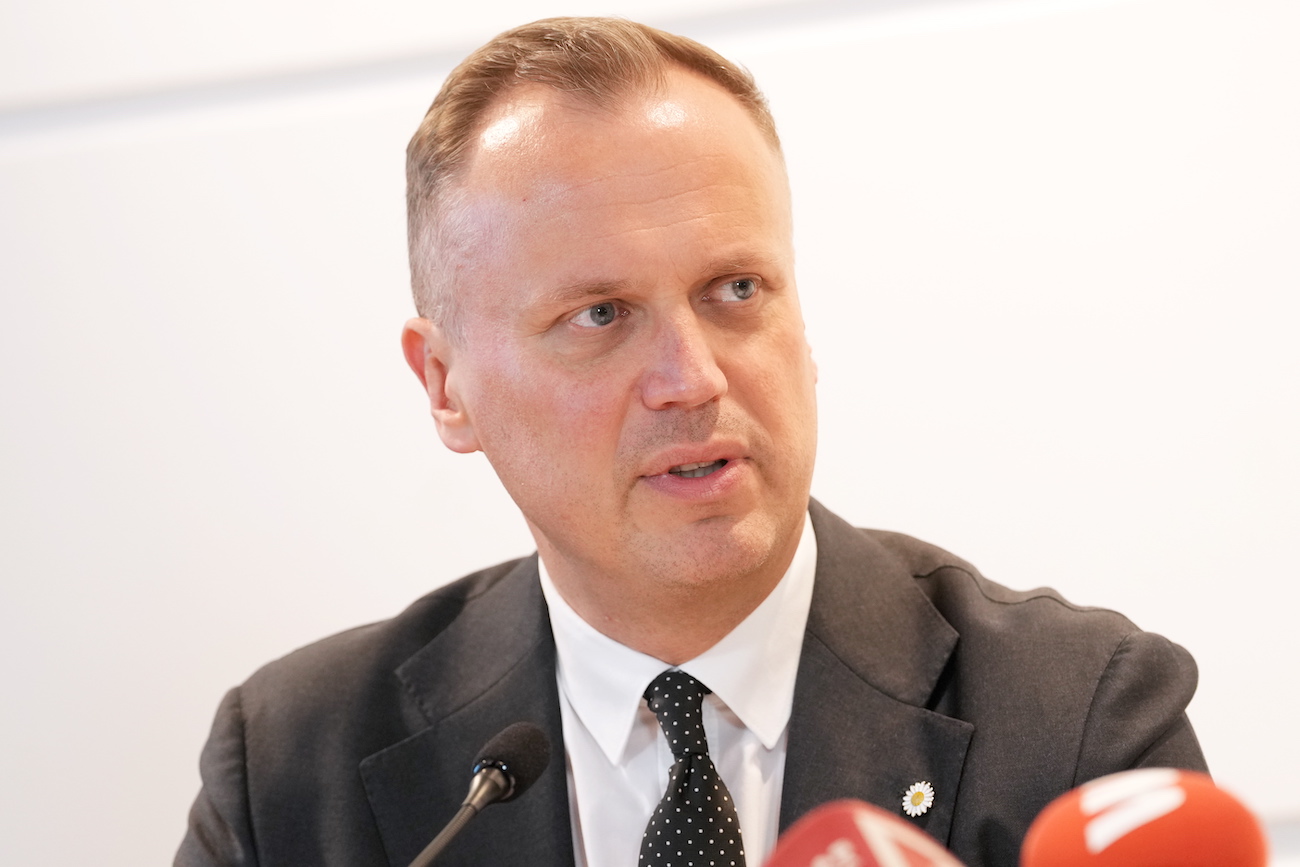
Latvia’s public-sector information and communication technology (ICT) governance requires fundamental reform, with plans now underway to audit ICT procurement practices, expand the supervisory mandate of the Ministry of Smart Administration and Regional Development (VARAM), and centralise key ICT support functions, Minister for Smart Administration and Regional Development Edgars Tavars and Deputy State Secretary for Digital Transformation Gatis Ozols announced at a press conference.
The proposed audit will include a review of catalogues within the Electronic Procurement System (EIS), measures to increase competition, strengthen the state’s internal ICT capacity, improve access to software source code, and introduce other reforms aimed at increasing efficiency and transparency.
Expanding VARAM’s oversight role is expected to improve the assessment of procurement efficiency, introduce centralised risk monitoring, and increase transparency in the management of state ICT investments.
Tavars stated that the ICT sector within Latvia’s public administration has been in “disarray” for at least the past six years.
“This situation has benefited many people, which is why
fundamental changes are necessary to move towards transparent ICT governance
and a clearer procurement system,” the minister said.
One of the most significant problems identified, according to Tavars, is that software development contracts have often been procured based on hourly rates rather than on the delivery of concrete solutions and ideas. As a result, one of the key objectives of the reform will be to minimise the use of hourly-rate procurement models.
Ozols noted that state and municipal institutions have spent 452 million euros on ICT procurement over the past two years. Approximately one-third of software development procurements were based on purchasing labour hours rather than competing solutions.
He also pointed out that around 60% of software development positions listed in the EIS catalogue attract only limited competition.
Tavars further explained that
ICT expertise within the public sector is highly fragmented, with specialists dispersed across numerous institutions.
He acknowledged that the state cannot afford to maintain top-level ICT expertise in every individual institution and therefore needs cross-sector competence centres that would consolidate highly qualified specialists.
According to information compiled by VARAM, 45 projects worth 160 million euros are being financed through the European Union’s Recovery and Resilience Facility between 2023 and 2026. In addition, 59 projects worth 156 million euros are being funded through the European Regional Development Fund for the 2021–2027 programming period.
The minister stressed that projects assessed as effective and not facing significant risks of losing funding will be allowed to continue.
Overall,
state and municipal institutions spent 175 million euros on ICT procurement in 2024,
of which 76% consisted of state procurement. In 2025, ICT procurement expenditure reached 277 million euros, with 85% financed from the state budget.
VARAM announced that within the next two weeks it will invite ICT industry associations, professional organisations and other stakeholders to submit proposals for improving the governance and procurement system of public-sector ICT projects.
These proposals will subsequently be evaluated and discussed with industry representatives before final recommendations are prepared for the government.
The ministry plans to submit an information report containing specific reform proposals to the Cabinet of Ministers by the end of July.
Several of the identified measures are expected to be launched already during the third quarter of this year
to ensure that improvements in public ICT governance are introduced as quickly as possible and deliver long-term benefits for the management of public digital investments.
As previously reported, Prime Minister Andris Kulbergs has imposed a 30-day moratorium on large and costly ICT procurement projects to review their effectiveness and procurement procedures. The restrictions do not apply to procurements valued below 142,000 euros.
Under the Prime Minister’s resolution, the Ministry of Finance, together with VARAM and the Procurement Monitoring Bureau, must prepare proposals for improving the Electronic Procurement System in order to increase competition, enhance price and service comparability, and reduce the development of unnecessary custom-made solutions when suitable market-ready alternatives already exist.
At the same time, VARAM, in cooperation with other institutions, has been tasked with preparing proposals to improve the governance and oversight of ICT projects, taking into account recommendations issued by the State Audit Office.