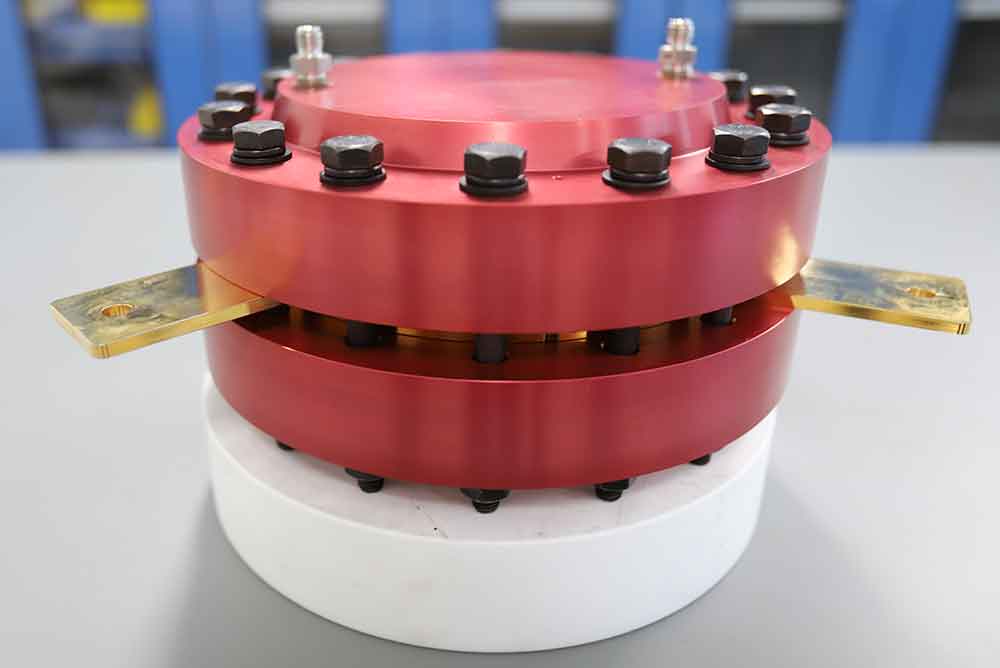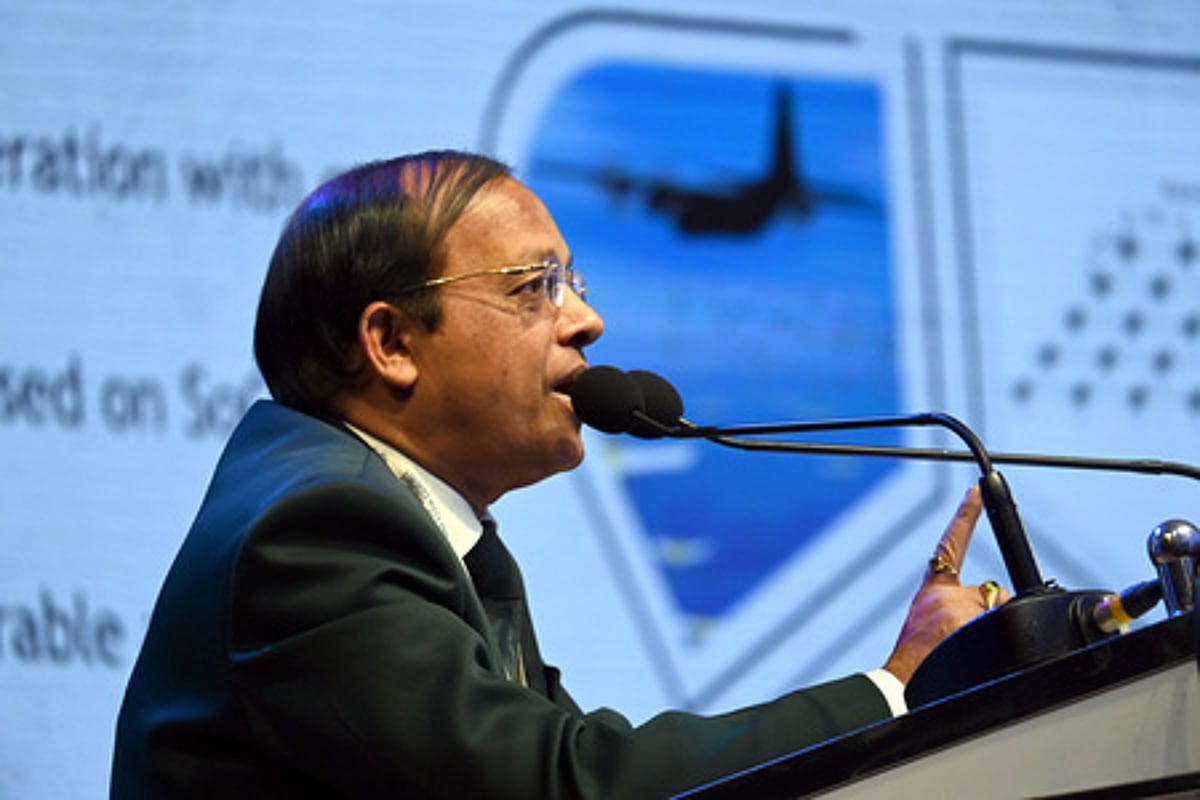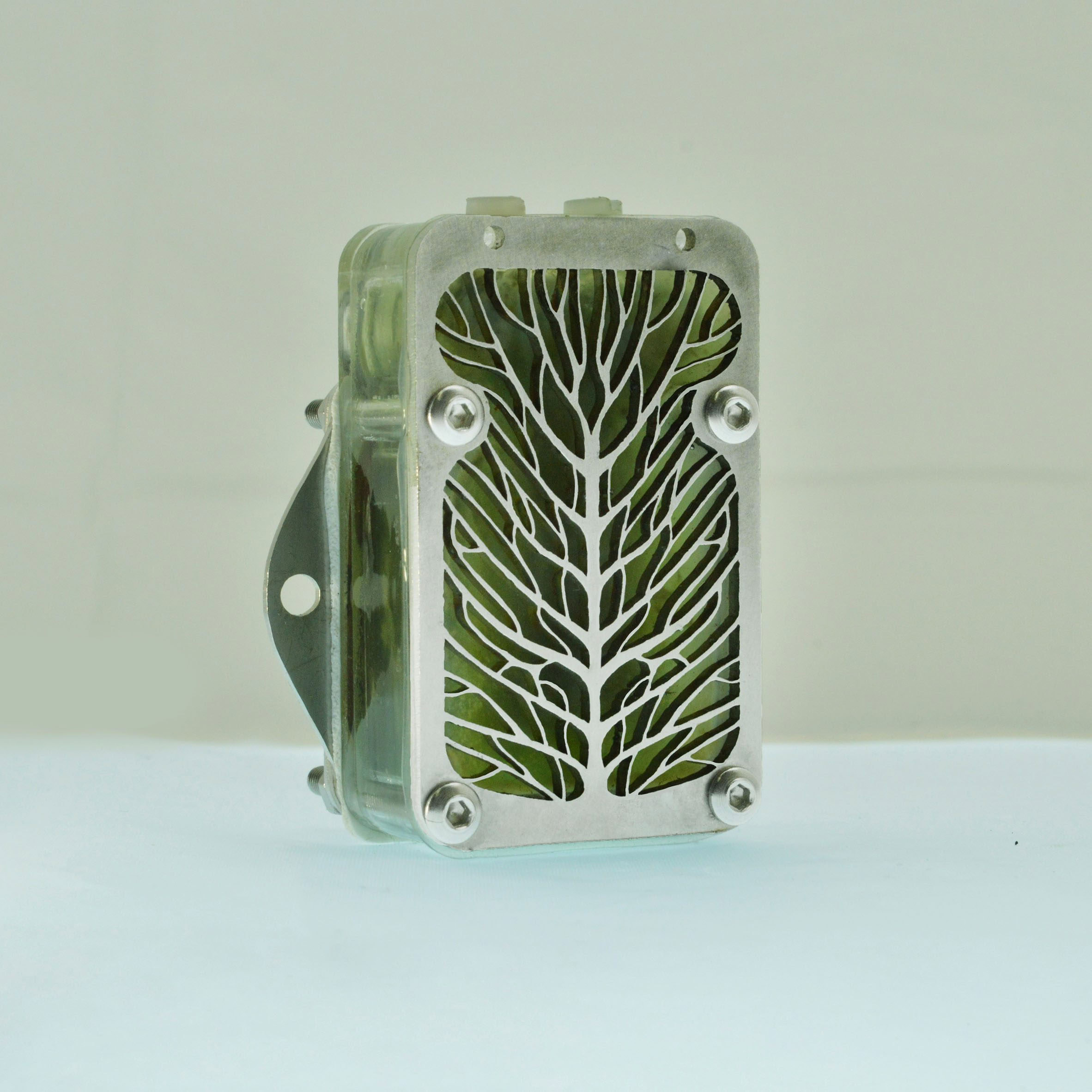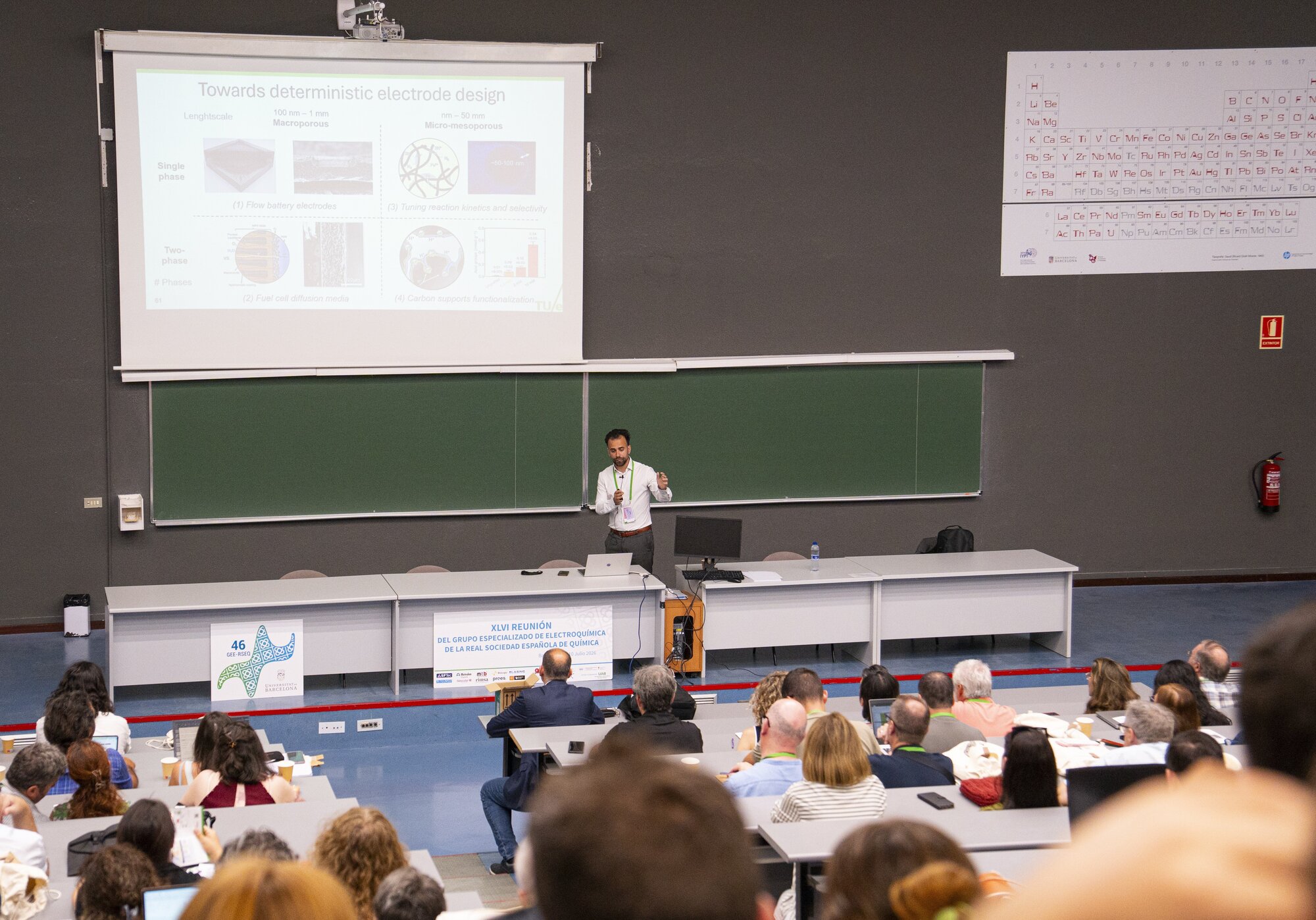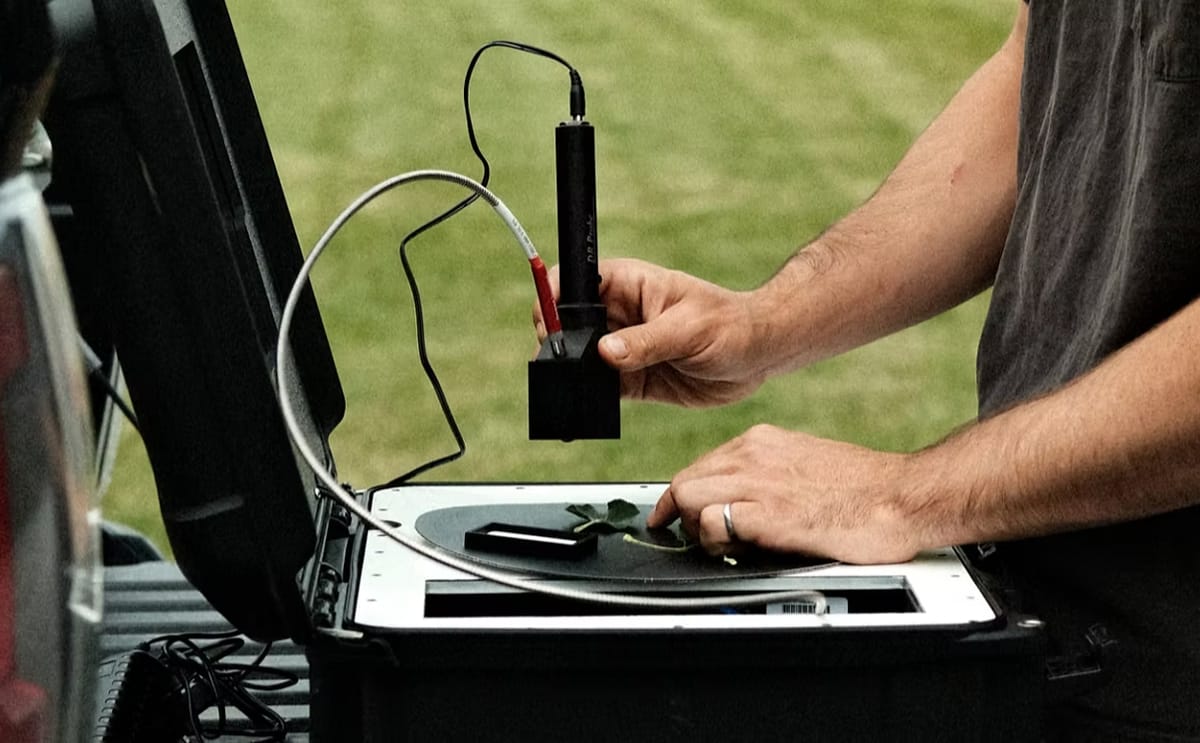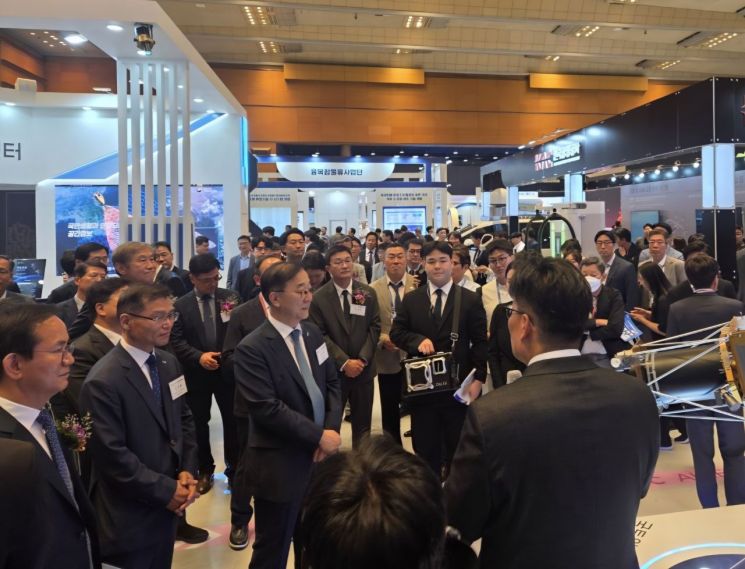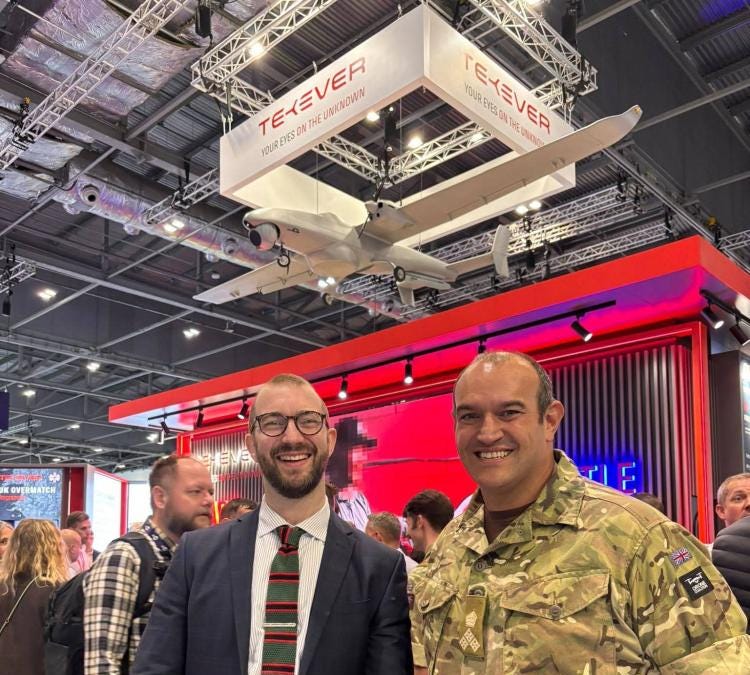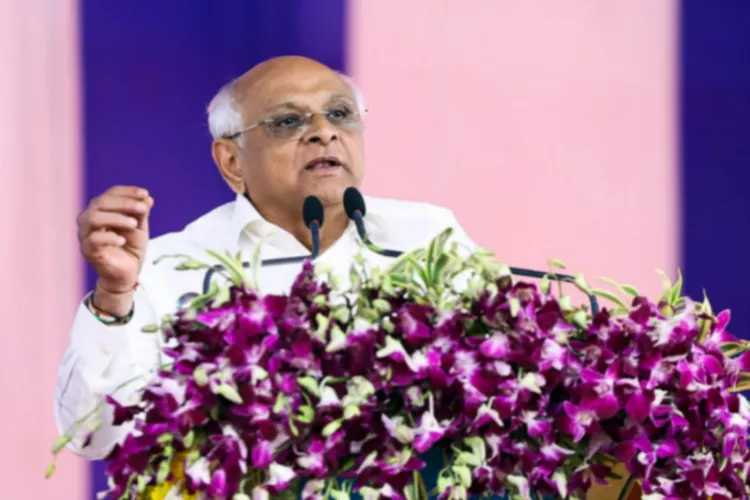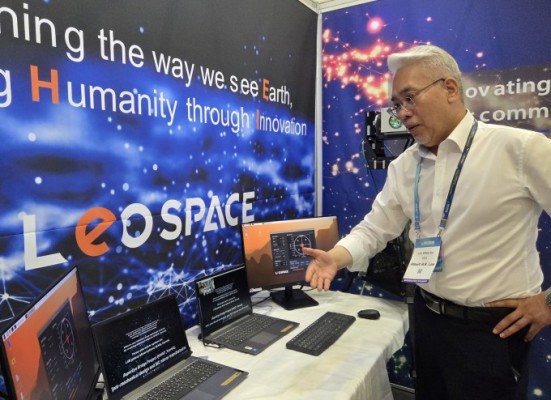
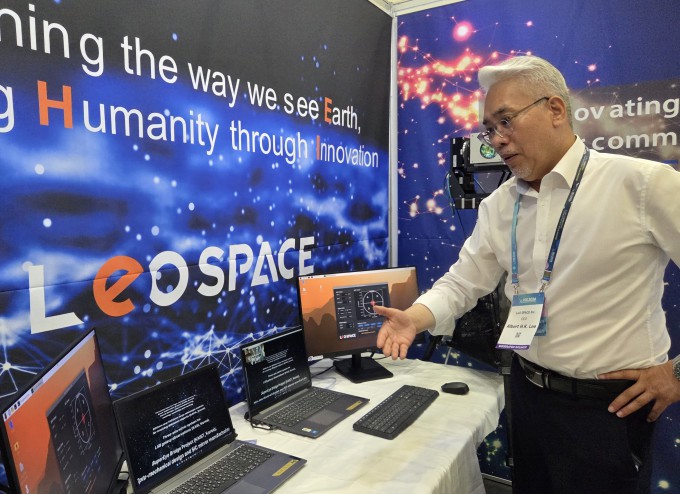
Lee Hyung-kwon, CEO of Korean space startup LeOSPACE, demonstrates a laser optical communication device at the ‘International Space Symposium (ISS) 2026’ held in Daejeon on the 16th. Photo by Byung-gu Lee 2bottle9@donga.com
Korean space startup LeOSPACE has announced a goal of demonstrating its laser inter-satellite communication technology in orbit within three years.
At the ‘International Space Symposium (ISS) 2026’ held in Daejeon for three days starting on the 16th, LeOSPACE CEO Lee Hyung-kwon demonstrated the company’s laser optical communication technology and said, “There is now a consensus in the space startup community that a ‘race for speed’ is crucial,” adding, “The key is to secure a usage track record (heritage) showing that the technology actually worked in space, even if only at a proof-of-concept level.”
He continued, “We plan to verify the performance of our laser optical communication system in ground-based space-simulation environments from the end of this year to early next year, and our goal is to perform an in-orbit demonstration within three years together with a suitable partner company.” He explained that the company is focusing strictly on industrial logic—lightweighting, miniaturization, and low power consumption—to implement a communication system for small satellites of under 100 kg.
Founded in October 2021, LeOSPACE focuses on optical cameras for Earth observation and laser optical communication technology that efficiently relays data generated on satellites between satellites.
Just as Starlink provides internet services by deploying numerous satellites into orbit, the effective operation of large satellite constellations in the future will require communication technologies that connect satellite to satellite and enable high-speed data exchange.
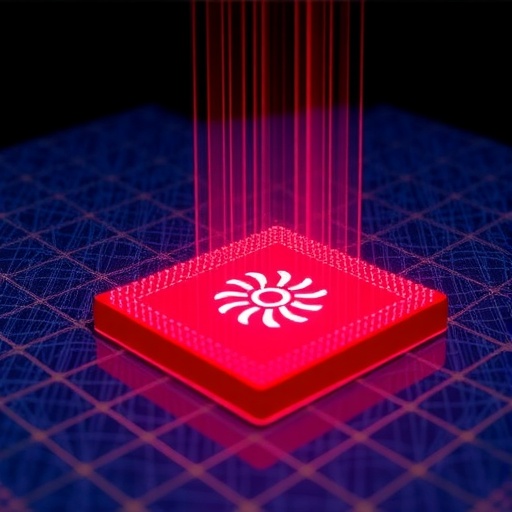
Laser optical communication can theoretically achieve data rates up to 1,000 times faster than conventional radio-frequency (RF) wireless methods. Unlike RF signals, which spread out radially, laser beams travel almost in a straight line, making extremely precise alignment of the laser transmitter and receiver the core technology.
“You need to control the satellite’s attitude with high precision, and algorithms that compensate for jitter caused by various factors such as micro-particle impacts are also important,” Lee said.
Lee explained the background of the company’s founding, saying, “I majored in laser systems and built up my career handling laser equipment in the semiconductor industry, and along the way I sensed the growing importance of the space market.”
LeOSPACE has previously collaborated with the Korea Astronomy and Space Science Institute and others in the field of optical equipment. The company is currently taking the lead in developing the optical payload for ‘JinjuSat-2’, an ultra-small satellite project run by the local government of Jinju City.
The workforce is also expected to grow from the current 23 employees to around 30 by the end of the year. Lee said, “We plan to secure a dedicated manufacturing facility by the end of the year using our Series A funding,” adding, “Our long-term goal is to be integrated into the global supply chain.”
He added, “The importance of satellite communication networks was clearly demonstrated during the Russia-Ukraine war,” and said, “We believe we will be able to meet the needs of latecomer countries in the satellite sector going forward.”
Copyright ⓒ DongA Science. All rights reserved.