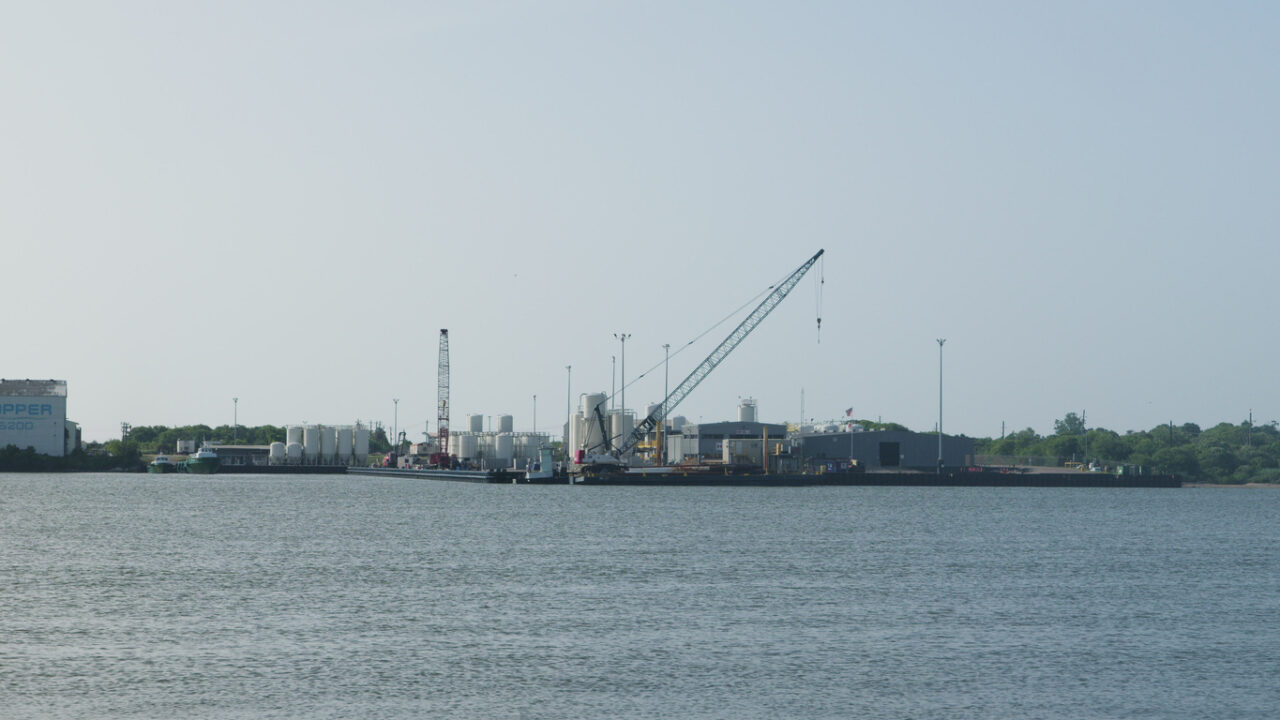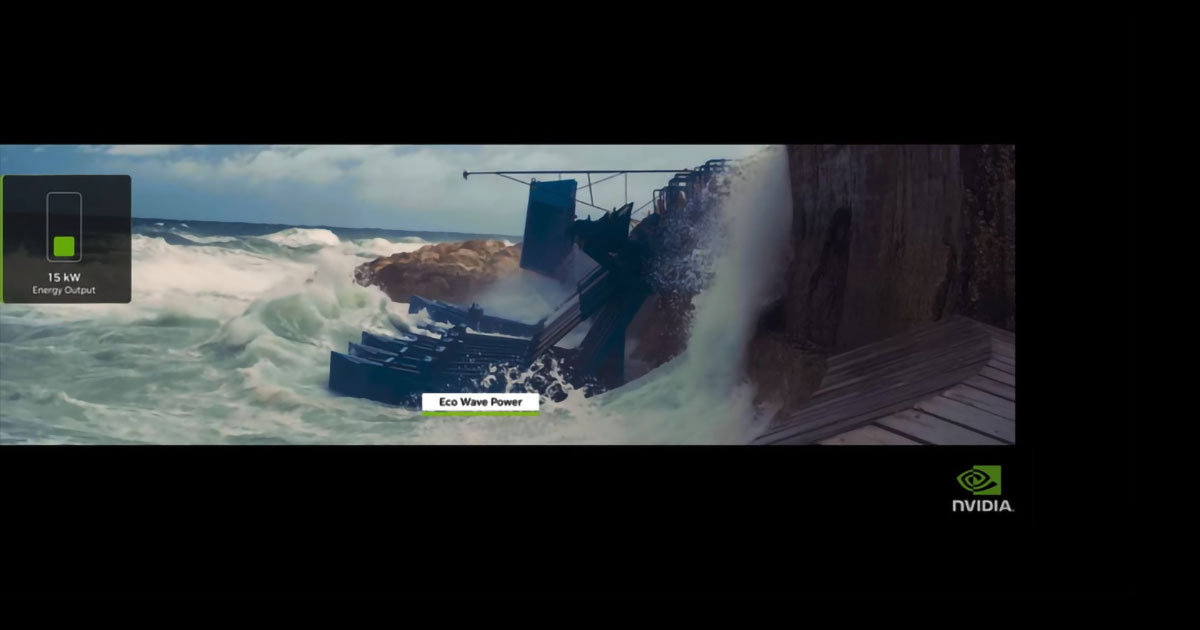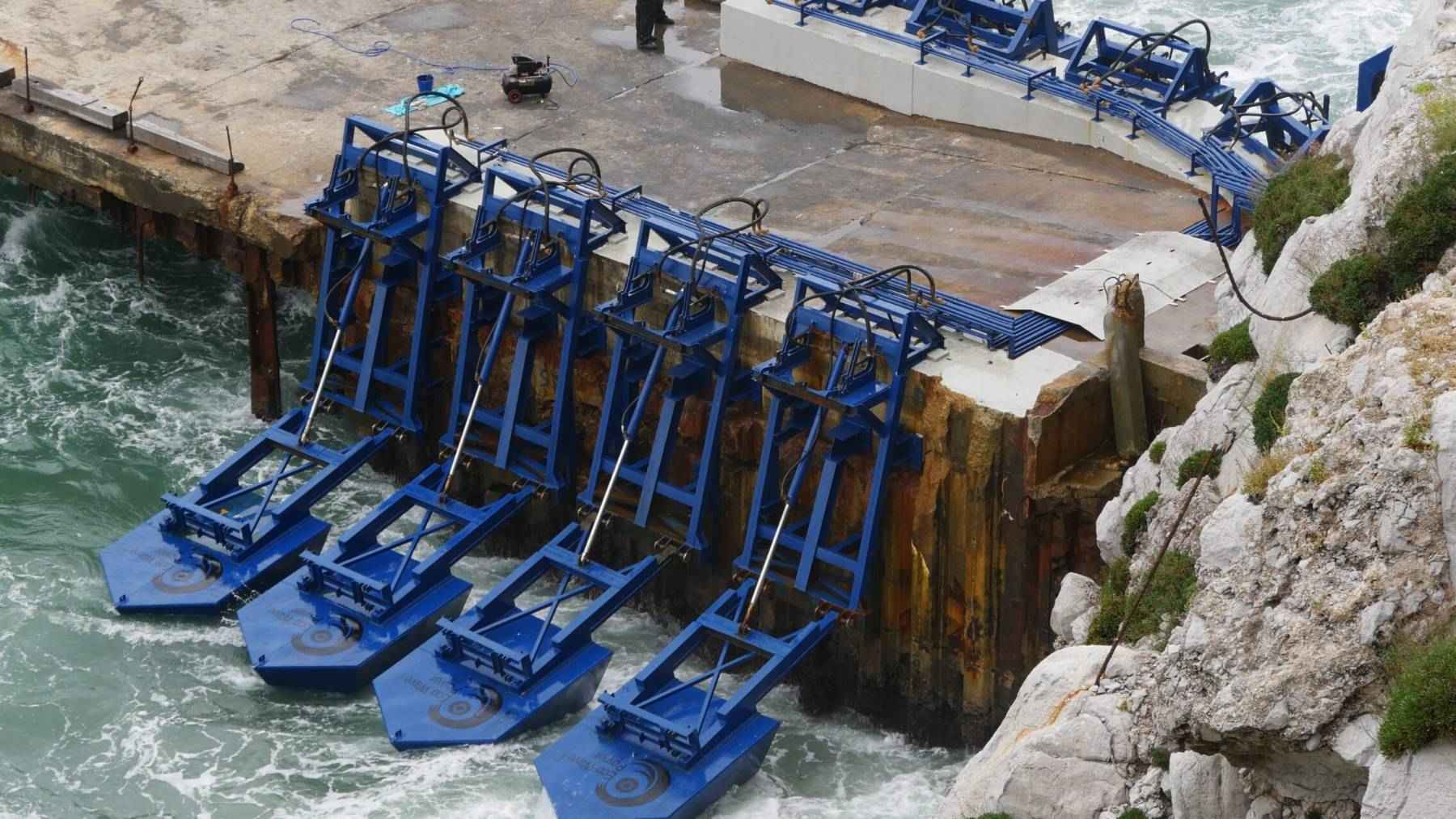
On the Atlantic coast of Portugal, a breakwater sits under repair — battered by storms that halted one of Europe’s most closely watched wave energy projects before installation could even begin. The damage is a setback for Eco Wave Power, the company behind a planned 1 MW wave energy installation at Porto’s Barra do Douro breakwater.
But the disruption also raises a harder question: can onshore wave energy technology withstand the very ocean forces it’s built to harness — and still make the leap from small pilots to commercial-scale power generation?
A breakwater battered by storms
The Barra do Douro breakwater didn’t just take cosmetic damage. Storms hit hard enough that APDL — the port authority responsible for the infrastructure — had to launch formal rehabilitation works before Eco Wave Power could install any equipment. APDL is carrying out the repairs as part of its standard maintenance and reinforcement duties, and the company has confirmed work is underway and progressing at the site.
Earlier in 2025, the company completed a wave energy pilot program at the Port of Los Angeles in collaboration with Shell International Exploration and Production.
For Eco Wave Power, this is a waiting game. It also exposes a paradox running through the entire wave energy sector: the coastal infrastructure needed to support this technology must be resilient enough to survive the very ocean forces that technology is designed to capture. Breakwaters take a beating — that’s their job. But when a project depends on one, storm damage becomes a project delay.
From pilot scale to 1 MW: why Portugal matters
The Porto installation isn’t just another demonstration project. It’s Eco Wave Power‘s first megawatt-scale deployment — a meaningful step up from the smaller pilots used to prove the concept. That distinction matters commercially. Reaching 1 MW is the threshold where wave energy stops resembling a science experiment and starts looking like a viable power source.
Portugal’s Atlantic coastline offers a strong wave resource, which is part of why the country ranks among Eco Wave Power’s priority European markets. The agreement with APDL goes well beyond this first phase, covering potential development of up to 20 MW of wave energy capacity at the site. The 1 MW installation is the opening move in a much larger plan.
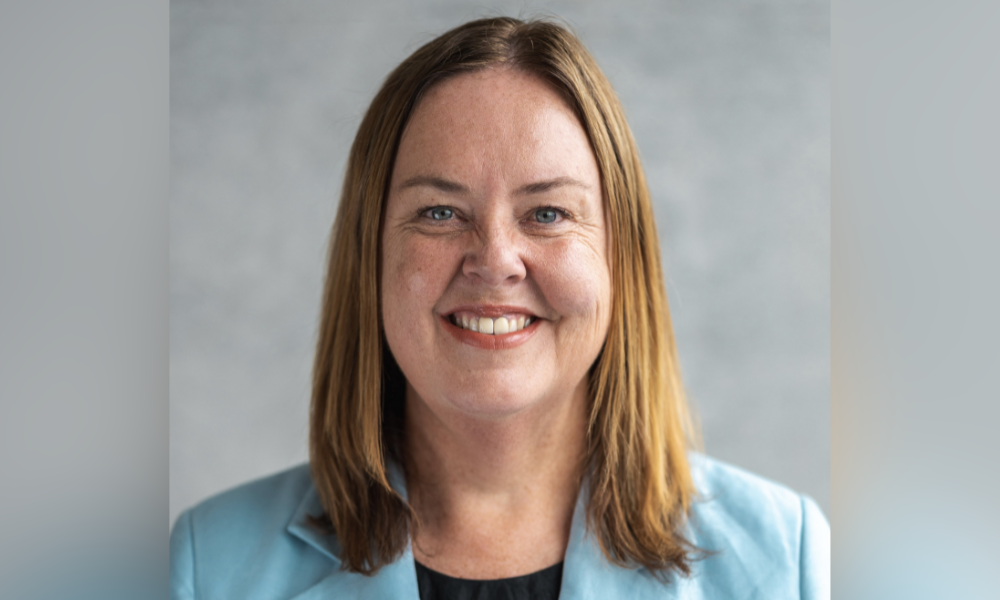
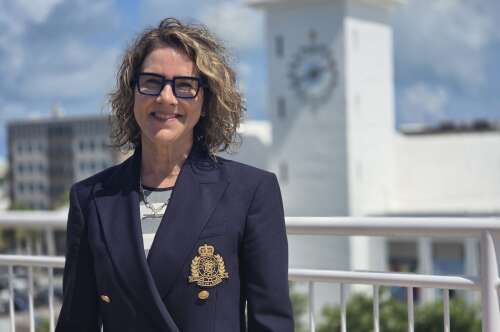
CEO Inna Braverman is scheduled to travel to Porto in mid-August 2026 for a face-to-face meeting with APDL. The agenda: pin down a firm completion timeline for the rehabilitation works and identify when Eco Wave Power can access the breakwater and begin installation. That meeting will likely define how much more time the project loses — and how the company intends to recover it.
The regulatory puzzle: buying time without losing momentum
Delays in physical construction create a secondary problem: regulatory deadlines don’t automatically pause when storms cause damage. Eco Wave Power’s grid-connection deadline was set against an original project schedule. Now that schedule has shifted, and the company needs the regulatory timetable to shift with it.
APDL has agreed to provide a formal letter of support for Eco Wave Power’s request to extend the grid-connection deadline with Portuguese authorities — keeping the project in compliance while breakwater repairs are completed and aligning the paperwork with the reality on the ground.
Braverman’s August visit will also include meetings with Portuguese subcontractors across several execution areas: civil engineering, steel fabrication, hydraulic systems, and electrical grid connection. Lining up local contractors while rehabilitation is still ongoing suggests the company is trying to compress the timeline wherever possible. Managing regulatory schedules around physical setbacks is a recurring challenge for first-of-kind energy projects, and how Eco Wave Power handles this one could inform how the broader industry approaches similar situations.
Proof of concept: what the Los Angeles pilot showed
While Portugal waits, Eco Wave Power has already closed the book on its first US pilot. Earlier in 2025, the company completed a wave energy pilot program at the Port of Los Angeles in collaboration with Shell International Exploration and Production. The full pilot lifecycle ran to completion under real maritime conditions, using existing coastal infrastructure with no seabed anchoring required.
The numbers stand out. Total capital expenditure came in below $1 million — unusually lean for an energy pilot. Permits were granted with a finding of no significant environmental impact, which removes one of the standard objections to new marine energy installations.
Eco Wave Power argues the Los Angeles pilot validates the core claim behind its onshore model: that wave energy can be deployed without the complexity and cost typically associated with offshore installations. Whether that argument holds at megawatt scale is precisely what Porto is meant to test.
Beyond Europe: a feasibility study points to South Africa
The company’s geographic ambitions extend well past Portugal’s Atlantic coast. Eco Wave Power recently completed a feasibility study for a potential wave energy station at the Port of Ngqura in South Africa, conducted with Africa Great Future Development Ltd. Results indicated technical potential for approximately 8.3 MW of installed capacity along the port’s breakwater, subject to further permitting and development assessments.
That figure is preliminary, and feasibility studies are a long way from operating projects. Still, the Ngqura study signals something worth watching: Eco Wave Power’s onshore model — attaching floats to existing port infrastructure — is being evaluated across genuinely different geographies and wave climates.
Taken together, Portugal, Los Angeles, and South Africa sketch a picture of a technology advancing steadily, if unevenly. The Porto setback is real. So is the trajectory. What comes next depends on how quickly a battered breakwater can be repaired — and whether a 1 MW installation can finally prove that onshore wave energy belongs in the commercial energy conversation.
Disclaimer: Our coverage of events affecting companies or institutions is purely informative and descriptive. Under no circumstances does it seek to promote an opinion or create a trend, nor can it be taken as investment advice or a recommendation of any kind.

CEO
Carlos is an engineer with strong expertise in technical and industrial topics. He previously worked at international companies such as Siemens and is multilingual.