Airlines are shrinking economy cabins across the board at impressive rates, all because premium passengers now generate more revenue than economy travelers. With demand for first class, business class, and premium economy at all-time highs, airlines like  Delta Air Lines and
  United Airlines are reporting record-breaking premium revenue while economy revenue has actually declined from quarter to quarter.
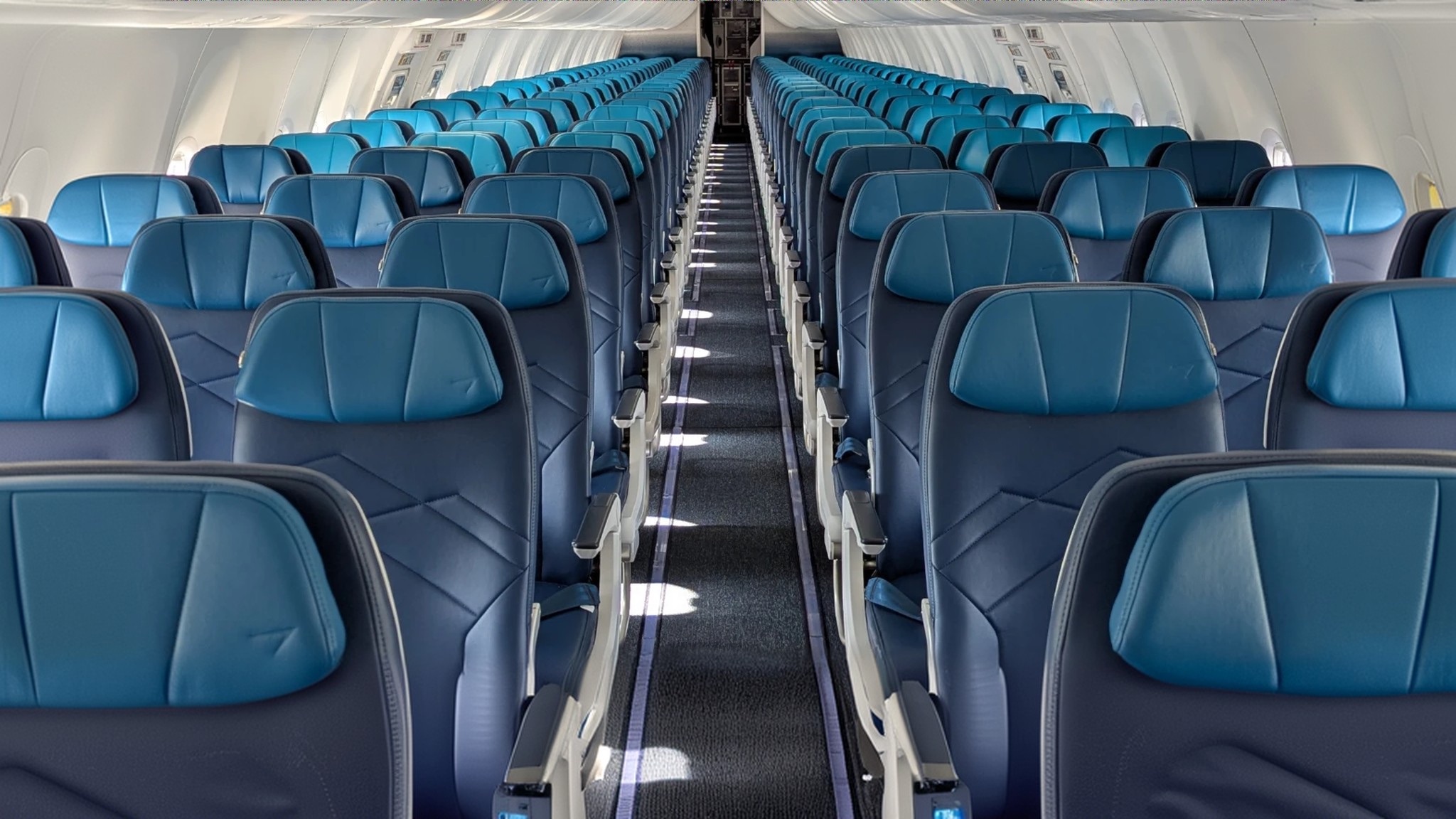
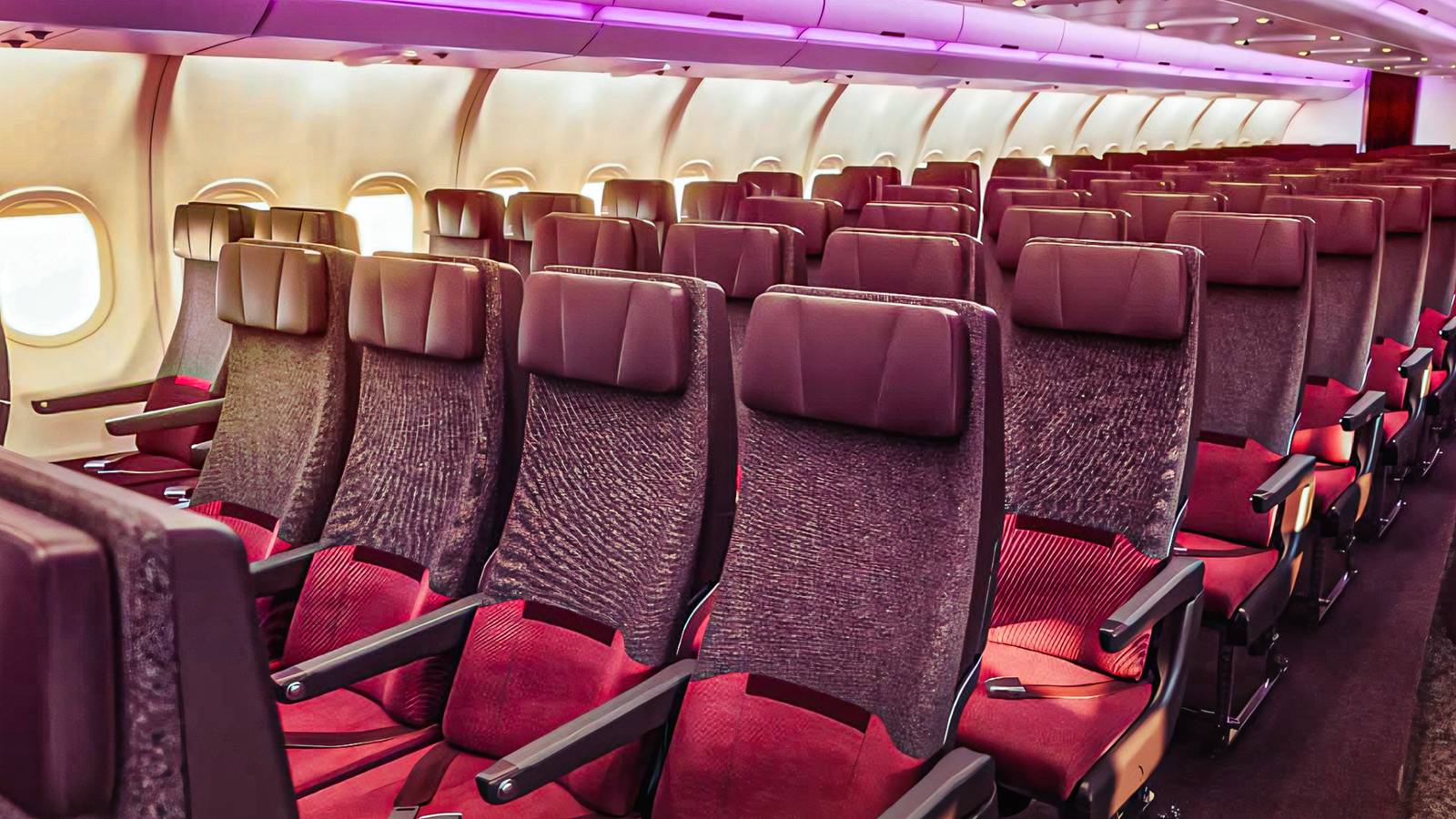
In late 2025, Delta reported that premium cabin revenue exceeded main cabin revenue for the first time in the airline’s history, a milestone that would have been unimaginable just a decade ago. This shift in airline economics is changing how airlines design their aircraft as well. Rather than maximizing passenger count, airlines are replacing economy seats with larger premium economy or business class seats. Driven by what economists call the “K-shaped” economy, this is why airlines are shrinking their economy cabins, especially on some of their busiest routes.
Premium Cabins Now Generate More Revenue Than Economy

The most important signal of the shifting demand patterns arrived in late 2025 when Delta Air Lines reported its fourth quarter and full-year earnings. In Q4 2025, Delta’s premium cabin revenue exceeded economy revenue for the first time in the airline’s history, with main cabin revenue decreasing 7% from Q4 2024, or from $6.05 billion to $5.62 billion. On the other hand, premium cabin revenue, including extra legroom economy, premium economy, business, and first class, increased 9% compared to Q4 2024, jumping from $5.22 billion to $5.70 billion. This increase means premium cabin revenue outpaced main cabin revenue by $80 million, reflecting a profound change in the structure of airline profitability.
For the full year, Delta’s main cabin revenue declined 5% to $23.39 billion while premium revenue rose 7% to $22.10 billion, with projections hinting that 2026 could be the year when full-year premium revenue surges past economy sales. Delta President Glen Hauenstein framed the shift plainly: “premium products used to be loss-leaders, and now they’re the highest-margin products.”
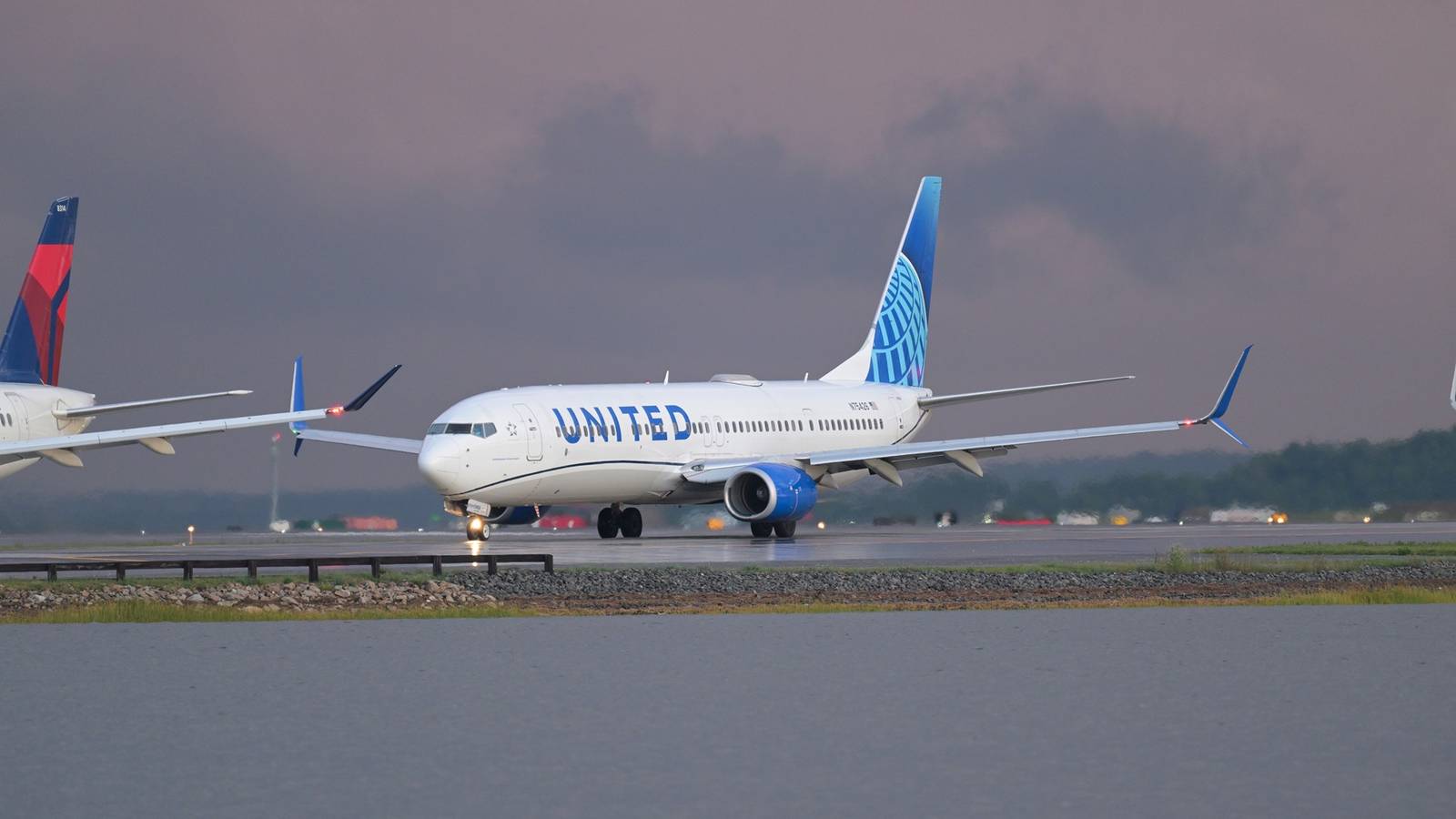
United Airlines, the US’ second most profitable airline behind Delta, has reported similar trends. In the fourth quarter of 2025, United’s premium revenue surged 12% year over year, while standard economy revenue grew just 1%. This discrepancy matters because airlines operate in an industry with incredibly slim margins, where even a modest increase in high-yield ticket sales can dramatically affect profitability. Rather than maximizing total seat count, carriers are increasingly optimizing revenue density, or the amount of money generated per area of cabin space, with fewer seats now more often than not translating to higher revenues.
Why Fewer Seats Can Mean More Money

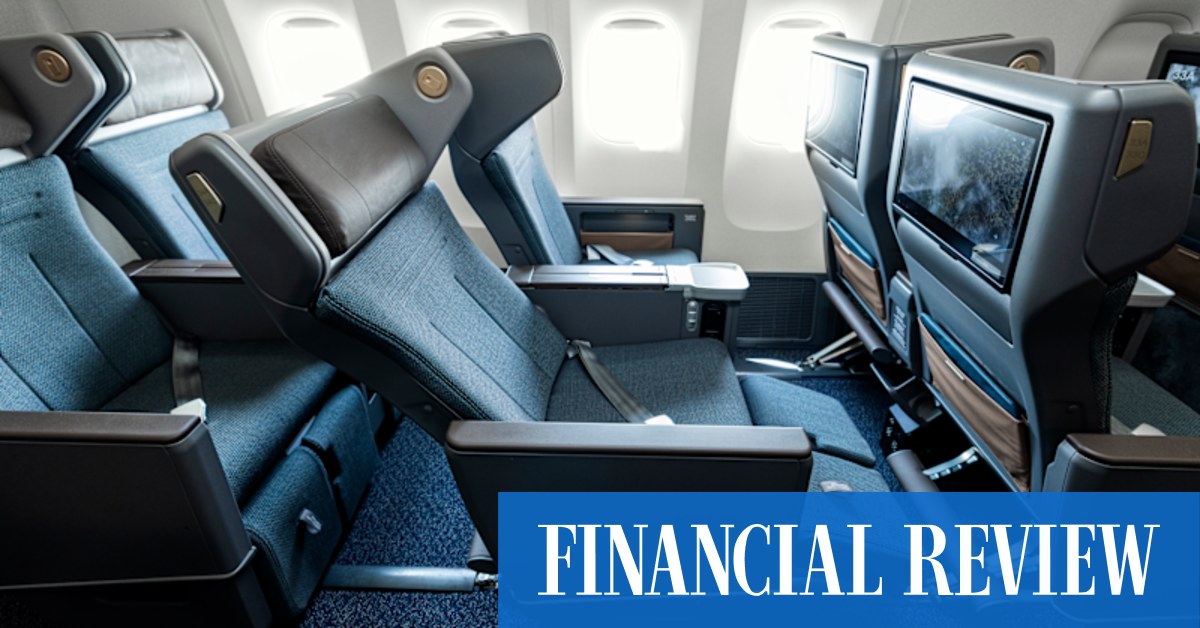
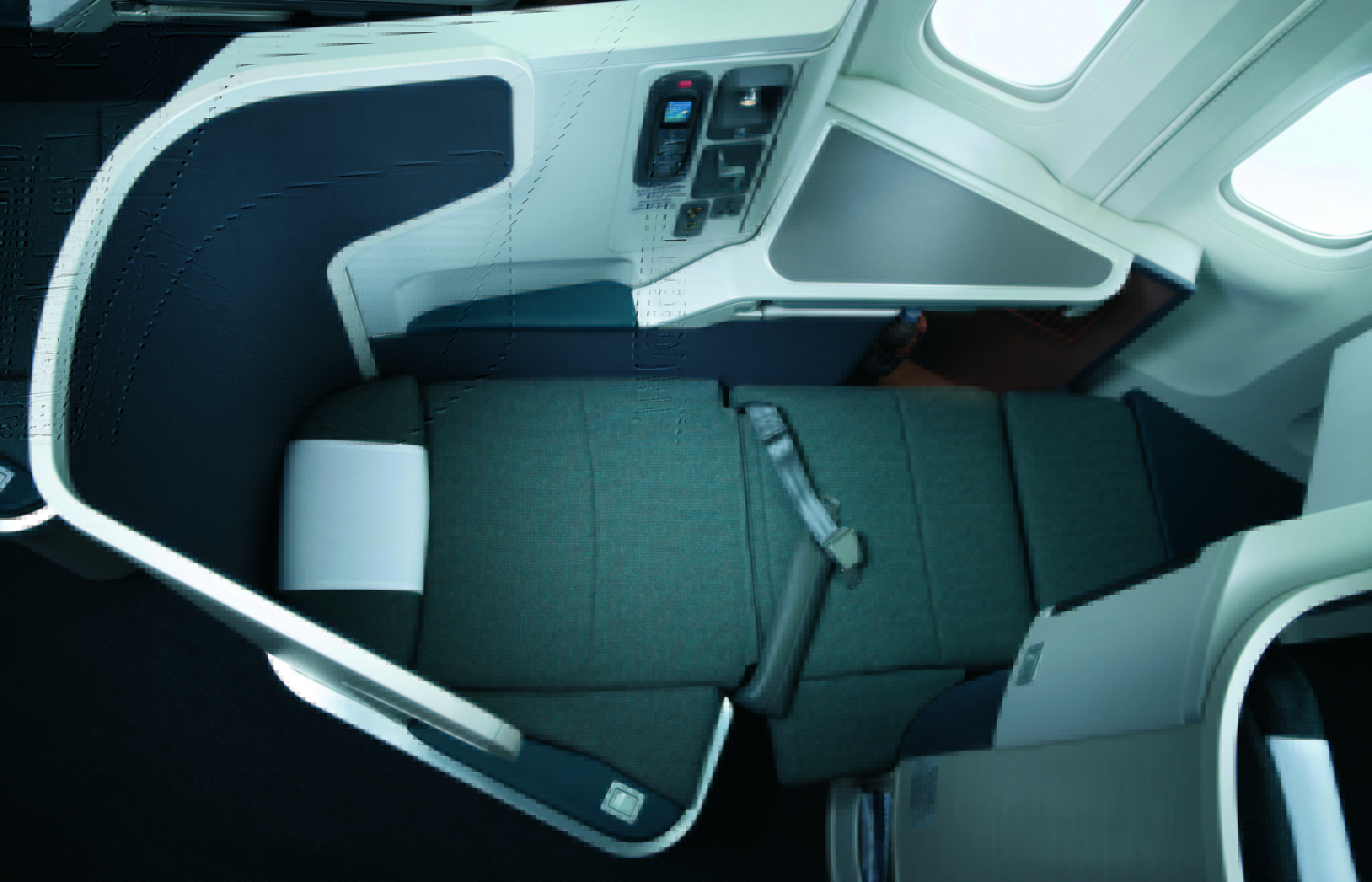
In airline economics, not all seats are created equal. A premium economy or business-class seat may occupy the space of two or even three economy ones, but the revenue generated often far exceeds the lost capacity. Looking at Delta flights on a random Saturday in August, August 22, 2026, for this example, between New York (JFK) and Los Angeles (LAX), the busiest and most lucrative domestic aviation corridor in the US, reveals how large the difference between premium cabins and economy can be. Economy pricing starts at $154 one way for Delta Basic Main, Delta’s basic economy offering. On the other hand, Delta Comfort+, an extra legroom seat, goes for $1,449 while Delta One business class costs $1,599, which is 938% more than the economy seat.
This discrepancy explains why airlines are willing to sacrifice raw passenger numbers in exchange for higher-value customers. On the Boeing 767-300ER aircraft that operates most of Delta’s JFK – LAX flights, four economy seats can fit in the space of one Delta One seat. Delta thus makes $1,599 if it sells one business class seat compared to $616 if it sells four economy seats that take up the same space. While there is not enough demand to sustain an entire 767 worth of Delta One seats, this math makes it clear how prioritizing business class can mean higher revenues than maximizing passenger count.
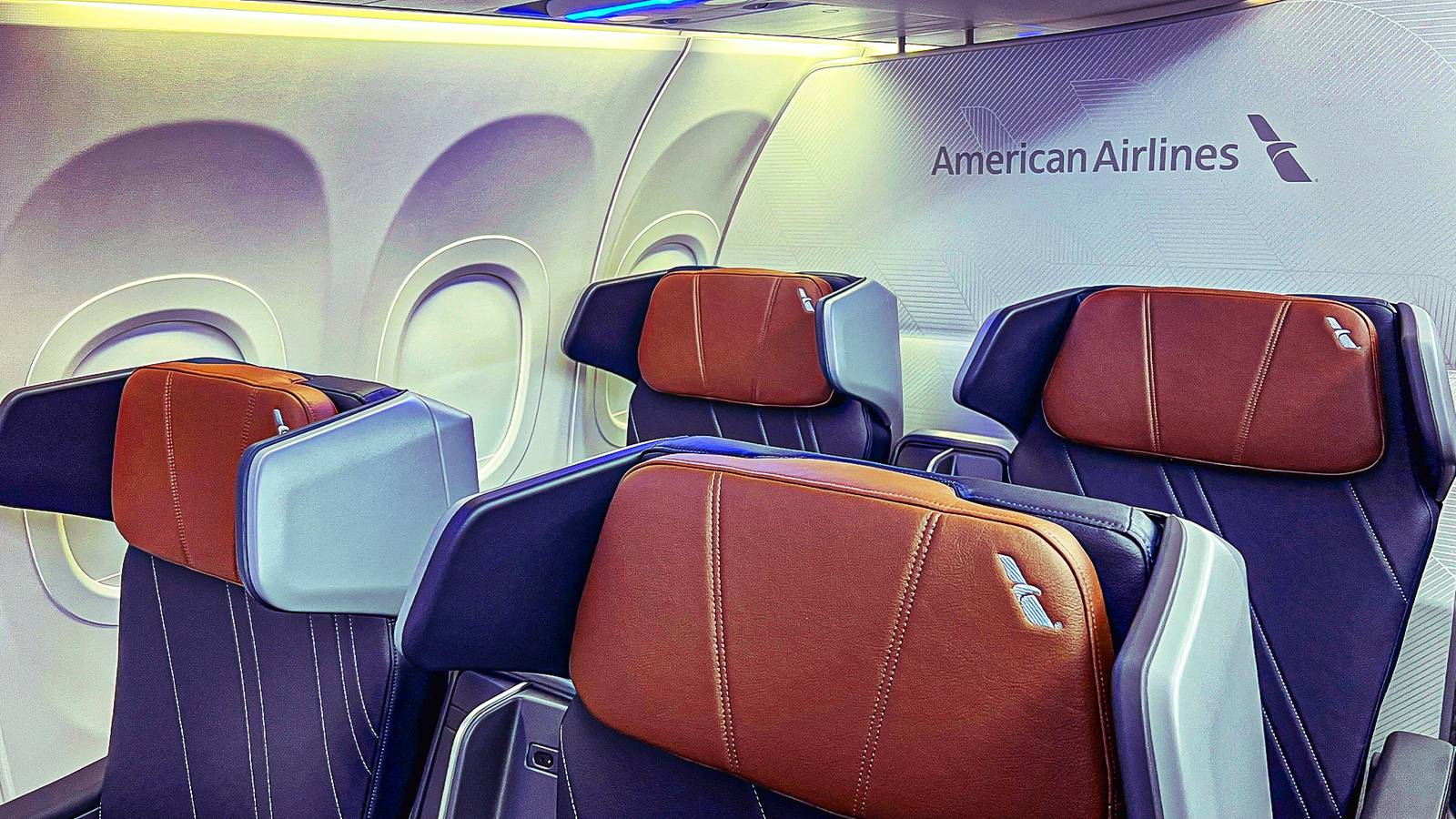
Additionally,  American Airlines has described premium economy as “the most profitable use of square footage on our widebody aircraft.” United Airlines has similarly stated that adding its Premium Plus cabin can increase passenger revenue per available seat mile (PRASM) by 4% to 6% on aircraft equipped with the product, showing how passengers are willing to pay for a little more space, with that decision having significant impacts on airline’s bottom line. Prioritizing premium demand also tends to be more resilient during economic slowdowns, with corporate and affluent consumers typically less price-sensitive than leisure travelers in coach. These changing economic factors are a big reason why fewer seats can actually mean more money for airlines.
The Airlines With The World’s Newest Premium Economy Seats In 2026
A few new airlines will have premium economy offerings in 2026, while most are continuing to roll out expanded and/or refreshed seats.
The K-Shaped Economy: The Wealth Inequality Driving Premium Demand

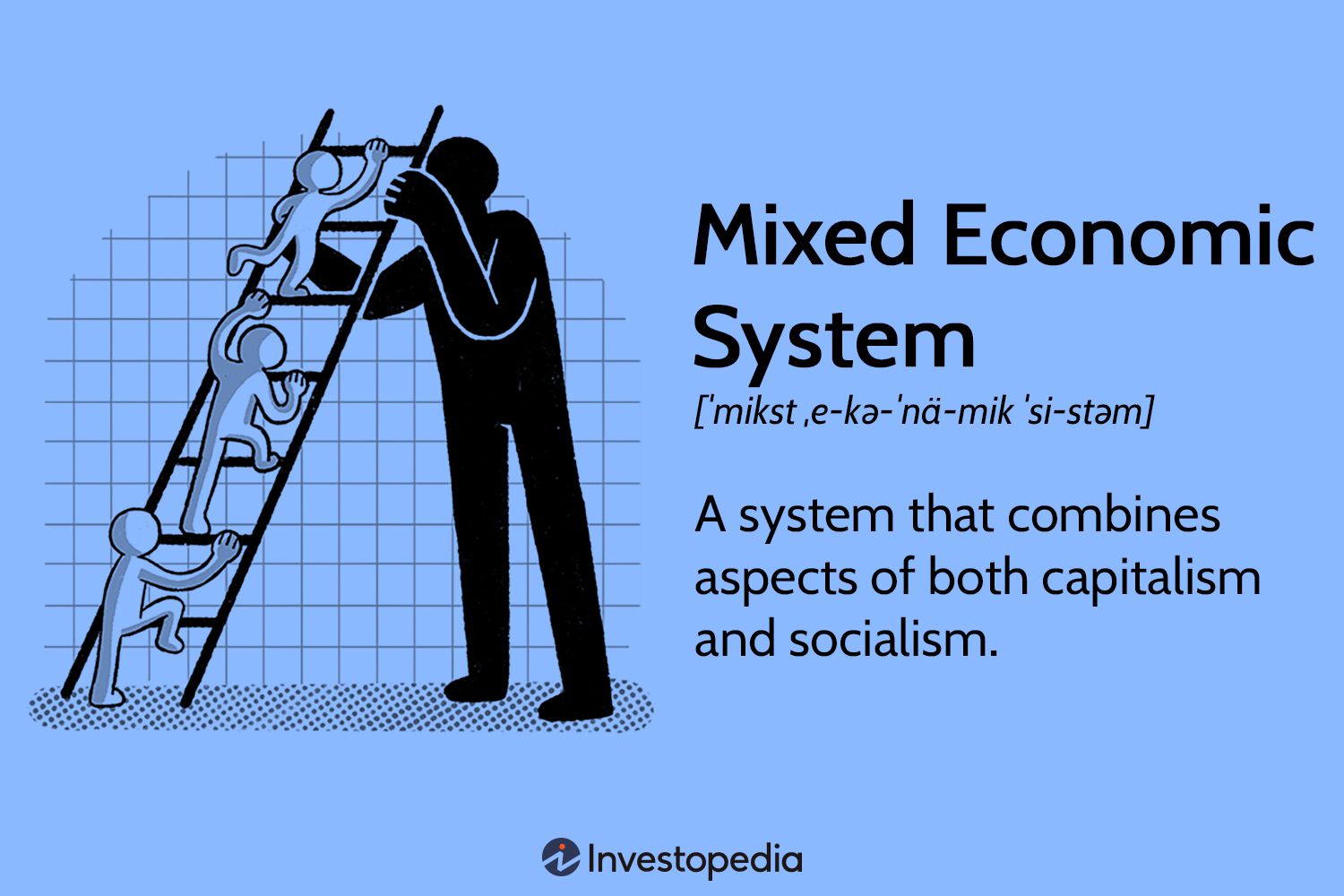
However, the deeper driver behind the premium aviation boom is not simply operational strategy; it’s the deeper economic inequality. Airlines are reacting to what economists call a K-shaped economy, where affluent households continue to grow wealthier while lower- and middle-income consumers experience increasing financial pressure. In fact, in 2025, the net worth of America’s top 1% hit a record 32% of overall wealth, whereas “the bottom 50% cumulatively held 2.5% of overall net wealth,” according to a CNBC report.
Catch what other flight trackers miss
Emergency squawks, holds, NOTAMs — live signals, no signup.
Open tracker
Catch what other flight trackers miss
Emergency squawks, holds, NOTAMs — live signals, no signup.
Open tracker
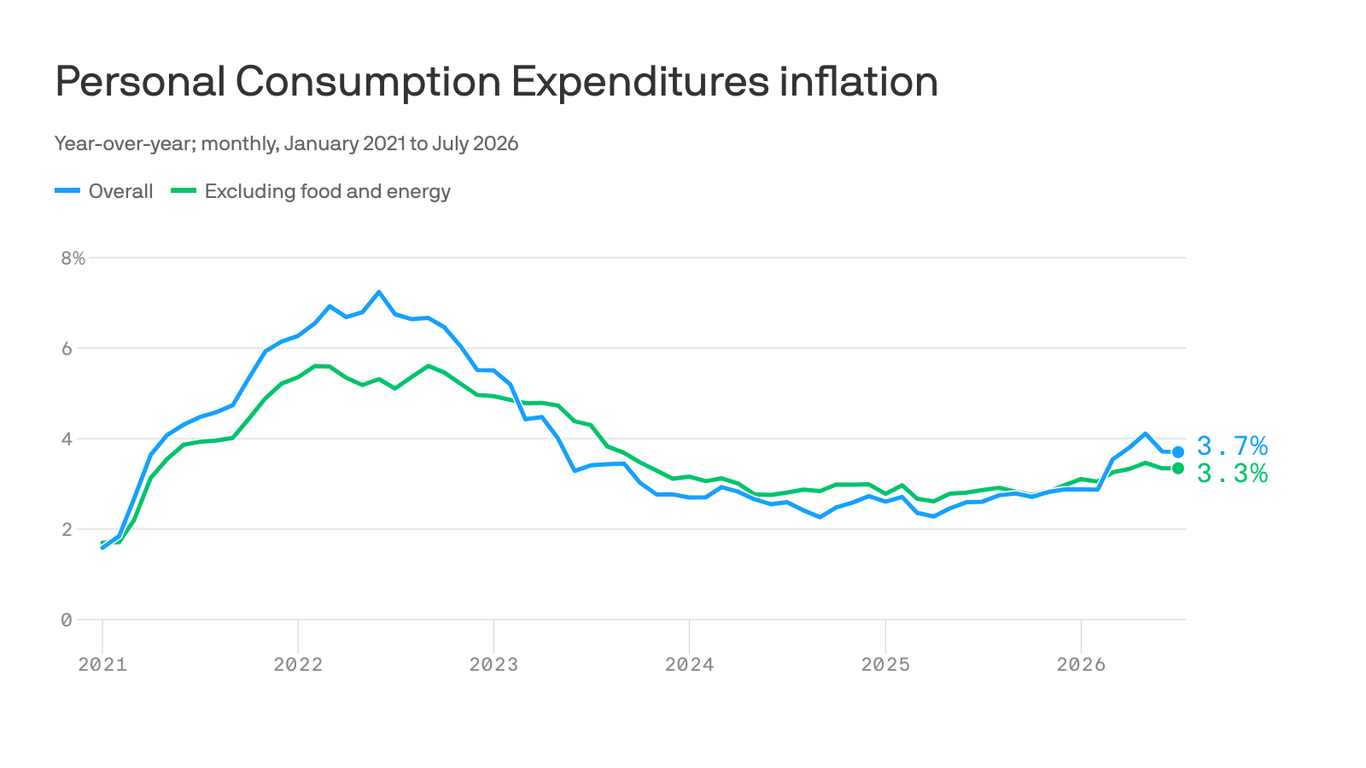
This “K-shaped” divergence has become highly visible in the airline industry, as alluded to before. According to Moody’s Analytics, the top 10% of US households account for nearly 50% of all consumer spending in 2025, and travel has been one of the industries seeing the largest growth from that trend. Wealthier consumers continue to book premium cabins and luxury vacations at elevated rates due to rising inflation and airfares, while cost-sensitive travelers have increasingly cut back on airline travel. With the strong premium demand that has resulted, airlines have been left with no choice but to capitalize on their most profitable seating.
How US Legacy Airlines Are Capitalizing On This Shift

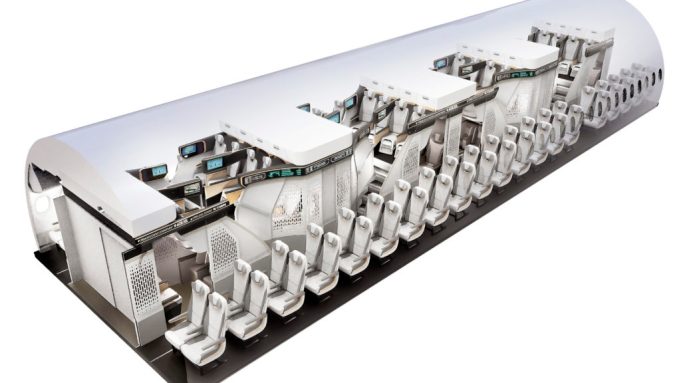
Airlines are not only observing the growing trend; they are aggressively reconfiguring aircraft to meet the growing premium demand. Since January 2020, the number of scheduled first- and business-class seats on US domestic flights has expanded by 27%, nearly triple the 10% growth seen across total industry capacity, according to data in a report from The Wall Street Journal. Perhaps nowhere is this clearer than United Airlines’ new “elevated interior” on the carrier’s Boeing 787-9 aircraft.
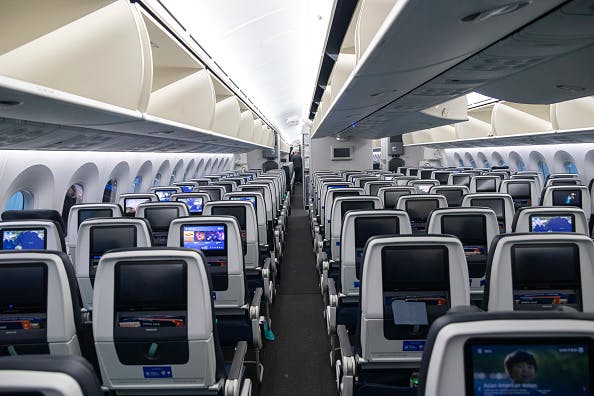
The airline’s traditional 787-9 layout features 48 Polaris business class seats, 21 Premium Plus recliners and 188 economy seats. The elevated interior, which is stunning in and of itself, introduces a whopping 64 Polaris suites, 35 Premium Plus seats, and just 123 economy seats, of which 39 offer extra legroom. Nearly two-thirds of the aircraft’s floor area is now dedicated to premium seating, with business class and premium economy growing by 33% and 67%, respectively, while standard economy seating shrank by 44%. United’s “High-J” Boeing 767-300ER is another example of this, with 46 business class seats, 22 premium economy seats, and just 99 regular economy ones.
American is also experiencing the same premium growth, with plans to increase its total number of business and premium seats by more than 45% in 2026. Delta’s newest jets, the Airbus A330-900neo, Airbus A350-900, and soon Boeing 787-10 and Airbus A350-1000 will feature at least 40% seating compared to its 32% on the Boeing 767. As Delta expands seat capacity by roughly 3% through aircraft deliveries and interior upgrades, CEO Ed Bastian has stated that “effectively, none of our growth in seats will be in the main cabin,” signaling a deliberate long-term shift away from traditional economy expansion.
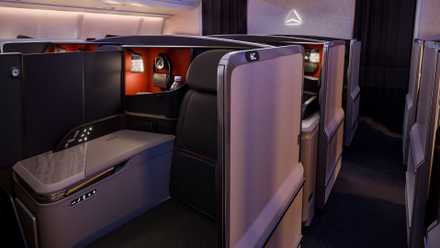
Delta Teases ‘Mini First Class’ To Rival American & United’s Front-Row Suites
Delta’s plans to offer a select number of larger business class suites falls in line with industry trends.
US Low-Cost Carriers Are Adding Premium Capacity Too

This trend can be further observed in the US low-cost sector. While Spirit Airlines’s collapse cannot be solely attributed to a decrease in demand for ultra-low-cost travel, it certainly played a major role in the carrier’s May 2026 shutdown. The airline’s business model was built around offering the lowest fares on the market, but rising operating costs and softening demand from price-sensitive travelers soon could not sustain the airline’s operations. Fellow ultra-low-cost carrier Frontier Airlines is facing many of the same pressures, and even plans to introduce a first class offering this year, similar to Spirit’s “Big Front Seat” that passengers loved.
Other airlines, like JetBlue, are now also growing their premium offerings. Long without a traditional domestic first-class product, JetBlue will introduce a “Mini Mint” cabin on its aircraft beginning in the second half of 2026, with plans for about 20% of the non-Mint fleet to be reconfigured with the product by the end of the year and most planes to feature it by the end of 2027. JetBlue is expected to install the same seat that American Airlines has as its first class product, with about 3-4 rows, or 12-16 seats, to be installed on each aircraft.
Even  Southwest Airlines, long hailed for its open seating policy with every seat equal (except for mandatory extra legroom seats in exit rows) has ended its decades-long policy. The airline has already reconfigured all of its aircraft to feature dozens of extra legroom seats, ones that will command a premium fare and create an entirely new revenue stream for the carrier. The fact that Southwest is moving in this direction shows just how powerful the industry-wide shift toward premium revenue has become.
What Economy Passengers Can Expect Going Forward

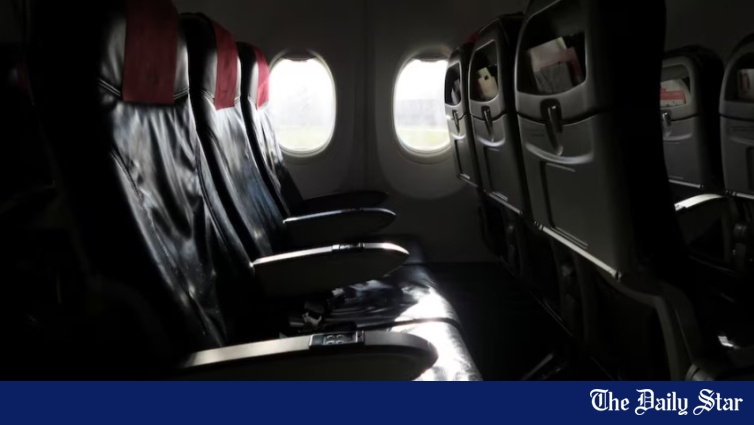
For economy passengers, the consequences of the shift toward premium travel are becoming increasingly apparent. With aircraft now containing fewer standard economy seats than just a few years ago, many passengers have noted feeling the physical decrease in size of economy cabins. On the one hand, smaller economy cabins can decrease overall passenger capacity and speed up boarding and turnaround times. Smaller economy cabins can also feel more intimate and make large aircraft feel smaller.
However, less economy capacity can create upward pressure on ticket prices, especially during peak travel periods. Even when airlines maintain similar overall flight frequencies, shrinking the number of seats per aircraft also shrinks supply, making affordable fares potentially more difficult to find. The passenger experience can also be impacted. Since in-flight service typically starts with premium cabins, economy passengers may be forced to wait longer for their in-flight meal or drinks.
While in general the experience for economy passengers won’t differ that much, from an airline’s perspective, shrinking economy cabins reflect the increasing revenue potential from premium seats. As wealth continues to concentrate, carriers are likely to devote even more space onboard to products capable of generating the highest returns.