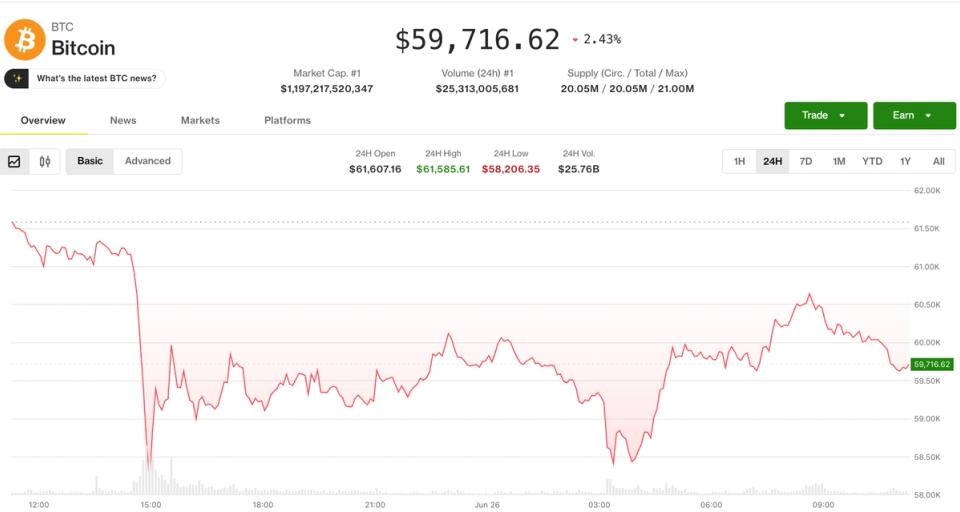
The cryptocurrency market is at a pivotal crossroads as Bitcoin struggles to bounce from recent lows. For bulls, the critical task is now clear: they must reclaim $80,000 in the coming days or weeks. Failure to break and hold this key level could trigger a deeper correction and put the entire bull run at risk of collapse for the remainder of the quarter.

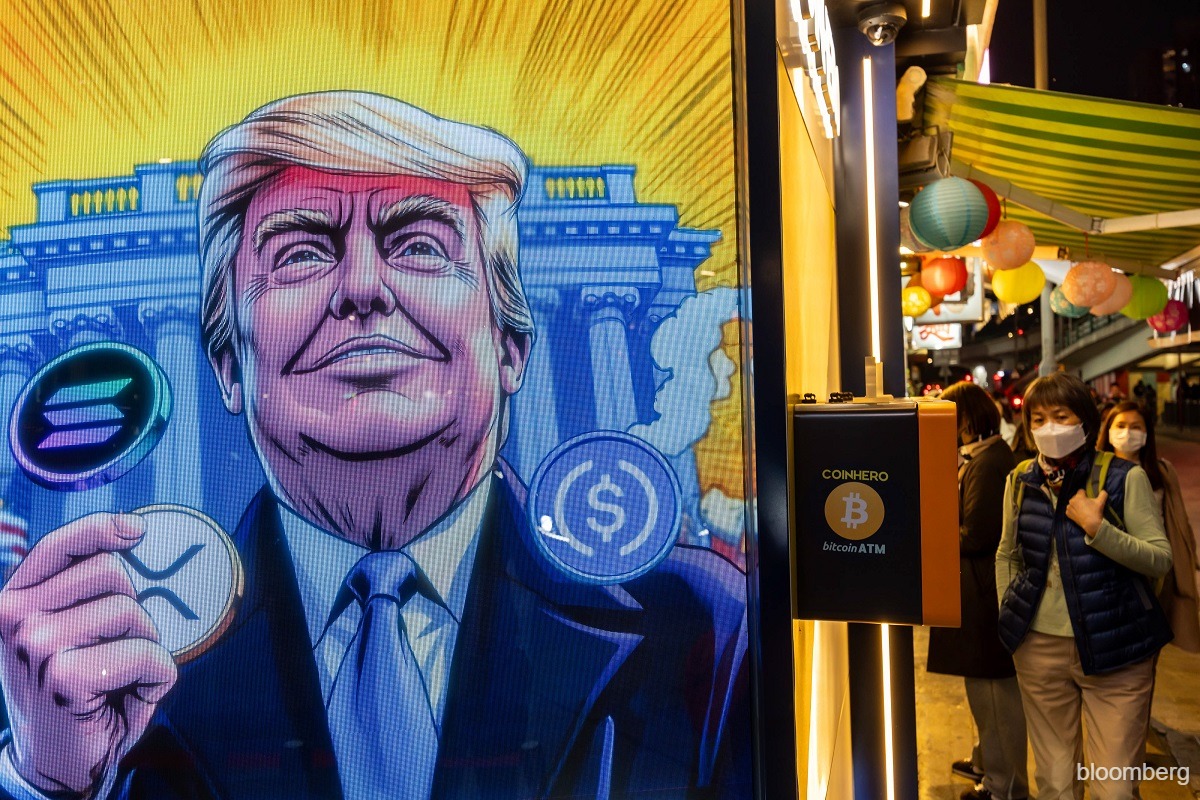
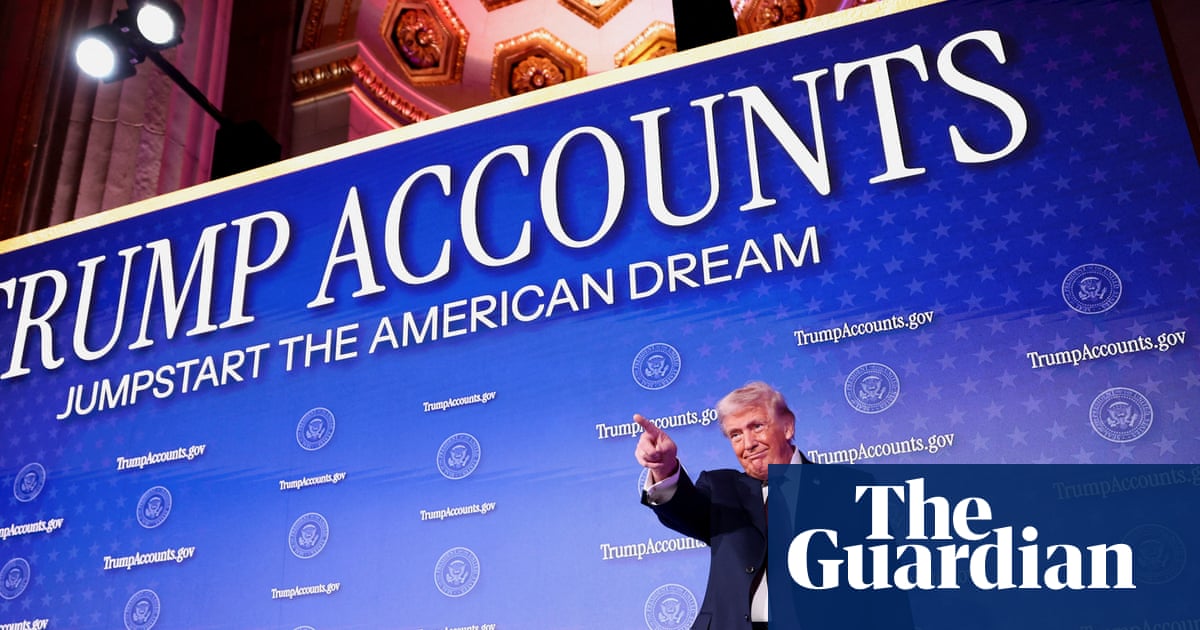
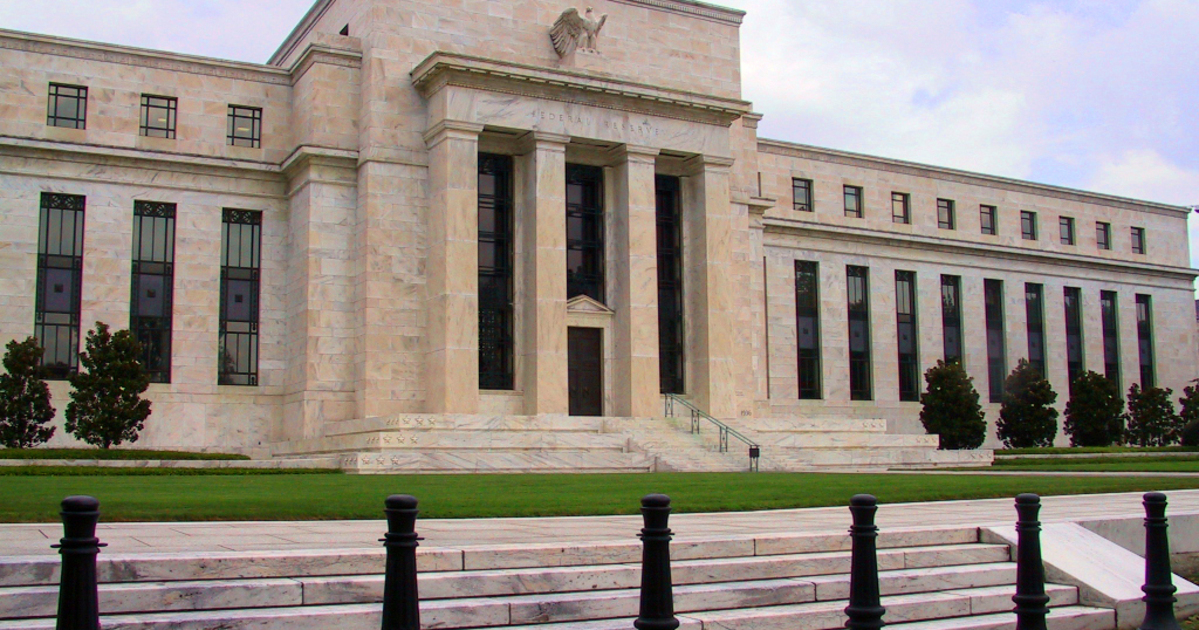
President Donald Trump directed the Federal Reserve on Tuesday to review how depository institutions can gain access to payment services. This marks a significant development for the cryptocurrency industry, which has long struggled to secure stable banking relationships and fully integrate with the traditional financial system.
“Wider access to payment rails and depository services can significantly boost institutional confidence, enhance liquidity, improve settlement efficiency, and accelerate long-term adoption,” said Naeem Aslam, CIO at Zaye Capital Markets, in an email.
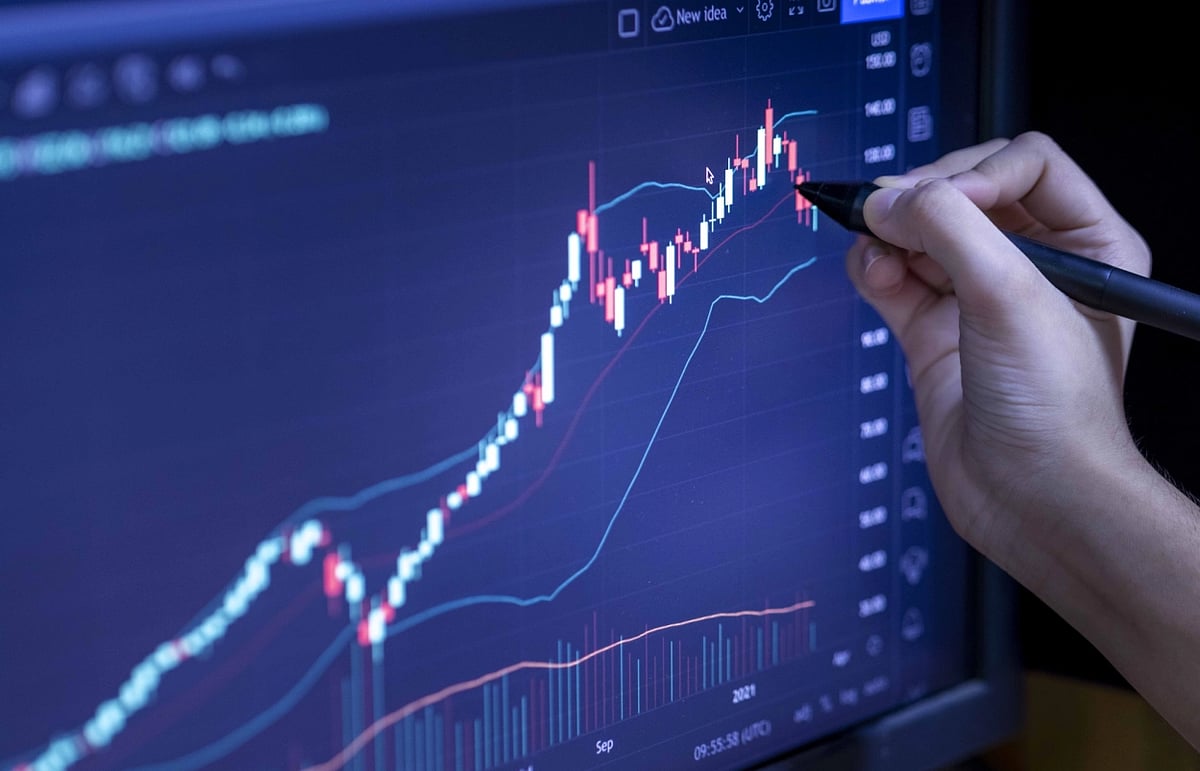
The Battle for the $80,000 Resistance Zone
The most significant hurdle for Bitcoin is situated between $79,000 and $80,000. This range is not just a psychological barrier but a technical “line in the sand” that bulls must overcome to regain momentum.
This area represents a “bearish order block” characterised by multiple candles consolidating before a significant downward move according to the host of Crypto Banter, Kyle du Plessis (Kyle Doops).
If Bitcoin fails to flip this region into support, the consequences could be severe. Du Plessis asserts that failure to hold that level equals the next level down which is about 74K.
If the $72,000 to $74,000 range is lost, the market may see a deeper drawdown toward $65,000 or even $60,000. To confirm a trend reversal, the price needs multiple candle closes above $79,000 to drastically increase the chances that this looks like a higher low.
External Catalysts: Nvidia Earnings and FOMC Minutes
Bitcoin does not trade in a vacuum, and several traditional market events are expected to inject volatility into the space. Two of the most notable occurrences are the release of the Federal Open Market Committee (FOMC) meeting minutes and the Q1 earnings report from Nvidia. The market is watching the Fed’s tone which will strongly influence risk appetite across all asset classes.
Simultaneously, the AI trade is facing a test with Nvidia’s earnings. While consensus expectations are high, with 80% year on year growth predicted, the market often reacts negatively if results do not significantly beat these lofty expectations.
Du Plessis said that “if the Fed meeting minutes are hawkish and Nvidia disappoints in the markets we will face a difficult situation“. Conversely, he said a strong beat by Nvidia could provide the AI trade with “another lifeline“.
Macro Pressures and the 1970s Inflation Parallel
Broadening the view to the macro economy, US inflation is beginning to show troubling signs that resemble the economic environment of the 1970s.
This uptick in inflation presents a challenge for the Federal Reserve and has shifted market expectations. Data indicates a 37% chance that there will actually be a Fed rate hike in 2026 rather than the previously anticipated cuts or pauses.
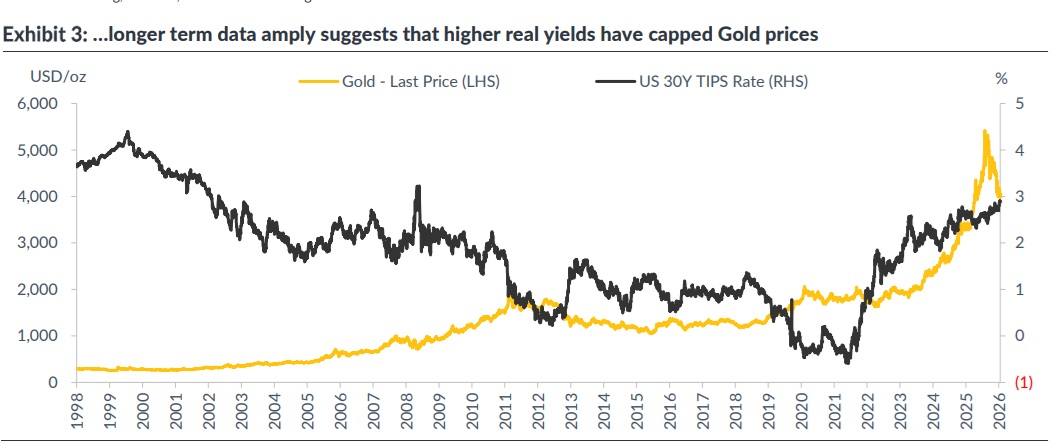
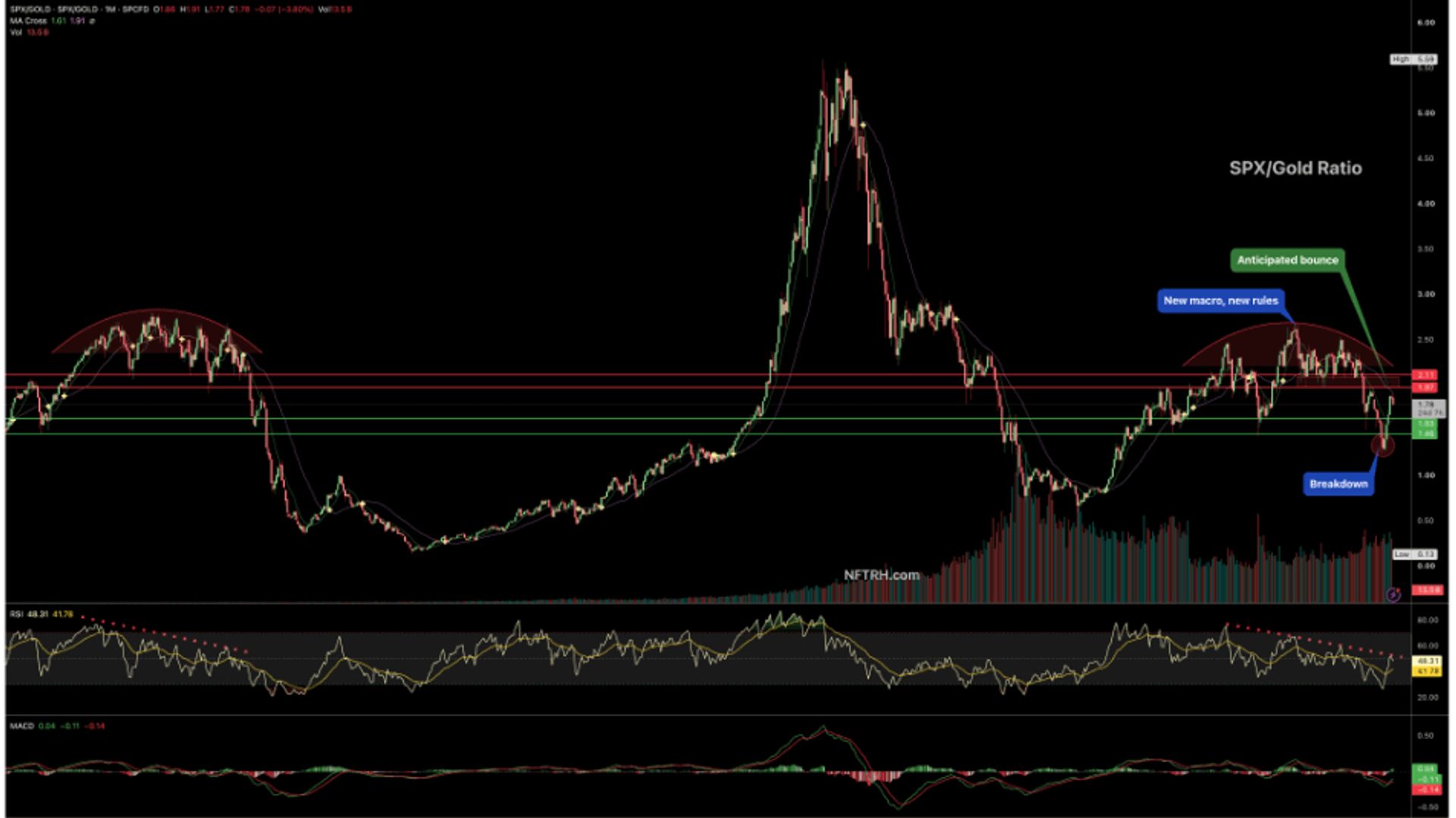
Also, rising yields in both Japanese and US bonds are creating pressure on the rest of the market. The US 10 year yields appear to be breaking out of a triangle pattern, which could lead to a bigger draw down in the rest of the market if the trend holds.
These factors contribute to a seasonal weakness often seen between May and October during midterm election years.
Understanding USDT Dominance and Bitcoin Downside Risks
A key metric for determining Bitcoin’s health is the USDT (Tether) dominance chart. Recently, USDT dominance has reclaimed its 50% Fibonacci level, which repositions the stablecoin into a point of technical strength. This often indicates a pivotal shift in market liquidity.
If USDT dominance continues to rise for another two weeks, it will likely expand to new highs, suggesting that the Bitcoin price will go down. Currently, the Bitcoin bounce is viewed by some as a move into resistance at $80,000 to set a lower high before a potential move back toward the downside.
Author: Ruben McCarthy