This article first appeared in The Edge Malaysia Weekly on July 6, 2026 – July 12, 2026
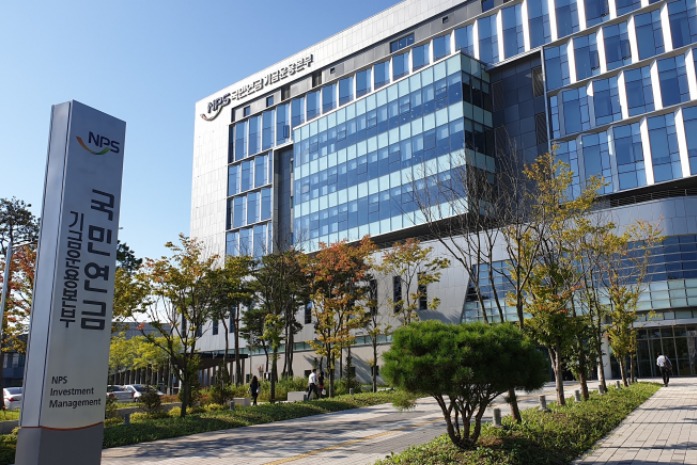
IN a rare occurrence, the Human Resource Development Corporation (HRD Corp), the government agency with the mandate to manage the human resources development fund to train and reskill employees, sunk into a deficit for the financial year ended December 2025 (FY2025) due to losses from investments in derivatives.
According to its 2025 annual report disclosed on its website, HRD Corp incurred derivatives losses of RM85.8 million. On top of that, its fair value change in investments dropped to RM29.8 million from RM139.8 million in 2024.
Ultimately, the agency that collects levies from employers registered a deficit of RM49.7 million for FY2025.
HRD Corp, which is sitting on cash and bank balances of RM2.4 billion and investments of RM1.9 billion, relies on returns from its investments and service charges to stay healthy.
It collects a huge sum in levies from employers but most of it is disbursed. Last year, HRD Corp collected RM2.5 billion in levies from employers and disbursed RM2.44 billion in training grants.
Over the years, there have not been many financial years when HRD Corp registered a deficit in its accounts. The last time was in 2018 due to adjustments in accounting entries and prior to that was in 2008, owing to provisions for its equity investments.
HRD Corp’s investments as at end-2025, amounting to RM1.9 billion, were in unit trusts, quoted shares, redeemable convertible cumulative preference shares (RCCPS) and bonds.
The biggest portion of RM757.3 million was in quoted shares, followed by money put into bonds amounting to RM458.2 million and unit trusts worth RM434.9 million. The amount invested in RCCPS was RM272.4 million.
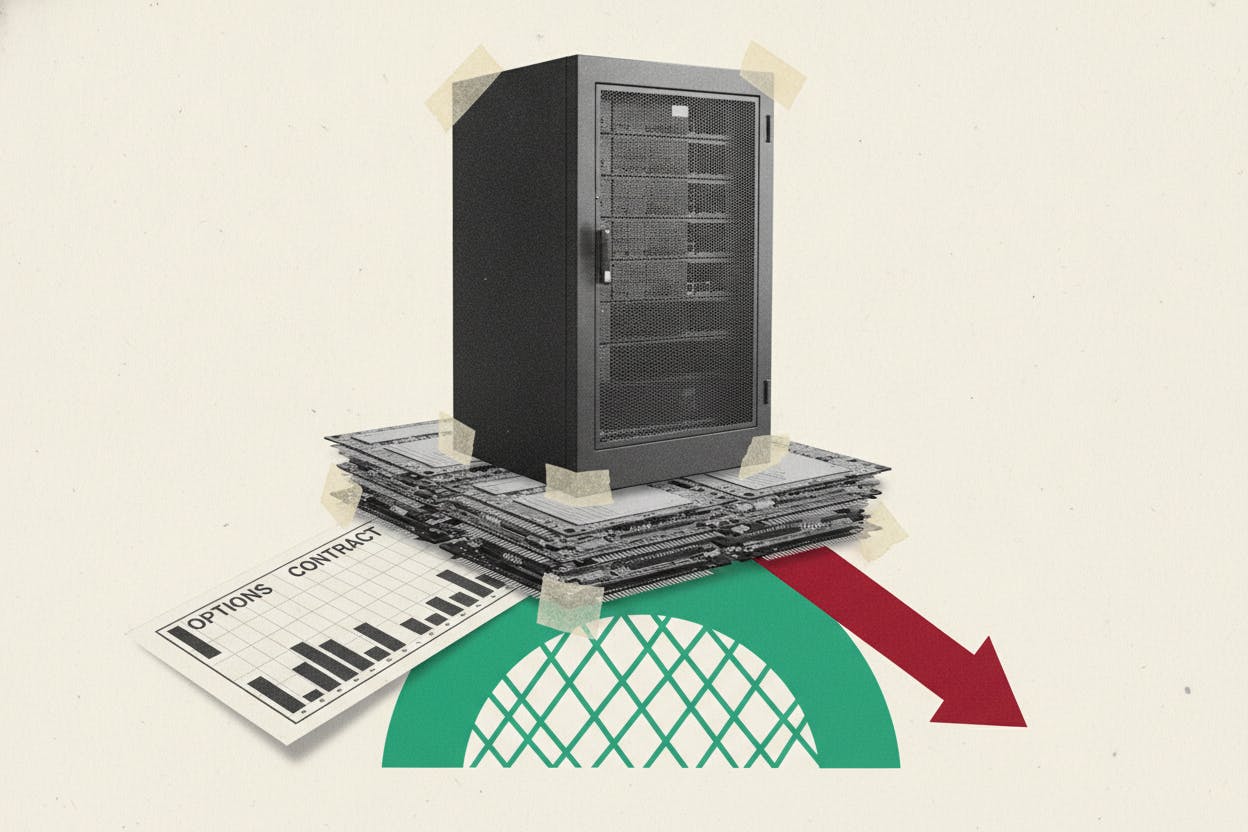
Based on its annual report, HRD Corp uses “put and call options”, termed s derivatives, to manage its price risk exposure to the quoted securities. Of the RM757.3 million worth of investments in quoted shares, RM593.2 million is covered by put and call options.
Under the derivatives agreement, HRD Corp has a put option on the quoted securities whereby it can sell the shares to the original vendor at the original price plus a premium of between 8% and 8.5% per annum.
At the same time, the vendor has a call option that allows the purchase of the shares back from HRD Corp at the original price with a premium of between 8% and 8.5%.
HRD Corp can exercise its put option only a year after it has taken control of the quoted shares while the call option is exercisable anytime by the vendor.
On paper, the transaction looks safe as the vendor is obliged to buy back the shares from HRD Corp at a premium of 8% a year after the transaction. But complications arise when the market value of the shares has fallen below the transacted price between the vendor and HRD Corp.
Usually, when such a situation arises, the vendor would seek a year of extension by paying the 8% premium and topping up the quoted shares to ensure HRD Corp’s collateral position is not worse off.
However, when the original vendor is unable to pay the premium and top up the quoted shares, HRD Corp takes a hit.
HRD Corp’s investment portfolio of quoted shares covers blue chips and second-liners listed on Bursa Malaysia.
The problem usually crops up with the second-liners. When there is a sell-off of the second-liner, it results in paper losses for HRD Corp.
What’s worse is that under a put and call option, the holder of the shares cannot sell them during a sell-off because they are bound by their agreement with the vendor.
Among the second-liner companies in which HRD Corp has equity are Widad Group Bhd (KL:WIDAD) and Perak Transit Bhd (KL:PTRANS). Both these companies have seen a massive drop in their share prices in the last 18 months.
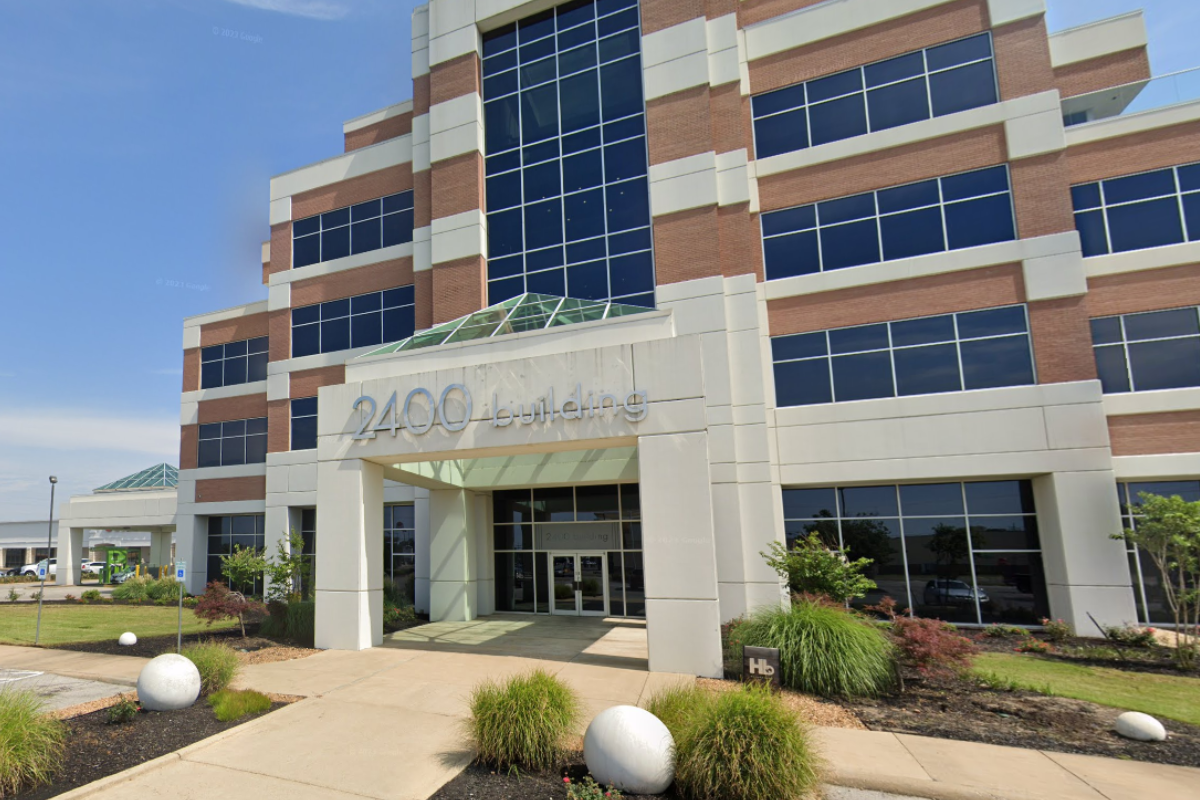
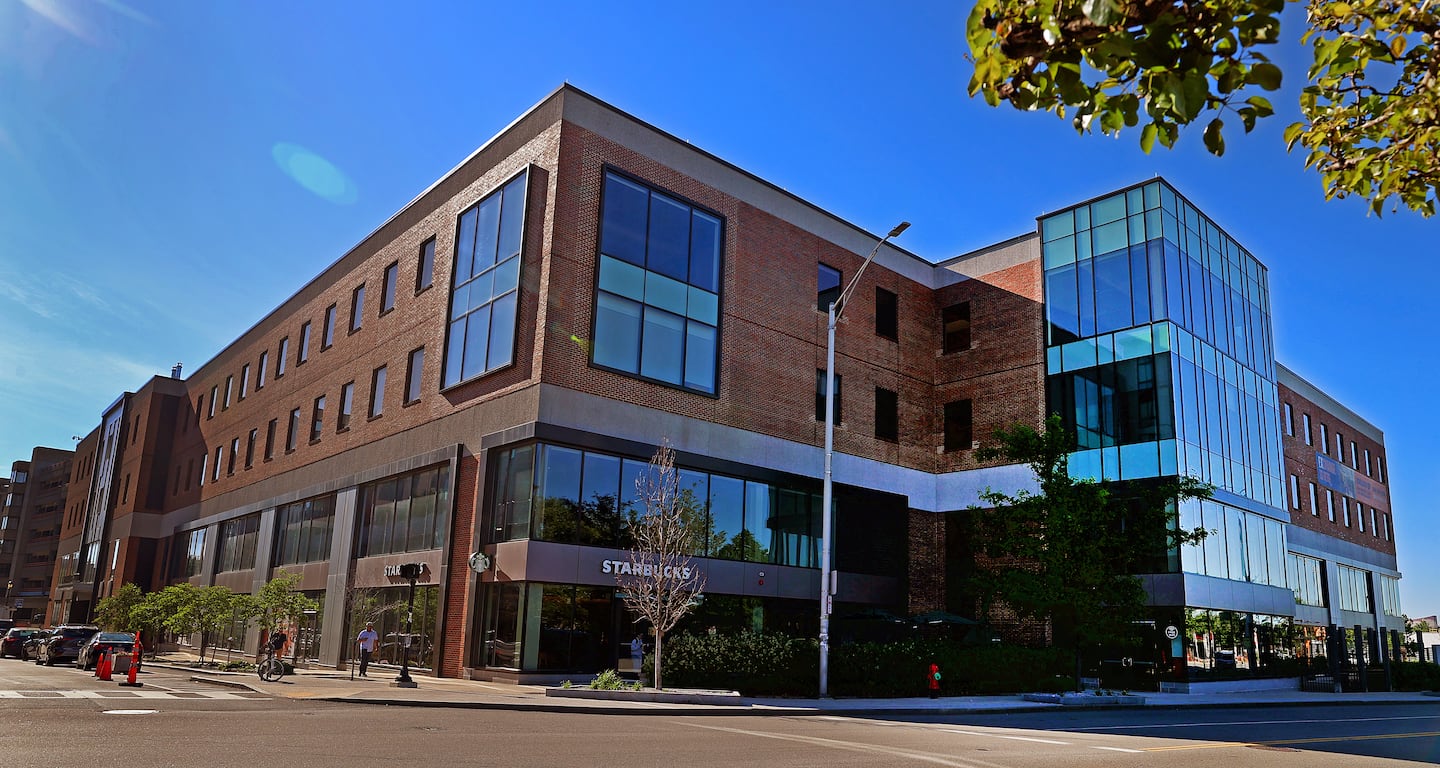
HRD Corp’s exposure to quoted securities was highlighted by the Public Accounts Committee (PAC) in 2024. The PAC deemed the investments risky and cited various governance failures, including the controversial purchase of buildings.
Following the PAC report, six officials of HRD Corp were suspended.
The top management of HRD Corp has seen big changes since January after Datuk Seri R Ramanan took over as human resources minister. The board comprises 12 members, all of whom are new except for one from the previous year, and is headed by Datuk Rusli Jaafar who was appointed in April.
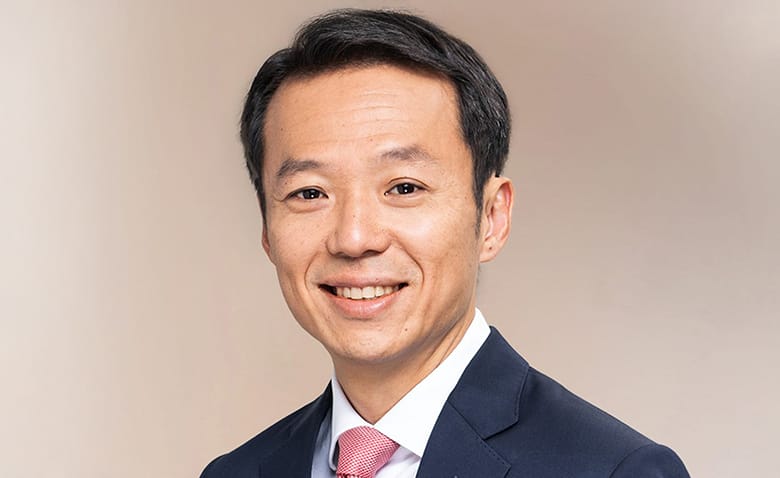
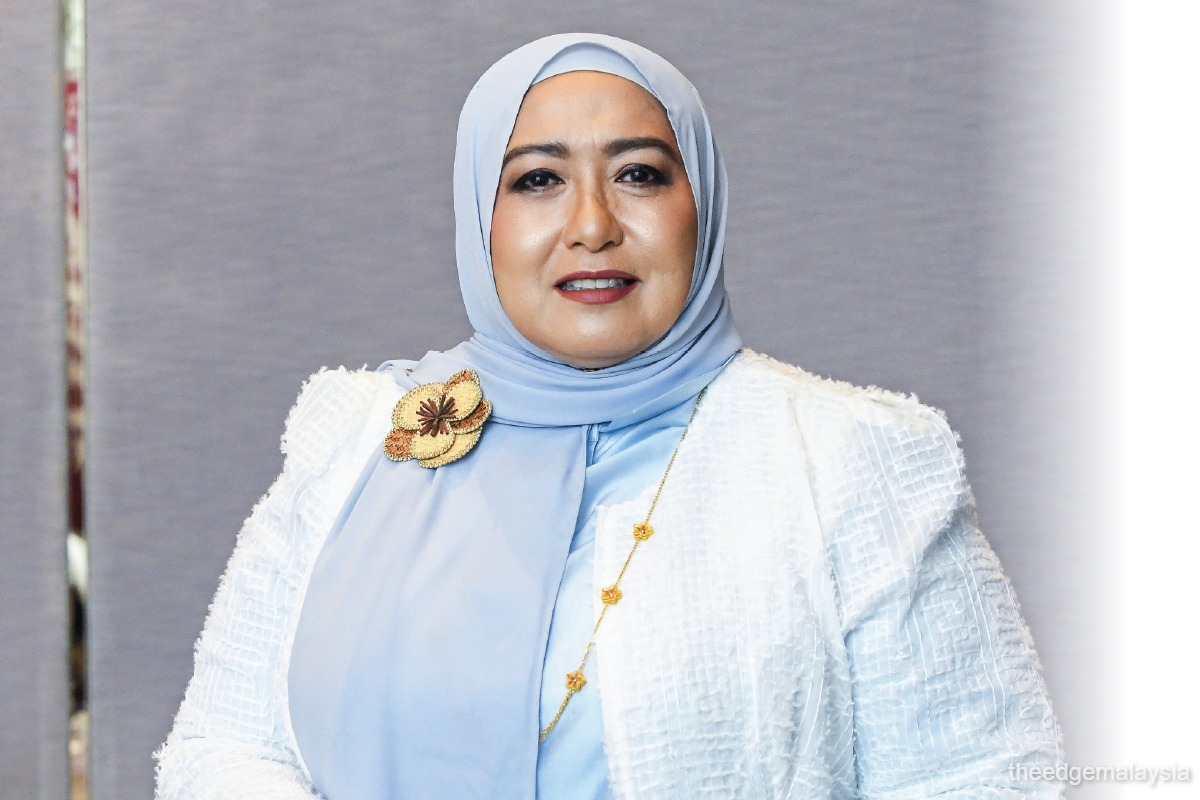
HRD Corp also has a new CEO in Datuk Mohamed Shamir Abdul Aziz, who took over from Dr Syed Alwi Mohamed Sultan on Jan 23 this year.
Syed Alwi, who had served only six months, had replaced Datuk Wira Shahul Dawood in July 2025. Shahul was the chief executive of HRD Corp for five years from April 2020.
To be fair to the current management, the derivatives contracts are a legacy they inherited.
In the past, quoted shares formed a substantial part of HRD Corp’s investment portfolio. For instance, in 2017, of the RM136 million in investments, some RM101 million was invested in quoted shares while the remaining amount was placed in unit trusts.
HRD Corp’s exposure to quoted shares was reduced in 2018 and 2019 during the Pakatan Harapan 1.0 rule of Putrajaya.
In 2019, the amount invested in quoted shares was down to RM24.8 million of HRD Corp’s total investment portfolio of RM311.9 million. These investments made up only 8% of the total portfolio. The bulk of HRD Corp’s money was in bonds.
However, the amount invested in quoted shares has jumped significantly since 2020. The human resources minister at the time was Datuk Seri M Saravanan and Shahul was the CEO.
In 2020, of the RM542.7 million investment portfolio, RM185.9 million was in quoted shares, representing 34% of total investments.
The year 2020 was also the start of the period when HRD Corp entered into put and call option arrangements to mitigate investment risks. The redemption rate of the vendors who entered into these arrangements with HRD Corp was between 7.5% and 8%.
Saravanan was replaced by V Sivakumar after the November 2022 General Election. A year later, Steven Sim took over as human resources minister.
By December 2024, HRD Corp’s exposure to quoted securities was RM725.8 million of its total investment portfolio of RM1.86 billion, translating into more than 38%. Quoted securities covered by put and call options amounted to RM620.6 million.
During 2020 and 2024, HRD Corp also recorded a surplus in its results, hitting a high of RM116.5 million in the year ended December 2024. During those years, the lowest was in 2021, at the height of the Covid-19 pandemic, when the surplus was RM12 million.
Save by subscribing to us for
your print and/or
digital copy.
P/S: The Edge is also available on
Apple’s App Store and
Android’s Google Play.