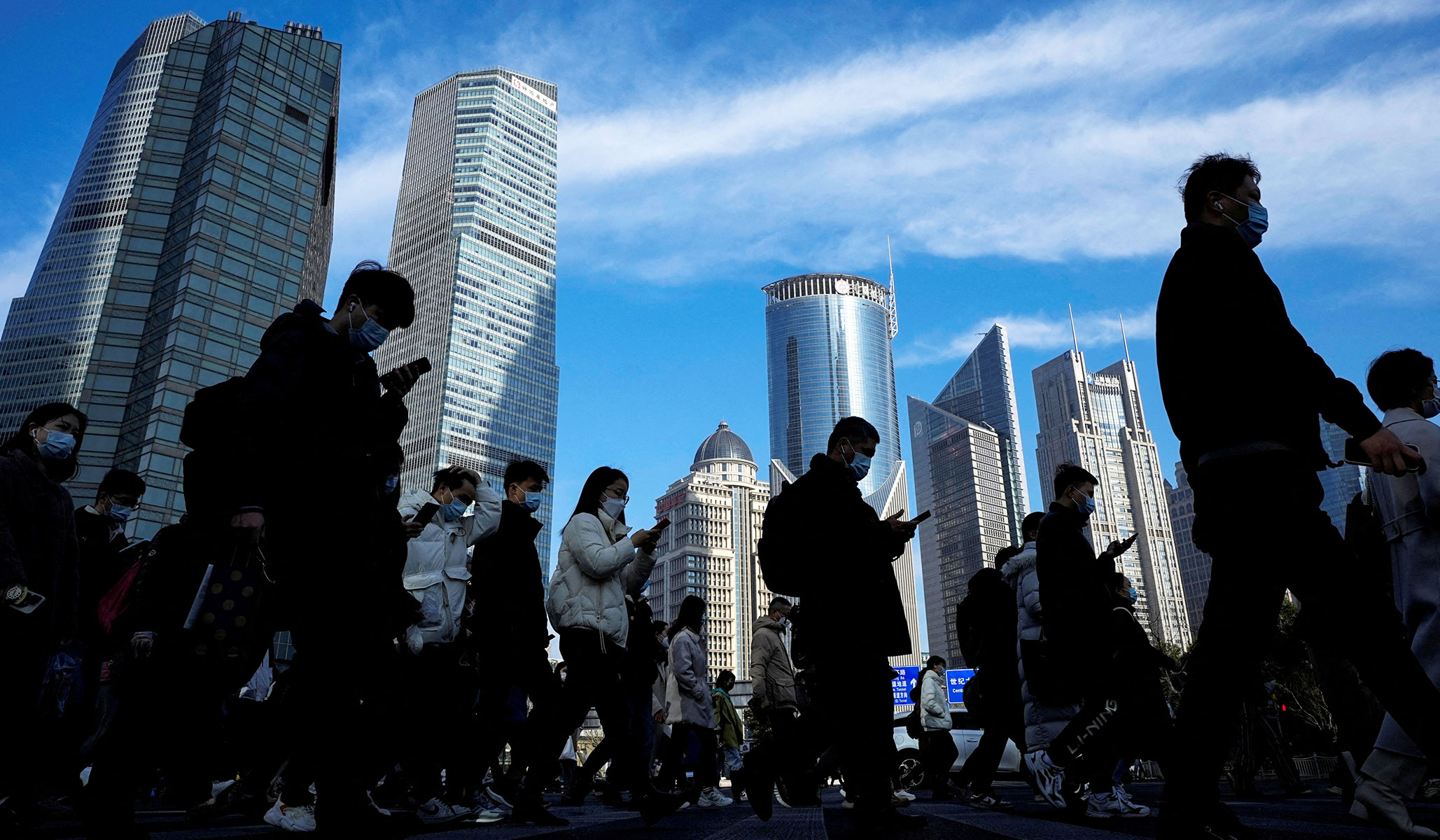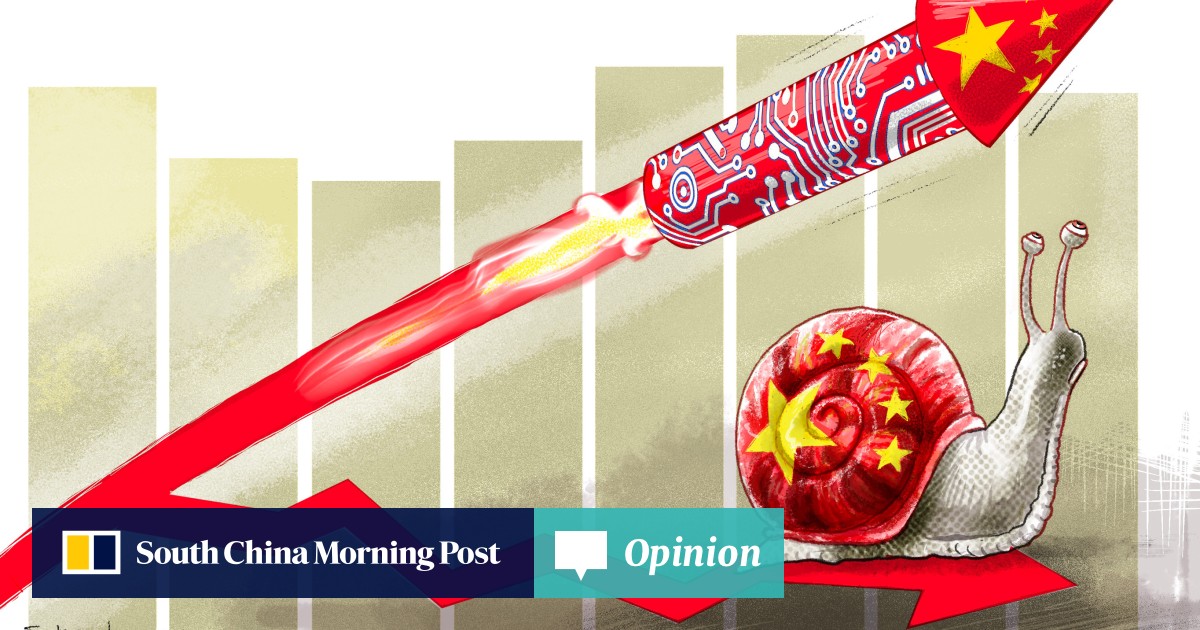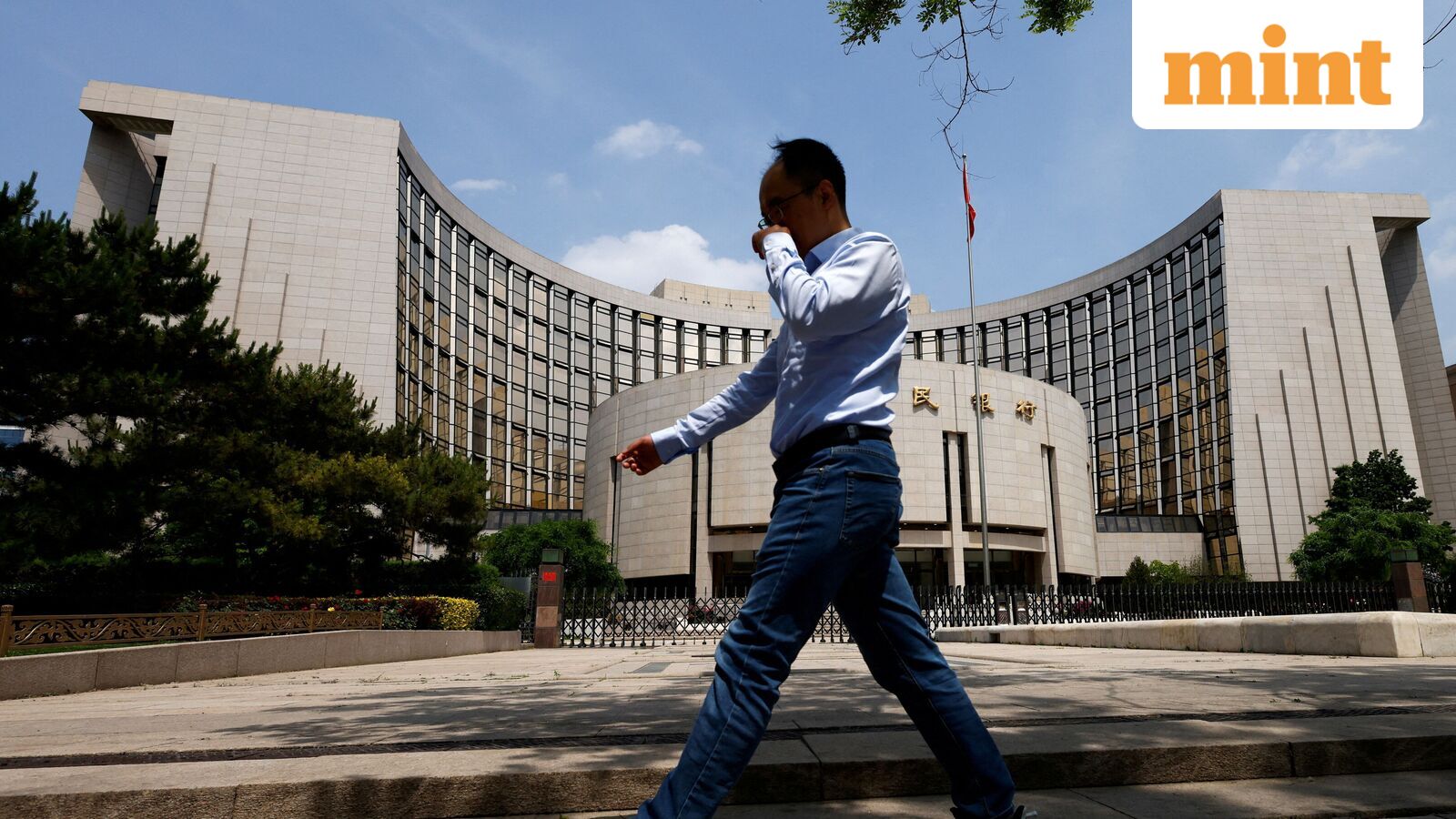
China”s economy displayed continuing resilience in the first four months of this year, though some indicators pointed to the need for more targeted policy support to boost domestic demand and put growth on a firmer footing, officials and analysts said.

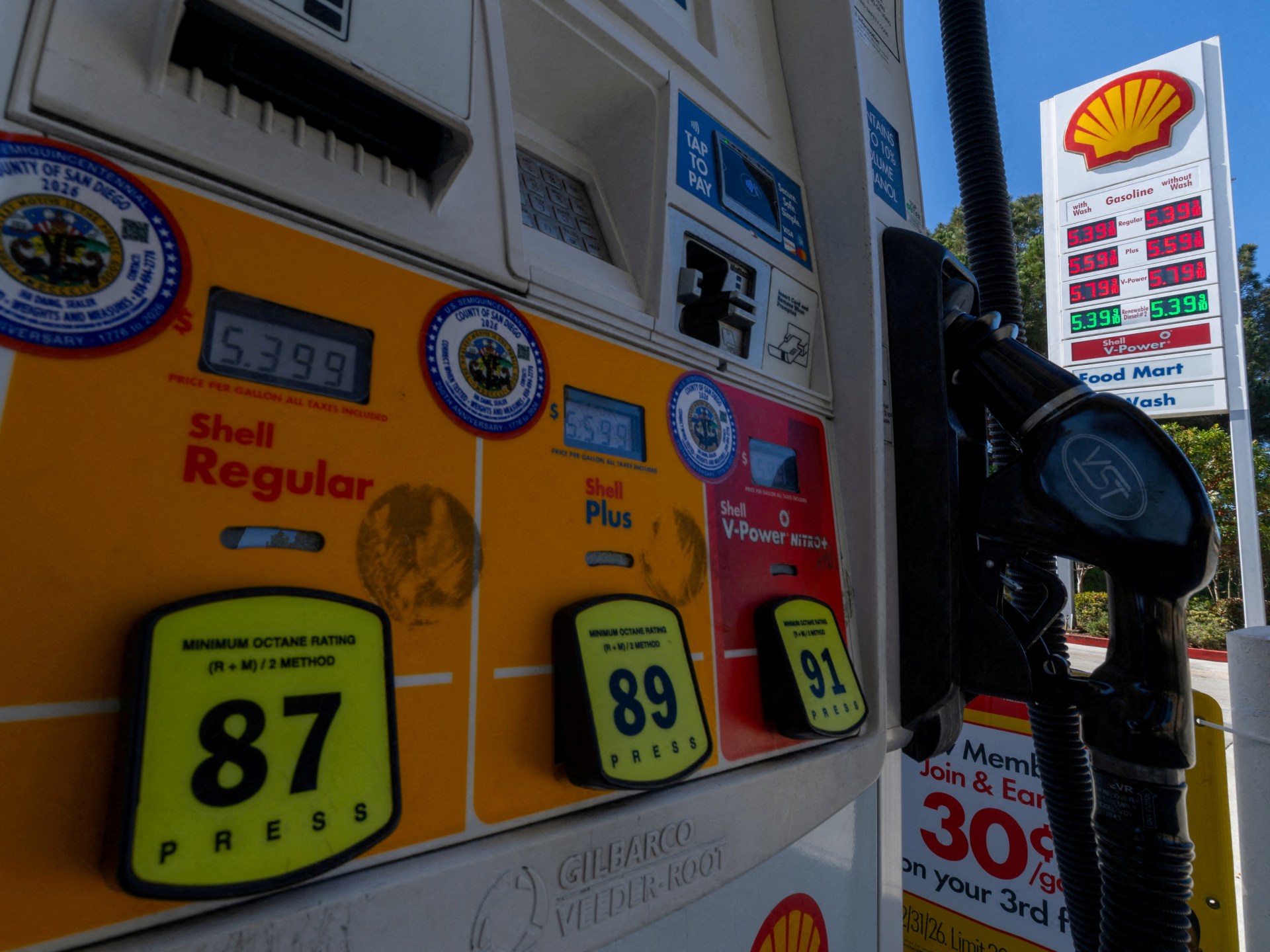
While higher energy costs stemming from geopolitical tensions weighed on economic activity in April, robust expansion in high-end manufacturing and resilient exports pointed to a steady outlook for the world’s second-largest economy, they added.
Figures released on Monday by the National Bureau of Statistics showed that the country’s industrial output expanded 5.6 percent year-on-year in the first four months.
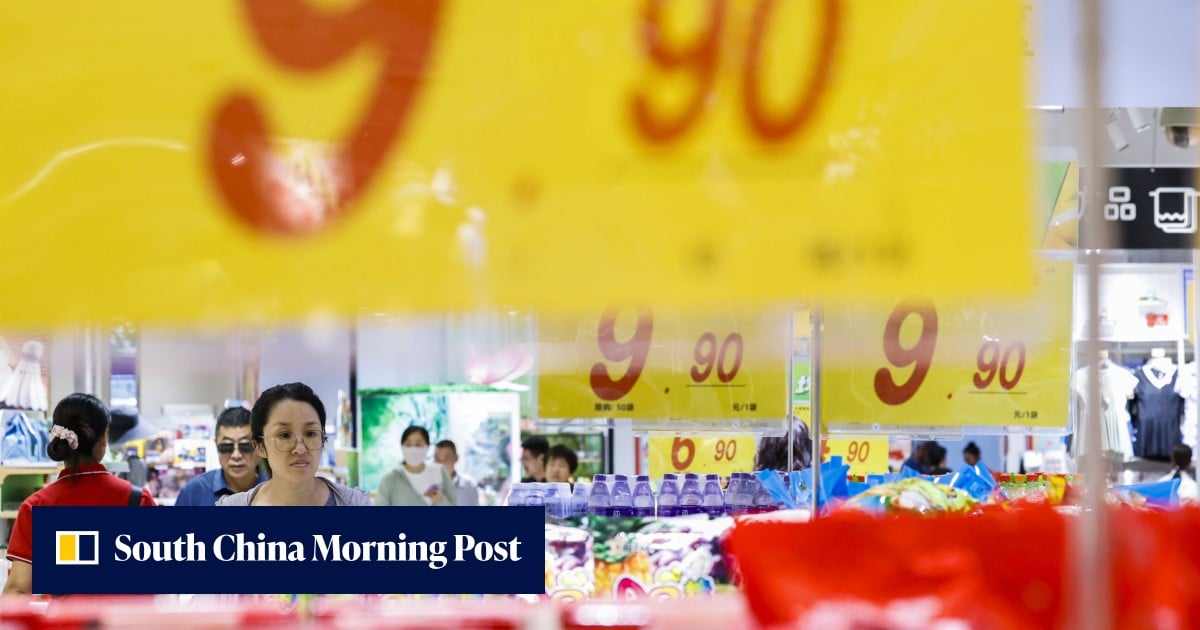
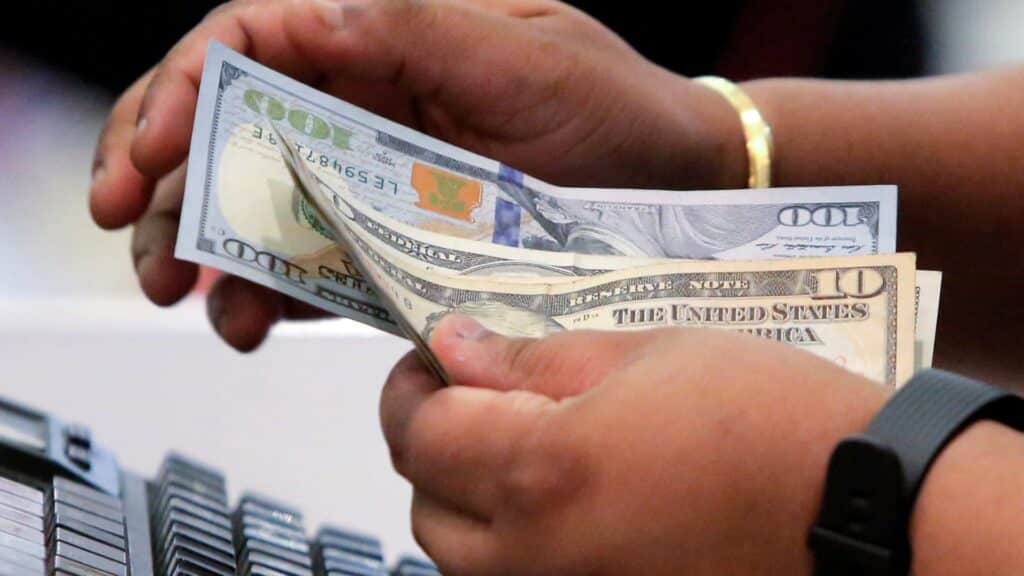
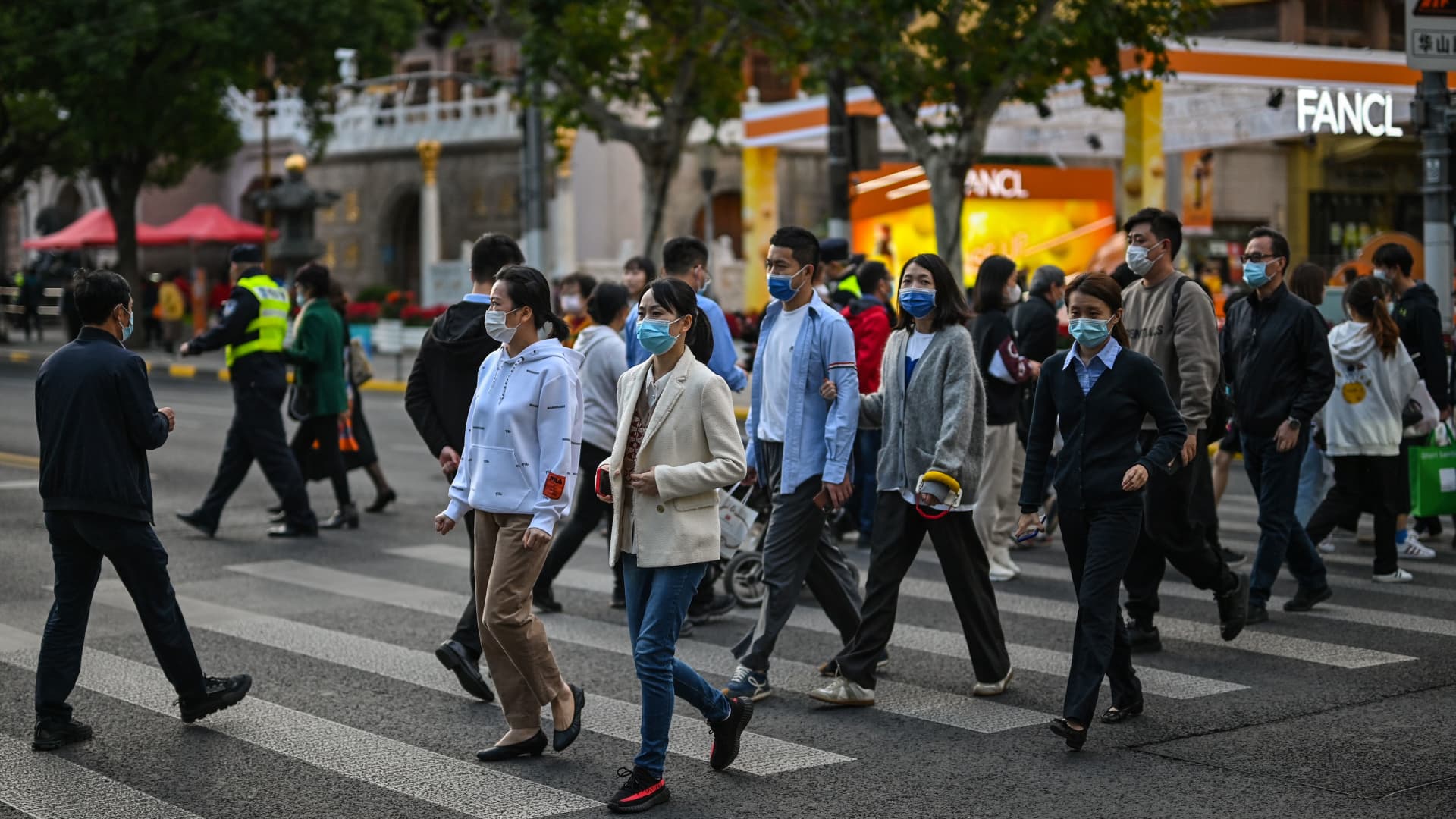
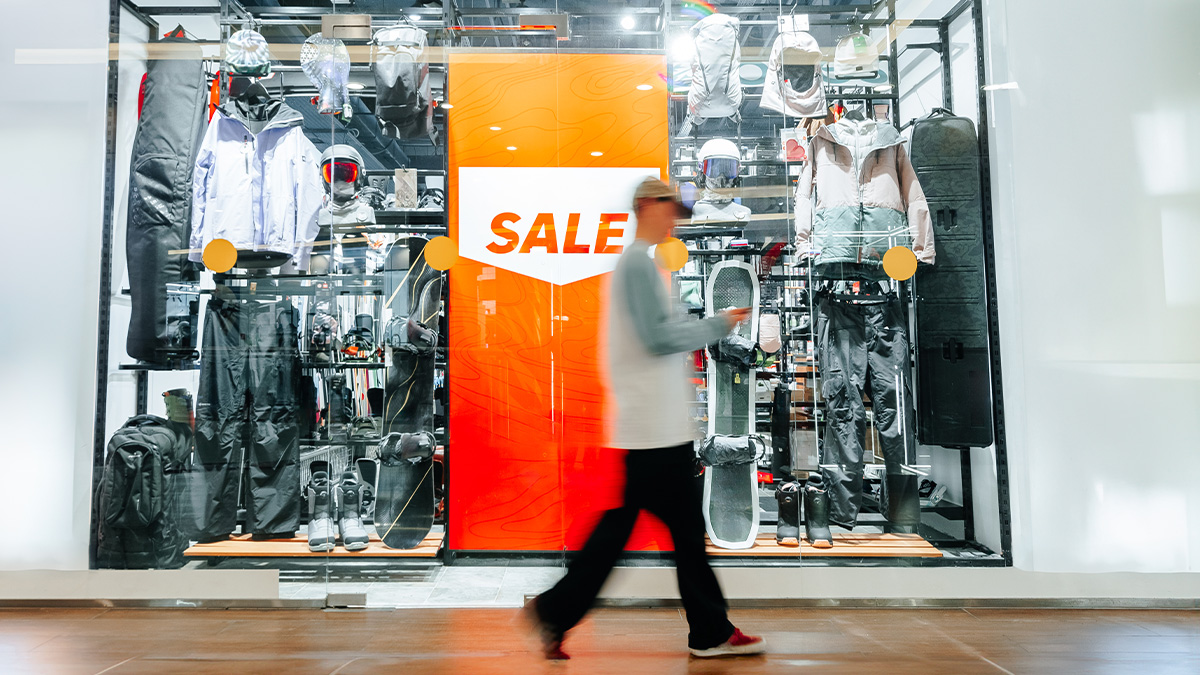
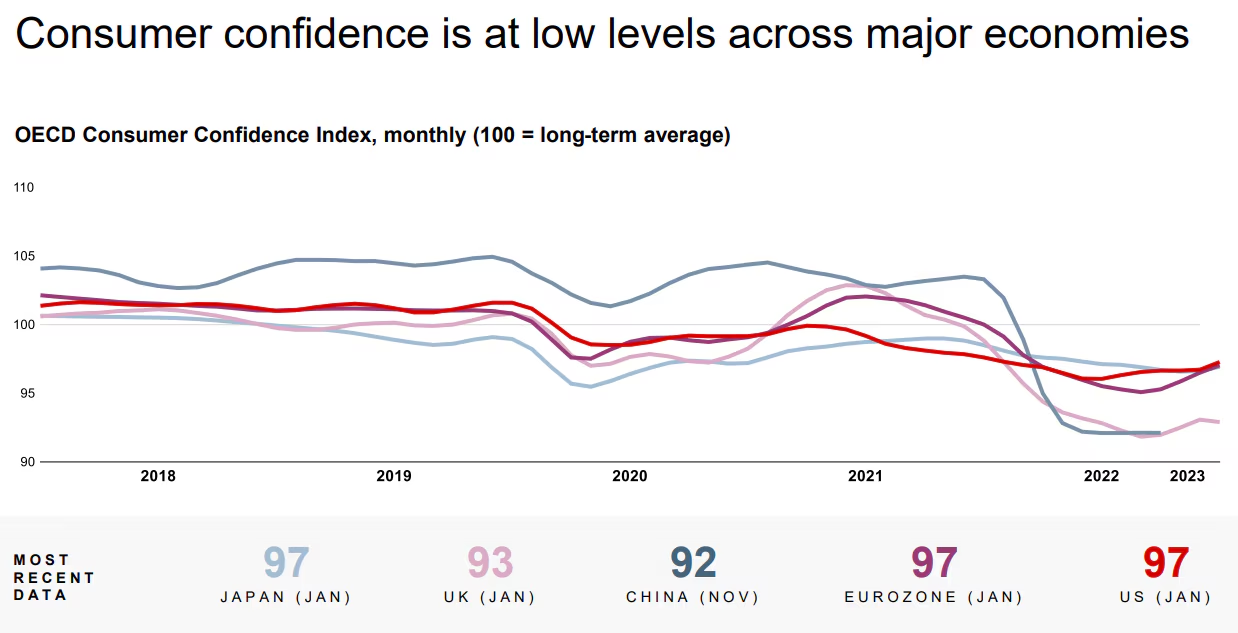
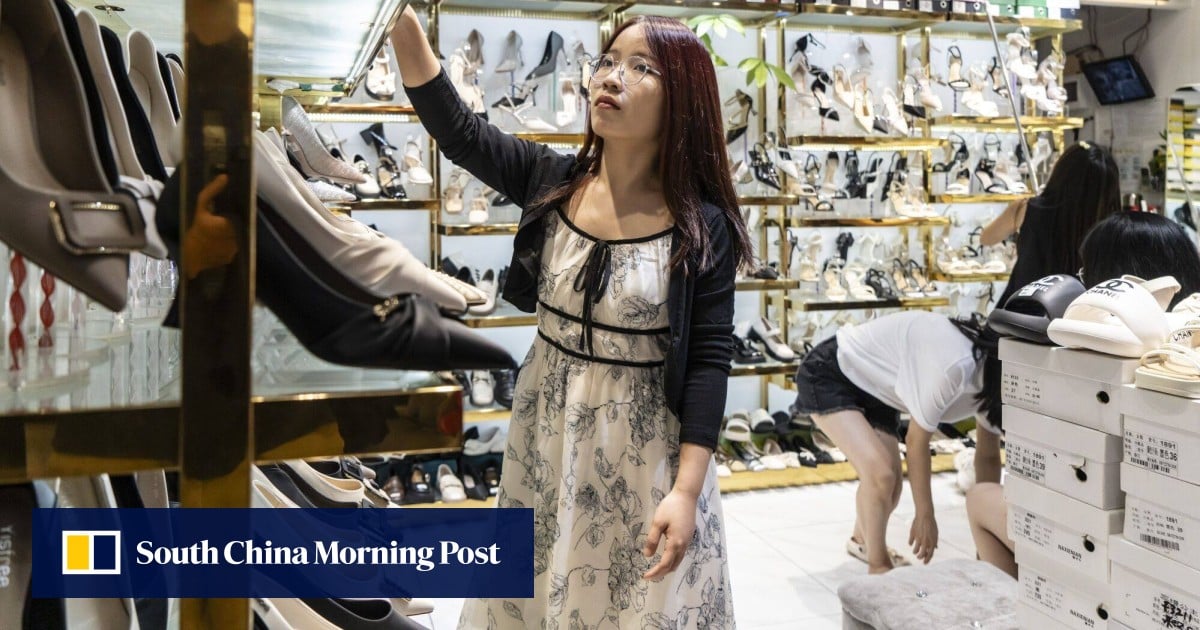
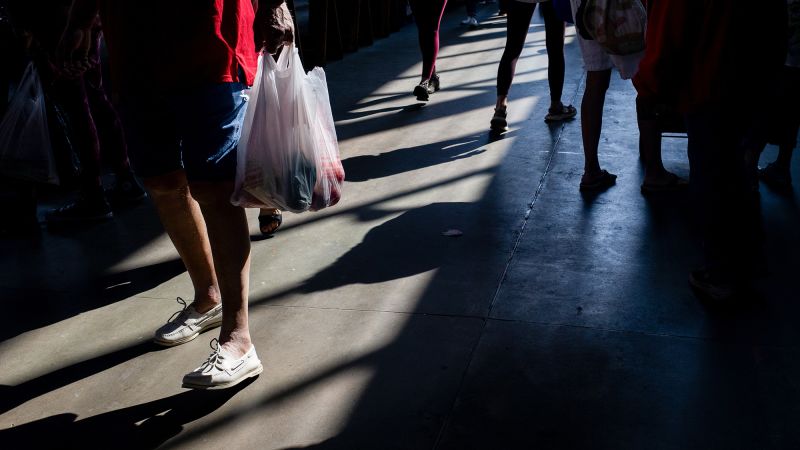
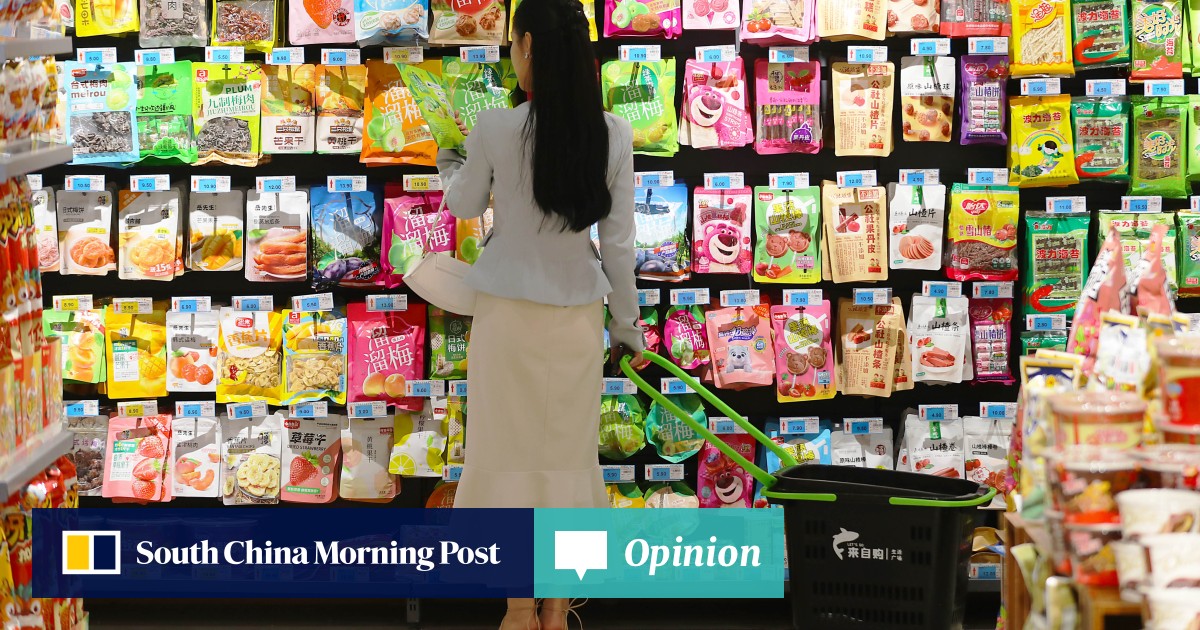
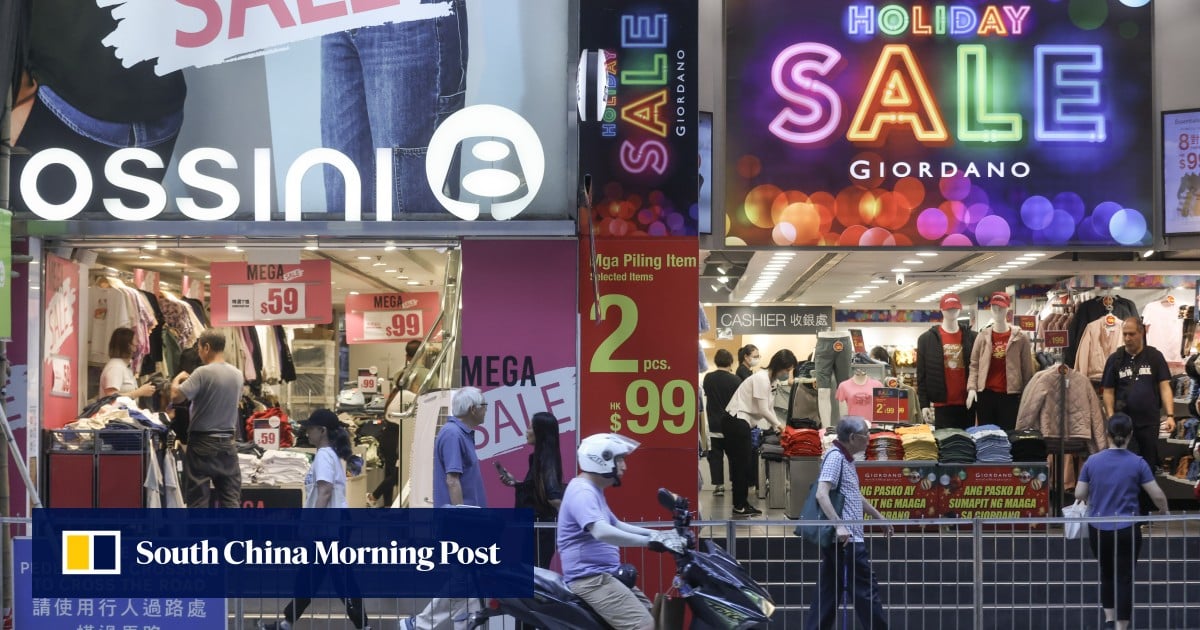
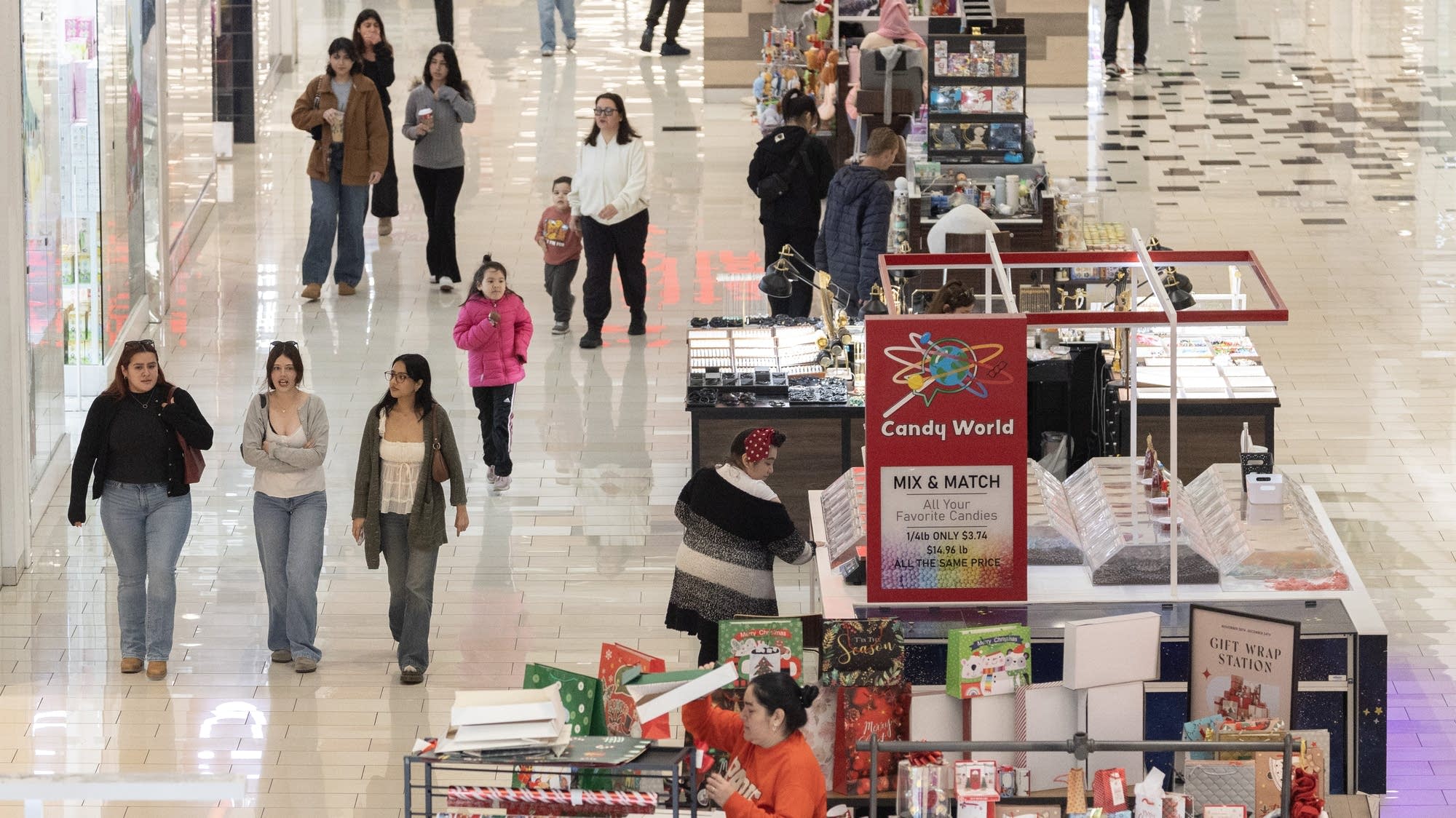
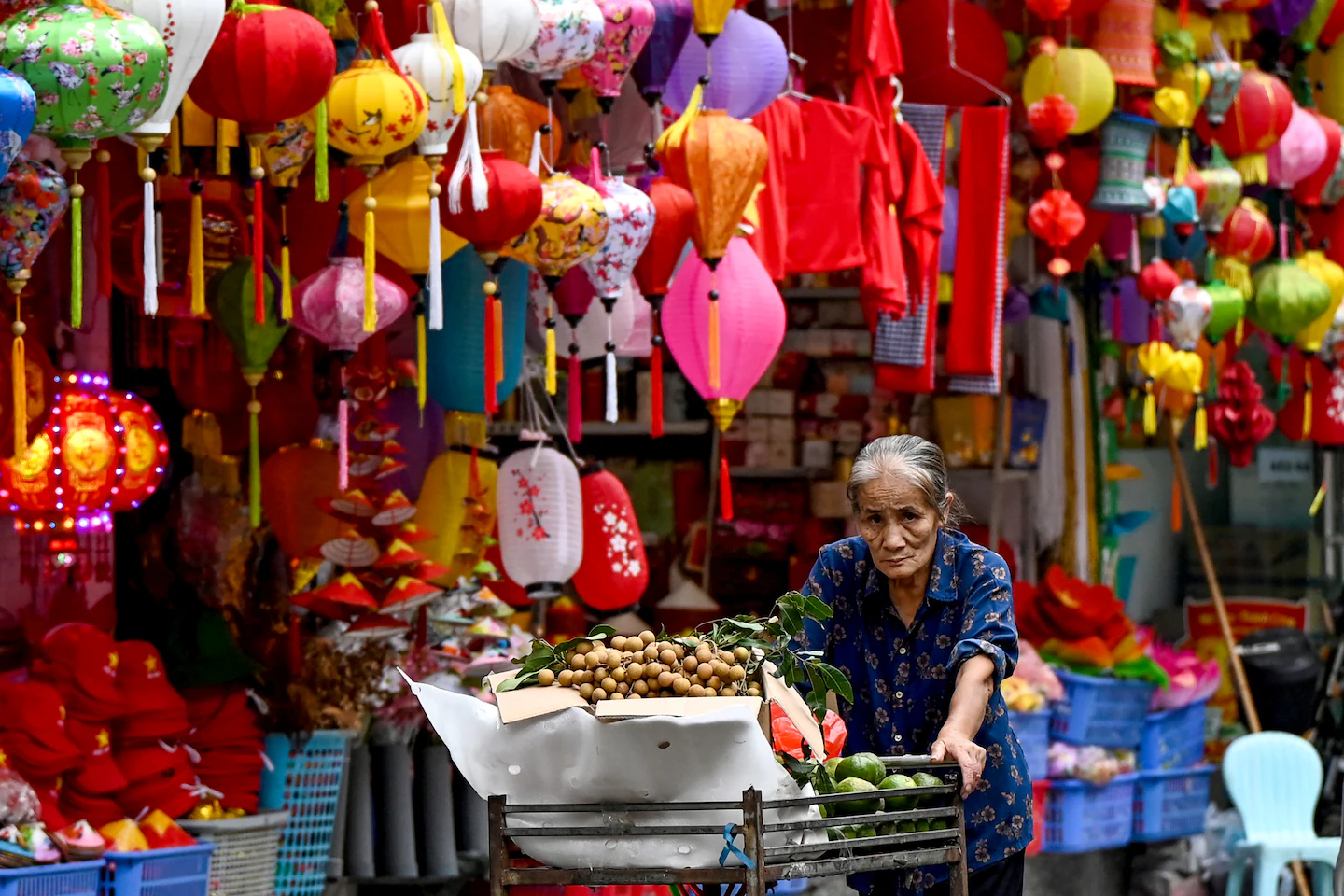
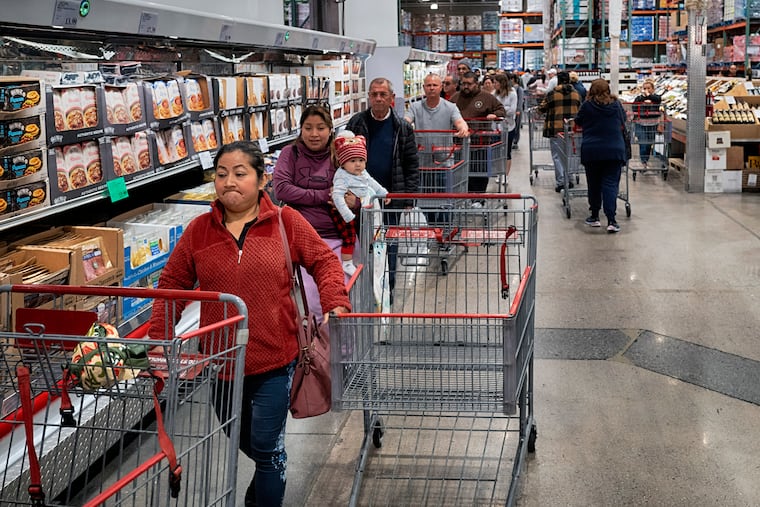
Retail sales increased 1.9 percent year-on-year in the January-April period. In April, retail sales rose 0.2 percent year-on-year, slowing from 1.7 percent in March, the figures showed.
Wen Bin, chief economist at China Minsheng Bank, said the moderation in retail sales was partly due to slightly smaller subsidies being offered under this year’s consumer goods trade-in program and a relatively high base for comparison from the same period last year.
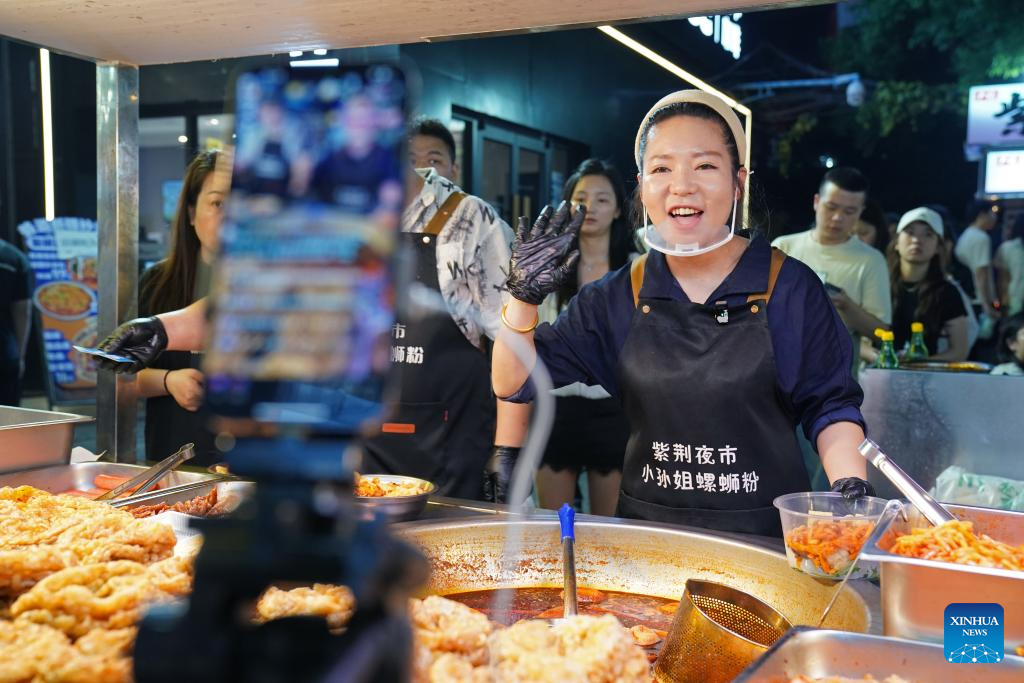
While consumption of goods softened, service consumption remained resilient. Retail sales of services rose 5.6 percent year-on-year in the first four months, 0.1 percentage point faster than in the first quarter, the NBS said.
Fu Linghui, spokesman and chief economist of the NBS, said that strong demand for cultural tourism and sports events had emerged as a new growth driver in the sector.
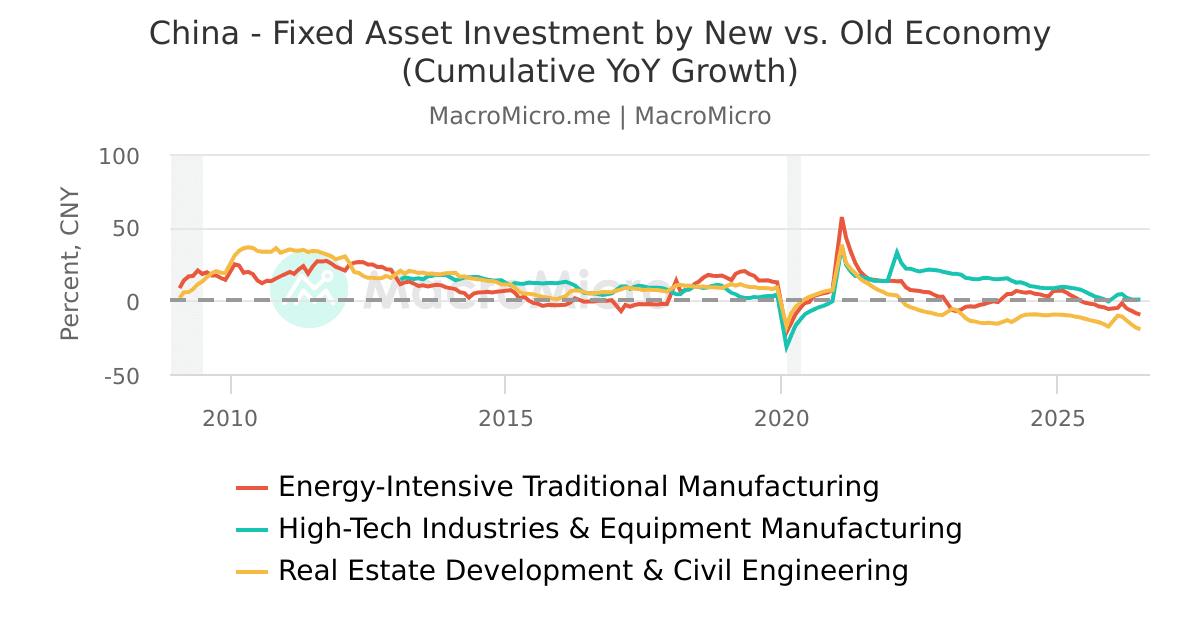
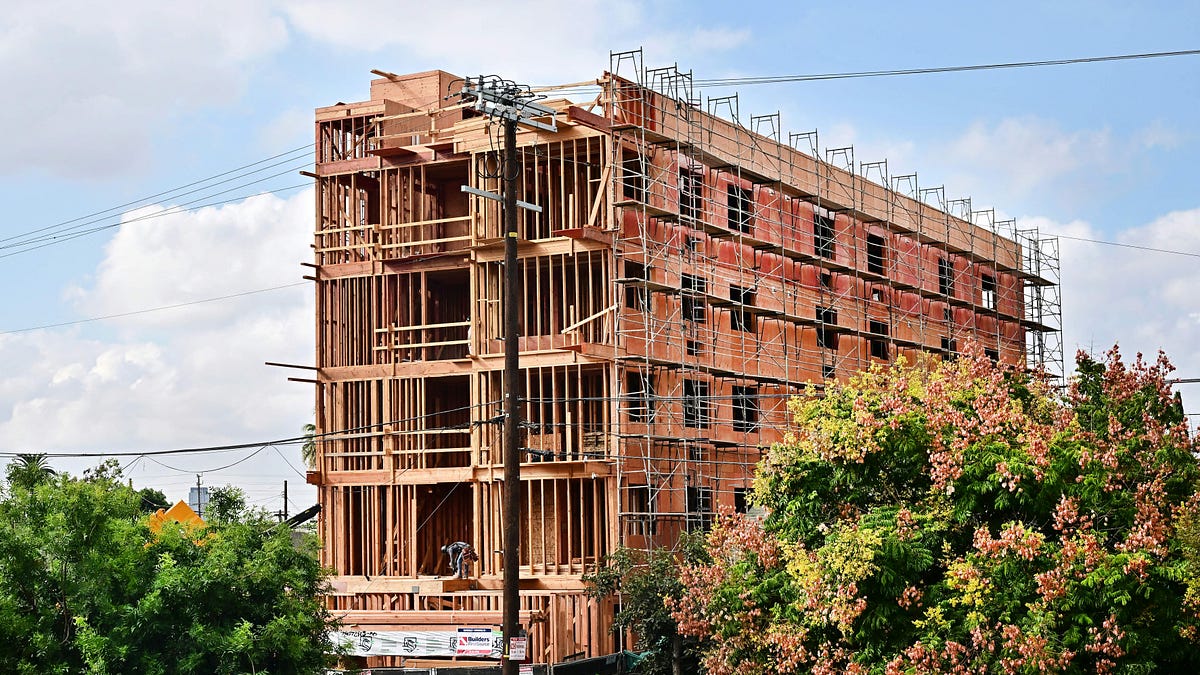
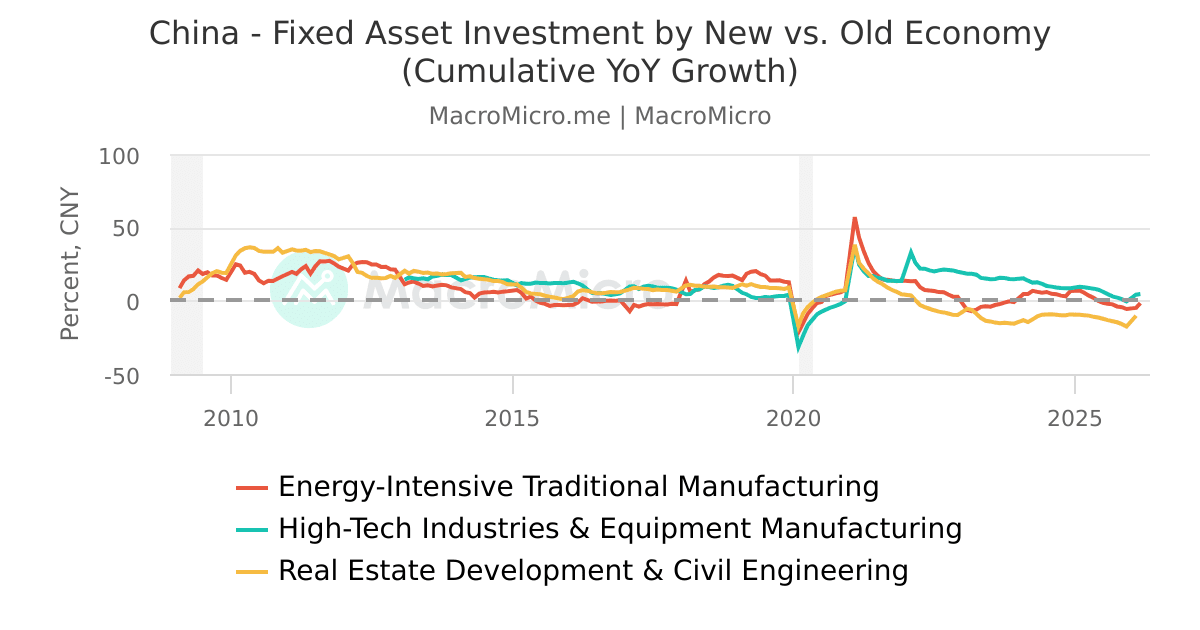
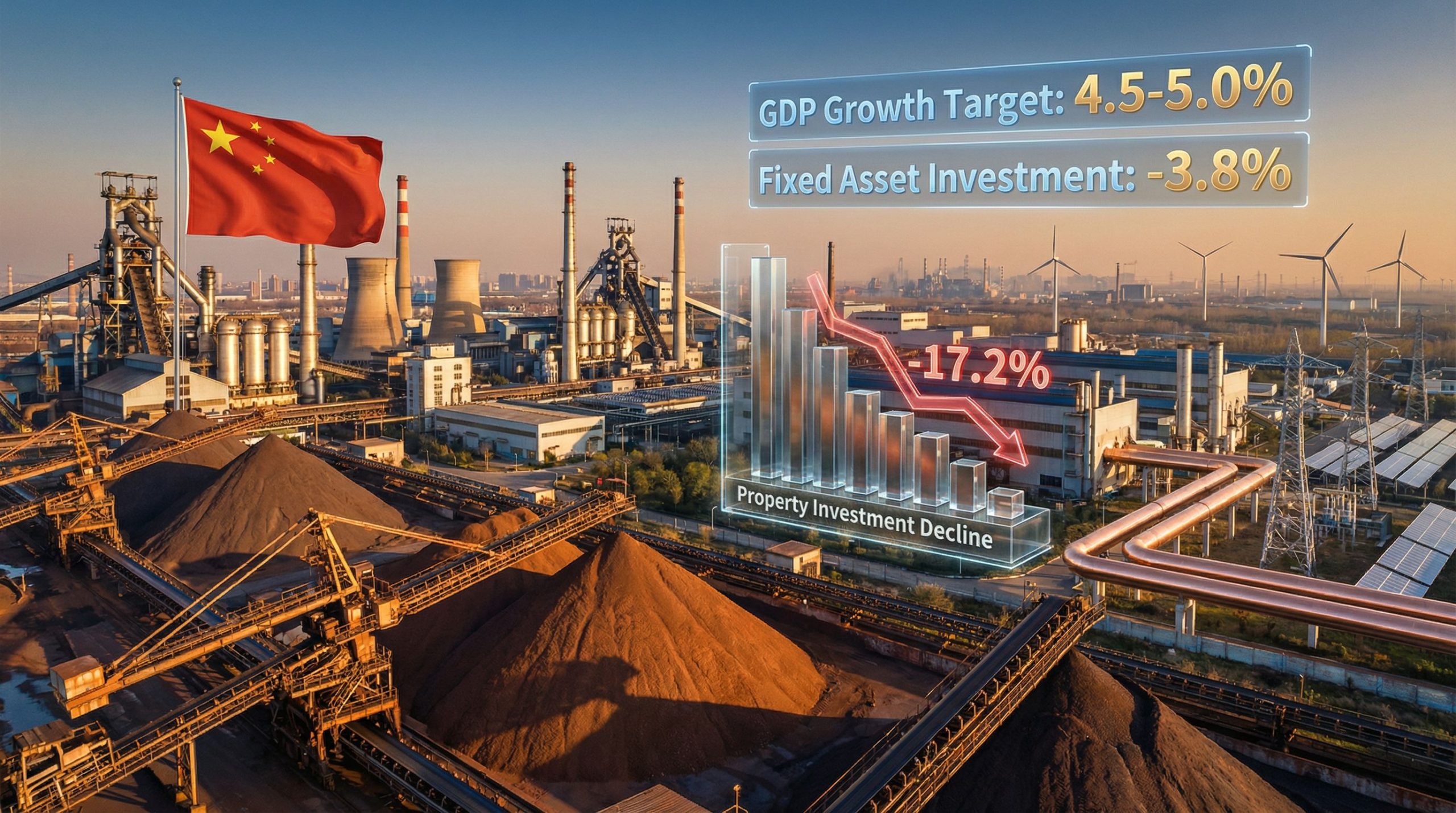
Fixed-asset investment fell 1.6 percent year-on-year in the first four months, reversing the 1.7 percent growth recorded in the first quarter, according to the NBS.
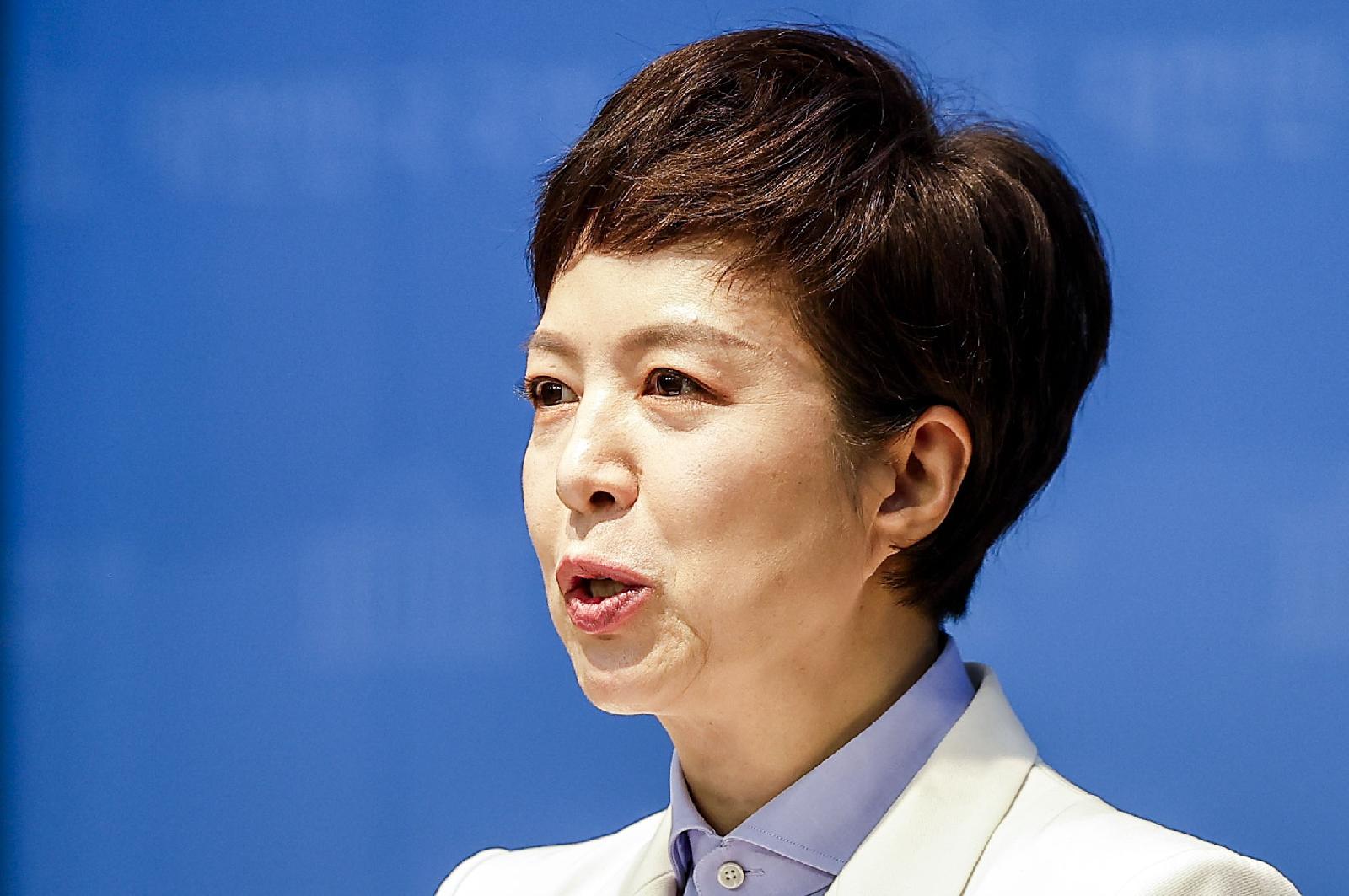
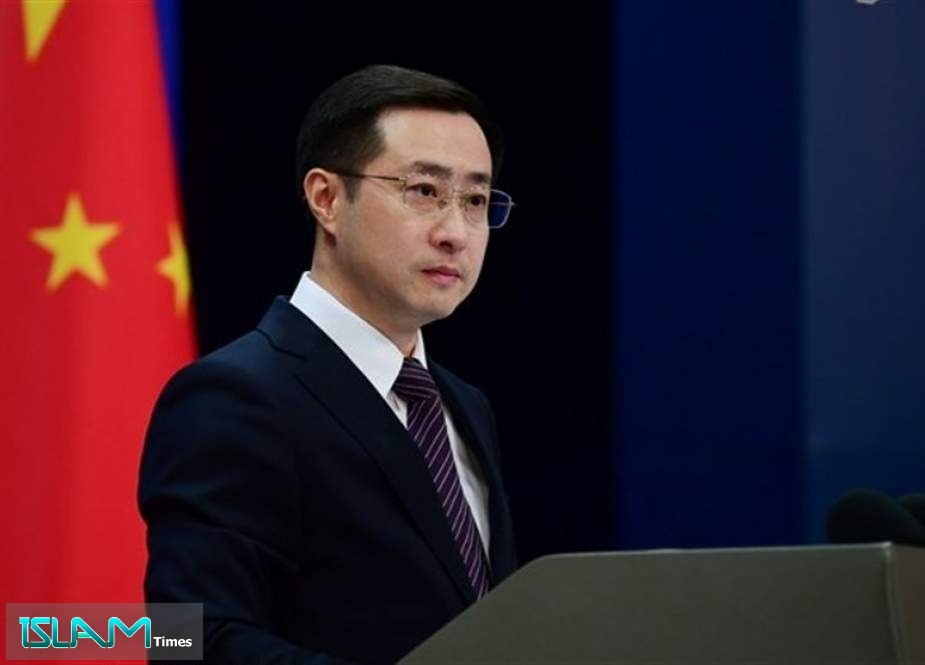
“The moderation in some April indicators reflects normal month-to-month fluctuations,” Wang Guanhua, a spokeswoman for the bureau, said at a news conference on Monday.
Despite headwinds, Wang said that China’s underlying economic stability remains intact, as innovation-driven growth drivers and resilient exports are expected to sustain amid a range of favorable conditions.
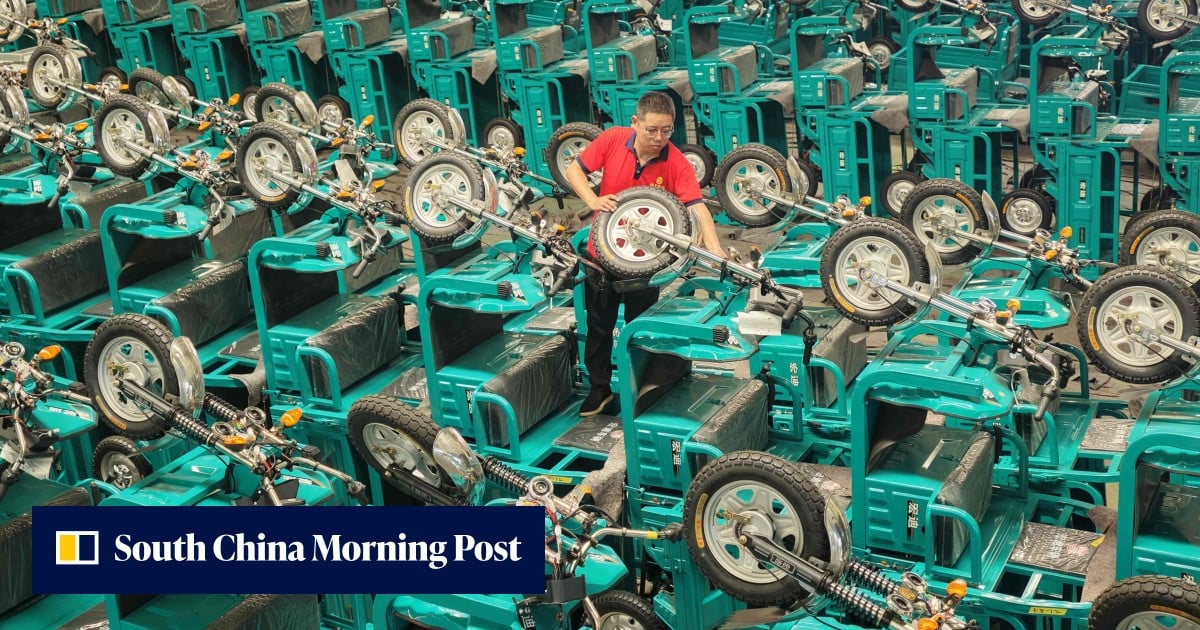
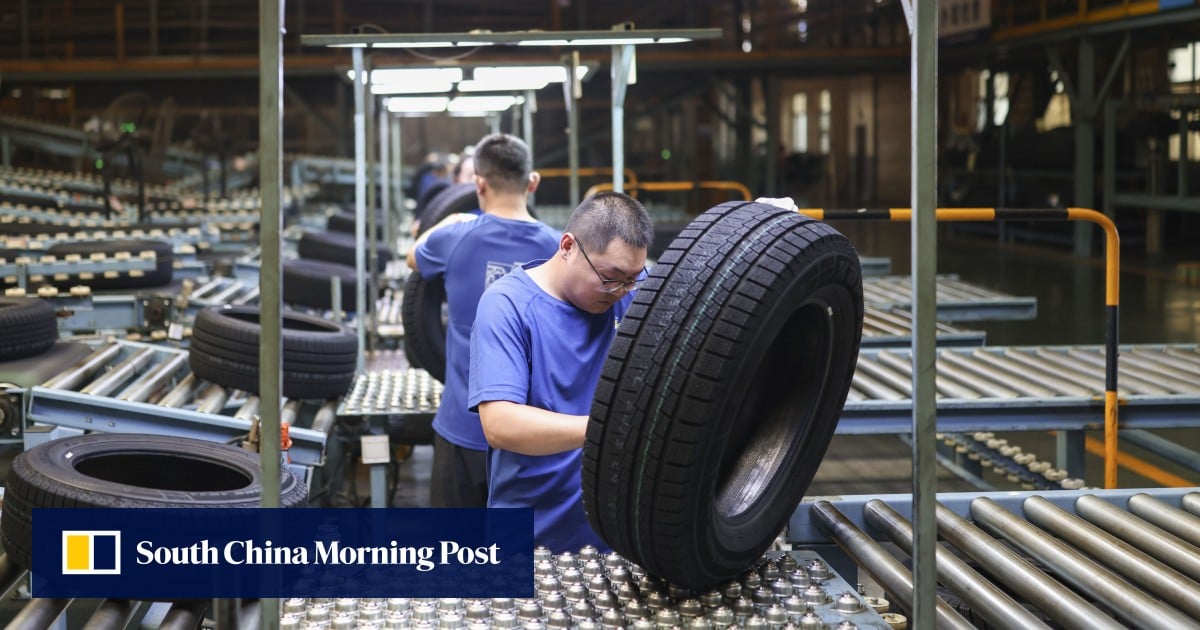
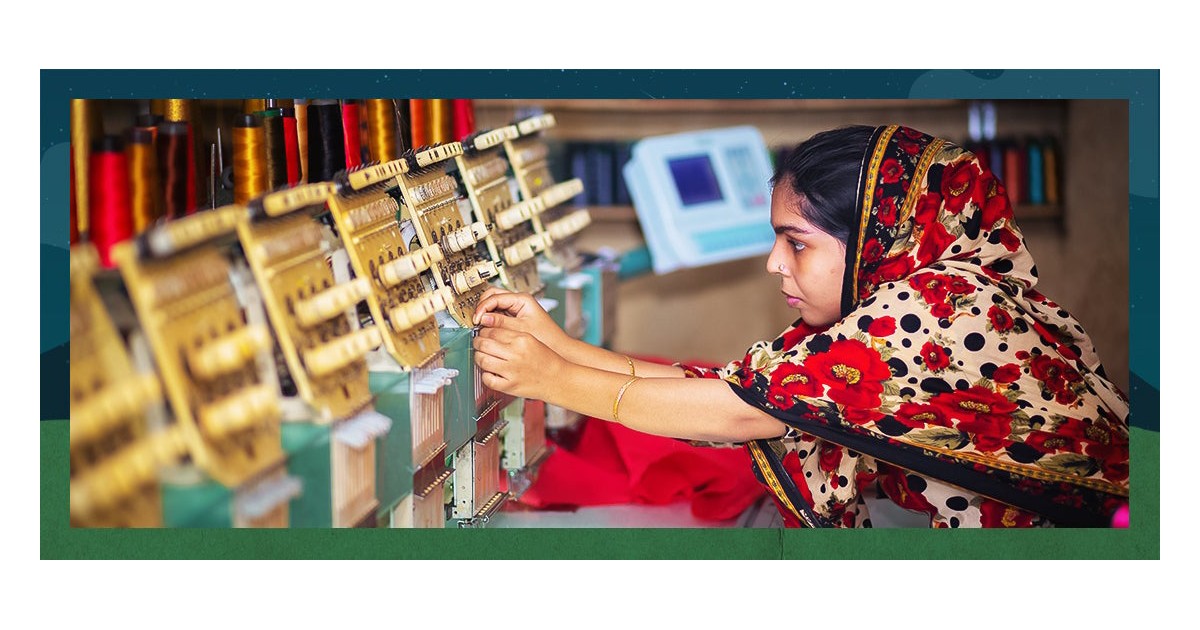
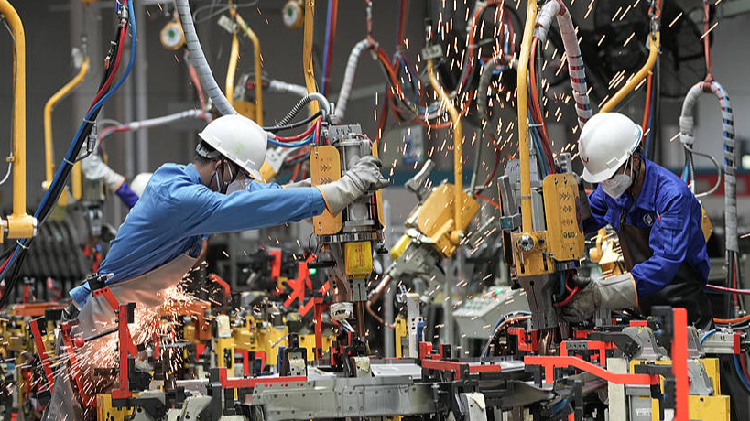
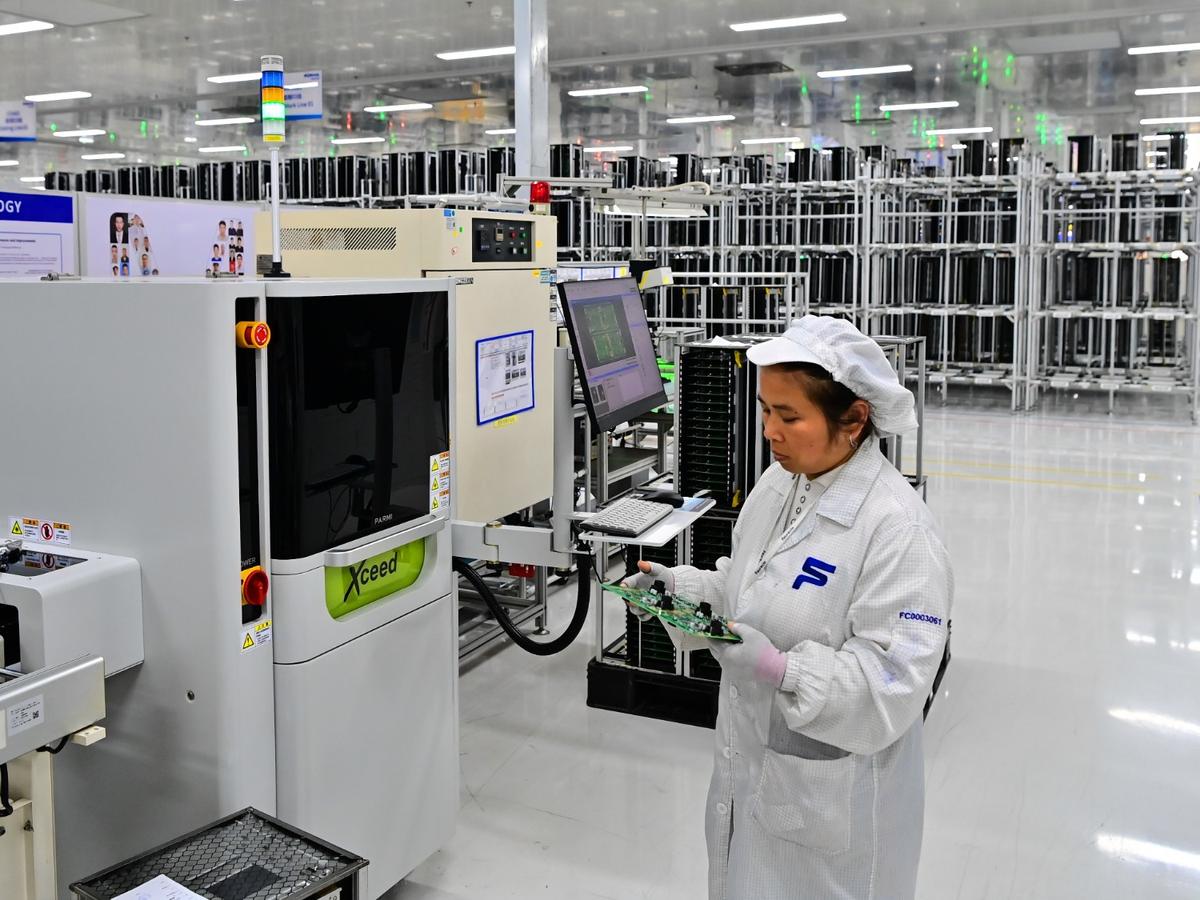
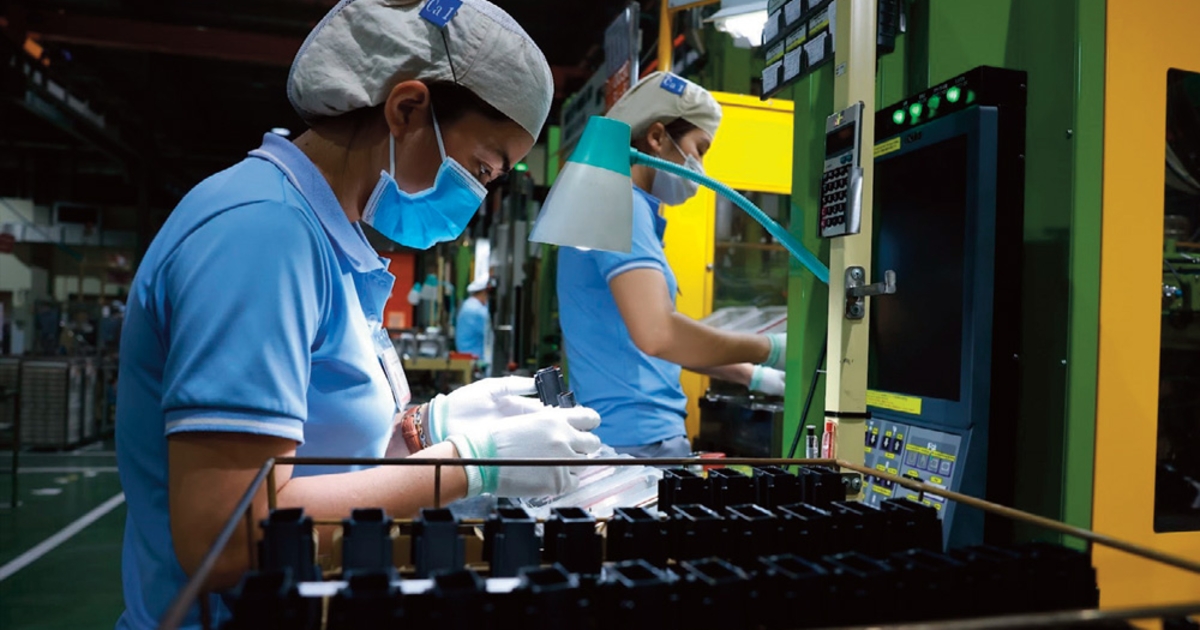
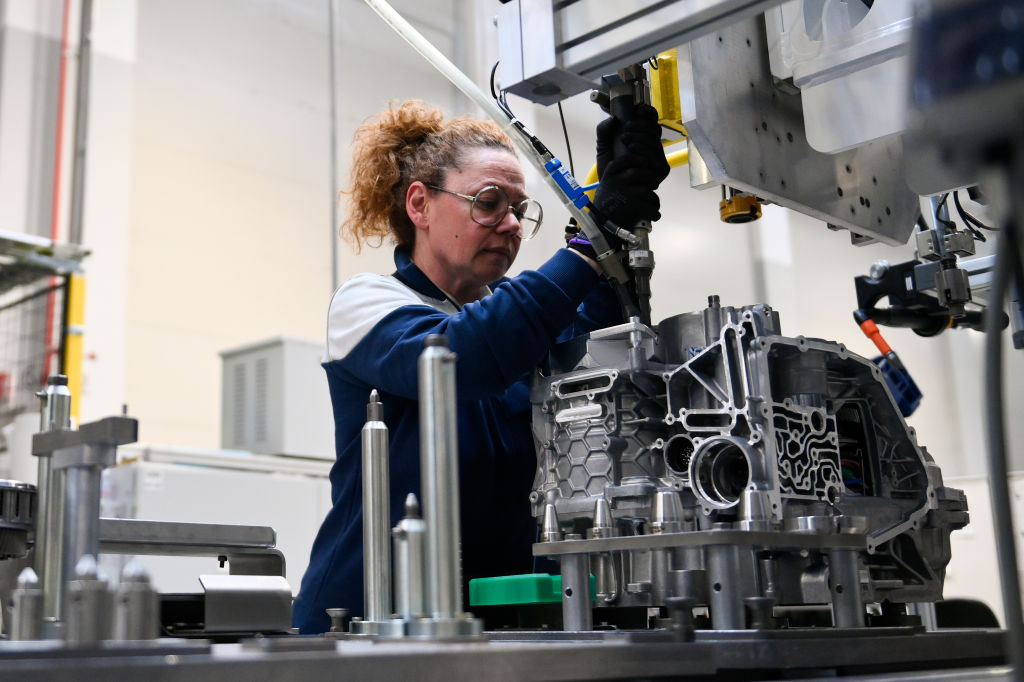
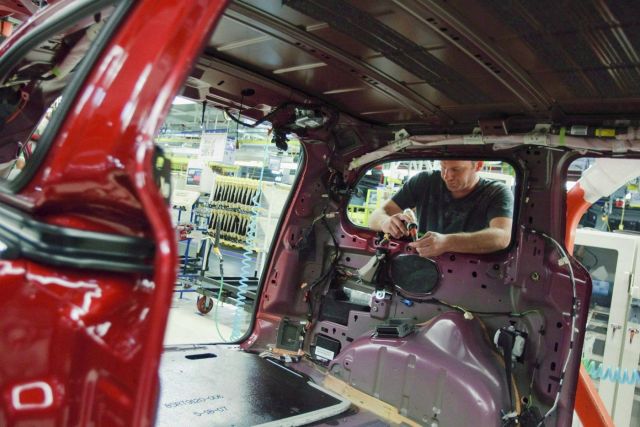
The NBS data showed that equipment manufacturing and high-tech manufacturing expanded at robust rates of 8.7 percent and 12.6 percent year-on-year, respectively, in the January-April period.
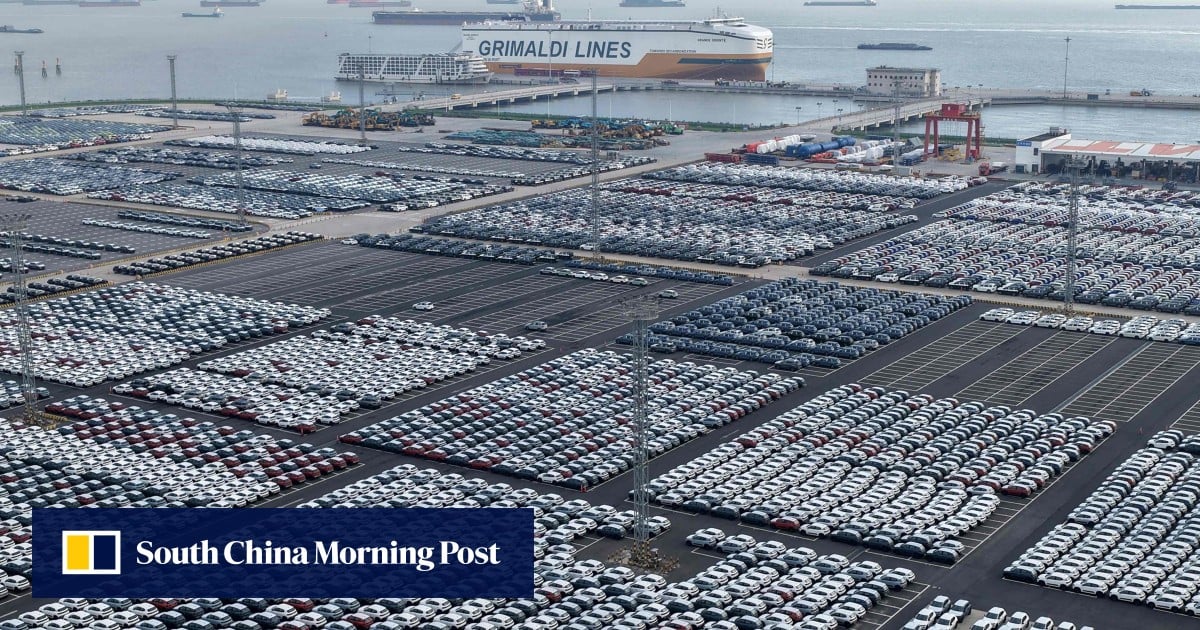
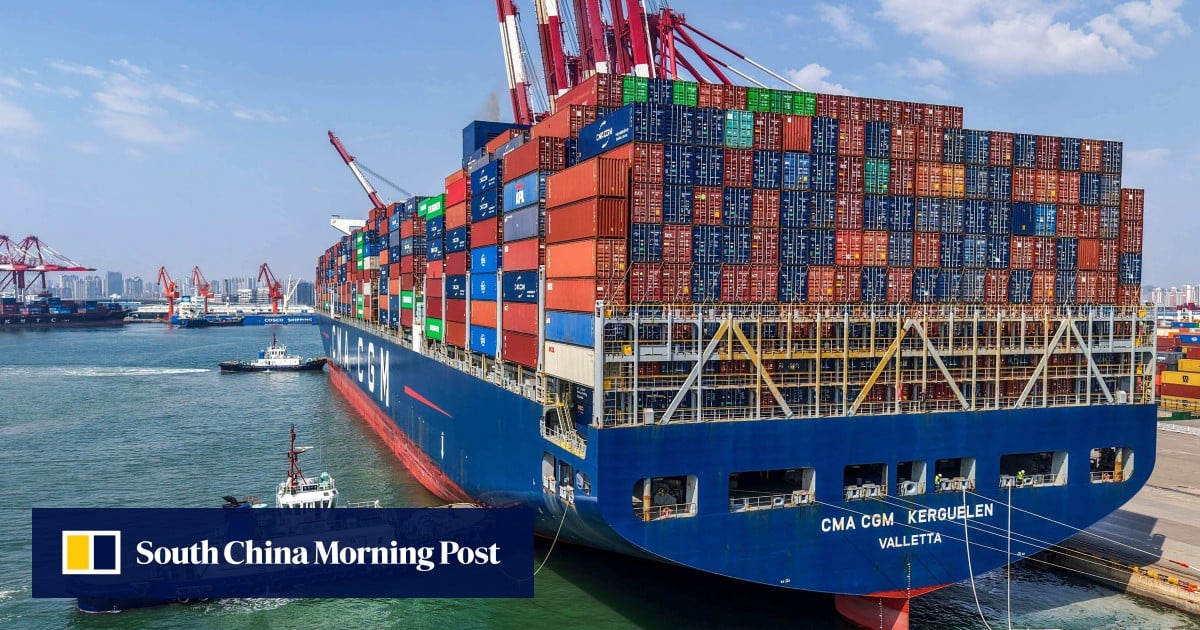
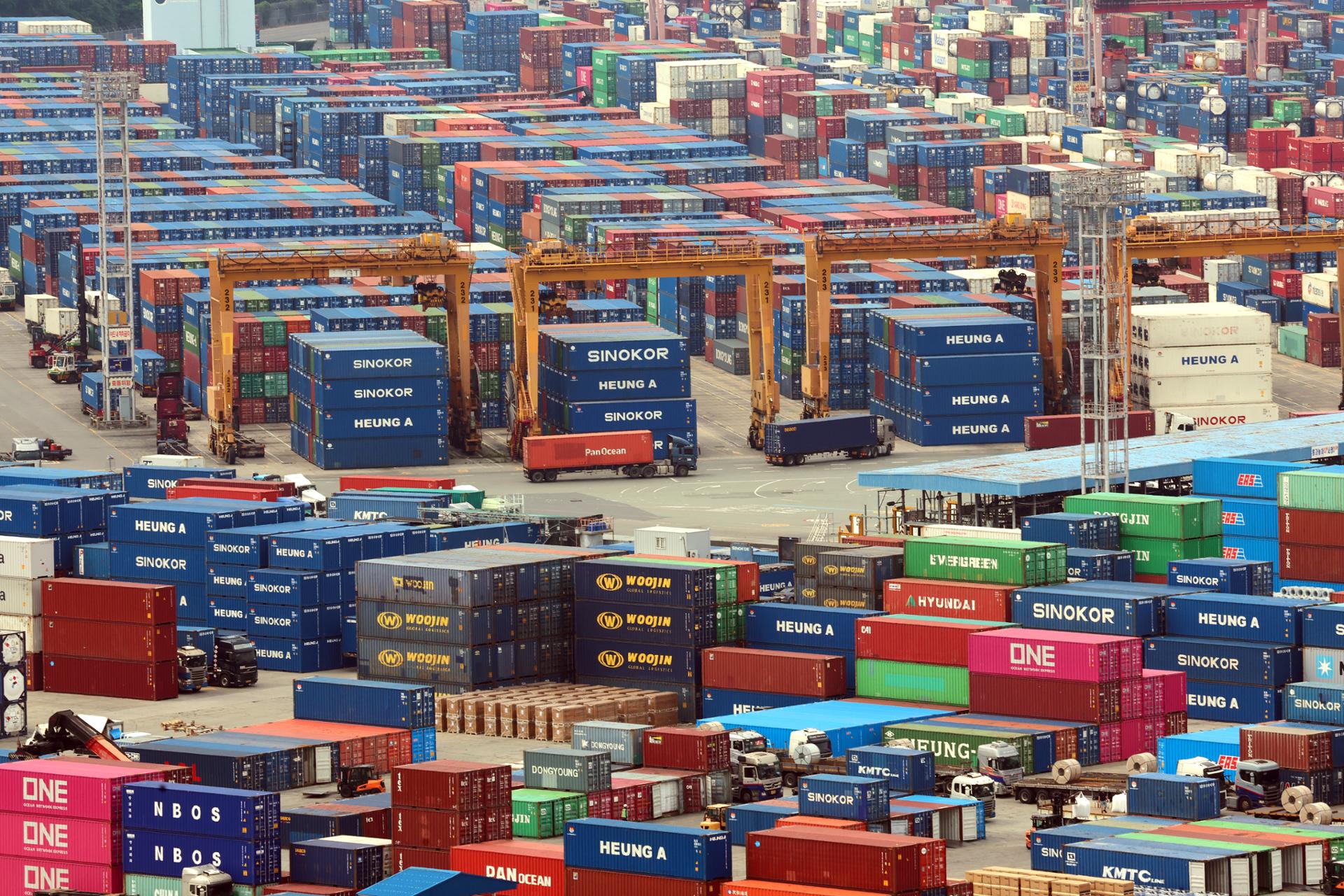
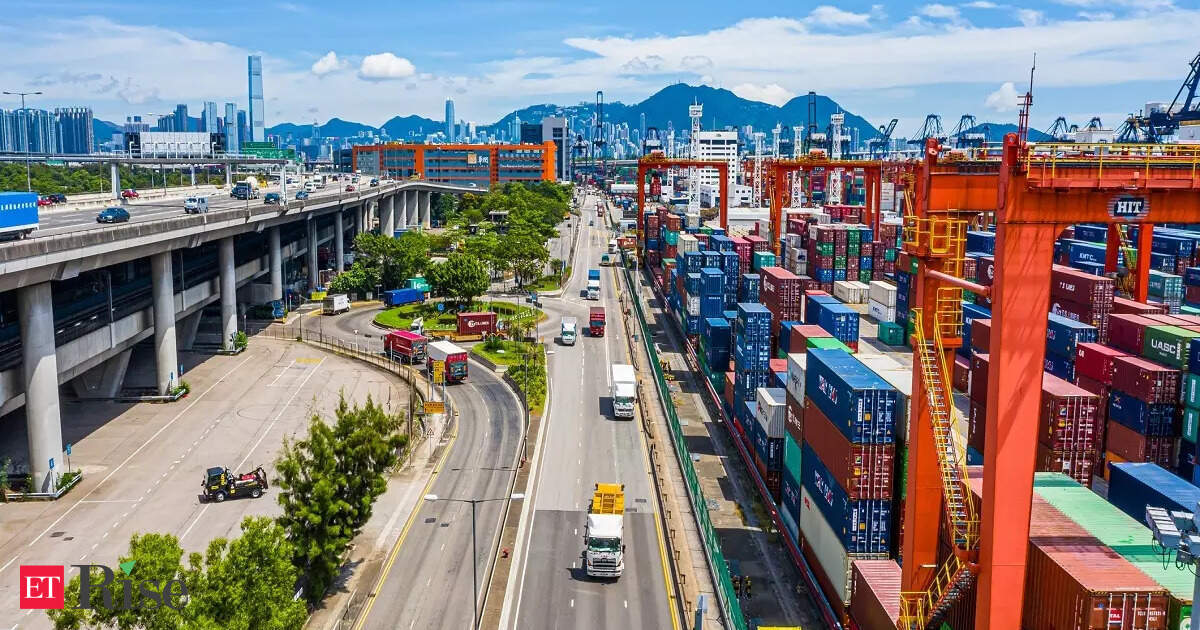
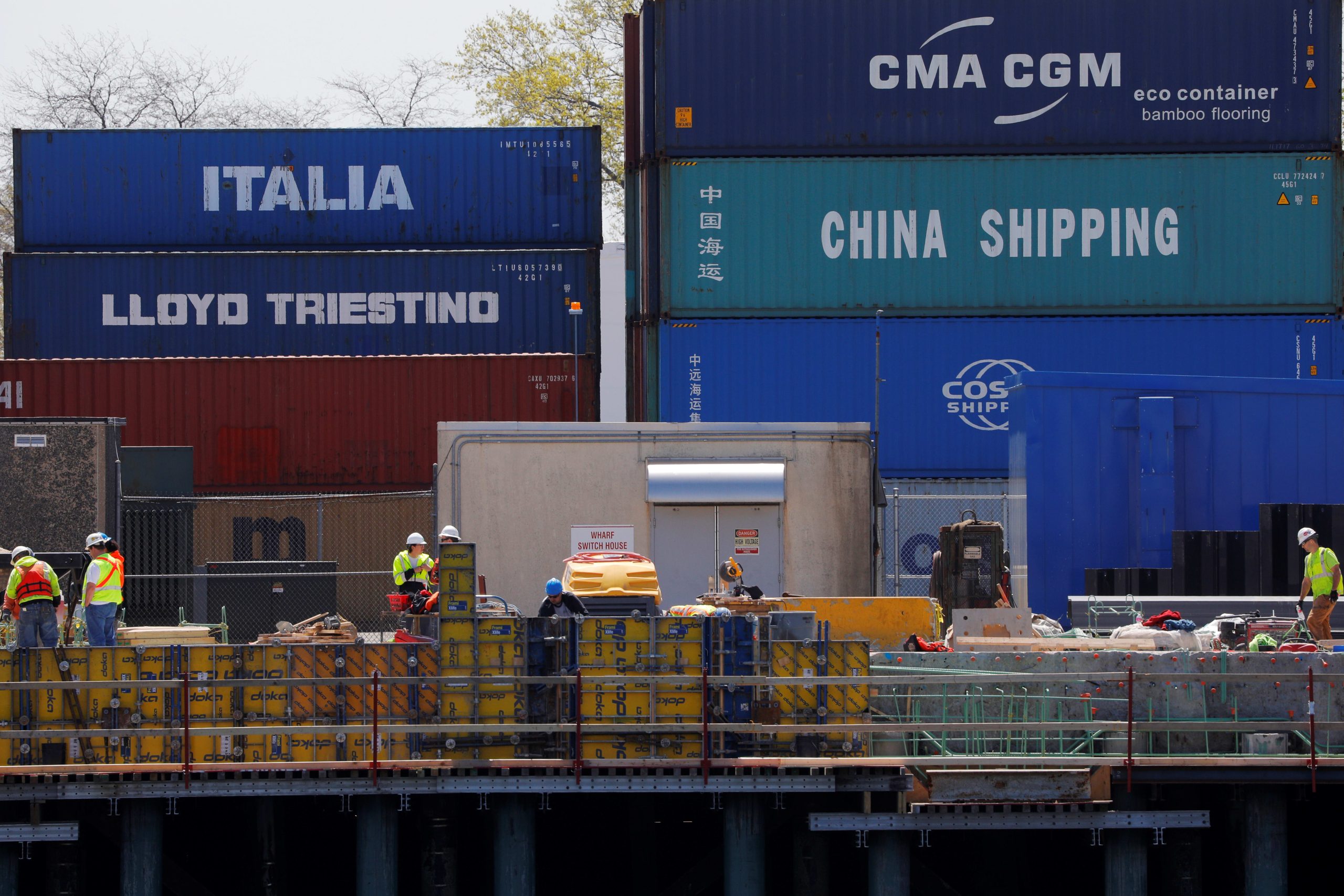
China’s exports of goods, meanwhile, rose 11.3 percent year-on-year in renminbi terms in the first four months, with April exports up 9.8 percent from a year earlier, the bureau said.
Robin Xing, chief China economist at Morgan Stanley, said that China’s export strength is expected to persist, with the sector’s resilience likely to create positive spillovers for domestic industrial upgrading.
On the back of robust exports as well as strong capital expenditure related to artificial intelligence and green sectors, Morgan Stanley recently raised its full-year growth forecast for China to 4.8 percent, putting it toward the upper end of the country’s annual growth target range.
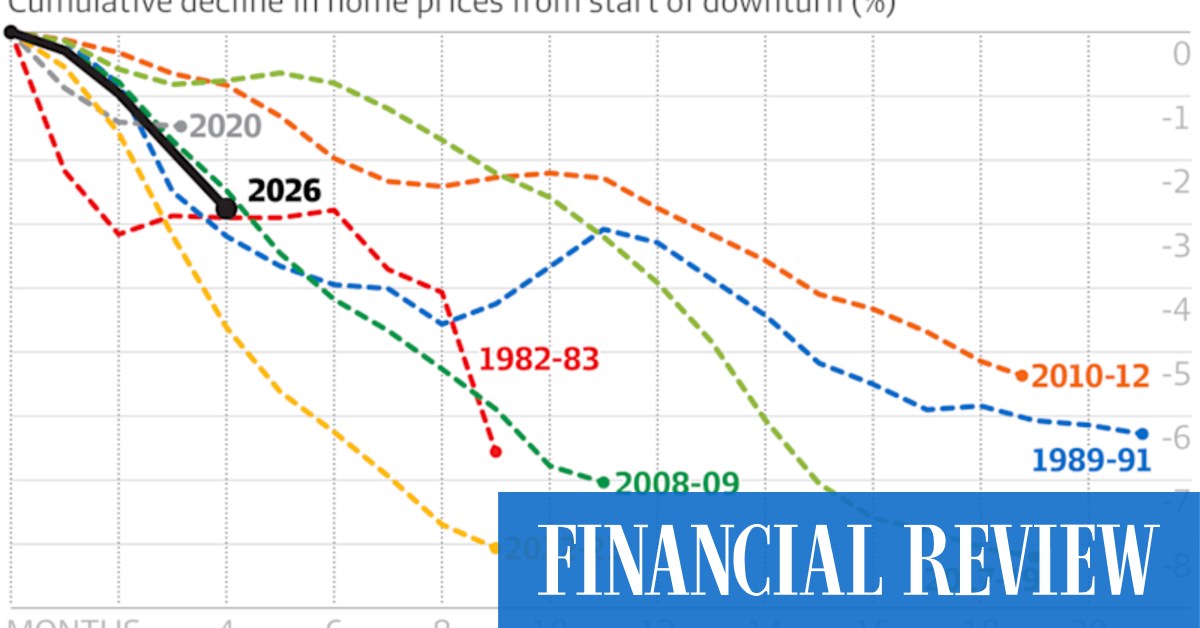
However, Xing cautioned that recovery remains uneven, with domestic demand continuing to lag, as factors such as the ongoing adjustment in the real estate sector still weigh on consumption.
Zhang Bin, deputy director at the Chinese Academy of Social Sciences’ Institute of World Economics and Politics, said that China’s economy is on an upward recovery trajectory, but the limited strength of its self-sustaining recovery underscores the need for stronger countercyclical policy support.