New research led by the University of East Anglia (UEA) suggests even modest, short-term changes in weather can have a measurable impact on NHS mental health service demand across England.
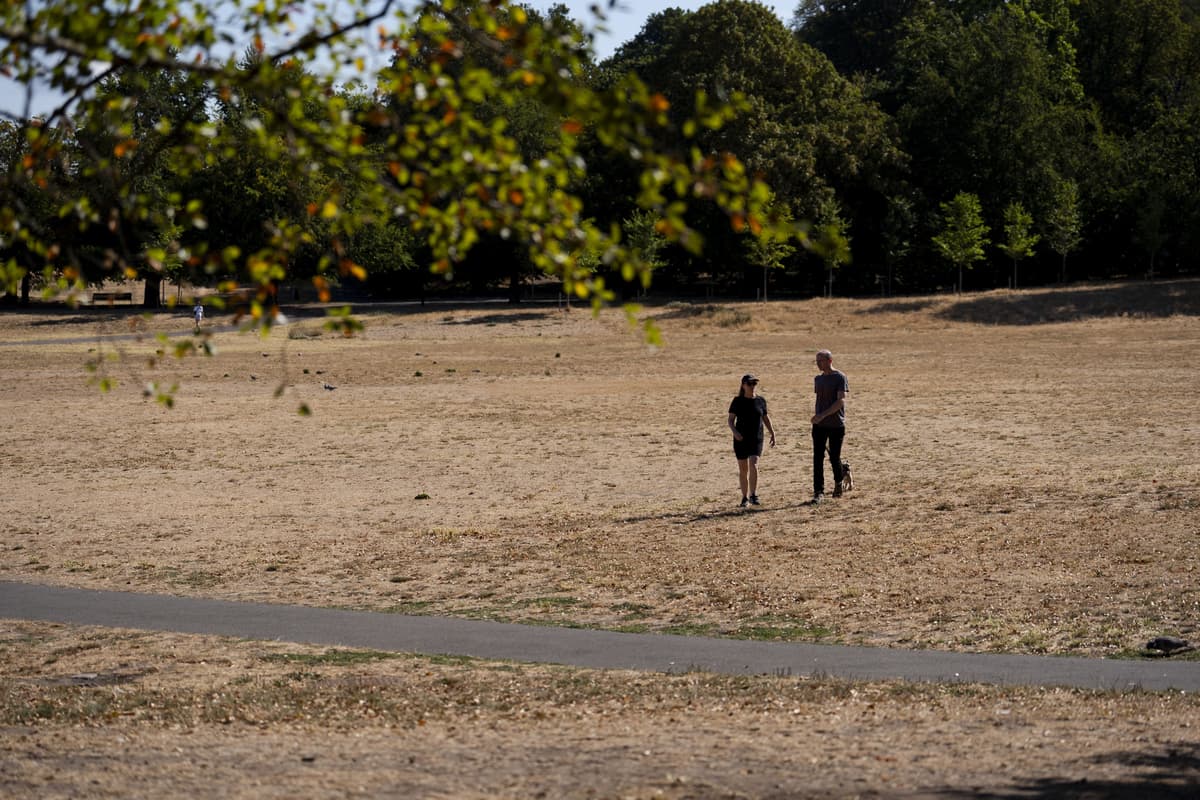
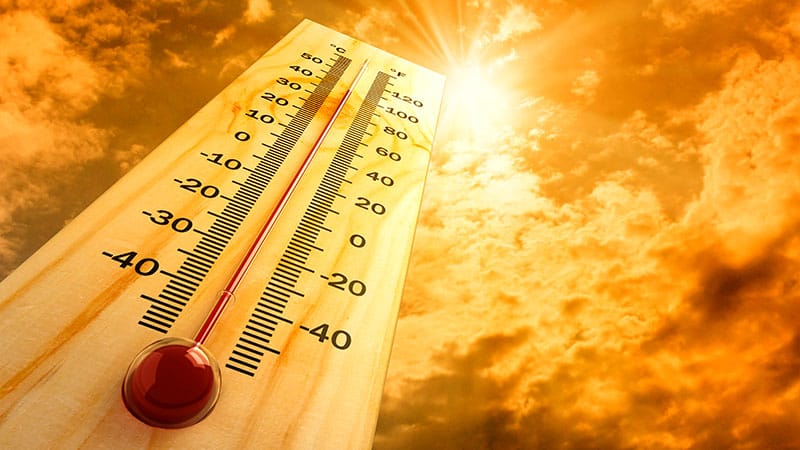
The study, funded by the National Institute for Health and Care Research (NIHR), found fluctuations in temperature and levels of sunshine are linked to shifts in unscheduled mental health-related healthcare use – with increases during periods of hot weather and low sunshine.
In contrast, rainfall appears to have little consistent effect, suggesting specific weather patterns – rather than overall conditions – as key drivers of mental health pressures.
The findings, published today in the journal Frontiers in Psychiatry, highlight the role of environmental conditions in influencing mental health–related healthcare demand.
One of the largest studies of its kind to date, it used data from more than 4.6 million mental health–related healthcare contacts to emergency departments (EDs), family doctor out-of-hours (GP OOH) services, and the NHS 111 telephone advice line.
The findings are published today in the journal Frontiers in Psychiatry.
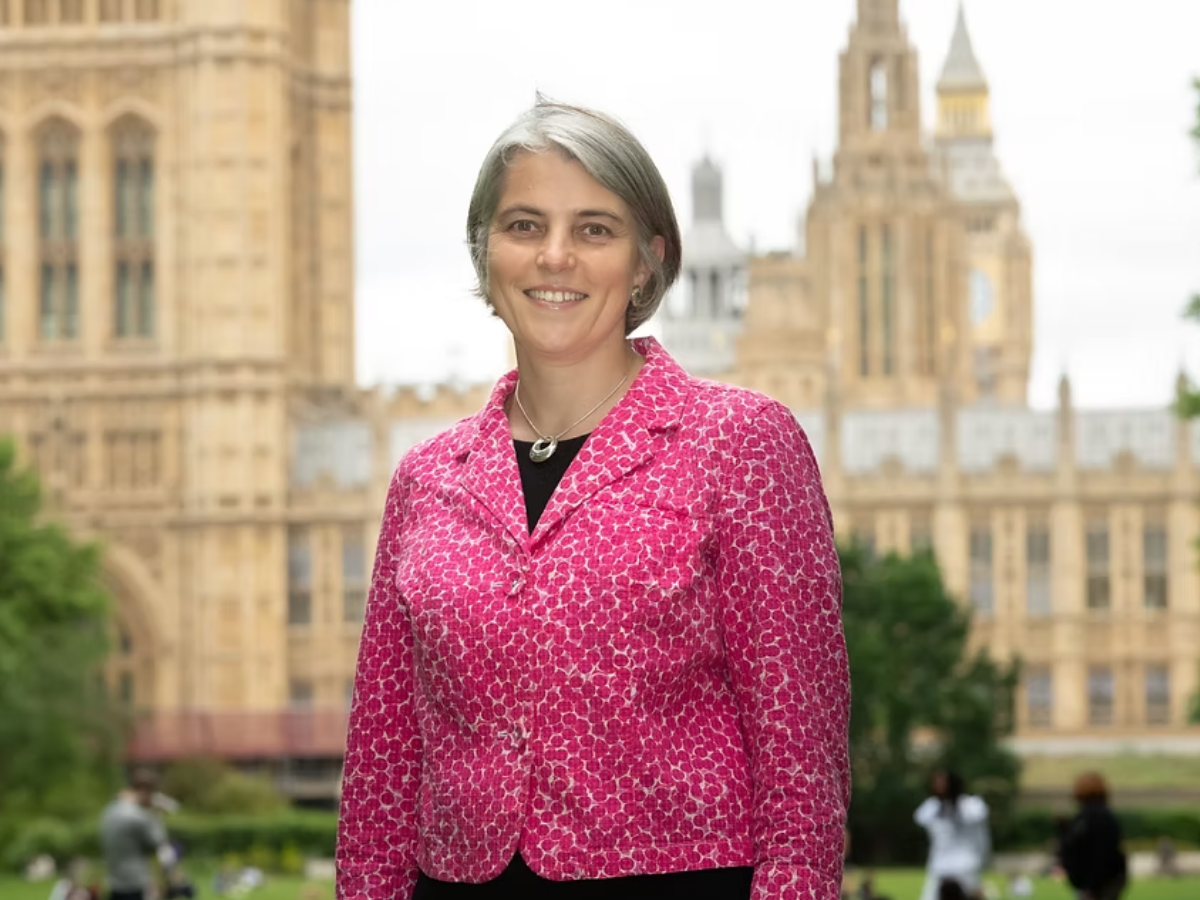
Lead researcher Dr Richard Elson, from UEA’s School of Environmental Sciences, said: “One of the important findings from our research is that everyday weather conditions influence mental-health and when and how people seek support, not just extreme weather such as heatwaves.
“Understanding factors that influence fluctuations in mental health–related healthcare demand is an important public health priority, and may help planning and preparedness efforts for mental health services under current and future climate conditions.”
Weather conditions have previously been linked to adverse mental health outcomes, and rising concern about climate change has increased interest in these associations.
However, most existing research focuses on extreme weather events and there is limited evidence regarding the impact of routine daily weather conditions on mental health–related healthcare use.
The team from UEA’s School of Environmental Sciences and Norwich Medical School, and the UK Health Security Agency (UKHSA), estimated associations between weather exposures and healthcare across England.
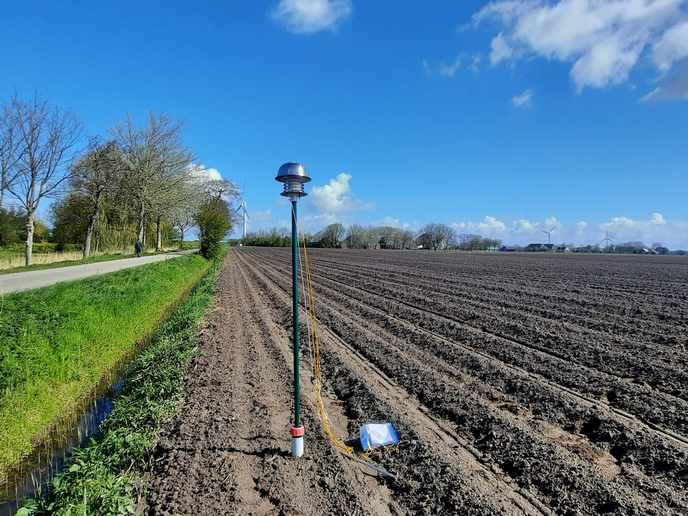
They used national surveillance data collected by UKHSA and weather data from the Met Office for January 2014 to December 2022. Weather exposures included mean daily temperature (°C), hours of full sunshine, and total daily rainfall (mm).
Across the three healthcare services, demand increased with rising temperatures up to around 18 °C and was higher on days with fewer hours of sunshine, which demonstrated the clearest pattern.
While analyses of specific mental health conditions showed no clear associations with sunshine hours overall, fewer sunshine hours were associated with increased GP OOH and ED contacts for anxiety and depression.
Rainfall was not consistently associated with healthcare contacts. Age-related analyses between temperature and ED attendances among adults aged over 64 years, showed higher use of services during both colder and warmer conditions.
NHS 111 calls included as indicators of mental health problems included deliberate self-harm, alcohol intoxication, or sleep difficulties. GP OOH contacts included anxiety, depression, self-harm, or sleep difficulties, while ED attendances for mental health conditions were anxiety, depression, self-harm and alcohol intoxication.
The study was funded by NIHR through the Health Protection Research Unit (HPRU) in Emergency Preparedness and Response, a partnership between UKHSA, King’s College London and UEA.
‘The effect of weather on unscheduled healthcare utilisation for mental health conditions in England, 2014–2022’, Richard Elson, Julii Brainard, Natalia R Jones, Alex J Elliot and Iain R Lake, is published in Frontiers in Psychiatry on June 30.
Source: