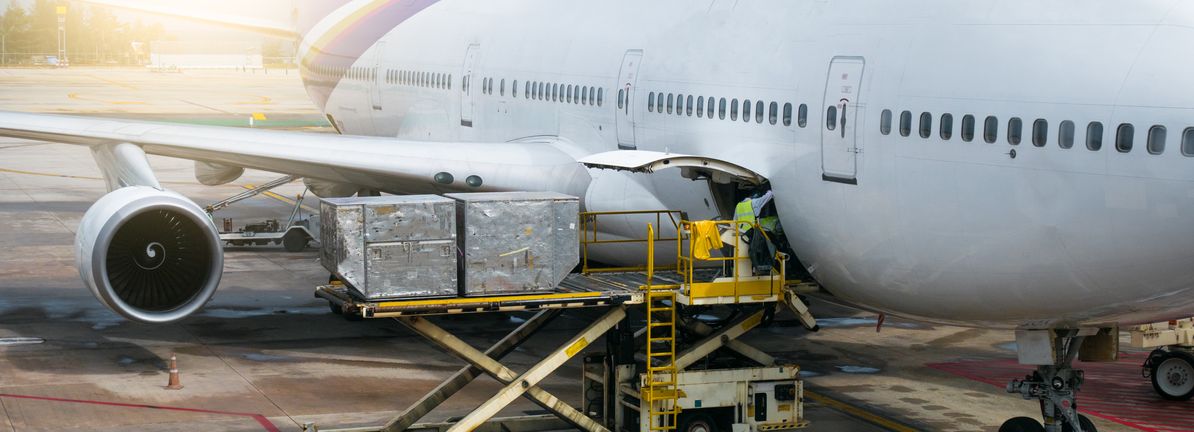
Flying is one of life’s greatest luxuries. But it’s also one of the toughest industries to decarbonise. Unlike electric cars, commercial aircraft can’t simply swap petrol for batteries any time soon. So if aviation is going to reach net zero, it needs a different solution.
That’s where Sustainable Aviation Fuel (SAF) comes in. This week, Australian venture capital firm Climate Tech Partners announced investments in two companies developing Sustainable Aviation Fuel, with backing from aviation giants Qantas and Airbus. And, while it might sound like another investment story, it’s actually a glimpse into what flying could look like over the next decade.
Why aviation needs a new kind of fuel
Electric cars have become mainstream, but planes are a much harder challenge.
Commercial aircraft require enormous amounts of energy, and today’s battery technology simply isn’t capable of powering long-haul flights. That’s why many experts see Sustainable Aviation Fuel as one of the most important climate technologies currently being developed.
SAF is made from renewable materials rather than crude oil, yet it can be used in existing aircraft and airport infrastructure with little or no modification. That means airlines can start reducing emissions without waiting decades for entirely new aircraft designs.
It’s also a technology the aviation industry is counting on. Sustainable Aviation Fuel is expected to deliver around 65 per cent of the emissions reductions needed for aviation to reach net zero by 2050.
The biggest hurdle isn’t proving the technology works. It’s producing enough fuel to meet demand.
Turning everyday waste into jet fuel
One of Climate Tech Partners’ newest investments is Australian company Wildfire Energy, which has secured $2 million to help expand its waste-to-energy technology.
Its approach is surprisingly straightforward.
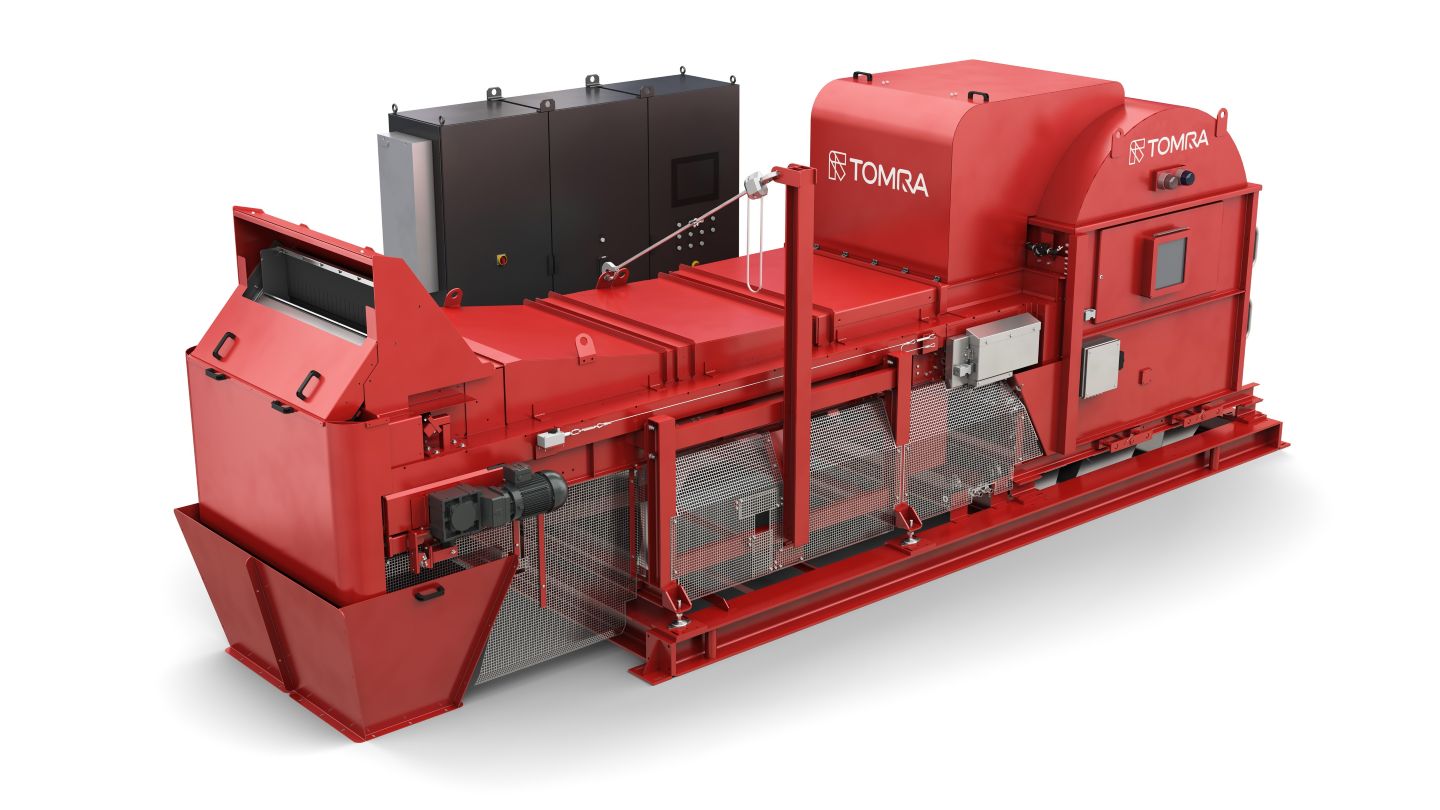
Instead of sending household rubbish – including waste from your red bin – to landfill, Wildfire converts it into synthesis gas, or “syngas”. The process transforms that gas into lower-carbon fuels, including Sustainable Aviation Fuel, as well as renewable energy and chemicals.
Even better, the technology eliminates the need for councils to sort waste beforehand, helping them reduce landfill and turn materials they once sent to waste into valuable products.
It’s a clever example of the circular economy in action – transforming yesterday’s rubbish into tomorrow’s resource.
Not all waste belongs in landfill
Climate Tech Partners has also invested around A$4 million in Dutch renewable energy company Vertoro, which takes a slightly different approach.
Rather than household waste, Vertoro transforms industrial and forestry waste into renewable bio-oil that can replace fossil fuels across multiple industries.
That bio-oil can be used in aviation, shipping, chemicals and even some plastics, helping reduce emissions without requiring major changes to existing infrastructure.
It’s another reminder that some of the world’s biggest climate breakthroughs aren’t always about inventing something entirely new. Sometimes they’re about finding smarter uses for resources we’ve overlooked.
Why this matters for Australia
Beyond the environmental benefits, there’s another reason these technologies are attracting attention.
Australia currently imports more than 90 per cent of its jet fuel, making the country heavily reliant on overseas supply chains. Recent global events have highlighted just how vulnerable those supply chains can be.
Developing Sustainable Aviation Fuel locally could improve Australia’s fuel security while creating skilled regional jobs and entirely new advanced manufacturing industries.
With abundant agricultural waste, forestry residues and household rubbish, Australia already has many of the raw materials needed to produce cleaner fuels domestically.
Instead of exporting waste or burying it in landfill, we could be turning it into something the aviation industry desperately needs.
Big industry is already backing the technology
Perhaps the strongest endorsement comes from the companies investing alongside Climate Tech Partners.
Both Qantas and Airbus see Sustainable Aviation Fuel as one of the most practical ways to reduce aviation emissions, particularly as governments around the world begin introducing mandates requiring airlines to use increasing amounts of cleaner fuel.
For Australia, that presents an opportunity to become more than simply a buyer of Sustainable Aviation Fuel. It could become a producer and exporter of the technology itself.
The future of flying could start at your kerbside
Climate technology often sounds futuristic or complicated, but some of its most exciting innovations are surprisingly simple.
The idea that household rubbish could help power commercial flights might seem far-fetched today. Yet it’s exactly the kind of practical thinking that’s driving the next generation of clean technology.
It’s good news for travellers hoping to reduce the environmental impact of flying, for regional communities that could benefit from new industries, and for Australia as it looks to build a cleaner and more resilient economy.
So the next time you wheel your bin out to the kerb, remember – some of what you’re throwing away could eventually help someone take off.