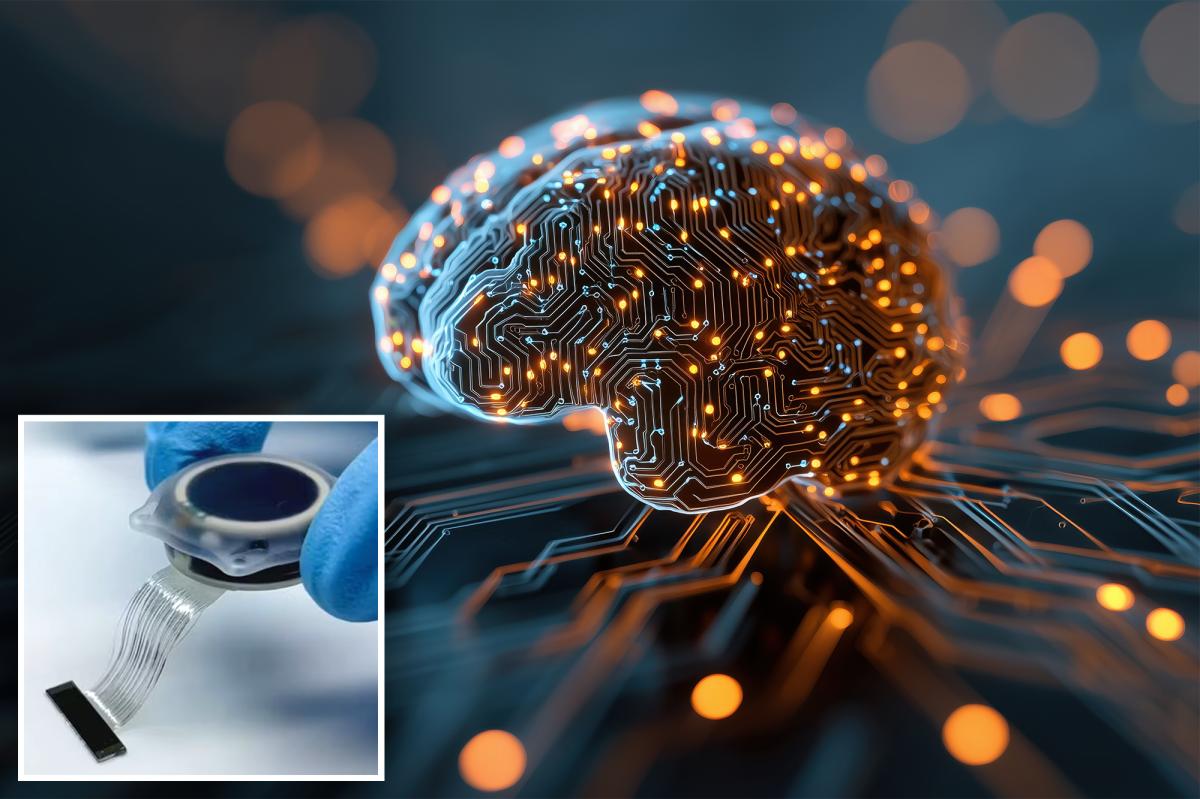

As Elon Musk’s Neuralink continues to make headlines for surgically implanted brain chips, China’s emerging rivals are taking a different route and betting that the future of brain-computer interfaces (BCI) will not need opening the skull at all. According to a report by CNBC, the Chinese government has designated BCI as ‘future industry’ in its latest Five-Year Plan, signalling national-level support for neural technology. Regulators recently approved the world’s first minimally invasive BCI device for commercial use, developed by Neuracle Medical Technology, which helps restore hand function after spinal cord injuries. Seven ministries jointly issued an implementation plan last year to fast-track breakthroughs by 2027, while provinces like Anhui have launched action plans to accelerate research, production, and industrialization.
The non-invasive revolution
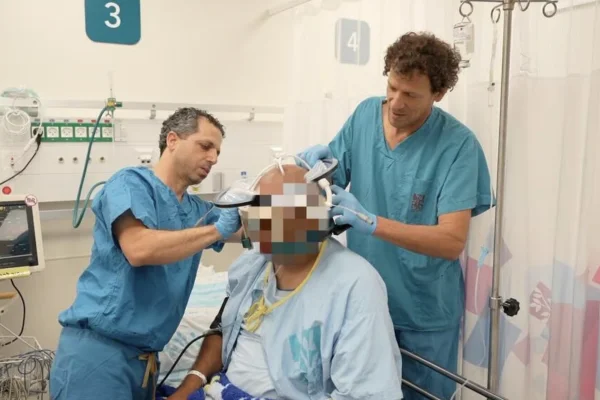
Unlike Neuralink’s surgical implants, Chinese startups such as BrainCo, Gestala, and StairMed are focusing on non-invasive or ultrasound-based BCIs. These devices read brain signals through sensors or sound waves, avoiding surgery altogether. BrainCo, founded in 2015 out of Harvard Innovation Labs, has developed dry electrode sensors and AI algorithms to decode neural signals. Its roadmap begins with medical applications prosthetics and rehabilitation before expanding into mental health and consumer electronics.The company’s bionic hands, approved by the US FDA, translate neural and muscular signals into finger movements, while its wearables use low-intensity electrical pulses to aid sleep and stress relief.
Funding and market vision
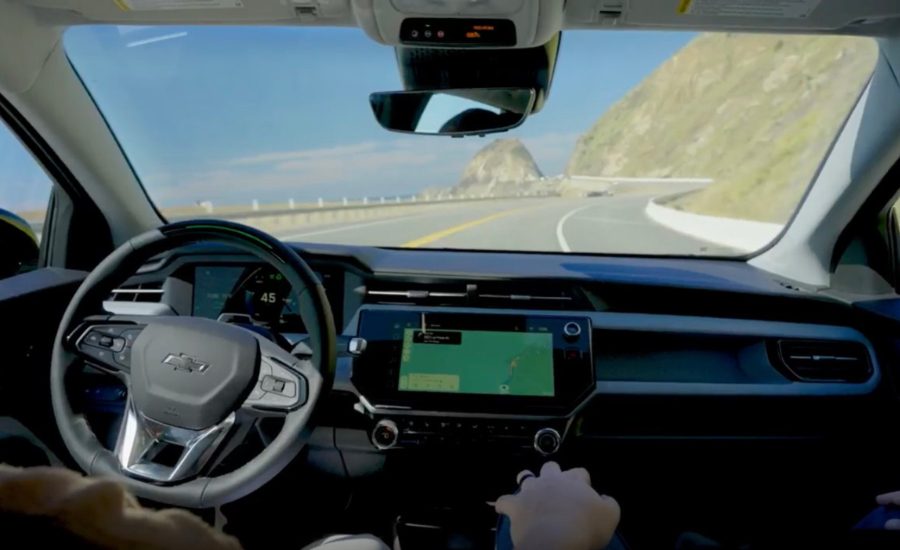
BrainCo recently raised 2 billion yuan ($280 million) in a round co-led by IDG Capital and Walden International. Executives say the goal is to make neural tech accessible and affordable, starting with insured medical markets and eventually licensing its BCI platform to other manufacturers. A Chinese Academy of Sciences researcher outlined a similar national trajectory from medical uses to autonomous driving, smart manufacturing, and ultimately mass-market consumer products.Artificial intelligence is powering the next leap in neural tech, improving signal processing and decoding. Industry experts say AI could eventually enable humans to control robots or connect directly with AI systems using thought alone. However, analysts caution that augmentation remains “science fiction for now.” The immediate opportunity lies in rehabilitation and assistive technologies, where China’s coordinated ecosystem spanning hospitals, universities, and insurers — is already scaling adoption.
Geopolitical and ethical dimensions
As BCI matures, it could become a new flashpoint in the US–China tech rivalry, much like AI and semiconductors. The technology’s ability to process intimate neural data raises privacy and ethical concerns. Still, Chinese firms say their focus is humanitarian, not political. BrainCo’s Nyx He told CNBC the company stores data locally on user devices and deletes it after each use: “I don’t think I’ll stop at borders for that.”