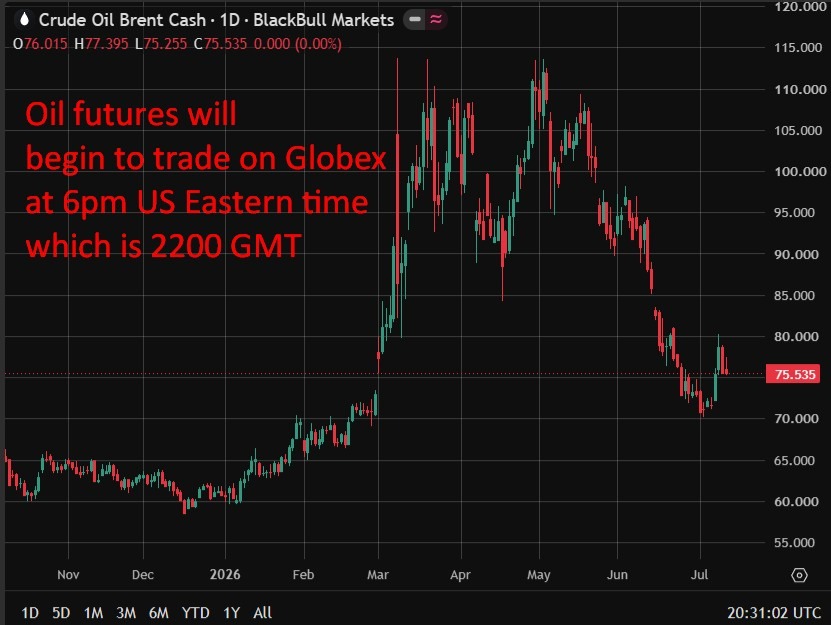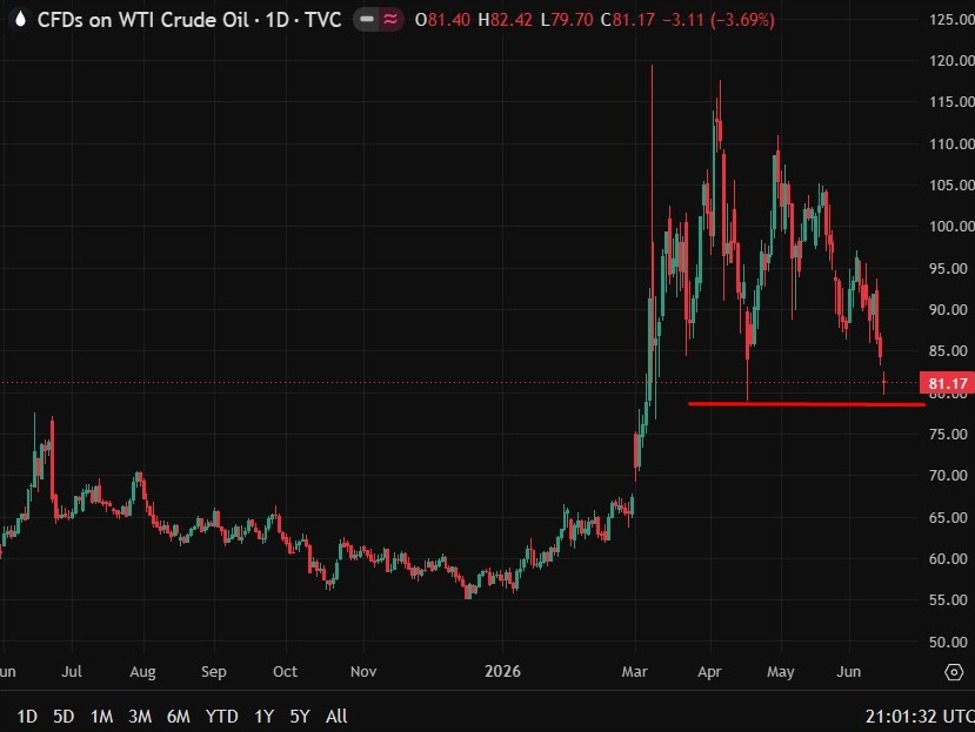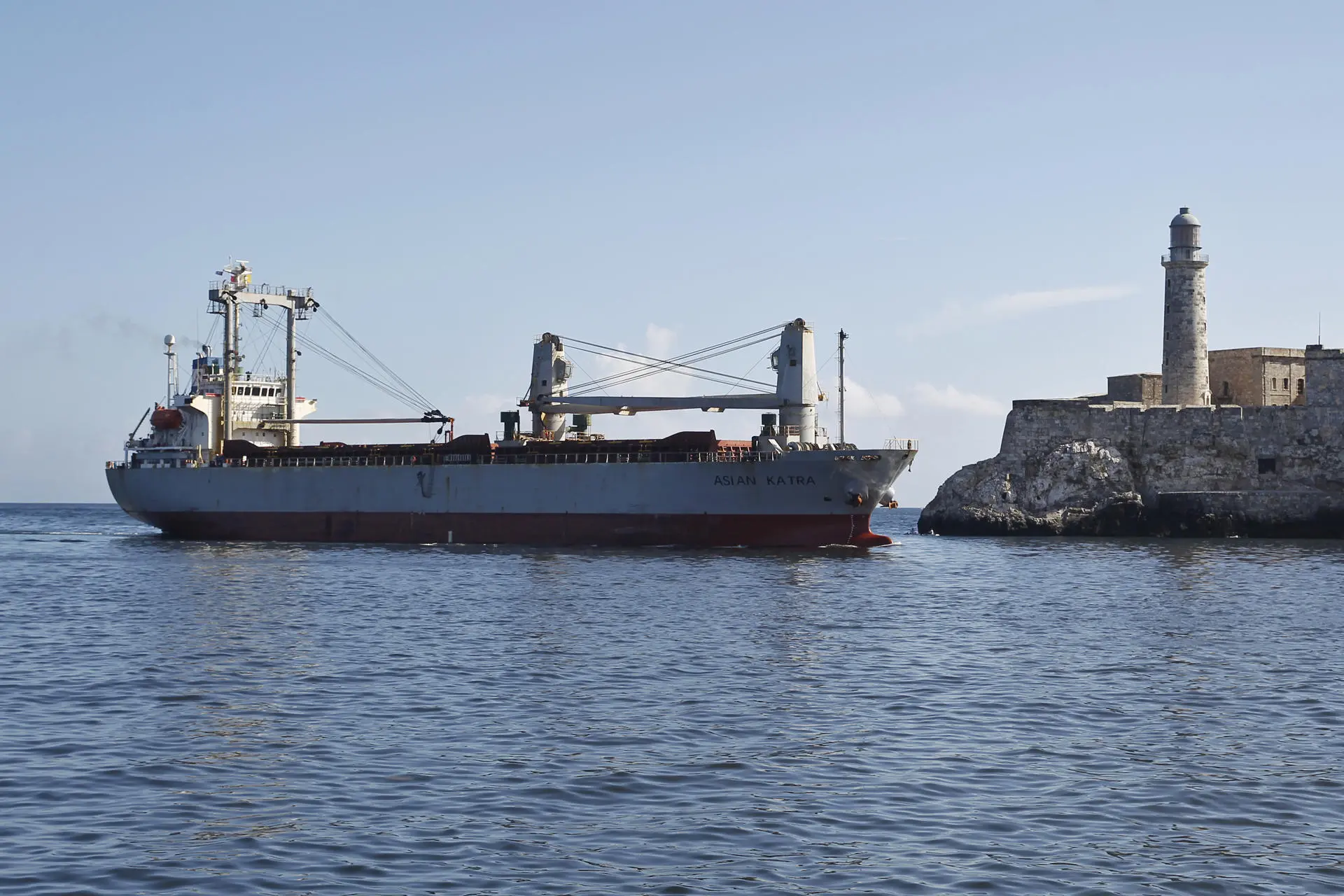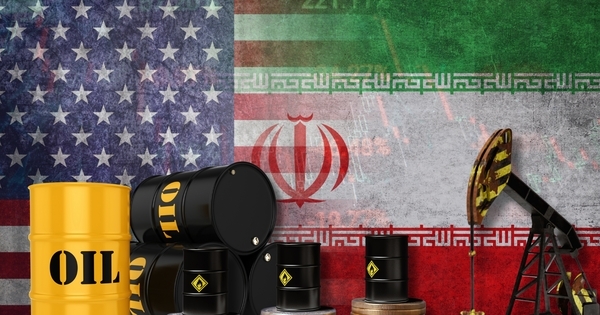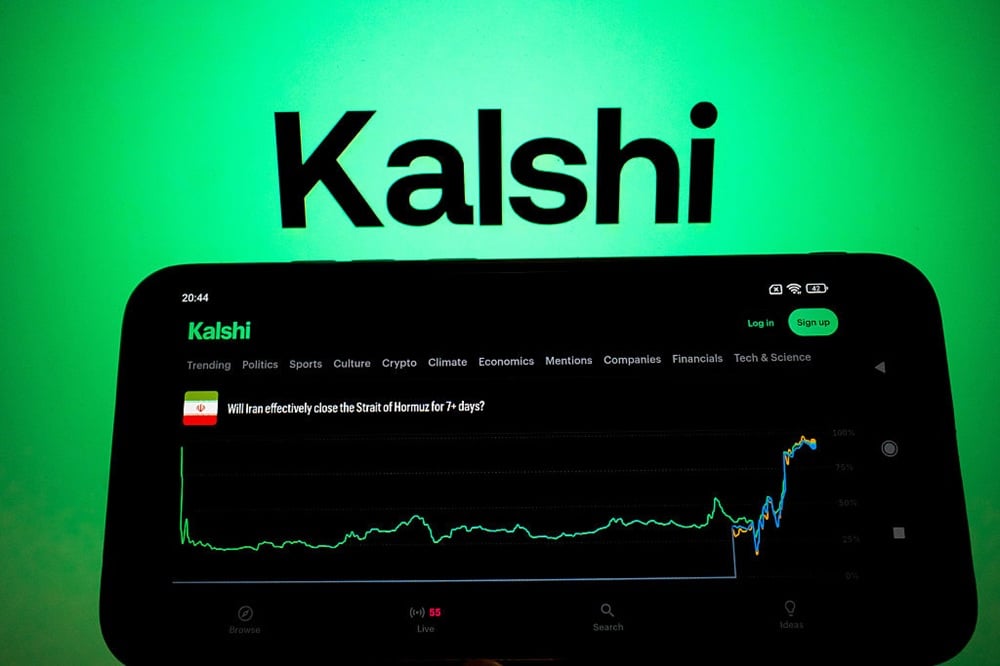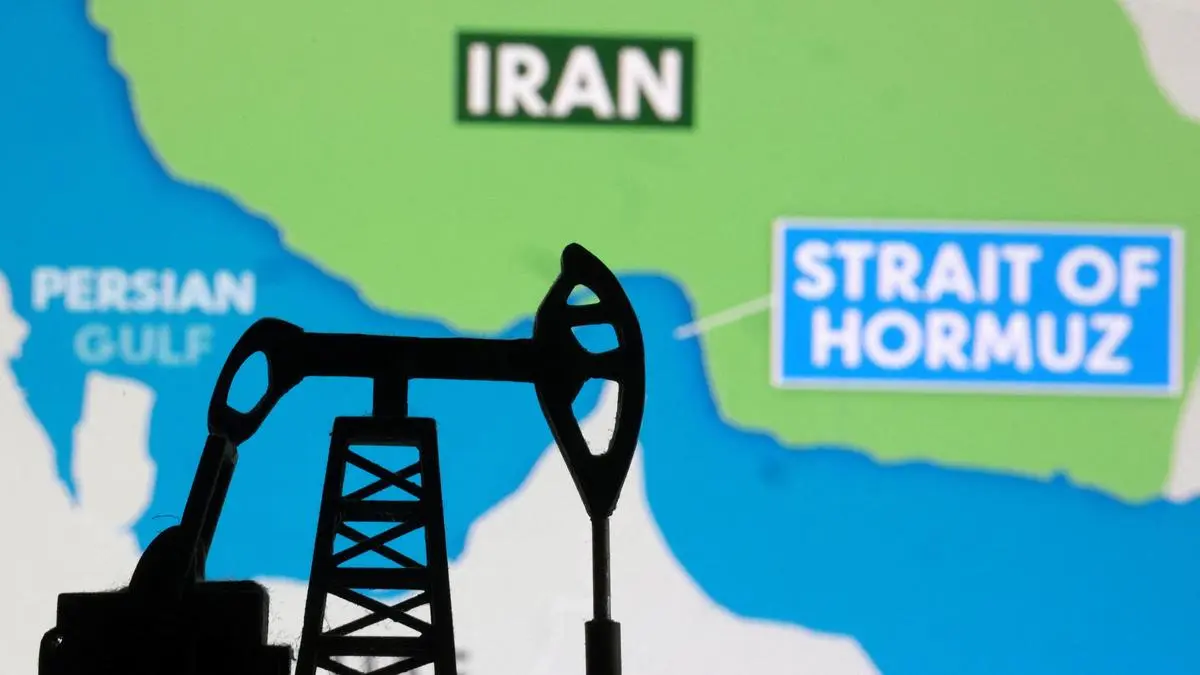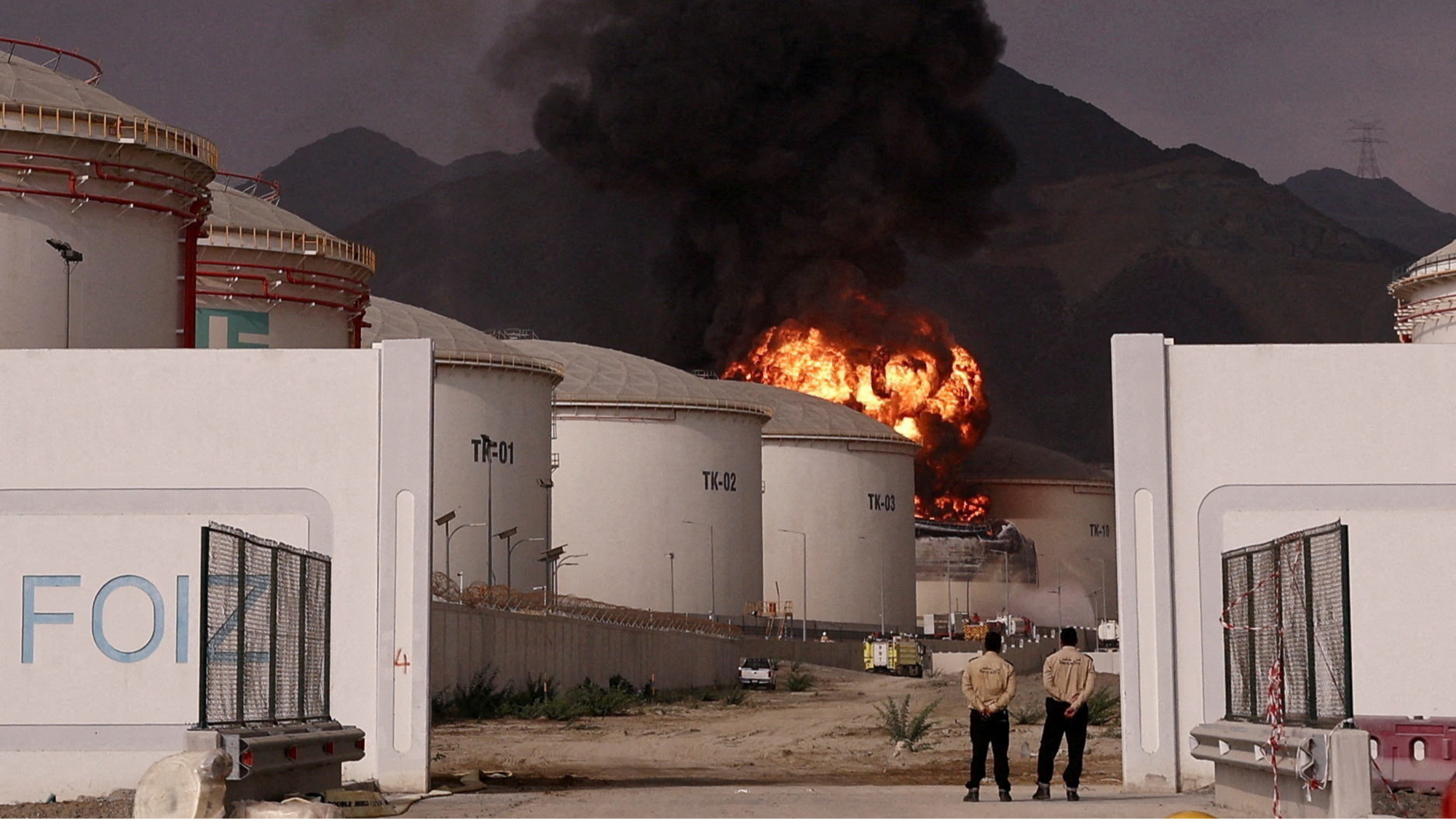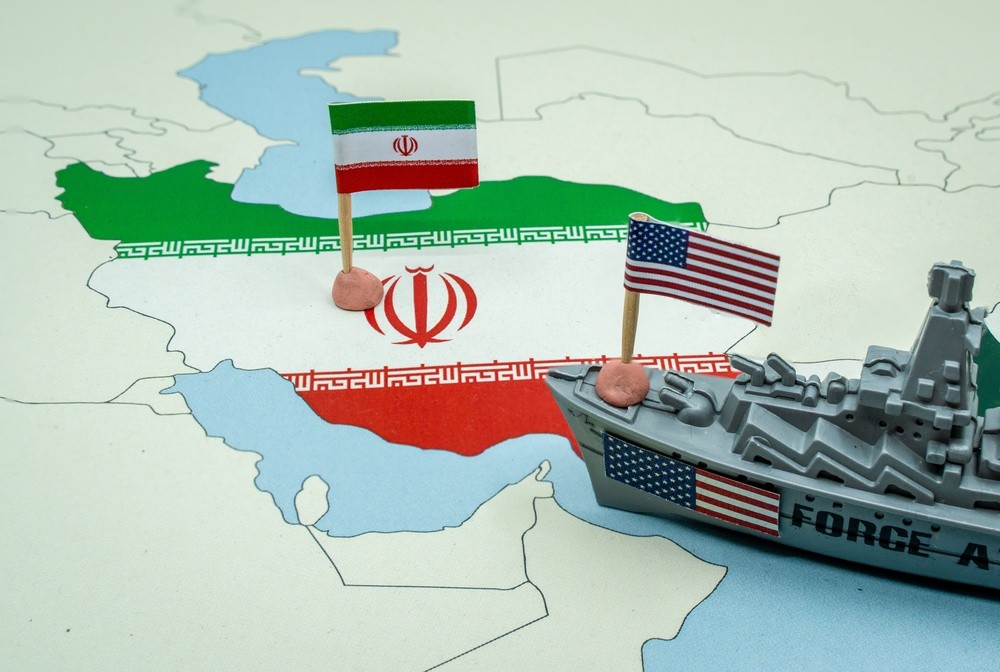
Oil prices managed to eke out a third day of gains amid few signs of de-escalation between the US and Iran. The US carried out additional strikes against Iran. There are also media reports that the US is considering increasing military operations. Iran, meanwhile, said it has no plans to talk. The rapid deterioration is having a meaningful impact on vessel flows from the Persian Gulf. Tanker traffic through the Strait of Hormuz remains depressed, with crossings still under clear pressure. Even so, US officials claim more than 100 vessels managed to get through the strait over the last week with US military support.
The concern is that renewed oil supply disruptions come amid the large inventory drawdowns through the second quarter, leaving the market more vulnerable. In addition, global SPR releases, which have helped the market out over recent months, are set to end in the next few weeks.
The reduction in Persian Gulf energy flows is having an obvious impact on the physical market. Dated Brent vs. front-line Brent futures (DFL) is back at a premium of $1.30/bbl, having traded at a discount to the futures through late June and early July. Meanwhile, in the US, Mars crude differentials have rallied. Buyers are once again seeking alternative supplies amid renewed disruptions in the Persian Gulf.
According to the EIA, US commercial crude oil inventories fell by 1.69m barrels over the last week. When taking SPR releases into consideration, total crude oil inventories fell by 4.68m barrels. US commercial crude oil inventories remain near the lowest levels since 2022, while seasonally they are at their lowest level since 2018. Gasoline stocks continue to fall through the summer, with inventories declining by 1.53m barrels. There was a bit more relief for the distillate market, with inventories growing by 4.56m barrels, on the back of weaker demand. However, middle distillate markets, both in the US and globally, remain very tight. This is well reflected in the strength in middle distillate cracks.
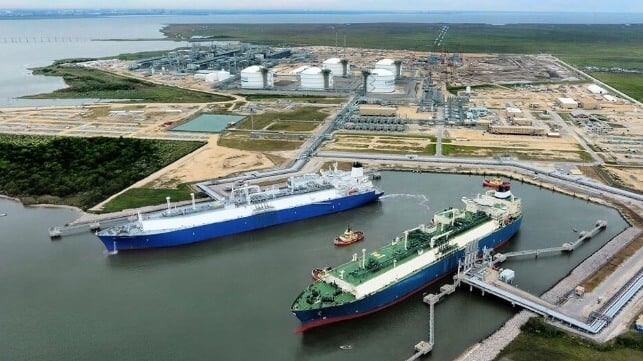
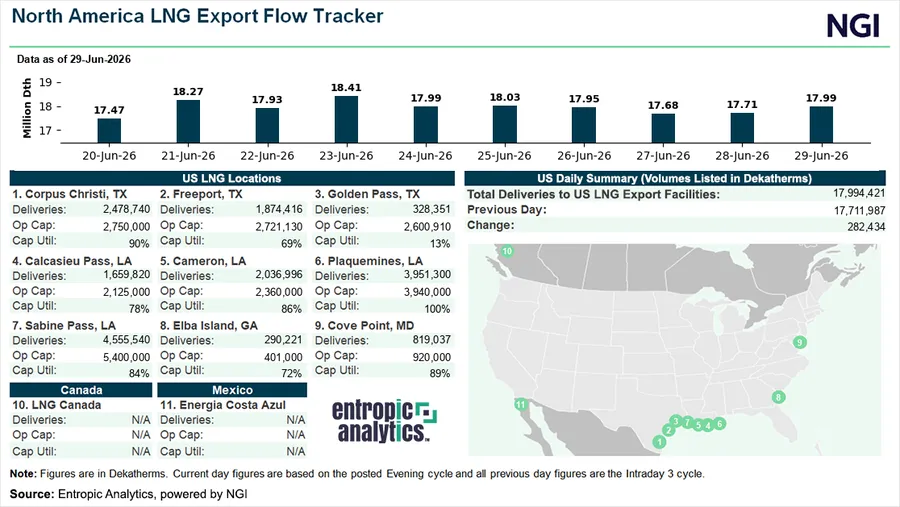
Investment funds boosted their net long in TTF natural gas by 26.7TWh over the last reporting week to 181.9TWh. The move is dominated by fresh longs entering the market. The LNG and European gas markets remain vulnerable amid the flare-up in hostilities between the US and Iran. There’s increased competition between Europe and Asia for spot LNG cargoes. Recent heatwaves across parts of Europe and Asia only add to concerns. LNG supply disruptions and stronger power generation demand make the job of refilling storage ahead of the heating season increasingly more difficult. EU gas storage is just 53% full vs a 5-year average of 68%, and some distance from the EU’s minimum target ahead of 75% going into the heating season.