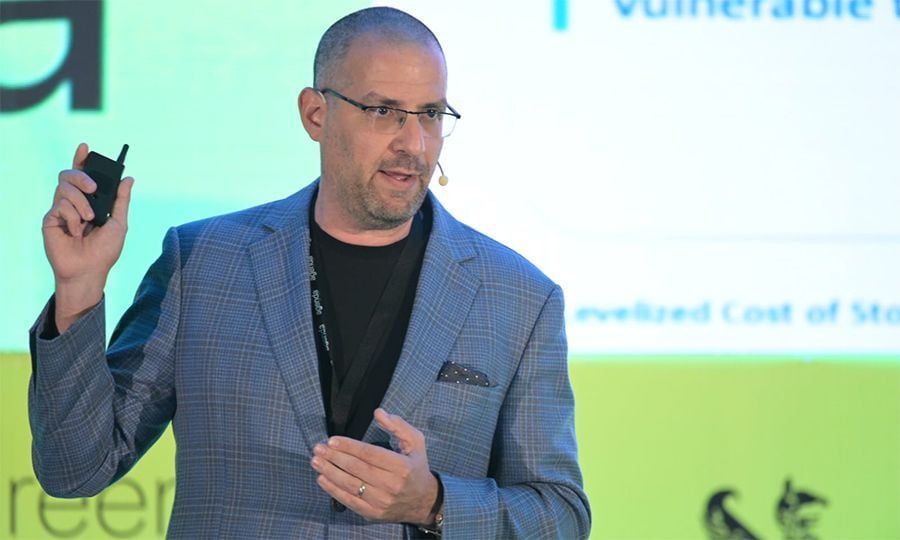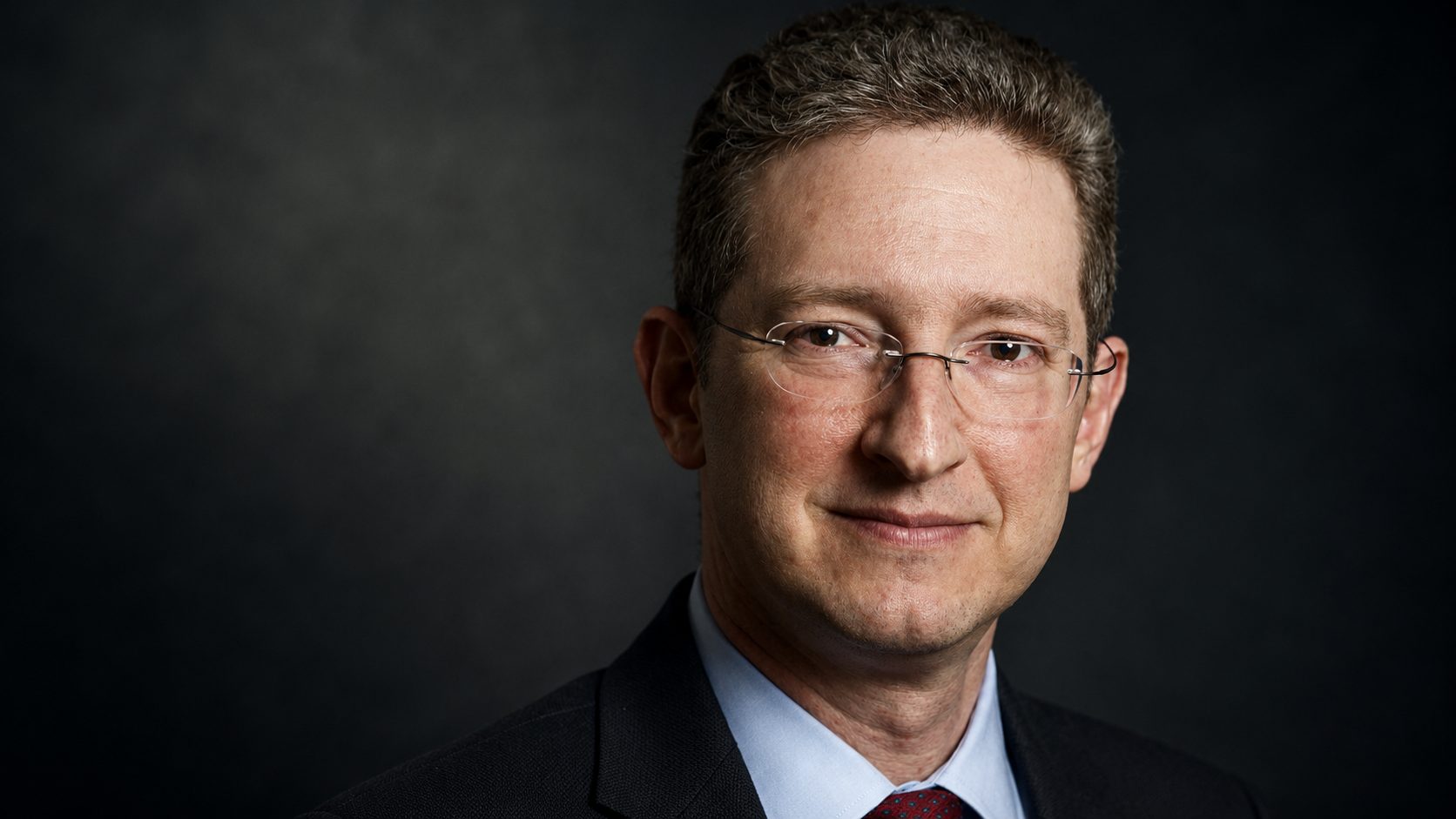
Leslie Richards explores regulatory and policy shifts in the transportation sector.
In a conversation with The Regulatory Review, transportation expert Leslie Richards discusses how regulators can respond to rapid technological change in transportation systems while maintaining public trust and safety.
Richards notes that federal, state, and local policymakers face mounting challenges in overseeing autonomous vehicles and the growing integration of artificial intelligence into public transportation systems. She cautions that, although emerging technologies have the potential to improve safety, performance, and efficiency, regulators must balance these benefits with significant new risks across multiple domains.
Richards also identifies challenges that state and local transportation leaders face in adapting to shifting federal priorities. In addition, she emphasizes the importance of improving public engagement in transportation regulation and strengthening collaboration between state and local officials.
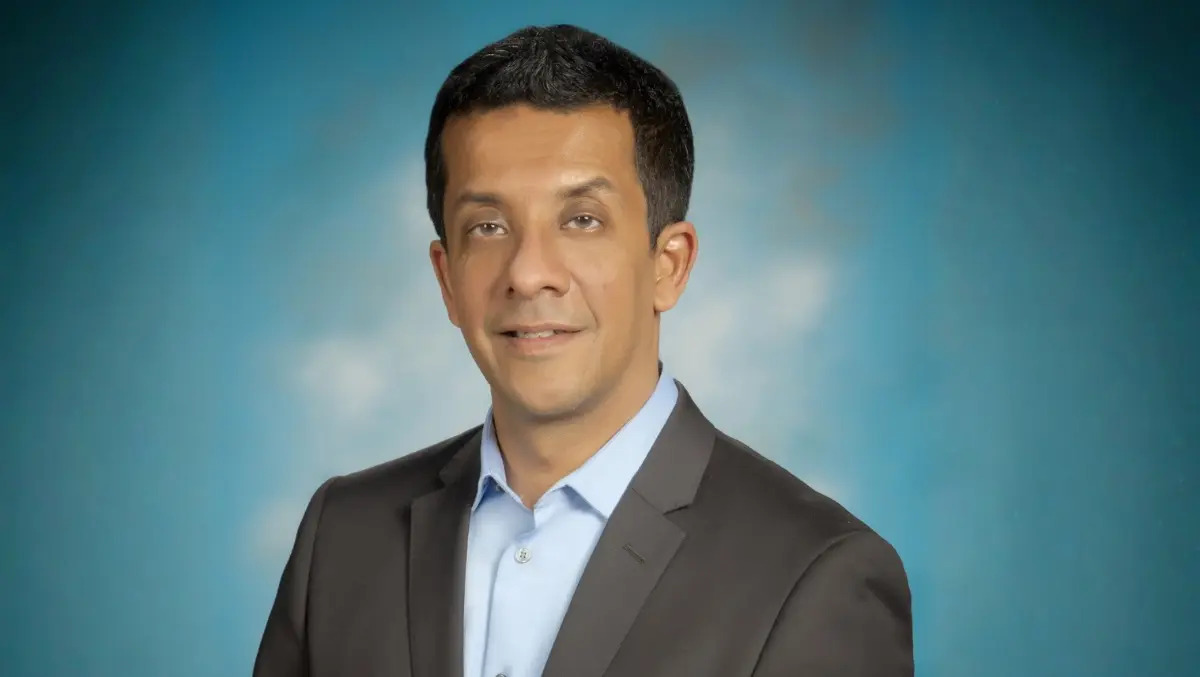
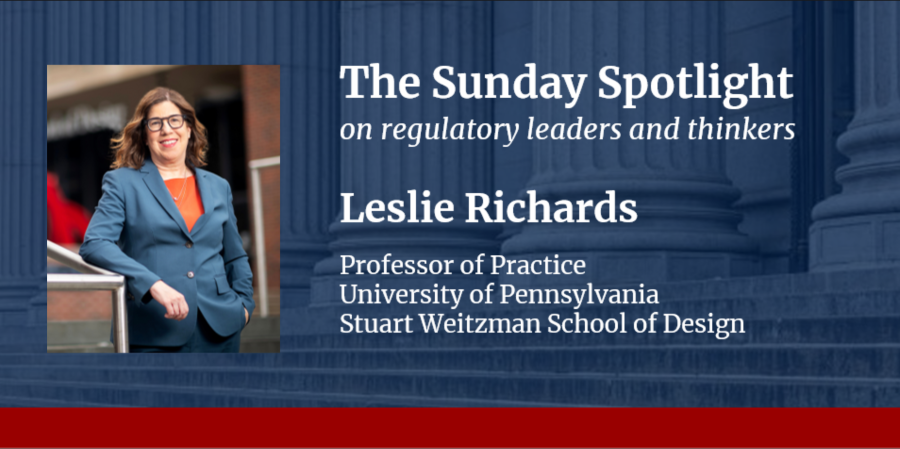
Richards is the Executive Director of the Transportation Initiative at Penn and a Professor of Practice at the University of Pennsylvania Stuart Weitzman School of Design. She is the former Secretary of the Pennsylvania Department of Transportation, the first woman and first trained transportation planner to hold that role. She also served as the former CEO and General Manager of the Southeastern Pennsylvania Transportation Authority, the sixth largest transportation system in the country. Richards is a national expert on the oversight of emerging technologies in transportation systems.
The Regulatory Review is pleased to share the following interview with Leslie Richards.
The Regulatory Review: What are the most pressing regulatory challenges facing public transportation systems today?
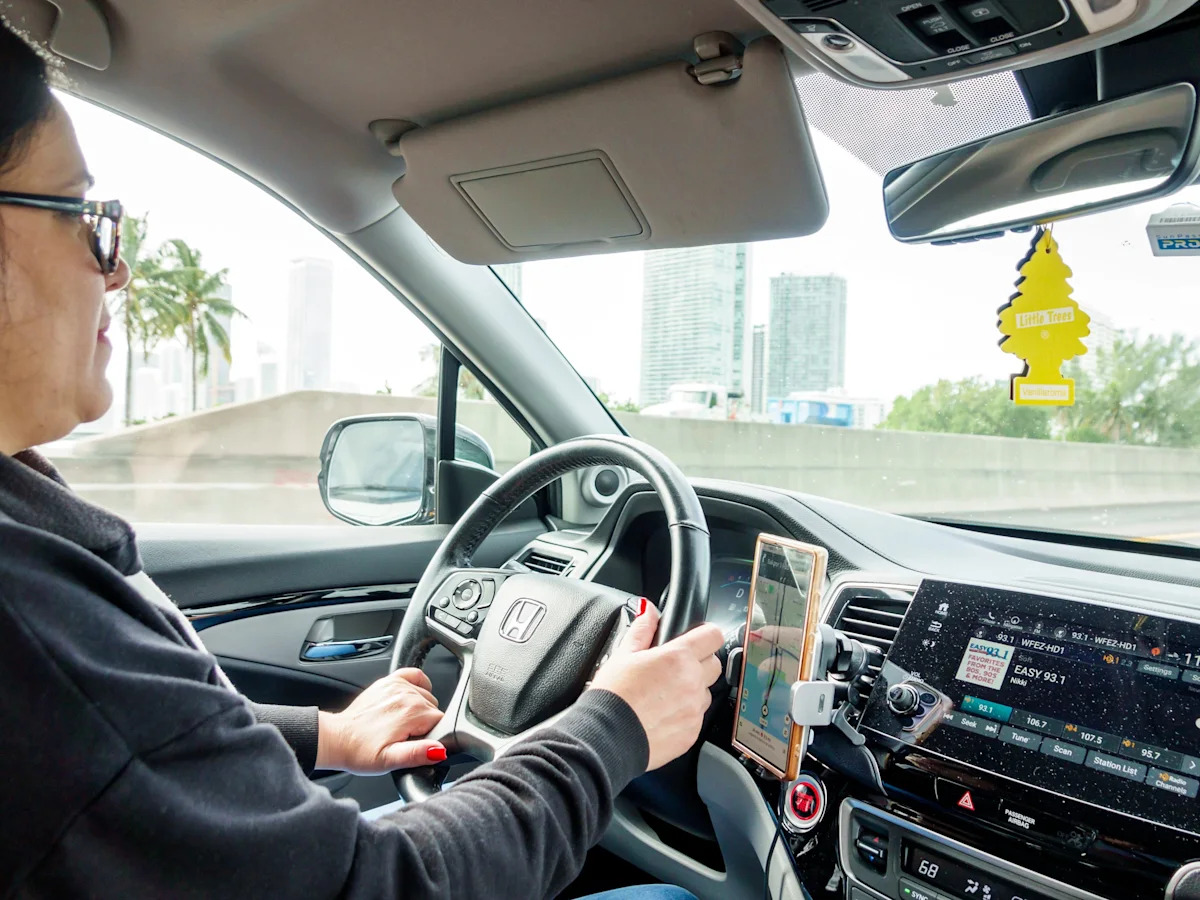
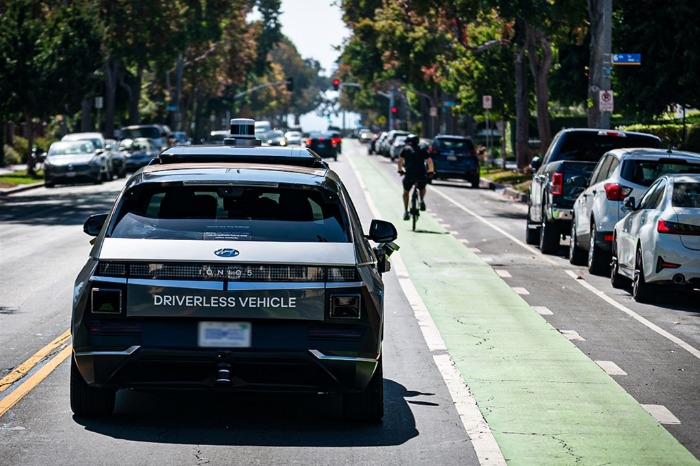
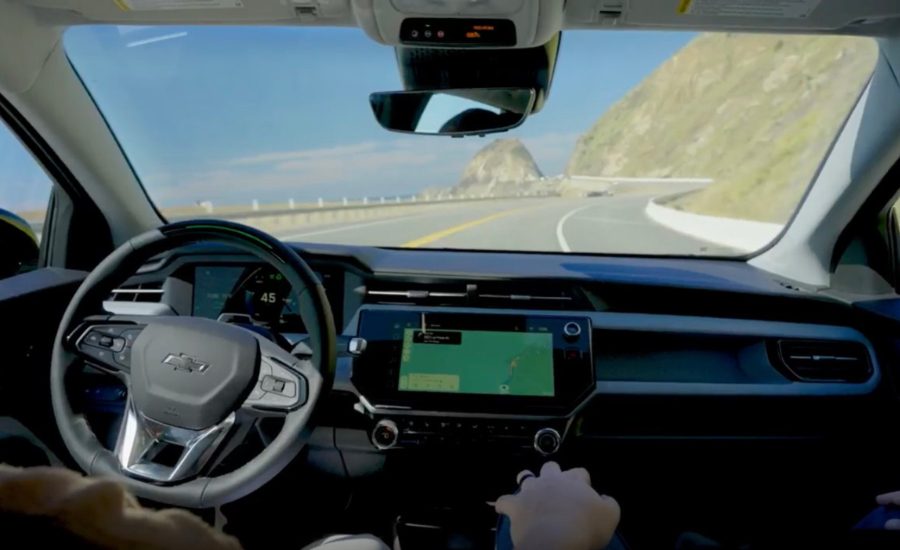
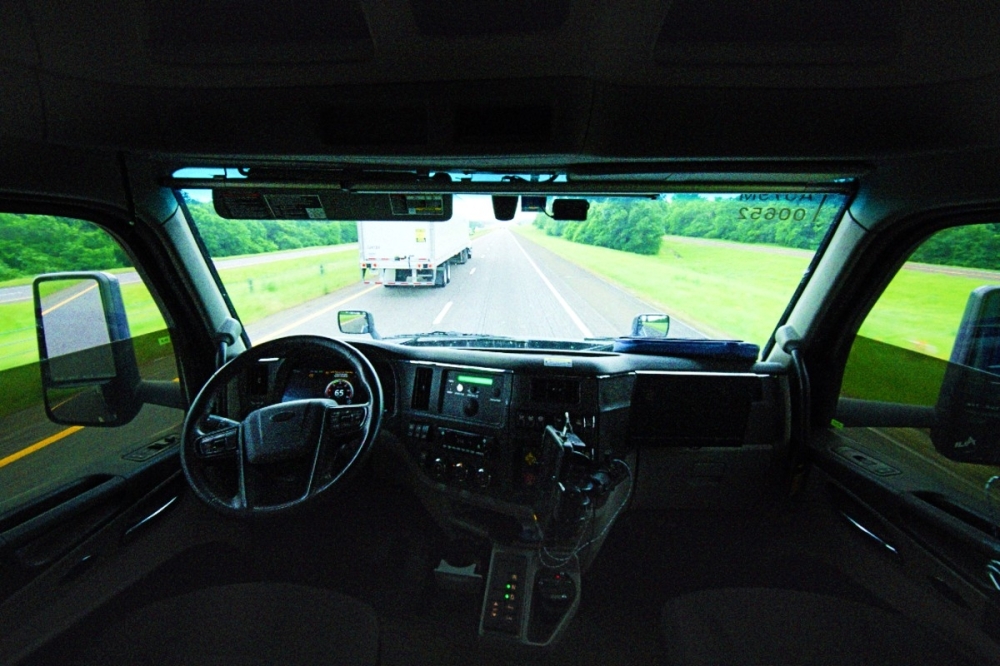
Richards: One of the most pressing regulatory challenges in the transportation sector is how the United States will govern autonomous vehicles (AVs). Currently, AVs are regulated by a patchwork of different state and local entities, and there’s immense industry pressure for federal preemption. Yet there is no clear consensus on how to address the full range of issues that AVs present, including safety, privacy, data sharing, and cybersecurity. In the meantime, regulatory approaches are being developed and tested in real time through passenger vehicle deployments in a dozen cities across the country, as well as pilot programs for driverless trucks in Texas, New Mexico, and Arizona. We’re also seeing a possibility for federal preemption of some AV trucking regulation in the recently released BUILD America 250 Act, a surface transportation reauthorization with bipartisan support on the House Transportation and Infrastructure Committee.
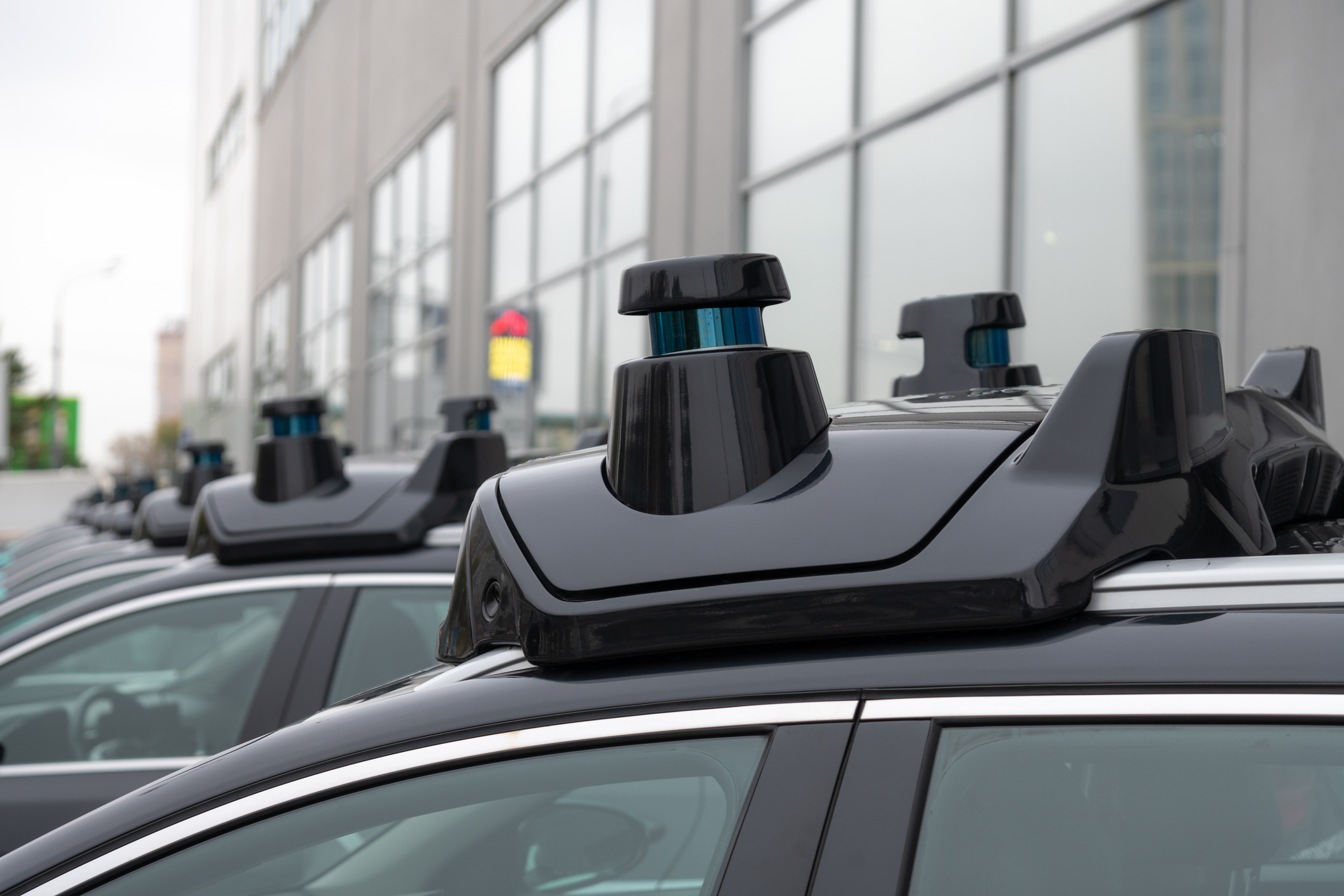
Data governance and cybersecurity are also concerns in their own right. Ransomware attacks on transportation agencies, something we have unfortunate firsthand experience with in Philadelphia, have shown that our increasingly connected infrastructure is vulnerable to bad actors. Rapidly evolving AI-enabled hacking capabilities are likely to increase the frequency and severity of these attacks, underscoring the need for federal support. This goes hand in hand with data governance. As transportation agencies expand their capacity to collect video, Light Detection and Ranging, and personally identifying information, the highest standards of stewardship are essential. We are seeing voluntary efforts in this space, particularly through work pioneered by cities such as Los Angeles, but pressure for more formal regulation is likely to grow.
TRR: What improvements can regulators make to align transportation policy with the needs of the public?
Richards: The current system of soliciting public feedback on regulation is broken. This system requires immense personal devotion to a particular issue, the work of an industry association or lobbyist, or a personal relationship with a policymaker to keep up with the nearly endless stream of requests for information, comment periods, notices of proposed rulemaking, and public meetings that accompany any regulatory change in the sector. These issues will only be compounded by artificial intelligence (AI), which can generate thousands of individually customized responses to any government request for public comment. Policymakers need to fundamentally rethink what public input looks like, whether through finding new ways to engage face to face with impacted communities or developing data-driven strategies to better understand what stakeholders want and need from their regulators.
TRR: How can regulators ensure safety and support innovation as transportation agencies integrate AI and other emerging technologies into public transportation systems?
Richards: License plate readers for automated traffic enforcement, which use a more rudimentary form of AI to capture images of license plates, have been around since the 1980s. What used to be bulky and error-prone enforcement systems are now being strapped to buses and trolleys in Philadelphia to identify illegally parked vehicles accurately and quickly across the city, keeping traffic flowing and creating safer streets for everyone. We are also seeing public transportation agencies aggressively move AI into their back offices to handle everything from cyber security to payment system integration. Applications for asset condition monitoring and predictive maintenance are proliferating as well.
The biggest challenges, particularly with new large language models, are real concerns about integrating AI into safety-critical systems, where small errors or unpredictable behavior in rare edge cases can lead to loss of life or injury. The major frontier for policymakers is in regulating and integrating AI safely into these embodied control systems, including buses, trains, and traffic signals. Balancing the potential safety, cost, and performance gains, not to mention workforce concerns, against the potential for failure is a moving target and one of the biggest challenges for stakeholders across public transportation systems.
TRR: What lessons have you learned about effective collaboration between state and local transportation authorities?
Richards: State and local collaborations are fundamentally about building relationships, which means focusing on shared outcomes, setting expectations early, and communicating consistently. Waiting until a deadline or action-forcing event is rarely an effective strategy for achieving the goals that the transportation sector routinely demands—particularly around safety, timely project delivery, and stakeholder engagement. It is also critical to establish upfront who will pay for what and who will be responsible for maintaining the project over time.
TRR: How do federal transportation priorities shape the reforms that state and local transportation leaders pursue?
Richards: Federal funding is a powerful lever to change state and local policy. Although the core federal grant programs that are formula-based and funded by gas taxes have been slow to change, the proliferation of new discretionary and other programs paid out of general funds has had major impacts on how state and local governments structure their regulatory environments. The Infrastructure Investment and Jobs Act (IIJA) authorized billions of dollars in new funding for projects that supported equity, vehicle electrification, and decarbonization, driving states and local governments to make major changes to their procurement, workforce, planning, and environmental frameworks. We’re currently in the midst of a huge realignment, where state and local rules that were designed to match federal priorities in the Biden Administration are now liabilities in a Trump Administration that is actively hostile to those goals. In particular, the Trump Administration has paused or delayed funding on many ILJA grants, urging recipients to modify programs to align with its priorities. The IIJA is in some ways a cautionary tale about how reshaping state and local policy to fit federal priorities is a moving target.
TRR: The U.S. Department of Transportation has revised its procedures for implementing the National Environmental Policy Act (NEPA) in federally funded transportation projects, narrowing the scope of environmental review. How might these changes impact transportation planning at the state and local levels?
Richards: Revisions to agency review procedures are not binding until Congress changes the actual rules of the road. Major internal pushes to narrow or accelerate NEPA review have been afoot since at least the George W. Bush Administration. Large infrastructure projects rarely fit neatly into one president’s term, and shifting priorities, both within and between administrations, make most of these internal reforms too transitory to have real impacts on project delivery.
TRR: What advice would you offer to students who are interested in public service in the transportation sector?
Richards: You don’t have to be an engineer, lawyer, or transportation planner, but that background certainly helps. Show up to community meetings. Get involved with local advocacy groups that are working on a transportation issue that you care about. Talk to your local council members, mayor, or member of Congress. The relationships that you’ll build and the things you’ll learn in those conversations, particularly about what you enjoy doing, are what will lead you to job opportunities.