A while ago, news suddenly broke out that:
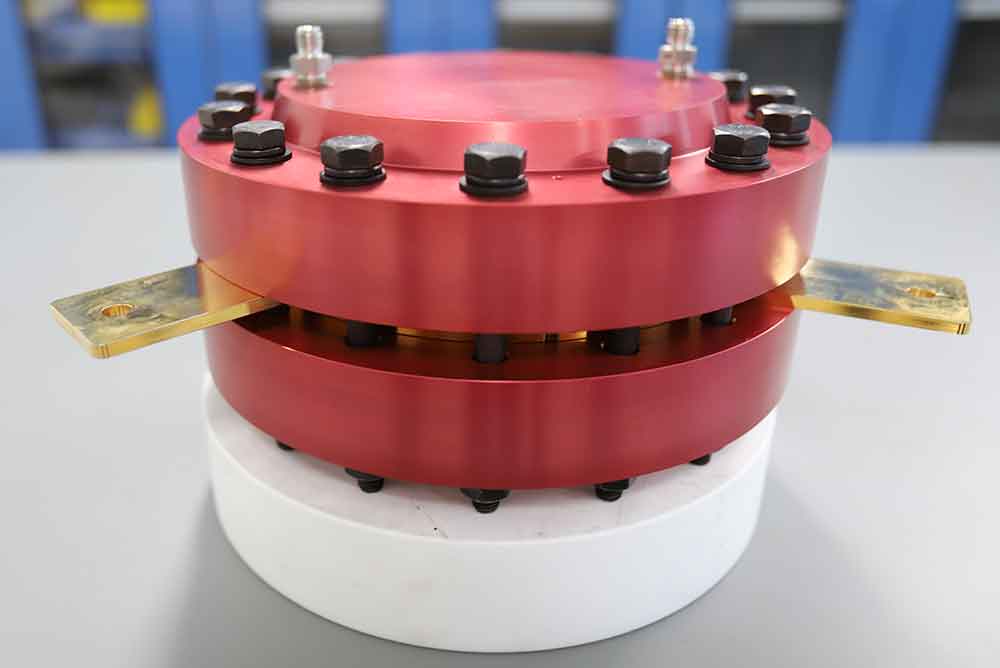
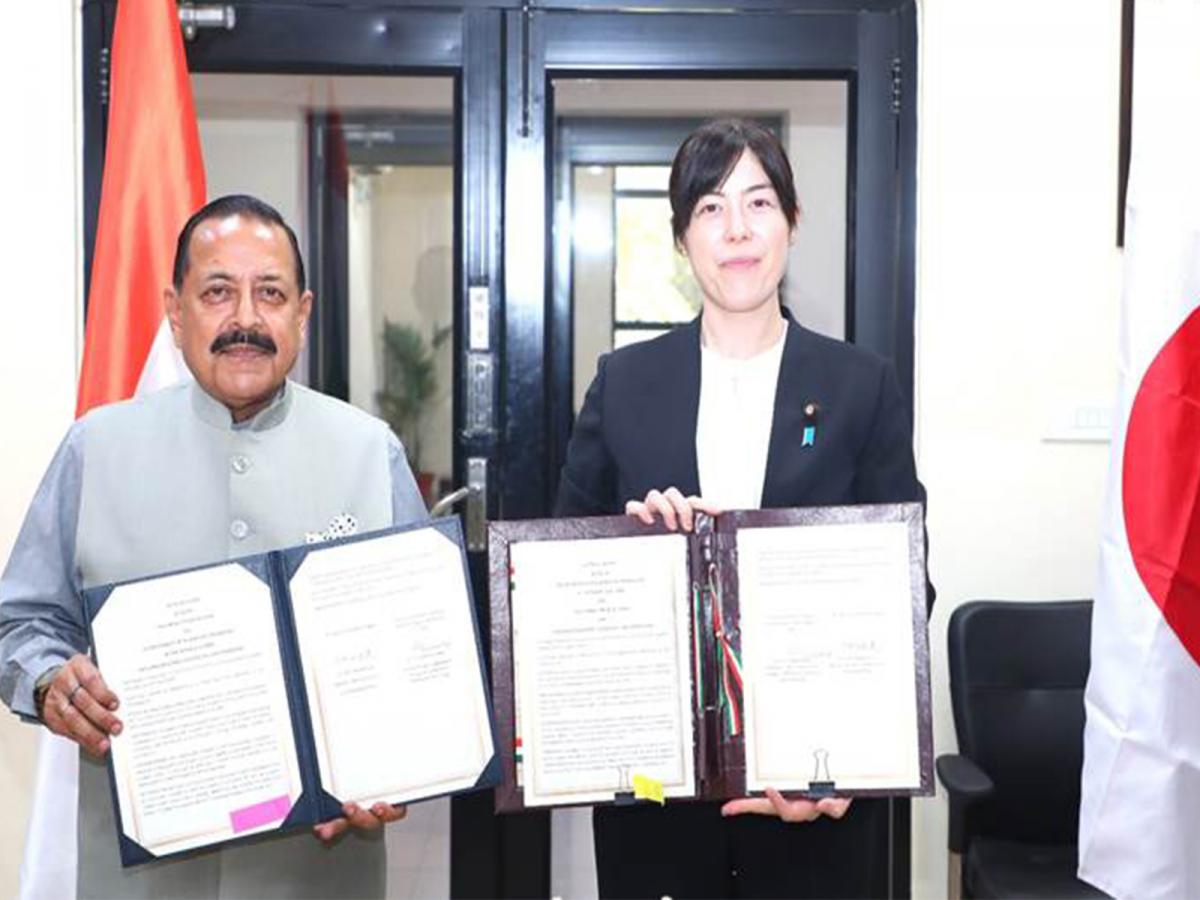
Indians had independently manufactured a 1200kV Ultra-High Voltage (UHV) AC transformer and put it into operation.
As is known to all, China is the only country in the world that has realized the commercial operation of UHV power transmission technology.
Now, is India joining the club too?
Have the Indians really developed UHV technology on their own?
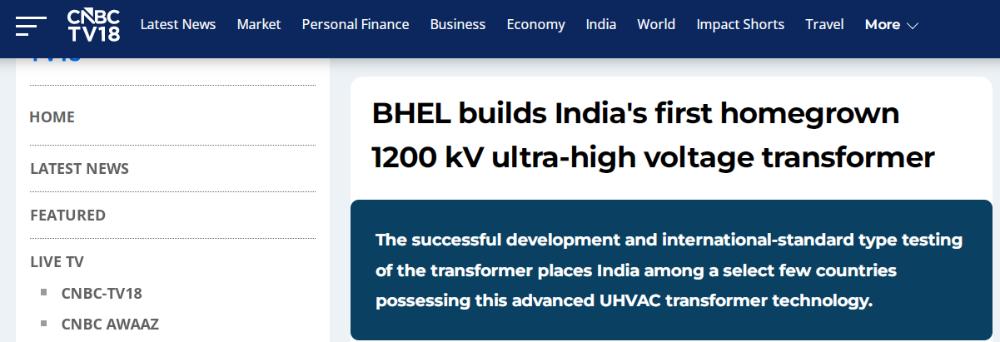
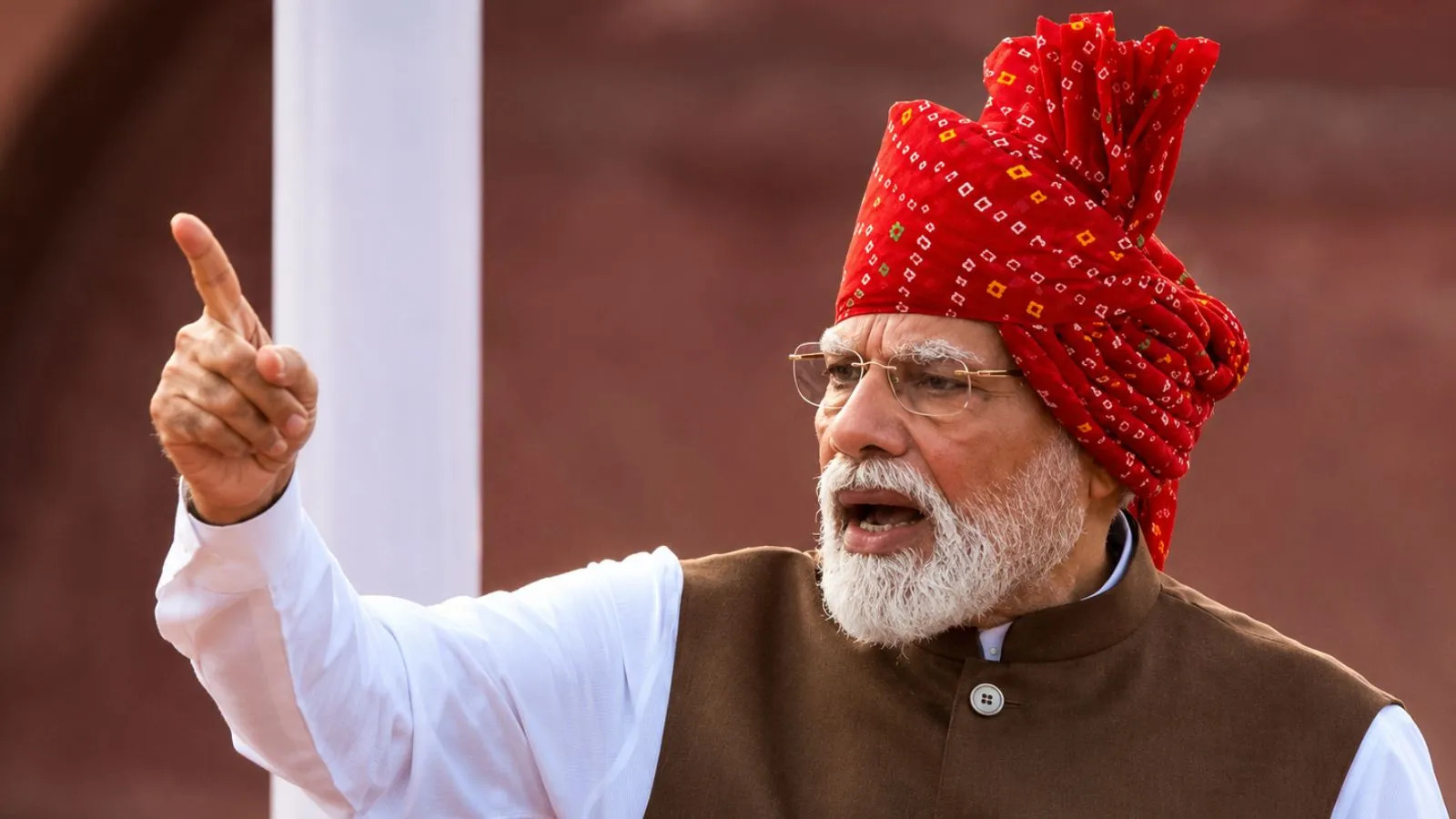
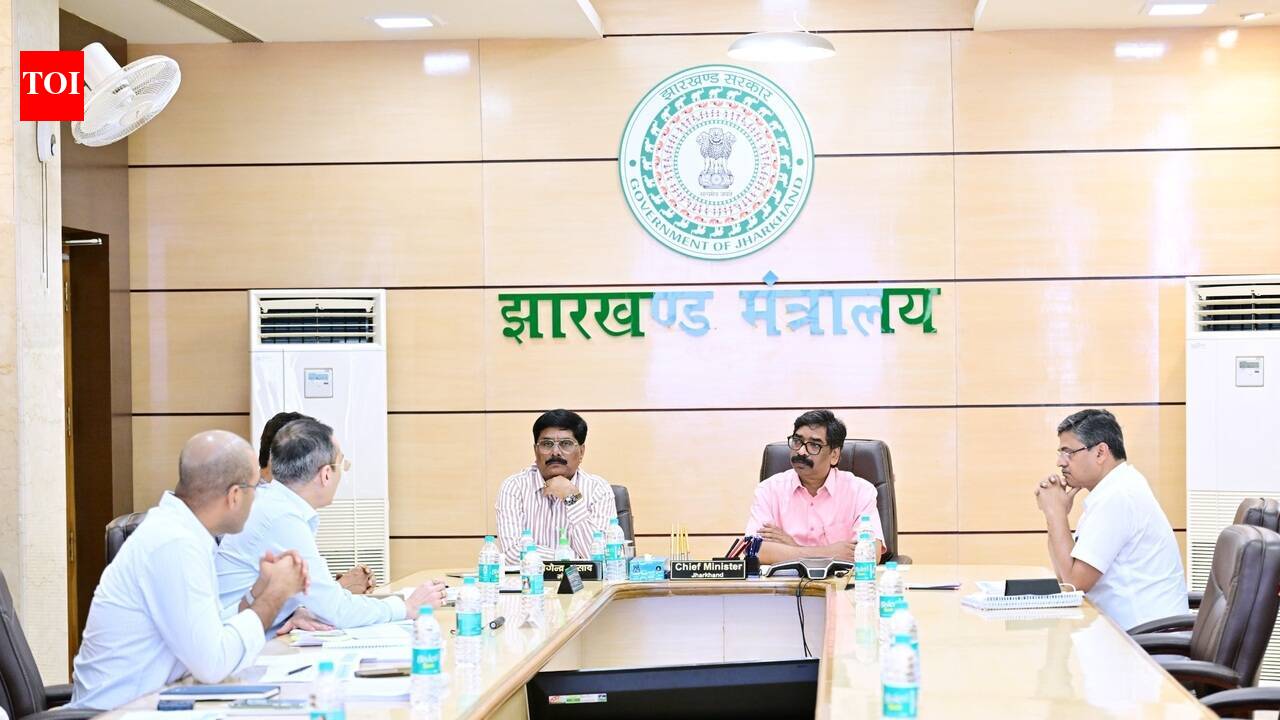
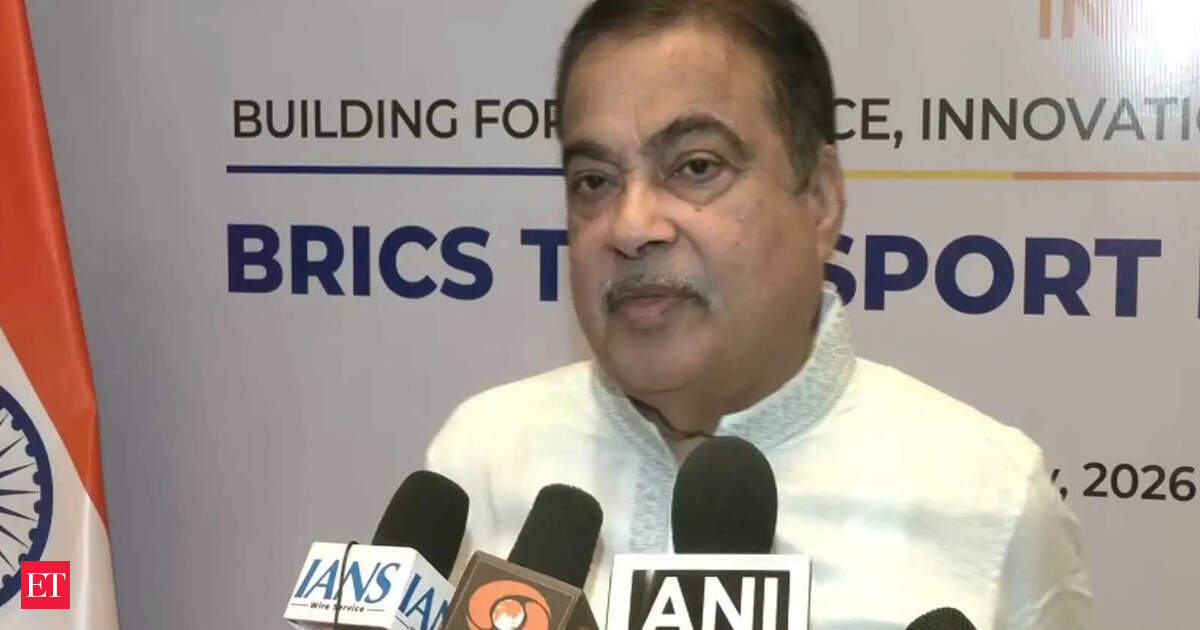
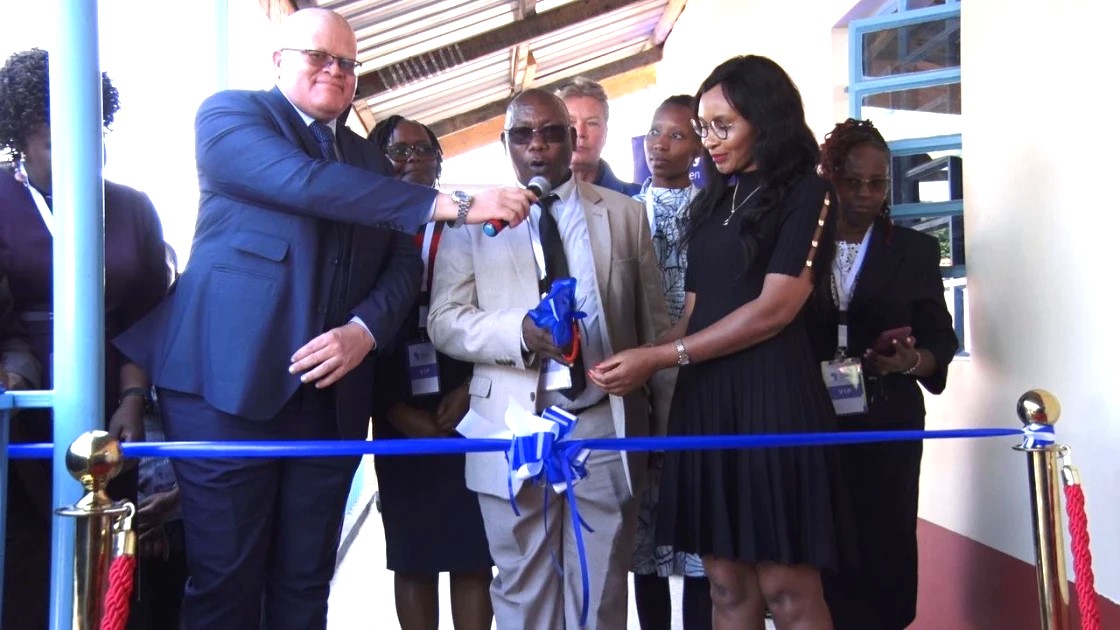
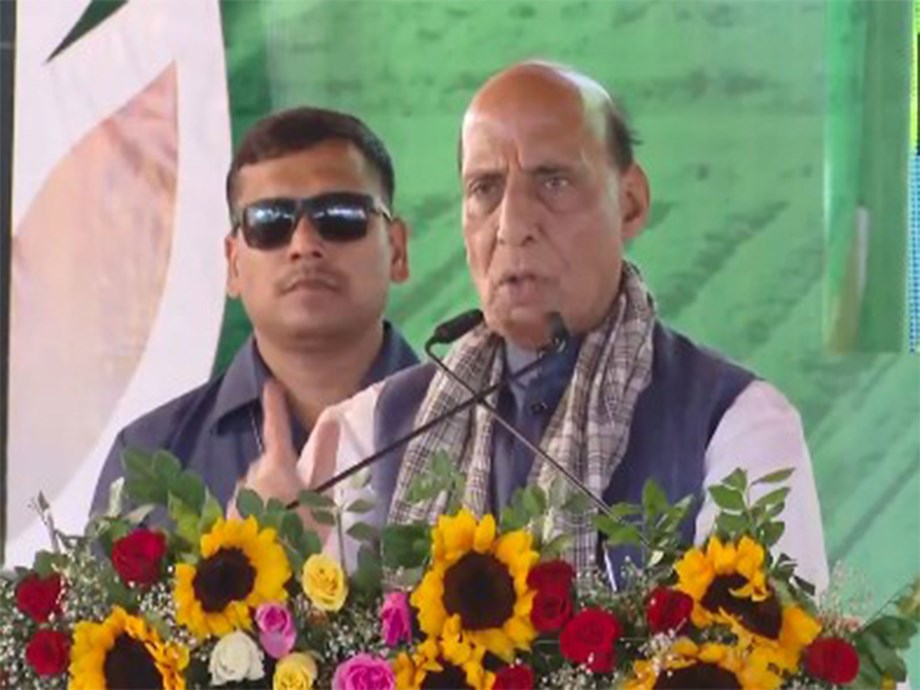
Reports from relevant media
Unfortunately, it is not true
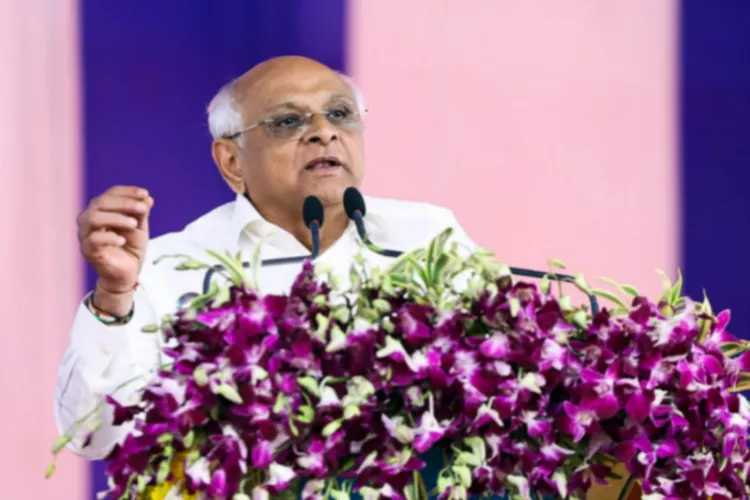
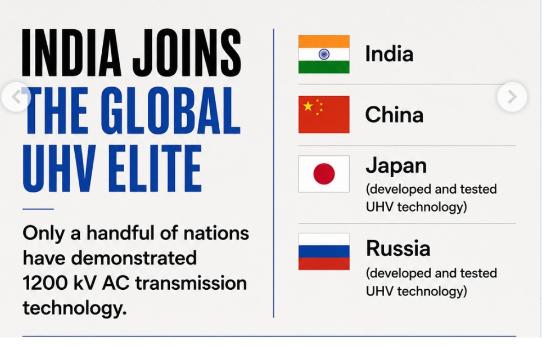
The news sparked widespread celebration across Indian media, especially on social media, where Indians were jubilant and the topic once topped the trending searches on Twitter’s India region.
Some people even specifically emphasized that “this technology (India’s) is not even owned by the United States.”
Now, India has joined the global elite ranks of UHV technology owners.
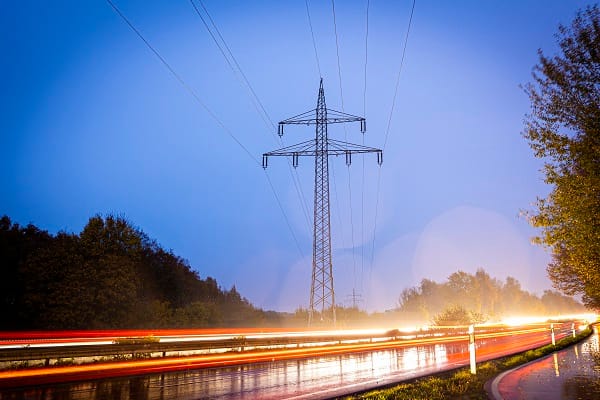
But from what we remember, India’s power system still looks like this:
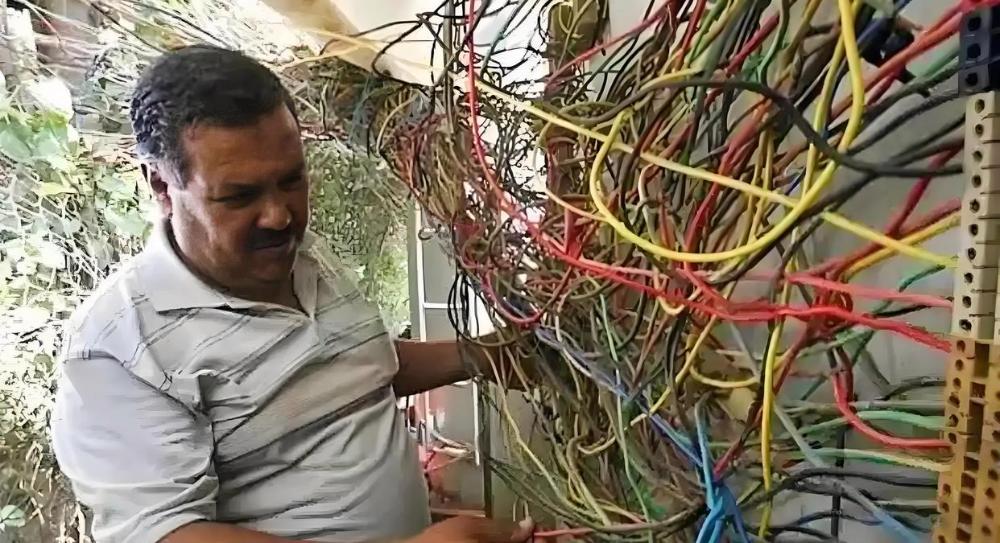
Most of the wires in the picture are privately connected for “power theft”.
How did India’s power transmission technology suddenly make such a leap forward?
A dramatic scene unfolded quickly.
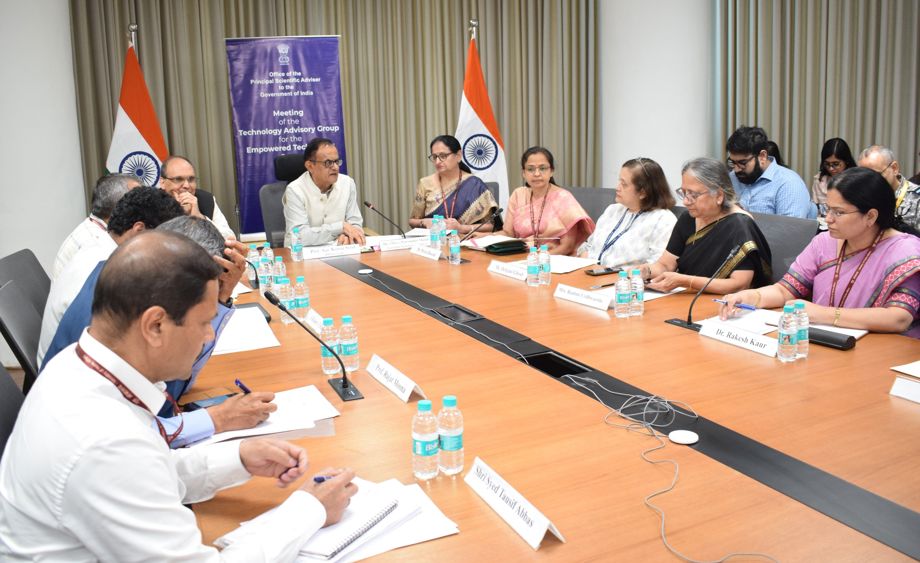
On July 29, BHEL itself sent a clarification letter to the Bombay Stock Exchange and the National Stock Exchange of India, which clearly stated in black and white:
The recent online news about “successfully developing a 1200kV transformer” actually refers to the old 333MVA, 1150kV equipment that completed testing in May 2011 and was installed at the Bina National Test Station in Madhya Pradesh in January 2012 — the relevant news is already an old story more than a decade old.
This oops incident of Indian media reflects the public’s most genuine expectation for UHV technology, and also reveals the fact that India has made no breakthroughs in UHV technology over the past 14 years.
India does want UHV technology very much
Here is some background knowledge to add.
Generally, power transmission voltages are divided into high voltage, extra high voltage and ultra-high voltage. Internationally:
High Voltage (HV) usually refers to voltages ranging from 35kV to 220kV;
Extra High Voltage (EHV) usually refers to voltages of 330kV and above but below 1000kV;
Ultra-High Voltage (UHV) refers to voltages of 1000kV and above.
The biggest features of UHV power grids are large-capacity long-distance power transmission, small land occupation, low line loss and strong interconnection capability.
From an objective and realistic perspective, India does have demand for UHV technology.
The first reason is its extremely high population density.
India has a land area of about 2.98 million square kilometers, with a population of about 1.46 billion at the end of 2025, and a population density of about 480 people per square kilometer, more than three times that of China.
However, this population is extremely unevenly distributed across the vast Indian subcontinent, highly concentrated in the “Ganges-Indus Plain”, which accounts for 43% of the country’s total land area.
In the capital’s Delhi National Capital Territory, the population density reaches an astonishing level of more than 16,000 people per square kilometer.
Places packed with people are often also places with clusters of factories.
Maharashtra, Gujarat, Tamil Nadu — these three industrialized states in western and southern India together account for about one-third of India’s total national electricity consumption.
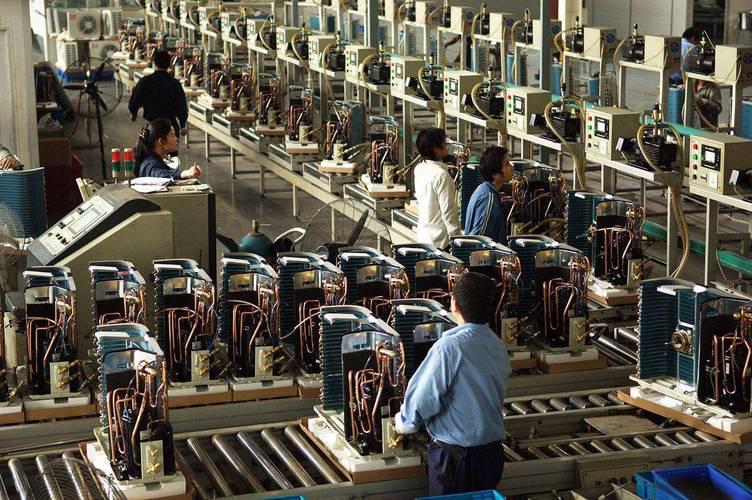
How does India meet such a huge power demand?
75% of its power comes from coal combustion.
About 87% of India’s coal reserves are concentrated in five central-eastern states: Odisha, Jharkhand, Chhattisgarh, West Bengal and Madhya Pradesh, separated from the population gathering areas by the entire subcontinent.
Worse still, Indian coal generally has high ash content and low calorific value. Even though it produces 1 billion tons of coal every year, it still imports about 250 million tons from Indonesia, South Africa, Russia and the United States. As a result, power plants still do not have enough coal to burn, and the coal reserve in July this year is only enough for about 12 days of operation.
To solve the power shortage problem, especially the geographical mismatch between power supply and demand, India is in urgent need of UHV technology.
Technology development with Indian characteristics
However, if India wants to quickly acquire UHV technology, it does not have enough time to learn, internalize and conduct experiments slowly.
But India has its own solution: first introduce foreign enterprises.
Since the 2010s, many Chinese UHV enterprises have entered the Indian market.
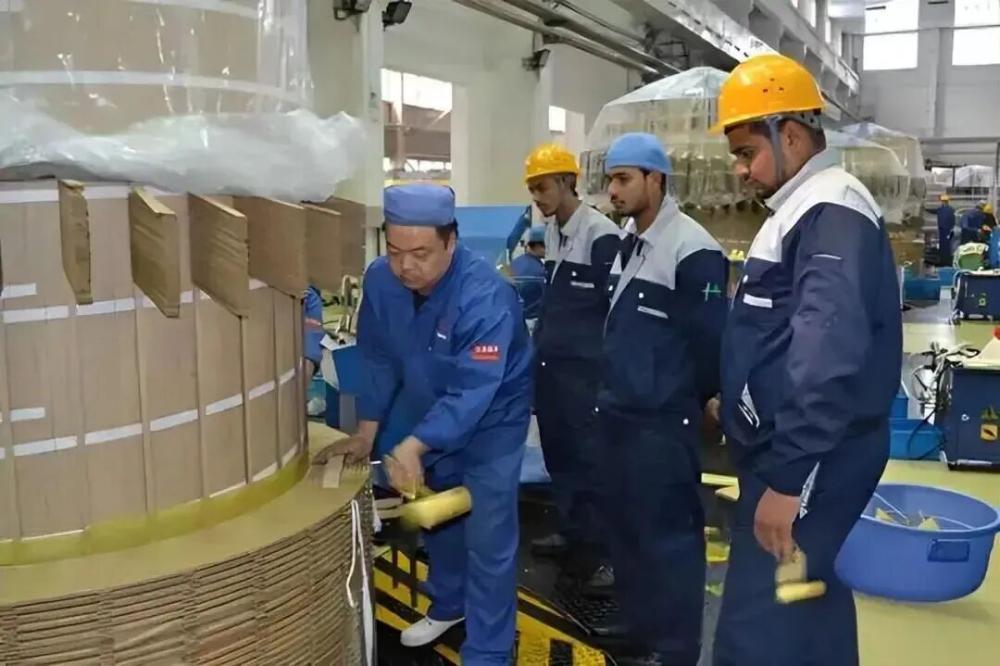
Among them, one enterprise set up a joint venture factory with a local Indian company, invested huge sums of money to build a 765kV transformer production line in India, and sent batches of Indian engineers to its Chinese headquarters for training.
They taught everything from coil winding and insulating oil testing to complete machine manufacturing.
TBEA also invested in building a UHV transmission and transformation high-end equipment industrial park in India, helping India realize the localized production of 765kV grade products.
While cooperating with China, India also cooperated with ABB, the Swiss multinational power giant, to develop UHV equipment.
Among the key equipment of India’s early 1200kV UHV AC test station in Bina, Madhya Pradesh, the transformers were jointly provided by BHEL and ABB, and the circuit breakers were jointly developed by ABB’s Swiss and Indian engineers and produced at the Vadodara factory.
It can be said that a considerable part of the core equipment and key technology of India’s early UHV technology came from foreign enterprises.
This was originally a normal business cooperation: foreign enterprises provide technology, equipment and training, while the Indian side provides personnel and market.
But the second half of the story suddenly took a sharp turn from the peaceful and harmonious atmosphere.
Under the general environment of India’s implementation of power equipment localization policies and restrictive measures such as the “Public Procurement Order No. 4” in 2020, some Chinese enterprises’ operations in India have gradually fallen into difficulties.
The company mentioned above suffered consecutive years of losses, and finally sold 90% of the equity of its Indian subsidiary to the original joint venture partner Atlanta Electric at a price of 137 million yuan in 2025, leaving the Indian market dejectedly.
The Indian technical team trained by Chinese enterprises and the retained production system have become part of India’s local UHV capacity.
And ABB, which once had close cooperation with India, no longer appeared in the projects as the leading technology provider after 2020.
Later, India’s Minister of Power publicly stated: “Foreign capital has already taught UHV technology to India, and now it is time for ‘Made in India’ to take the stage.”
This is indeed very characteristic of India.
Is India’s UHV technology reliable?
UHV technology was once a key project in the technology competition among developed countries.
At the same time, it is also a technology that relies heavily on “national destiny”. Many developed countries lost the premise of using UHV technology due to changes in their national conditions.
The first one that failed was the United States.
As early as the 1970s, the United States built a UHV test station in Ohio with very ambitious plans.
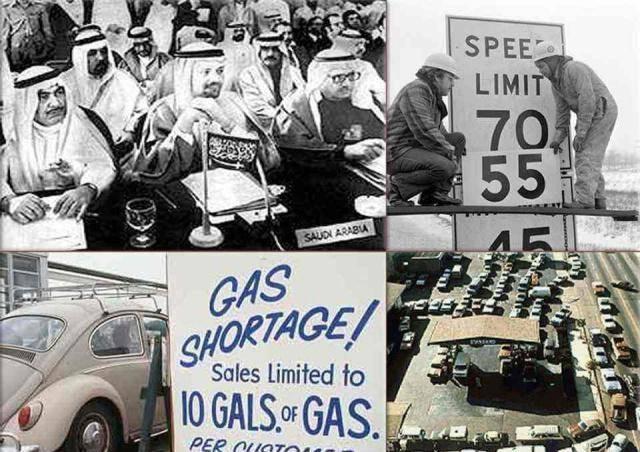
However, the subsequent oil crisis hit the US economy hard, the US power demand suddenly slowed down, and the UHV project was frozen accordingly.
Then came the Soviet Union.
It was the only country that actually completed and put UHV technology into operation.
In 1985, the 1150kV UHV AC line from “Ekibastuz to Kostanay” of the Soviet Union was put into operation, with a total length of about 900 kilometers.
The original intention of building this line was to transmit coal power from Central Asia to several industrial centers in Europe.
Due to sufficient demand, this line operated at full voltage for several years, and reached the peak of the industry at the technical level.
But unfortunately, the Soviet Union disintegrated in 1991, and this huge UHV infrastructure was completely left unused.
Then let’s look at Japan.
As an island country with a land area of only 380,000 square kilometers, Japan’s demand for UHV technology is relatively weaker than that of other developed countries.
However, in order to alleviate the power shortage in the Tokyo Bay load center, Japan still built two 1000kV double-circuit lines on the same tower in 1992 and 1999 respectively, with a total length of 427 kilometers.
But soon, two huge “black swan” events hit Japan one after another, heavily suppressing the development of UHV technology.
The first was the burst of Japan’s bubble economy in the 1990s, coupled with the impact of the 1997 Asian financial crisis. Japan’s economy recorded negative growth, the originally planned large-scale nuclear power plant projects were not implemented, and the completed UHV lines have since been operating at a reduced voltage of 500kV.
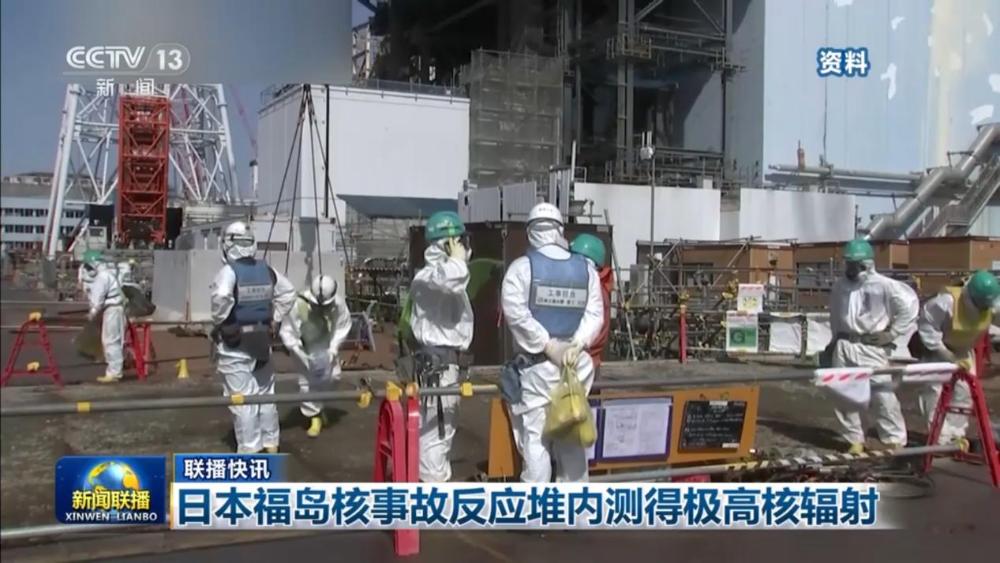
The second was the serious nuclear accident at the Fukushima Daiichi Nuclear Power Plant in 2011. After the accident, all 54 nuclear power units in Japan were gradually shut down, and UHV technology lost the “power source” it was originally supposed to transmit.
As for Italy, which also invested in relevant research, it gave up UHV technology because the R&D investment was too high and the demand was too small to be cost-effective.
Although it pushed the technology to the test stage, it finally chose to give up at the turn of the century because the economic calculation was not feasible.
To be fair, India has spared no effort in the R&D of UHV technology.
Since around 2007, when Power Grid Corporation of India, the Central Power Research Institute and the Central Electricity Authority launched the “1200kV National Test Station” program in a public-private partnership mode, India has gathered 35 local equipment manufacturers and cooperated with ABB, Baobian Electric and other enterprises for joint R&D. This is the largest “collective research and tackling” in the history of India’s power industry.
They were able to produce a test prototype in 2012, which was not slow at all.
Because it took the Soviet Union 12 years to upgrade the voltage from 500kV to 765kV; China started to tackle extra-high voltage technology in the 1980s, and completed its first 1000kV UHV AC project in 2009, which took 29 years in total.
However, India’s “fast speed” and the fact that it has not achieved commercial operation to this day are mutually causal.
For example, India’s local self-sufficiency rate of high-grade oriented silicon steel required for UHV equipment is less than 10%, and nearly 90% of it depends on imports from China, Japan, South Korea and Russia.
From the core indicator of core loss control, the iron loss value of domestically produced silicon steel in India is still in the range of 1.26-2.2W/kg, while China’s high-end products can already be controlled below 0.9W/kg, with an obvious generation gap.
It is necessary to keep our core advantages reserved
It is certain that there is still a huge gap between India and China in this field.
Our country has a vast territory. Power supply is tight in the southeast while power resources are abundant in the northwest, so long-distance power transmission has become a rigid demand.
Therefore, our high-voltage power transmission technology must not only transmit power for hundreds of kilometers, but also safely cross 3000-5000 kilometers of mountains, rivers, lakes and seas.
Take the ±1100kV UHV DC project from Changji in Xinjiang to Xuancheng in Anhui as an example. The total length of the line is 3293 kilometers, passing through 6 provinces and regions including Xinjiang, Gansu, Ningxia, Shaanxi, Henan and Anhui. It not only has a long transmission distance, but also can withstand various extreme weather and unexpected events, and has been in stable service for nearly 7 years.
The stable operation of such lines makes China the first country in the world to have the capability to transmit 10 million kilowatts of electric power within a range of 3