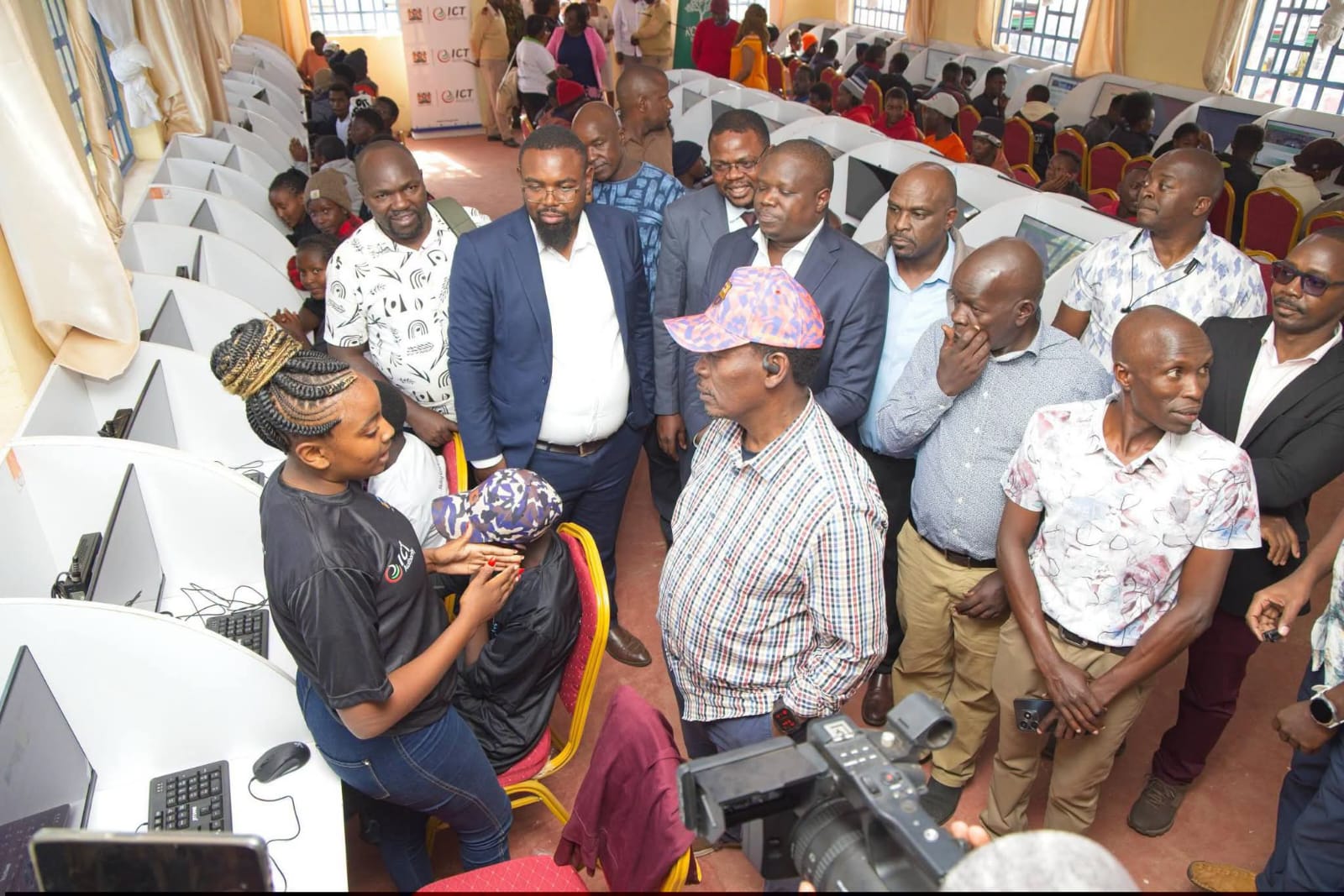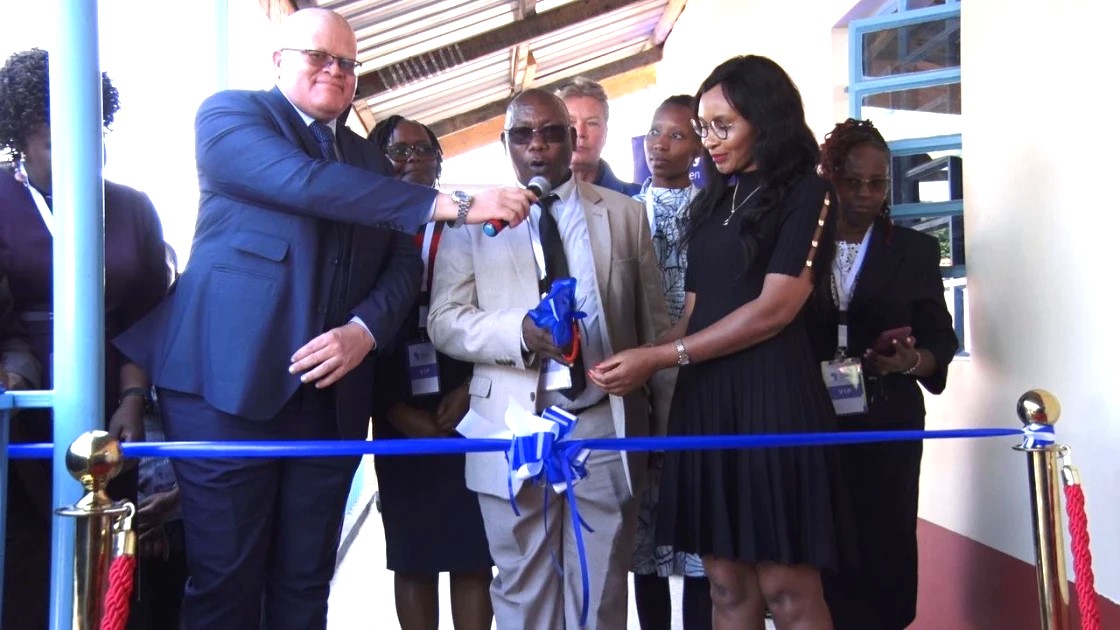
- Education Cabinet Secretary Julius Ogamba has commissioned a Smart Library at Mbukoni Comprehensive School in Machakos County.
- The facility integrates digital technology with traditional library services to support Competency-Based Education.
- The project aims to enhance digital literacy, inclusive learning and equitable access to quality education.
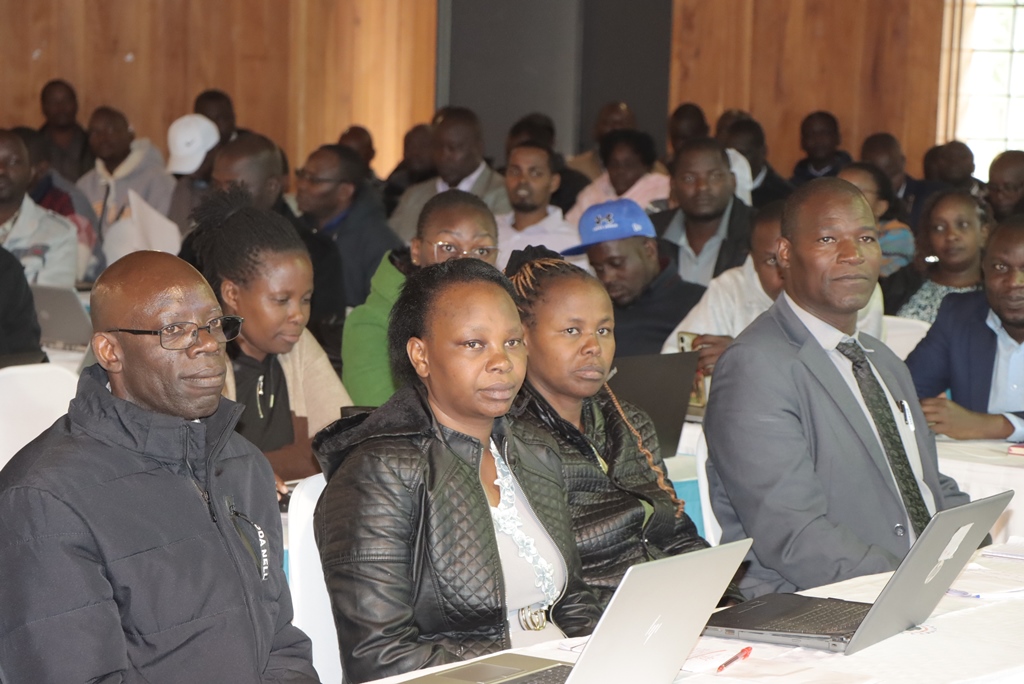
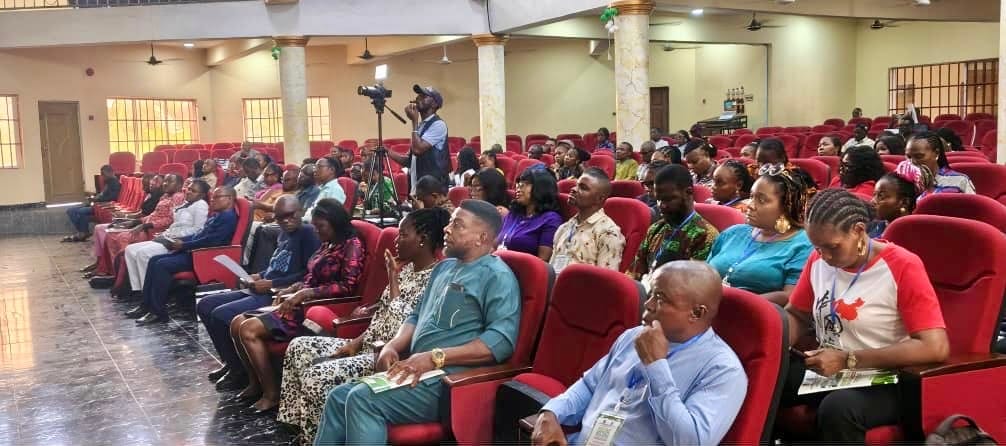
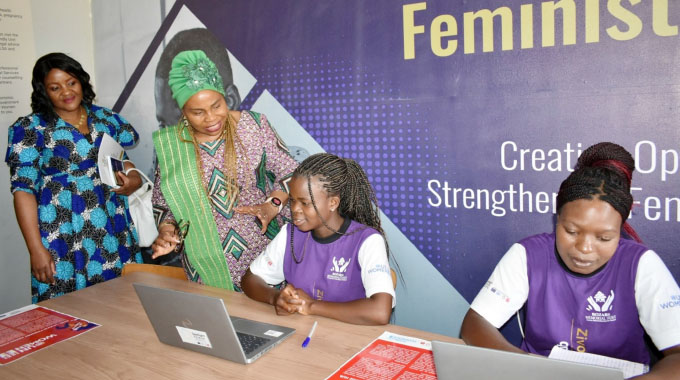
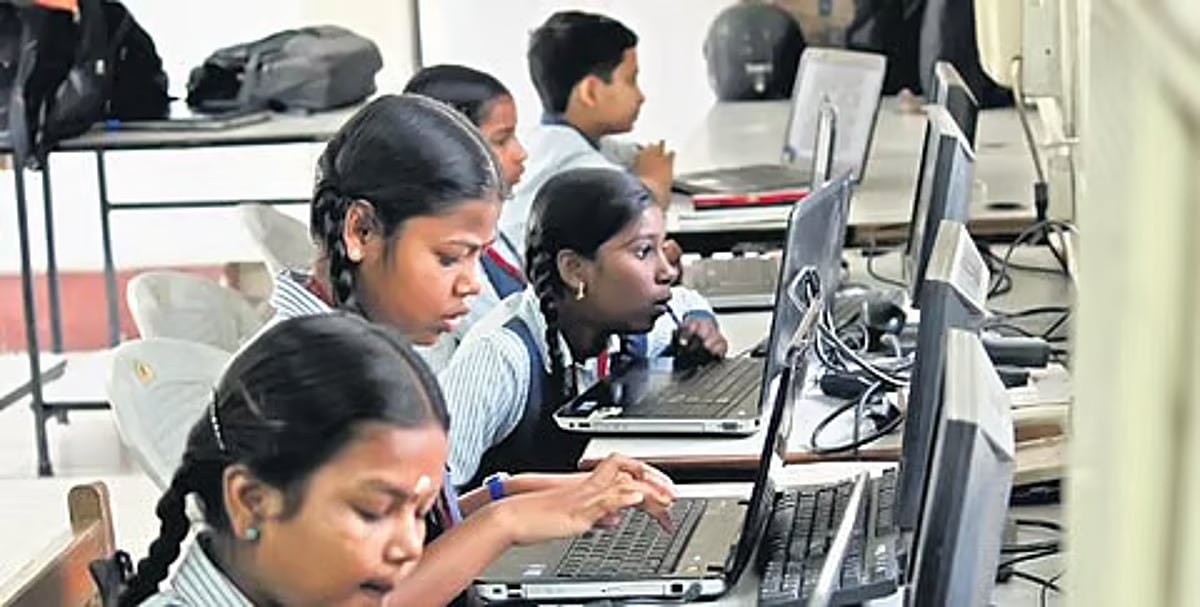
Kenya has taken another significant step towards strengthening digital education following the commissioning of a state-of-the-art Smart Library at Mbukoni Comprehensive School in Machakos County.
The facility is expected to transform teaching and learning by integrating modern technology with traditional library services while expanding access to digital educational resources.
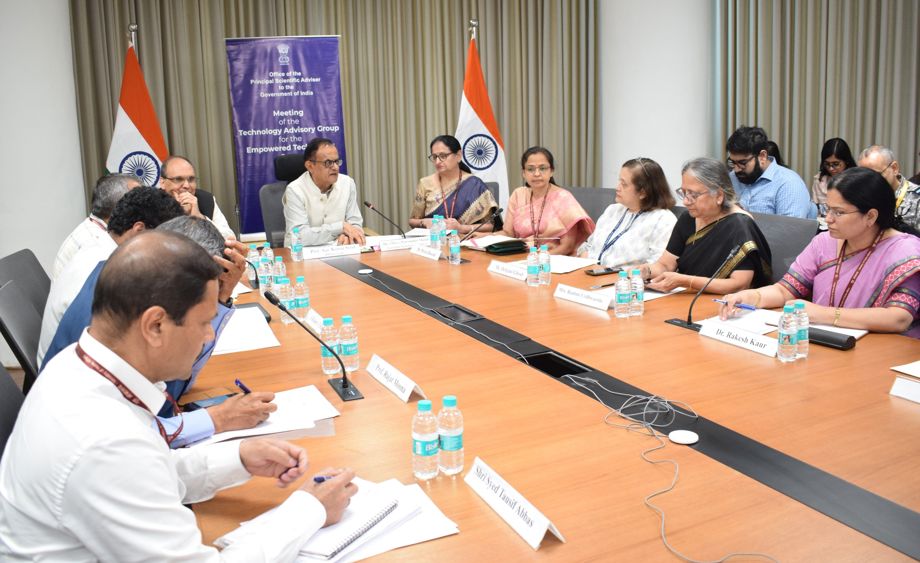
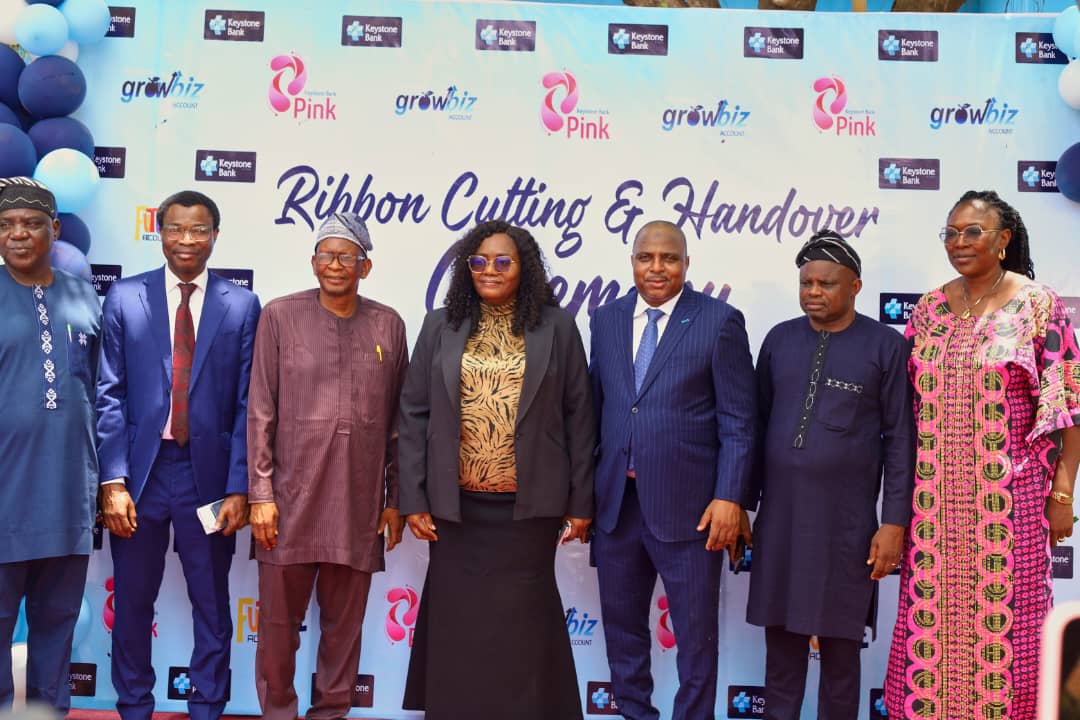
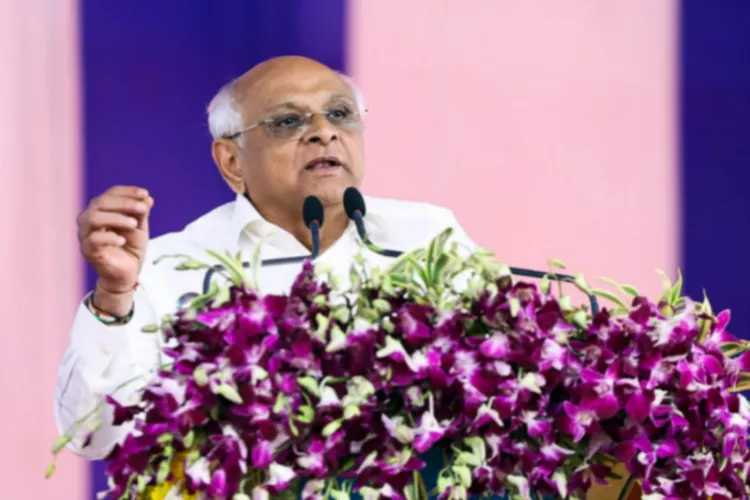
The facility, established by Women in Technology and Innovation Africa (WITIA), was officially opened on Friday by the Director of Basic Education at the Ministry of Education, Stephen Barongo, who represented Education Cabinet Secretary Julius Migos Ogamba.
Education Cabinet Secretary Julius Ogamba, described the project as a practical demonstration of how partnerships between government and development organisations can improve access to quality education while equipping learners with digital competencies for the 21st century.
Technology transforming learning
The Smart Library was established under the Women in Technology and Innovation Africa (WITIA) Smart Libraries for a Smart Nation Initiative.
Unlike conventional libraries that primarily house printed books, the facility combines physical learning resources with computers, high-speed internet, interactive digital learning platforms and curriculum-aligned educational content.
The initiative supports the implementation of Competency-Based Education (CBE) by promoting inquiry-based learning, independent research, collaboration, innovation and critical thinking.
“The Government remains committed to ensuring that every Kenyan learner has access to quality education supported by modern technology. This library exemplifies the kind of collaboration that strengthens our education system by creating environments where learners can develop digital skills, critical thinking and innovation. Together, we are preparing our young people for the opportunities and challenges of the twenty-first century,” he said.
Inclusive learning environment
One of the defining features of the Mbukoni Smart Library is its emphasis on accessibility.
The facility incorporates wheelchair-accessible ramps, barrier-free pathways and user-friendly learning spaces to ensure learners and teachers living with disabilities can use every section of the library independently.
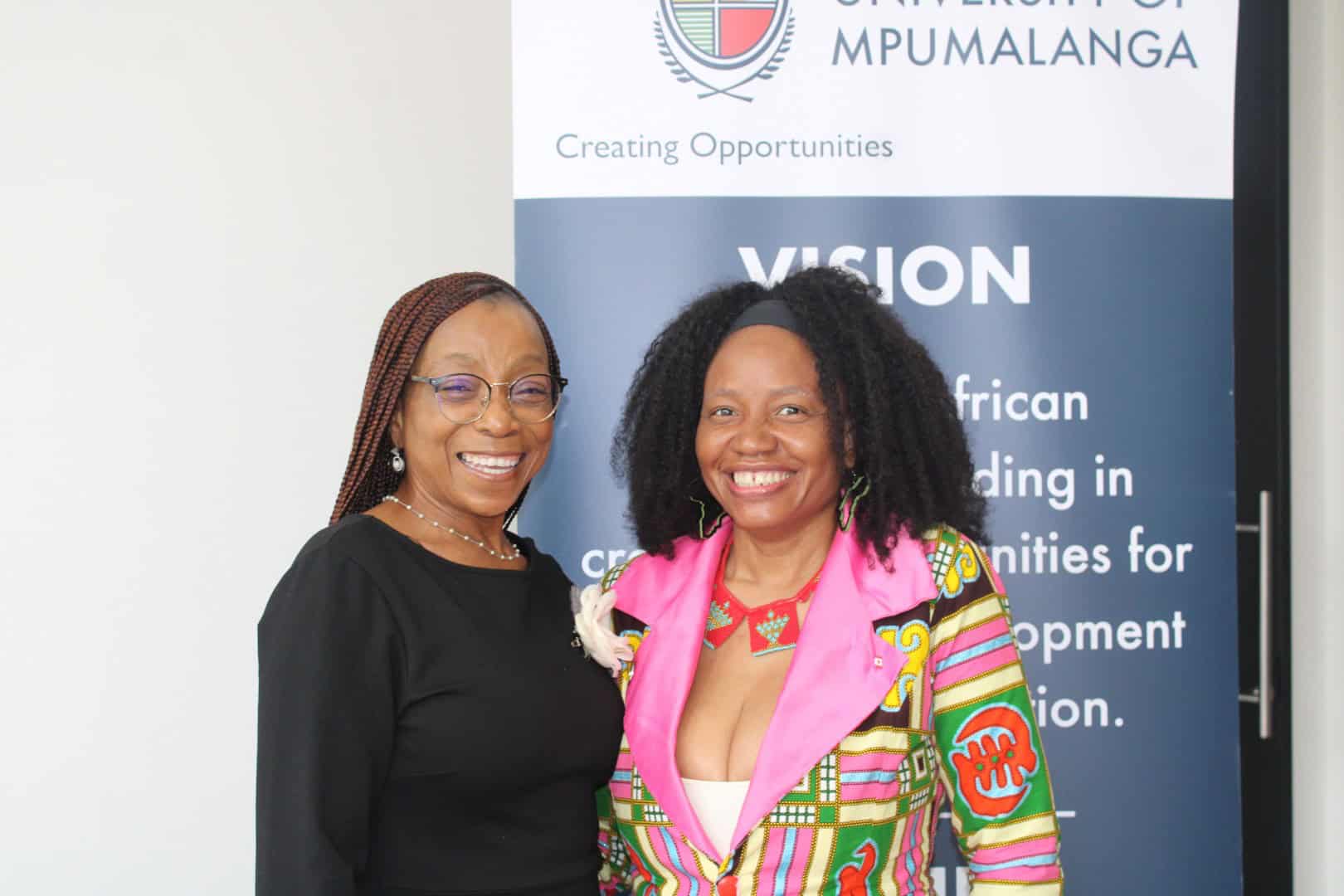
National Gender and Equality Commission Chief Executive Officer Dr Purity Ngina welcomed the initiative, saying digital transformation must go hand in hand with equal access to educational opportunities regardless of gender, disability, location or socio-economic background.
She noted that inclusive digital learning environments are essential for reducing educational inequalities and promoting meaningful participation by every learner.
Beyond digital infrastructure, the project has significantly expanded learning resources at the school.
More than 2,300 curriculum-aligned books have been donated to strengthen classroom instruction and promote a reading culture among learners.
The project has also seen the renovation of three classrooms and the construction of a new ablution block for teachers, improving both learning and working environments.
The Smart Library aligns with Kenya’s broader strategy of integrating Information and Communication Technology (ICT) into teaching and learning.
Under Competency-Based Education, digital literacy is recognised as one of the core competencies every learner should acquire.
Education experts say such facilities encourage independent learning, strengthen problem-solving skills and nurture creativity while giving teachers access to digital instructional materials and online professional development opportunities.
The Mbukoni facility is the second Smart Library established under the WITIA Smart Libraries for a Smart Nation Initiative after the pilot project at Nkaimurunya Comprehensive School in Kajiado County.
According to WITIA, similar facilities are expected to be established in more underserved schools across Kenya before the programme is expanded to other African countries.
READ ALSO: ICT Authority, KICD strengthen inclusive learning through adapted Grade 7 digital content
Education stakeholders say Smart Libraries are becoming essential infrastructure for future-ready education by promoting digital inclusion, reducing educational inequalities and preparing learners for an increasingly technology-driven world.
By Hillary Muhalya
You can also follow our social media pages on Twitter: Education News KE and Facebook: Education News Newspaper for timely updates.
>>> Click here to stay up-to-date with trending regional stories
>>> Click here to read more informed opinions on the country’s education landscape
>>> Click here to stay ahead with the latest national news.