In traditionally high-interference industrial settings such as steelmaking and underground tunnel boring, wired communication has long faced persistent challenges including cable damage, signal interruption, and difficult troubleshooting. With breakthroughs in industrial wireless communication technology, an industrial-grade wireless bridge known as YC-ETH-Bidge is emerging as a critical replacement for traditional drag chain and mobile cables. According to a report by EE Times China, this wireless communication module has recently been successfully implemented in a major steel production base and an urban underground tunnel project, not only resolving persistent communication failures under harsh operating conditions but also boosting overall operational efficiency by approximately 35%.
Overcoming Communication Dead Zones in Steelmaking Workshops
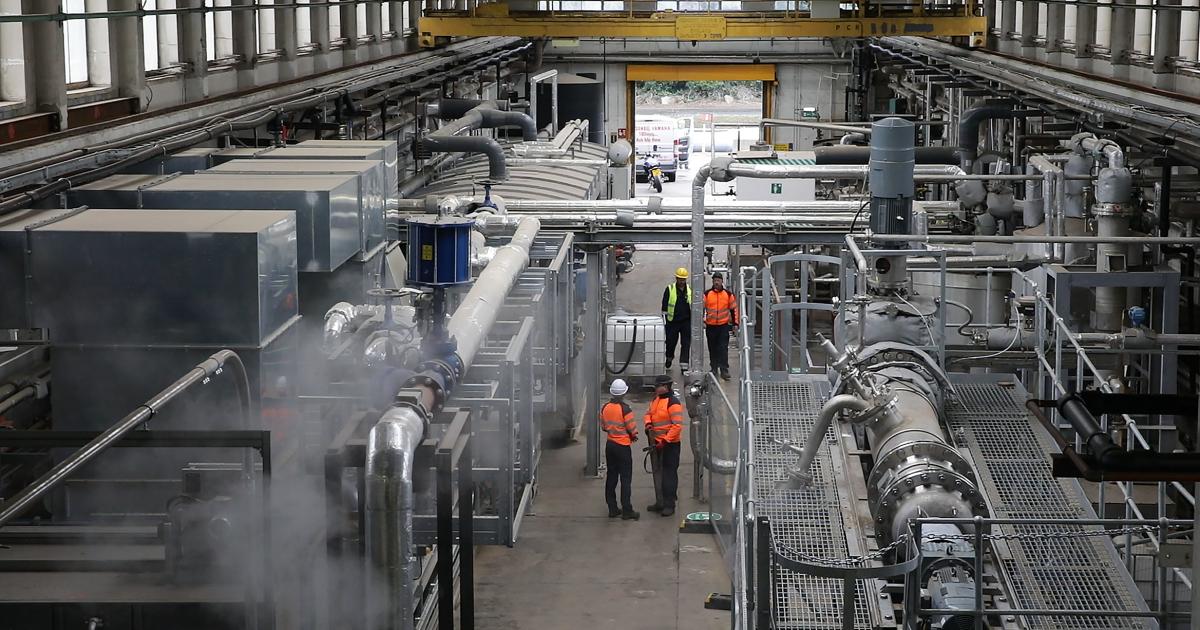
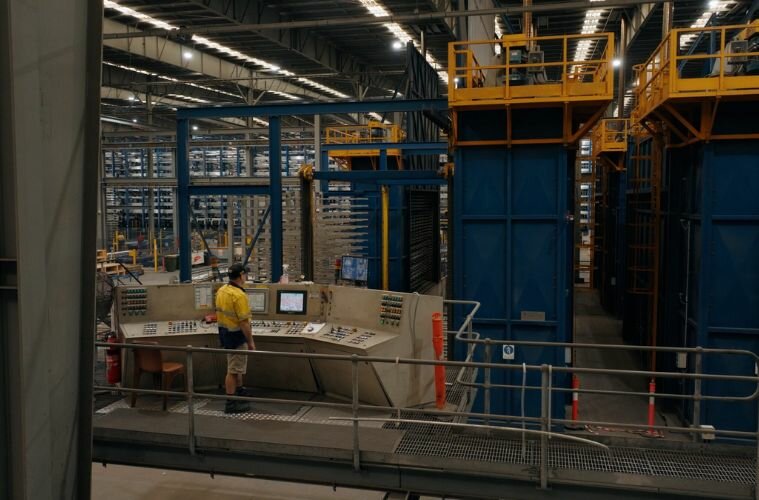
In the hot rolling, steelmaking, and raw material workshops of a large steel production base, over 20 European-style overhead bridge cranes are deployed to handle high-load, high-frequency tasks such as molten iron ladle transfer, scrap steel charging, and finished steel handling. Due to the dense steel structures, large rolling equipment, high-temperature baking, dust erosion, and strong electromagnetic interference within the workshops, the original drag chain wired communication system was overwhelmed. Cables, subjected to repeated movement and pulling with the cranes, frequently suffered from sheath damage, core wire breakage, and poor connector contact, posing significant risks to production line continuity.
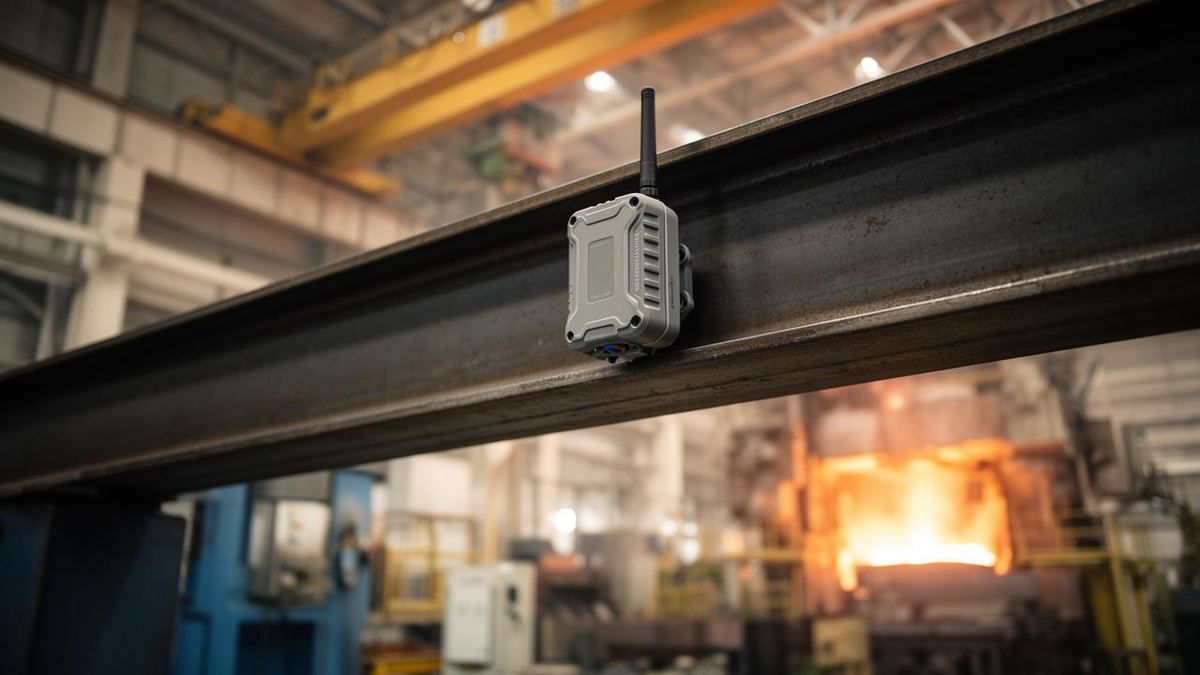
To completely eradicate this persistent problem, the project site fully deployed the YC-ETH-Bidge wireless bridge and supporting communication modules. By establishing an industrial-grade dedicated wireless Ethernet link, the solution replaced physical cables, enabling bidirectional real-time data exchange between the crane-mounted PLCs and the ground-level master control PLC. The module is specifically developed for industrial PLC wireless communication, with core hardware featuring a 2×2 (two-transmit, two-receive) wireless architecture, significantly enhancing signal transmission and reception capabilities compared to traditional single-transceiver devices. Combined with OFDM modulation and MIMO multi-antenna technology, the equipment effectively mitigates signal loss caused by steel structure obstructions, high-temperature electromagnetic radiation, and variable frequency interference, resolving common wireless communication issues such as packet loss, latency, and disconnection.
In terms of data transmission capability, the YC-ETH-Bidge wireless communication module offers a transfer rate of up to 300 Mbps. This high-bandwidth characteristic allows it to simultaneously carry PLC control commands, equipment status data, fault alarm codes, and high-definition workshop surveillance video for multiple overhead bridge cranes, eliminating network congestion. Furthermore, the module is fully compatible with mainstream European and American PLC communication protocols such as Siemens S7, ProfiNet, and ModbusTCP/IP, enabling plug-and-play integration with the entire range of European and American brand control systems on site without modifying original programs or replacing hardware, significantly reducing the complexity of the retrofit.
The site adopted a point-to-point roaming network topology with a “ground master station + vehicle-mounted slave station” configuration. Multiple YC-ETH-Bidge units were deployed in the central control room as master communication base stations, covering the entire workshop area within a 1-kilometer radius, while slave station equipment was installed inside the crane electrical cabinets. After the retrofit, the ground master control system achieved remote start/stop, precise dispatching, and real-time monitoring of all cranes, completely eliminating production line downtime caused by communication failures.
Penetrating Underground Tunnels for Precise Coordinated Control
Beyond the steelmaking application, the YC-ETH-Bidge wireless communication solution has also demonstrated strong adaptability in the even more demanding conditions of underground tunnel engineering.
According to a case disclosed by EE Times China, in an urban underground utility tunnel construction project, the tunnel boring machine (TBM) operations faced extreme environments with confined spaces, metal equipment shielding, and high-frequency vibration interference. The original wired cables suffered extremely high damage rates as they extended with the excavation progress, while standard wireless equipment could not adapt to the ProfiNet real-time control protocol, leading to excavation command delays and potential safety hazards.
To address the need for long-distance deep tunnel operations, the project deployed the YC-ETH-Bidge wireless bridge along the entire line. The module deeply adapts to heavy-duty European and American PLC control systems, achieving real-time data exchange between the TBM’s onboard PLC and the ground central control by being compatible with Siemens S7 protocol and ProfiNet. Its 2×2 two-transmit, two-receive architecture and MIMO technology effectively counter signal attenuation caused by geological materials and metal equipment shielding.
For networking, the project adopted a dedicated point-to-point mode. One YC-ETH-Bidge unit was fixed inside the TBM’s onboard PLC control cabinet as an underground mobile terminal, while another was deployed in the ground central control room as the master station, forming a stable one-to-one link. During the boring process, the ProfiNet real-time bus protocol ensured millisecond-level transmission of control commands, the Siemens S7 protocol handled core equipment data exchange, and the Modbus TCP/IP protocol aggregated environmental monitoring data.
Significant Benefits: Drastic Failure Rate Reduction and Zero Maintenance Costs
The application of the YC-ETH-Bidge solution in these two typical scenarios has yielded significant economic and safety benefits.
Below is a comparison of key performance metrics for the technology in the two different industrial settings:
| Application Scenario | Core Challenges | Communication Upgrade Results |
|---|---|---|
| Steelmaking Workshop | High temperature/dust, strong EMI, physical cable wear | Communication failure rate down >95%, zero downtime, 35% efficiency gain |
| Underground Tunnel Boring | Geological shielding, high vibration, ProfiNet adaptation difficulty | Communication latency <5ms, 100% data acquisition integrity, zero maintenance costs |
In the steelmaking workshop, the communication system equipped with this module reduced crane communication failure rates by over 95%, significantly cutting labor and material costs associated with cable replacement and fault diagnosis. In the underground tunnel construction, system communication latency was stably controlled within 5 milliseconds, and equipment data acquisition integrity reached 100%. This not only improved construction efficiency by 35% but also completely eliminated line operation and maintenance costs, fundamentally removing construction stoppages and safety risks caused by communication failures.
As Industry 4.0 advances, wireless communication reliability under harsh operating conditions has become a bottleneck for automation upgrades. With its broad compatibility with European and American PLC protocols, 300 Mbps high bandwidth, and strong anti-interference capabilities based on MIMO and OFDM, the YC-ETH-Bidge wireless communication module provides a communication backbone for a smooth transition from wired to wireless in heavy industries such as steelmaking and tunnel boring, effectively elevating the intelligent operation level of production lines.