New York
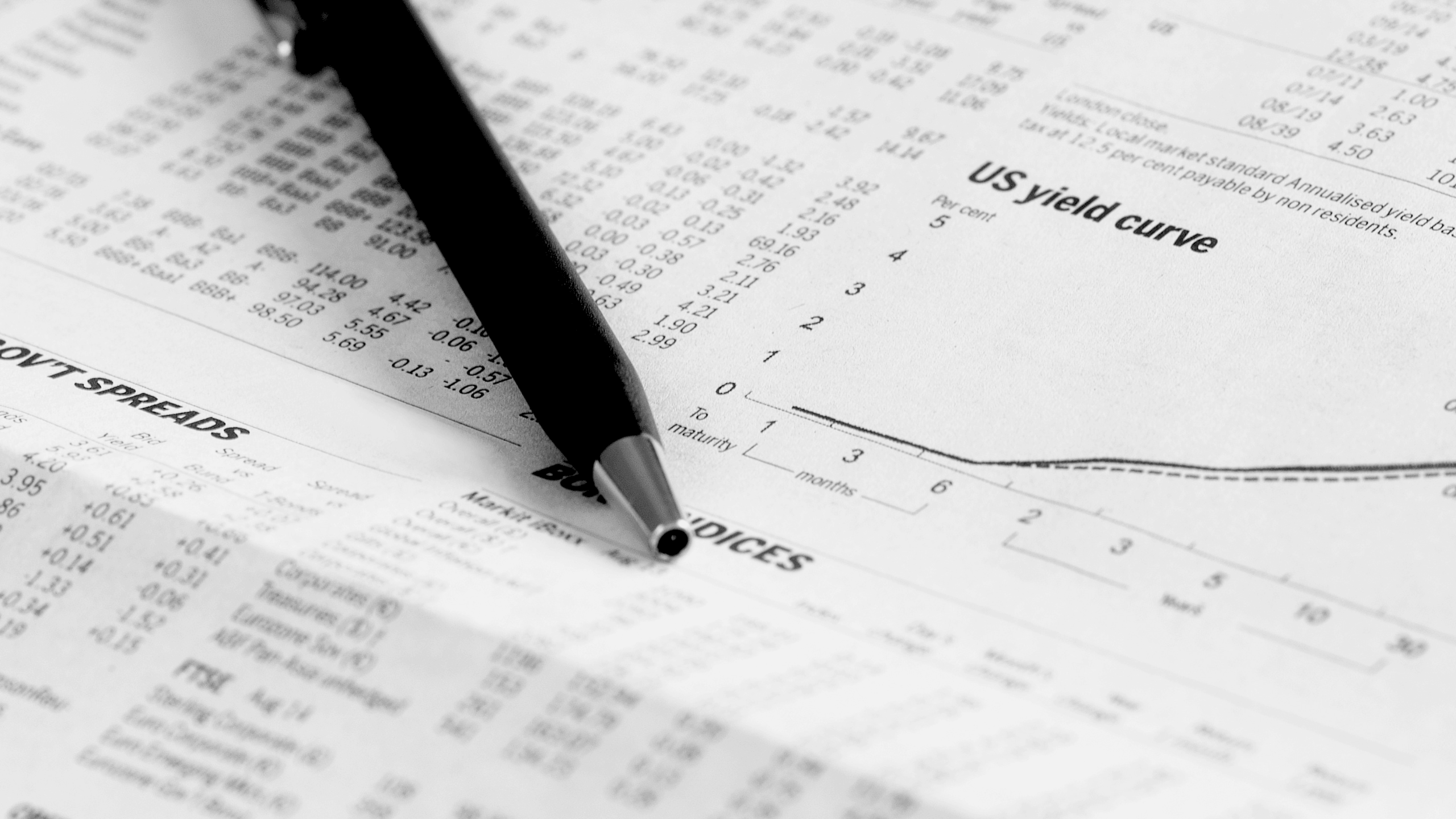
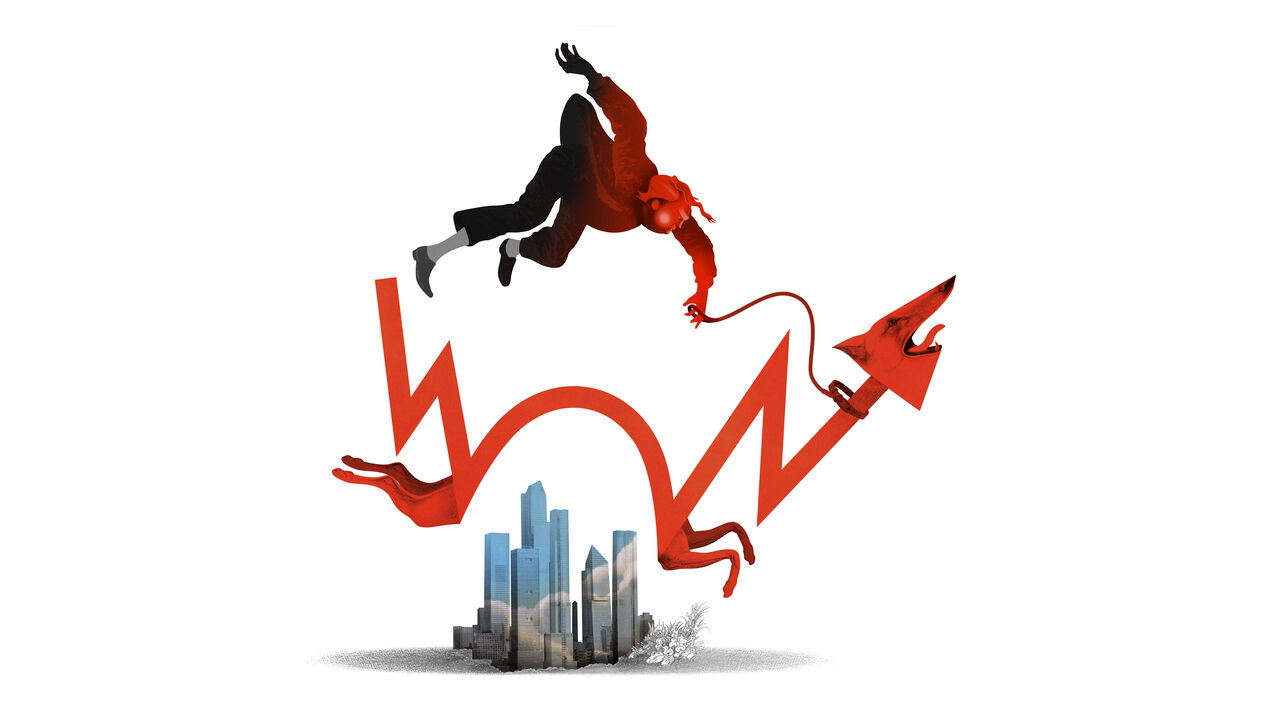
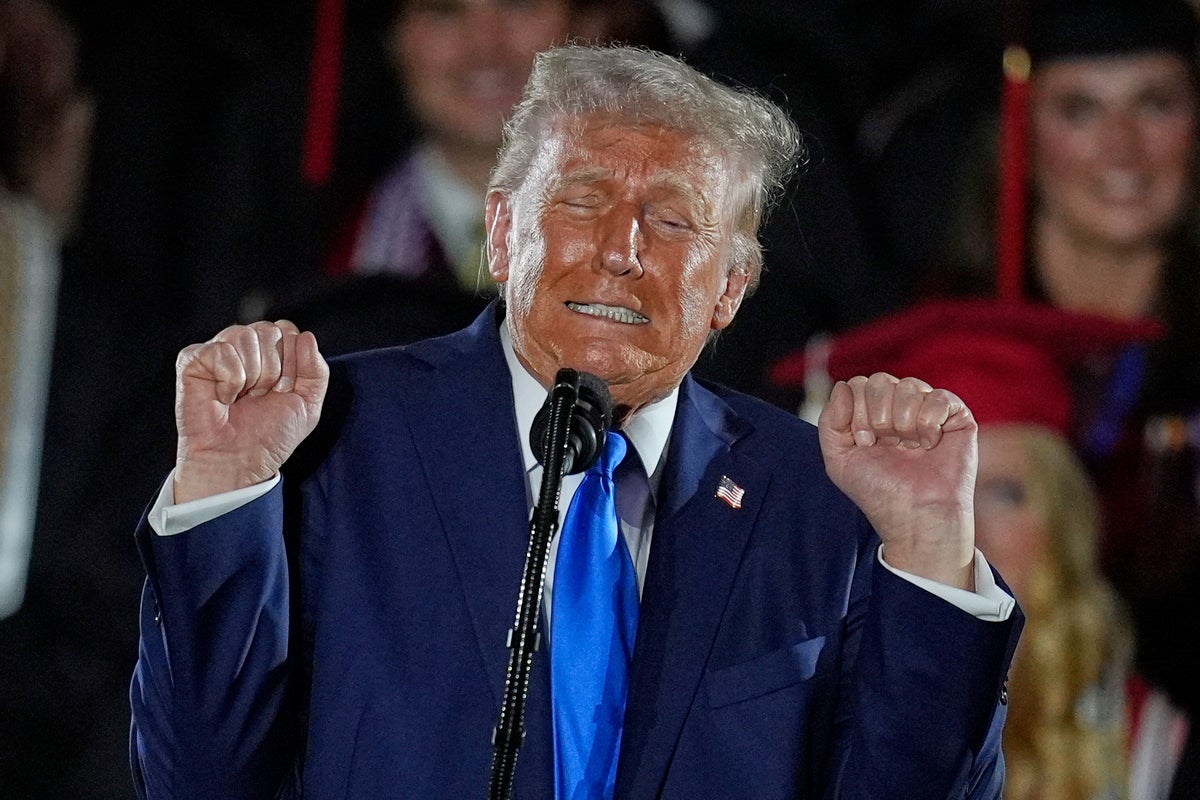
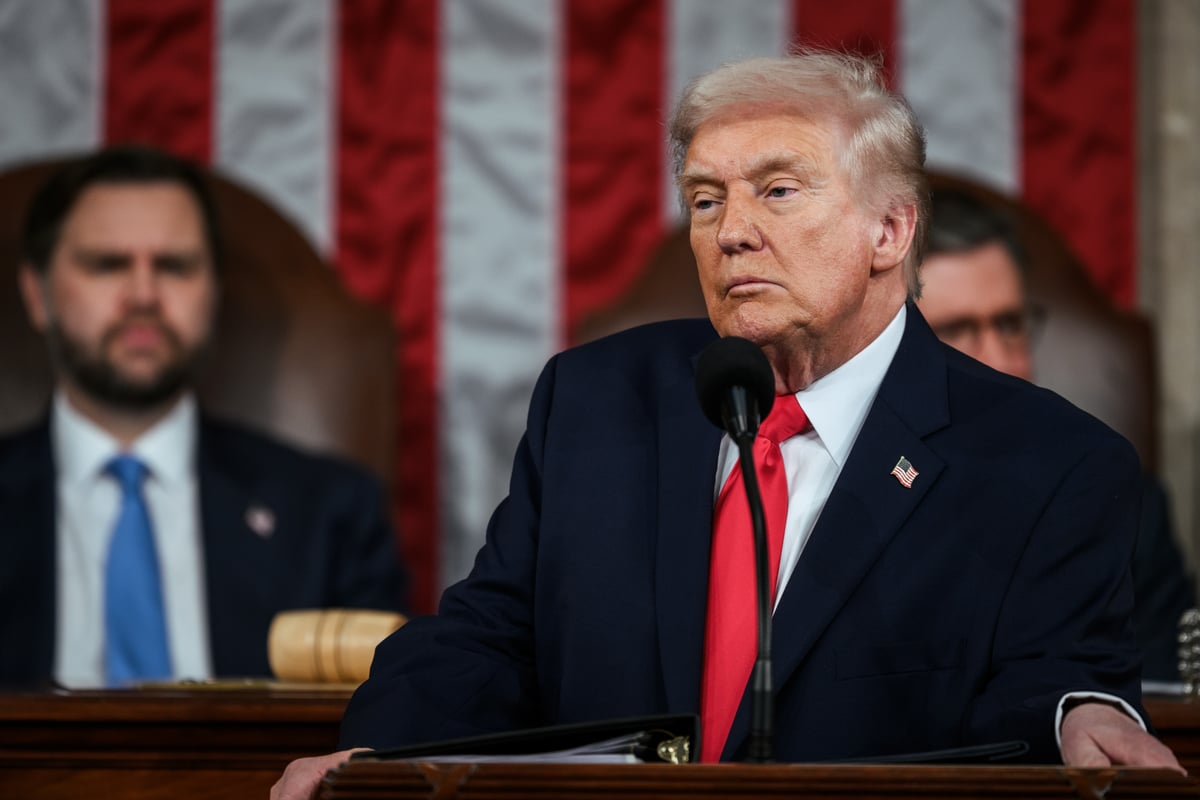
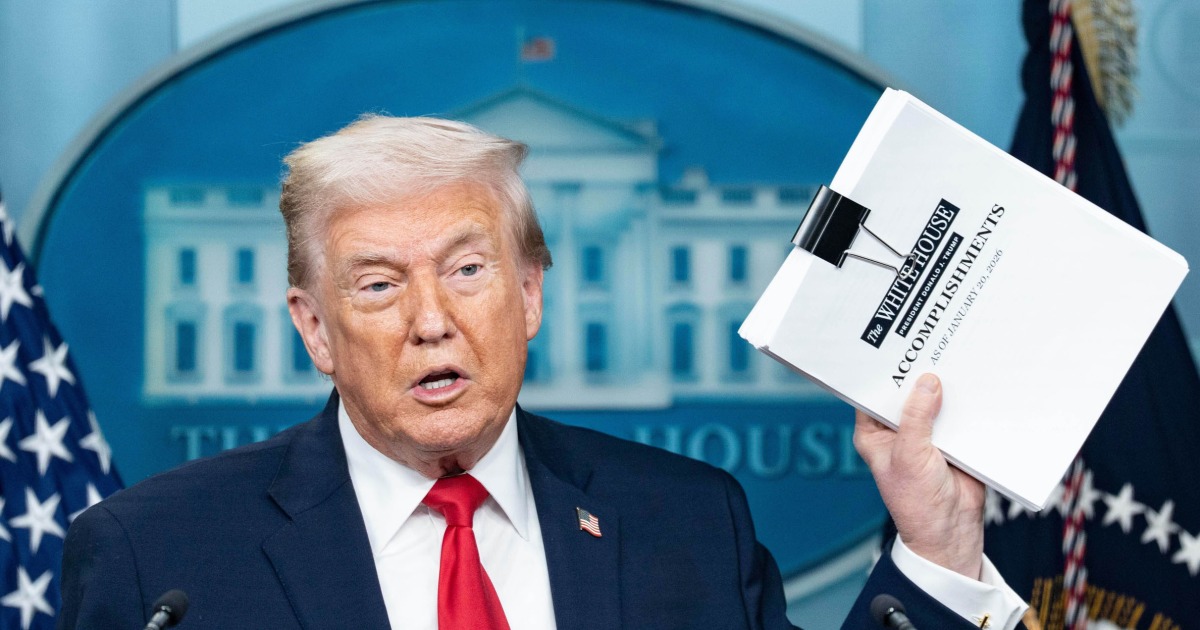
Take it from President Donald Trump himself: Stocks and commodities can throw easily ignored tantrums, but when the bond market gets “yippy,” you pay attention.
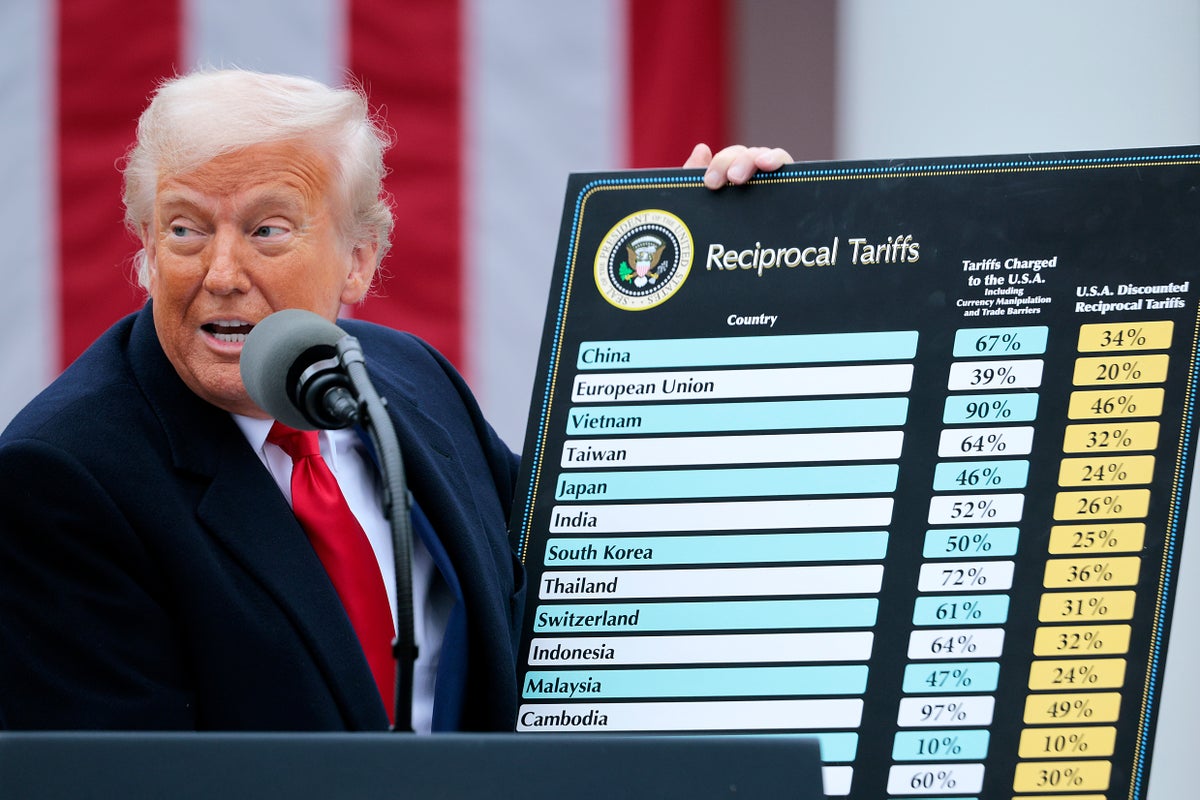
Ultimately, it took a sharp bond market selloff in April of 2025 to get Trump to pump the brakes on his sweeping “reciprocal” tariff agenda.
Once again, the bond traders are barking. But this time, it’s not clear whether Trump can do much to calm the market anytime soon.
“The bond market is basically reacting to the uncertainty created by oil prices, and (Trump) seems not to know how to get out of the problem he’s put us in,” said Daniel Alpert, managing partner at investing firm Westwood Capital, in an interview.
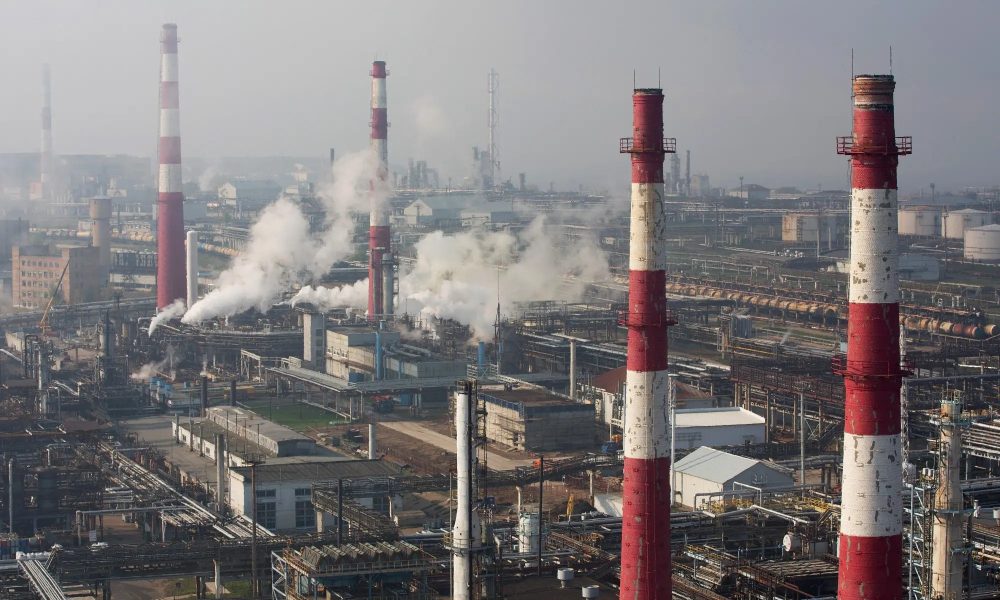
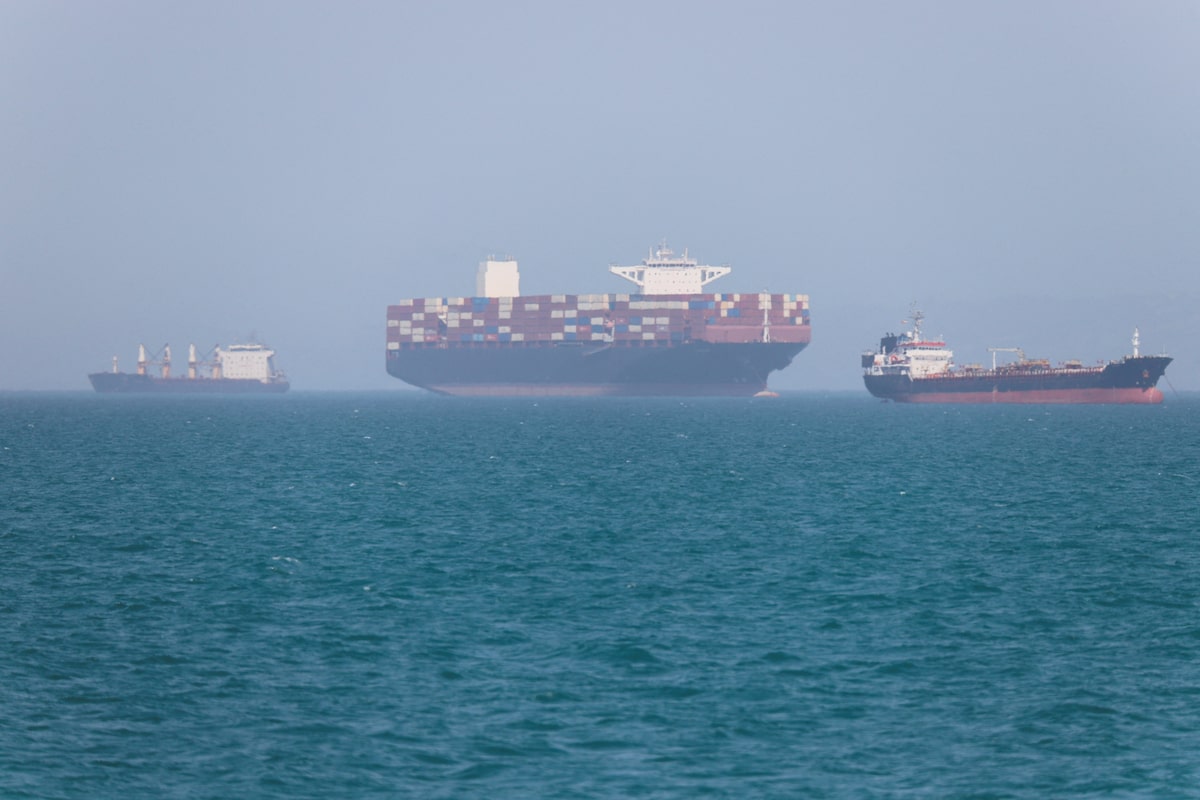
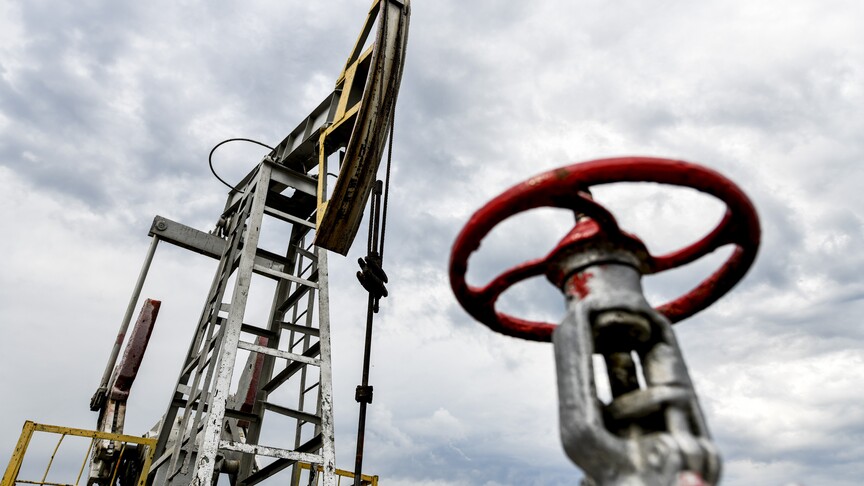
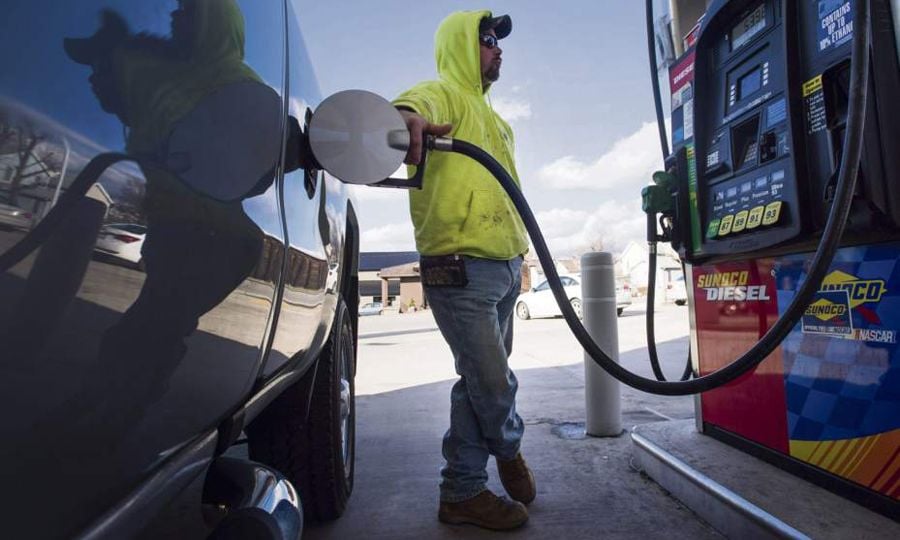
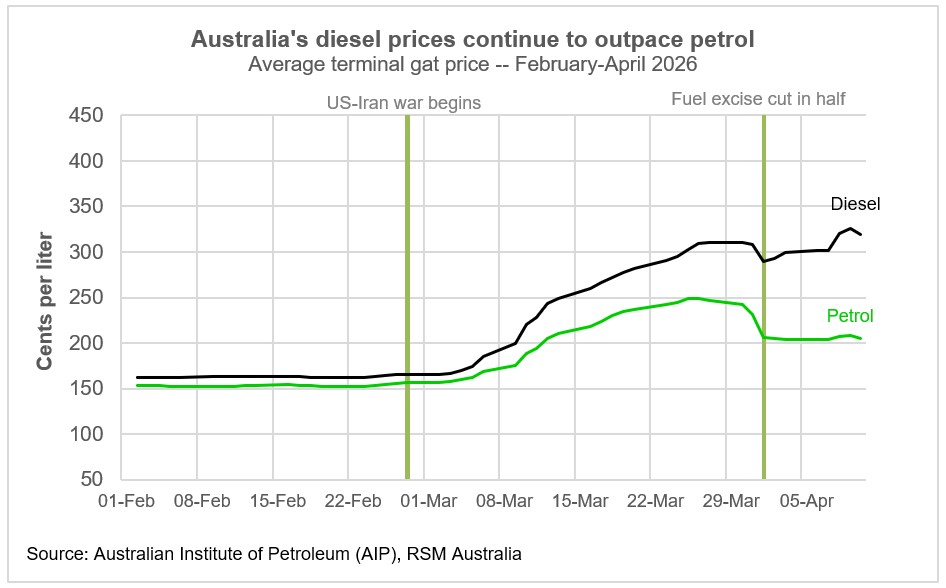
Put another way: Bond traders are starting to think that the recent inflation spike — largely a result of the war shutting off oil flows through the Strait of Hormuz — may not be as “short-term” as Trump has claimed. And that will likely depress bond prices even more.
That’s a problem for all of us, investors and normies alike. My colleague David Goldman has a useful analogy: Think of the bond market like an old-timey balance scale, with prices on one side and yields (the interest a bond pays) on the other.
Right now, bond prices are getting weighed down by a bunch of economic concerns, including:
-
Rising inflation
-
National debt outpacing economic growth
-
Consumer debt
-
The cost of the Iran war
-
Potential rate hikes
-
The cost of financing AI
The more bond prices go down, the more yields go up. Investors are basically telling governments “hey if you want to hold onto my money, you’re going to have to pay me more for it.”
That means it’ll cost the government (read: taxpayers) more to finance the national debt, leaving less for social services. And because mortgage rates, auto loans and credit cards are all pegged to the 10-year Treasury yield, consumers end up paying more to finance those necessities. This can slow economic growth and potentially trigger a recession (although we don’t appear to be anywhere close to that just yet).
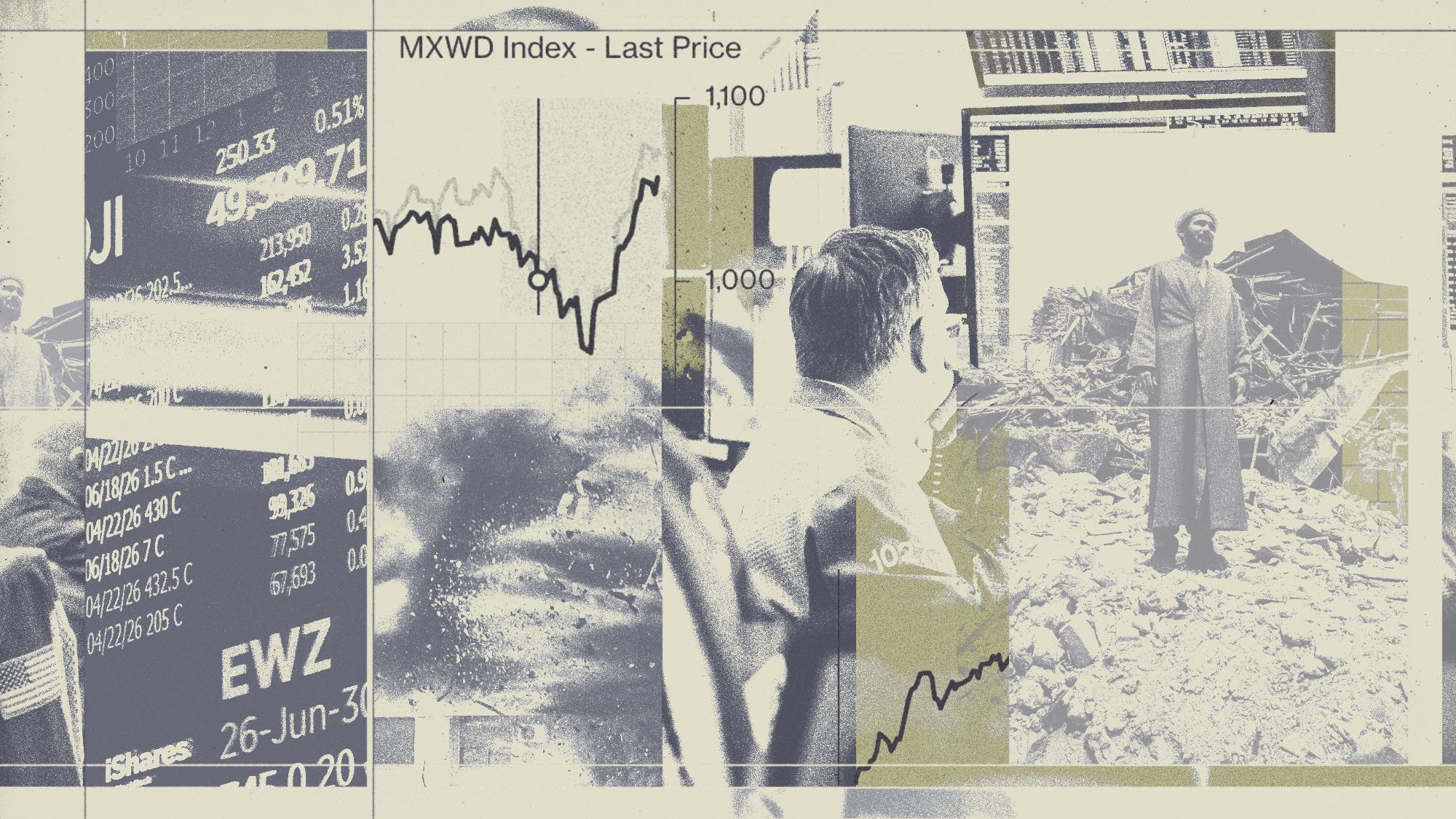
The bond market anxiety was so acute Tuesday — the 30-year US Treasury yield just hit 5.2%, its highest level since 2007 — it even managed to pierce the euphoria around tech stocks that’s driven the market to multiple record highs in recent weeks. The S&P 500 fell for its third straight session.
And while stock and commodity markets are quick to react to pronouncements from Trump and other world leaders, the bond market is a different beast.
Since the war in Iran started nearly three months ago, Trump has insisted several times that the war was “very close to being over.” Almost always, those statements have sent stocks higher and oil prices lower in a quintessential Lucy-and-Charlie-Brown-with-the-football moment.
On Monday, Trump said he was calling off an attack on Iran while “serious negotiations” take place. Stocks pared most of their losses, and a rally in oil prices lost steam. It didn’t faze bond markets, though, which continued to sell off around the globe.
That’s partly because investors aren’t just worried about war and oil-related inflation. They’re seeing a confluence of factors that signal pain on the horizon.
“The story right now is simple and uncomfortable,” Ajay Rajadhyaksha, global chairman of research at Barclays, said in a note Monday. “The developed world has too much debt, too little fiscal discipline, and no political appetite for fixing either… The global energy shock is the cherry on the cake.”