More than half of house moves collapse after an offer was accepted, costing the UK economy nearly £2bn in wasted time and fees over the past year, according to research from the Open Property Data Association (OPDA).
The £2bn estimate was based on HMRC property transaction data from 2025, which recorded around 1.2 million residential transactions in the year.
OPDA’s survey found 58% of buyers and sellers who moved house in the past five years had experienced a transaction falling through during their moving journey.
43% cited emotional stress as the biggest impact, while 41% said their plans were significantly delayed.
Among those aged 55 and over, 59% reported high levels of emotional stress.
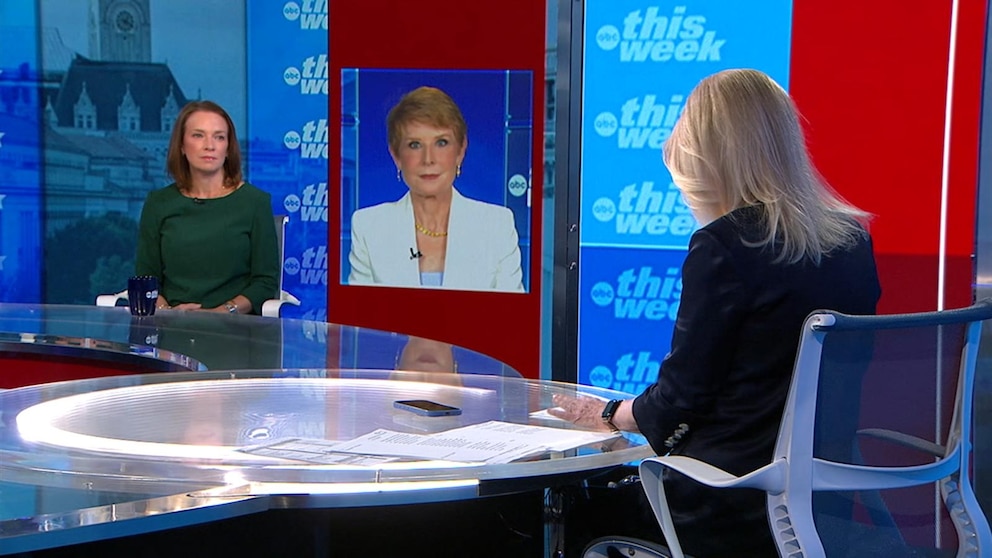
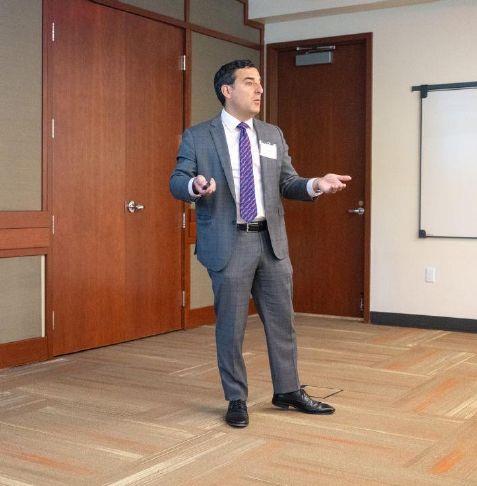
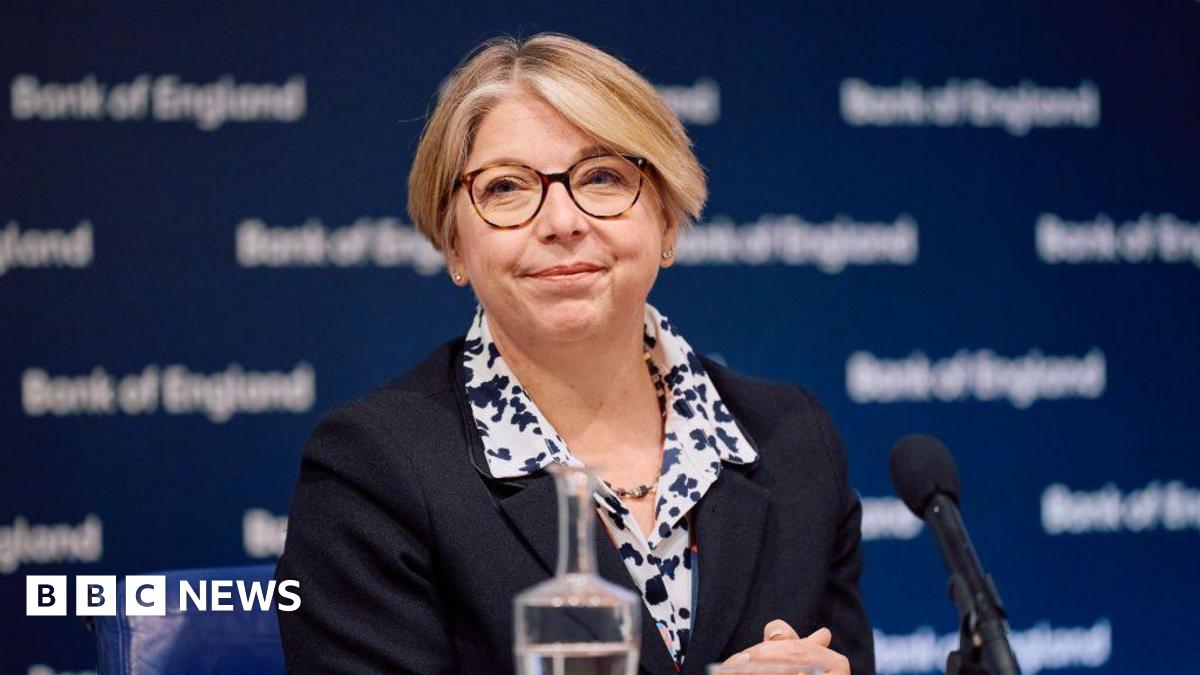
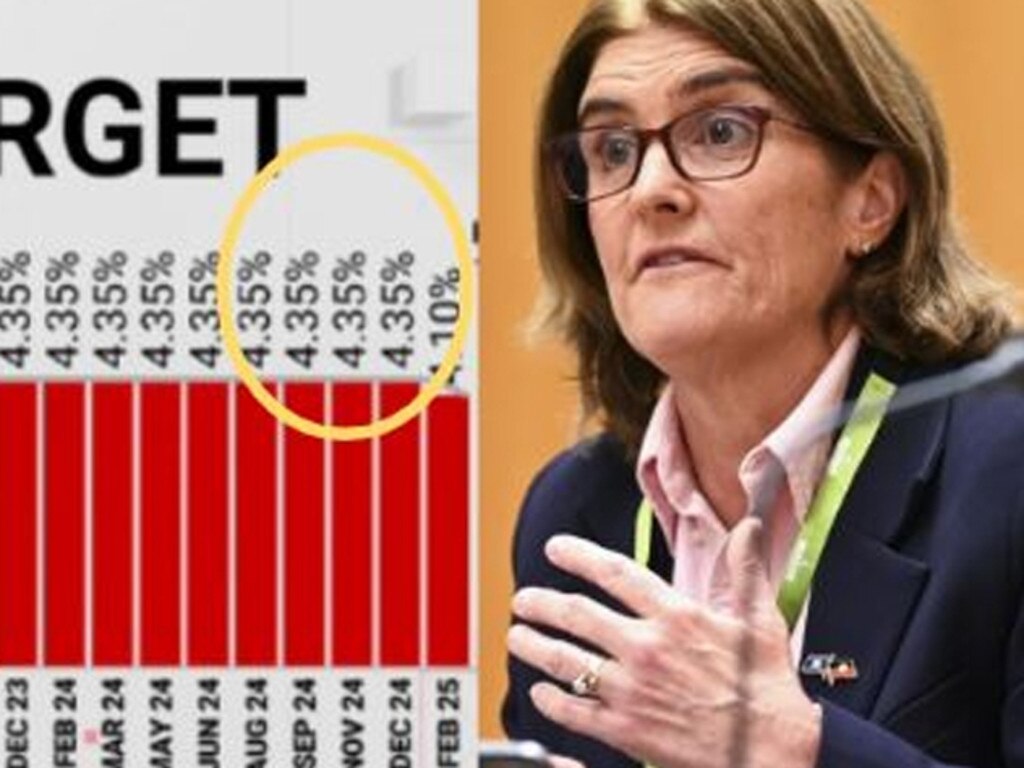
Maria Harris (pictured), chair of the OPDA, said: “These figures lay bare a housing market that is failing consumers at every stage.
“Far too many transactions collapse because crucial information only comes to light weeks or even months after an offer is made.
“By then, buyers and sellers have already invested significant time, money and emotional energy.”
Harris added: “Providing upfront, standardised property data through digital property packs would transform this process.
“When material information is available at the point of listing, buyers can make informed decisions, issues can be identified early, and far fewer transactions fall apart late in the process.
“Upfront property data isn’t about adding bureaucracy, it’s about bringing transparency, certainty and trust back into the housing market.”
She said: “By embracing digital property packs, we can reduce fall throughs, shorten transaction times and create a fairer, more resilient system that works for everyone.”
Phil Spencer, property expert and founder of property advice website Move iQ, said: “The collapse of a house move can be devastating for everyone involved, creating further anxiety in an already stressful process.
“For buyers and sellers, these fall‑throughs often mean months of uncertainty, money lost on fees that can’t be recovered, and plans put on hold.
“Much of that pain could be avoided if people were given clear, reliable property information upfront.”
Spencer added: “When buyers know what they’re committing to from the start, they can proceed with confidence, avoid nasty surprises later on, and reduce the risk of deals collapsing after so much has already been invested.”