Key Takeaways
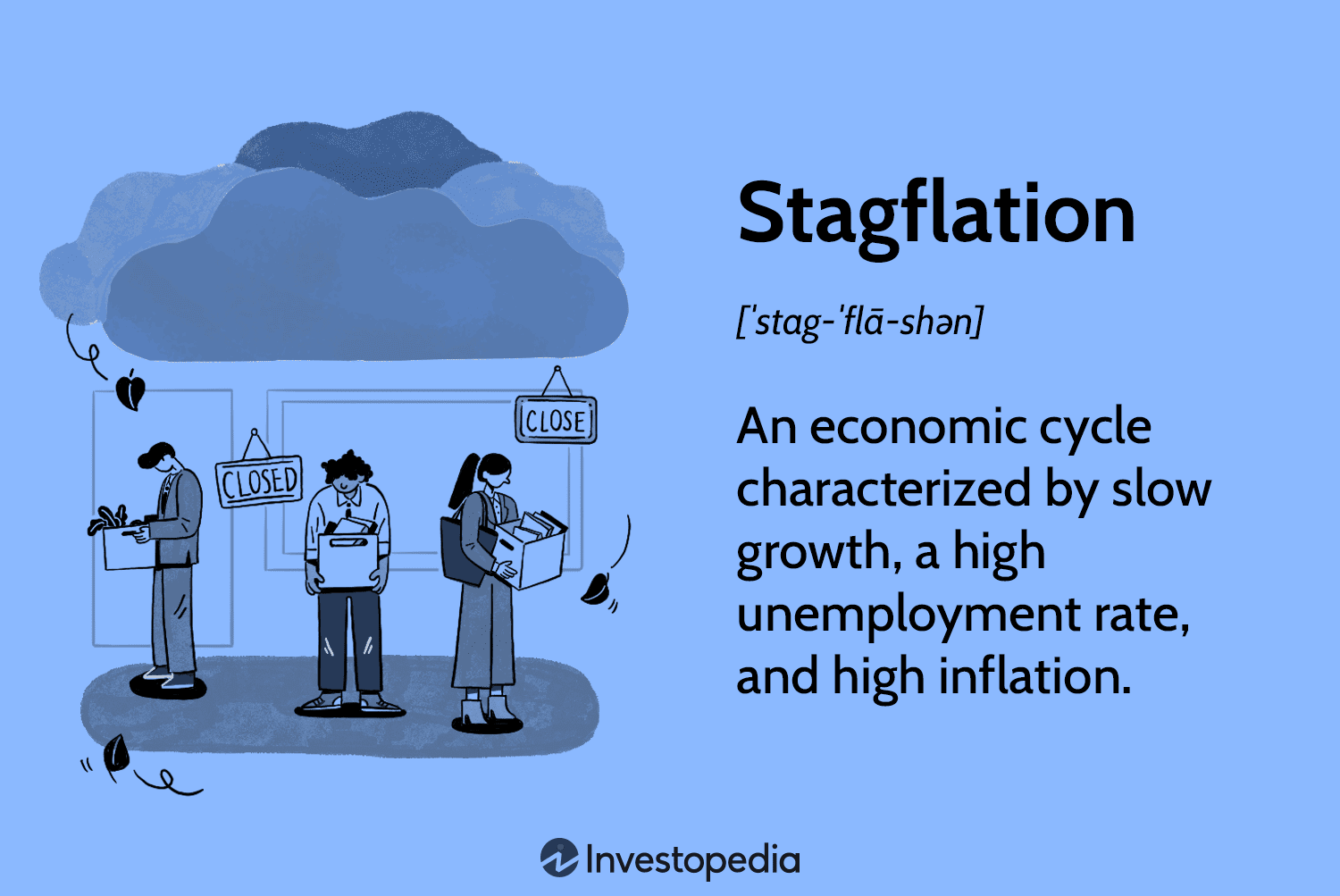
- Stagflation is the simultaneous appearance of slow growth, high unemployment, and rising prices in an economy.
- Once considered to be a short-term problem, stagflation in the 1970s has had monetary officials on guard ever since.
- Policy solutions for slow growth tend to worsen inflation, and vice versa, making stagflation hard to fight.
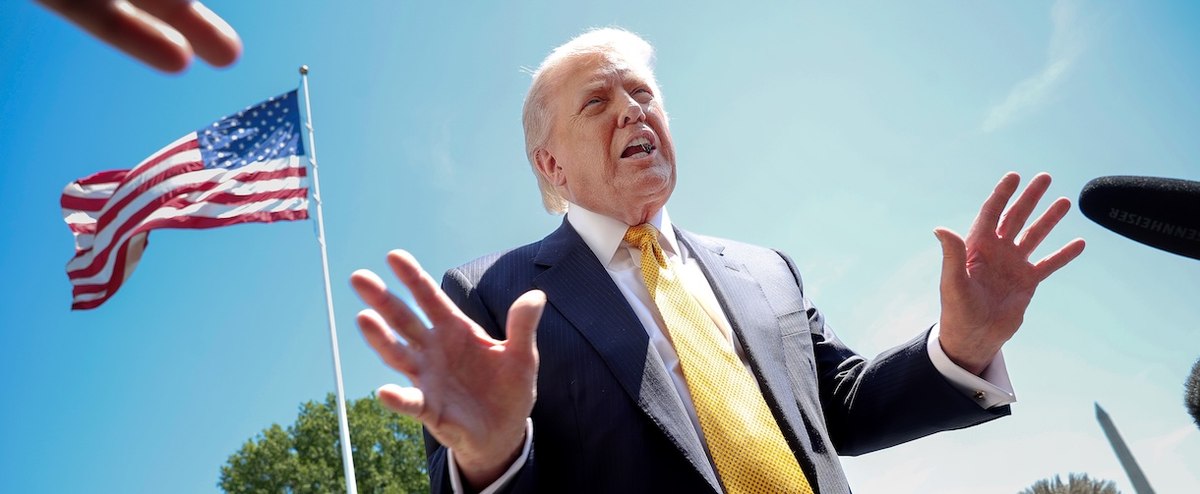
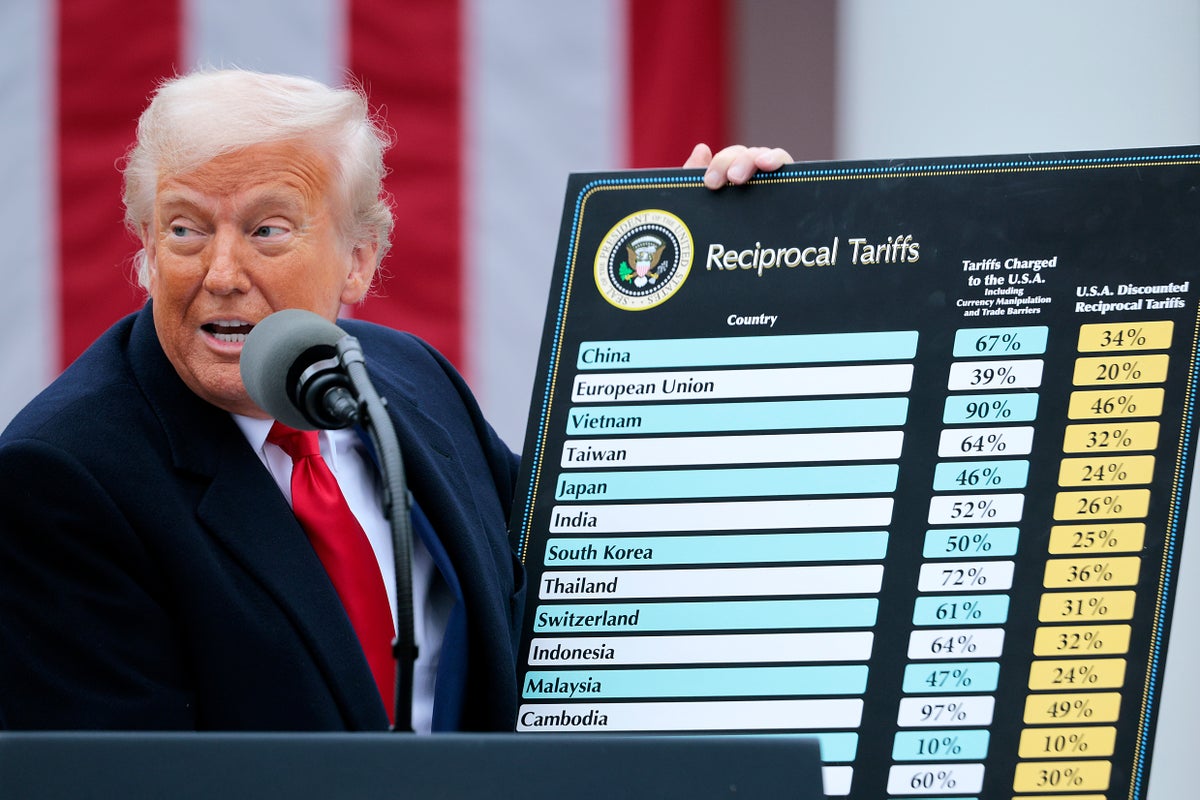
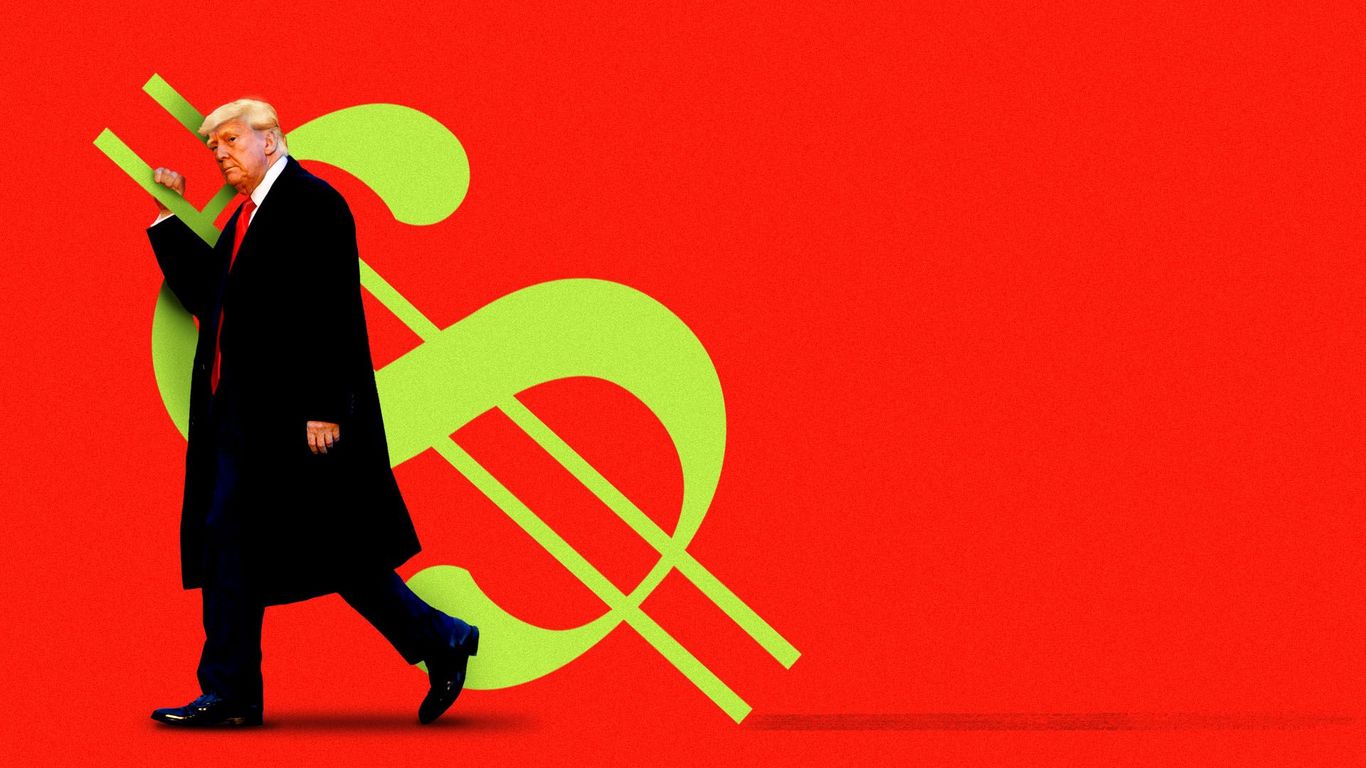
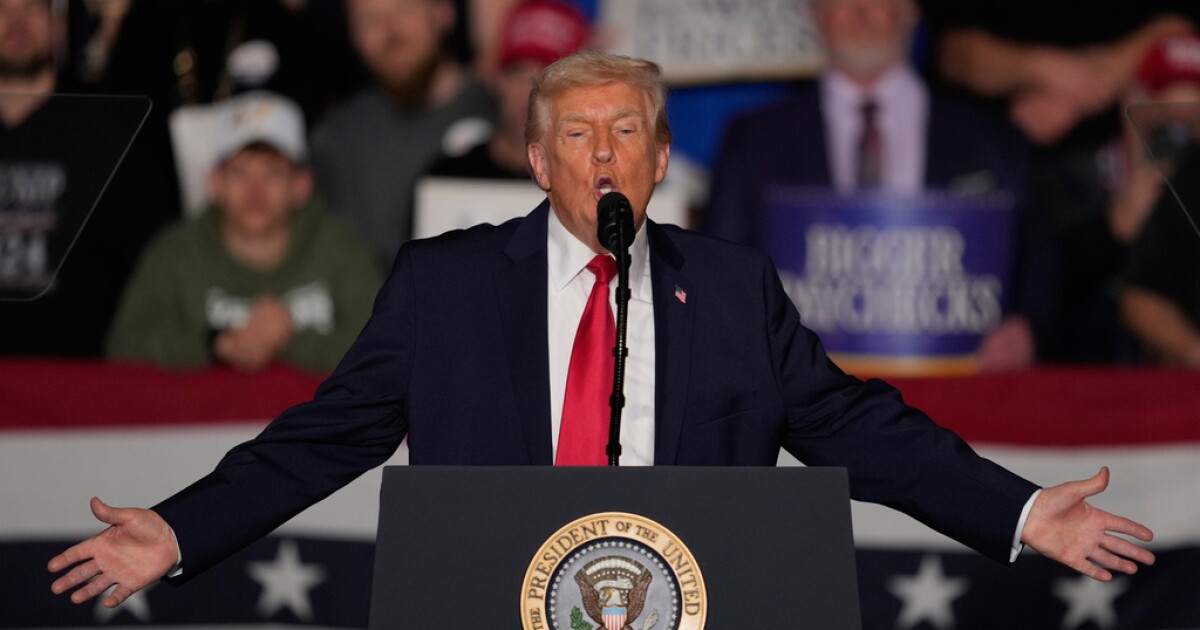
- The U.S. faces its first long-term threat of stagflation in two generations after the Trump administration imposed significant new tariffs in 2025.
Get personalized, AI-powered answers built on 27+ years of trusted expertise.
Stagflation is an economic nightmare for those who live through it and for the policymakers who must solve it. It’s a rare economic condition that defies the conventional economics that links inflation with economic booms and falling prices with recessions.
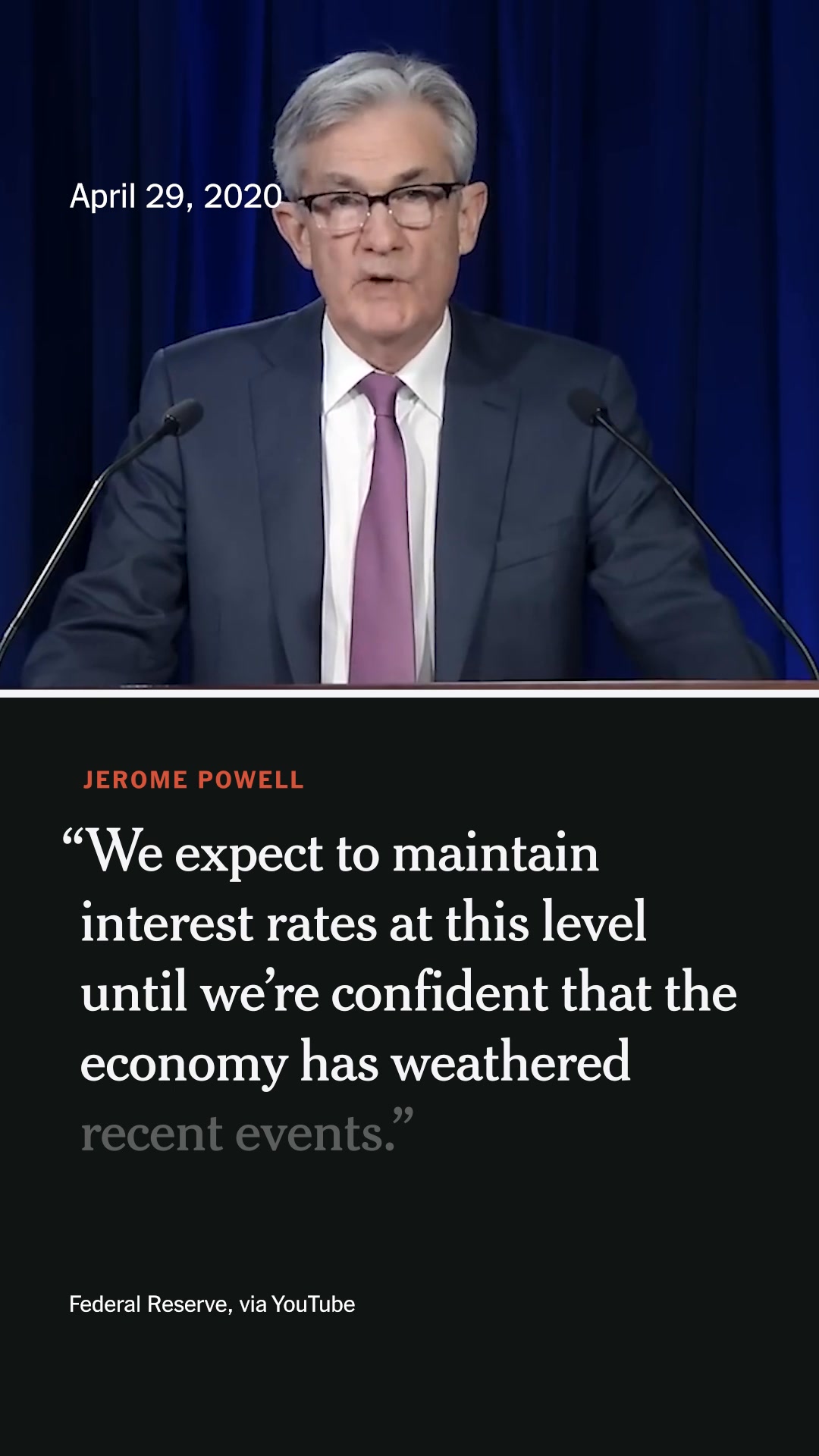
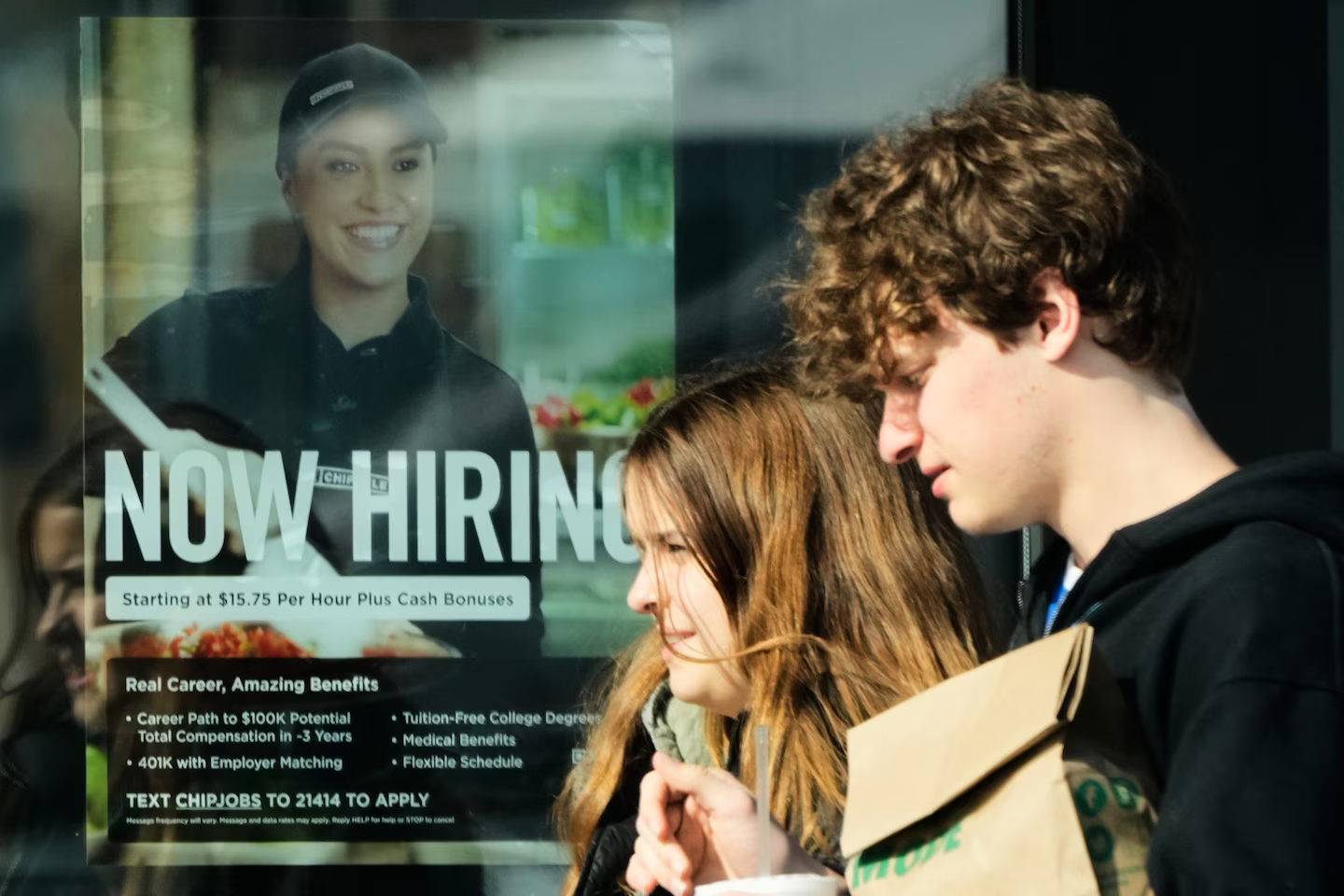
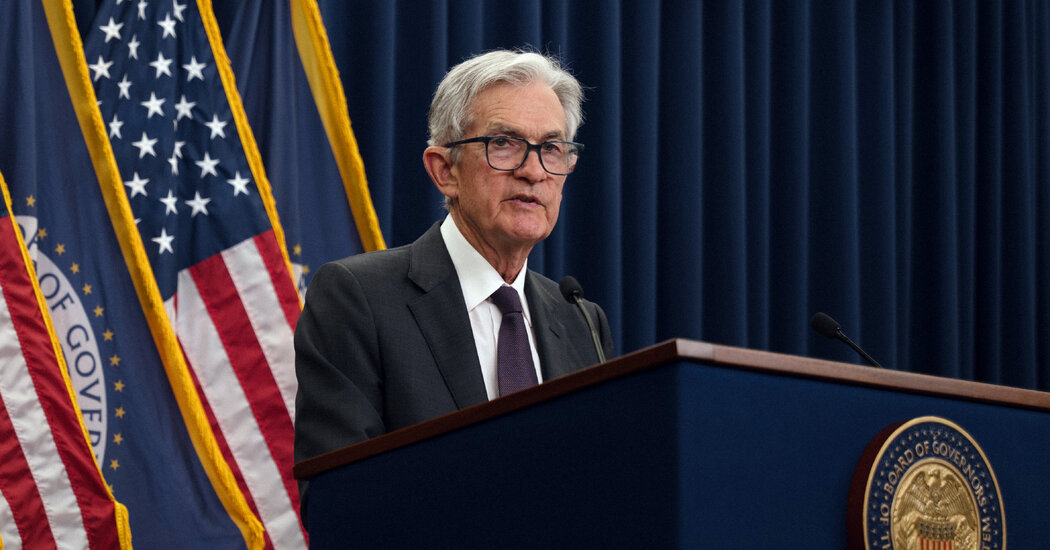
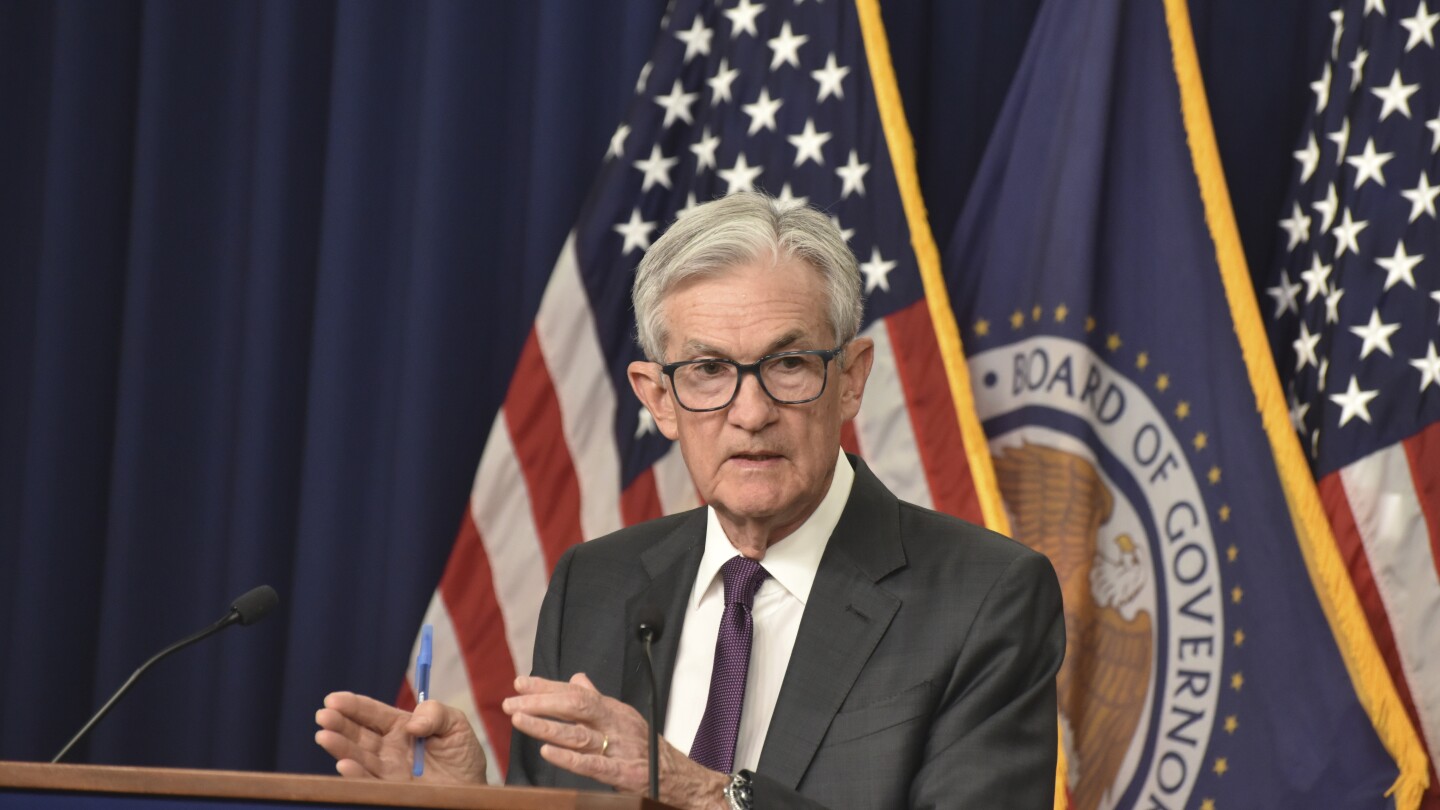
Named in the 1960s, stagflation shattered long-held economic theories when it emerged during the 1970s oil crisis. In April 2025, Federal Reserve Chair Jerome Powell warned that the Trump administration’s tariffs were “significantly larger than expected “with likely effects that included “higher inflation and slower growth”—the classic precursors to stagflation. With companies planning layoffs, Americans faced the prospect of an economic challenge that generations of policymakers had largely avoided.
Below, we explore stagflation’s history, why traditional economic theories struggle to address it, and how it hurts everyday people as prices rise and jobs disappear.
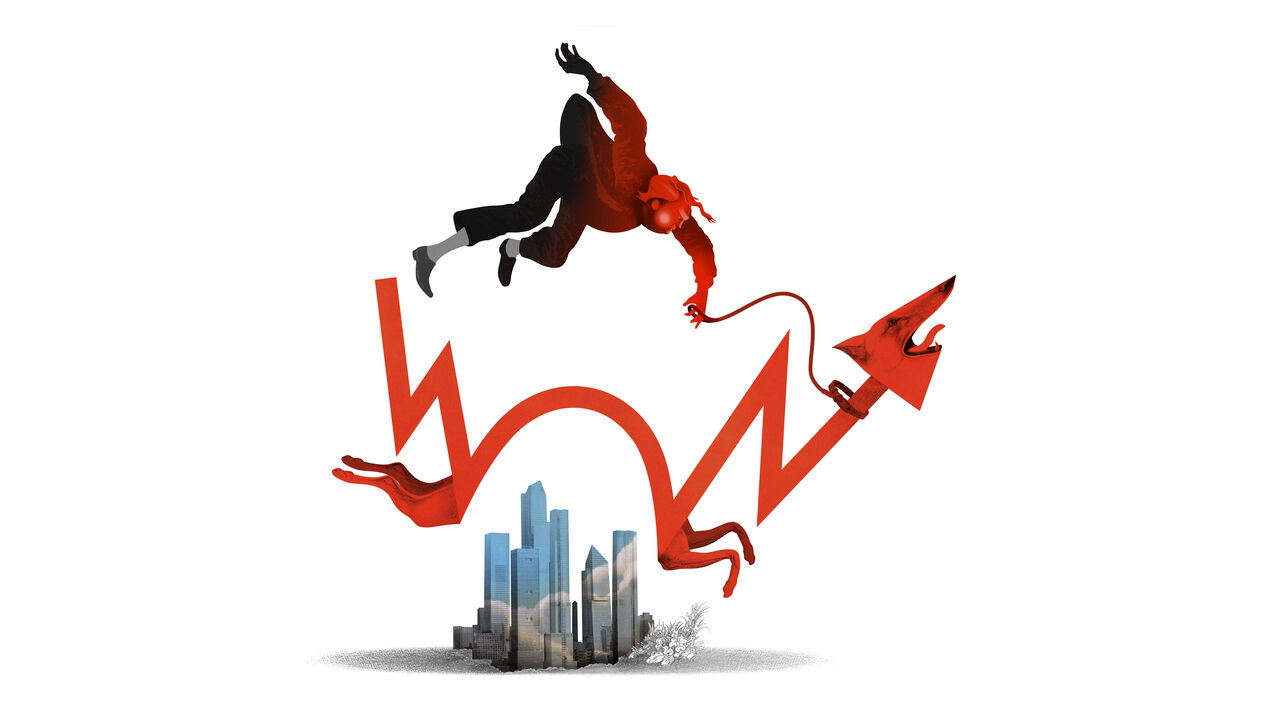
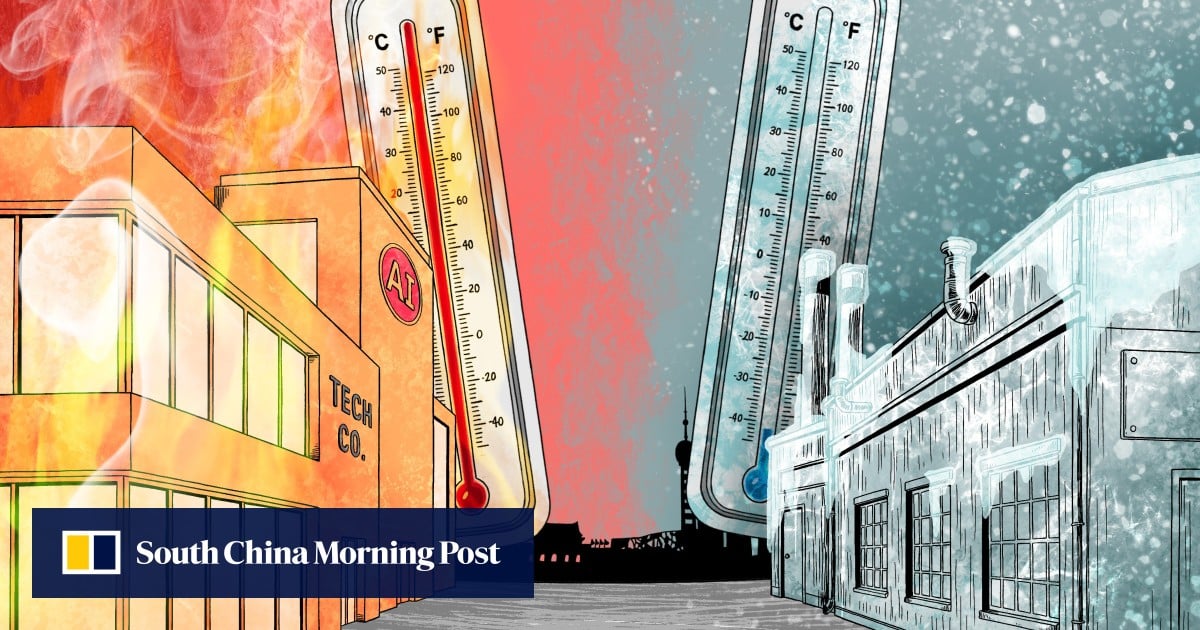
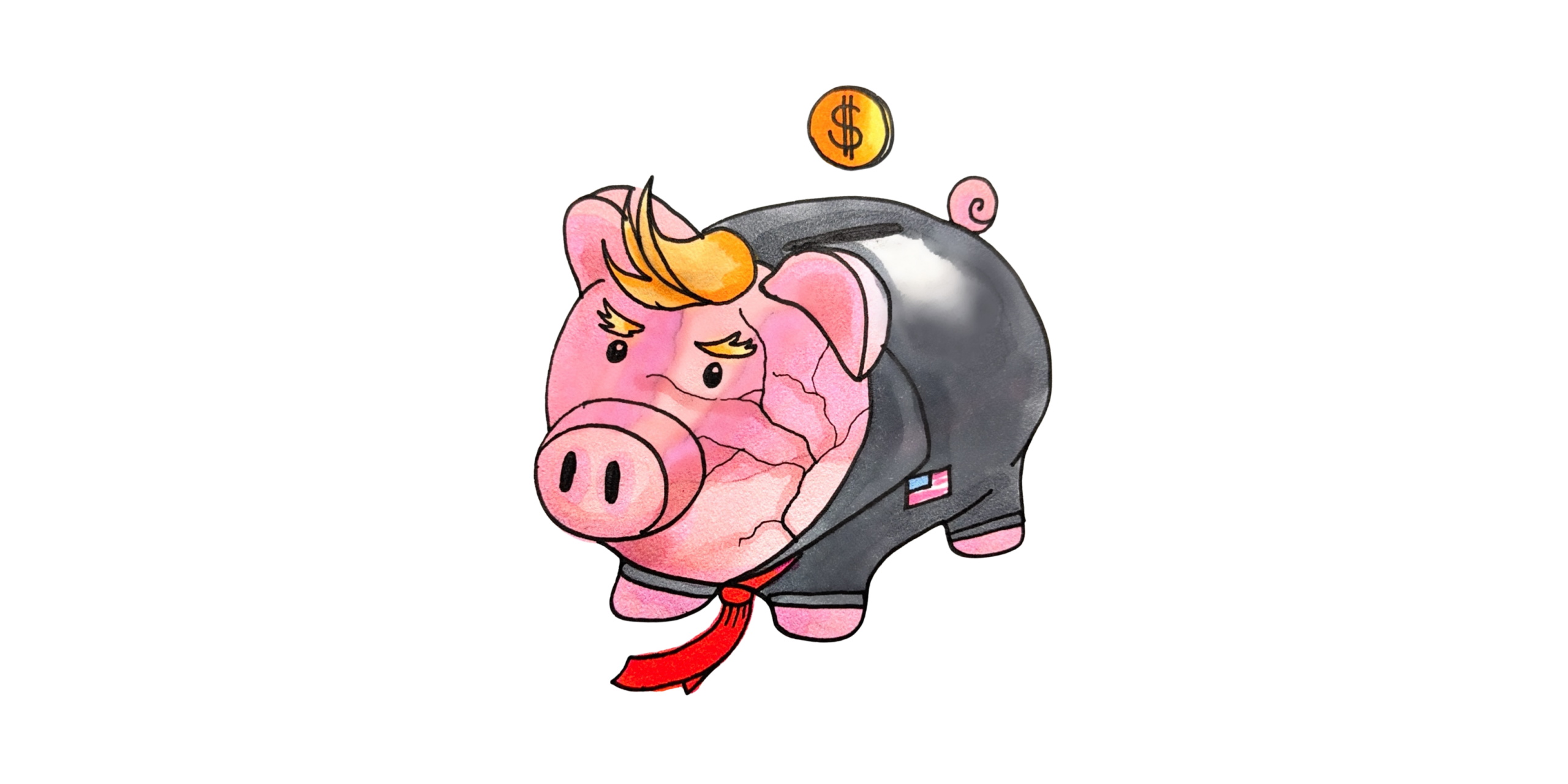
Investopedia / Jiaqi Zhou
What Is Stagflation?
Stagflation combines stagnant economic growth, high unemployment, and persistent inflation. It defies traditional economic models, which typically show inflation rising during strong economic growth and falling during recessions.
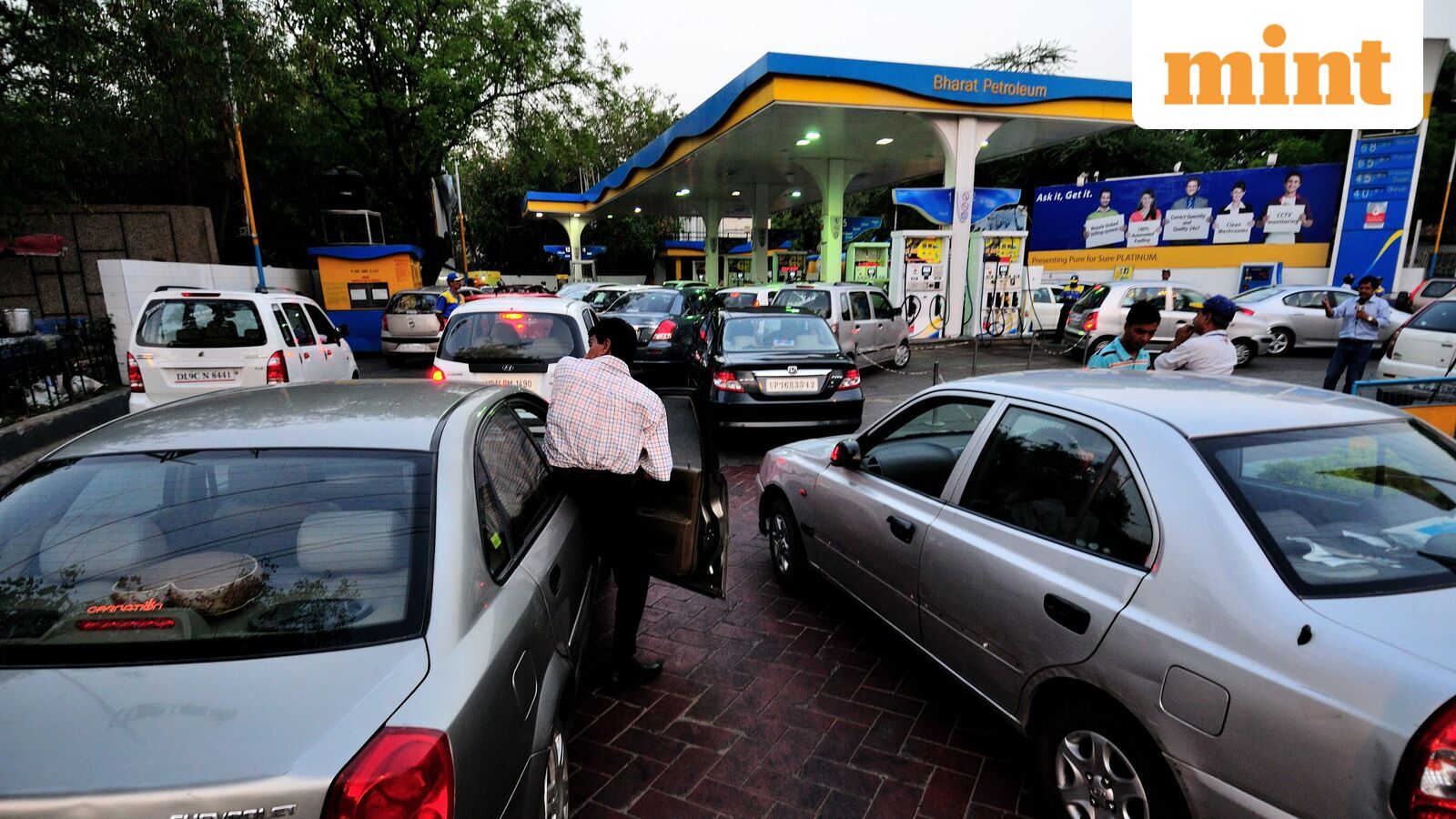
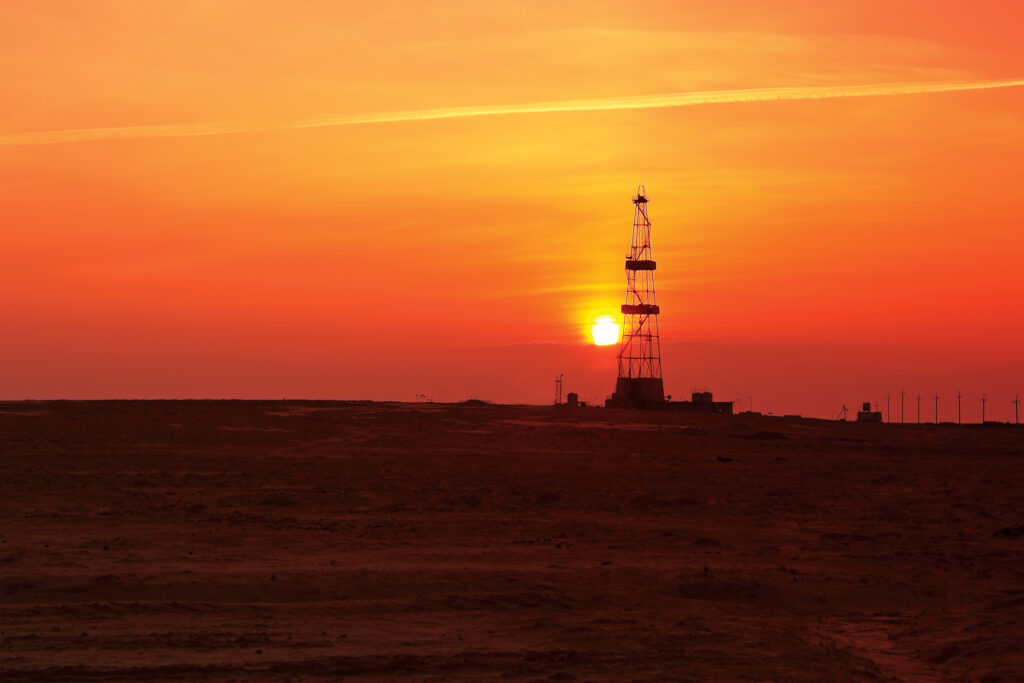
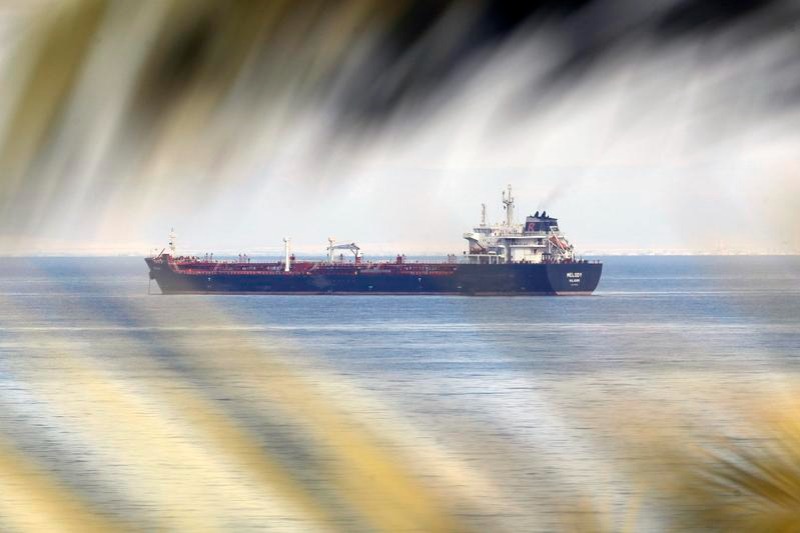
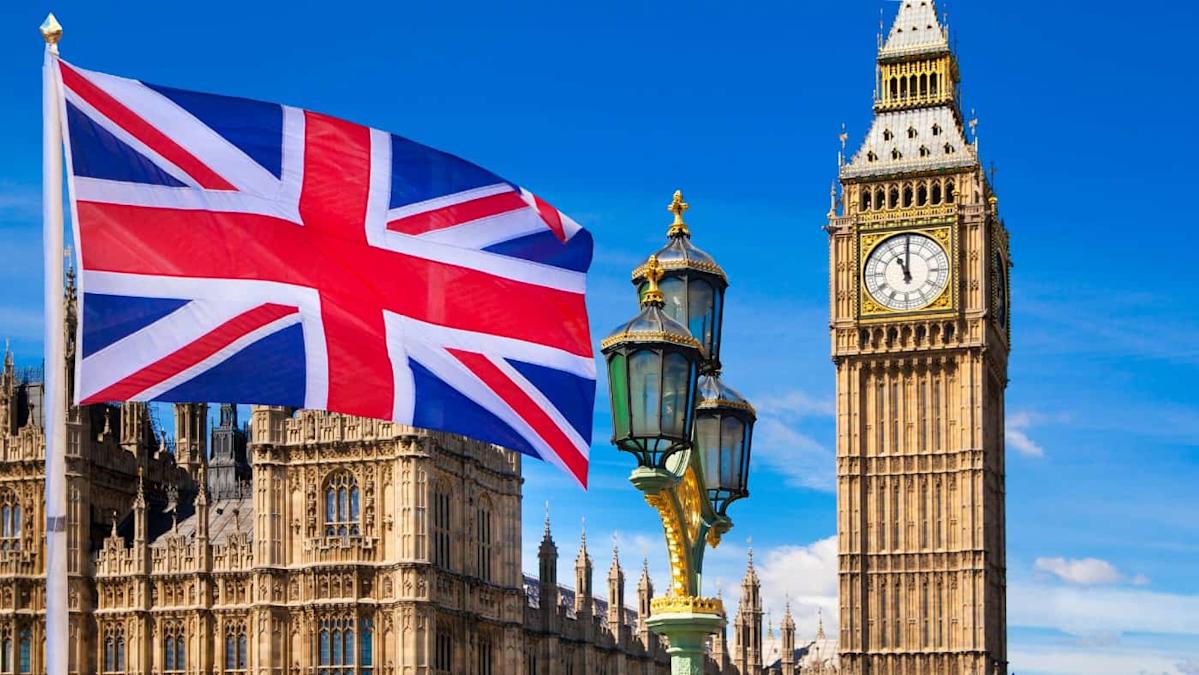
British politician Iain Macleod first used the term “stagflation” in a 1965 speech to the House of Commons to describe the U.K. economy. The term gained far wider prominence during the 1970s oil crisis when OPEC’s embargo triggered a dramatic increase in energy prices in the U.S. and Europe. This supply shock drove up production costs across the economy while simultaneously reducing economic output.
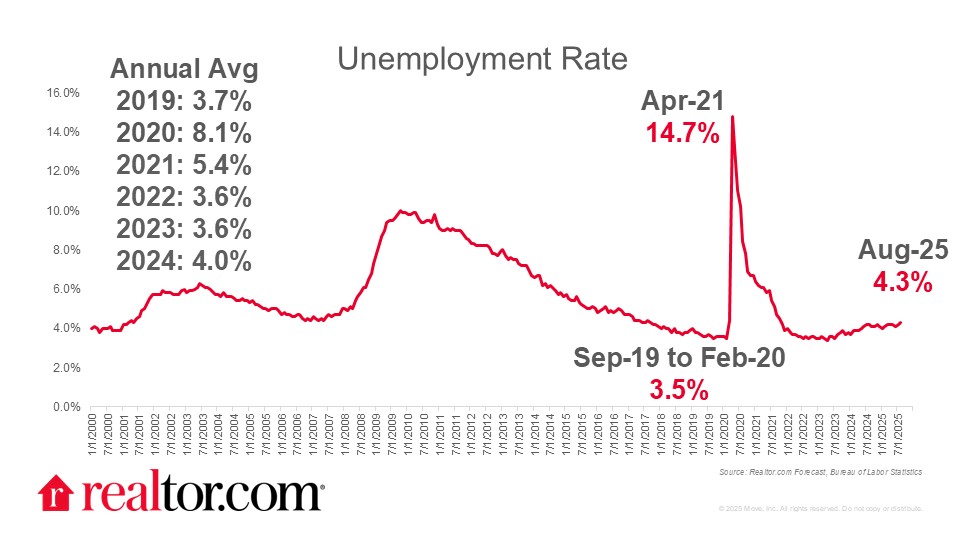
The severity of stagflation can be measured by the “misery index,” a straightforward sum of the inflation and unemployment rates. As the misery index rises, Americans face the painful combination of fewer available jobs and declining purchasing power.
Stagflation is particularly troublesome because the traditional tools that address one problem typically worsen the others. Tightening monetary policy (increasing interest rates) to fight inflation typically slows growth and thus increases unemployment, while stimulus measures (increasing government spending) to boost growth may accelerate inflation since that increases demand, putting pressure on prices. This policy dilemma explains why stagflationary periods like the 1970s tend to be prolonged and difficult to resolve.
The mid-2020s provide an economic environment with all the classic precursors to stagflation—rising prices caused by significant new tariffs likely to increase inflation and tamp down demand, thus dragging down growth, which is why Fed officials were quick to warn about rising prices and slowing growth.
The potential stagflation of the mid-2020s would occur in an economy with much higher debt levels and lower interest rates than in the 1970s, limiting the policy options available to governments and central banks.
History of Stagflation
Before the 1970s, the widely accepted Phillips curve, which developed from a strand of Keynesian economics, suggested an inverse relationship between unemployment and inflation—essentially, you could have low unemployment with high inflation or high unemployment with low inflation, but not both simultaneously.
This economic framework led policymakers to focus primarily on managing the tradeoff between these variables (inflation and unemployment). When stagflation struck major economies worldwide in the 1970s, it upended not just the lives of many affected but the conventional economic wisdom, forcing a generation-long rethinking of macroeconomic theory and policy.
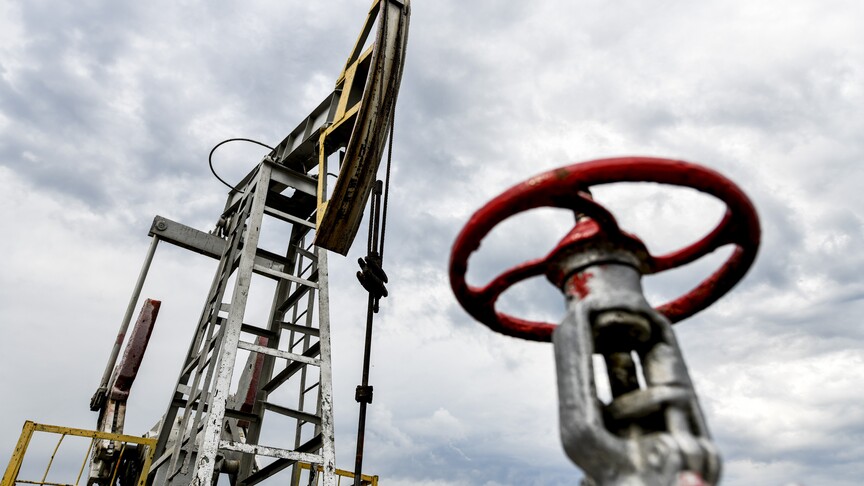
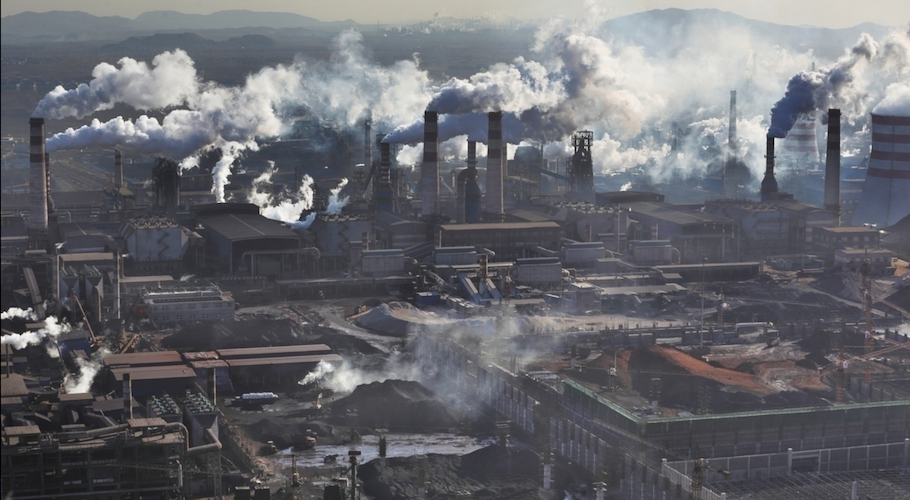
The oil price shocks of the 1970s provided what would become a textbook example of how stagflation can emerge. After OPEC imposed an oil embargo in 1973, energy costs surged, increasing production and transportation expenses across the economy. Companies faced with higher costs had to reduce output (leading to layoffs) or raise prices (feeding inflation), and many did both. The result was a toxic combination of rising unemployment and accelerating inflation that persisted throughout the decade.
By the late 1970s, U.S. Federal Reserve Chair Paul Volcker guided the Fed through a vice-like tightening of monetary policy, raising interest rates dramatically (the federal funds rate peaked at almost 21% in 1981), to break the inflationary spiral. These policies helped spark two recessions in the early 1980s, with the unemployment rate reaching 10.8% in 1982. The episode changed how the Fed and other central banks approach inflation, giving it priority over employment to avoid the risk of stagflation.
Since Volcker, the standard view has been to combine the Phillips curve with the monetarist emphasis on inflation expectations. As Fed Governor Adriana D. Kugler put it in April 2025, “When we think about the Phillips curve and its trade-off nowadays, we account for the important role of expectations of different individuals throughout the economy.” In other words, inflation expectations can fuel stagflation even when economic conditions appear stable, which is an issue Volcker believed the U.S. faced in the late 1970s.
By no means universal, most monetary policymakers took away from this period several lasting lessons:
- Central bank credibility is essential to keep inflation expectations in line. When people trust that the central bank will maintain price stability, they’re less likely to engage in behaviors that fuel inflation, such as preemptively raising prices.
- Supply-side shocks require different responses than demand-driven fluctuations. While raising interest rates may cool excessive consumer demand, this approach is less effective against inflation caused by reduced production capacity or higher input costs, both of which are more likely to happen with a significant rise in tariffs.
- The timing and communication of policy changes significantly impact their effectiveness. Clear guidance about policy intentions helps shape market expectations; hence, Fed chairs have been far more publicity-minded—and publicly known—than before the 1980s.
Tip
Economists have been puzzled by the data in recent years, which suggests that significant drops in unemployment won’t necessarily lead to the same increases in inflation that the traditional Phillips curve would predict. Increases in unemployment haven’t resulted in as much of a decrease in inflation as they once did. Described as a potential “flattening” or “nonlinear” Phillips curve, this could make it even more difficult for policymakers to address stagflation.
What Causes Stagflation?
Modern economics can be described only slightly tongue-in-cheek as a continuous battle over the causes of the stagflation of the 1970s. Here are the more compelling explanations.
Supply Shocks
The most widely accepted view focuses on the era’s major supply disruptions. When significant economic shocks reduce an economy’s productive capacity while simultaneously raising costs, both inflation and unemployment can rise together, as occurred during the 1970s oil crisis.
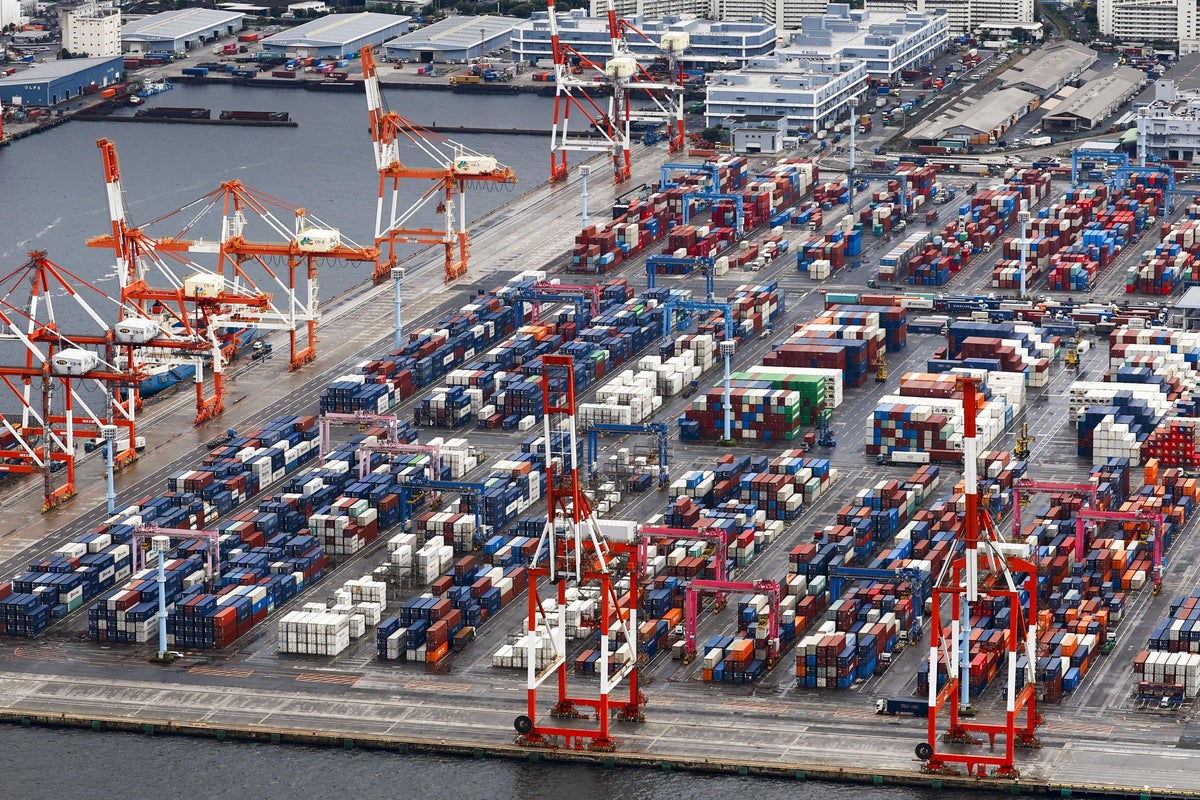
Higher tariffs can have the same effect, especially when put in place very quickly. As Powell noted after the 2025 tariffs were adopted, “Higher tariffs will be working their way through our economy and are likely to raise inflation in the coming quarters.” Like the oil shock, trade barriers could create widespread cost increases across supply chains. When companies face higher costs, they often raise prices and cut production, which can lead to job losses, though the impact varies by industry.
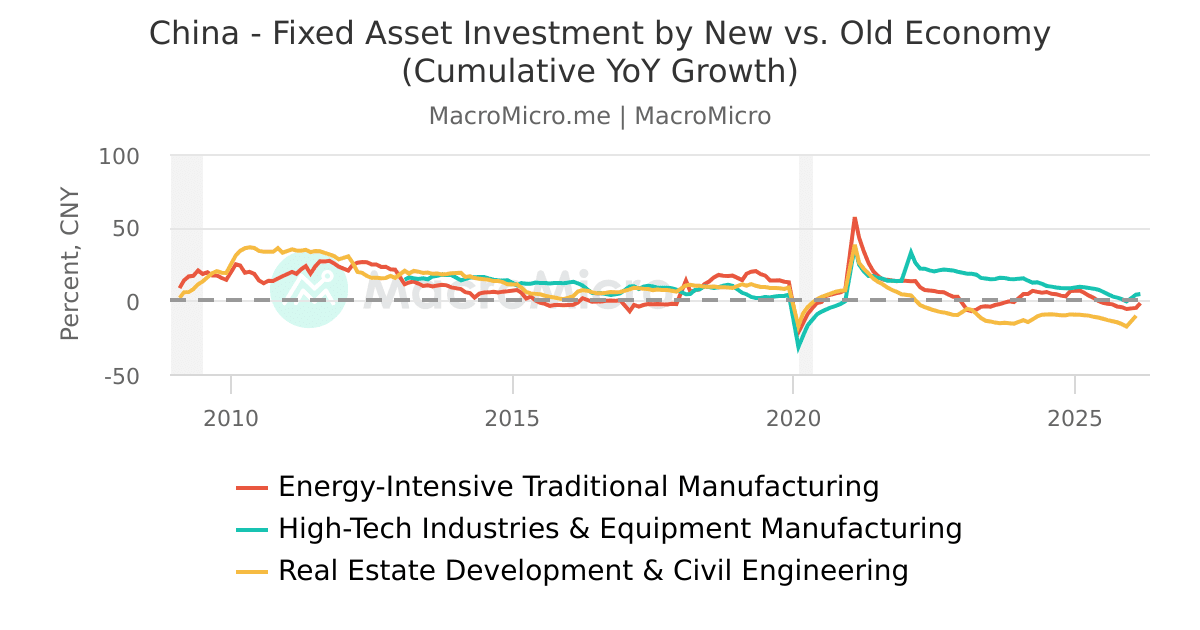
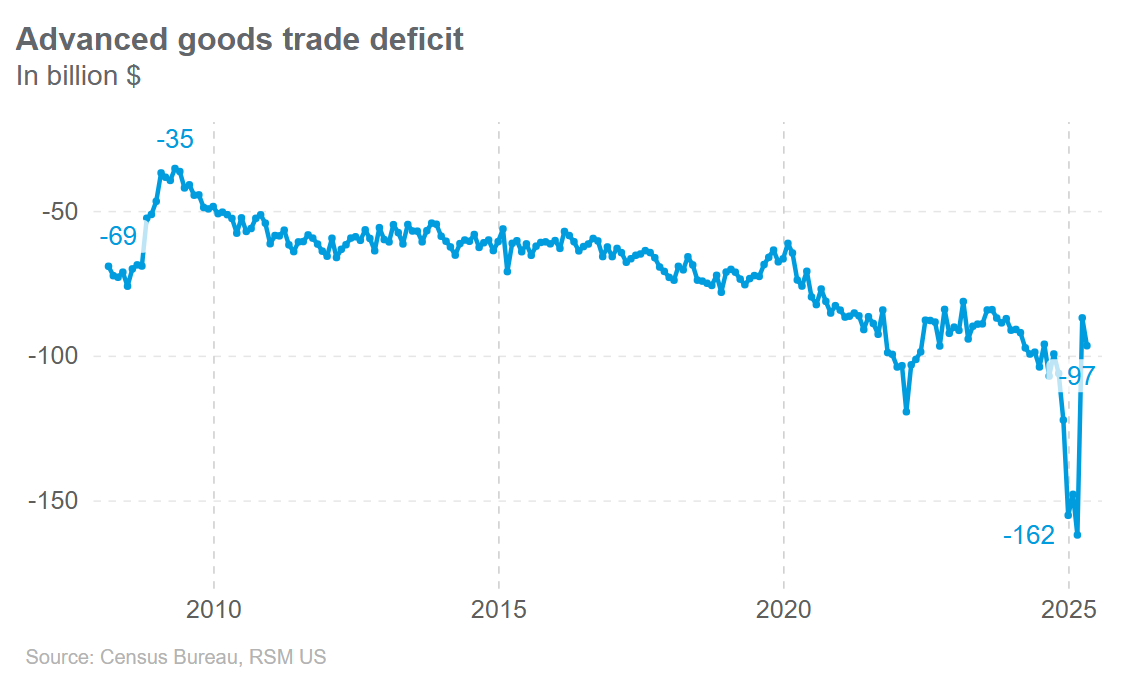
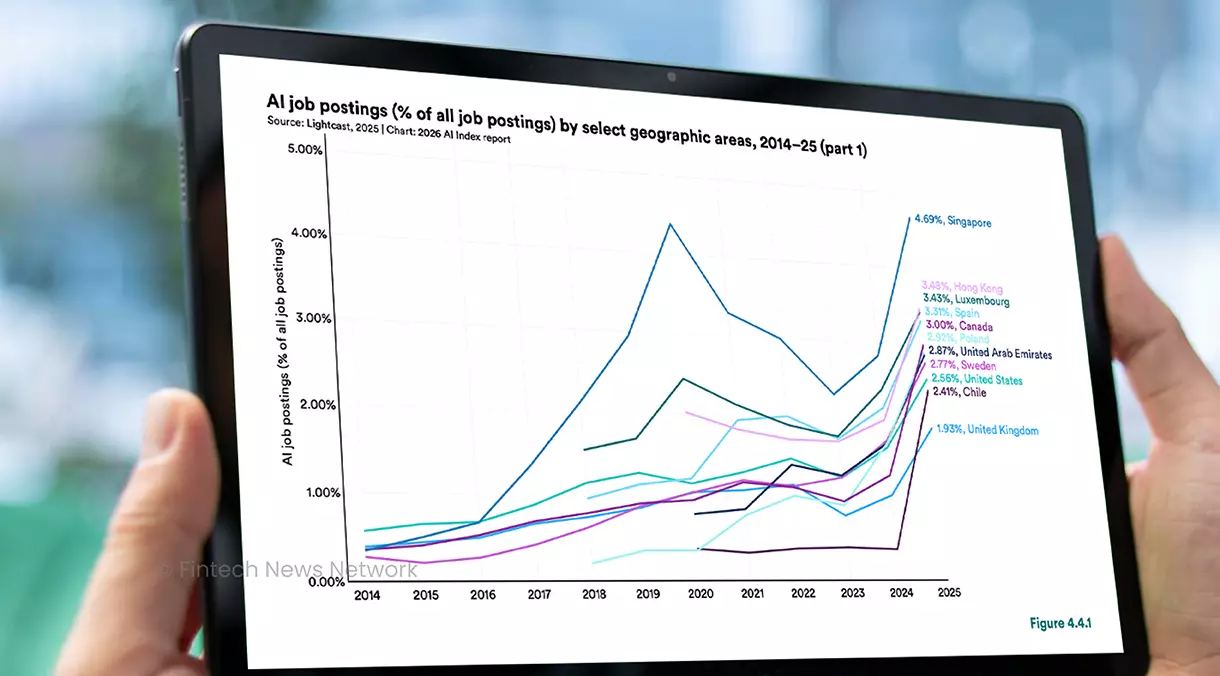
Economists model their expectations for the drag tariffs will have on growth, not just in the near future but long term:
Policy Miscues
Bad policy can also have disastrous economic effects, including stagflation. One key risk arises when fiscal policy (government spending and taxation) clashes with monetary policy (actions by the central bank). For instance, the 2025 Trump administration tariffs directly increase the cost of goods, putting great pressure on inflation, a problem the Fed was combating for several years without yet reaching its target inflation rate of 2.0%.
Monetarists argued that the policy mistakes of the Keynesians in government led to stagflation in the 1970s. They argue that central banks kept interest rates too low for too long as inflation was rising, inadvertently fueling an inflationary spiral. This created a situation where the public began to expect continued inflation, leading to preemptive price increases and hindering long-term investment.
The inherent difficulties in responding to supply shocks—neither the government nor the Fed can solve logistics issues—make policy blunders more likely. Standard tools, like raising interest rates to fight inflation, can be less effective when supply constraints drive inflation rather than excessive demand. In such times, so-called demand-side tools risk further stifling economic growth and increasing unemployment, thus worsening the stagflationary conditions.
Tip
De-Anchored Expectations
Economists and monetary officials often speak about inflation expectations being “anchored” or not. Entering wider use after a 2007 speech by then Fed Chair Ben Bernanke, “anchored” expectations are “relatively insensitive to incoming data.” In economics and business, ignoring the data is often a bad sign, but not in this case: When expectations are well-anchored at the target level set by the Fed (about 2%), people don’t overreact to temporary inflation fluctuations.
Inflation expectations are the rate at which the public (consumers, businesses, and investors) expect prices to rise in the future. This is important since central bankers generally argue, as Bernanke put it in a 2022 speech, that “inflation expectations…are an important determinant of realized [real or actual] inflation.” If everyone expects prices to rise by 3% over the next year, businesses will want to raise prices by at least 3%, and more employees will ask for raises that adjust for that higher figure. So, if inflation expectations rise by 1%, actual inflation tends to rise by 1% as well.
Bernanke and other Fed officials argue that unstable inflation expectations helped drive the high inflation of the 1970s and early 1980s. Rising prices fueled expectations, pushing businesses to raise prices and workers to demand higher wages, creating a wage-price spiral that was hard to stop even as unemployment rose.
Tip
Your ears should perk up if you hear about anchored or de-anchored expectations in the financial press. If inflation expectations are “well-anchored,” this is all-important for how policymakers fight stagflation: it might mean fiscal and monetary moves to attack slowing growth won’t affect inflation expectations and thus, often enough, actual inflation numbers later on.
Stagflation Warning Signs
- Supply disruptions: Major interruptions to supply chains, whether from geopolitical conflicts, rising tariffs, or natural disasters, often precede stagflation.
- Rising input costs: When businesses face steadily increasing costs for essential inputs like energy, materials, or labor that outpace productivity growth, stagflationary pressures build.
- Declining productivity: Falling output per worker could signal structural economic problems that can contribute to stagflation. This is especially a problem when it occurs alongside rising wages.
- Policy uncertainty: Erratic or unpredictable economic policies make it far more difficult for businesses to plan hiring and other investments.
- Rising long-term inflation expectations: When businesses and consumers begin anticipating persistent inflation—these become “de-anchored”—they may change behavior in ways that make further rises in inflation self-fulfilling.
- Slowing growth with persistent inflation: The most obvious sign is when gross domestic product growth wanes below trend for multiple quarters while inflation remains elevated.
The Phillips Curve Has Flattened in Recent Years. What Does That Mean in Plain Language?
If we imagine the Phillips curve as a seesaw, in the past, when one side (unemployment) went down a lot, the other side (inflation) would reliably go up. But recently, this relationship hasn’t been working the same way. Even when unemployment has dropped quite a bit, inflation hasn’t gone up as much as experts expected. It’s like one side of the seesaw can go down quite low without the other side rising very high.
This complicates any solutions to stagflation because it implies that the traditional policy tools might not help.
How Could the Trump Tariffs Set Off Stagflation?
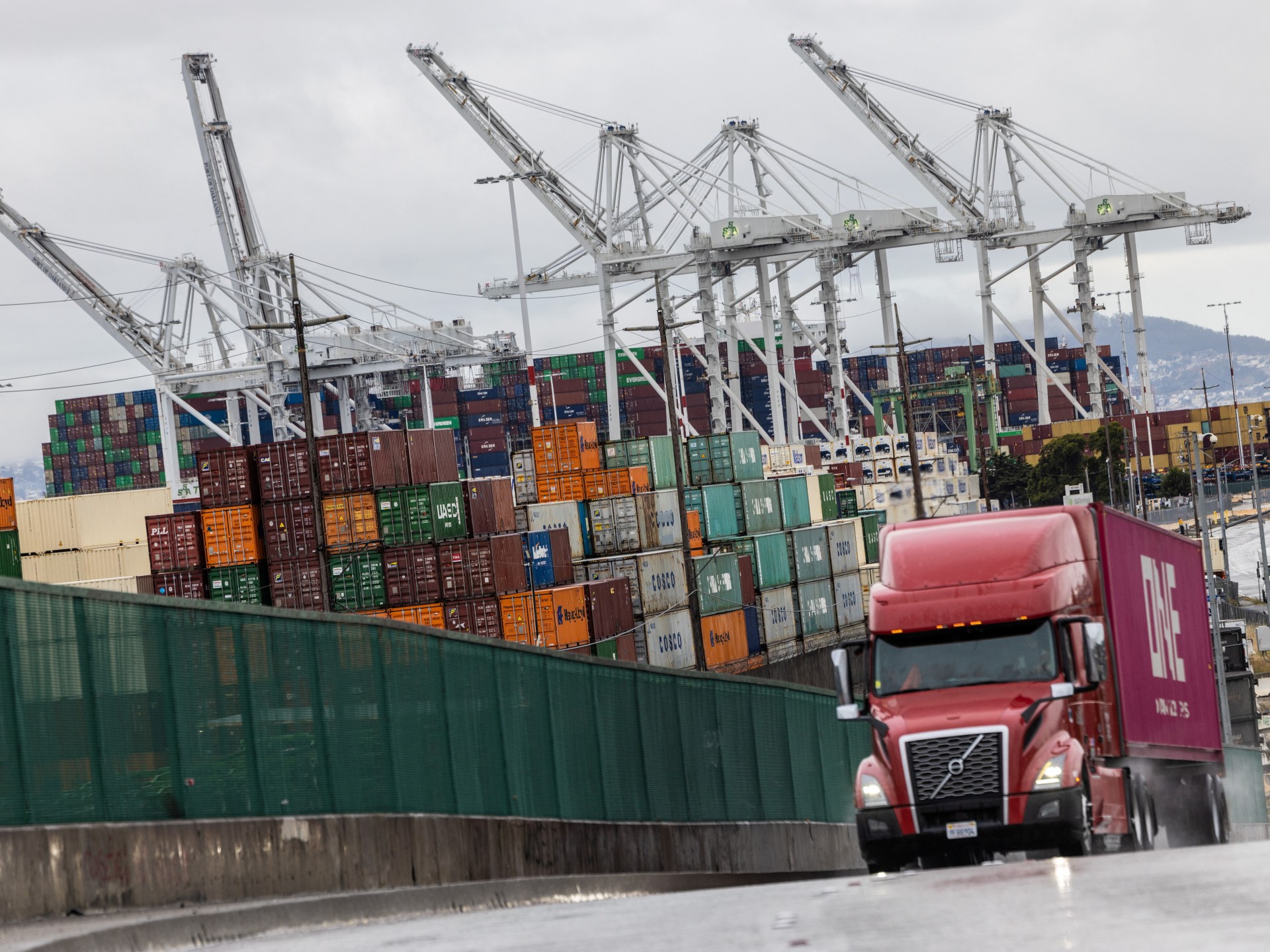
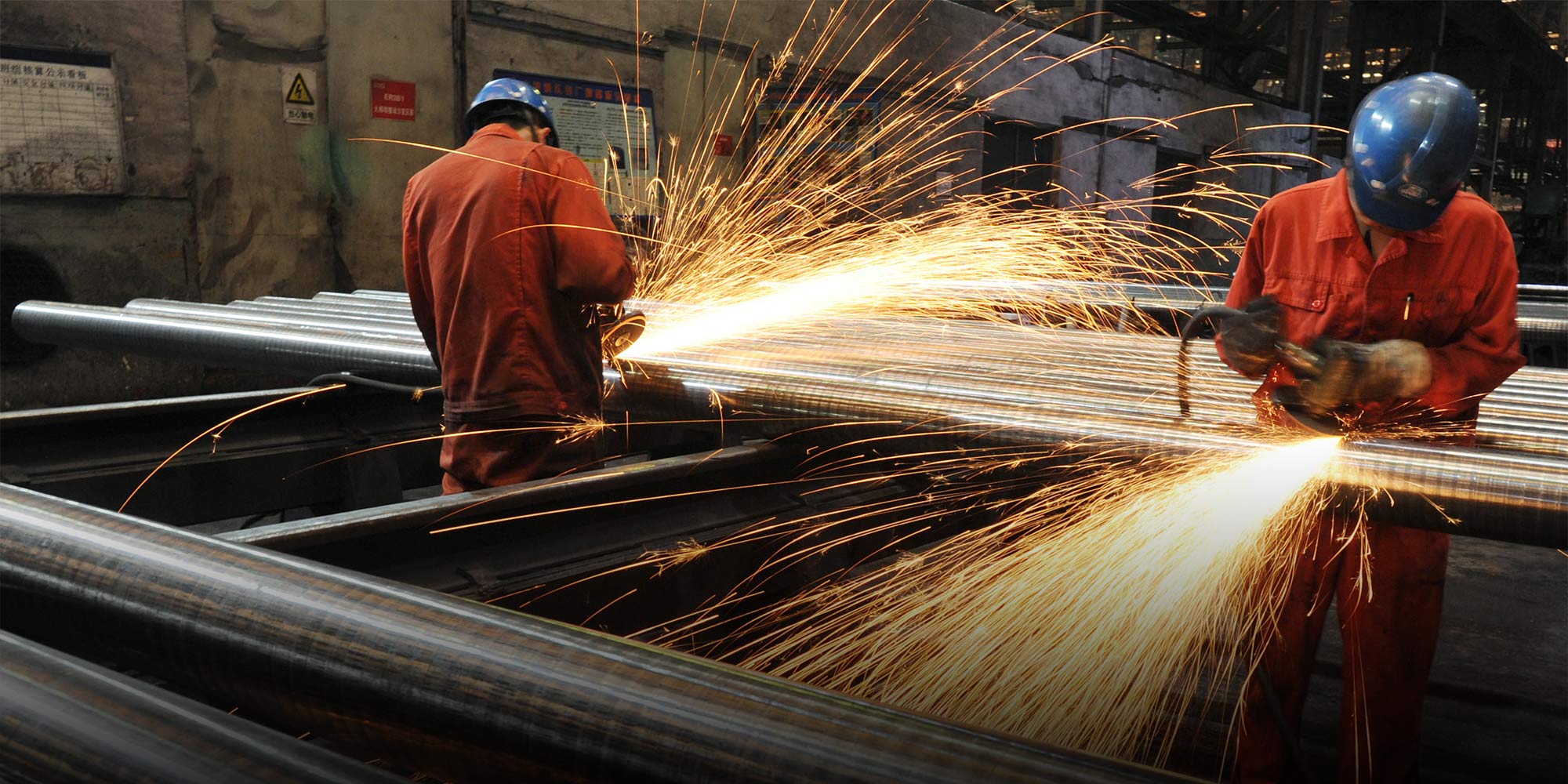
Tariffs, like those introduced in 2025, can contribute to stagflation by acting as a supply shock. They increase the cost of imported goods, leading to higher prices for consumers and businesses (inflation). Simultaneously, these higher costs can lead to cuts in business investment and consumer spending, potentially slowing economic growth and leading to layoffs—the very definition of stagflation.
Why Is Stagflation a Harder Problem To Combat Inflation or Other Economic Problems?
Stagflation is generally considered more difficult to resolve than standard inflation or a recession. This is because the typical policy responses to fight one problem tend to worsen the other. For example, raising interest rates to combat inflation can slow economic growth and increase unemployment, while lowering rates or increasing government spending to boost growth can fuel inflation.
The Bottom Line
Stagflation is a profoundly difficult problem for policymakers to combat. Unlike typical recessions or periods of high inflation, stagflation defies conventional economic solutions because addressing one aspect typically worsens the others.
The 2025 Trump tariffs revived concerns about this economic phenomenon in a way not seen since the 1970s, with Federal Reserve officials warning about higher inflation alongside slower growth. For individuals, stagflation means the double burden of shrinking job opportunities while the cost of living climbs—a combination that makes planning one’s financial future as perilous as stagflation is to counter at the national level.