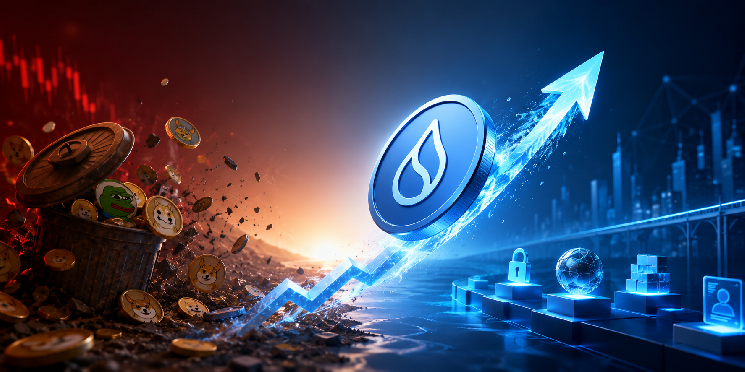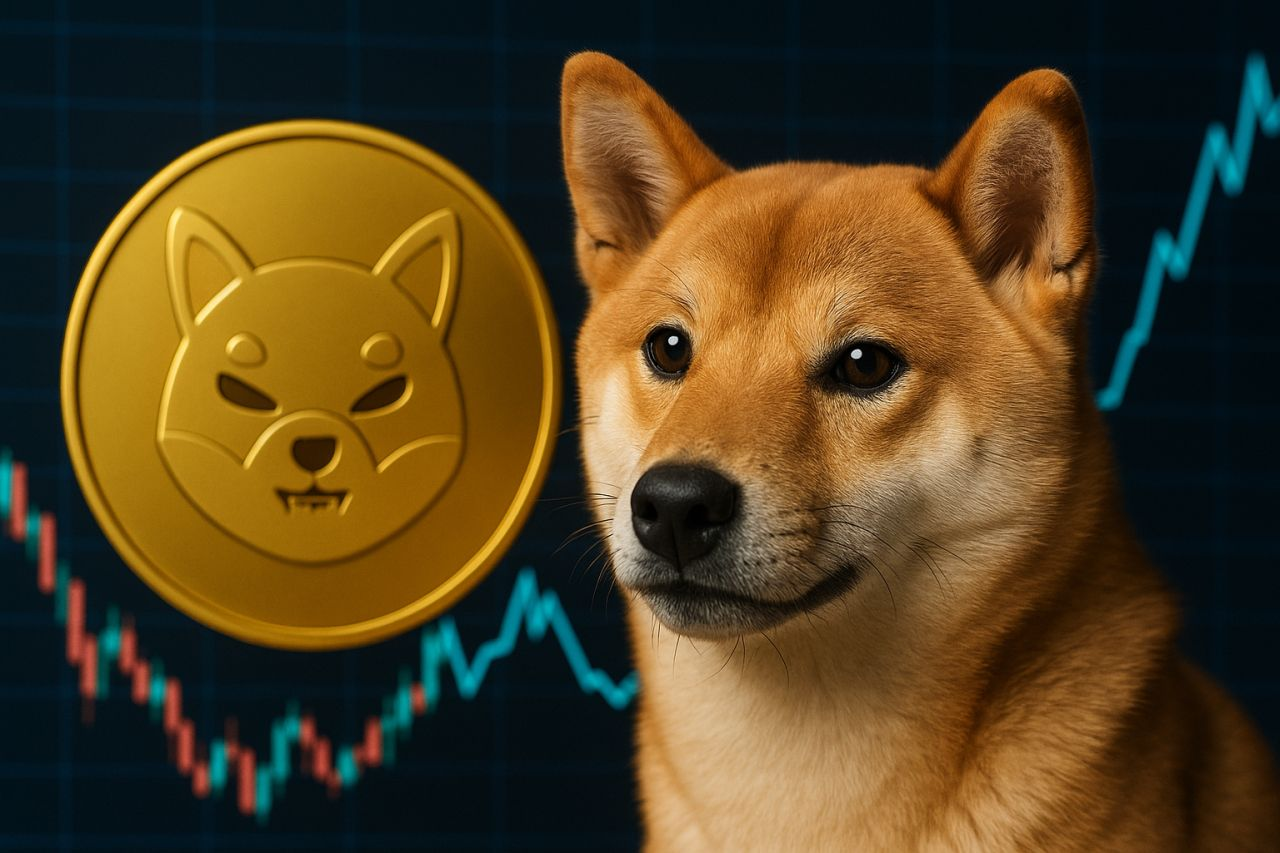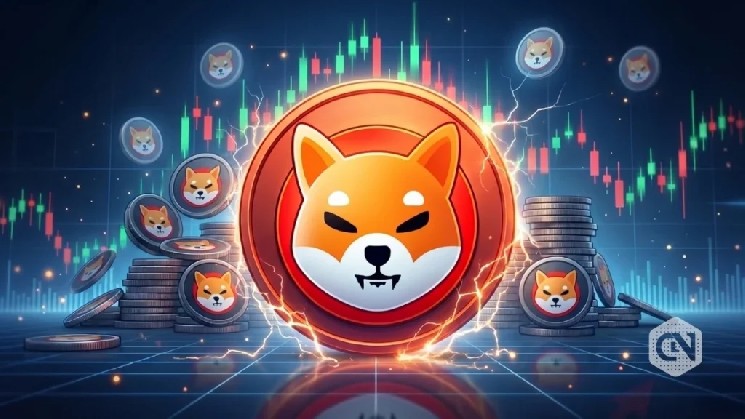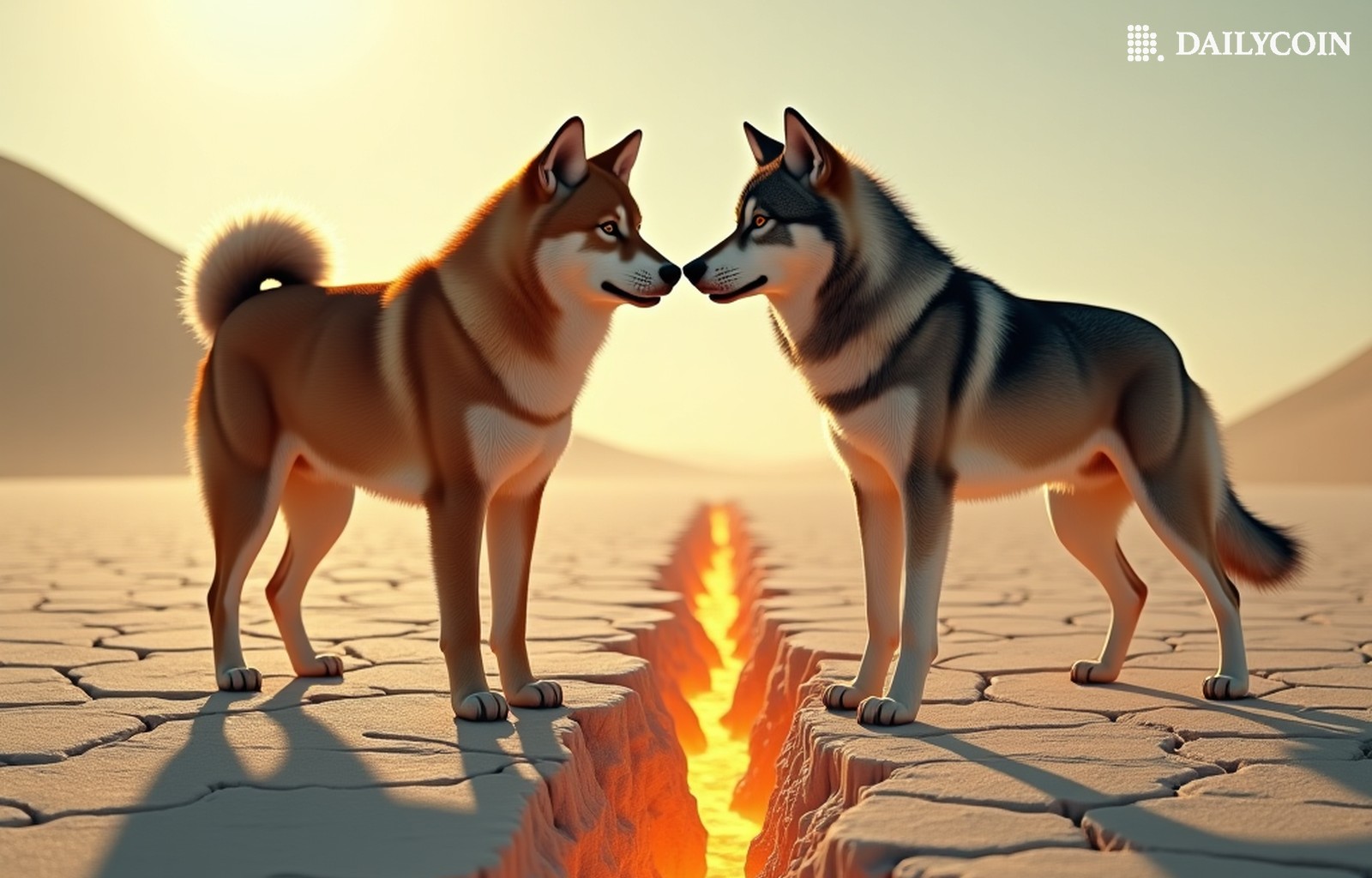
As the battle for meme coin supremacy continues, both Shiba Inu and Terra Luna Classic are leaning heavily on token burns to create scarcity. But a closer look reveals two very different deflationary playbooks — and one is proving far more effective than the other.
Shiba Inu’s High-Profile Burns Come In Handy
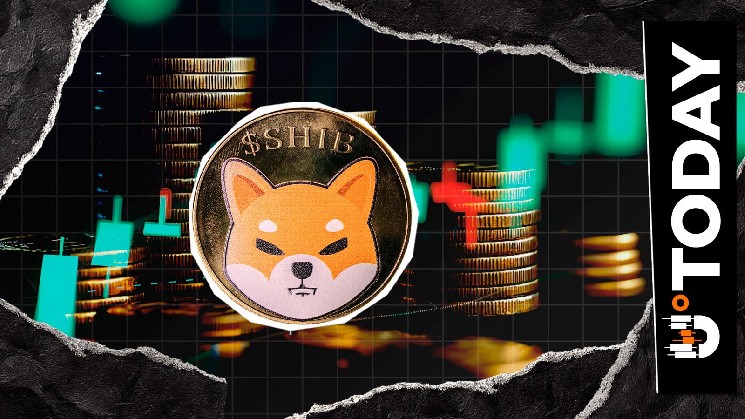
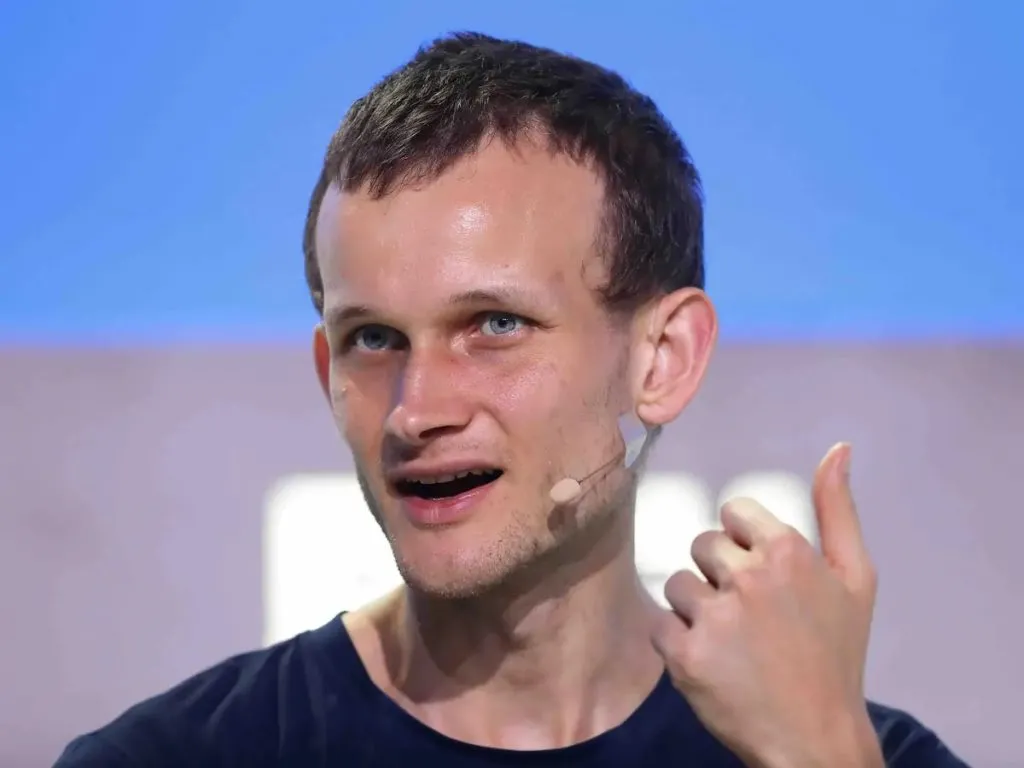
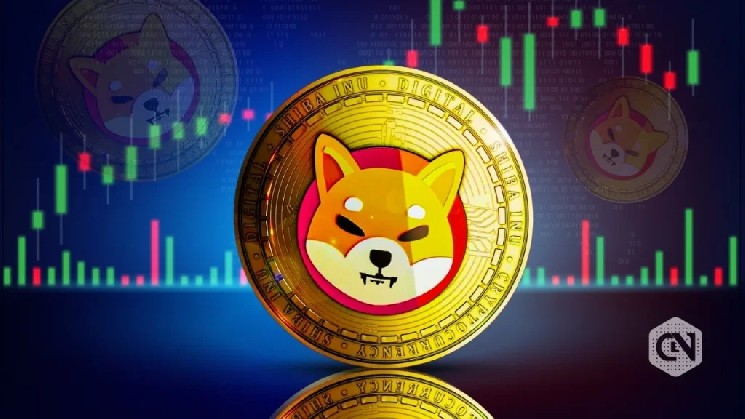
SHIB’s most famous moment came in 2021 when Vitalik Buterin burned 410 trillion tokens in a single transaction — roughly 41% of the total supply at the time. Since then, the SHIB community has continued burning through manual transfers and transaction fees on Shibarium.
The total burned now exceeds 410 trillion, leaving a circulating supply of approximately 589 trillion.
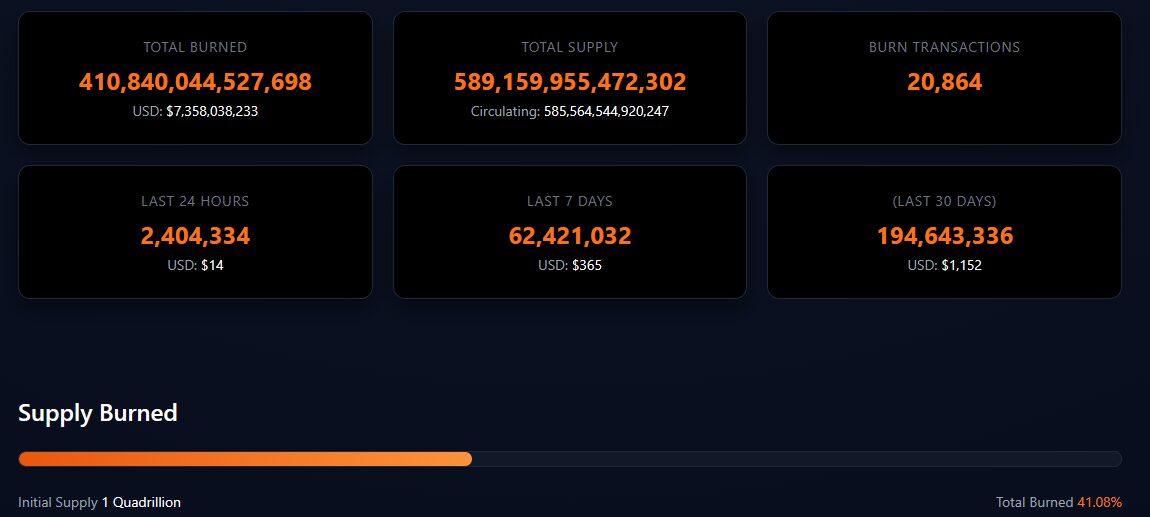
While these burns generate strong headlines and occasional price spikes, they remain largely event-driven and inconsistent. Daily burn volumes fluctuate wildly — sometimes just a few million, occasionally spiking to 20–30 million on hype days.
On a supply this large, the day-to-day impact remains relatively modest.
LUNC’s Structured Burn Machine Explained..
Terra Luna Classic has taken a more systematic approach. Thanks to its 1.2% tax on transactions (with 0.5% directed to burns) and consistent support from major exchanges like Binance, LUNC has destroyed over 430–450 billion tokens since the 2022 collapse.
With a much smaller circulating supply of roughly 5.54 trillion, LUNC’s burns are steady and structural. Daily burn numbers regularly reach hundreds of millions, creating reliable deflationary pressure that compounds over time.
Which Strategy Is Ultimately More Effective?
LUNC currently holds the edge in deflationary efficiency.
Its built-in burn mechanism and exchange participation create consistent supply reduction, making each token incrementally more scarce. The process is less flashy but far more sustainable.
SHIB excels in narrative and short-term momentum.
Its burns are powerful marketing tools capable of generating viral attention and temporary price surges. However, the sheer size of its supply means even large burns have limited long-term mathematical impact without significantly higher transaction volume.
In a nutshell: While both projects are aggressively burning tokens, LUNC’s deflationary tactics are currently more effective due to their structural consistency and higher relative impact on supply.
SHIB’s burns remain headline-grabbing but lack the steady pressure needed to meaningfully move the needle on such a massive token supply.
The real test for both will be whether rising adoption and transaction volume can turn these burns into sustained price appreciation.
Discover DailyCoin’s popular crypto news today:
Analyst Ties Fed Rate Cuts & De‑Dollarization To XRP Repricing
Bybit Adds New Safeguards to Restrict AI Bot Access to User Funds
People Also Ask:
Shiba Inu has burned over 410 trillion SHIB. Most of that came from Vitalik’s big burn in 2021. Its circulating supply is now around 589 trillion. LUNC has burned roughly 430–450 billion tokens since 2022. Its circulating supply sits at about 5.54 trillion.
SHIB has burned way more tokens overall.
LUNC wins here. It uses a built-in 0.5% burn tax on every transaction. It also gets regular burns from big exchanges like Binance. This creates steady pressure.
Terra Luna Classic’s way is currently more effective. Its burns reduce supply more consistently. SHIB’s burns are bigger but less frequent and less predictable.
Yes. If Shibarium volume explodes, SHIB’s burn rate could improve fast. Right now, it still lags behind LUNC’s steady mechanics.
DailyCoin’s Vibe Check: Which way are you leaning towards after reading this article?