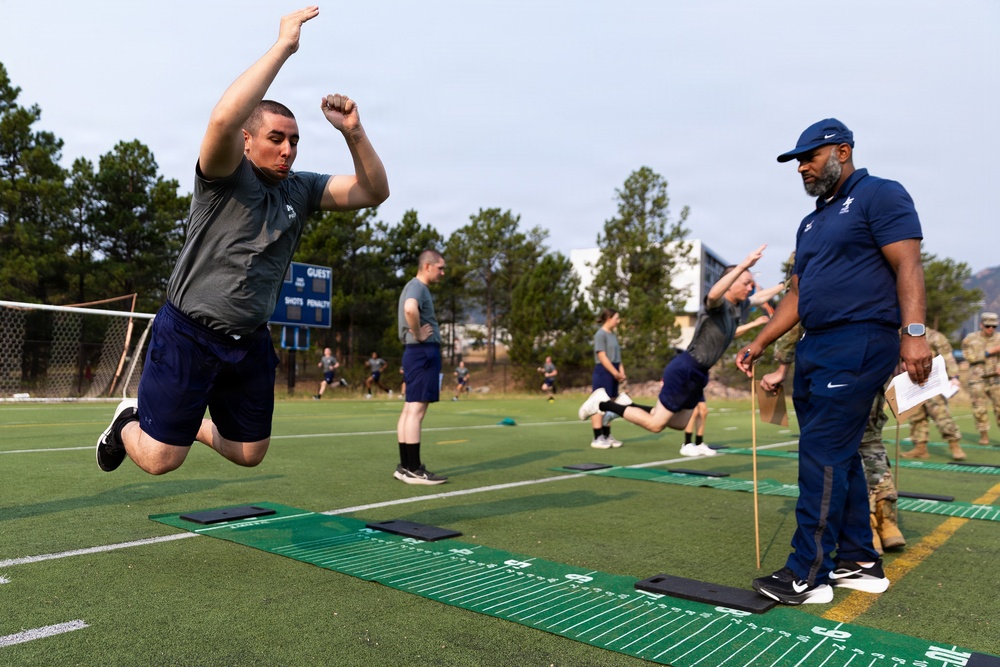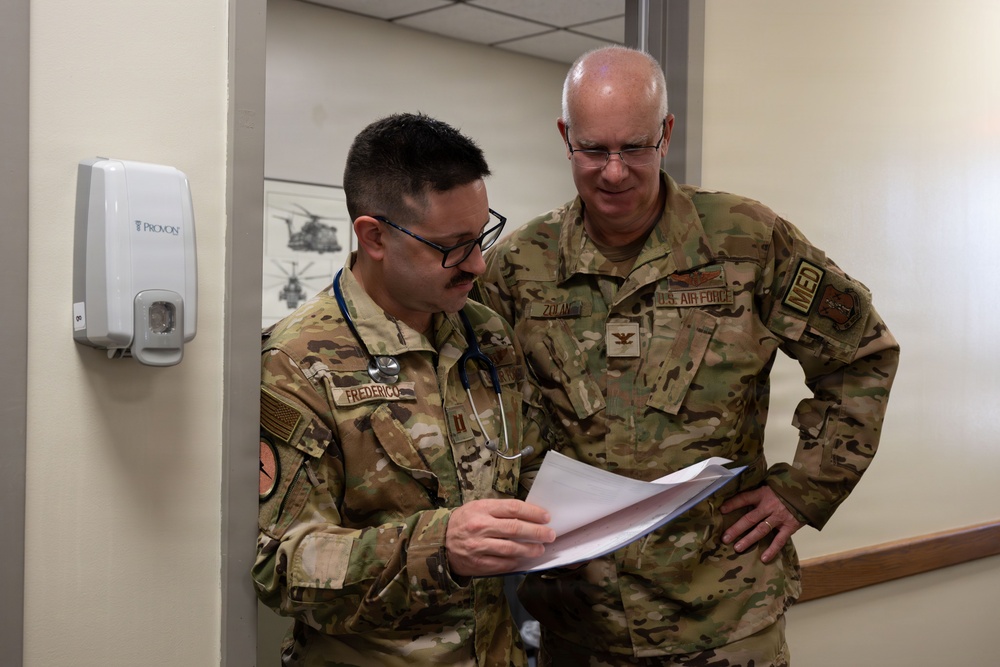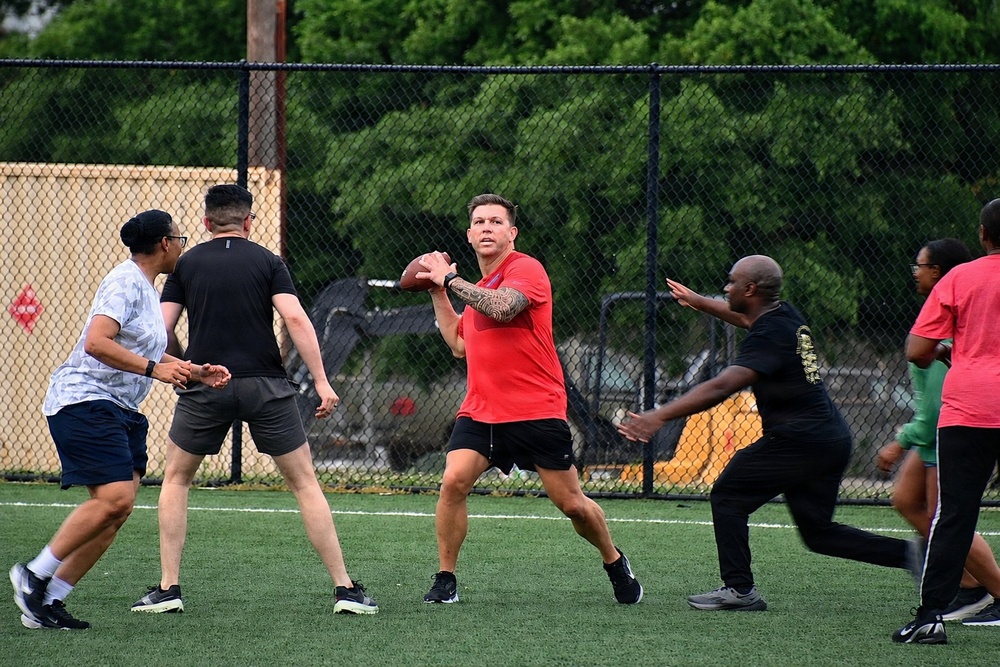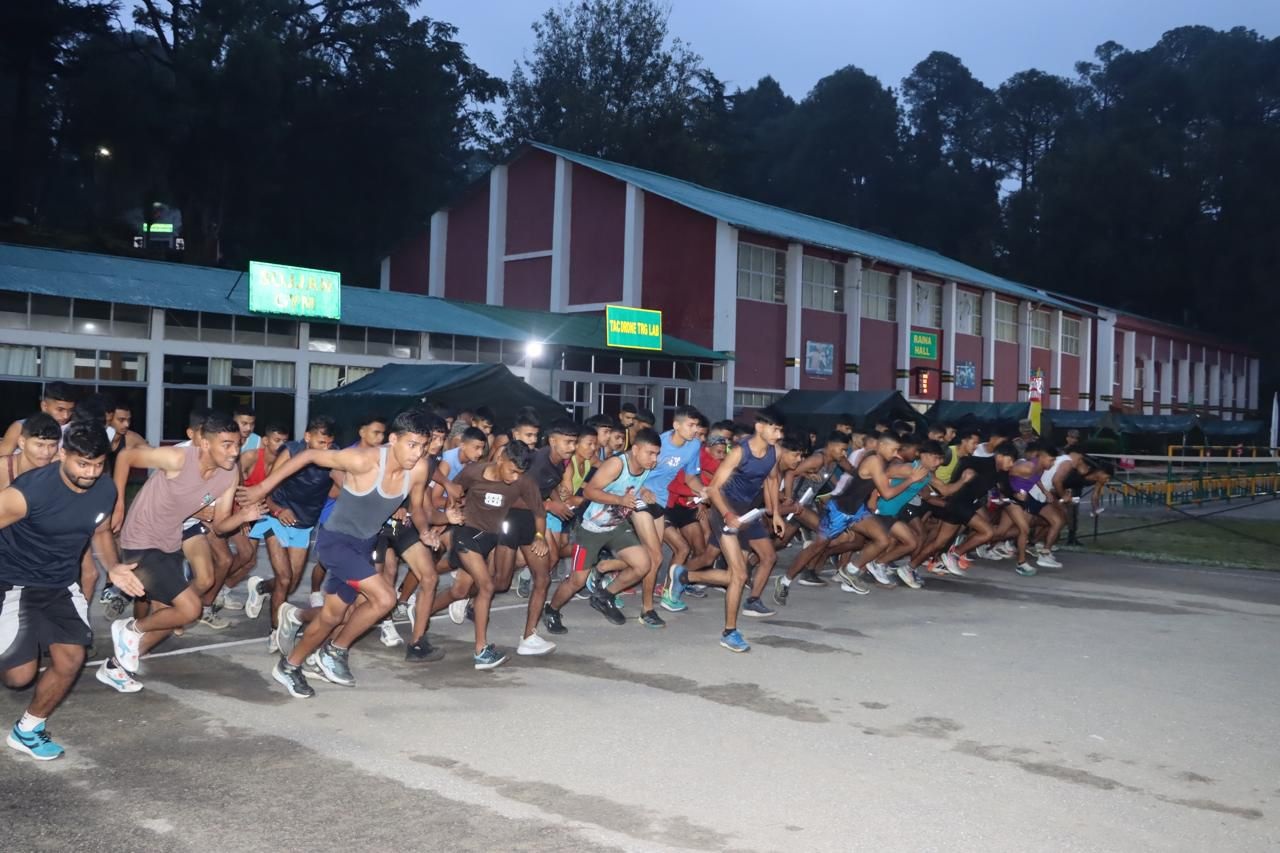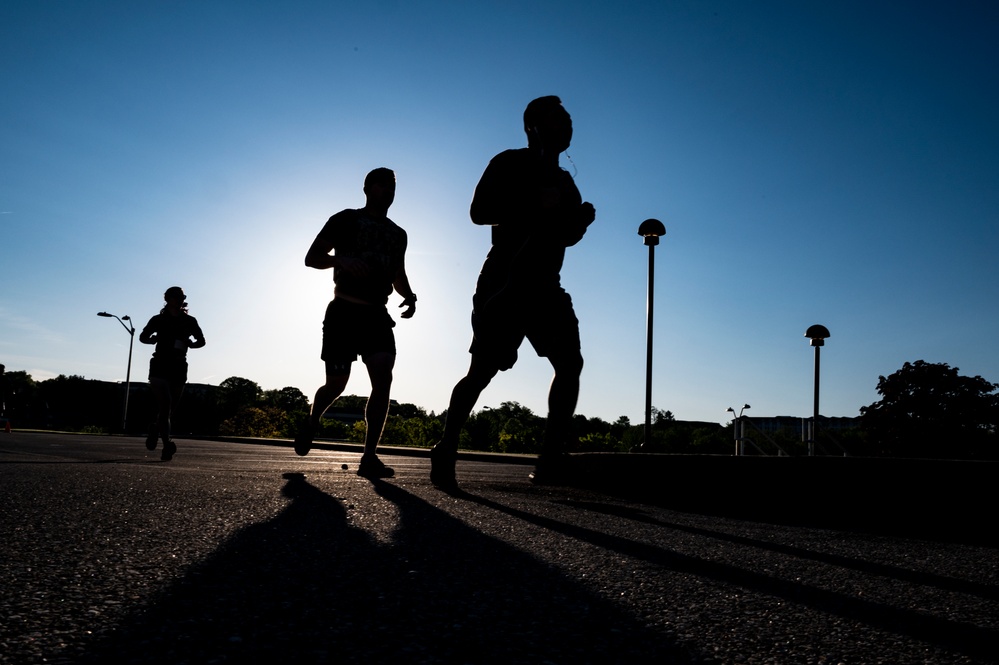
RAMSTEIN AIR BASE, Germany – The Air Force’s updated fitness assessment is prompting Airmen across the force to take a closer look at their physical readiness. With the newly required 2-mile run and the return of waist measurements, many are adjusting their routines, setting new goals and finding ways to prepare for the changes ahead.
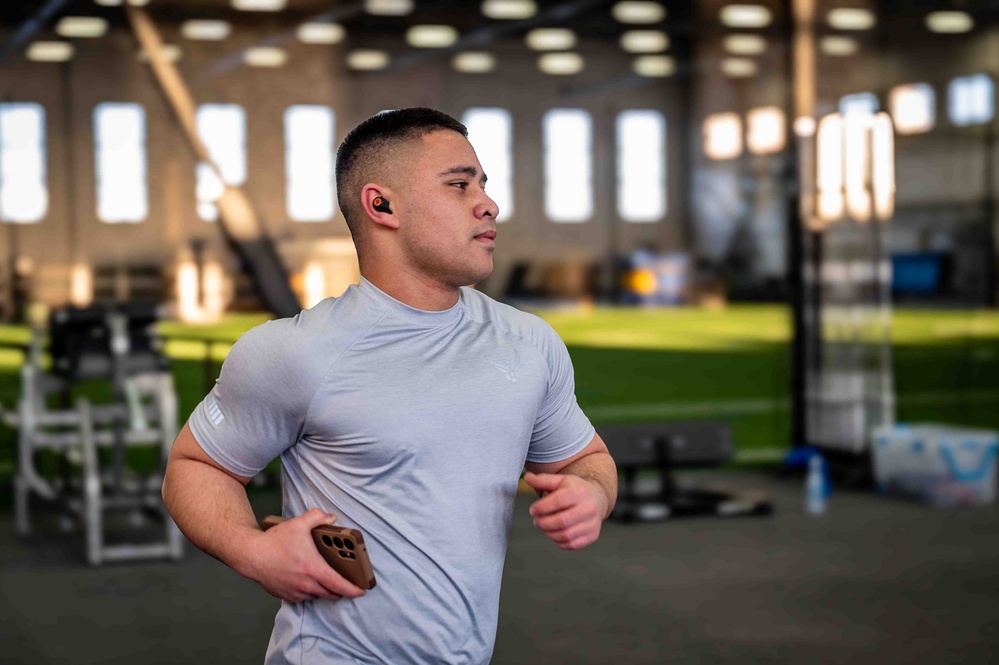
For Airman 1st Class Baldermar Campos, 86th Maintenance Squadron maintenance scheduler, it was a moment to self-reflect and face the habits he’d been ignoring for far too long.
“When I first heard about the changes, I was scared,” he said. “At first they were just talking about it. Then I realized it’s really going to happen and it’s not gonna go away. I need to get off my butt, stop eating junk food and push myself to lose weight.”
Three months ago, Campos weighed 217 pounds. At the time, he recognized that improving his fitness would require more than a simple short-term effort.
After months of sheer discipline and a strict workout routine, Campos has lost 30 pounds.
“One of my NCOs was like, can Campos even still fit into his MOPP gear?” he said. “He wasn’t doing it rudely, he was genuinely asking. That was the moment I was like, ‘Dang. I need to be better.’”
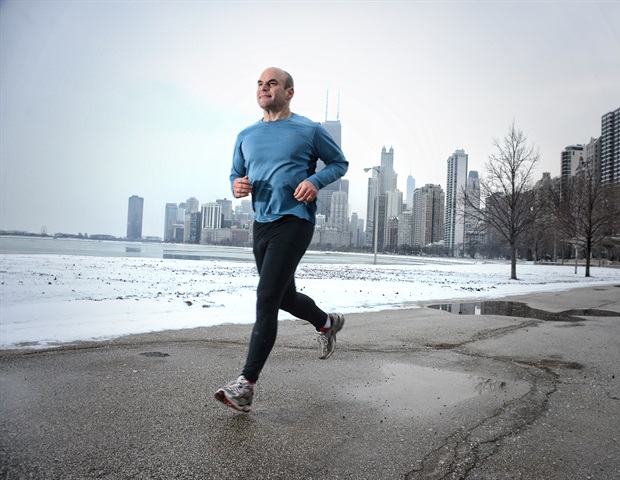
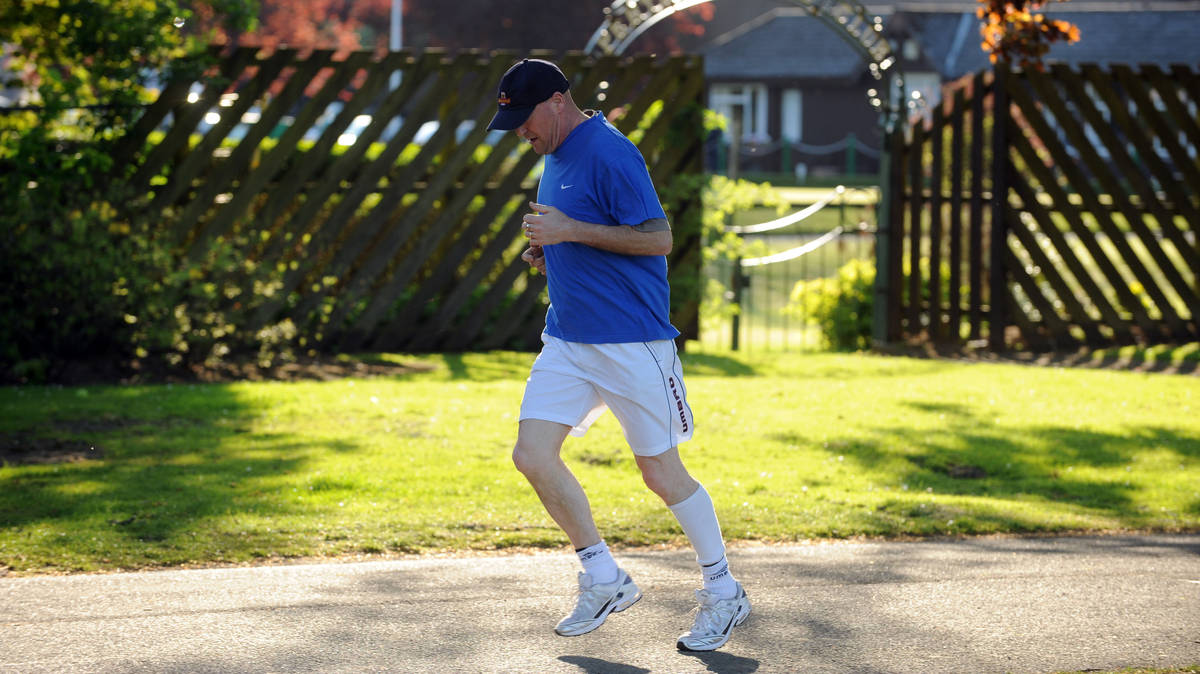
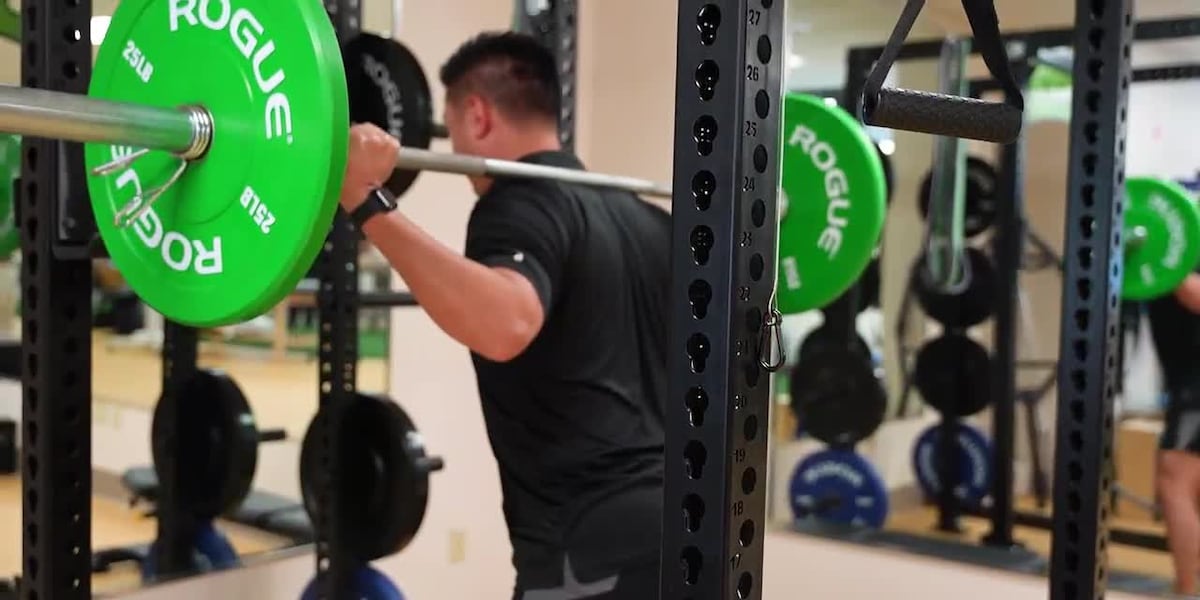
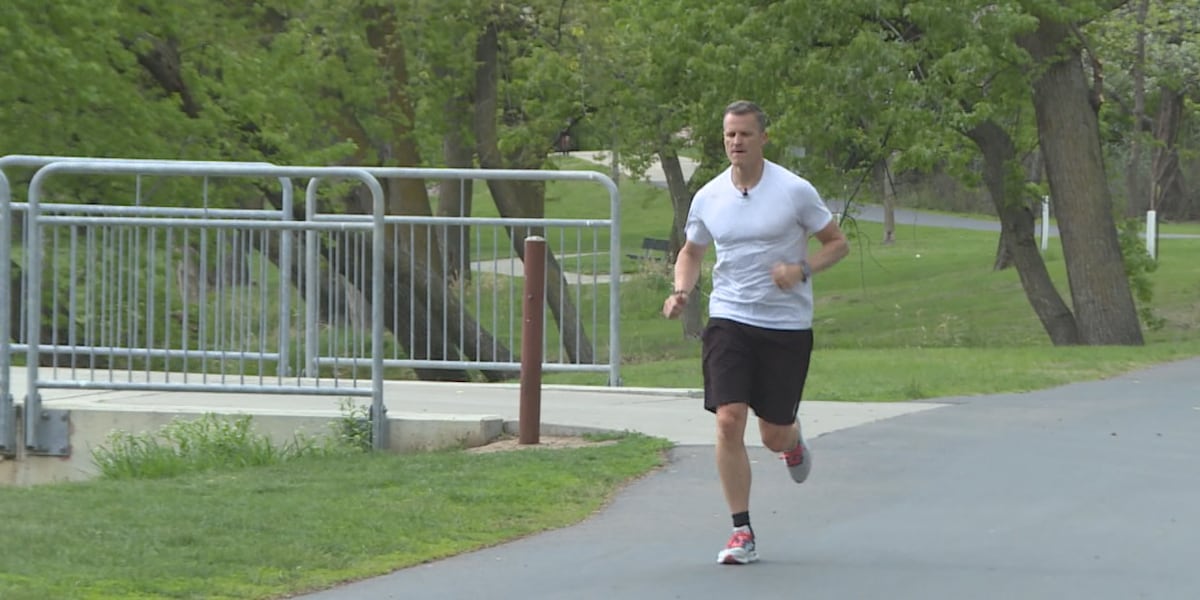
Every weekday for Campos starts off the same. He wakes up at 5:30 a.m. and heads to the gym. He spends roughly 40 minutes running and follows it with weight training before reporting to work.
The physical changes to his body are easy enough to see, however, the reasons behind his motivation weren’t for weight loss alone.
Campo’s journey throughout his Air Force career has been set by the familiar tones of humility and accountability.
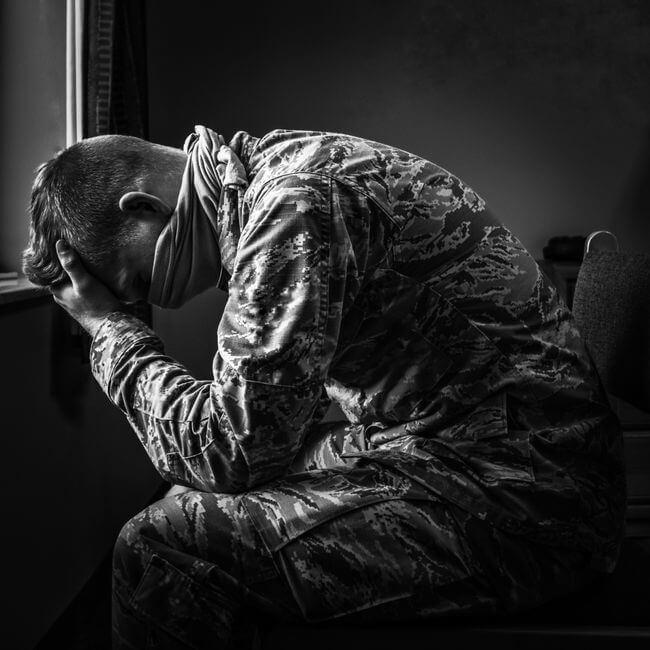
“Two and a half years ago, I lost two stripes,” Campos said. “I went to a very dark and isolated place, watching all my peers progress and move forward. I started to neglect my health and started over-eating and drinking, all the things I shouldn’t have been doing.”
As the weight started to come off, other changes inside of his mind followed. After taking a hard look in the mirror at himself and his behaviors, he began reading more and became more intentional with his time. He’s also invested more of himself towards the mentorship programs and professional development initiatives.
Today, Campos serves as his unit’s booster club president, leads professional development efforts for the KMC First Four, helps physically train other members of his unit, and manages Wings of Wisdom, a mentorship initiative he founded after realizing how much guidance he lacked early in his Air Force career.
“I’m so glad I did because it helped me fix a lot of things in my life,” Campos said.
While the changes Campos has experienced are moving and deeply personal, he is not alone in his efforts to better himself, especially with the new standards being fully enforced come July.
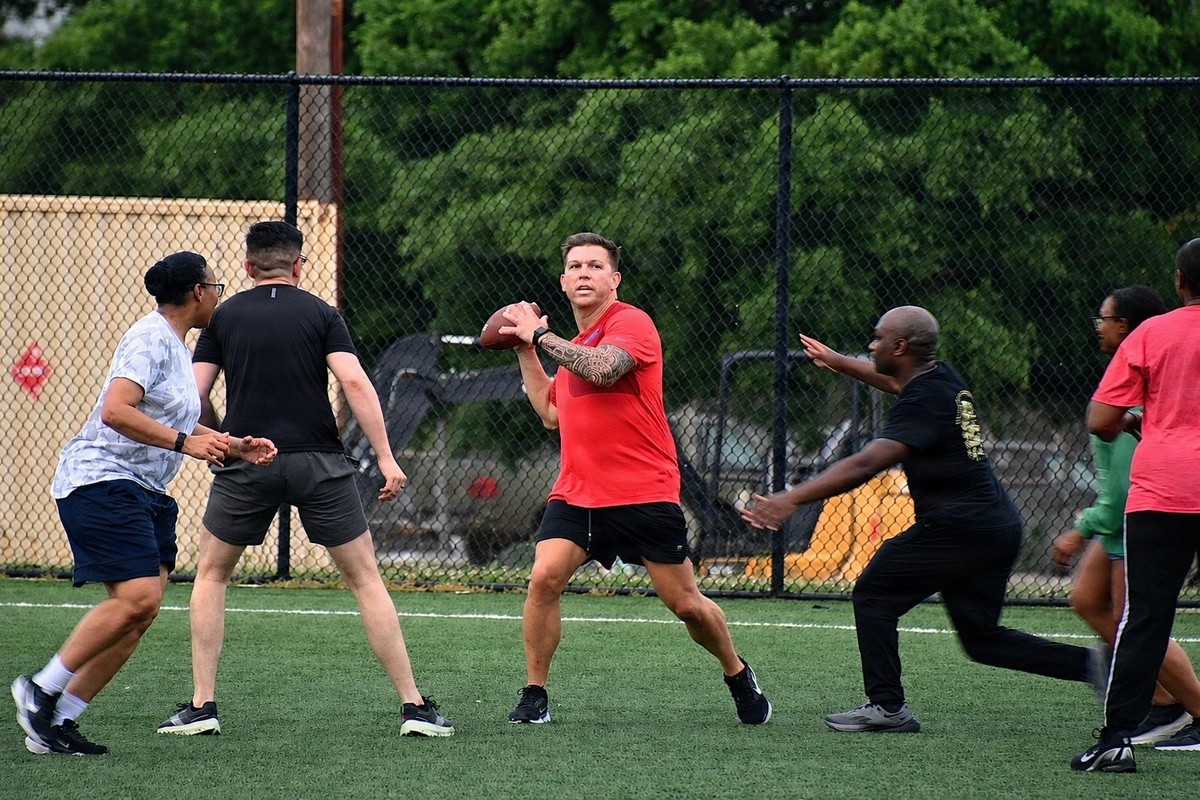
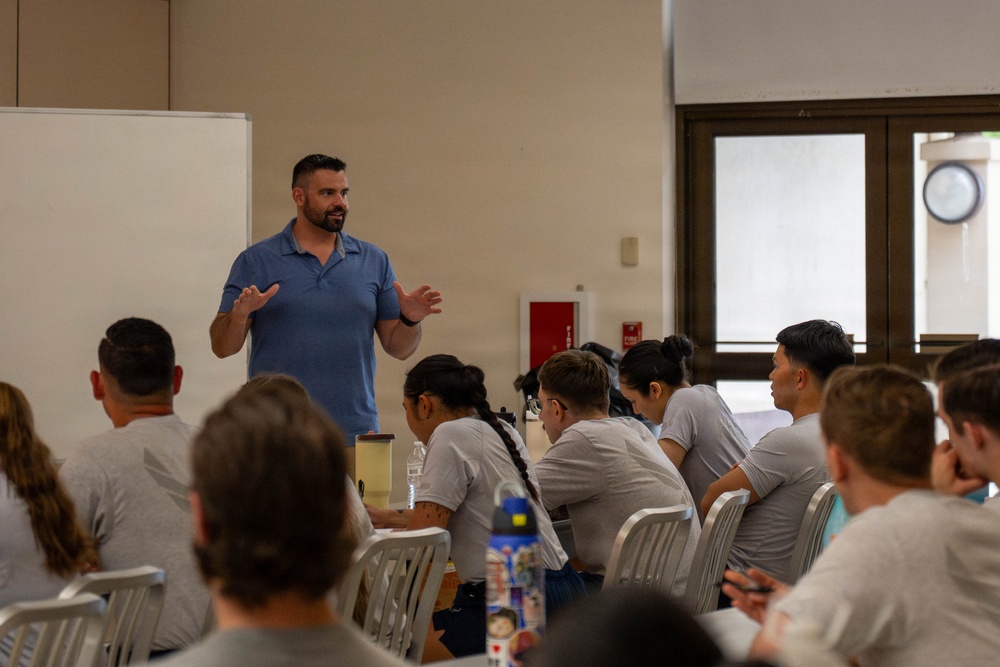
Senior Airman Jurquis Jones, an 86th Force Support Squadron fitness specialist assigned to the Ramstein Fitness Assessment Cell, said he has seen an increase in Airmen preparing for the updated standards.
“Over the last few months, we are seeing fewer Airmen strictly lifting weights and now seeing these Airmen incorporating sustained cardio and functional fitness into their routines,” Jones said. “There also has been a spike in people asking for structured running programs rather than “winging it.’”
For Airmen waiting until the last minute to prepare, Jones offered a simple warning.
“Do not wait until a month out to start taking this seriously,” Jones said. “Consistency always beats intensity. You cannot cram for cardiovascular endurance. It takes time to build. Start small, get out on the track a couple of days a week to build the habit. Your future self will thank you when test day feels like another routine workout.”
Campos has firsthand experience that preparation extends beyond a single assessment. For him, preparing for these updated PT changes became more than meeting requirements. It was an opportunity to rebuild healthy habits, regain confidence and holistically improve himself. Campos’ fitness journey reflects the increasing efforts of Airmen across Ramstein, and across the force, to adapt to the updated fitness standards, one step at a time.
“The first step is always the hardest,” Campos said. “As soon as you take that first step, the next step is even easier.”