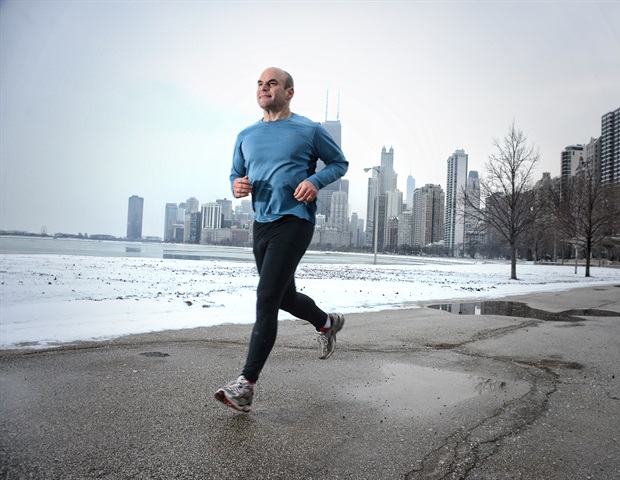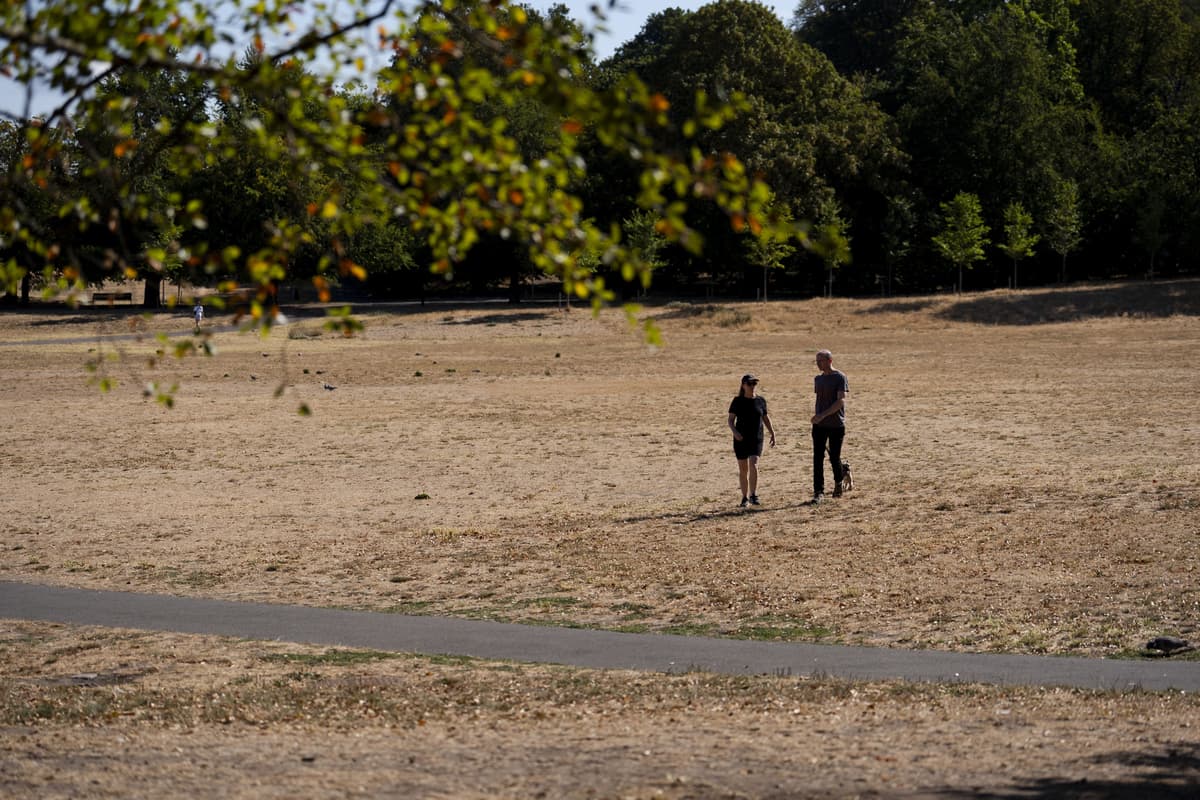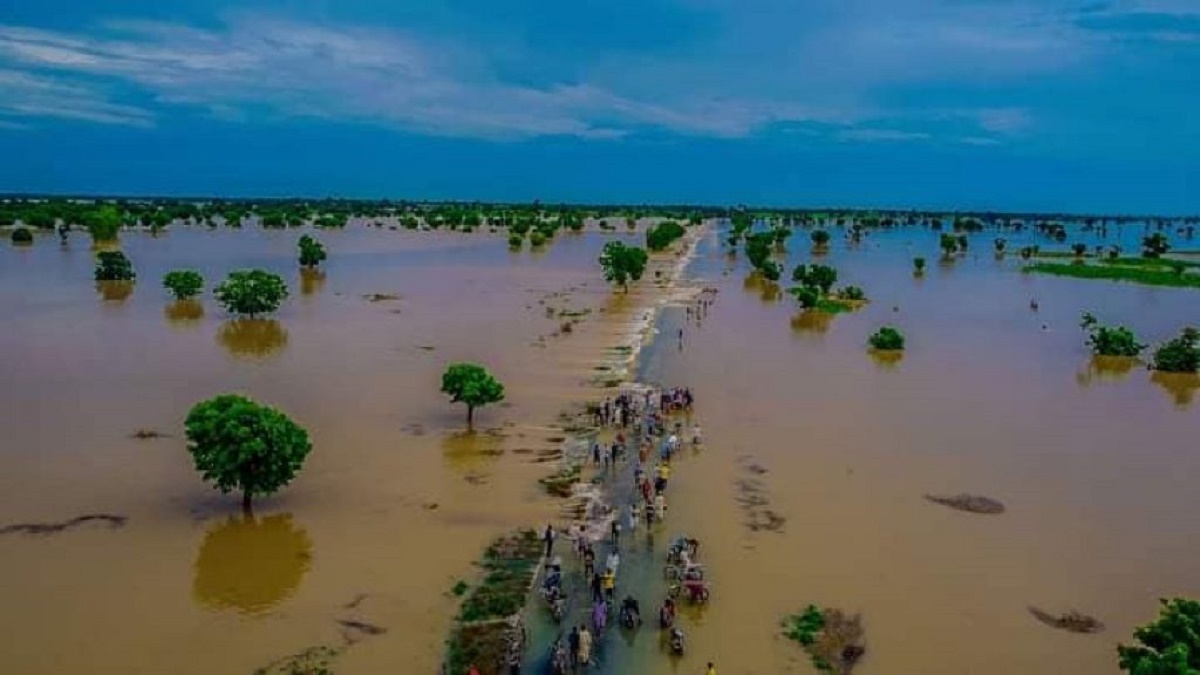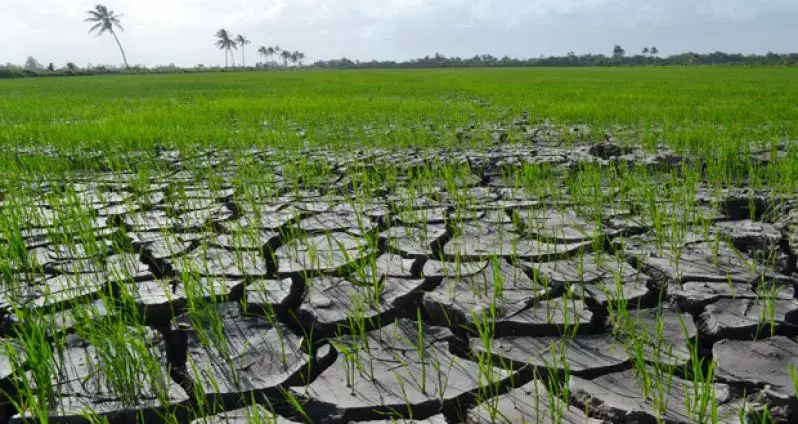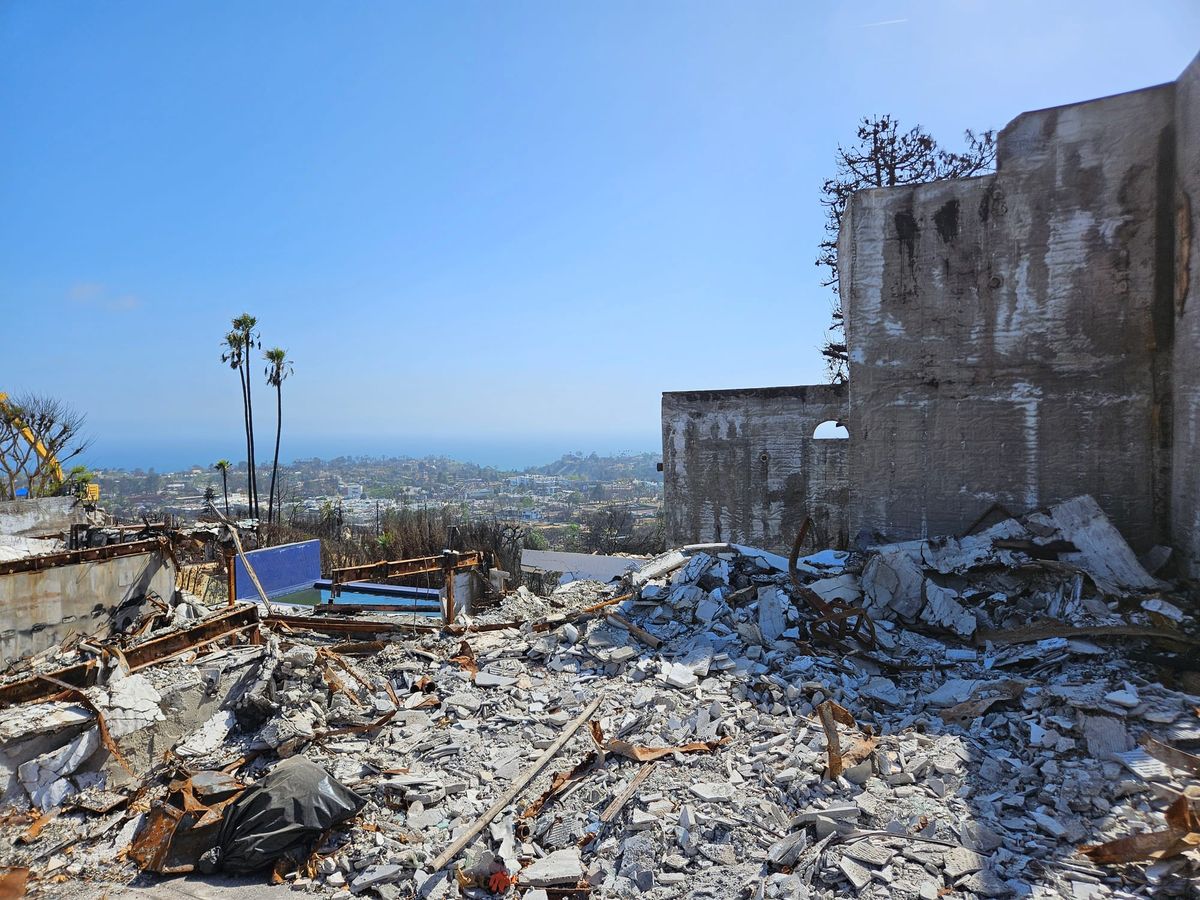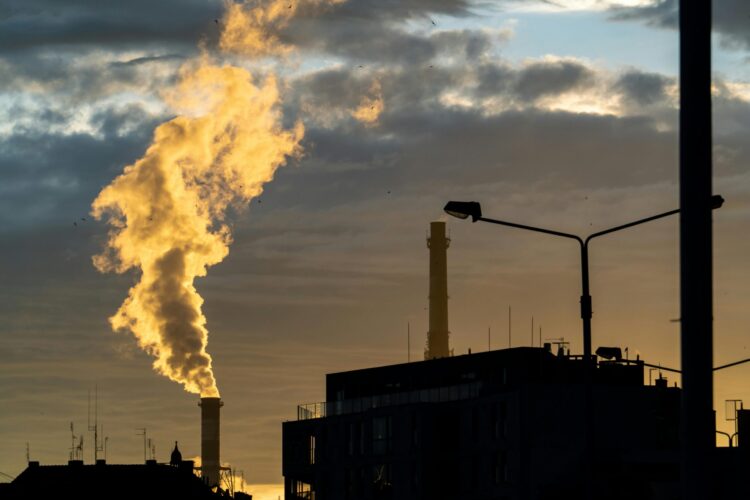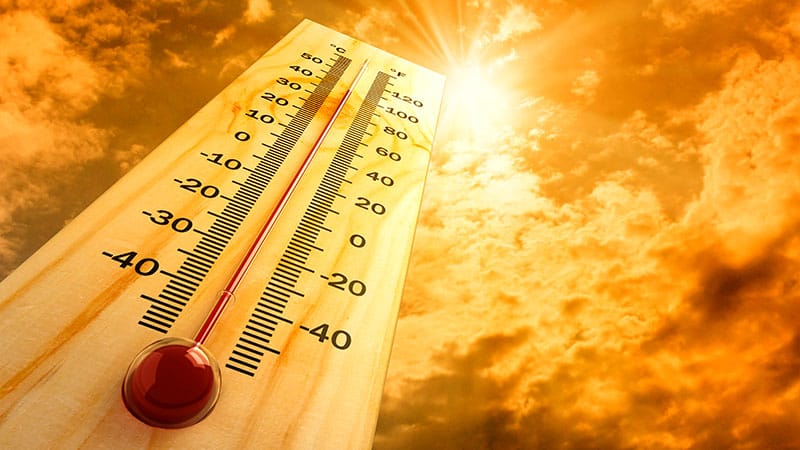
Europe is one of the regions of the world most affected by global warming and, as a result, is already experiencing frequent heat waves. Most premature deaths due to extreme heat have occurred in Italy, followed by Spain, Germany, and Greece, according to the World Health Organization (WHO).
“Europe is warming faster than any other continent — and we are paying for it in lives. More than 200,000 people across Europe have died from heat in just the last 4 years. This must end. Heat is a silent killer, but it is not an inevitable one,” said WHO Regional Director for Europe Hans Henri P. Kluge at the June 11 presentation in Berlin of the new guidelines on heat-health action plans. This document, which updates the 2008 version, is intended to serve as a scientific framework for governments around the world to effectively organize protective measures against heat waves and episodes of extreme heat.
Heat Causes and Exacerbates Illnesses
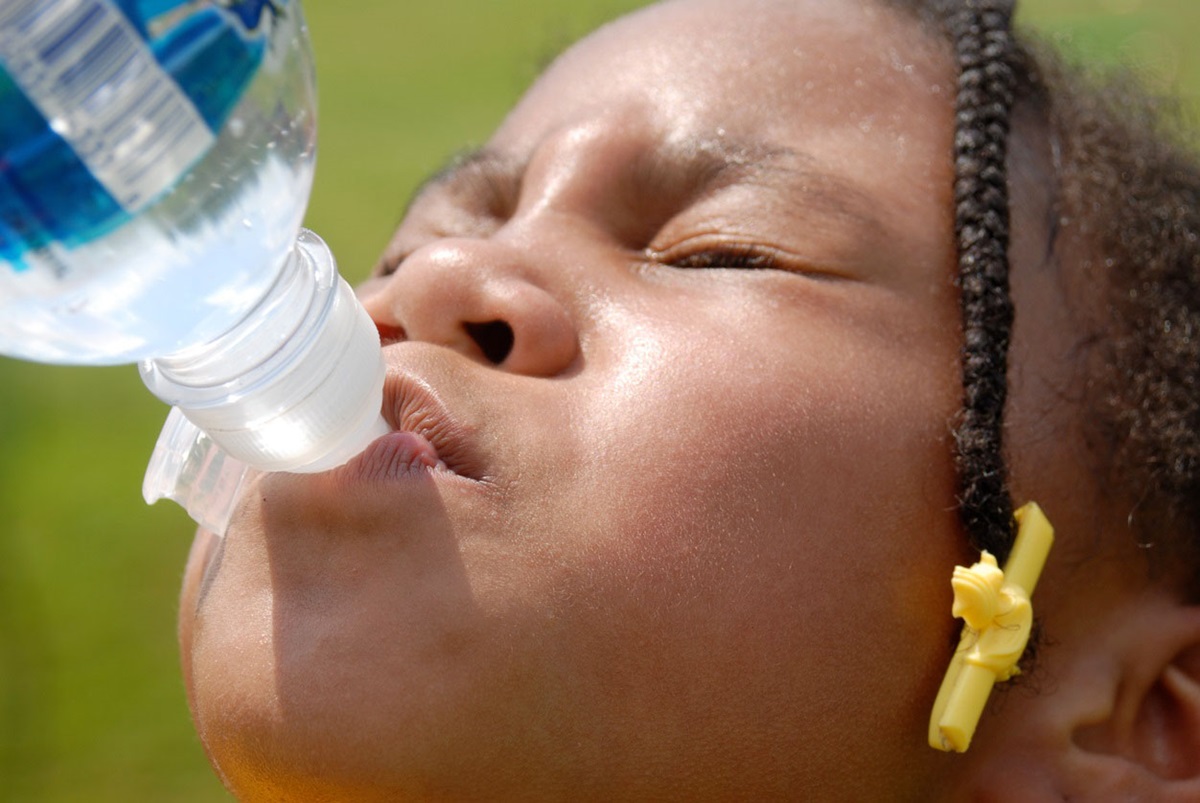
Every year, worldwide, extreme heat leads to an increase in heat-related illnesses — dehydration, fainting, cramps, heat exhaustion, and heatstroke — and even premature deaths. High temperatures can exacerbate preexisting conditions, particularly respiratory, cardiovascular, and kidney diseases, diabetes, and mental health disorders. Urbanization and the growing proportion of high-risk population groups, such as older adults and those with underlying health conditions, make prolonged heat waves an increasingly significant threat to public health.
Indirect Effects of Heat Waves
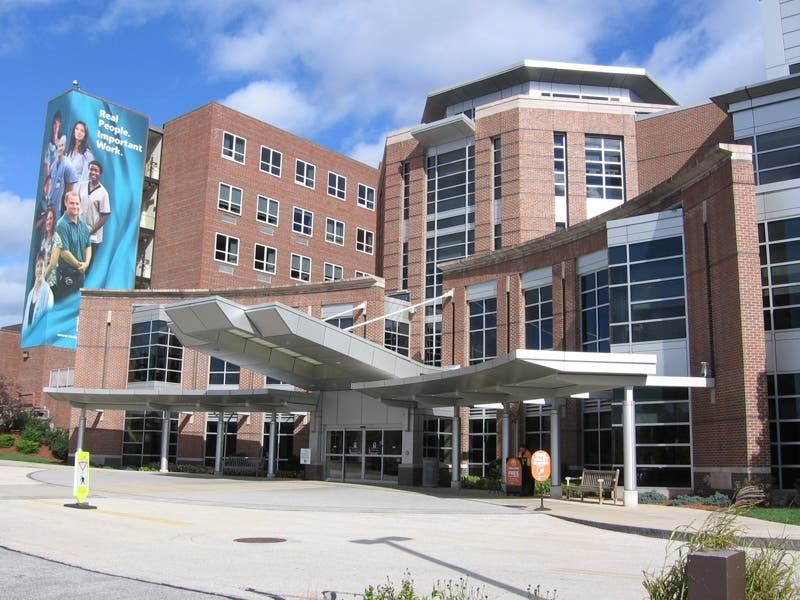
Heat events highlight the vulnerabilities of hospitals, as well as long-term care, home care, and emergency services, particularly during prolonged or repeated heat periods.
During heat waves, demand for ambulances, emergency departments, and hospital admissions increases. In Portugal, heat waves have been shown to cause a 19% increase in hospitalizations across all age groups and major disease categories, according to the WHO guidelines document.
Health systems rely on physical infrastructure, environmental control systems, such as ventilation and cooling, that maintain safe indoor conditions, as well as medical equipment, information technology, and supply chain functions, all of which can be affected by extreme heat.
Rising temperatures can overwhelm essential system functions that underpin the delivery of health services, including the supply of food, water, and energy. This strain can affect the functioning of health systems due to infrastructure damage, supply chain disruptions, and power outages that affect cooling systems and compromise critical equipment.
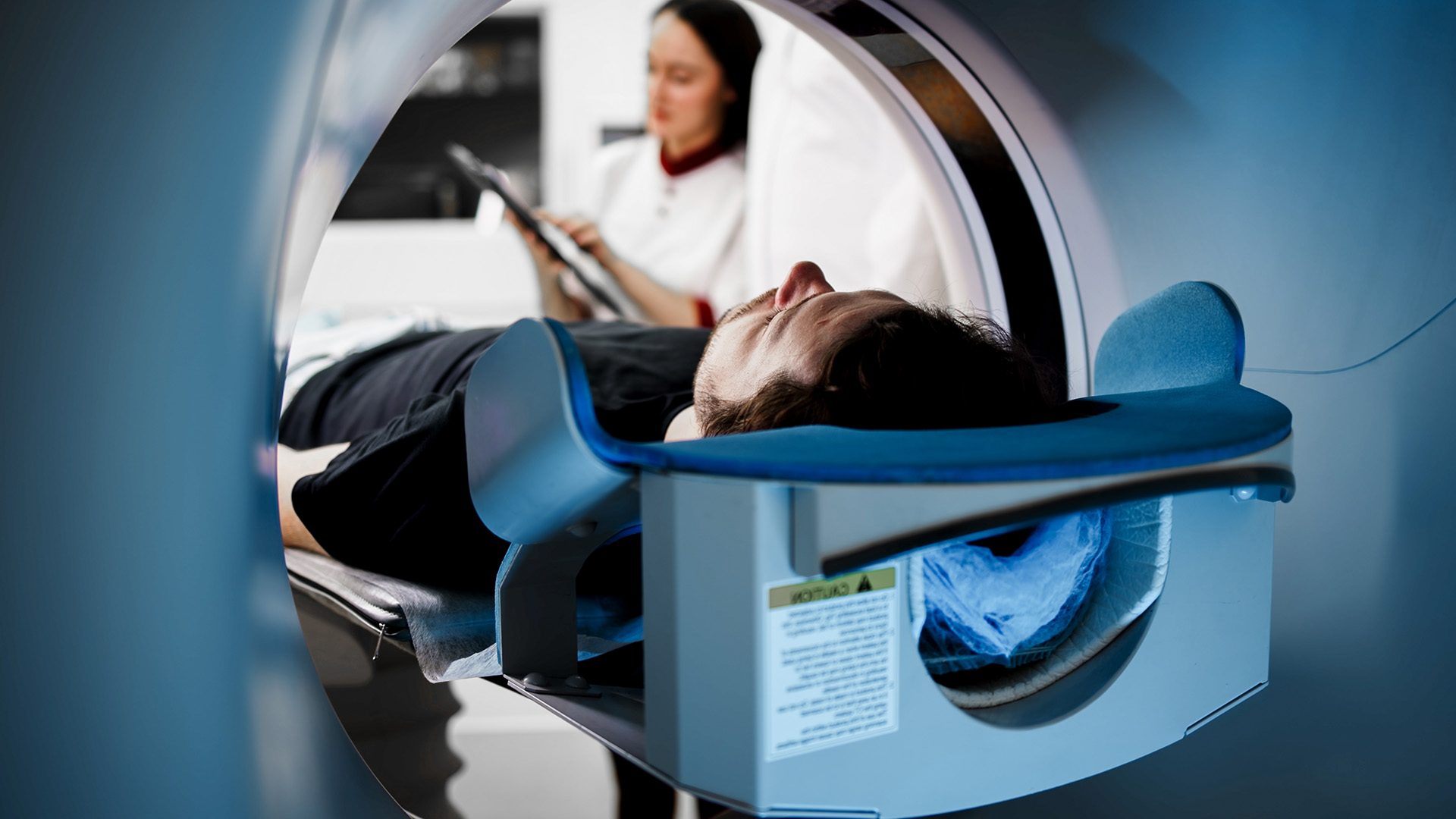
These conditions can trigger a cascade of effects, hindering the safe storage of temperature-controlled medications, reducing the capacity to discharge hospitalized patients, and interfering with the operation of critical technologies, such as medical imaging, including MRI equipment and information and communication systems.
Overheating Inside Hospitals
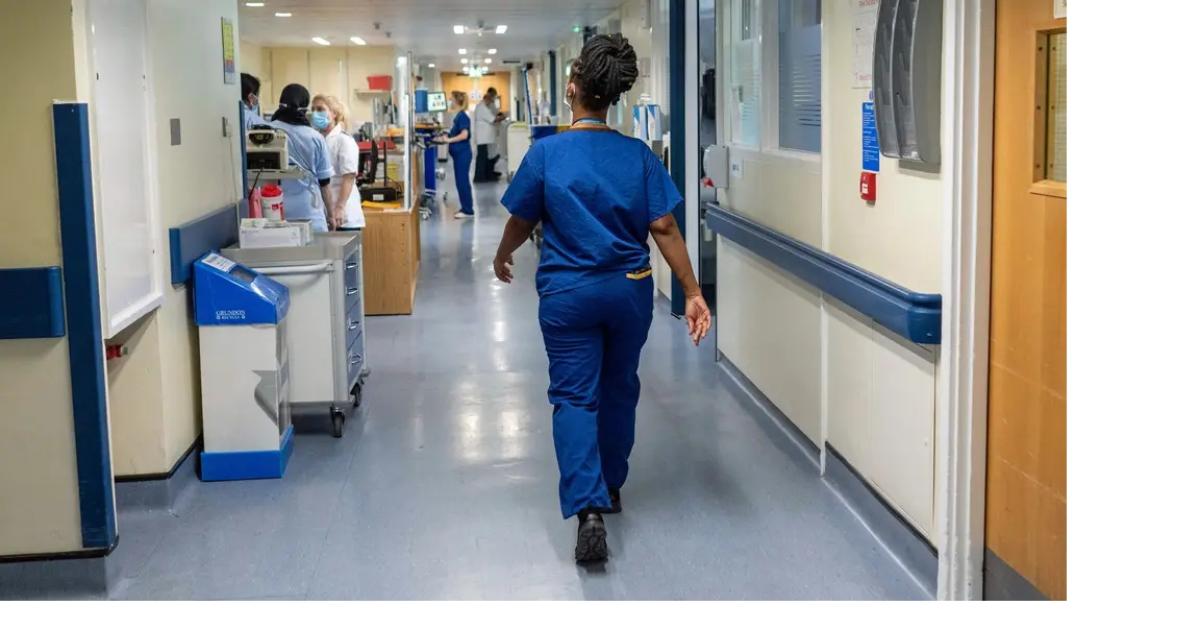
Overheating inside healthcare facilities has been linked to the closure of hospital wards, operating rooms, and morgues, as well as causing disruptions in healthcare delivery, as noted in the WHO guidelines document. It can also pose safety risks to patients and occupational hazards for healthcare workers.
In terms of infrastructure, measures to address building overheating, such as passive cooling, improved ventilation, shading, and heat-oriented architectural design, are well-documented and effective in reducing indoor heat exposure. Climate change resilience framework for health systems and hospitals (LIFE RESYSTAL) is a European project running from 2021 to 2025, focused on making hospitals and health systems more resilient to climate change. It has developed a climate resilience framework in collaboration with hospitals and regional health systems across Europe. Partners include the University of Cambridge, Health Care Without Harm Europe, the Galician Health Service (Servizio Galego de Saude), European hospitals, research centers, and consulting firms.
As explained in the LIFE RESYSTAL user guide, Healthcare Systems Resilient to a Changing Climate, the Policlinico di Bari in Italy has installed a green wall to reduce heat and improve thermal comfort, along with environmental monitoring stations. An eco-friendly sidewalk made of permeable materials, green spaces, and an efficient irrigation system has also been constructed.
In Greece, the Agios Panteleimon General Hospital in Nikaia has planted trees and improved green spaces to lower the surrounding temperature. Additionally, the hospital has modernized its climate control system with new heat pumps, air-handling units, and cooling equipment, which improves efficiency in critical areas such as the neonatal ICU.
In Spain, in collaboration with the Galician Health Service, green pergolas have been installed at the main entrance of the Ourense Hospital to provide shade for employees, patients, and visitors, as well as to create a cooling effect. Green roofs have also been installed on two sections of the hospital building in O Barco de Valdeorras, a town in the province of Ourense, Galicia, Spain, to manage stormwater and provide insulation, which helps reduce the need for heating and cooling. The rainwater harvesting system is designed to reduce the load on groundwater and to water the lawns and plants surrounding the hospital grounds. It has a capacity of 75,000 L, equivalent to 1 month of irrigation.
The Example of Vall d’Hebron Hospital
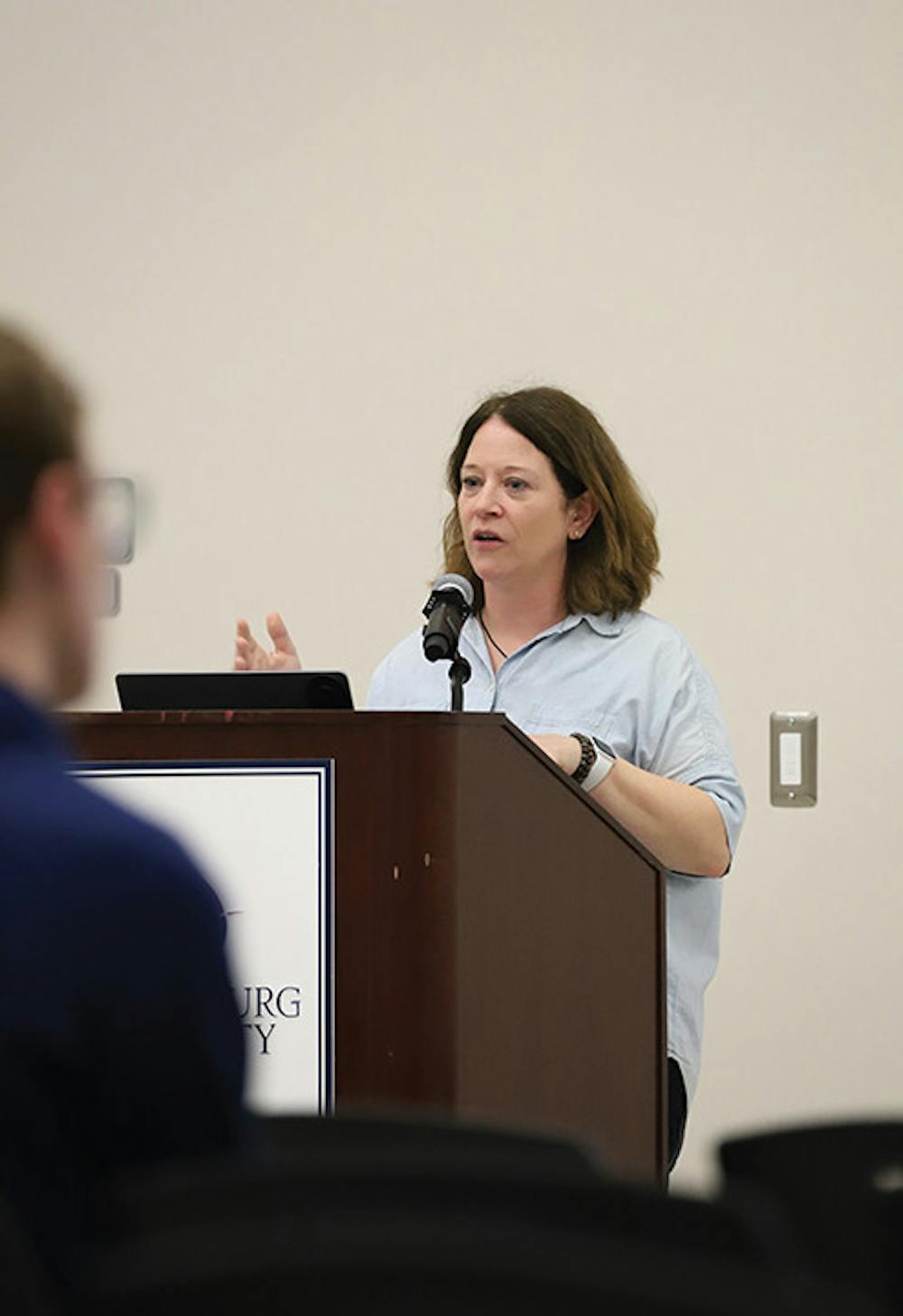
Esther Tomàs Martínez, director of infrastructure and medical technology at Vall d’Hebron University Hospital, Barcelona, Spain, spoke at a session of the Royal Academy of Pharmacy of Catalonia titled “The challenges facing climate change in the strategy and management systems of organizations”, where she explained Vall d’Hebron Hospital’s experience in adapting to climate change within the context of hospital infrastructure.
The hospital complex comprises more than 20 buildings from different eras, most of which were designed without taking today’s extreme weather conditions into account. Adapting this infrastructure poses a significant challenge as it must be done without disrupting patient care. Martínez emphasized that adapting to climate change in hospitals goes beyond a technical challenge, it is a global, operational, and cross-functional management challenge for the entire healthcare organization.
Martínez outlined three main areas of action. The first is energy resilience. Vall d’Hebron is working to improve the efficiency of its heating, ventilation, and air conditioning systemsby upgrading equipment and optimizing energy distribution. Among the measures is a “climate loop” that distributes cooling and heating throughout the campus according to each building’s needs. Additionally, the hospital is committed to redundancy and on-site energy generation to ensure a reliable supply, with photovoltaic installations and backup systems in case of power outages. It also monitors energy consumption and risks, integrating protocols into its emergency response plans to address incidents related to power supply or climate control.
In terms of thermal resilience, Vall d’Hebron is committed to improving indoor comfort and reducing energy dependence through passive measures such as insulation, solar shading, and façade improvements. The hospital also develops risk maps to identify the most vulnerable buildings and areas and prioritize investments. Furthermore, it is working to build a more robust infrastructure adapted to climate change, incorporating efficiency and sustainability criteria into new buildings.
In water management, Vall d’Hebron works to reduce consumption and ensure the hospital’s operational capacity during droughts and water restrictions. To this end, it promotes more efficient cooling systems, closed-loop circuits, and equipment that reduces water and energy use. It also reviews critical processes such as cleaning and sterilization to ensure consumption is kept to the absolute minimum and strengthens monitoring of facilities to detect incidents and optimize resources.
Heat and Health Action Plans
The WHO notes in its guidelines that heat and health action plans must define the roles, responsibilities, and coordination mechanisms among national, regional, and local authorities to respond to episodes of extreme heat. While national authorities typically issue alerts, regional and local actors are responsible for implementing them through protective measures, adapting health and social services, and communicating with the public and the most vulnerable groups. Furthermore, these plans must include protocols, response procedures during alerts, and postevent evaluations, incorporating additional resources, continuity of care, and operational adjustments for hospitals, ambulances, and social services.
In Spain, there is a national plan of preventive actions against the effects of excessive temperature on health, designed to prevent and reduce the negative effects of heat waves, especially among the most vulnerable groups, such as the older adults, children, people with chronic illnesses, and the socially disadvantaged. The plan’s measures include action protocols with basic information and recommendations for healthcare professionals in hospitals, primary care, and social services.
Protection Against Heat Is a Social Issue
“Protection against heat is also a social issue,” said Carsten Schneider, the German government’s Federal Environment Minister, at the presentation of the new guidelines on heat action plans released on June 11 by the WHO. “After all, those who do not have a garden or a swimming pool and live in overheated flats in concrete-covered urban districts can hardly protect themselves against the heat,” he added. According to Schneider, what helps is reducing carbon dioxide emissions and implementing more preventive measures in both urban and rural areas: Urban trees, parks, rivers, forests, and wetlands cool the air and store water. “Nature can help us combat the heat if we let it,” he said. That is why the federal government is investing more than ever in these concrete measures against climate change.
Rosa Pérez Losa, Undersecretariat at the Spanish Society of Emergency Medicine, stated in an interview with El Médico Interactivo, part of the Medscape Professional Network, that health education is essential. “When people learn to take care of themselves and adopt self-care habits, the incidence of illnesses and accidents decreases, especially in the summer, when many of these problems are predictable and preventable,” she said. In this regard, health education not only improves citizens’ quality of life but also strengthens the healthcare system’s capacity to respond to emergencies such as heat waves, health crises, antibiotic resistance, and the effects of climate change. At the population level, self-care and prevention are key tools for reducing the burden on healthcare services.
“A well-informed population that is aware of the risks makes the work of emergency services easier as it reduces the incidence of preventable illnesses during critical periods such as summer. Therefore, health education strategies in the context of health and climate crises are essential for protecting the population and improving the sustainability of the healthcare system,” she concluded.
This story was translated from El Médico Interactivo on Univadis, part of the Medscape Professional Network.