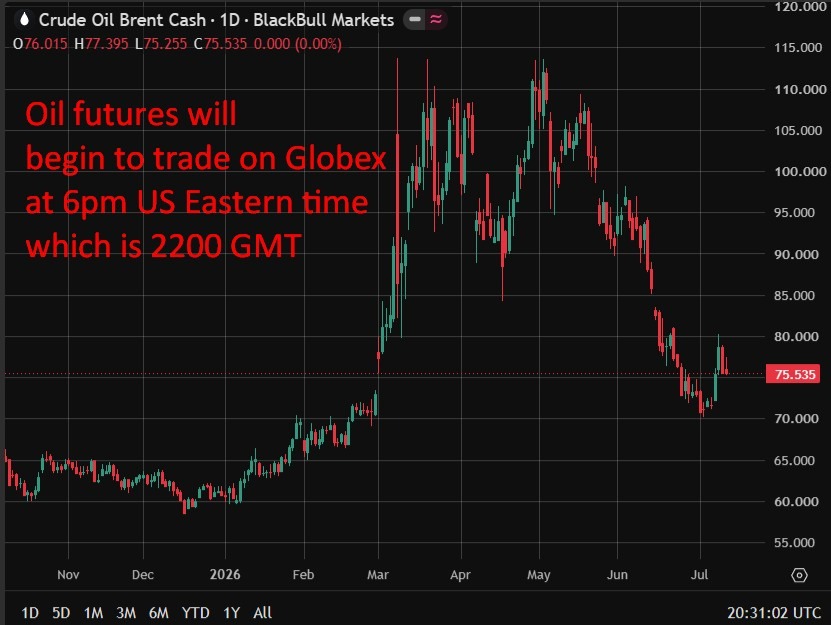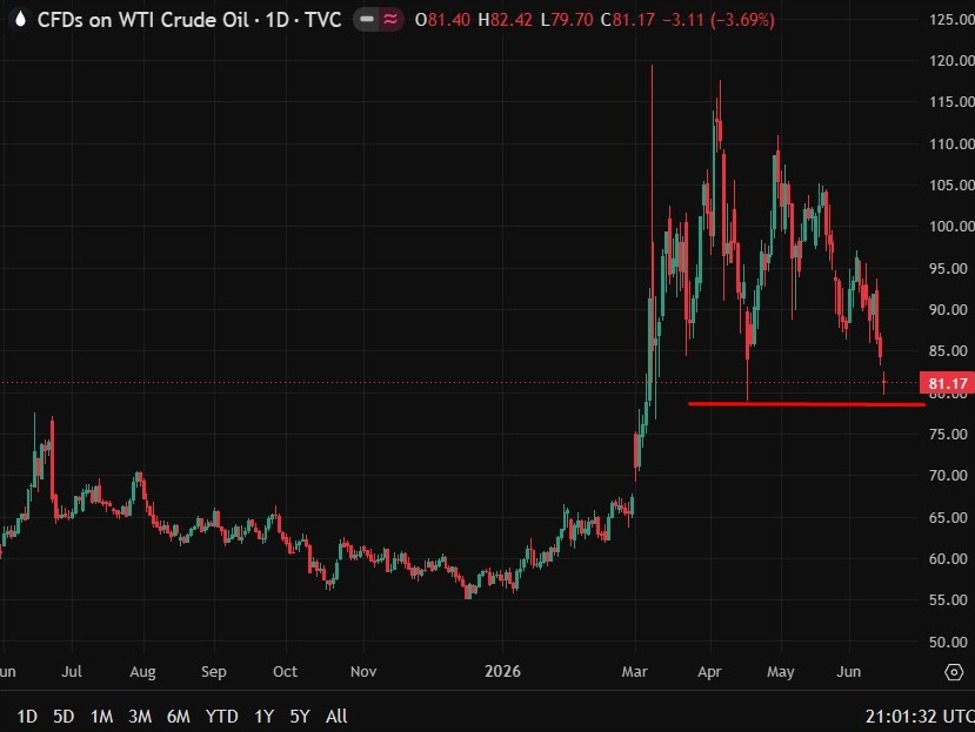
TradingKey – On July 23, international oil prices continued to rise sharply. WTI crude oil ( USOIL) prices broke through the $90 mark intraday, rising over 4%, while Brent crude oil ( UKOIL) rose to a high of $98.75, just a step away from the $100 mark. Oil prices have risen for the fifth consecutive trading day, with market focus remaining on the risk of disrupted crude oil transport in the Middle East.
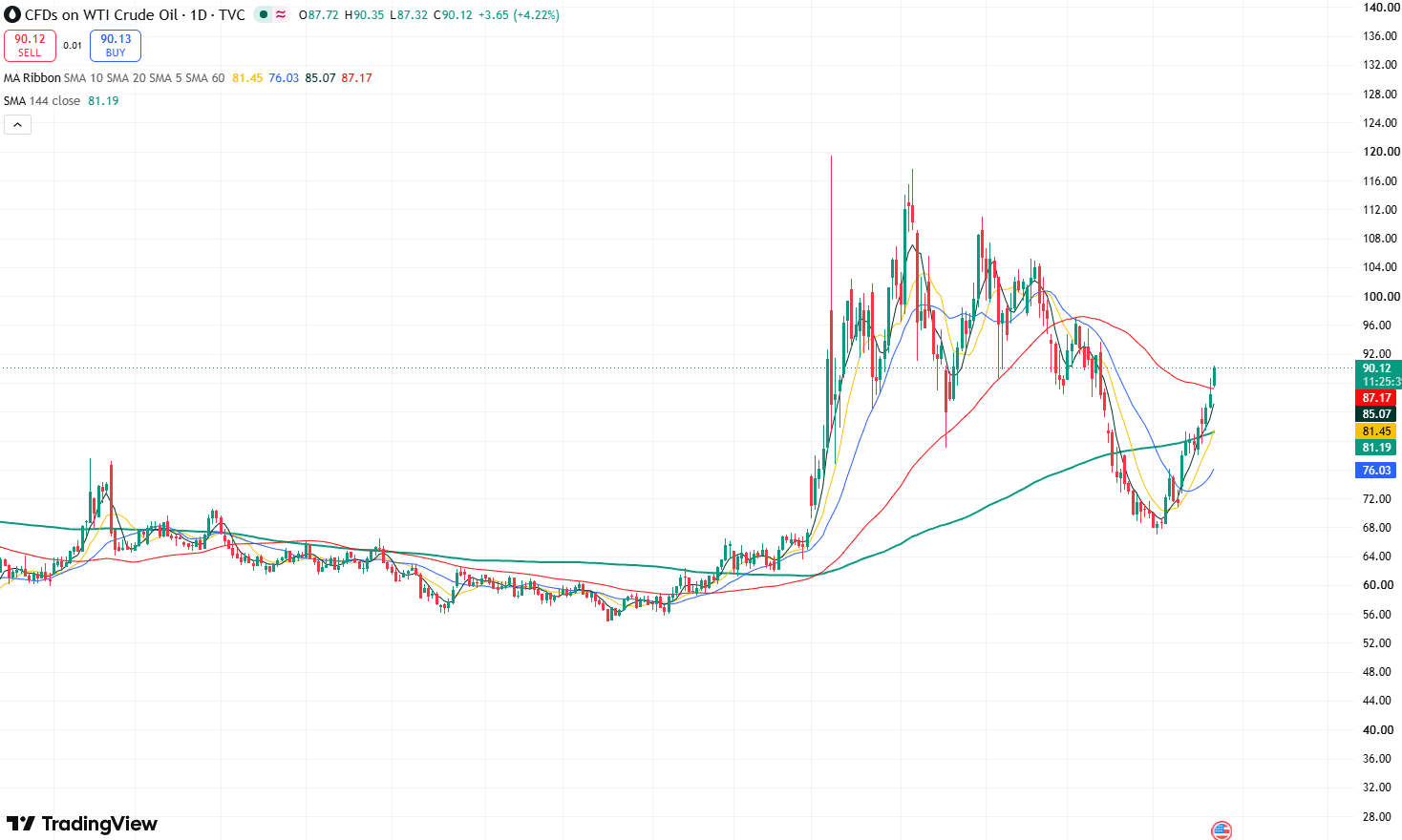
WTI crude oil price daily chart, Source: TradingView
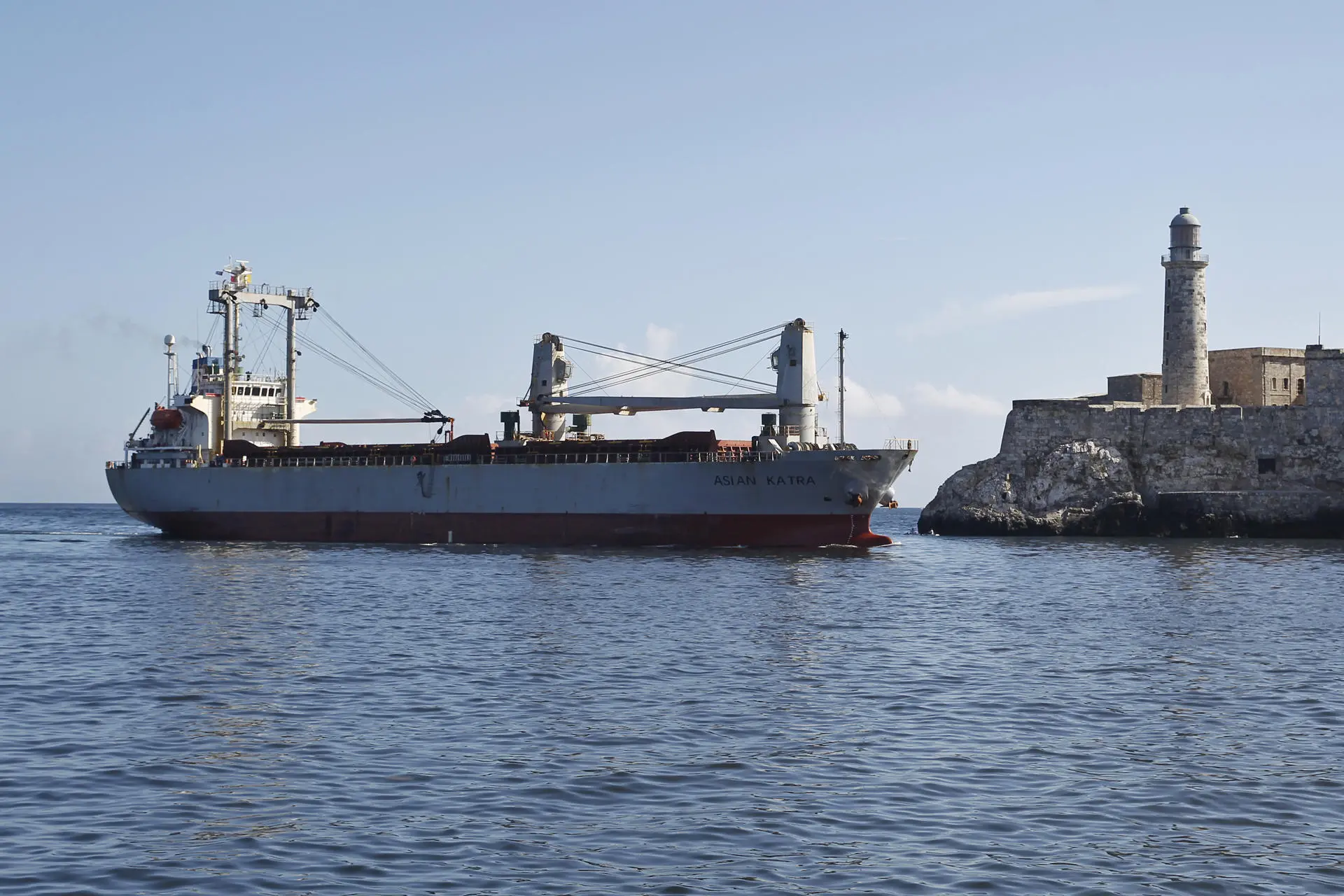
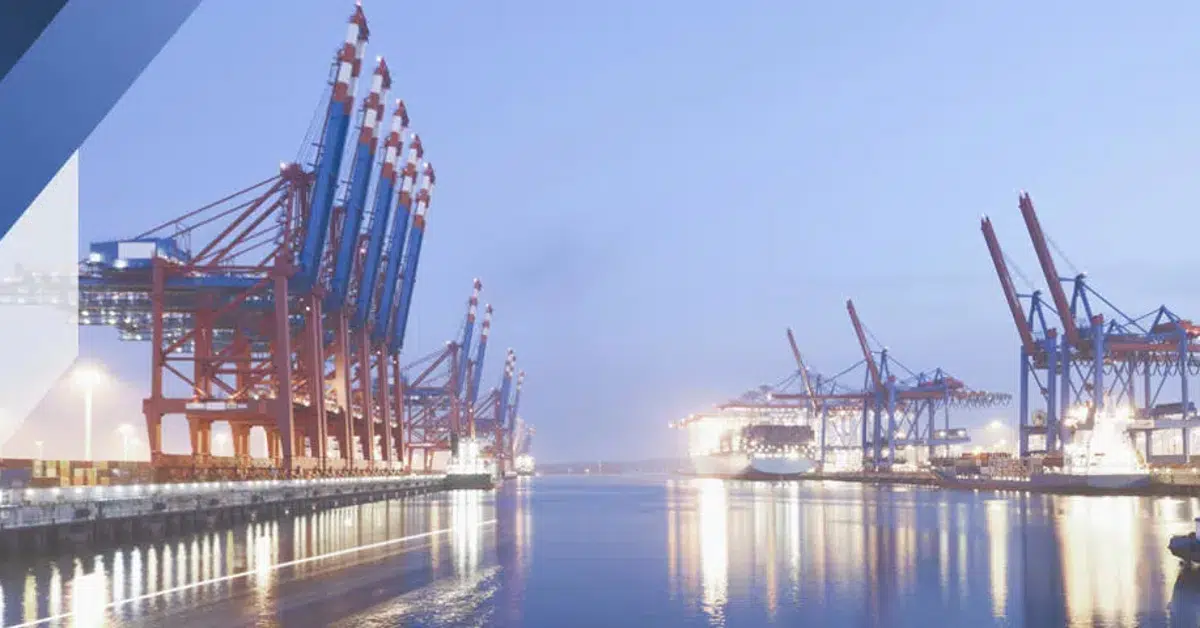
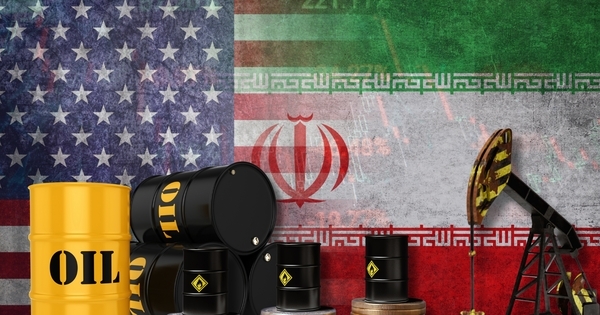
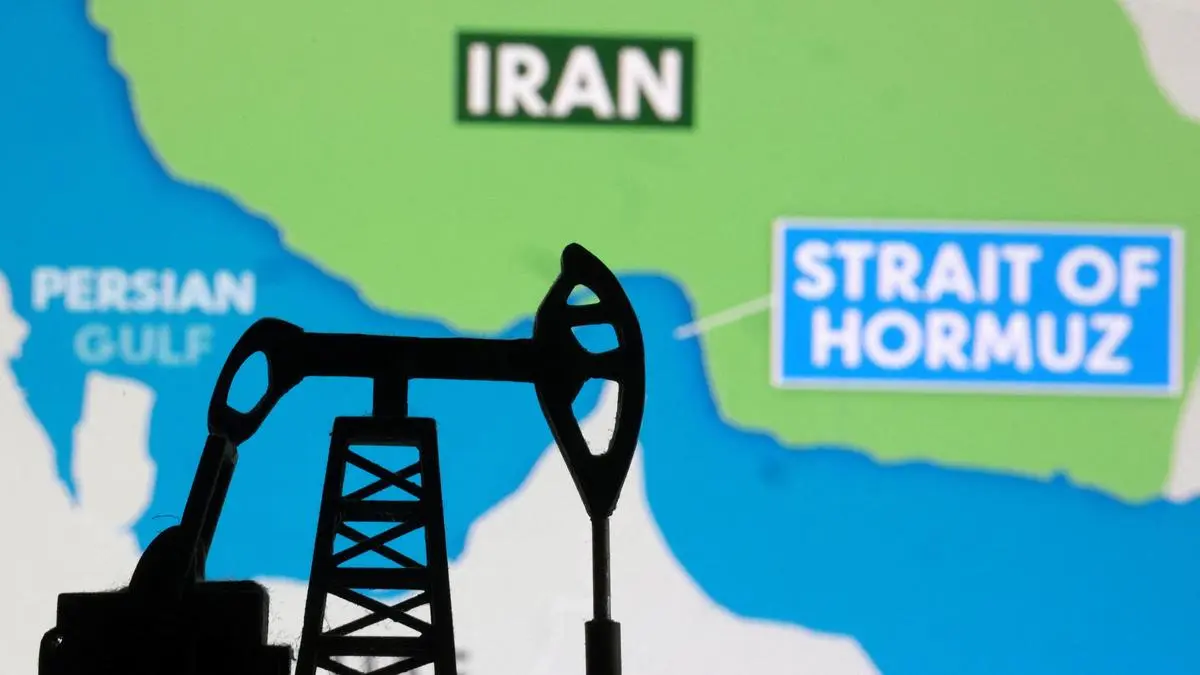
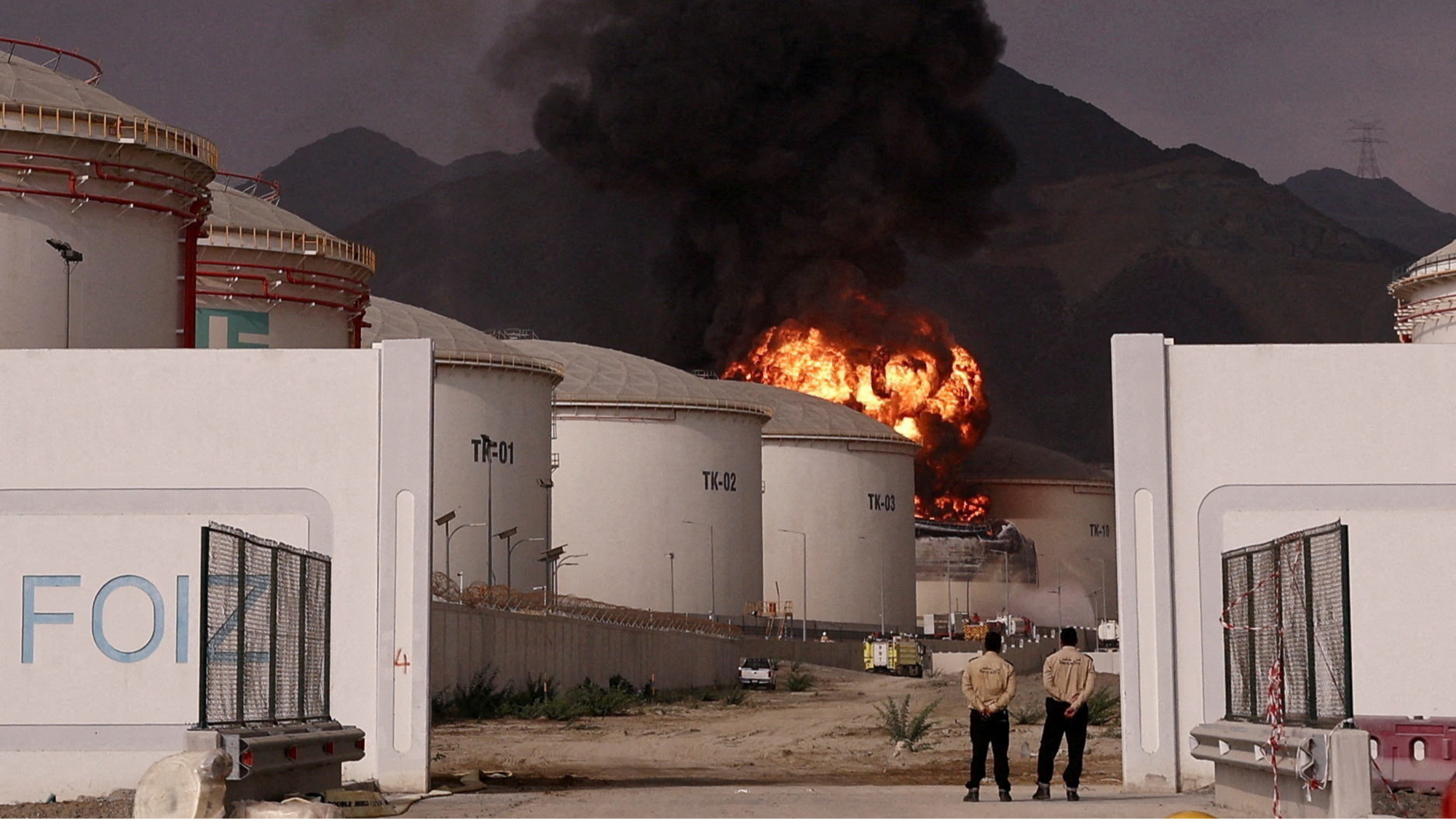
The immediate cause of this rally is the further escalation of tensions in the Strait of Hormuz. A tanker suffered an explosion near the strait, fueling market worries that shipping security could continue to deteriorate. Iran subsequently stated that vessels would not be able to pass freely through the strait without coordination, exacerbating investor concerns over a decline in Persian Gulf crude exports. The Strait of Hormuz is one of the world’s most vital oil transit routes; if transit is restricted over the long term, exports from oil-producing nations such as Saudi Arabia, Iraq, the UAE, and Kuwait could all be affected.
Meanwhile, Yemen’s Houthis attacked two Saudi tankers and threatened to expand the Red Sea blockade, causing the market to worry about simultaneous disruptions to two crucial shipping lanes: the Strait of Hormuz and the Bab-el-Mandeb Strait. Since the Red Sea was originally an important alternative route for some Gulf nations to bypass the Strait of Hormuz, the new attacks mean crude oil transport could face even greater pressure.
The rapid rise in oil prices is also driven by rising summer fuel demand, declining Middle East production, and expectations of tightening crude inventories. Market focus has shifted from ‘whether supply disruptions will occur’ to ‘how long transit disruptions will last.’ If Brent crude breaks above $100, global gasoline, diesel, and jet fuel prices could rise further, pushing inflation expectations back up.
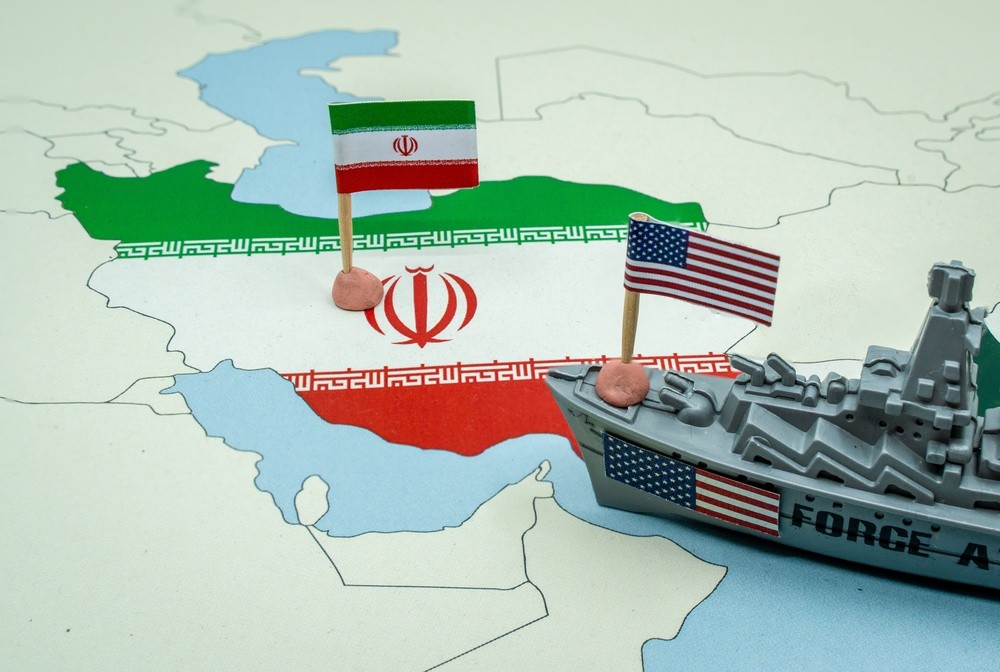
For financial markets, high oil prices benefit oil producers and energy stocks, but may increase costs for aviation, transportation, chemical, and manufacturing companies. At the same time, rising inflationary pressures could limit the room for major central banks to cut interest rates, weighing on U.S. equities and other risk assets. In the short term, transit conditions in the Strait of Hormuz, developments in the U.S.-Iran conflict, and the safety of tankers in the Red Sea will continue to determine whether oil prices can maintain their strong momentum.