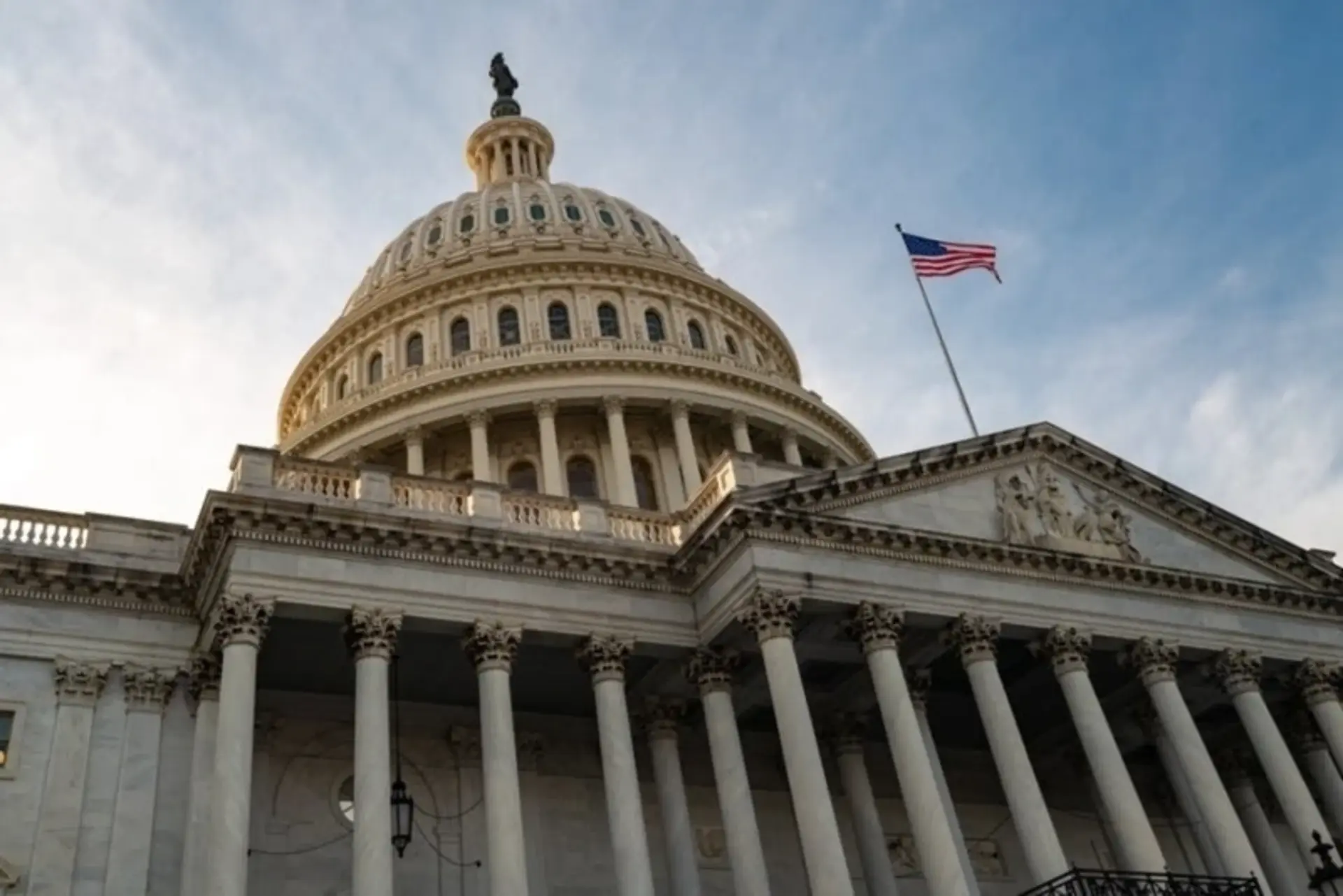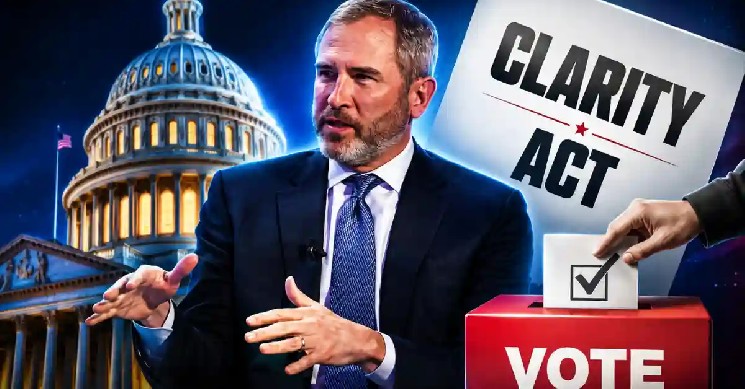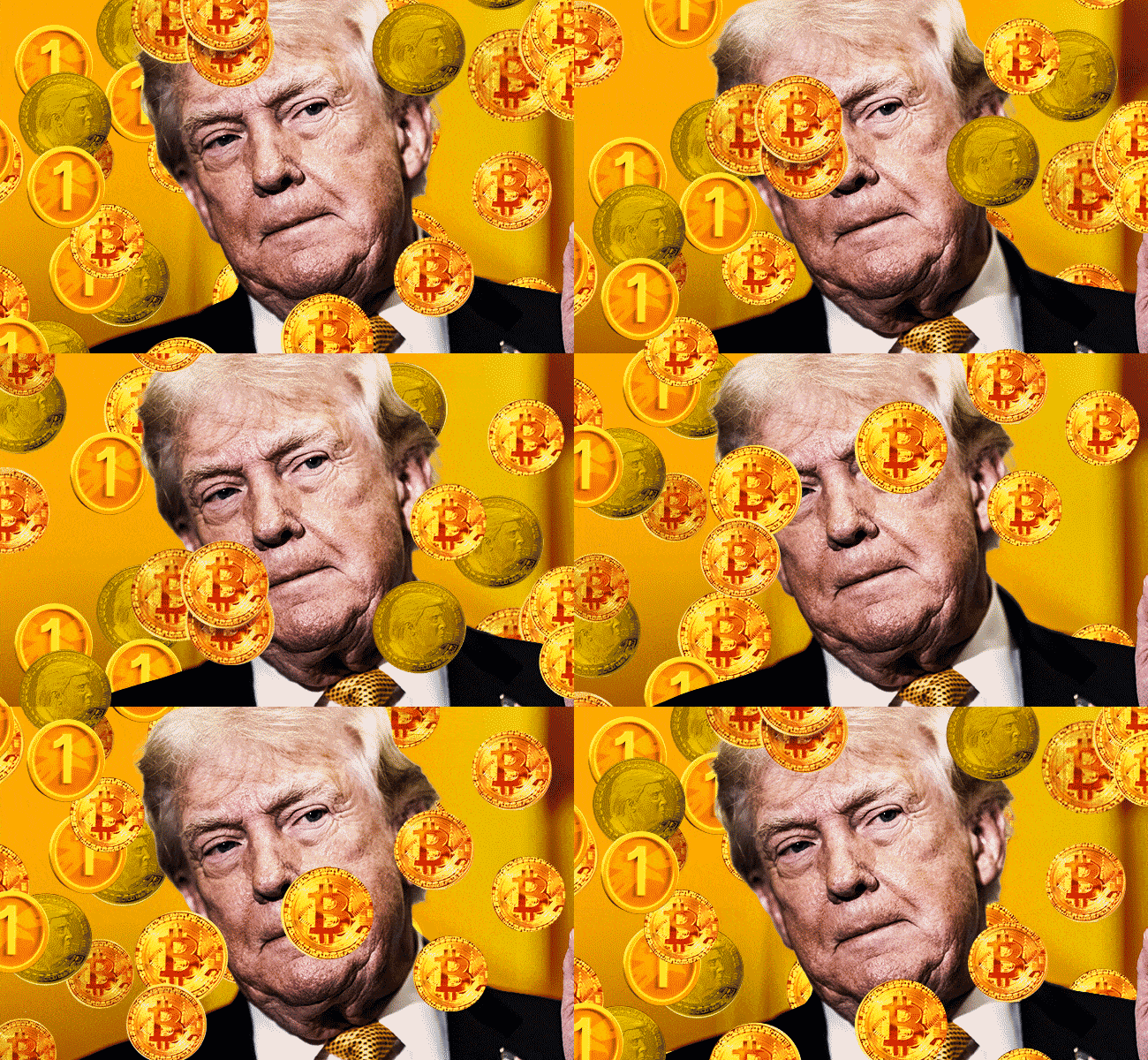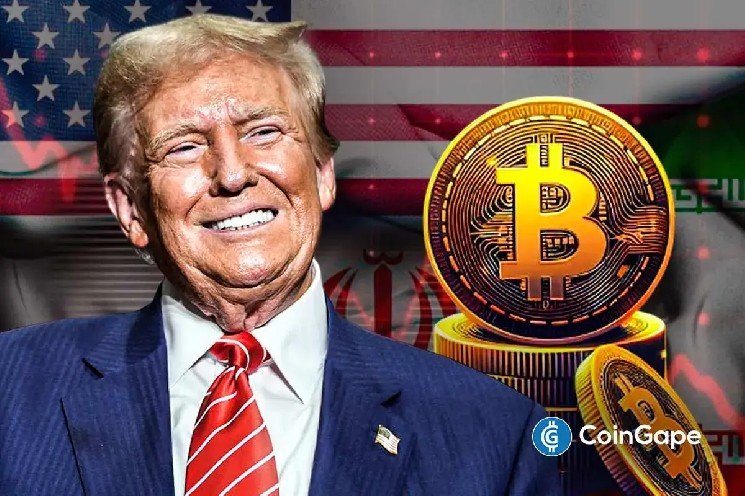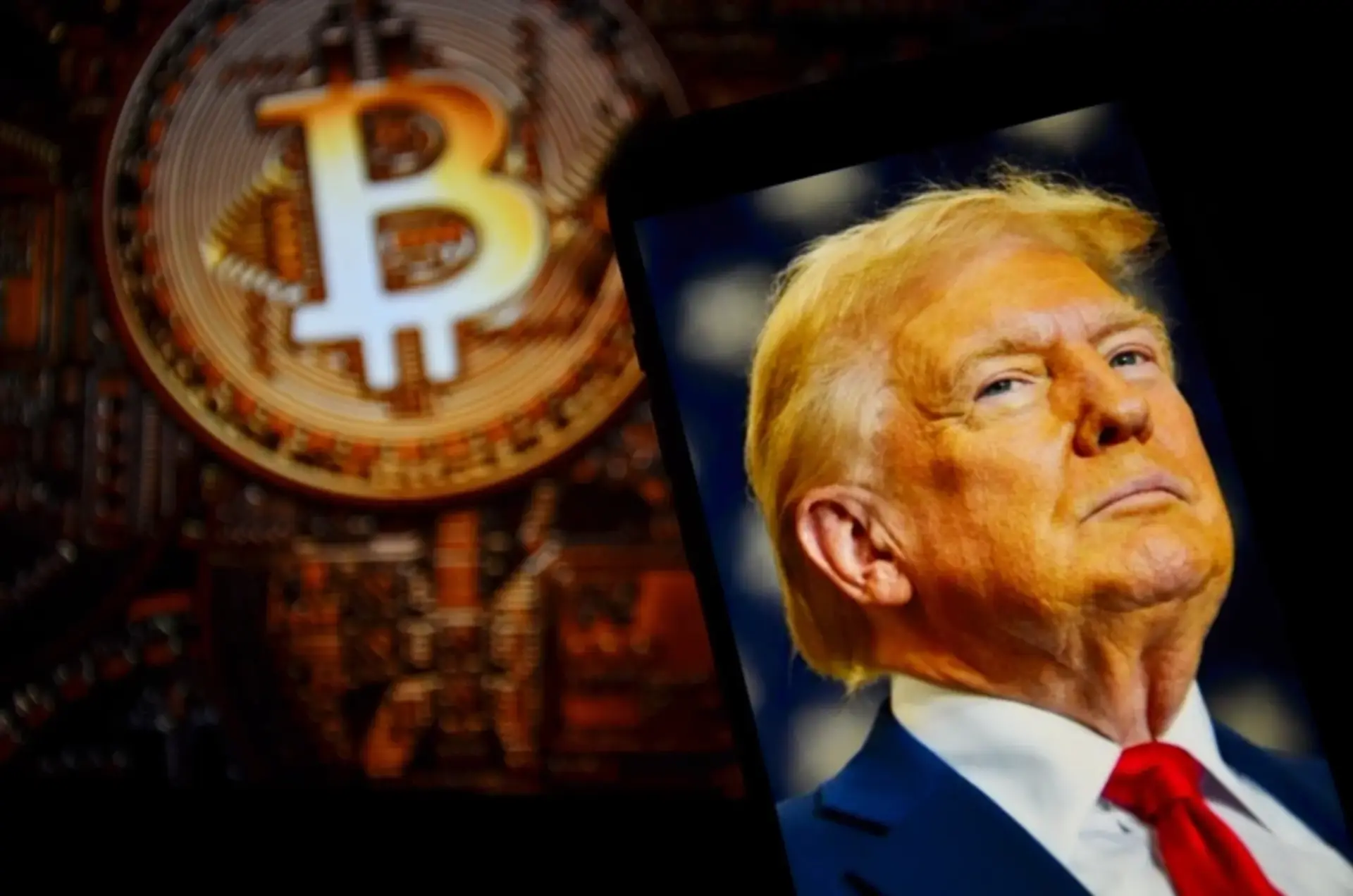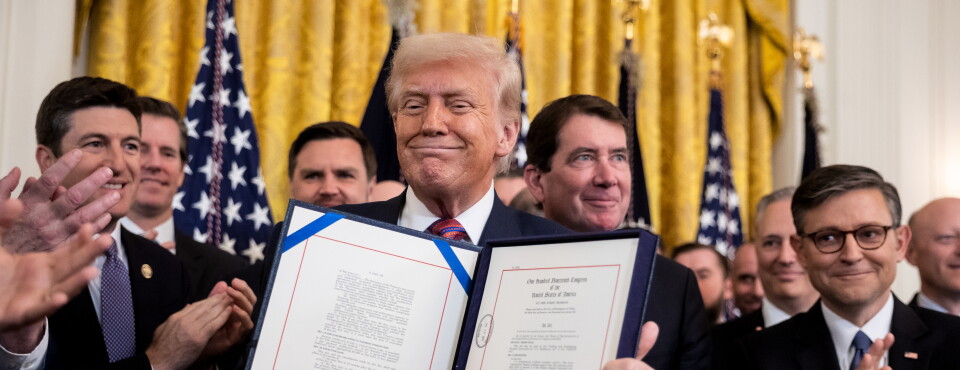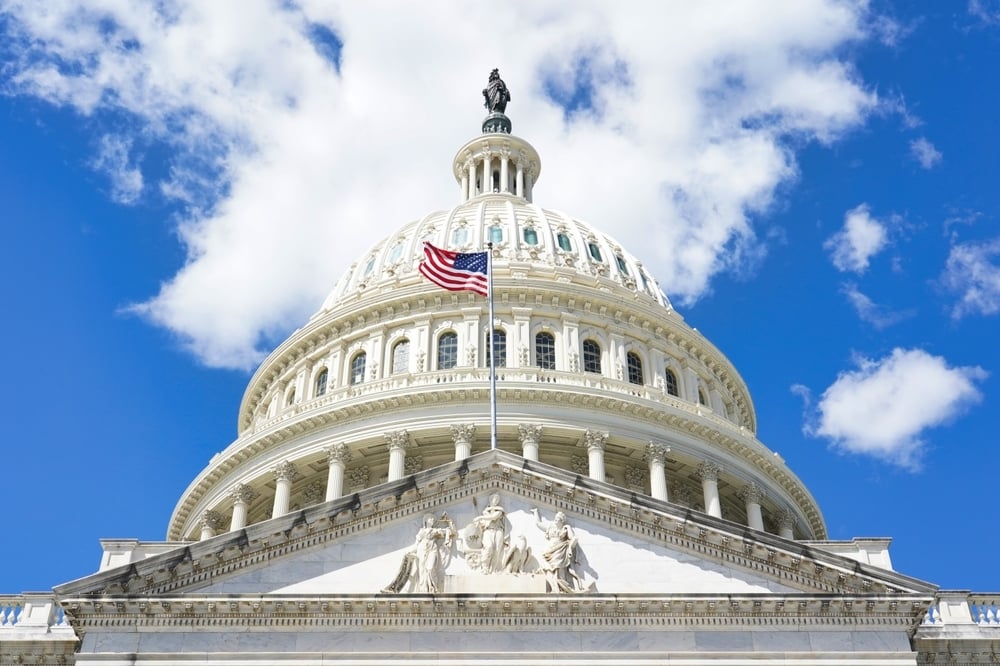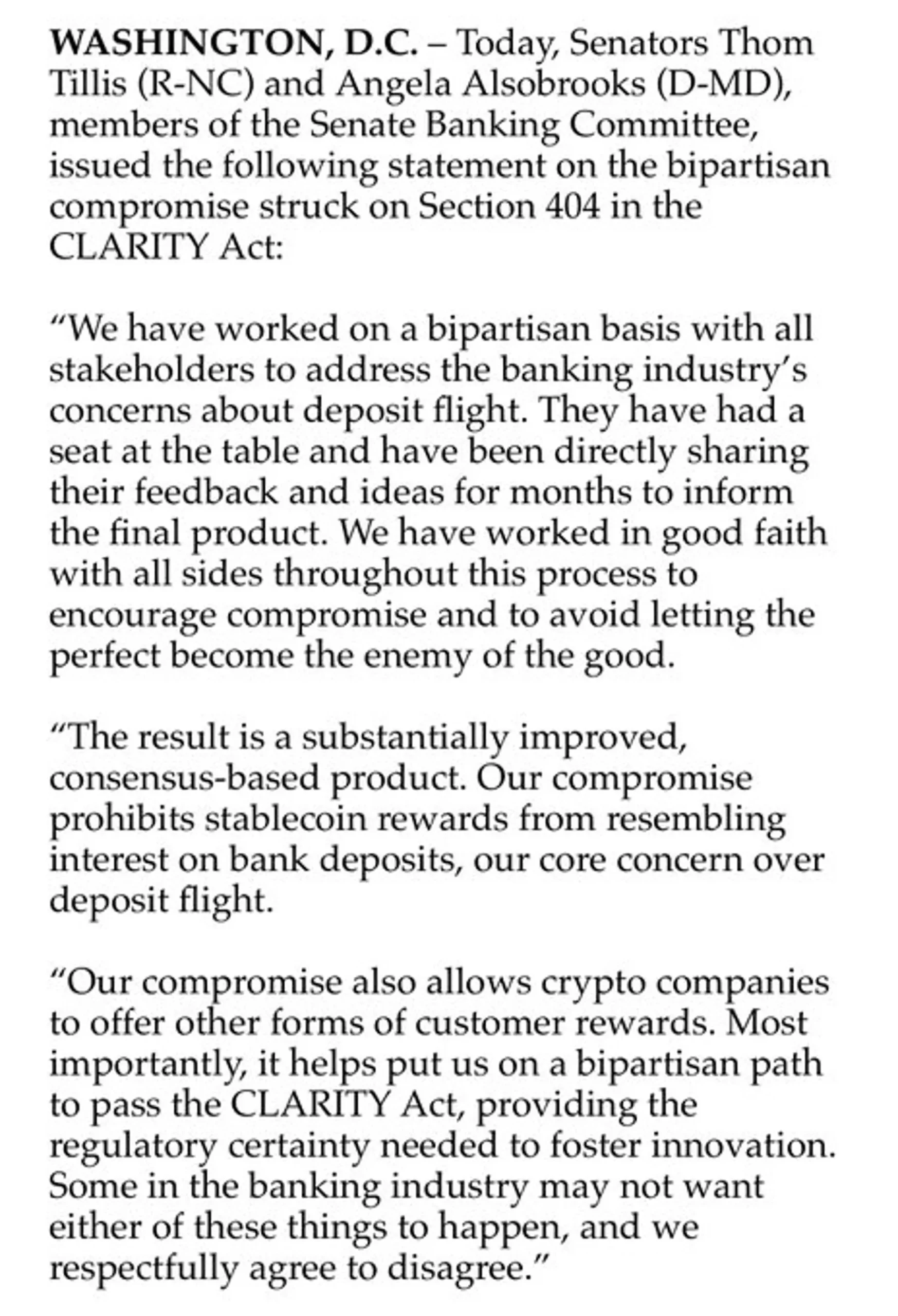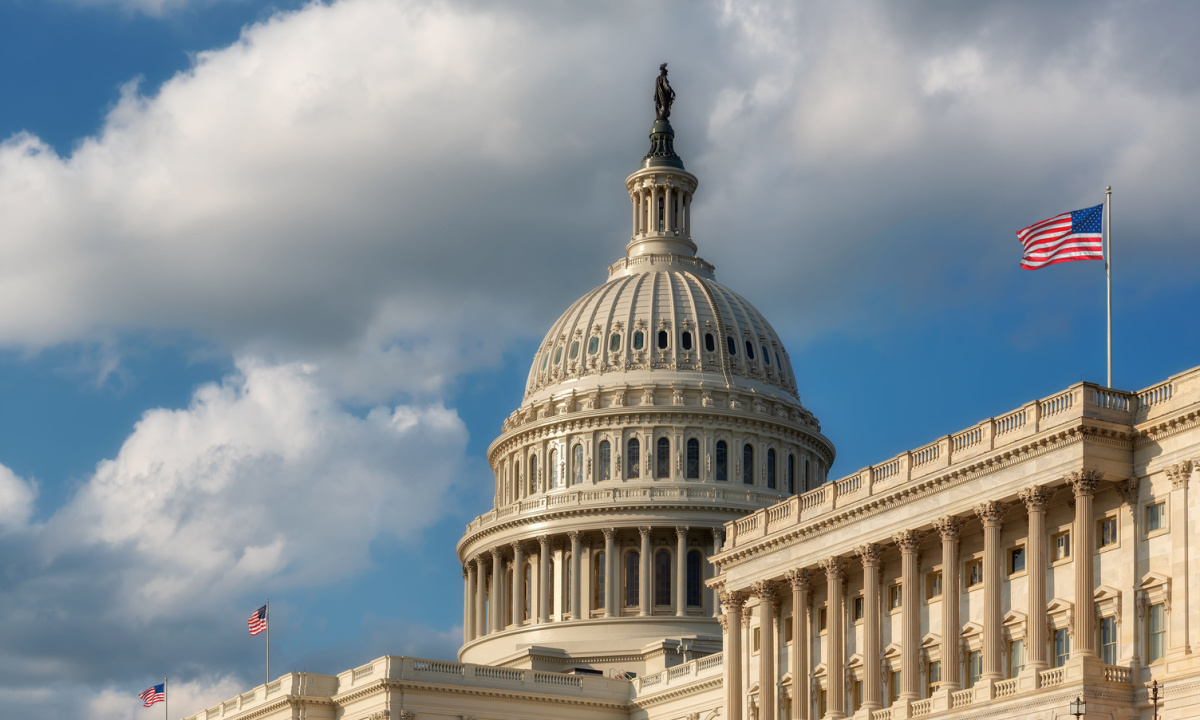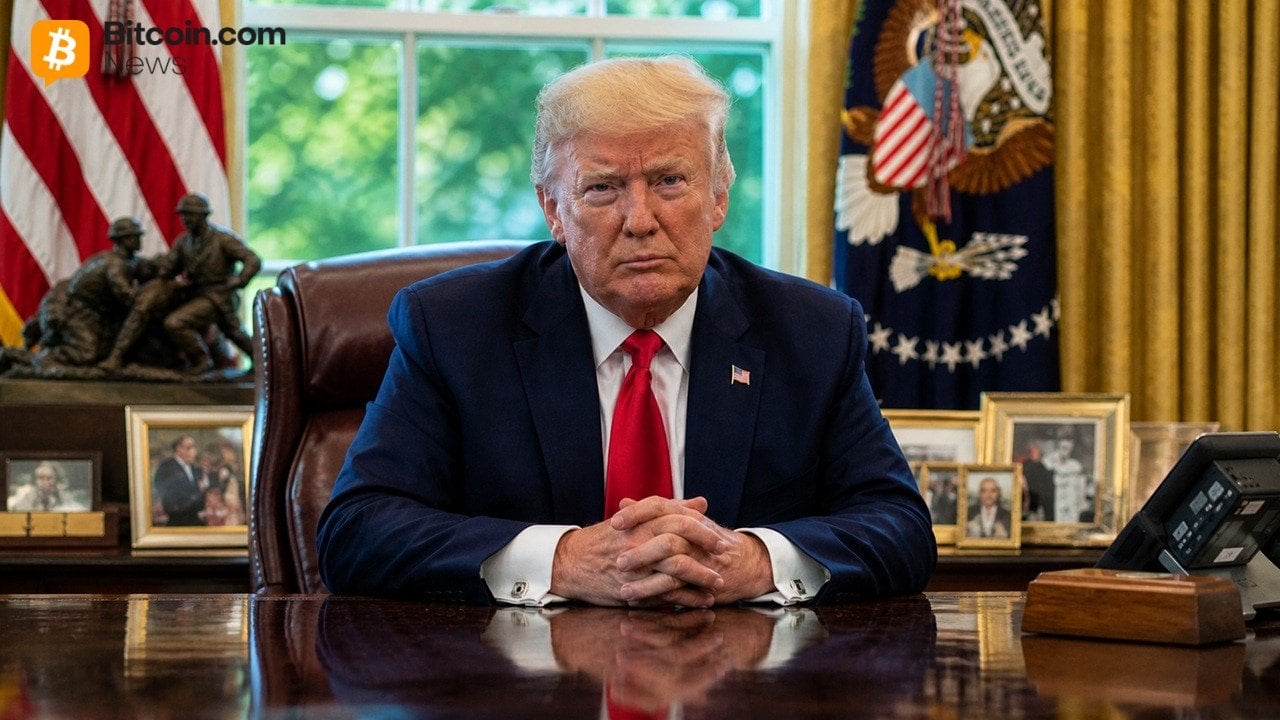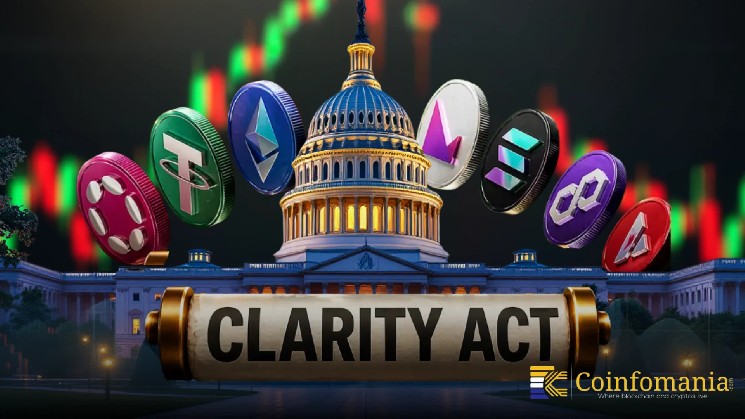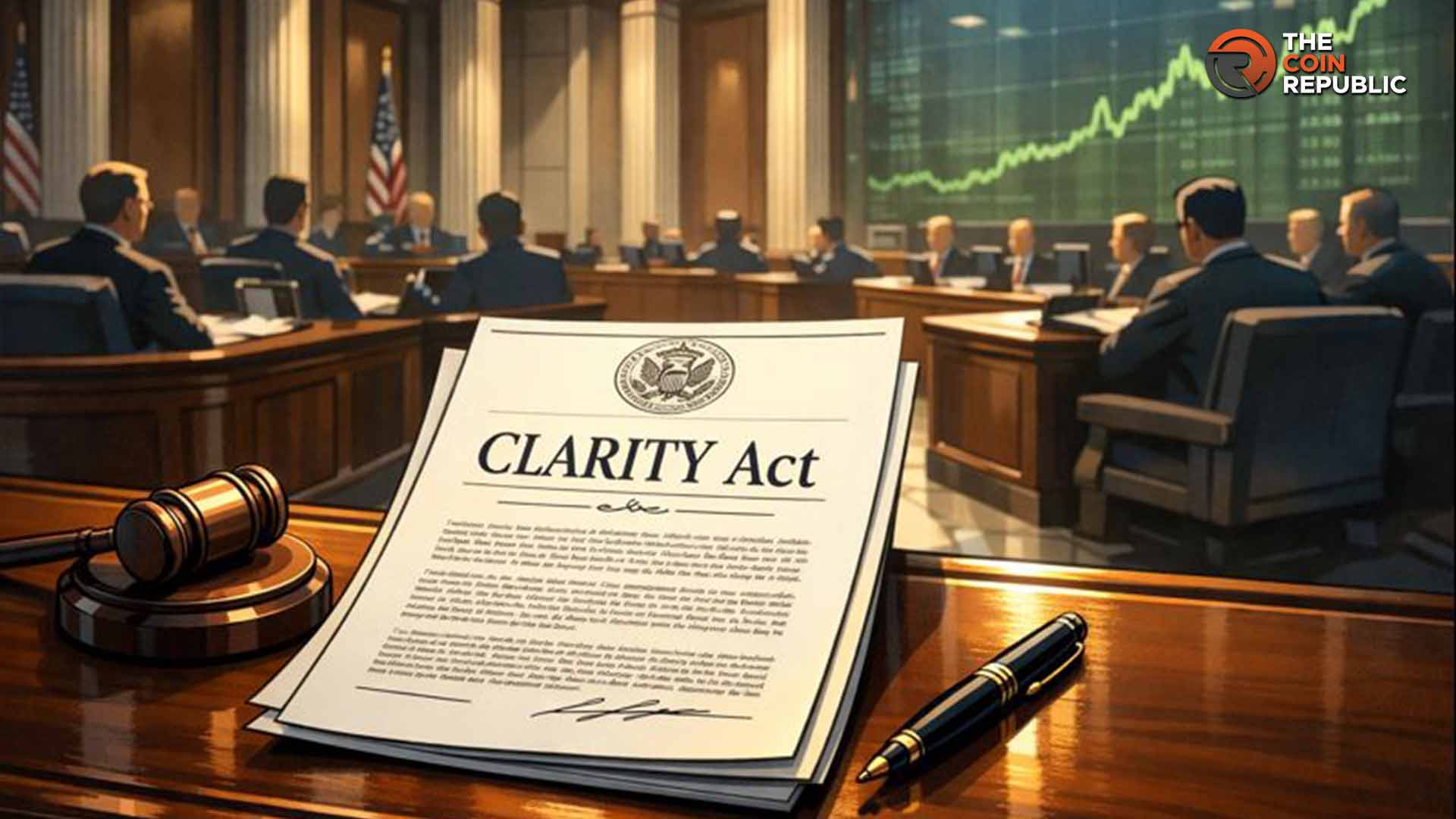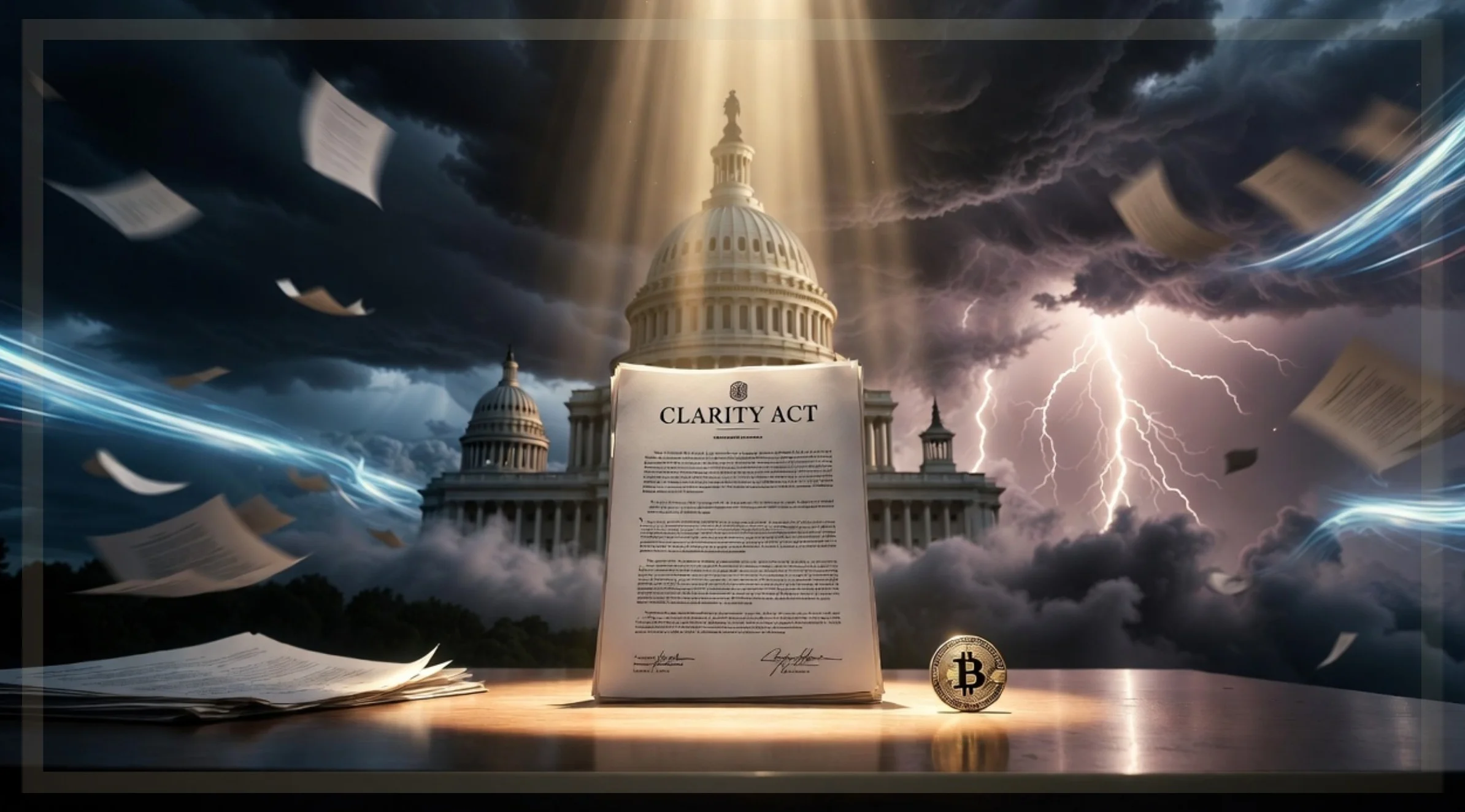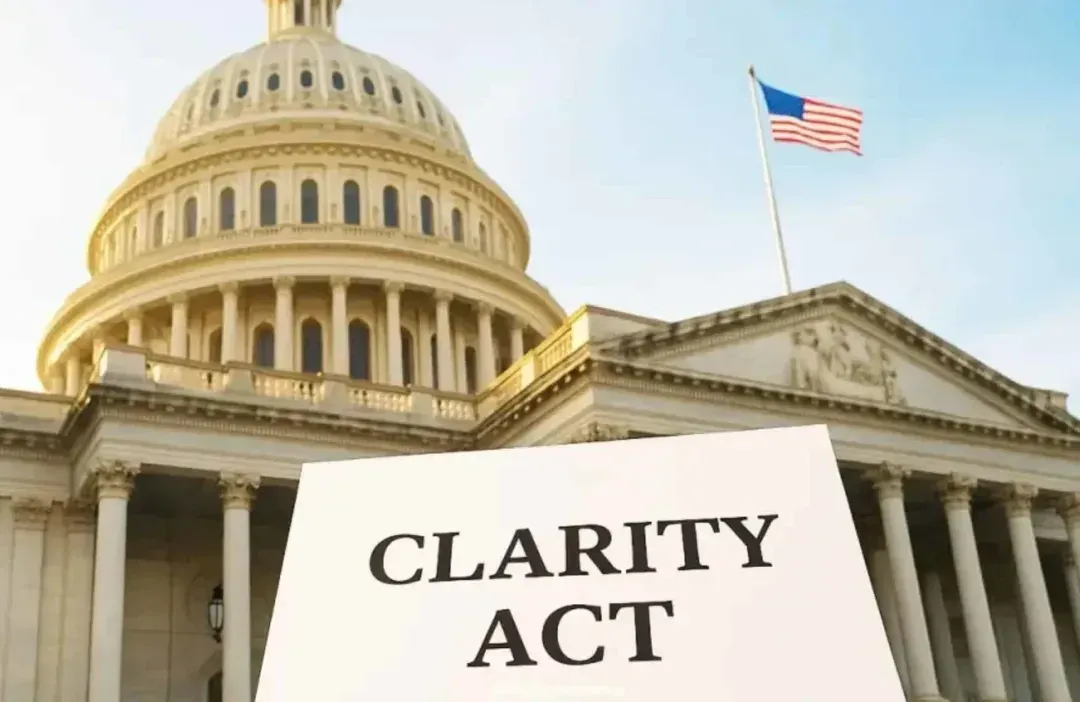
U.S. lawmakers continue to push forward with the CLARITY Act as debates intensify around digital asset regulation. However, new scrutiny tied to President Donald Trump’s memecoin activities has added pressure to ongoing negotiations. The controversy now intersects with broader efforts to define market structure rules. As discussions advance, ethics concerns linked to the $TRUMP memecoin are shaping the legislative path.
CLARITY Act Amid Trump Memecoin Scandal
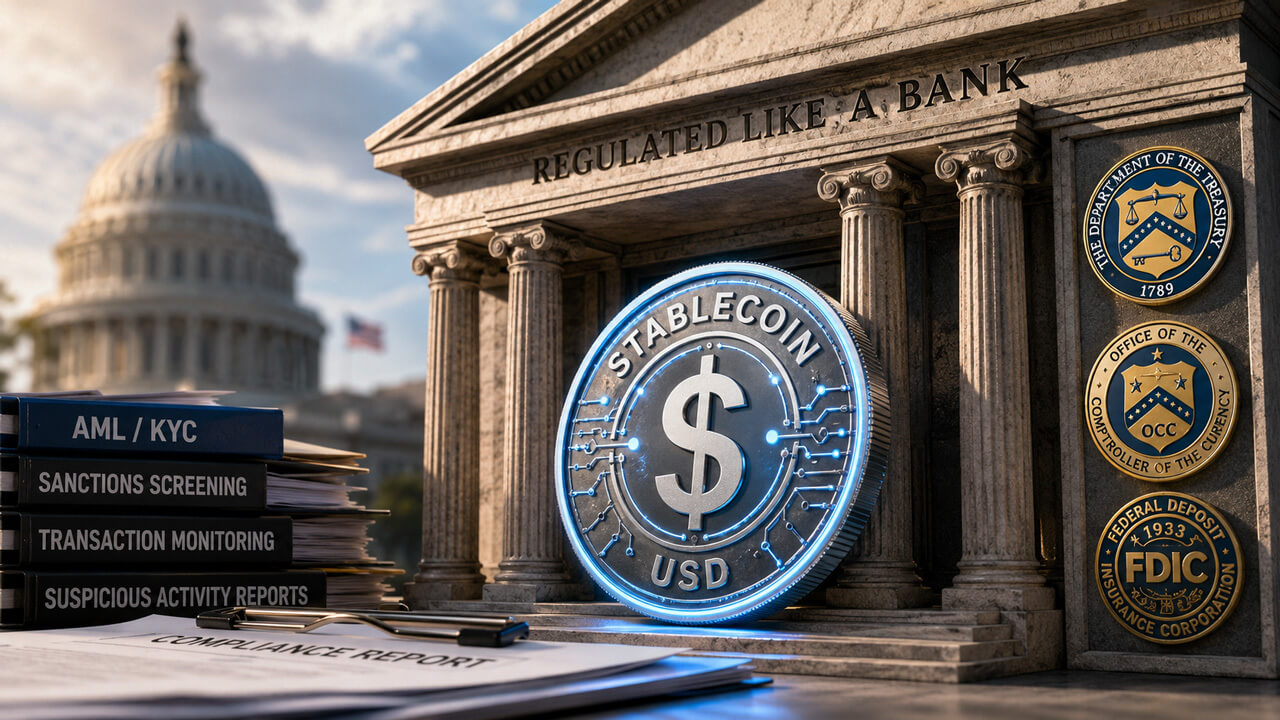
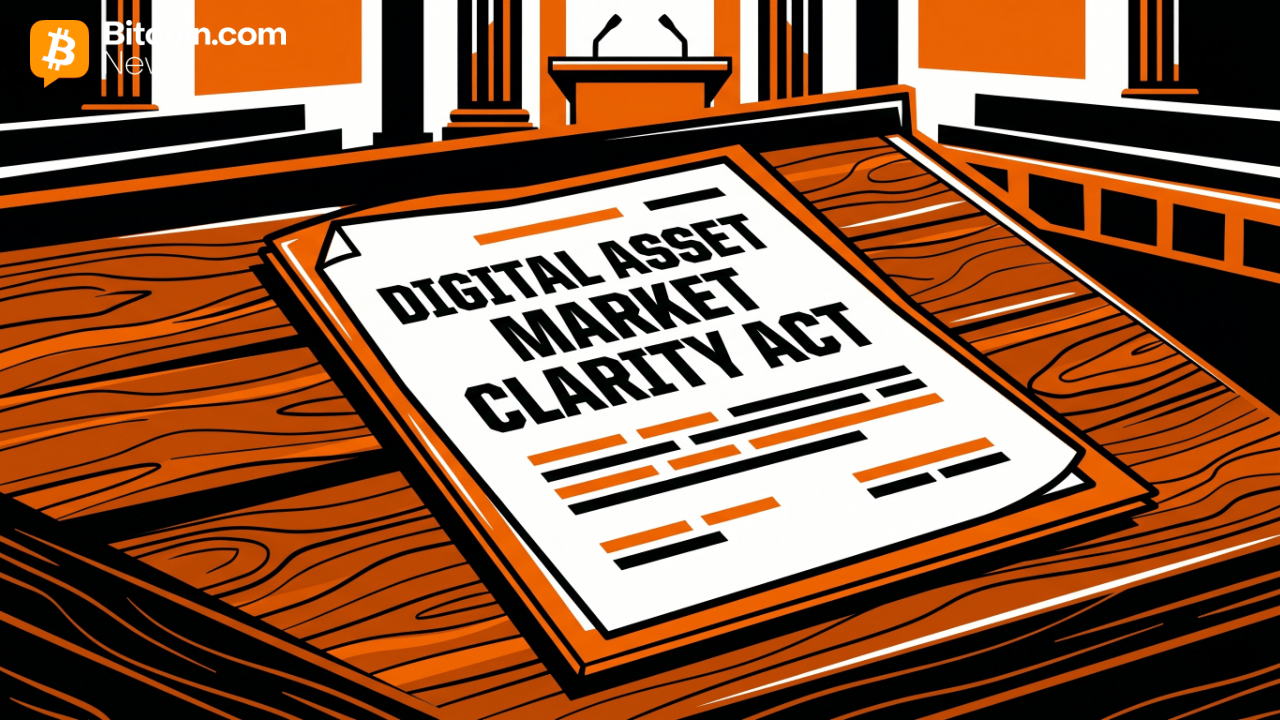
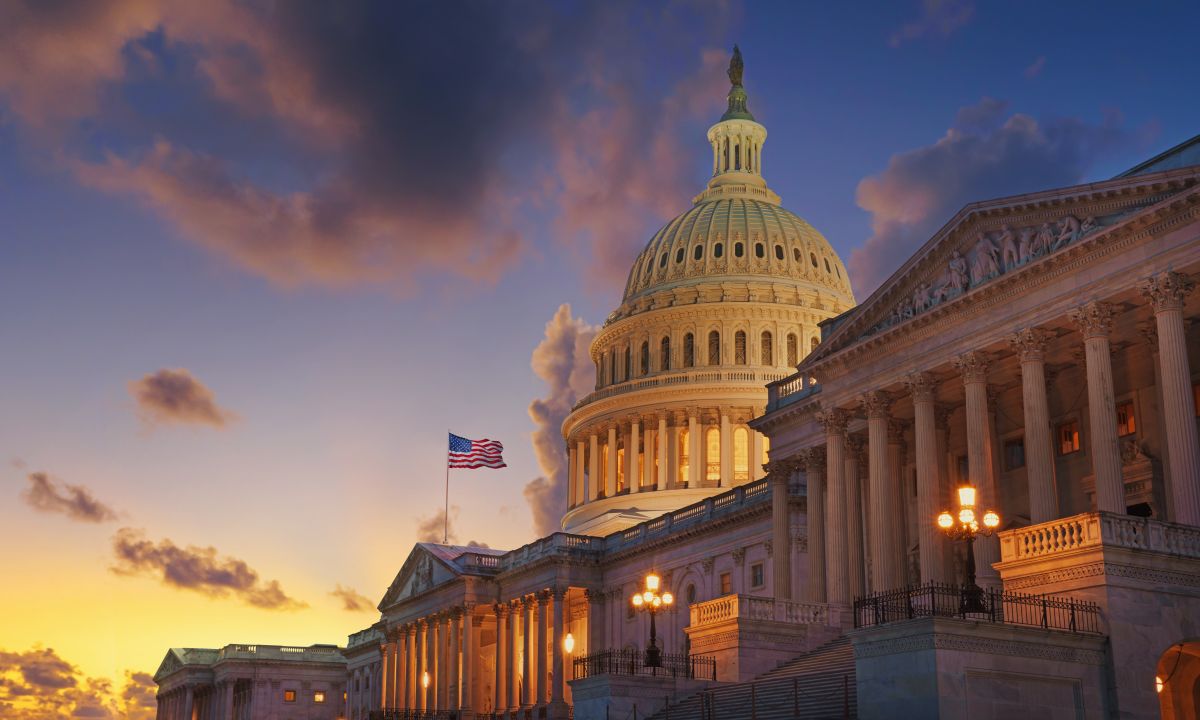
Lawmakers have spent months negotiating the CLARITY Act, which aims to define oversight across the digital asset market. The bill proposes a framework that divides responsibilities between key financial regulators. Industry participants have supported the measure as a way to formalize crypto’s role in mainstream finance.
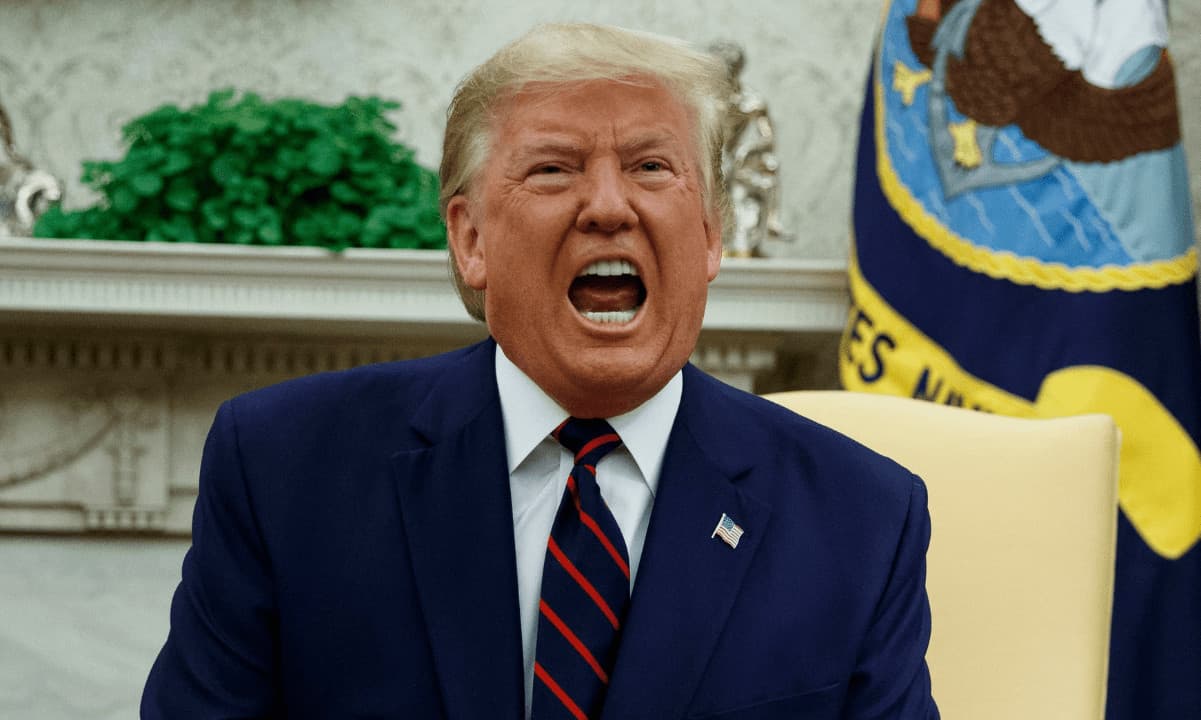
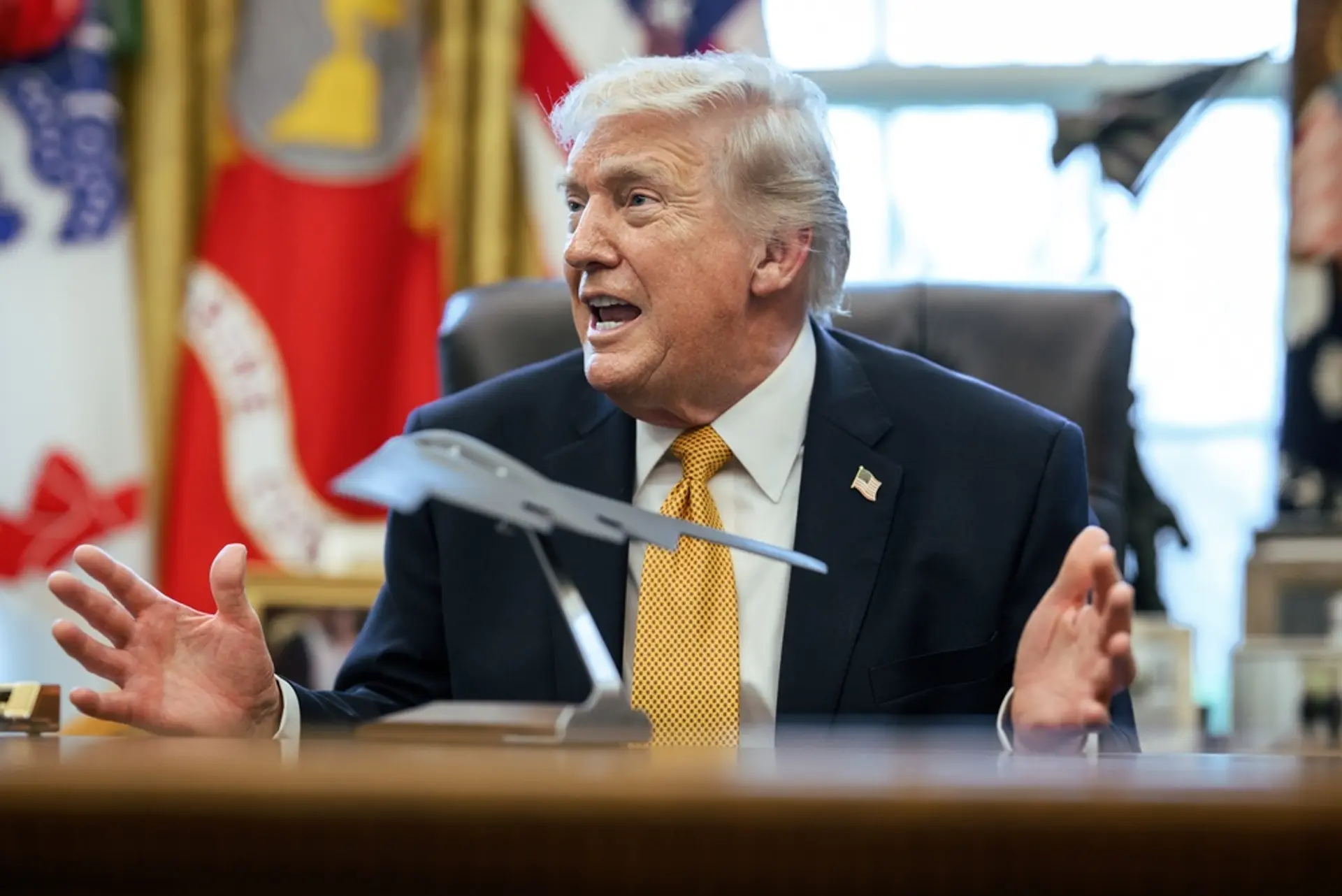
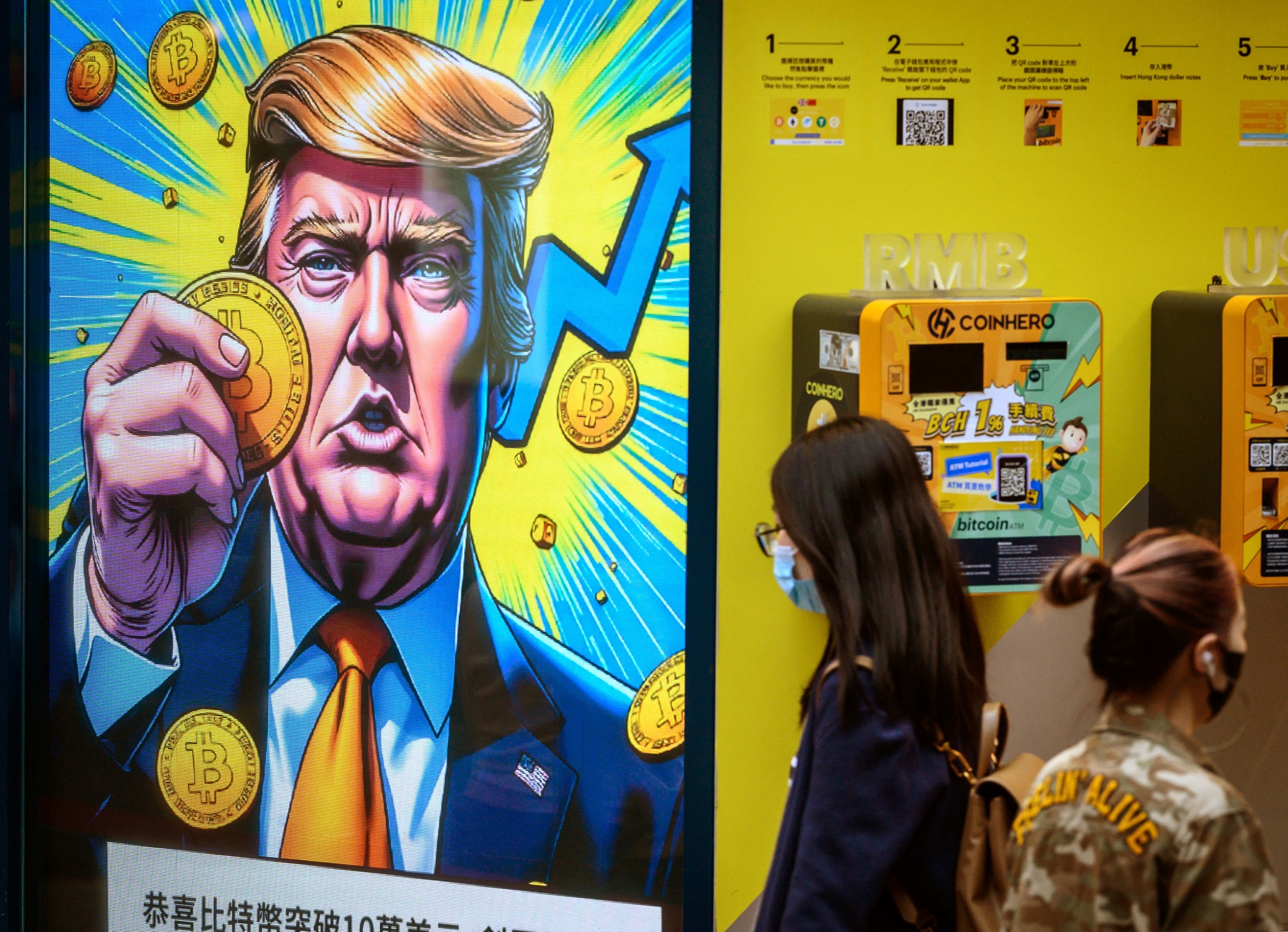
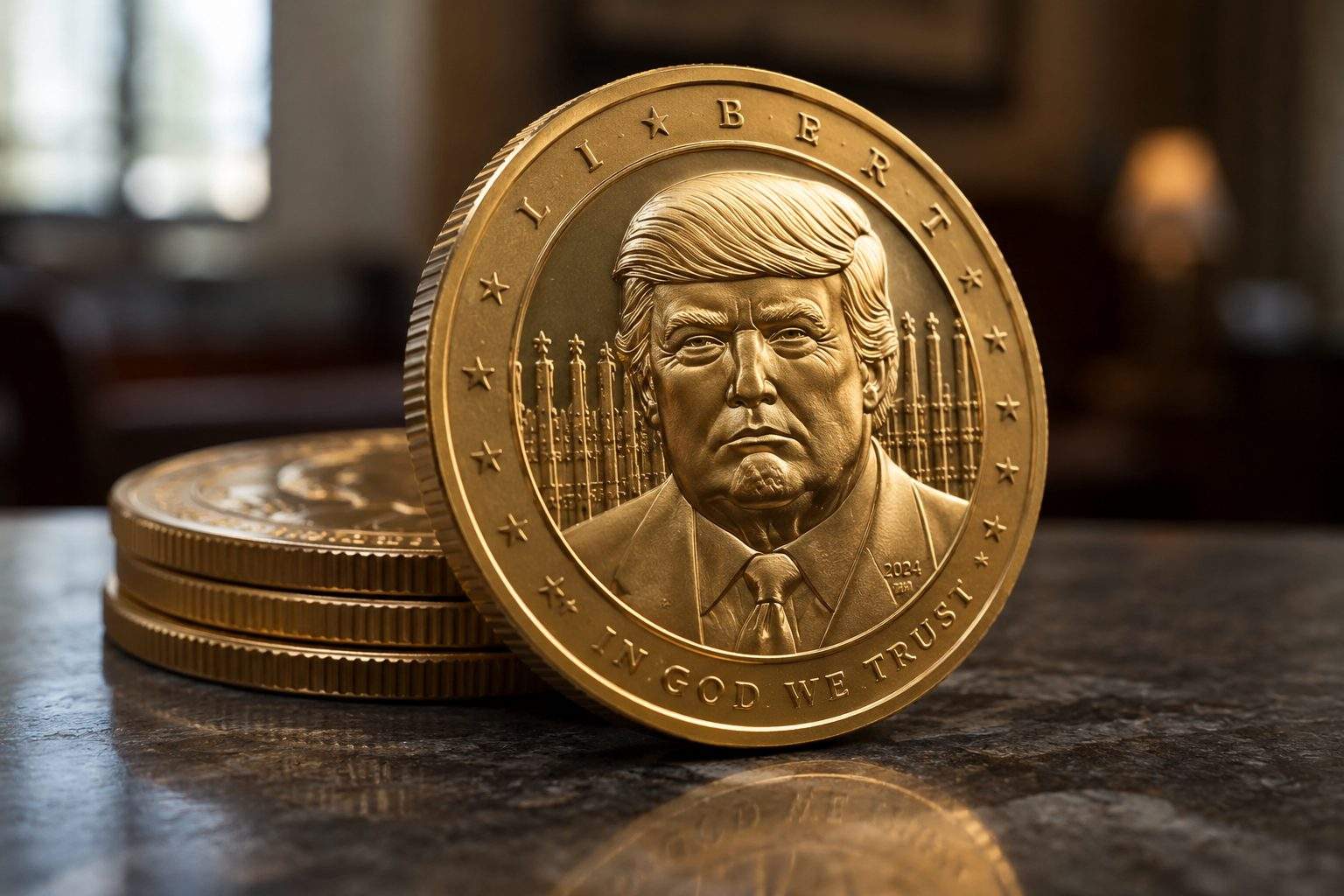
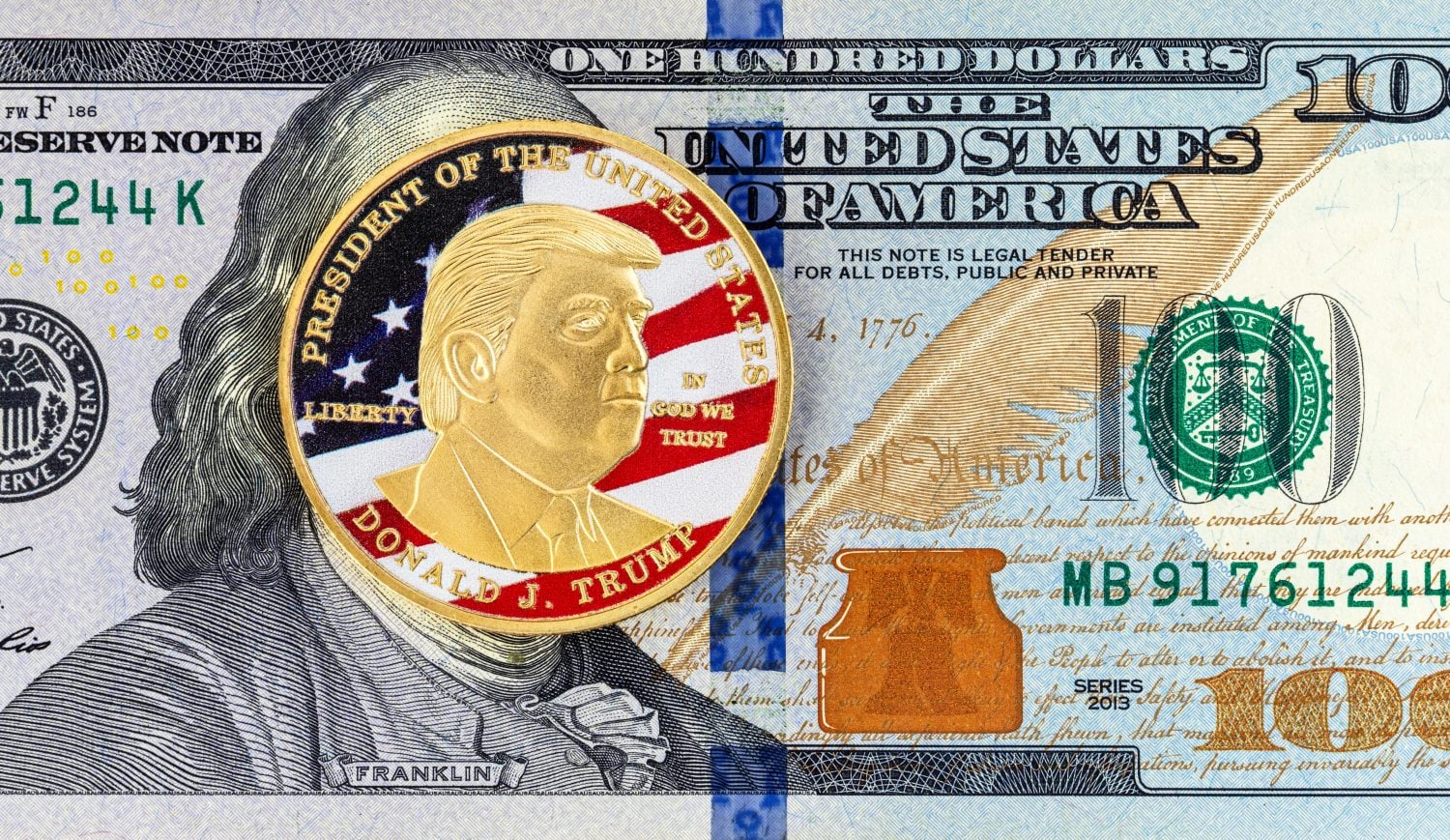
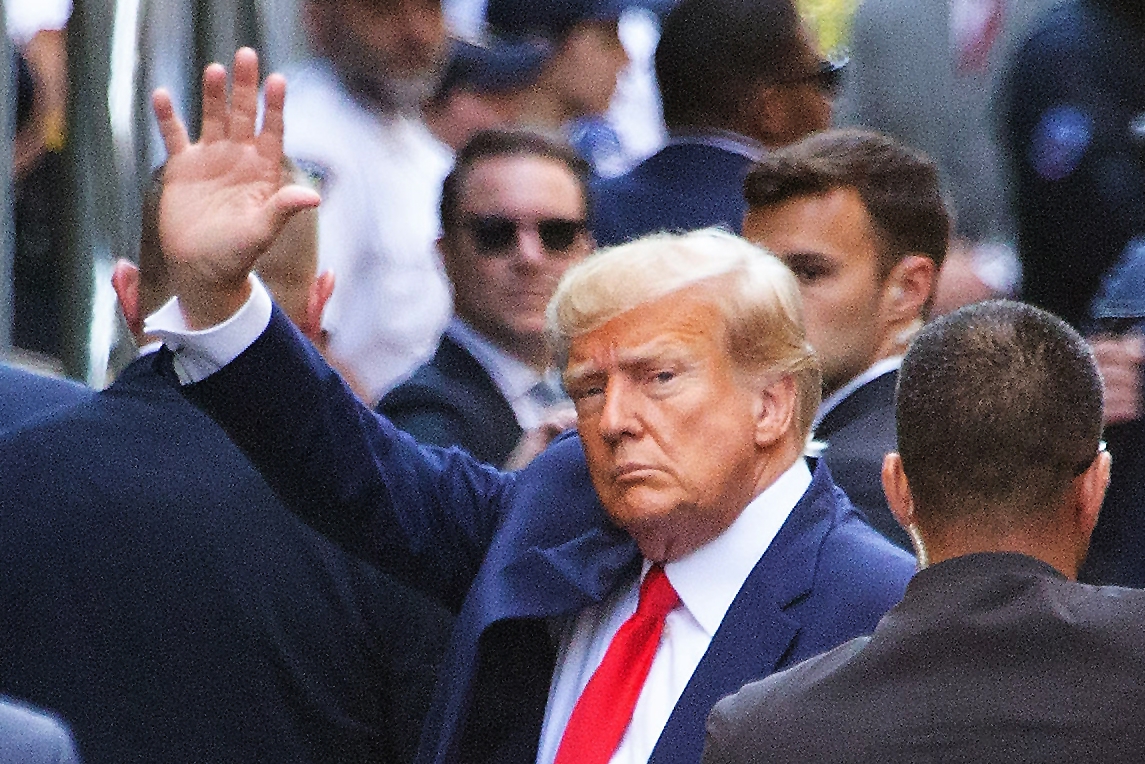
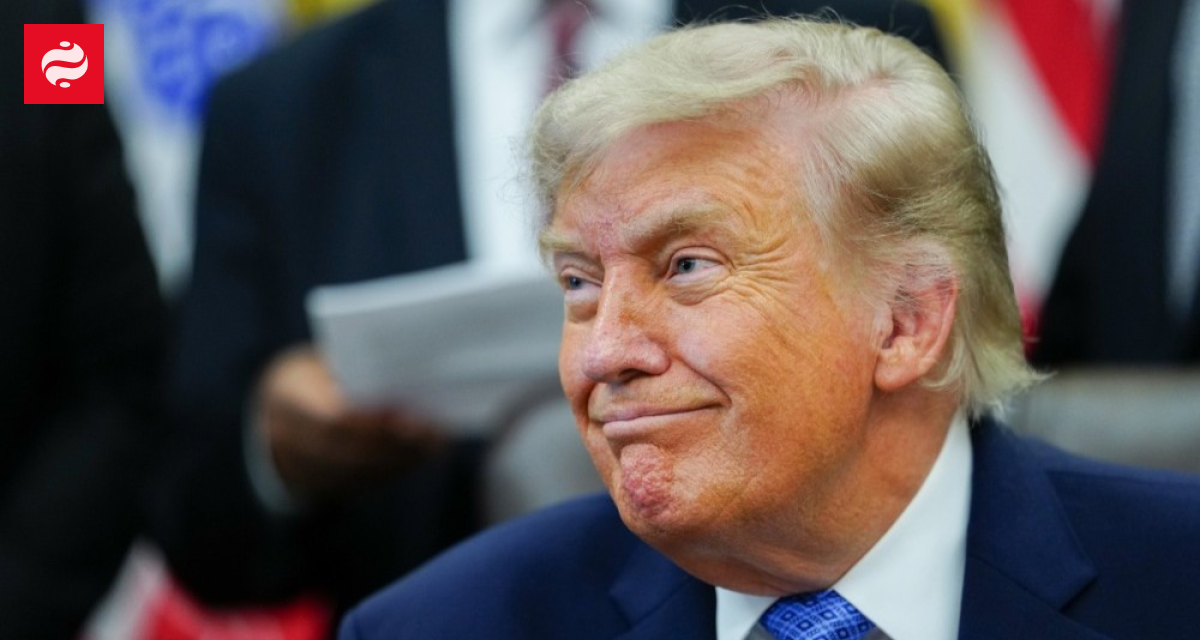
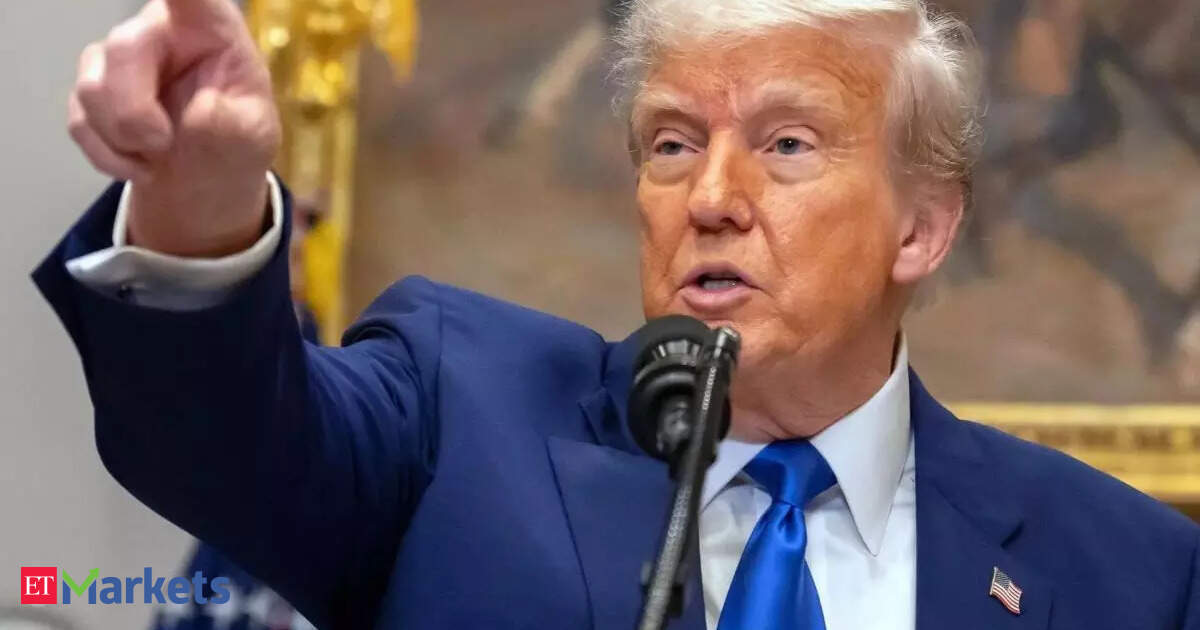
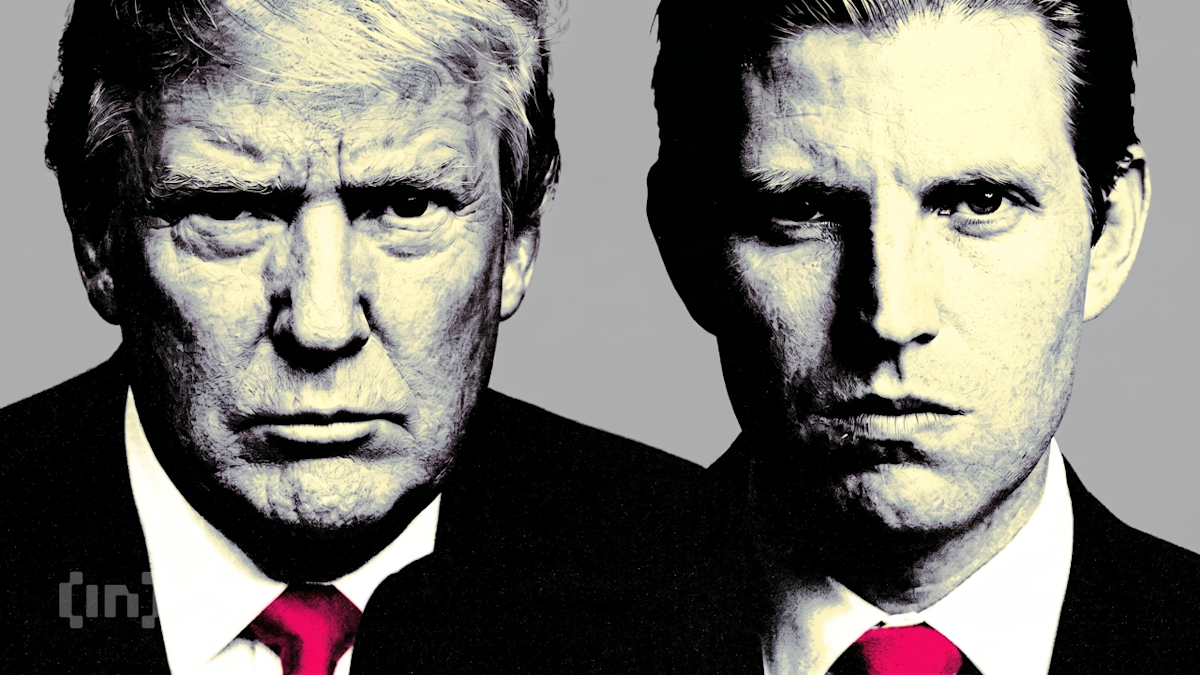
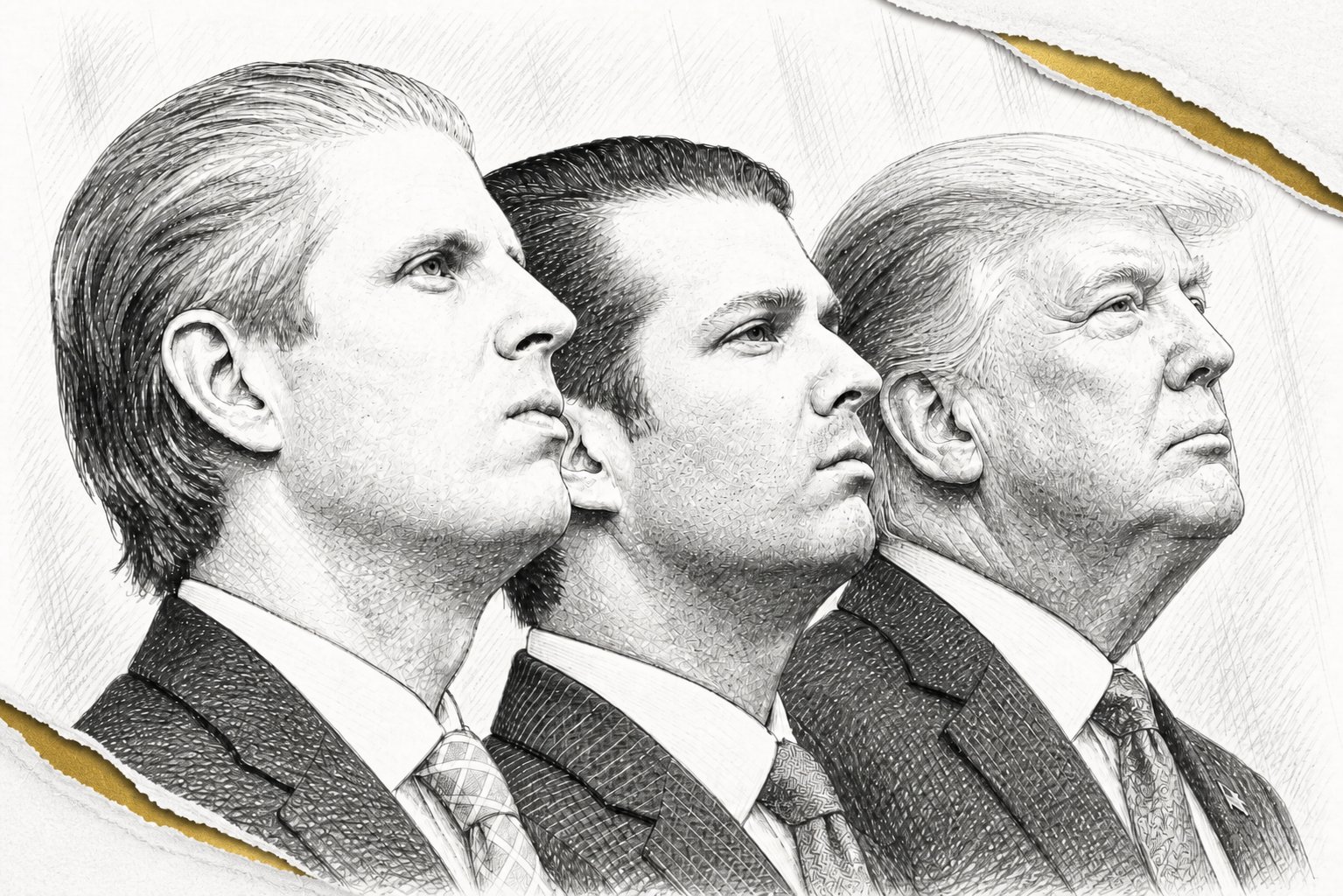
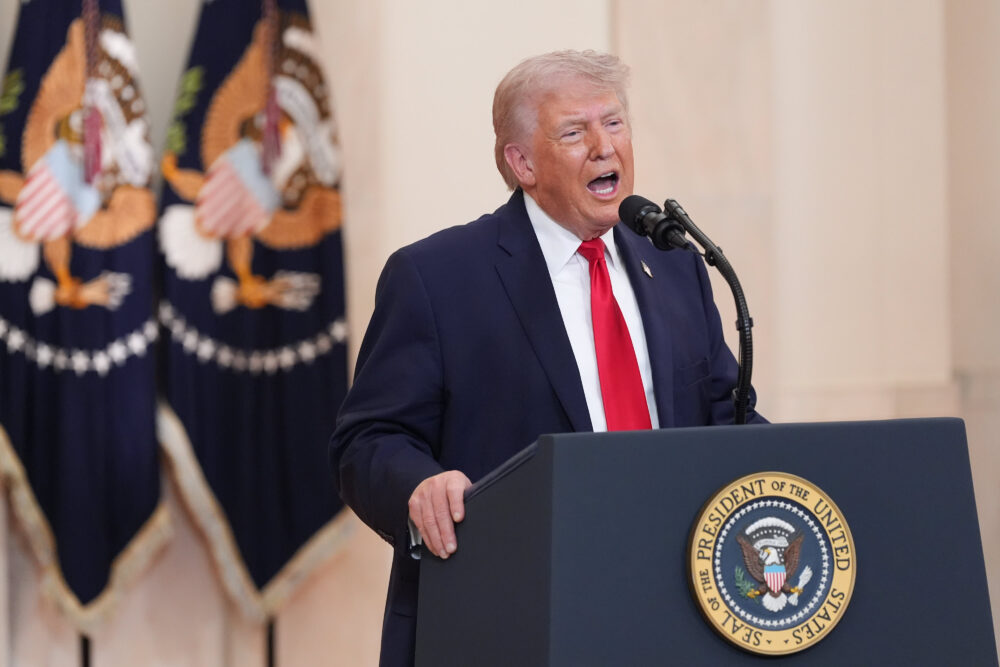
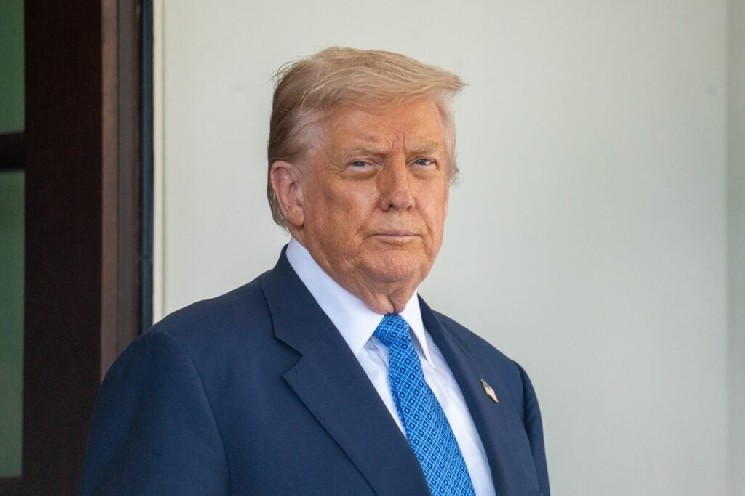
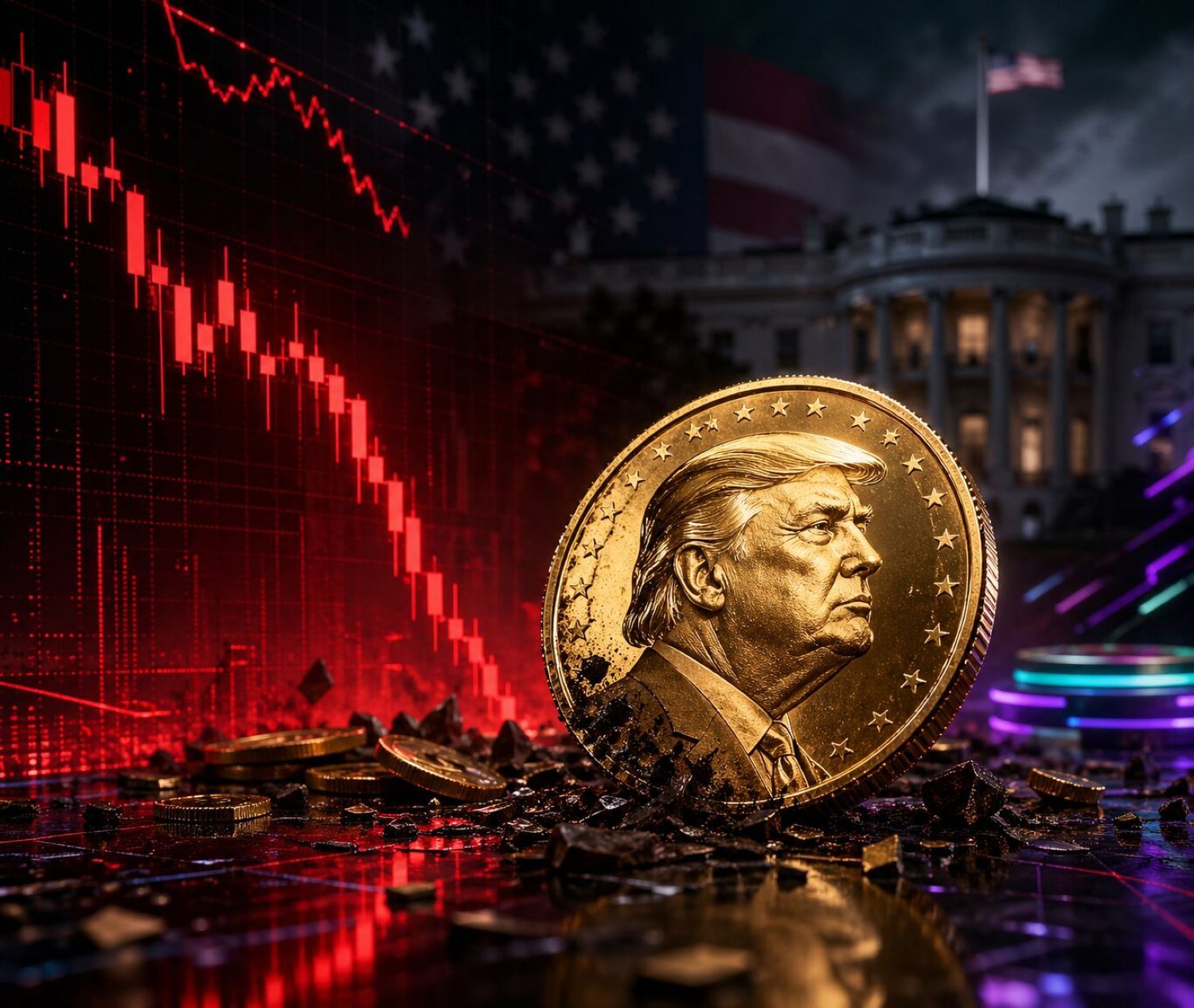
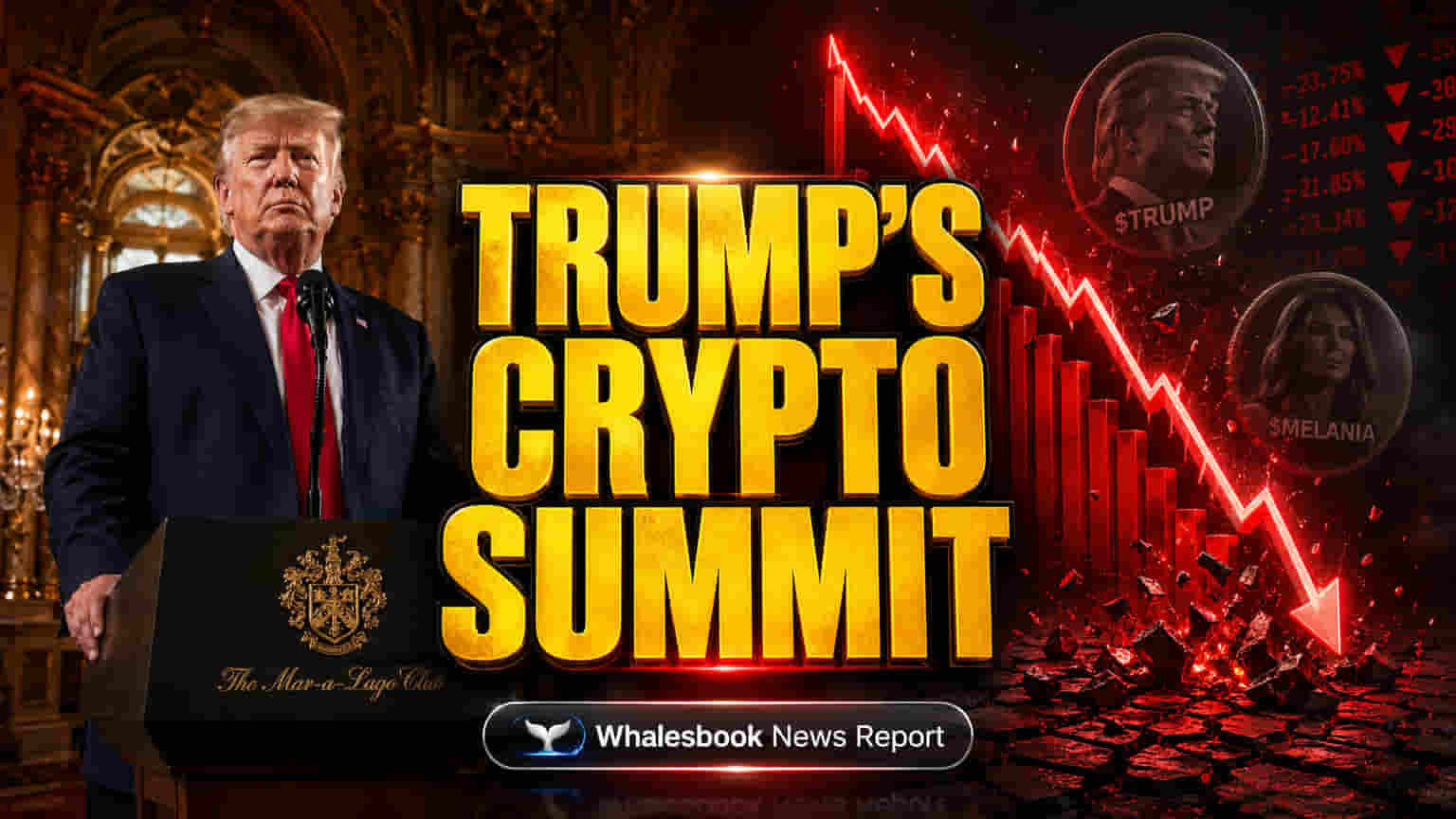
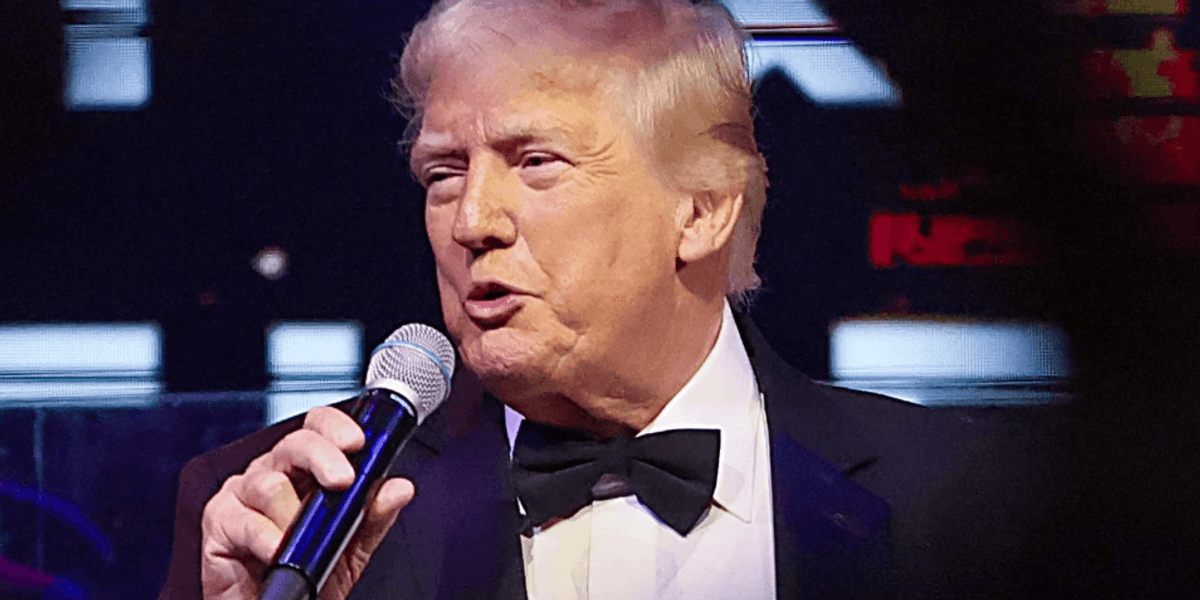
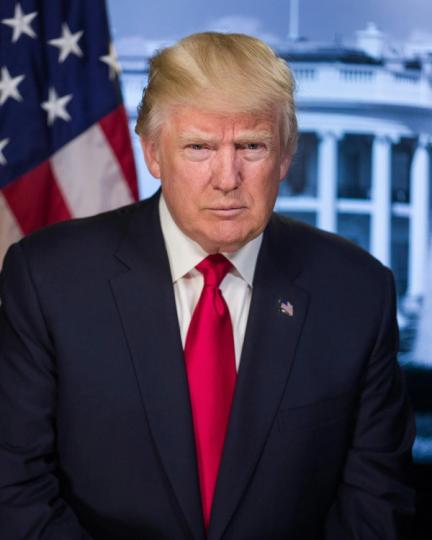
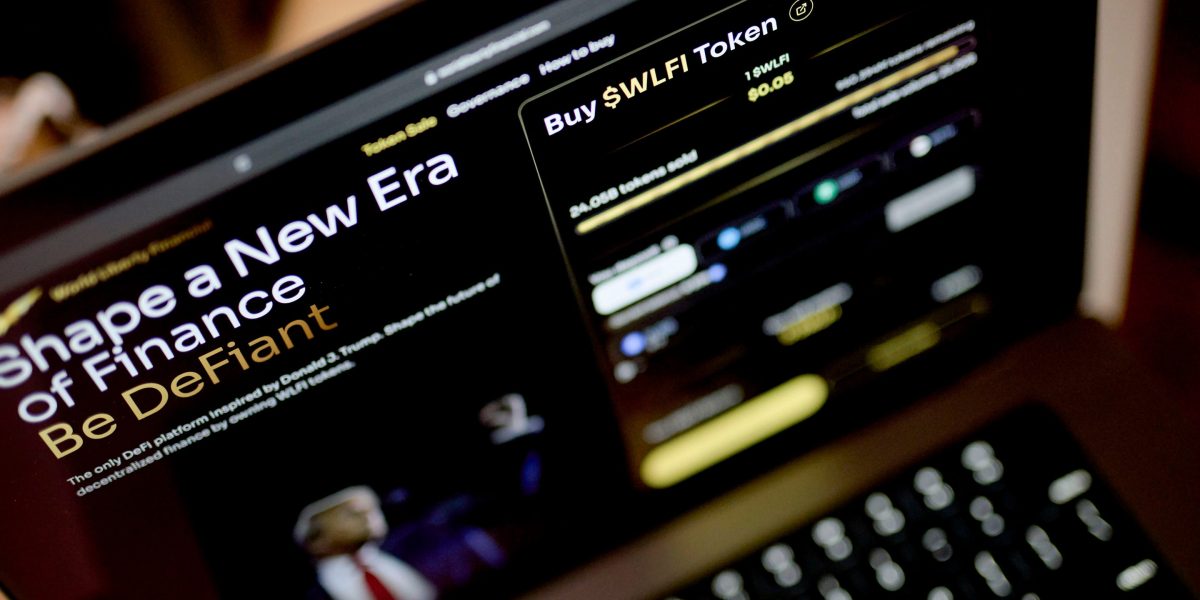
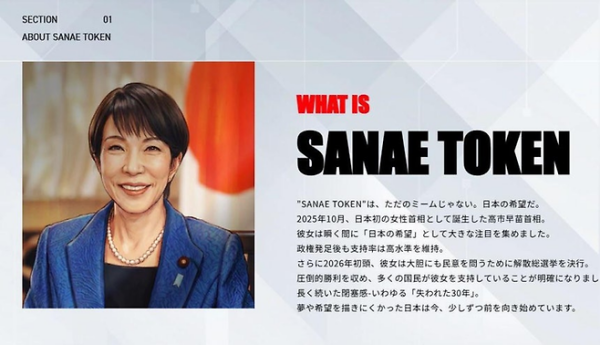
However, recent developments tied to the $TRUMP memecoin have introduced new friction. Democratic senators questioned a planned investor event linked to the token, citing concerns over access to the president. They noted that event organizers appeared to promote attendance based on Trump’s potential presence.
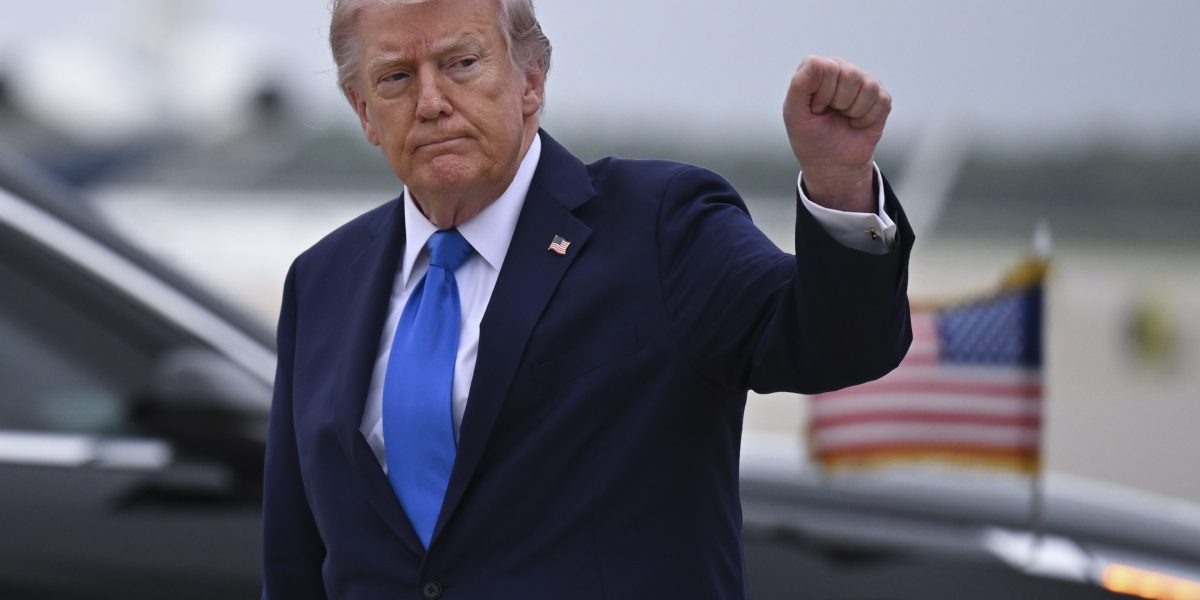
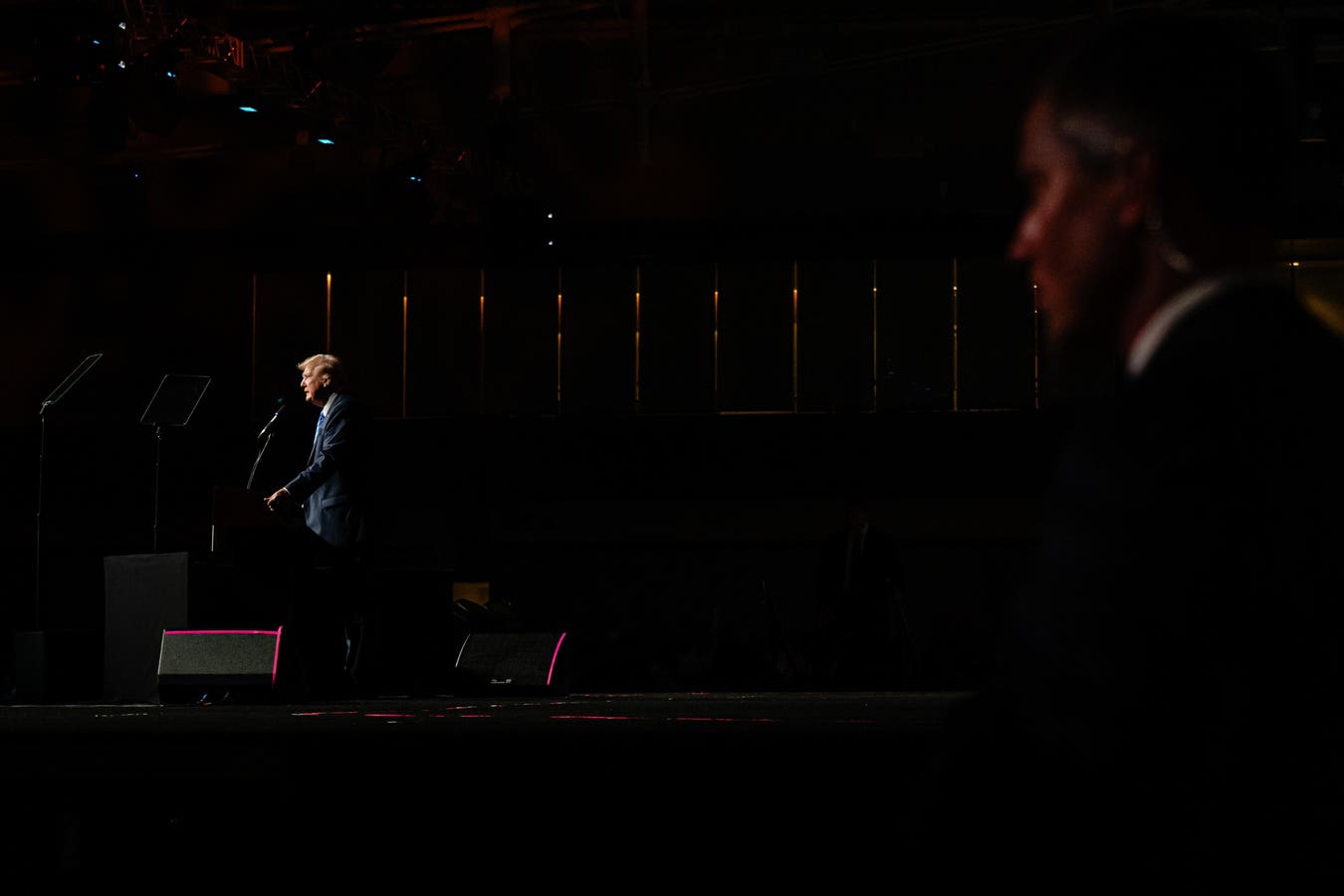
The April 25 event has drawn attention due to a scheduling conflict with the White House Correspondents’ Dinner. Officials have not confirmed Trump’s attendance at the memecoin gathering. Lawmakers stated that promoting such access could encourage token purchases tied to financial benefit.
The issue has brought ethics concerns into ongoing legislative discussions. Democrats have indicated they may push for ethics provisions within the market structure bill. Negotiations with the White House on this matter have not yet reached an agreement.
Donald Trump’s Inner Circle Pushes Timeline
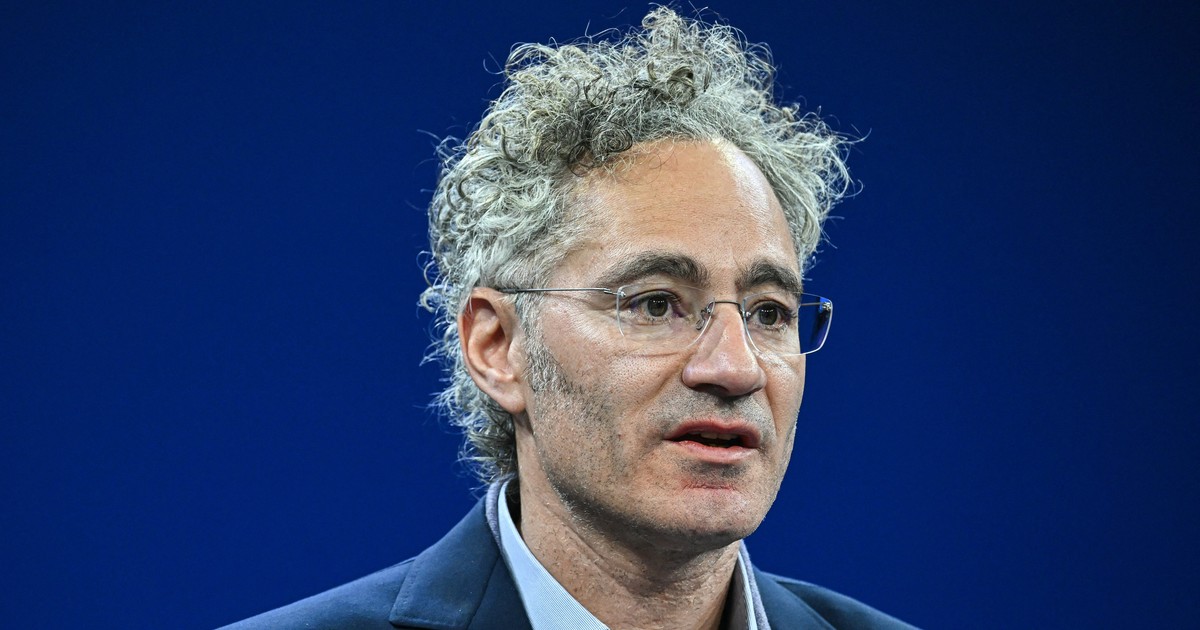
Senior figures aligned with the administration have increased calls to pass the CLARITY Act. Former crypto and AI advisor David Sacks urged the Senate to act as lawmakers prepare to reconvene. He stated that the bill would extend regulatory clarity beyond stablecoins to the broader digital asset market.
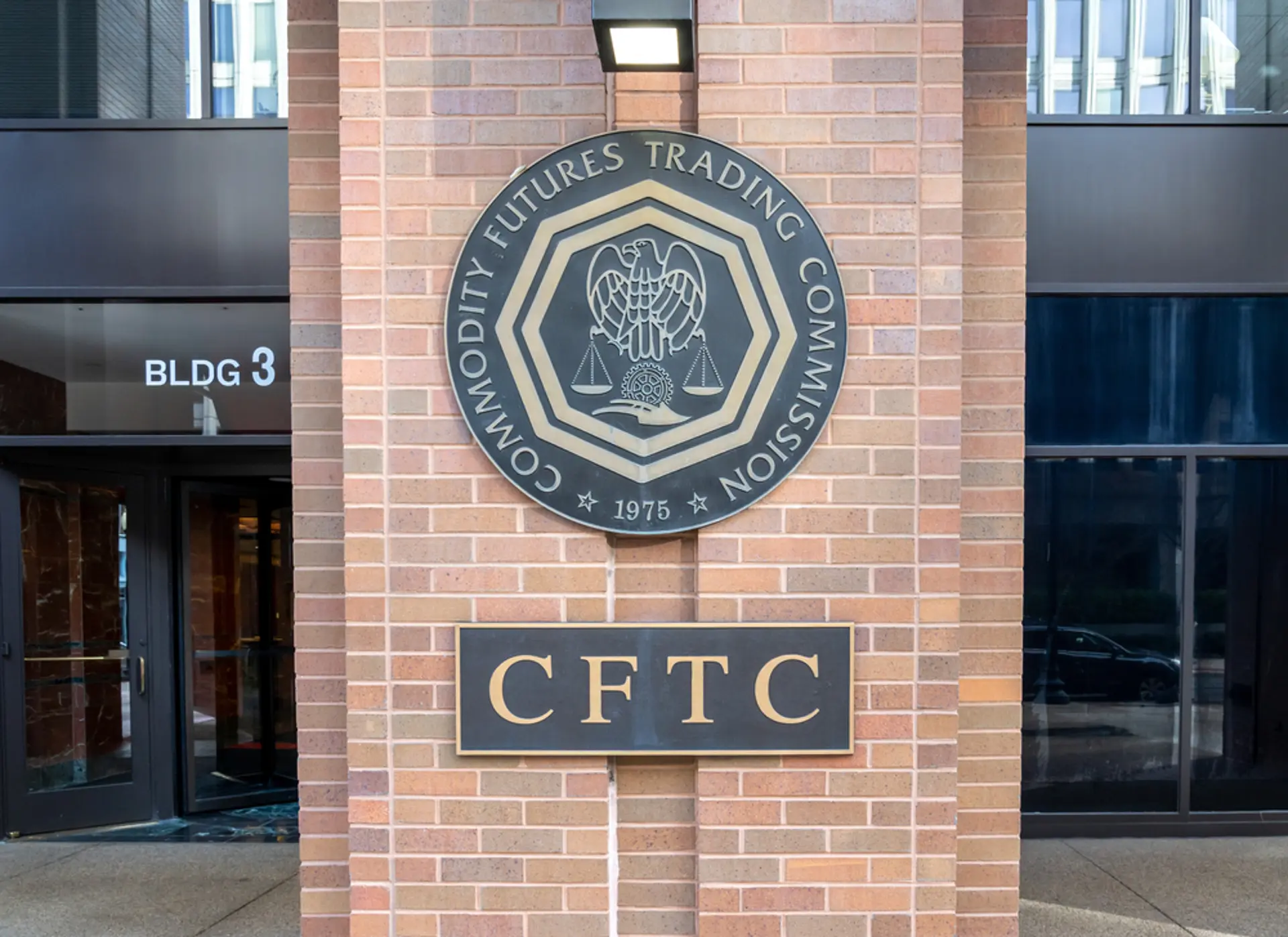
Treasury Secretary Scott Bessent also called for a Senate Banking Committee markup. He encouraged lawmakers to move the bill forward for final approval. At the same time, CFTC Chair Michael Selig confirmed readiness to implement the framework alongside the SEC.
Officials have framed the legislation as a way to prevent future regulatory reversals. SEC Chair Paul Atkins noted that agencies are prepared to act once Congress finalizes the bill. These coordinated statements signal increased pressure ahead of a limited legislative window.
Senator Cynthia Lummis confirmed that a markup could take place later in April. Another lawmaker warned that delays beyond May could push progress past the 2026 midterm elections. This timeline has increased urgency among both policymakers and industry participants.
Law Enforcement and DeFi Divide
While momentum builds, opposition remains from law enforcement groups. Officials have raised concerns over provisions that may limit oversight of certain crypto developers. These provisions could exempt some software developers from federal licensing requirements.
Senator Catherine Cortez Masto has supported efforts to revise this section of the bill. Senate Judiciary leadership has also expressed similar concerns. Authorities argue that changes are needed to ensure enforcement capabilities remain intact.
Crypto advocacy groups have resisted these proposals. The DeFi Education Fund stated it does not support altering the current language. Industry representatives argue that such provisions protect innovation within decentralized finance systems.
This disagreement has added another layer of complexity to negotiations. Lawmakers must now balance enforcement concerns with industry demands. The outcome may influence how decentralized platforms operate under federal law.
Coinbase Signals Shift in Position
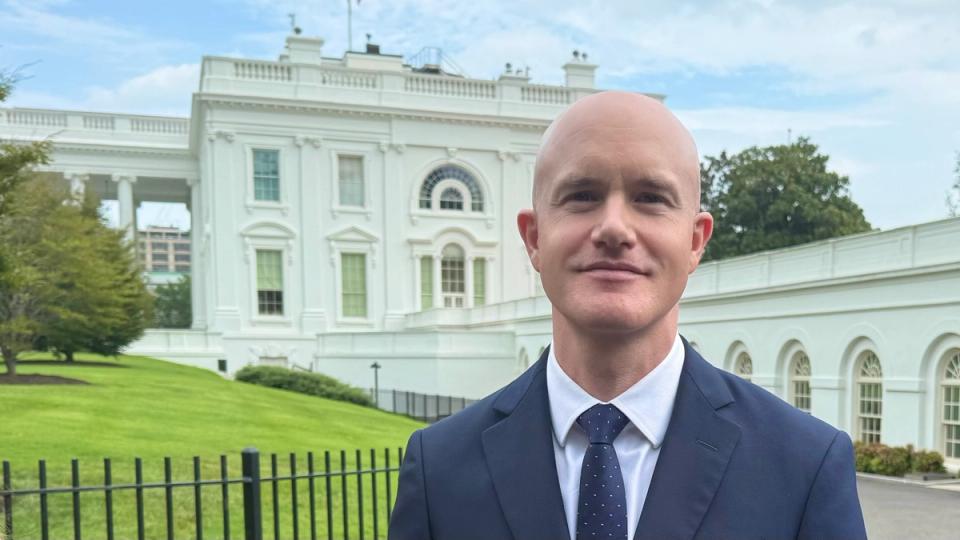
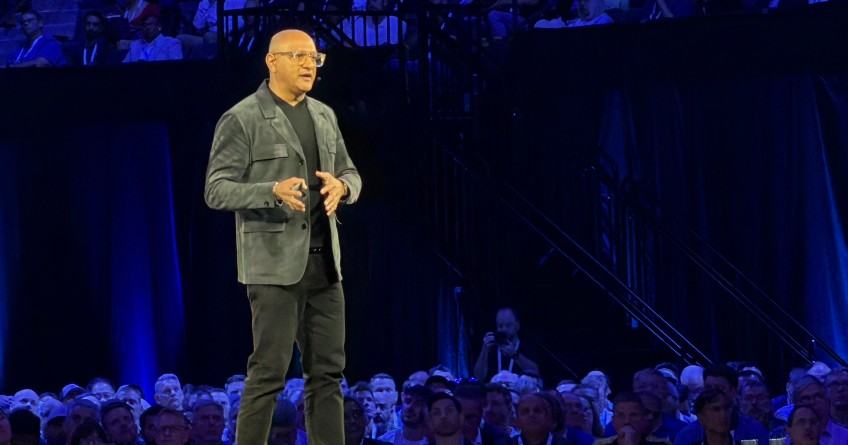
Coinbase CEO Brian Armstrong has renewed support for the CLARITY Act after earlier objections. He had previously opposed provisions that restricted interest payments on stablecoins. Recent developments suggest that this dispute has moved closer to resolution.
Armstrong stated that the bill could provide needed clarity for the digital asset industry. He indicated that bipartisan efforts had improved the framework over recent months. His comments reflect a shift toward broader industry alignment.
Coinbase Chief Legal Officer Paul Grewal provided further details on the legislative path. He explained that the bill is expected to move through the Senate Banking Committee before a floor vote. He added that visible progress could emerge within weeks.
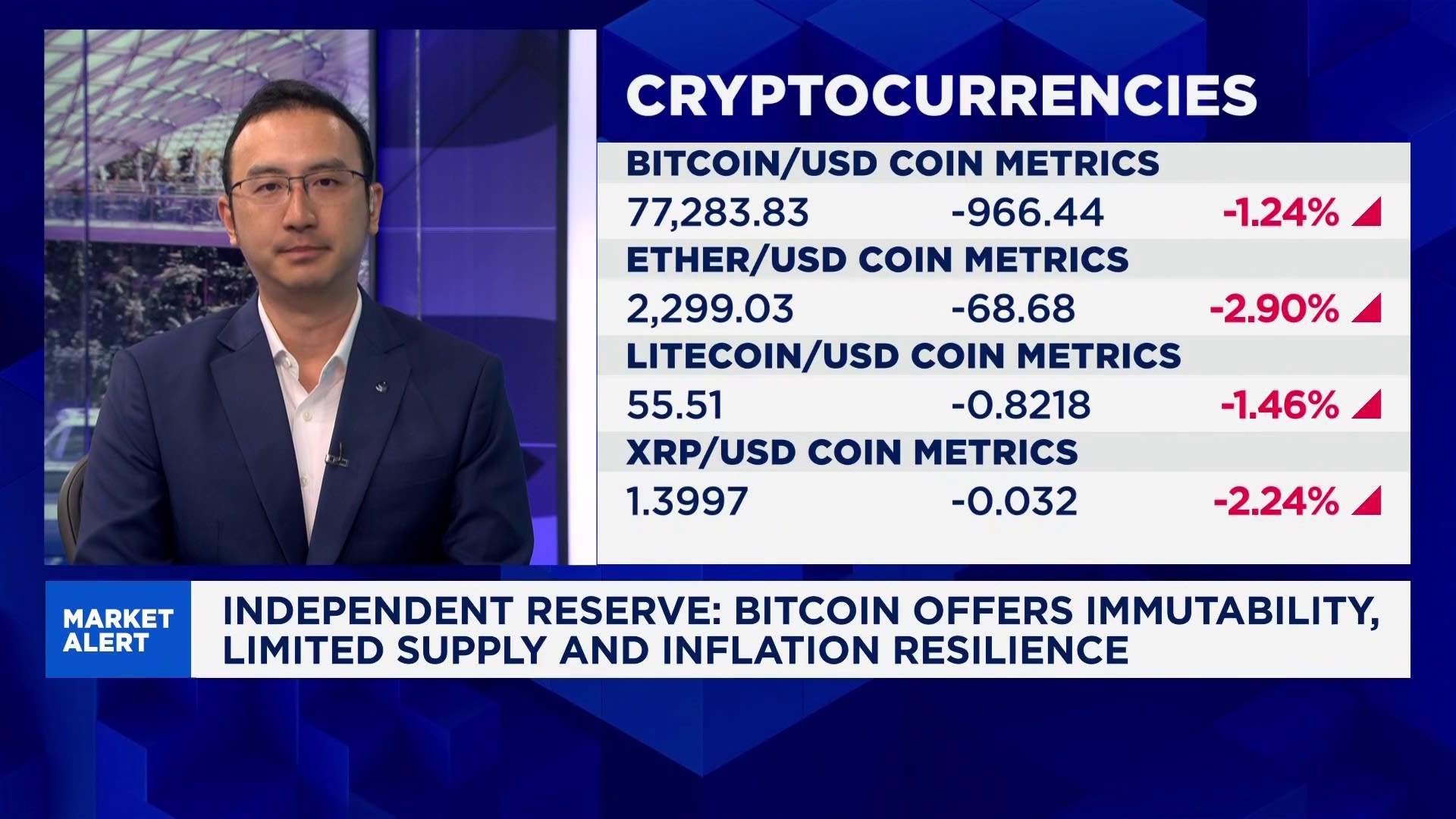
Market participants continue to monitor the outcome of these discussions. Analysts expect regulatory clarity to influence institutional participation in crypto markets. The final version of the bill remains under review as negotiations continue.