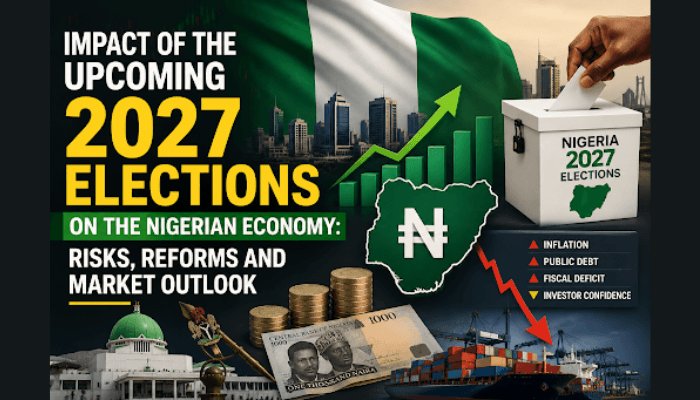
Synopsis of the impact of the upcoming elections on the economy
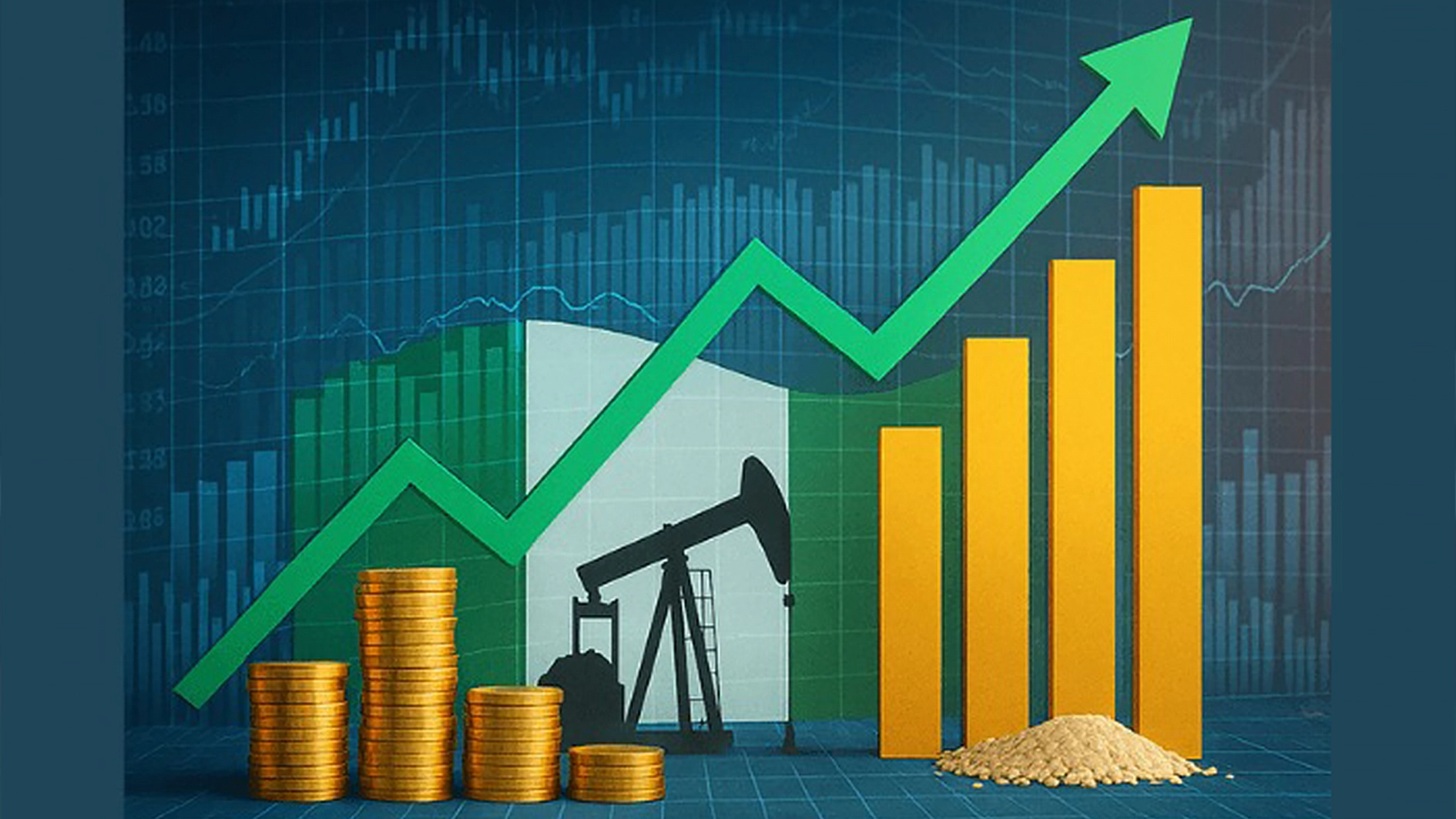
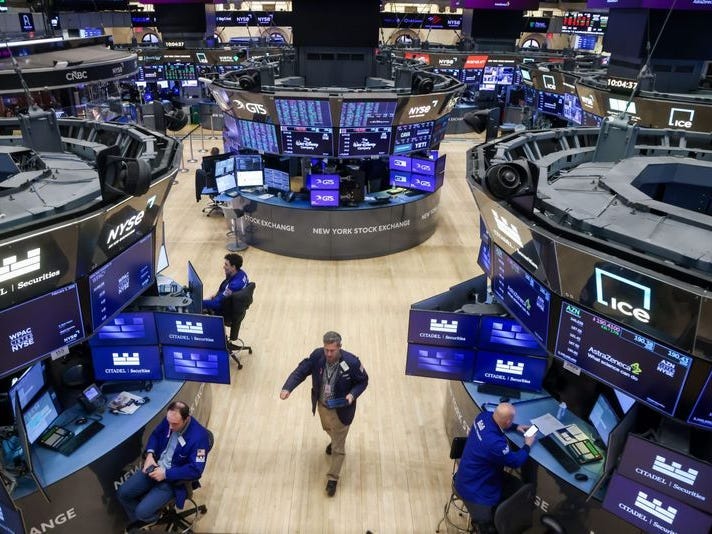
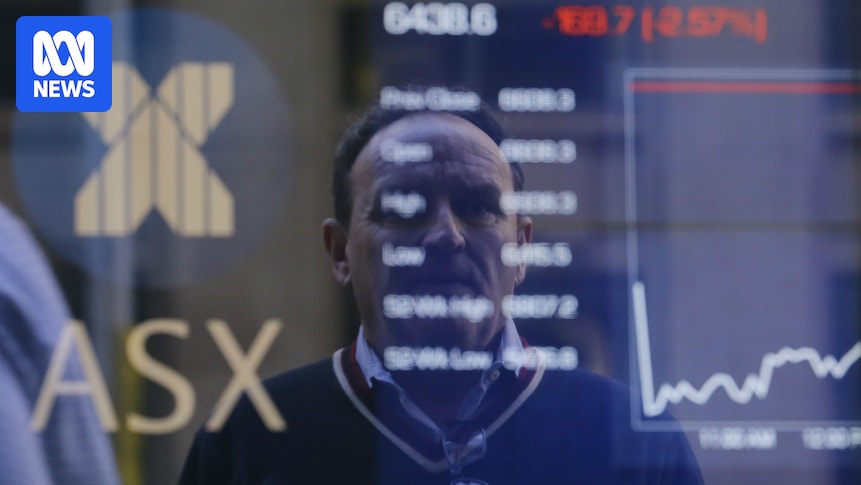
Nigeria is heading towards another election cycle, at a time when its economy is still absorbing painful reforms. That timing matters. Elections are a normal feature of democracy, but in economies like Nigeria’s, they often trigger spending surges, policy uncertainty, currency pressures, and a slowdown in investor confidence.
The real issue is not whether elections affect the economy. They do. The question is how much damage or disruption the 2027 cycle could create if political pressure begins to compete with economic discipline.
The country has spent the last two years trying to stabilise, after difficult but necessary reforms. Fuel subsidy removal, electricity subsidy removal, floating of the currency, exchange rate unification, and tighter monetary policy have all helped restore some degree of macroeconomic credibility. These reforms have been costly for households and businesses, though necessary, but they have also signalled a break from the habits that weakened confidence in the past and reduced purchasing power parity. The danger now is that the election cycle could reverse some of these gains.
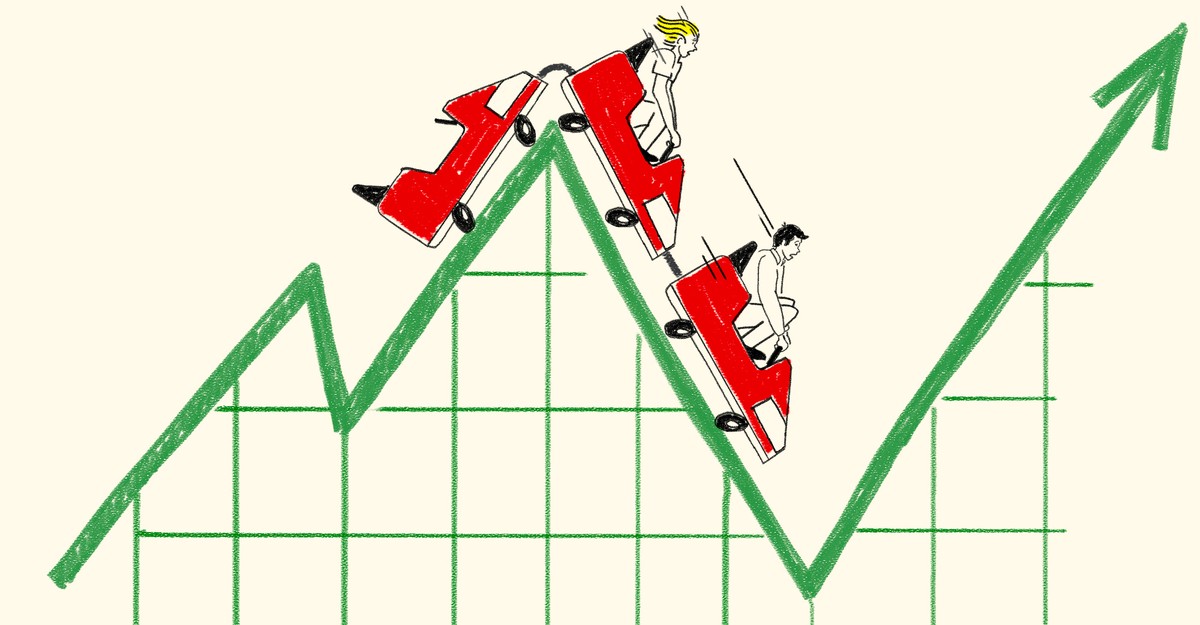
Election spending and GDP: A temporary sugar rush
In the short term, elections can stimulate economic activity. Political campaigns generate spending on transport, logistics, advertising, security, event management, and media. Incumbent governments also tend to increase capital spending in visible areas such as roads and public works, to show the electorate that they are delivering on their mandate, while candidates and parties inject money into local economies through rallies and campaign activity. That spending can create a temporary boost in output.
But not all growth is healthy growth. If election-related spending becomes the main driver of activity, it may inflate headline numbers without improving productivity. That is a key risk for Nigeria. The International Monetary Fund (IMF) has projected moderate growth for the country in 2025 and 2026, but part of that momentum may be tied more to policy shifts and short-term liquidity conditions than to deep improvements in manufacturing, agriculture, or infrastructure efficiency.
This matters because election-driven growth is often shallow and extremely volatile. It can lift consumption for a season, but it rarely solves structural problems. If the economy is growing because politicians are spending more, rather than because firms are producing more, the gains will not last, as they are very fleeting. Historical patterns from the 2015 and 2019 election cycles show that GDP often records a one-quarter bump, followed by a slowdown once political spending normalises.
Inflation as the first warning sign
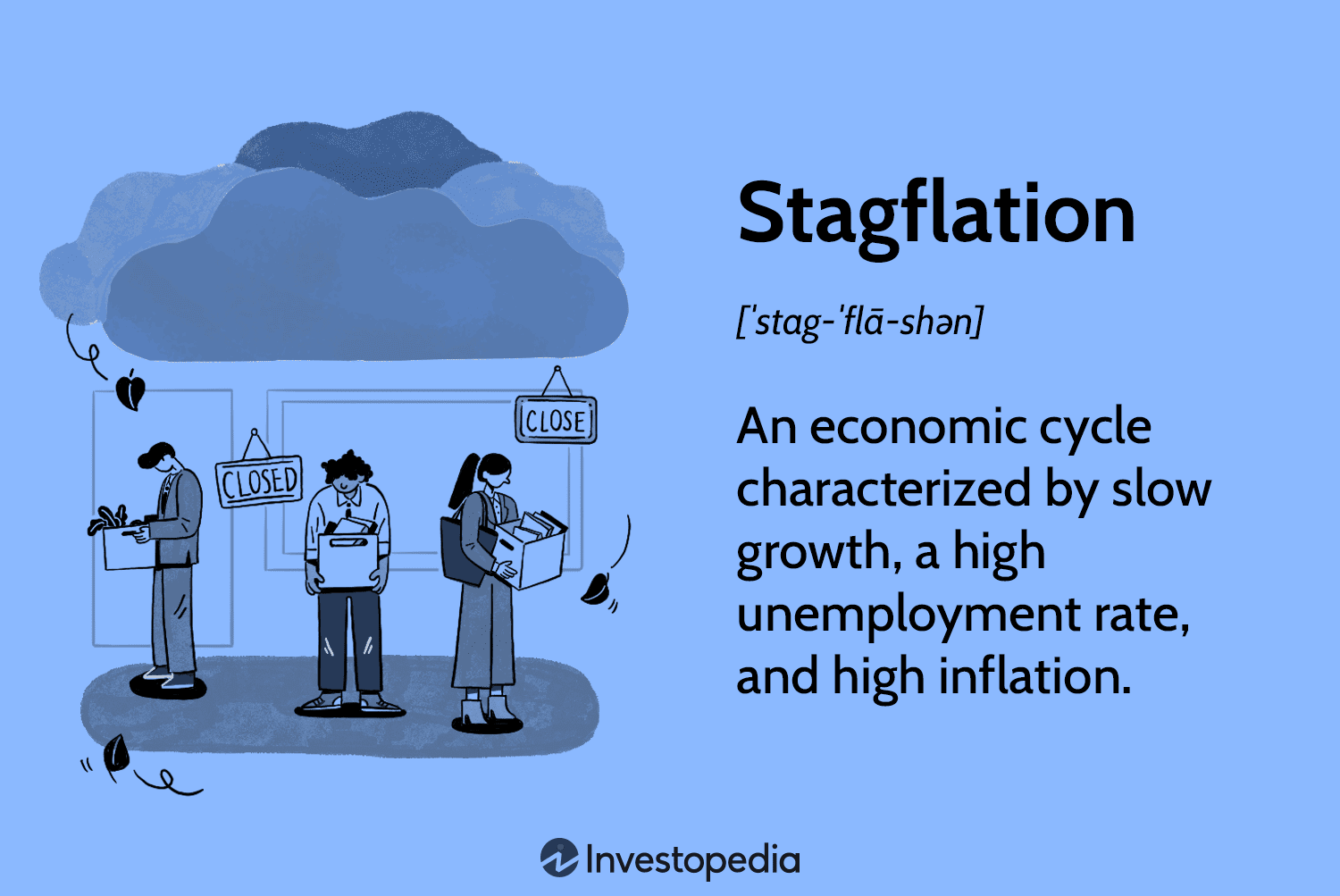
The clearest danger from election spending is inflation. When more money enters the economy through campaign financing, government disbursements, and politically motivated spending, demand rises faster than supply. In an economy that is already dealing with fragile food systems, high transportation costs, and supply chain constraints, then extra liquidity not channelled through the trade systems can quickly push prices higher and impact inflation negatively, suppressing growth.
Nigeria has already seen inflation ease only gradually after a difficult period. According to the National Bureau of Statistics, headline inflation fell from a peak of over 27% in 2025 to around 15% in early 2026. That progress is real, but it remains fragile. Any new wave of political spending could interrupt that progress. The concern is not only headline inflation, but also food inflation, which affects ordinary households most directly. When food, transport, rent, and energy costs move upward at the same time, the effect on real income is severe.
Central bank officials have repeatedly warned that liquidity injections linked to election spending could undermine disinflation efforts. KPMG Nigeria recently noted that political spending ahead of 2027 will likely generate inflation, foreign exchange instability, and cost pressures across multiple sectors. That warning should be taken seriously. Monetary policy can help, but it cannot fully offset a fiscal and political spending surge. If electioneering becomes too expensive, the result may be higher prices, tighter credit conditions, and weaker purchasing power.
Investor confidence will be tested
For investors, election seasons create a different kind of risk. The problem is not only macroeconomic pressure. It is uncertainty. Investors dislike unclear policy direction, delayed decisions, and the possibility of abrupt reversals after elections. That uncertainty can slow new commitments, delay expansion plans, and weaken capital inflows.
Foreign investors watch election cycles closely because they know policy continuity is often fragile. If the current reform path is maintained, confidence can improve. If the cycle encourages populist promises, fiscal slippage, or policy backtracking, investors will likely become cautious. Portfolio investors may move funds to safer markets, while long-term investors may delay fresh commitments until the political environment becomes clearer.
This is why reform credibility is so important. Nigeria cannot afford to send mixed signals at a time when it is trying to attract capital, rebuild reserves, and strengthen growth. The market responds not just to policy announcements, but to the likelihood that those policies will survive the election season. The Centre for the Promotion of Private Enterprise has already cautioned that rising political spending could complicate monetary policy decisions and weaken credit growth.
Currency risk remains real
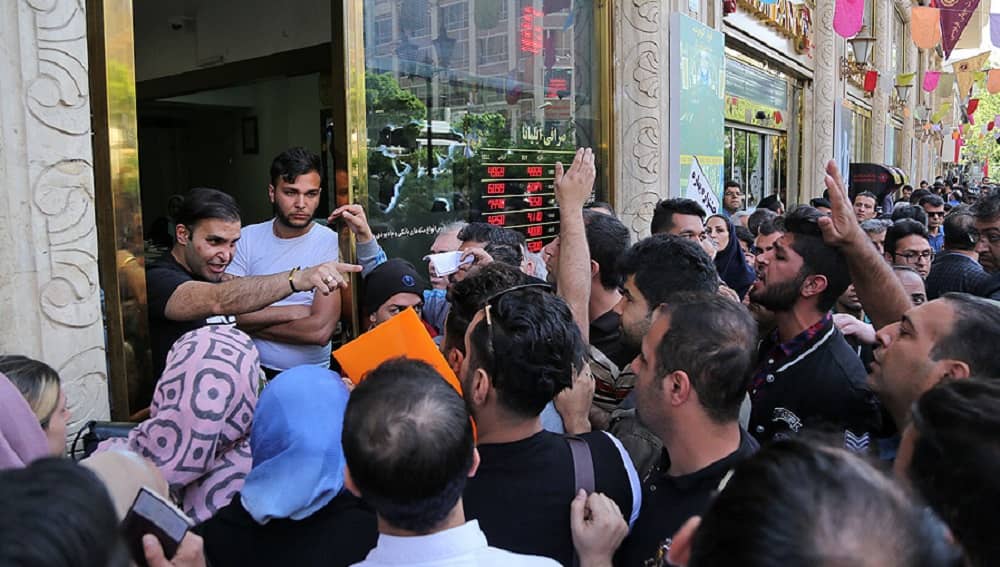
The naira will be one of the most sensitive indicators during the election cycle. Political spending often creates pressure in the foreign exchange market because campaign actors and politically connected interests may convert foreign currency into naira for spending. When that happens at scale, it can affect market sentiment, reserves, and exchange rate stability.
The naira has recently shown signs of relative stability, helped by stronger reserves and improved liquidity conditions. By February 2026, the naira traded around N1,344 per dollar in the official market, and gross external reserves climbed to nearly $50 billion. That is encouraging, but it does not eliminate risk. Election seasons can quickly alter demand for foreign exchange, especially if spending rises sharply or if investors begin to hedge against policy uncertainty.
The deeper problem is that currency risk in Nigeria is not just about technical market conditions. It is also about confidence. If people believe the election cycle will weaken discipline, they begin to act defensively. That behaviour itself can create pressure on the currency. A stable exchange rate requires not only reserves and policy action, but also credibility. The Institute of Chartered Accountants of Nigeria has warned that the naira could face renewed devaluation pressure after the 2027 elections if fiscal discipline erodes.
Policy reversals would be costly
The most important economic question ahead of 2027 is whether reform momentum will hold. Nigeria has already taken difficult steps that were politically unpopular but economically necessary. The challenge is whether those reforms will survive the temptations of the campaign season.
The danger is policy reversal. Once elections approach, politicians often start speaking the language of relief, intervention, and populism. That can lead to pressure to restore subsidies, soften fiscal discipline, relax monetary restraint, or delay difficult tax and revenue reforms. These moves may appear attractive in the short term, but they usually weaken confidence and worsen long-term outcomes.
Fuel subsidy removal is the clearest example. It has reduced one major fiscal burden, but public pressure to reverse or dilute the reform may grow as elections draw nearer. Exchange rate policy faces a similar risk. If policy becomes too focused on political optics, rather than macroeconomic reality, the result could be renewed distortions and loss of investor confidence.
The government has so far insisted that there will be no return to fuel subsidy. The Nigerian Finance Minister, Mr Taiwo Oyedele, stated unequivocally that subsidy reintroduction would create distortions for the economy. That is encouraging. But the real test will come when political pressure rises. What matters is not only what leaders say before the election, but what they are willing to defend during the campaign.
Insecurity could deepen the strain
Nigeria’s election cycles are often accompanied by local insecurity, thuggery, intimidation, and disruption. These risks are not merely political. They have direct economic consequences. When communities become unsafe, businesses close early, transport slows, farmers reduce activity, and supply chains are interrupted.
Insecurity also raises transaction costs. Firms spend more on protection, insurance, logistics, and alternative routes. In rural areas, it can reduce agricultural output and push food prices higher. In urban centres, it can discourage movement and weaken consumer activity. If election-related violence or intimidation increases, the economy will feel it quickly.
This is why security must be treated as an economic variable, not just an electoral one. A peaceful election supports trade, business continuity, and market confidence. A chaotic one does the opposite. The Nigerian Employers’ Consultative Association has warned that any widespread disruption during the campaign season could reverse the modest gains made in business confidence over the past year.
INEC and market uncertainty
The quality of election administration also affects the economy. When the electoral process is disputed, delayed, or seen as lacking credibility, uncertainty rises. Investors, businesses, and consumers all become more cautious when political outcomes are unclear.
A disputed election can slow government transition, delay policy decisions, and create a sense of paralysis. That uncertainty affects spending, hiring, investment, and public confidence. Even where the legal process eventually resolves the dispute, the economic cost may already have been felt. The prolonged legal battles following the 2019 and 2023 elections created months of hesitation in capital markets.
So, the role of the electoral commission is not only democratic. It is also economic. Credible elections reduce uncertainty. Uncertainty is expensive.
Sectoral effects will be uneven
The impact of the election cycle will not be the same across all sectors. Some sectors may benefit from higher spending, while others may face pressure from policy uncertainty and delayed investment.
Oil and gas may continue to attract capital if reform credibility holds. NNPC Limited has reported over $24 billion in new capital investment in the sector, with an additional $20 billion in FDI. That momentum could slow if election rhetoric turns hostile to private investment.
Agriculture will depend heavily on whether security and logistics improve. The sector contributed nearly 28% of GDP in 2025, but it remains underfunded. Nigeria spends over $10 billion annually importing wheat, rice, sugar, and fish. Any election-driven neglect of agricultural security could worsen that import bill.
Manufacturing remains vulnerable to inflation, FX instability, and imported input costs. The sector grew at barely 1.4% in 2025. Without policy continuity, that stagnation could deepen.
Infrastructure may benefit from visible election spending. The 2026 budget earmarked over ₦3.23 trillion for roads, rail, and coastal projects. But the quality and durability of that spending will determine whether the gains last or vanish after the votes are counted.
The market outlook: Two scenarios
The next election cycle could go in two directions.
Scenario one – Reform continuity: Policymakers maintain fiscal discipline, protect key reforms, and preserve confidence in the exchange rate and monetary framework. Inflation remains under 20%, the naira stabilises further, and foreign investment continues its gradual recovery. Growth stays in the 4–4.5% range.
Scenario two – Populist drift: Campaign pressure leads to subsidy reinstatement, fiscal laxity, and delayed reforms. Inflation rises above 25%, the naira weakens, and foreign investors pull back. Growth falls below 3%, and debt service consumes an even larger share of revenue.
For businesses, the right response is not panic. It is scenario planning. Firms should prepare for higher inflation, exchange rate volatility, delayed public payments, and softer credit conditions. They should also avoid assuming that post-election policy will automatically remain stable. Flexibility, cash flow discipline, and supply chain resilience will matter more than usual.
For investors, the key question is not whether Nigeria has potential. It does. The question is whether the political cycle will interrupt that potential again. That is the real risk premium.
Conclusion
The 2027 elections will be more than a political contest. It will be a test of Nigeria’s reform discipline, policy credibility, and economic resilience. Election spending may create short-term activity, but it also carries inflationary, fiscal, and currency risks. Policy reversals would be far more damaging than the election itself.
Nigeria now stands at a familiar crossroads. One path leads to reform continuity, stronger market confidence, and gradual recovery. The other leads to populist drift, weakened discipline, and renewed instability. The economy will respond to whichever path political actors choose. The next twelve months will determine whether the country finally breaks its election-cycle curse or repeats the mistakes of the past.
For more information, clarifications and support, Contact Prof. Prisca Ndu on +234 902 148 8737 or [email protected]