- Many survivors remain outdoors, afraid of damaged homes, looting and heavy rains
- ‘We can count on each other … We have an absent government … We now depend on ourselves,’ says survivor
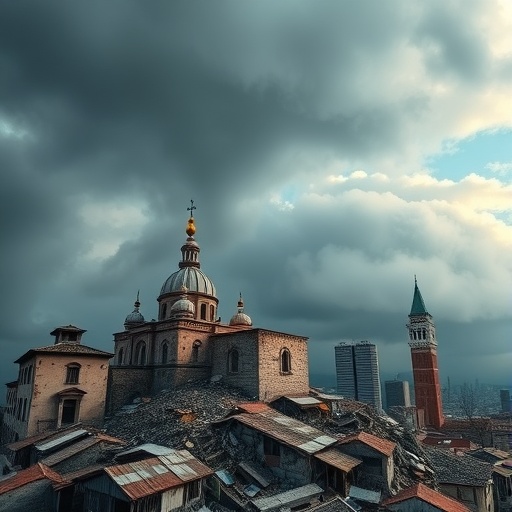
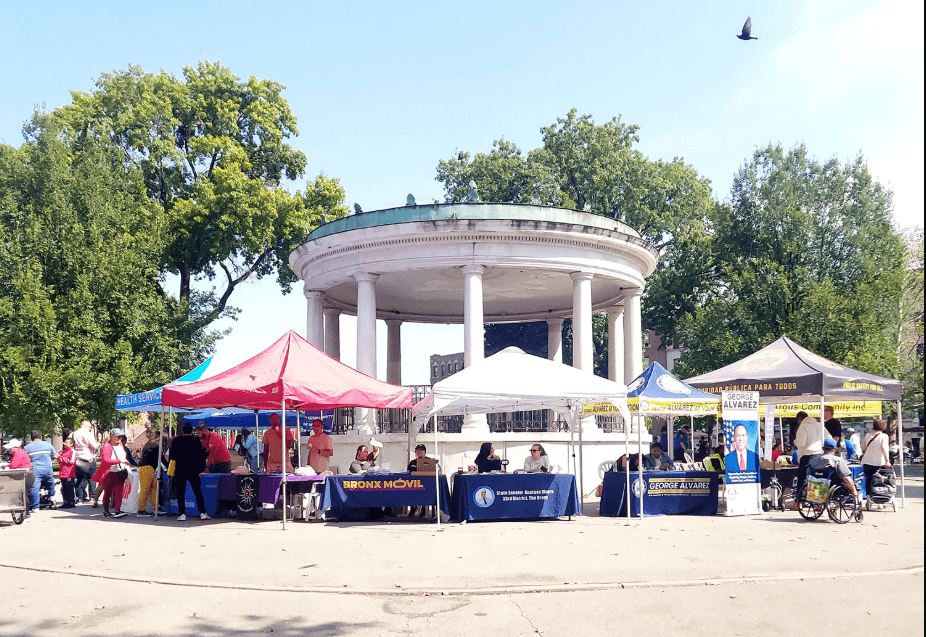
Dozens of tents fill a park in the Venezuelan capital, one of many makeshift refugee camps that have sprung up across the country.
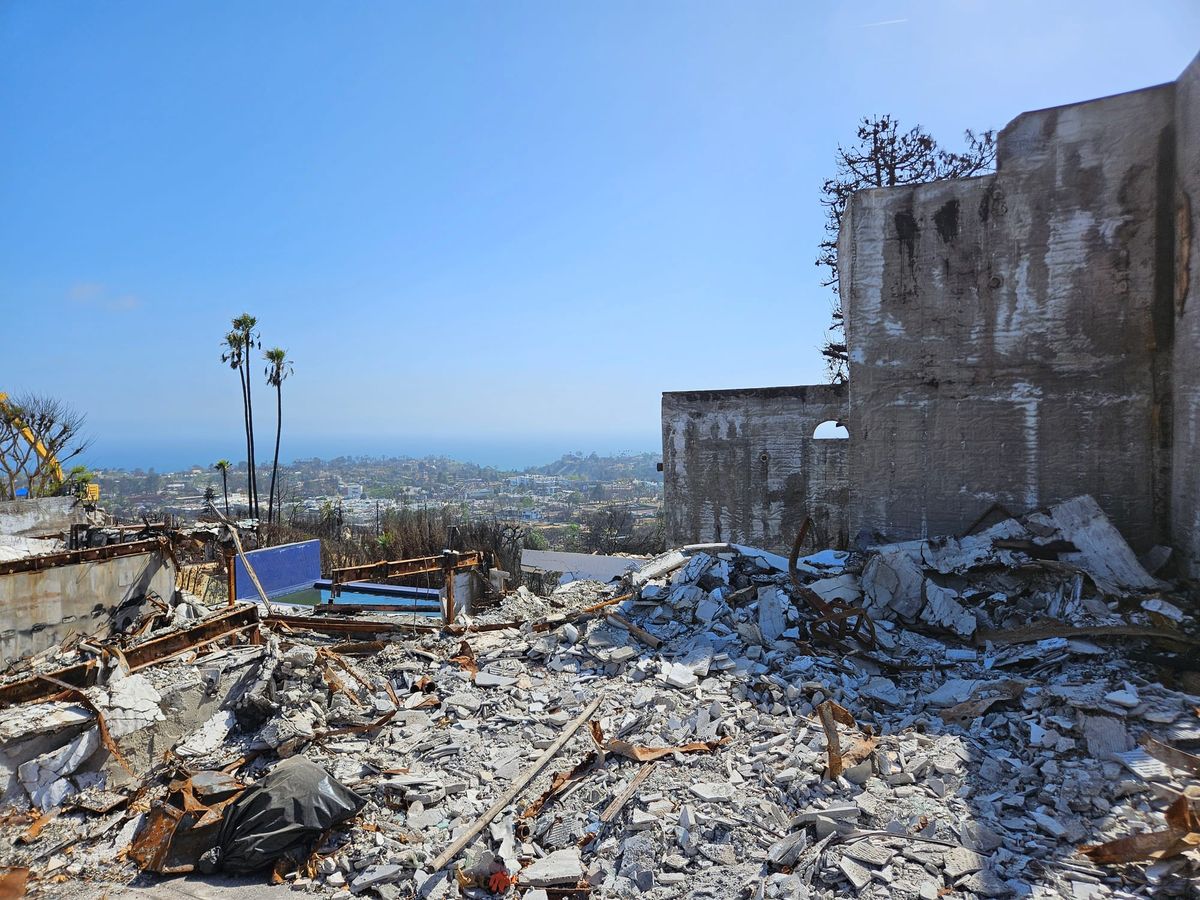
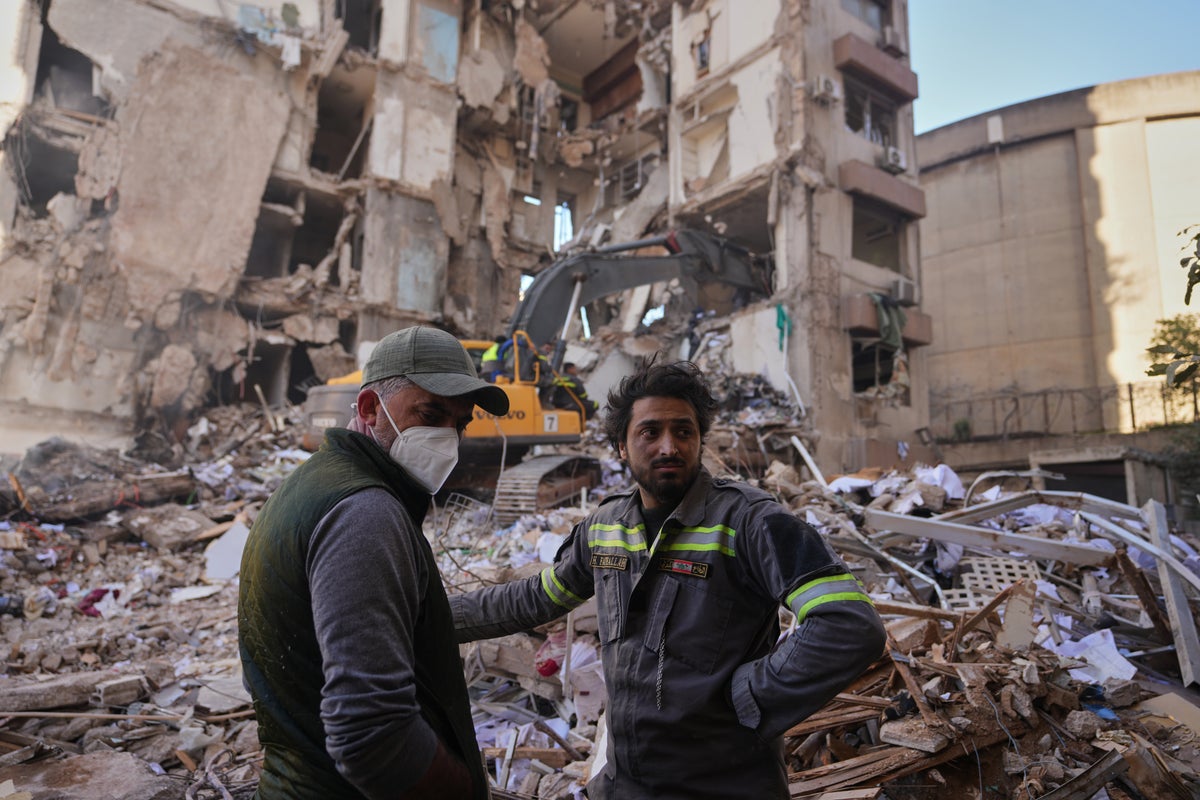
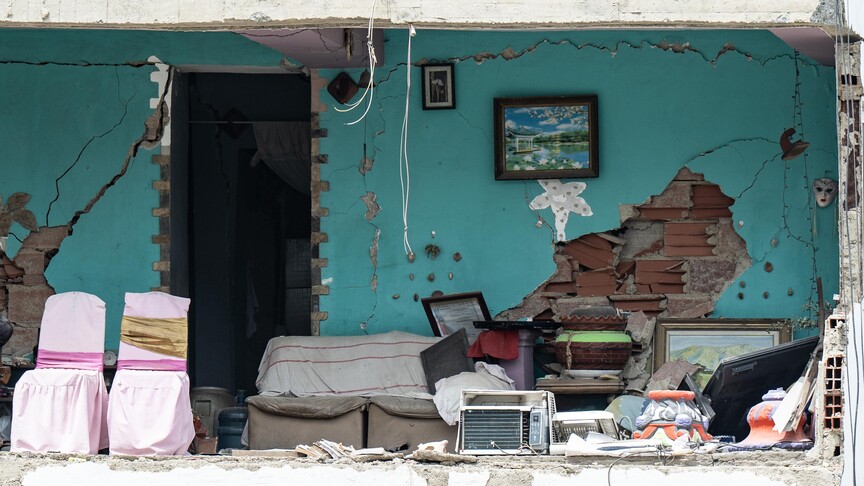
When twin earthquakes measuring 7.2 and 7.5, respectively, struck the South American nation late last month, tens of thousands lost their homes and livelihoods in a matter of seconds.
While some have been accommodated in official refugee camps, many live on the streets.
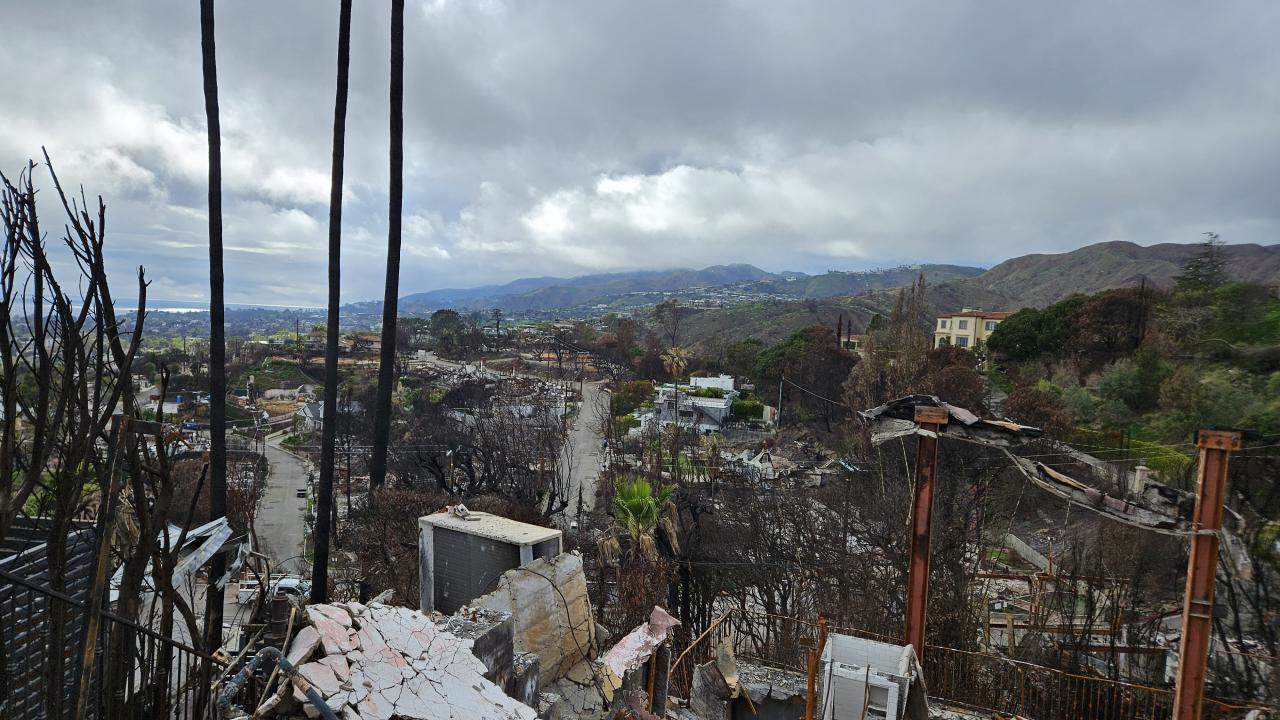
“The third floor was the hardest hit,” says Maria Pinate, a 64-year-old pensioner, pointing at her cracked custard-yellow apartment building in downtown Caracas. “We don’t dare go back in. The walls will fall on top of us.”
Living in her car, Pinate is better off than many of her neighbors, whose tents fill with water when the heavy equatorial rains fall.
“There are lots of people – far too many people – who have truly lost everything,” she told Anadolu.
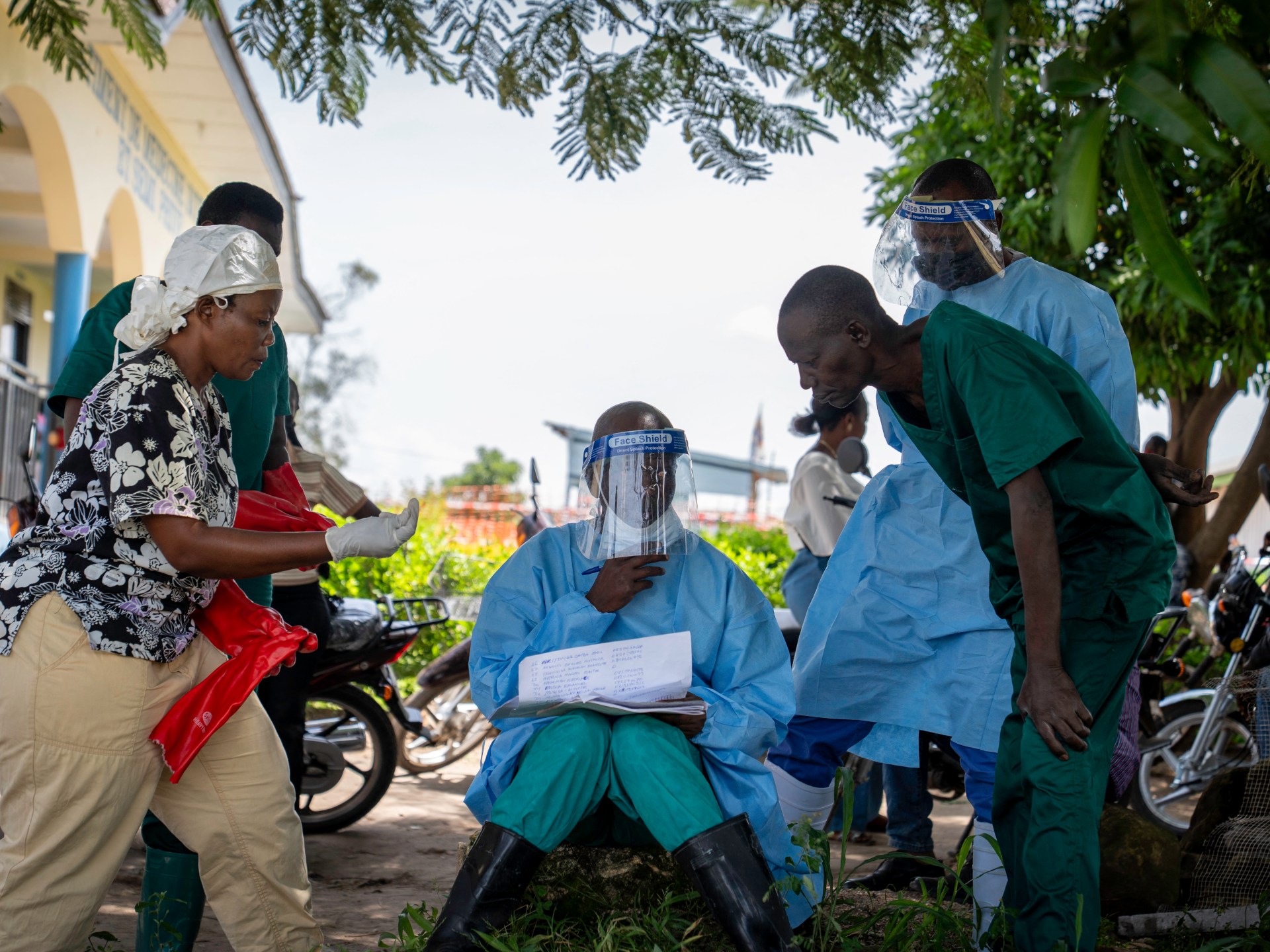
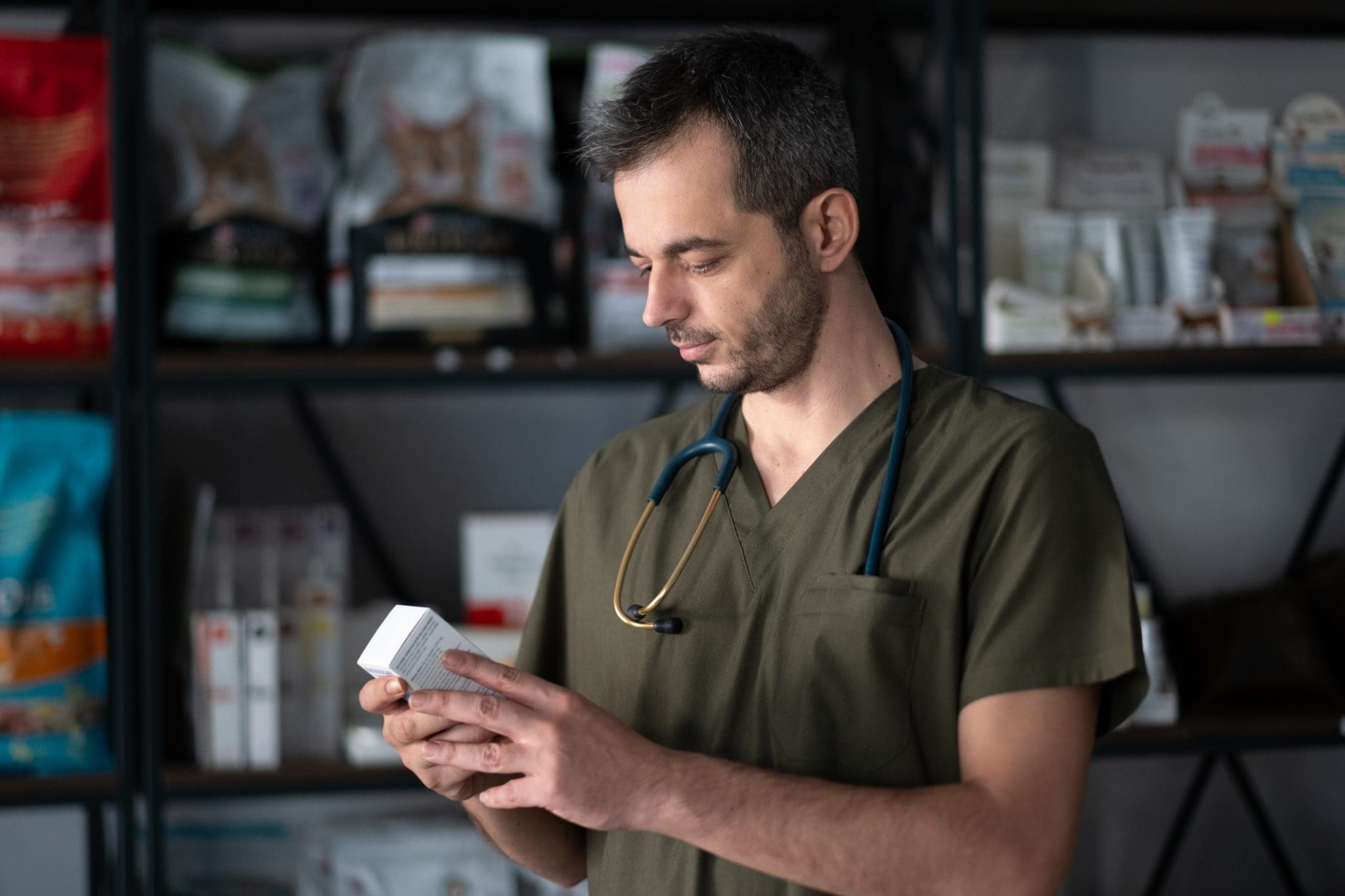
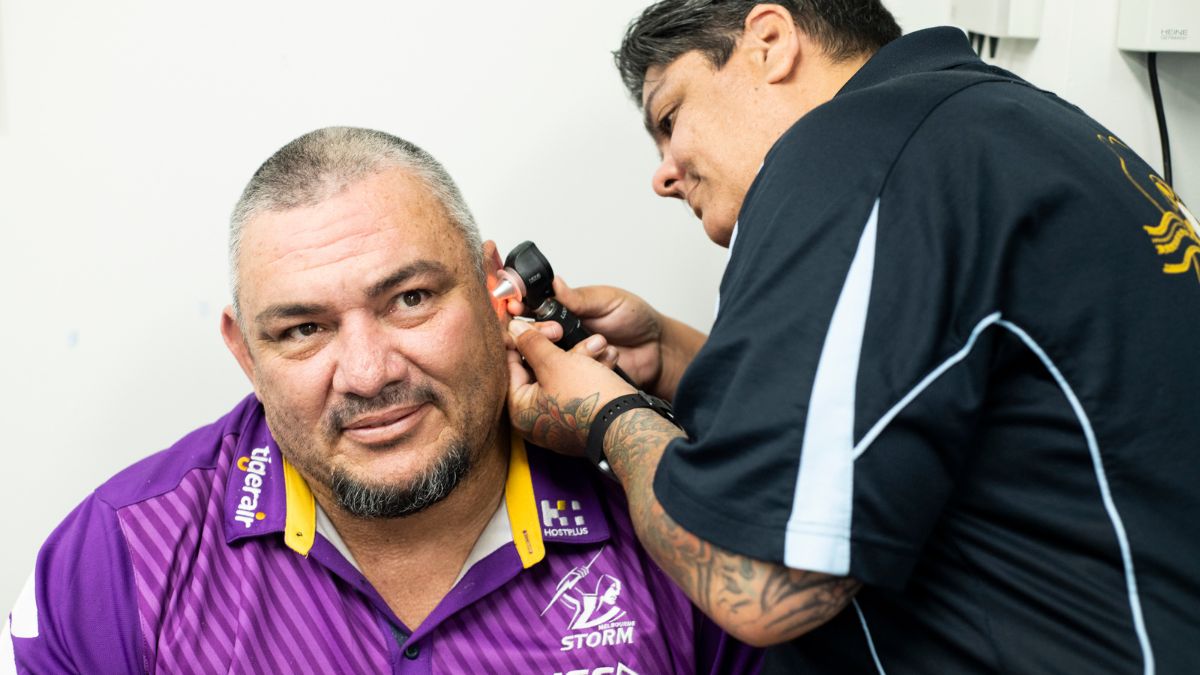
In the earthquake’s aftermath, volunteers have mobilized to help their fellow citizens. Dr. Aurora Hernan is among them, setting up a mobile health clinic for people living on the streets.
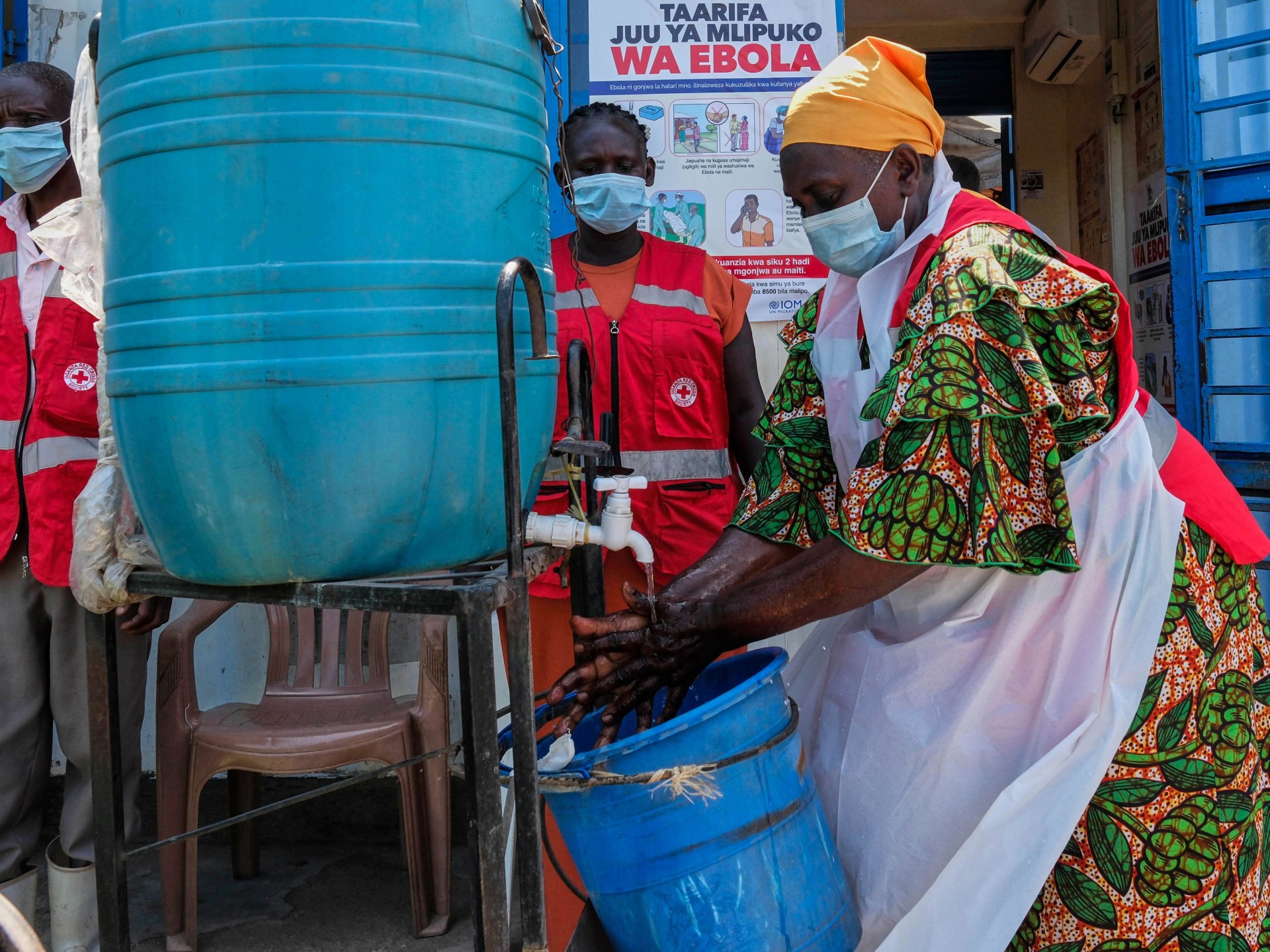
Hernan, who has worked with Red Cross and the United Nations, warns that the precarious conditions of the camp present a host of health risks.
“This will lead to things that can cause diseases – the accumulation of trash, the poor management of everything, and human waste,” she said.
She added that people with chronic conditions like diabetes and high blood pressure are at the highest risk as many of them lost their medicine when they escaped their homes during the earthquake, while others require regular check-ups and treatment that overwhelmed hospitals cannot provide.
“Now all these people are going to face serious health problems,” said the doctor. “We’re trying to make sure that doesn’t happen.”
With a team of volunteers and donations, Hernan has been able to effectively treat roughly 300 people, including pregnant women and babies.
Risk of mosquito-borne disease
In other areas, doctors say that they lack the supplies needed to address growing health challenges.
In the Parque del Este, one of the biggest camps in Caracas, medical professionals described a host of risks related to transmissible diseases.
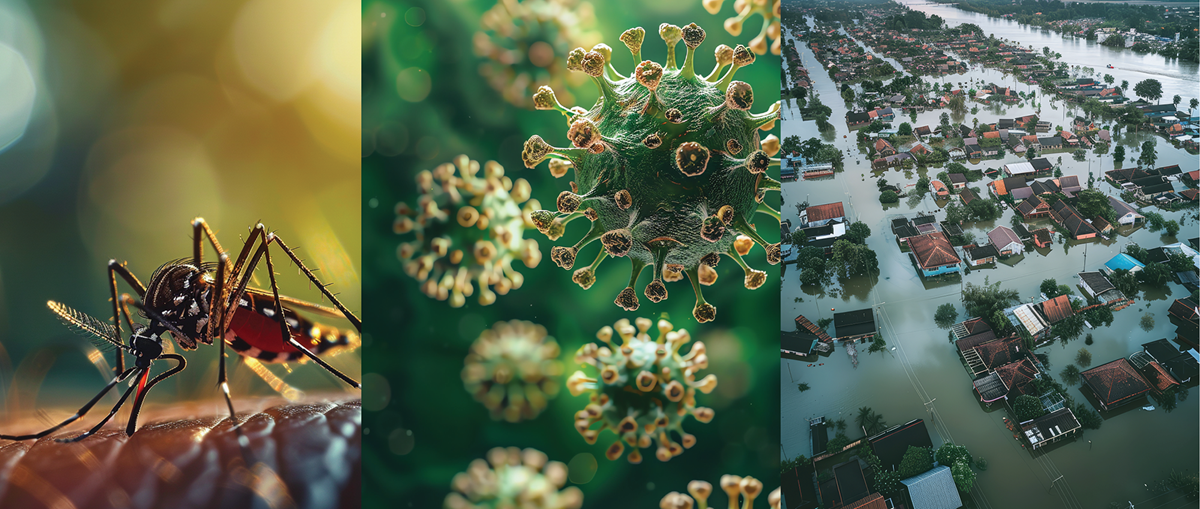
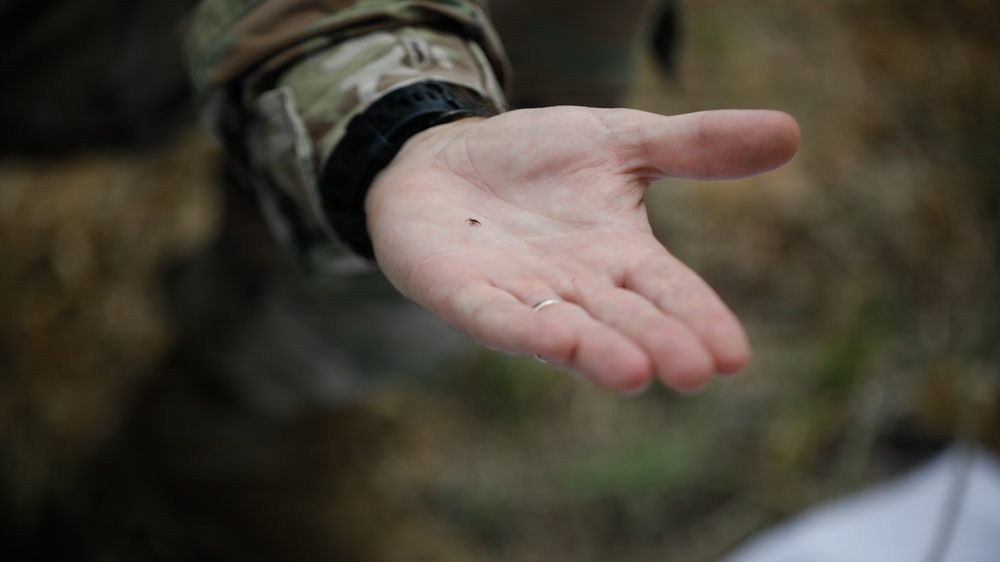
Omaira Lugo, who is coordinating the immunization programme in the park, explained that people are more exposed to mosquito-borne illnesses in the camps due to the natural surroundings in the park, raising the risk of people contracting dengue, chikungunya, and yellow fever.
She added that one of the biggest challenges is vaccination, with many of the refugees coming from the coastal city of La Guaira, the hardest-hit area.
“The thing is, there isn’t as much vaccination coverage in La Guaira as there is in Caracas,” said Lugo, adding that there is no current outbreak of these diseases.
The team is struggling to deal with the scale of the task.
“We need more support. More staff. A lot more. Because this is a first-time experience here in Venezuela,” said Lugo.
Faith in government waning
Beyond the immediate health challenges, a host of social problems are emerging.
Following the disaster, the future of tens of thousands of people is up in the air. Many have lost homes and jobs, and will be forced to start from scratch.
“Insecurity, abuse, violence – all of that is going to get worse,” said Hernan.
In fact, many of those living in the streets have chosen to be there rather than a refugee camp, fearing their possessions will be robbed from their abandoned buildings.
To make matters worse, faith in the government has disintegrated following what many Venezuelans see as a stunted response to the earthquake.
“I think the hardest thing we’ve had to face is realizing that we’re under a government that has abandoned us,” said Yocelin de Salcedo, a 35-year-old living in the informal camp in downtown Caracas. “We were neglected before – we know that. But this has been a total desertion.”
The state has been accused of failing to mobilize the heavy machinery and manpower needed to rescue survivors in some of the hardest-hit areas. Others highlight poorly built public housing and insufficient safety regulations and disaster preparation.
Now, many worry that if the government cannot help deal with the acute crisis, it is entirely unequipped to respond to a prolonged one.
“We Venezuelans have now discovered that we can count on each other. That we have an absent government. That we now depend on ourselves.”