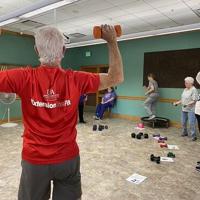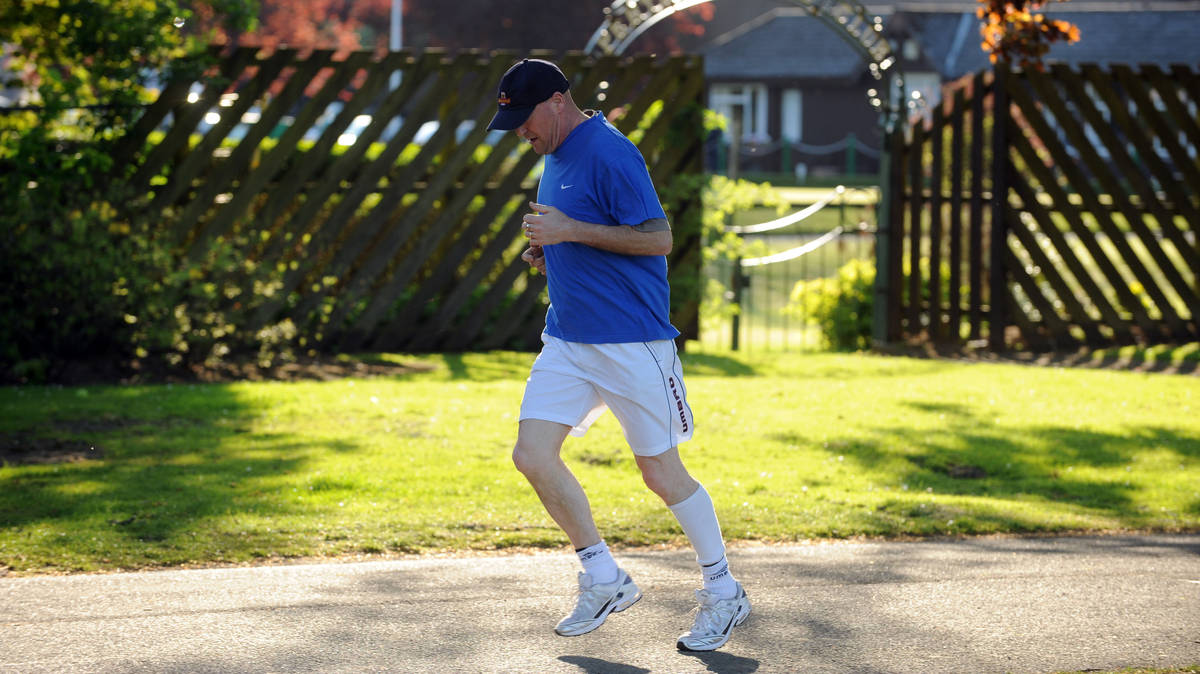
The study also identified a “mid-life exercise gap”, with activity levels falling sharply among adults aged 30 to 50

Picture:
Alamy
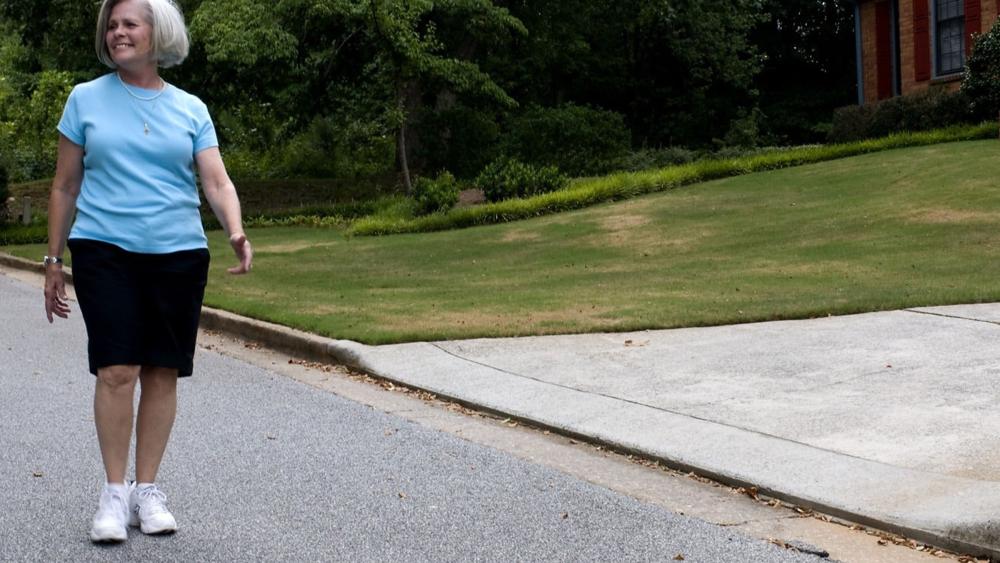
Older adults could be beating younger generations when it comes to fitness, a new study suggests.
Some 58.9% of 60 to 69-year-olds are meeting physical activity guidelines compared with 57.6% of 18-29 year olds, according to a study of about 1.9 million UK adults.
The Our Future Health study also points to a “mid-life exercise gap” as the amount of exercise sharply drops off among those aged 30 to 50.
Meanwhile, women appear to do less exercise than men until retirement age, when more women than men meet exercise targets.
At the age of 65 some 58.1% of men and 58.6% of women meet exercise goals.
Read more: Hospitals spending £2.7bn every year on patients fit enough to go home
Read more: New tests set to dramatically speed up diagnosis for endometriosis

Picture:
Getty
And while younger people did the most vigorous exercise, adults aged 70 to 79 did the most moderate exercise, researchers found.
Dr Raghib Ali, chief executive of Our Future Health, said: “The data appears to suggest that during the mid-life period of adulthood, which is typically a busier phase of life, the amount of exercise people take drops significantly.
“This is understandable but can have a real impact on short and longer-term health.
“If we can help people to be more active at all ages, including in the busier mid-life period, then we can prevent a range of health conditions from developing.”
Adults are advised to exercise for at least 150 minutes of moderate to vigorous activity each week – the equivalent of two and a half hours of running, cycling or brisk walking.
They should also do strengthening activities at least two days a week.
The new analysis found that 55.5% meet these guidelines.
Both men and women experienced the mid-life exercise gap, with the proportion meeting these targets dropping to 52.4% for those in their thirties and 53.5% for those in their forties, rising to 56.2% for people in their fifties.

Picture:
Alamy
It peaks among those in their 60s, the researchers found.
They also found that younger adults did the most vigorous exercise – such as fast cycling, aerobics or heavy lifting – with an average of 116 minutes per week for 18-29 year olds.
But 70-79 year-olds did the most moderate exercise, on average 278 minutes per week, Our Future Health said.
Sport England chief executive Simon Hayes said: “As our population ages, it’s encouraging to see older adults staying active. Active lifestyles help prevent over 3.3 million cases of chronic conditions a year that are often associated with older age, such as diabetes and dementia, reducing pressure on health and care services.”
It comes as health officials pledged to “find the missing millions” who do not know they are at risk of heart disease as they set out plans to avert thousands of premature deaths every year.
The Department of Health and Social Care warned that progress on preventing cardiovascular disease deaths “stalled, then plateaued, and in some cases is now in reverse” – largely because of rising levels of obesity.
A new plan to tackle the rise sets out how officials plan to tackle this by “shifting care closer to home, prioritising early diagnosis and prevention, and delivering joined-up cardiovascular, kidney and metabolic care”.
As well as finding people who are at risk such as those with high blood pressure or cholesterol, people with diabetes, chronic kidney disease and heart failure, the new plan from the Government says it will “get to those most likely to suffer heart attacks and strokes early” and promises to provide “world-class emergency care and rehabilitation when the worst happens”.
Each year, there are around 33,000 early deaths from heart disease and stroke in people under the age of 75.
And now ministers have pledged to reduce premature deaths from heart disease and stroke by 25% within 10 years.
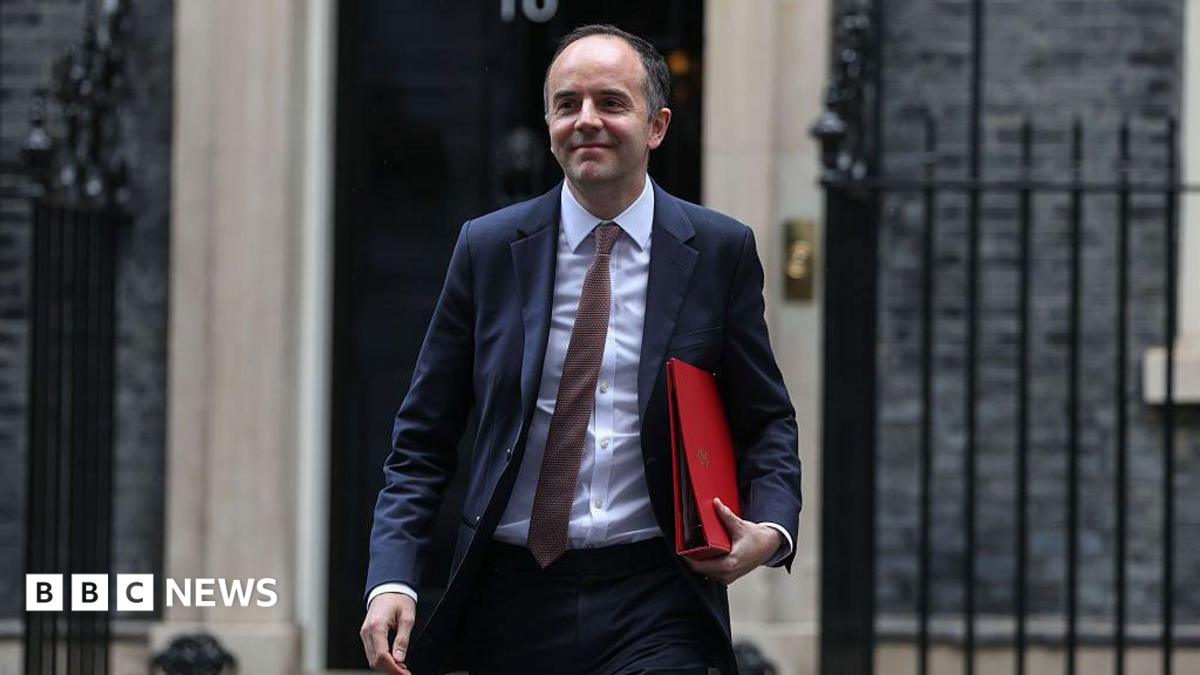
Health Secretary James Murray said: “Too many people are dying early from heart attacks and strokes that we know are preventable.
“This is not good enough and that’s why we are setting clear priorities to help people stay healthier for longer, identify and diagnose serious disease much earlier, and deliver better treatment when it is needed.”
It has also launched a new partnership with Diabetes UK to raise awareness of the links between type 2 diabetes and heart disease.