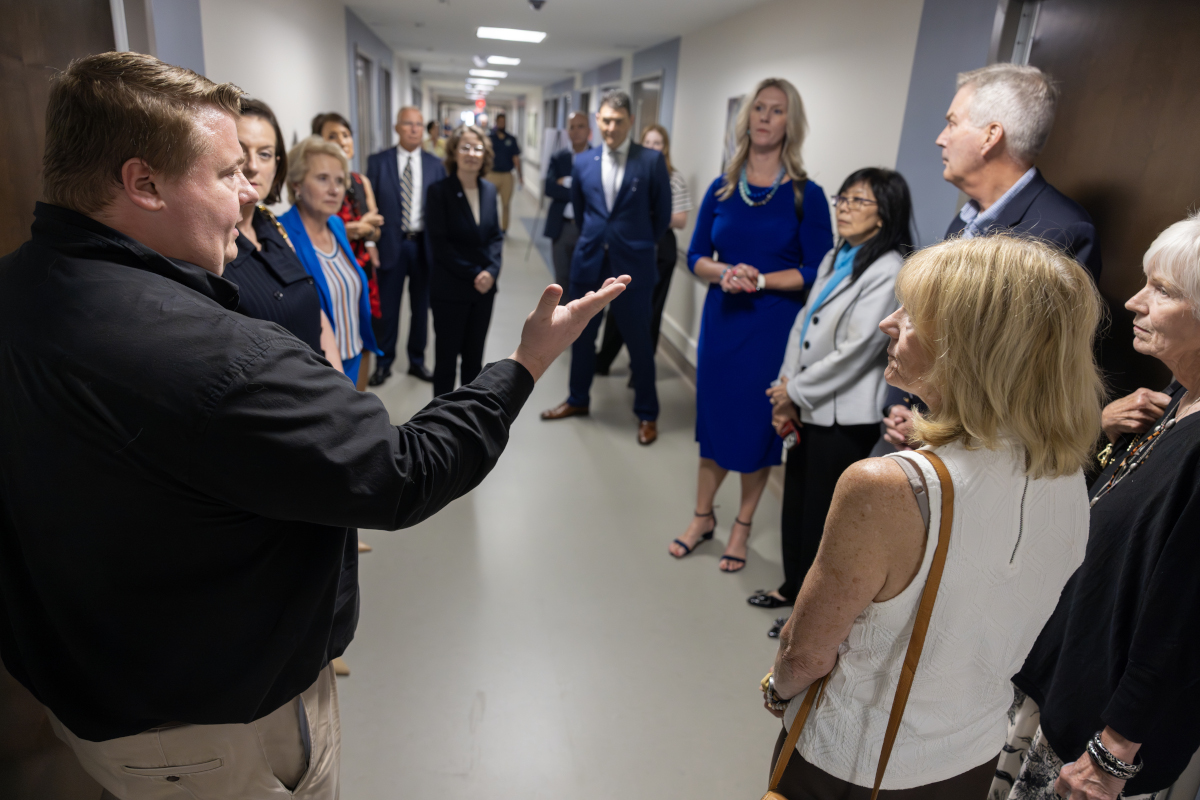
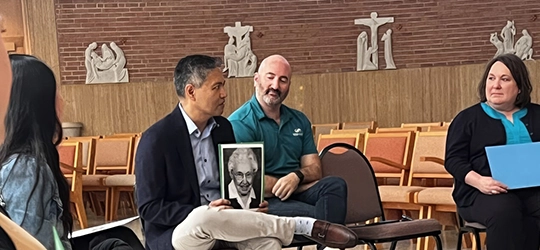
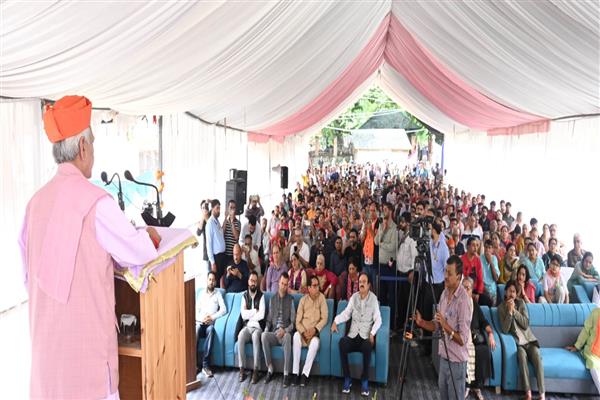
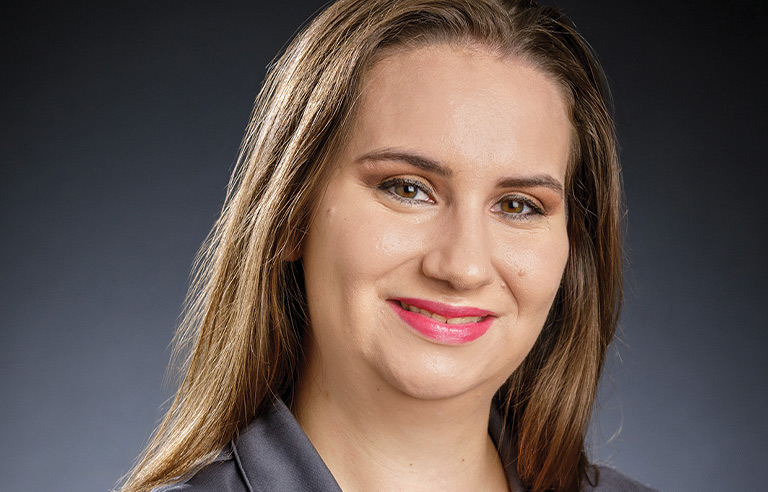
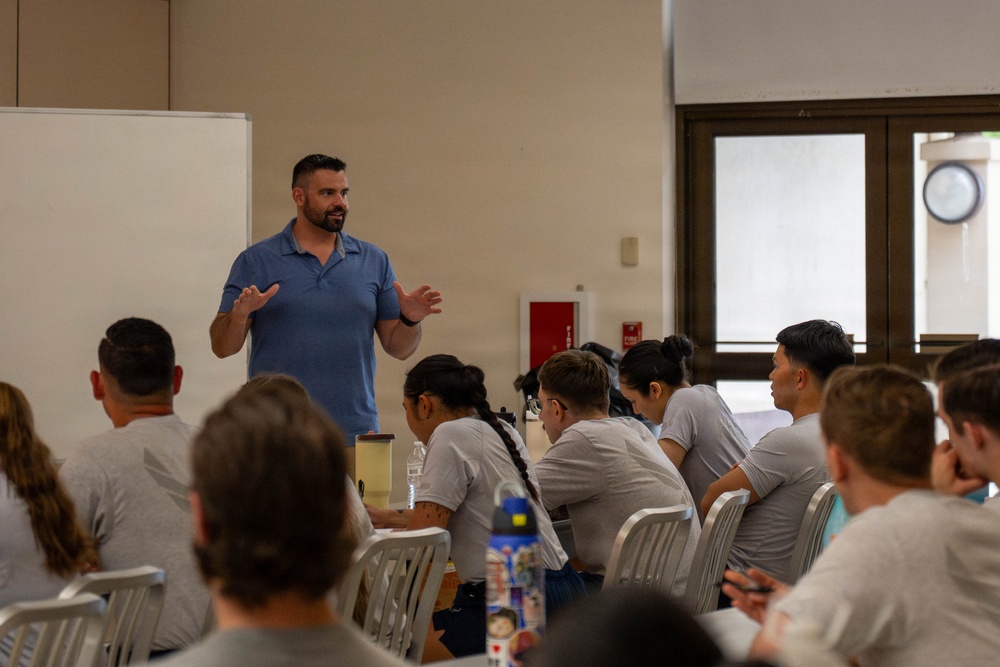
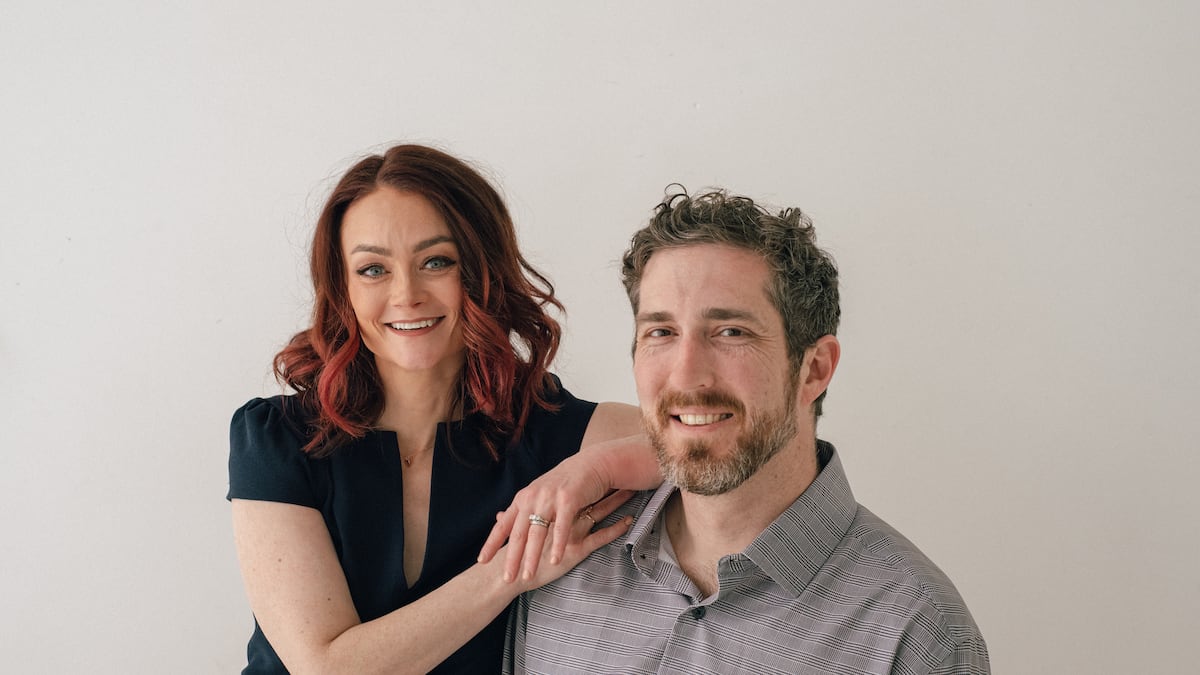
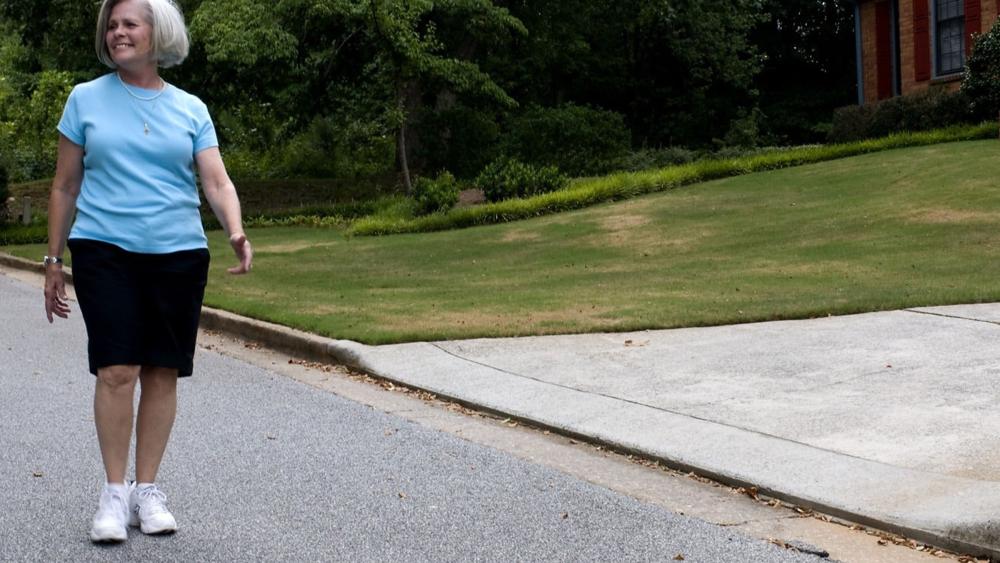
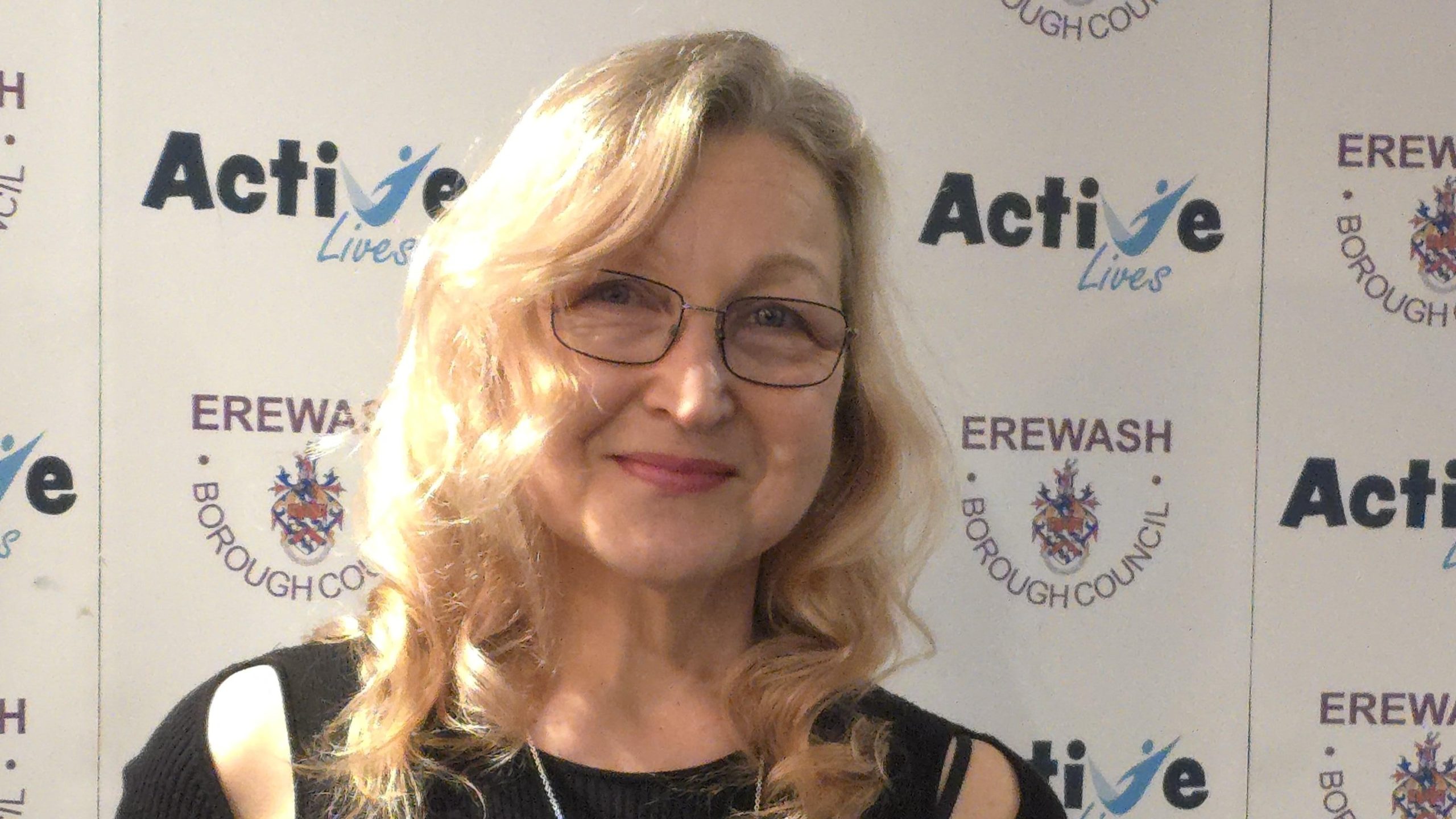
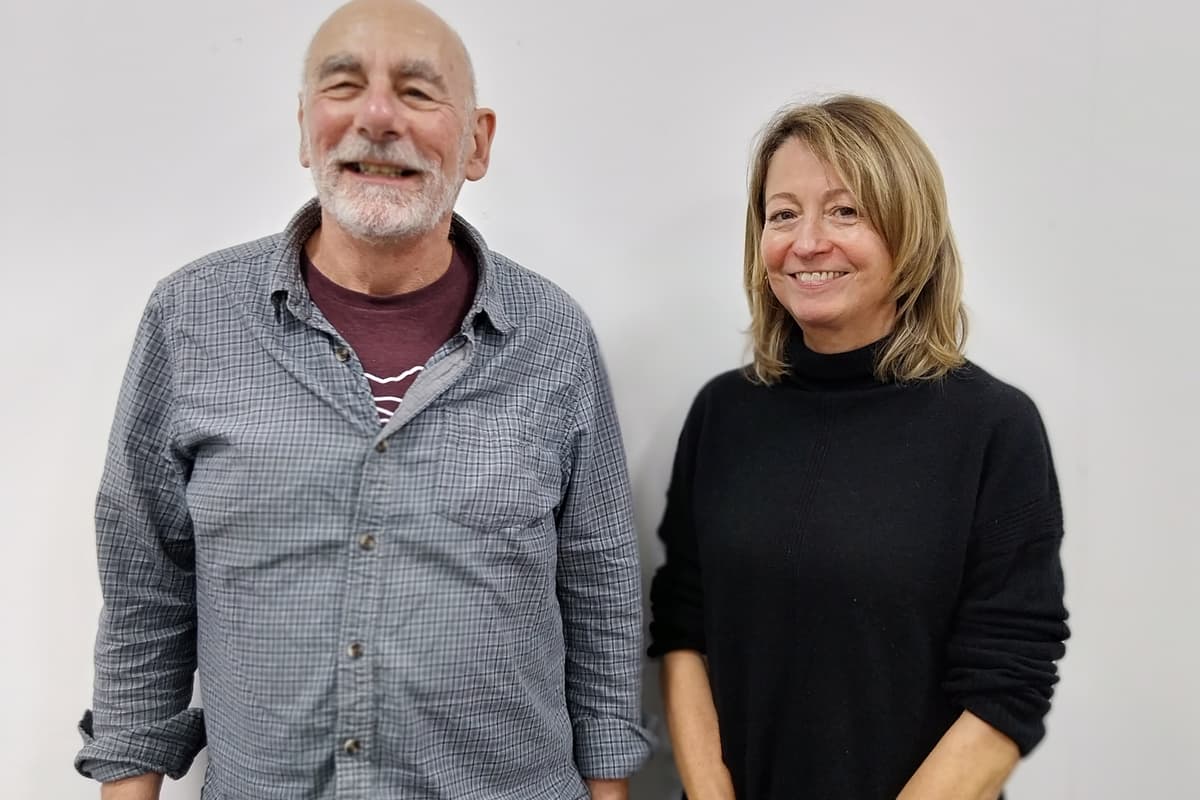
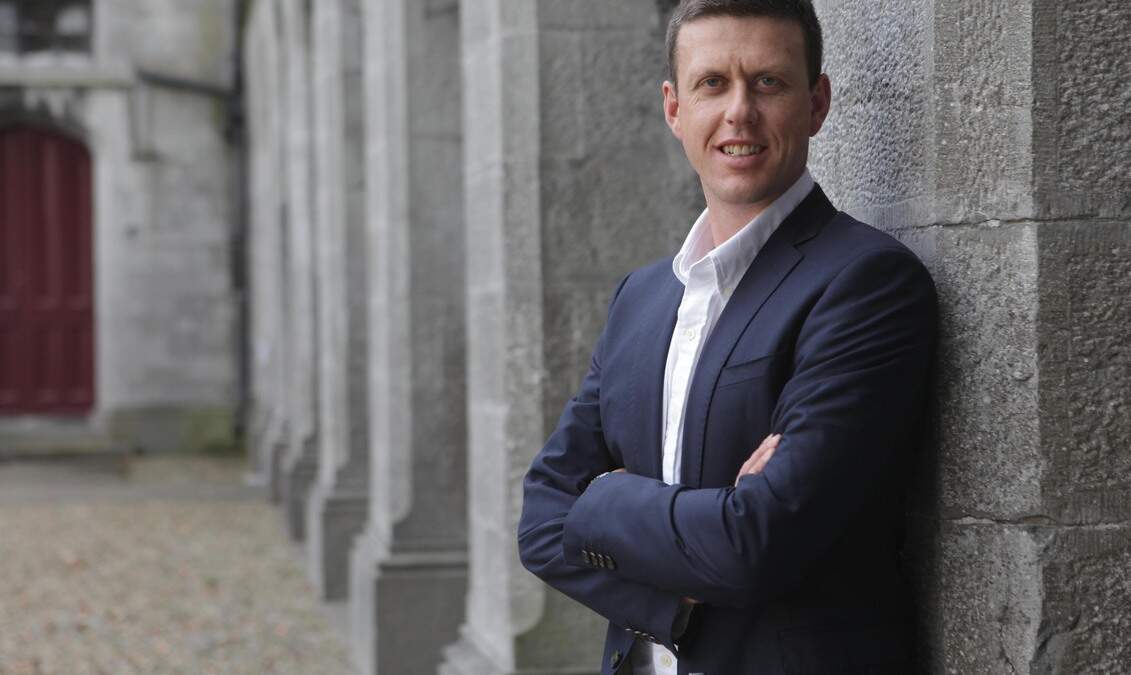
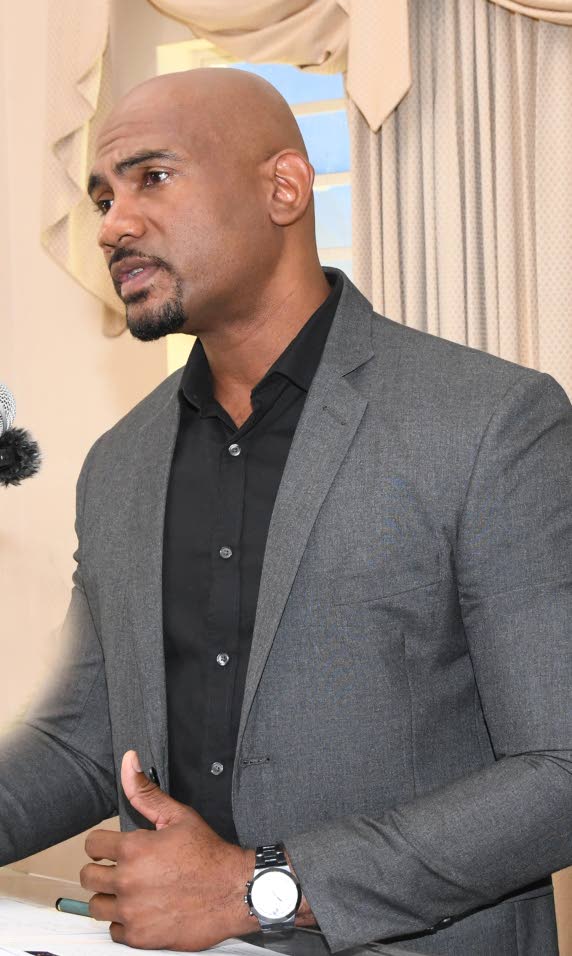
VIEWdigital editor Brian Pelan, at an event in Stormont last night to mark Carers Week (June 8 to June 14) spoke to Northern Ireland woman and carer Helen Todd
What followed was a life-changing journey that forced her to leave her career, navigate financial uncertainty and care for a man she says became “a complete stranger”.
“At the time I was working as a mobility consultant,” Helen said. “I helped people relocate to Northern Ireland, sorting visas, tax issues and settling them into the country.”
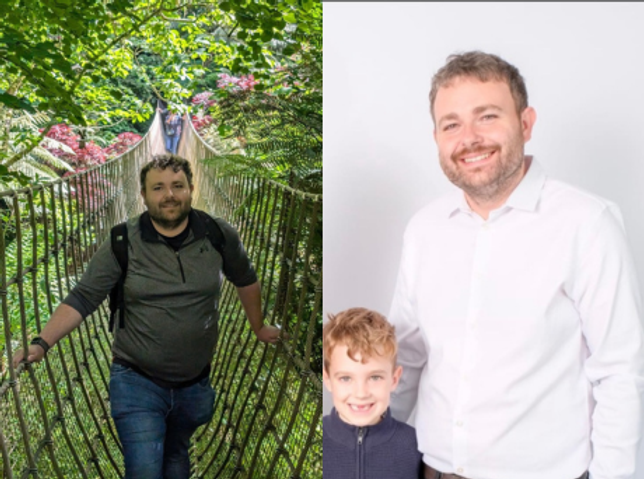
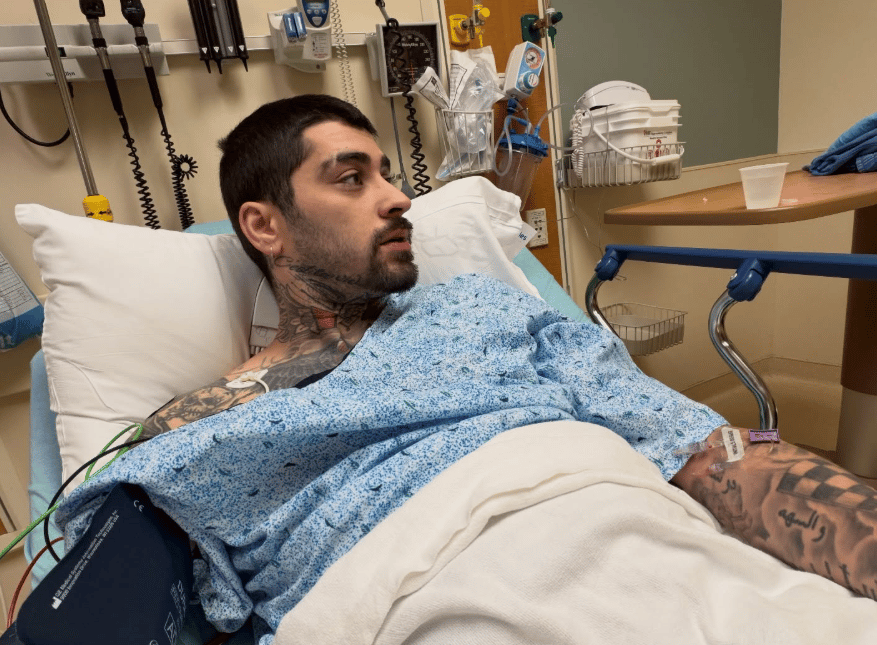
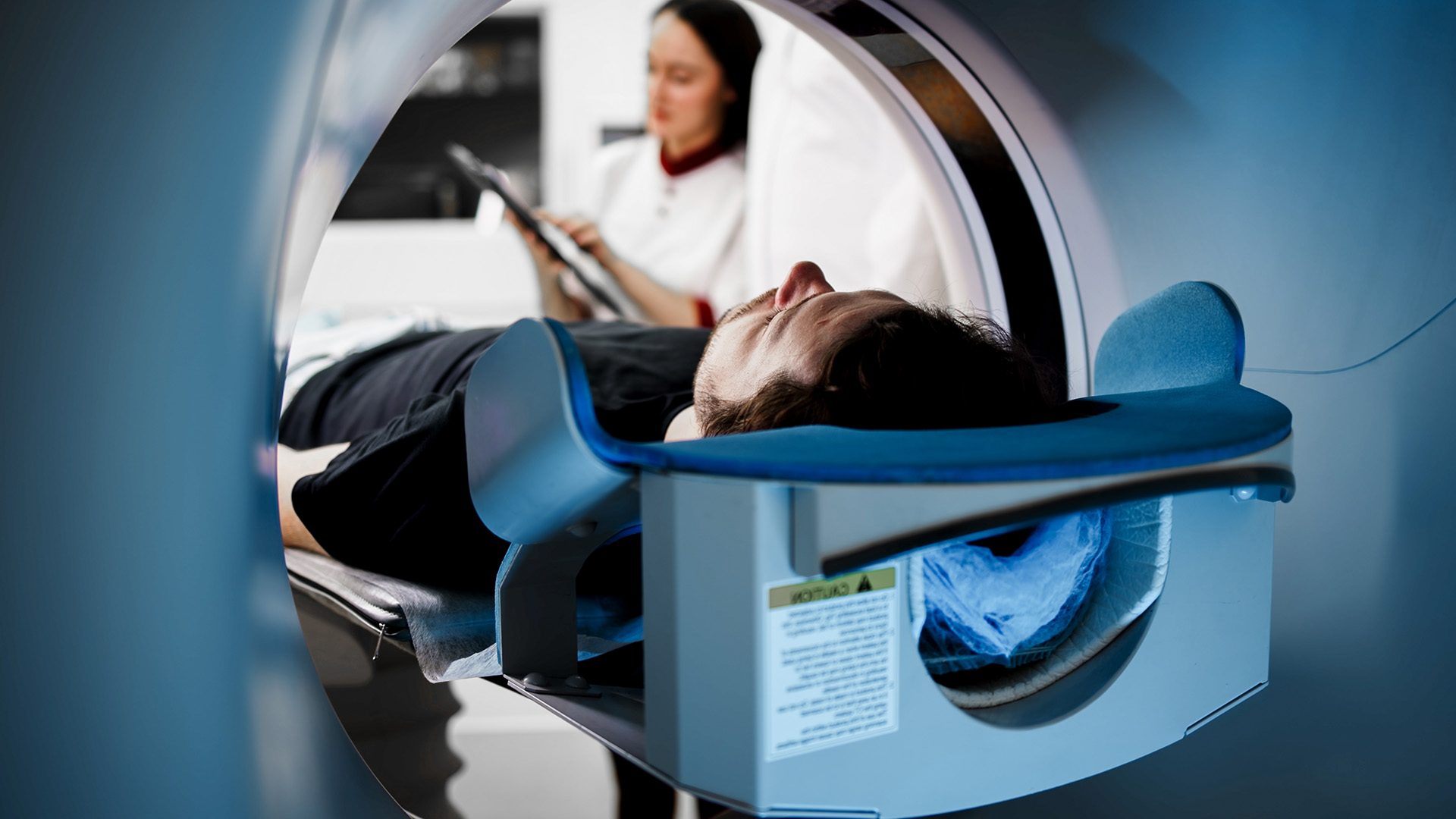
When David was diagnosed with brain cancer in 2017, his treatment was immediate and intensive. Following surgery, he underwent six months of chemotherapy and radiotherapy.
“I was able to get special leave from work for that period,” she said. “But afterwards he needed at least six months of chemotherapy. He was very sick and I couldn’t work while caring for him and our son.”
David was only 37 years old.
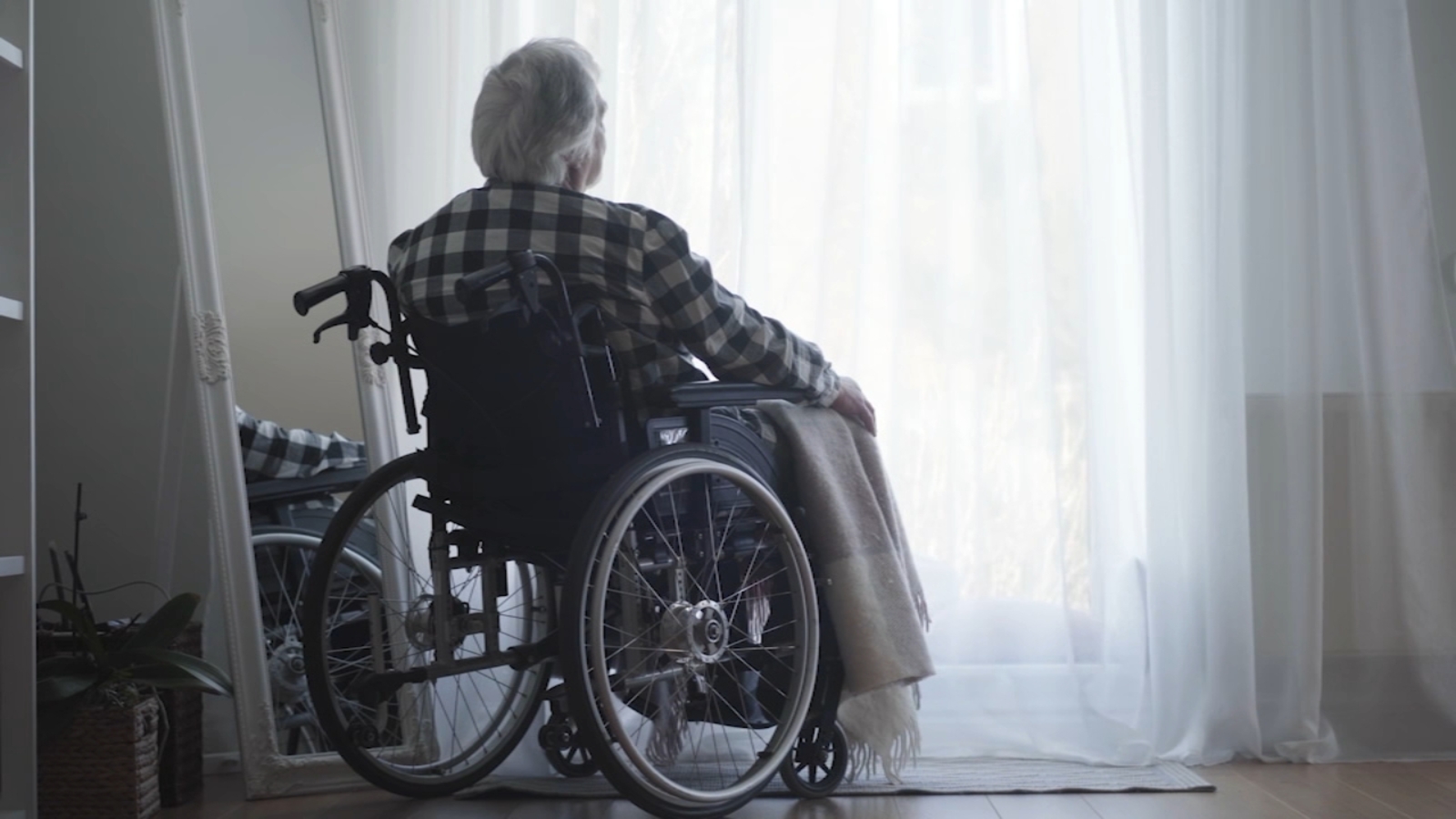
Alongside the cancer diagnosis came epilepsy, a severe acquired brain injury, mobility problems and speech difficulties. Although he returned home after treatment, he was no longer able to work and became increasingly dependent on Helen.
The impact on their relationship was profound.
“We were still married and living in the same house,” she says. “But I was caring for someone who was a complete stranger.”
The brain injury altered David’s personality and behaviour.
“He spoke differently. He acted differently. He wasn’t the man I had married.”
As the years passed, David’s condition deteriorated further. He began losing his mobility, his sight worsened and his speech declined significantly.
‘Carers need support at work. You don’t want to be taking difficult phone calls during the working day. You don’t want to keep asking for time off for hospital appointments. You need employers who understand’
“He needed help with personal care. He needed help communicating, eating and taking medication. He needed help getting into bed and turning during the night.”
The demands of caring became relentless.
“Unless he was asleep, I was effectively on duty all the time.”
Eventually, Helen returned to full-time work because the family needed the income. With David unable to work, household bills continued to mount.
“Bills don’t stop,” she says. “I was working full-time, caring for my son who has Type 1 diabetes and looking after David. I was exhausted.”
The strain affected every aspect of her life.
“I had no social life. I had very few friends. My mental health and physical health really suffered.”
While David received support from two personal assistants during the week and attended day services, the bulk of the responsibility remained with Helen.
The future she and David had planned together disappeared almost overnight.
“We were planning holidays. We were planning our life together. We were doing all the normal things people do when they think they have their future ahead of them.”
In May 2023, David went into a care home.
Drawing on more than 20 years of experience working in human resources, Helen believes much more must be done to support unpaid carers, particularly those who want to remain in employment.
“Just because you care for someone doesn’t mean you don’t have ambition,” she says. “It doesn’t mean you want to put your life on hold. It doesn’t mean you don’t have skills or abilities.”
For Helen, work is about more than earning a wage.
“It’s financial independence. It’s knowing you can pay the bills. It’s knowing you can treat yourself occasionally. It’s not having to rely on benefits, family or friends because your partner became ill.”
She also points to the long-term financial consequences of leaving employment.
“When I stopped working, my pension contributions stopped too. That affects my future financial security.”
Employers, she says, have a crucial role to play.
“Carers need support at work. You don’t want to be taking difficult phone calls during the working day. You don’t want to keep asking for time off for hospital appointments. You need employers who understand.”
Helen is also a strong advocate for paid carers’ leave and expressed disappointment at uncertainty surrounding proposals that had been under consideration through Northern Ireland’s Good Jobs Bill.
“I would be so disappointed if it didn’t happen,” she says.
Today, Helen uses her experience to help others facing similar challenges. Her focus is on making complex systems easier to navigate for people who suddenly find themselves caring for a loved one.
For her, the case for better support is straightforward.
“Why would we not look after our carers?” she asks. “They save this economy billions of pounds by looking after people.”
It is a question that many unpaid carers across Northern Ireland continue to ask.

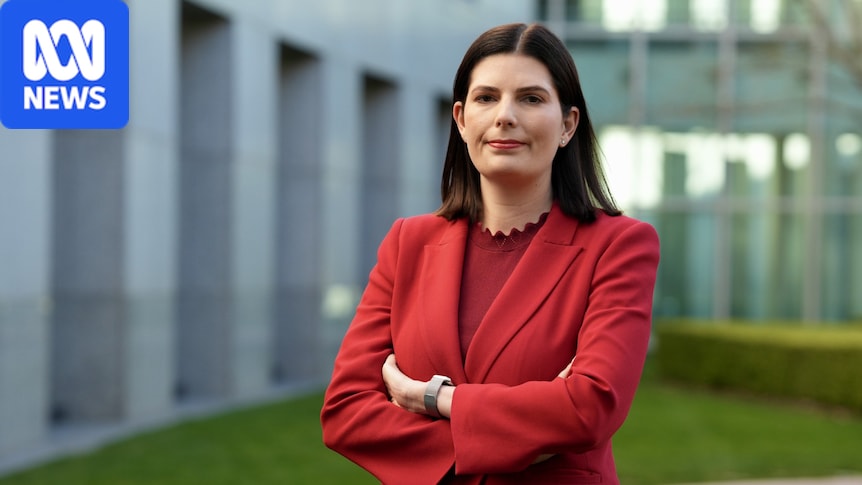
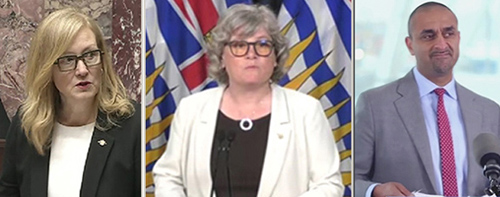
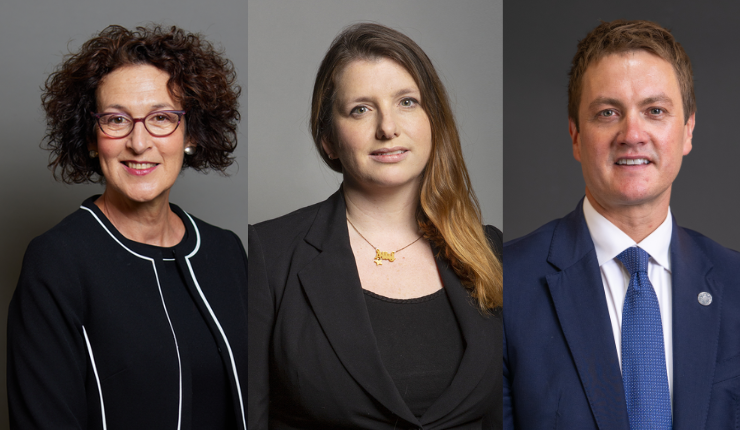
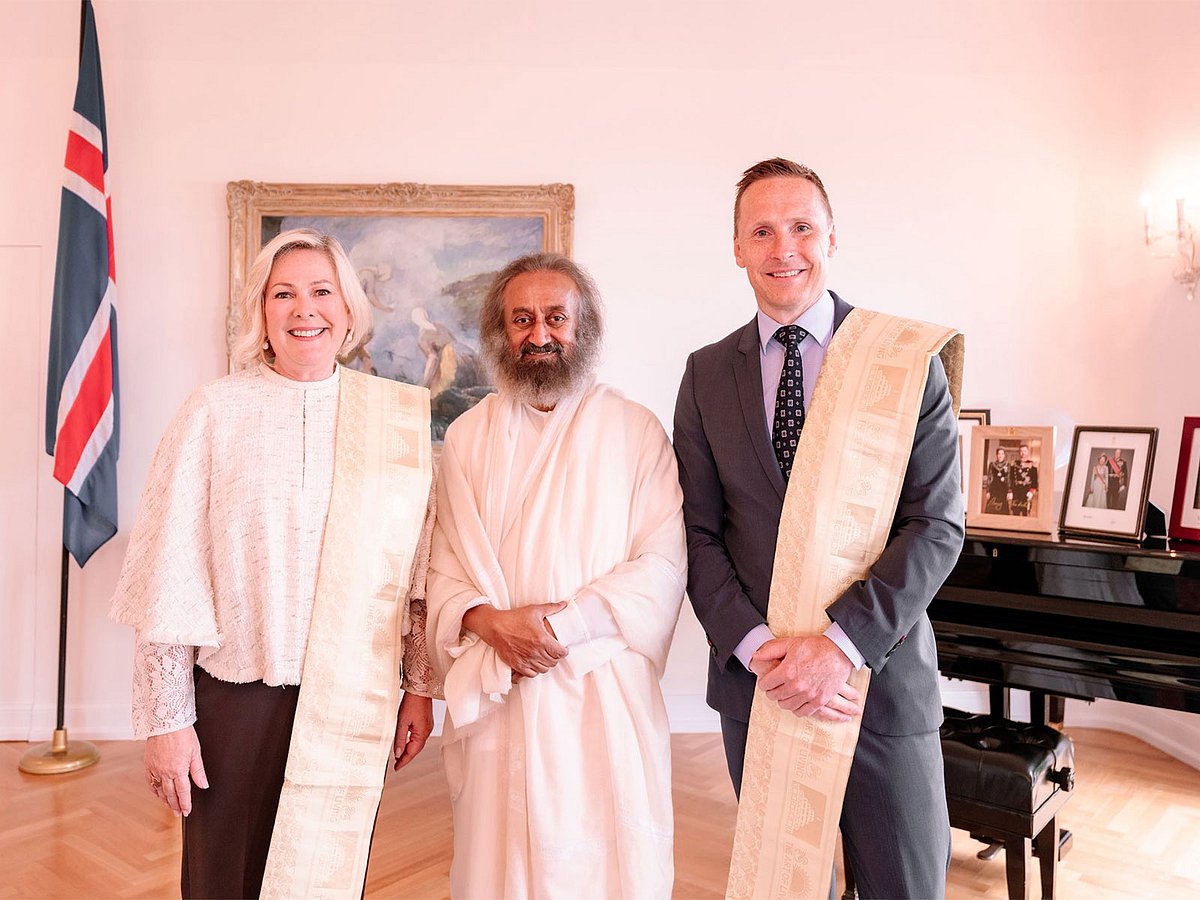
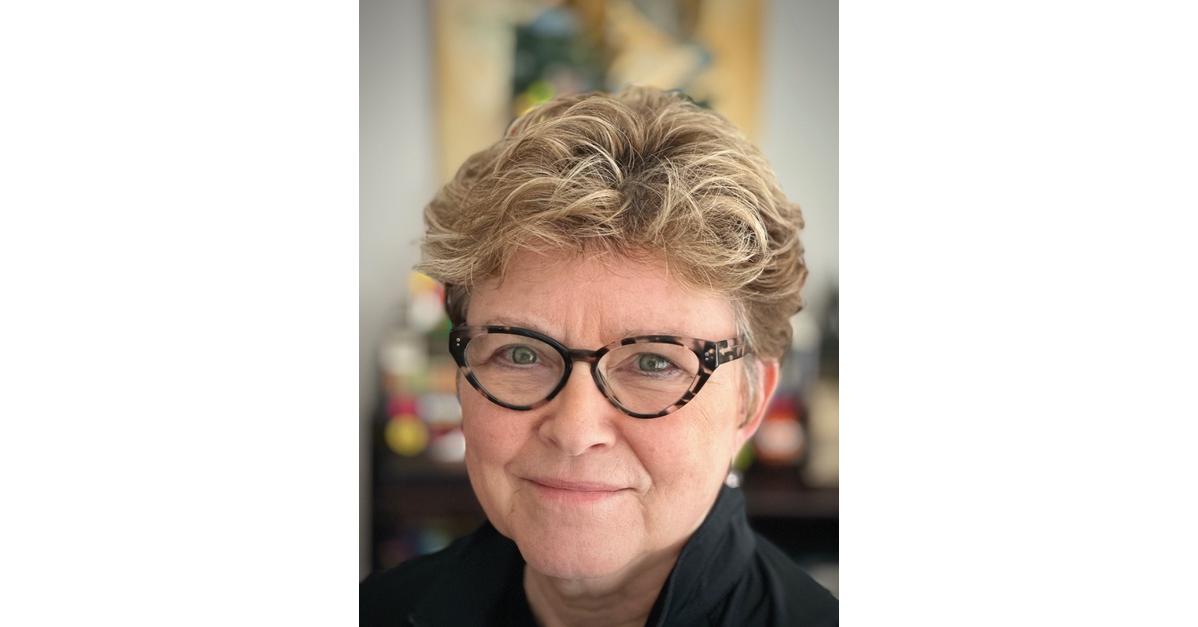
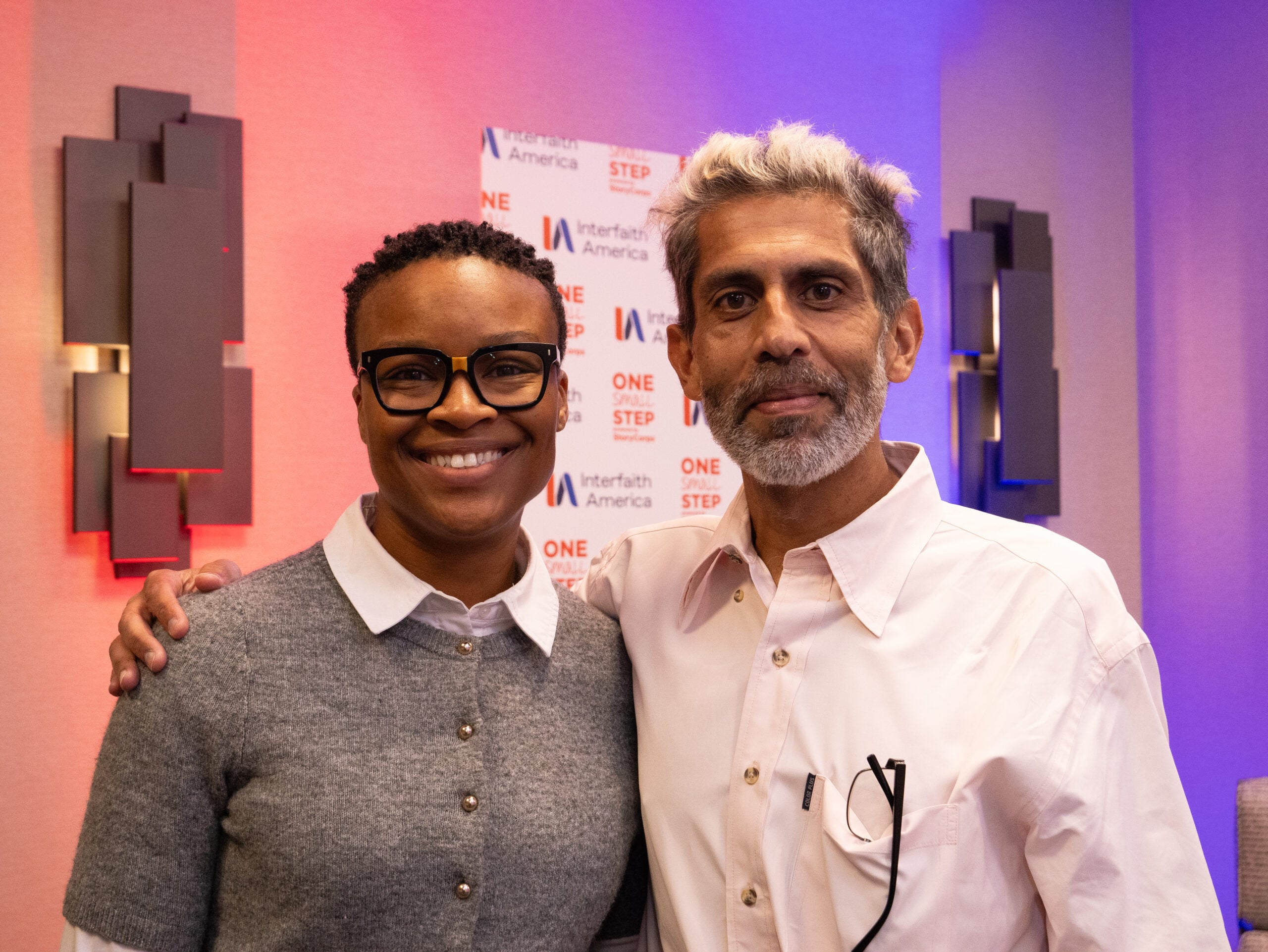
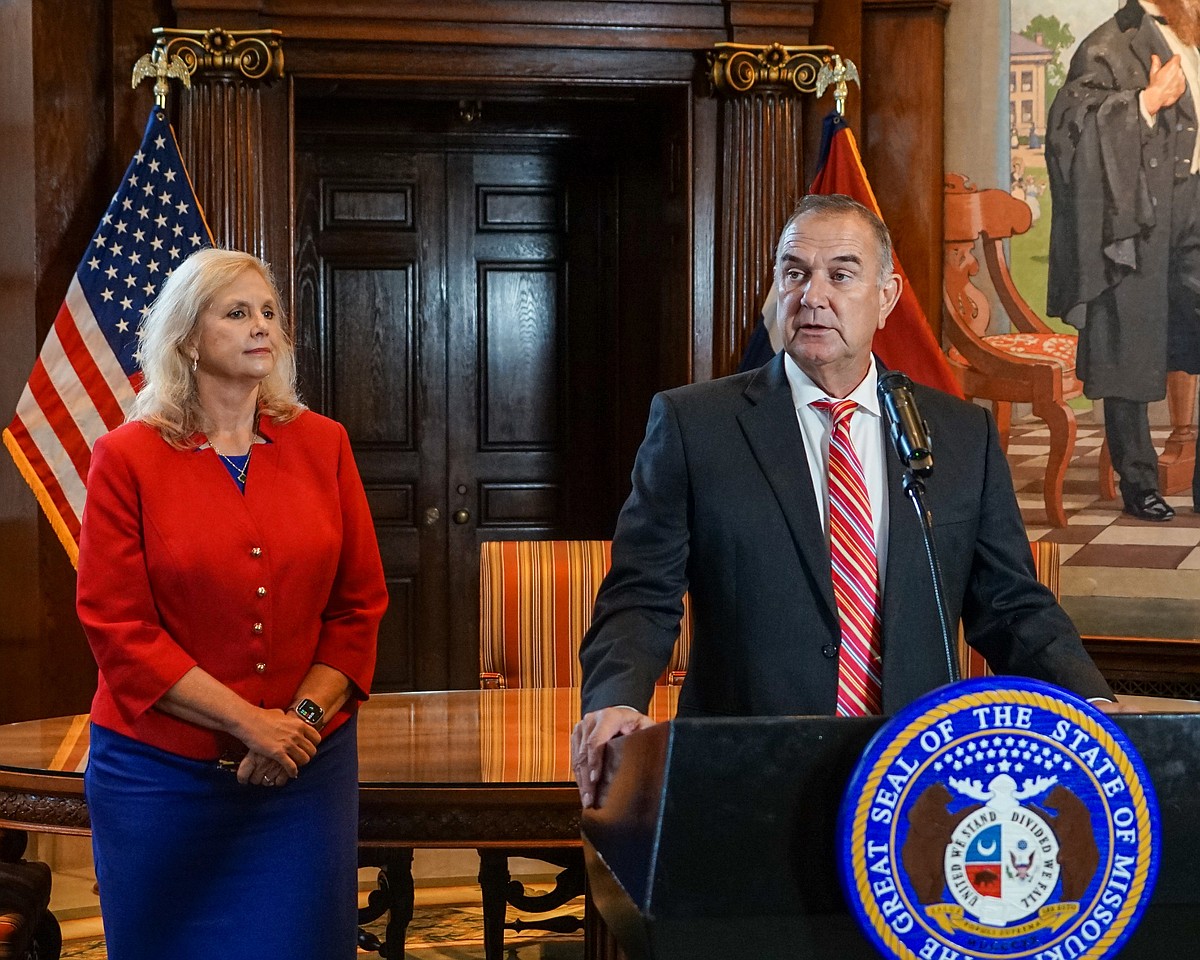
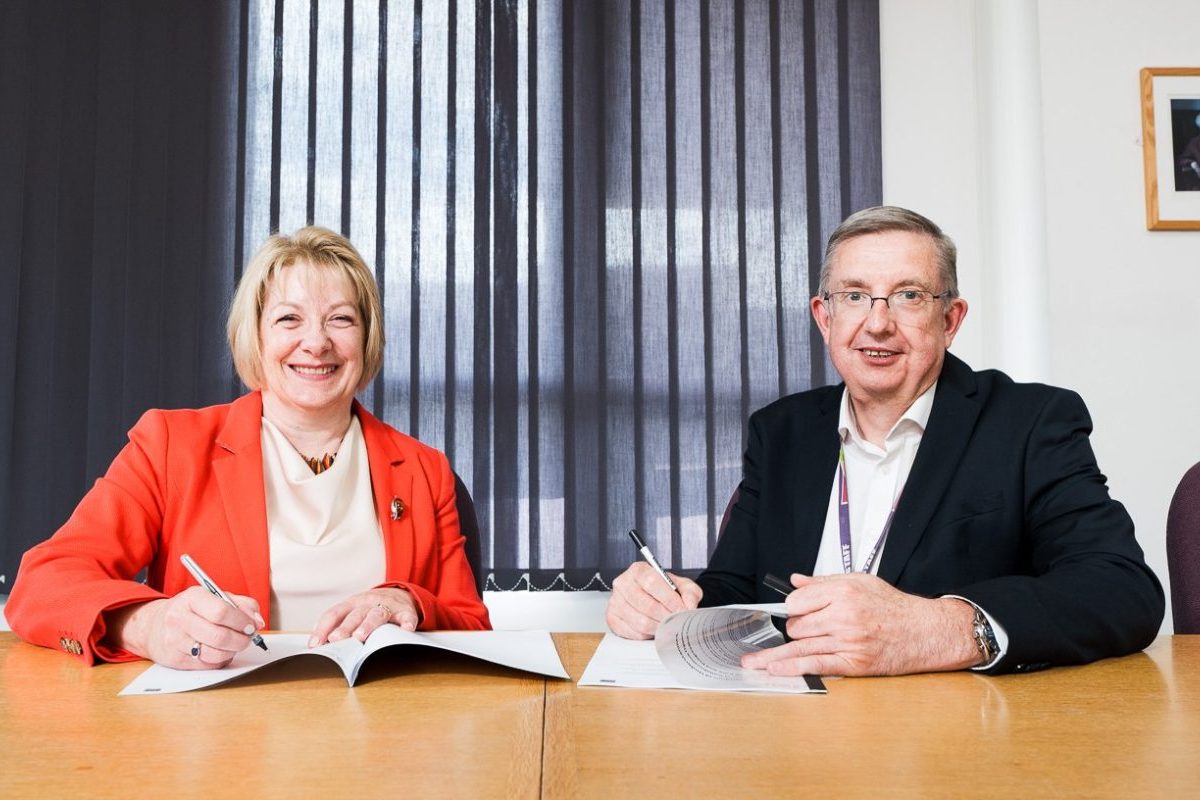
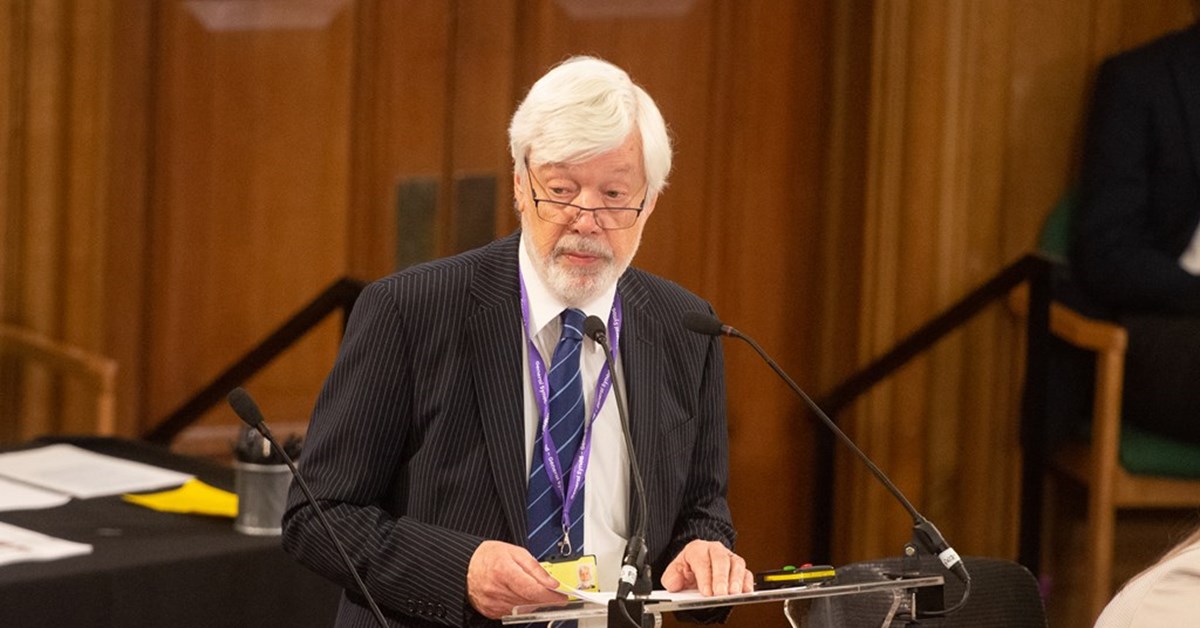
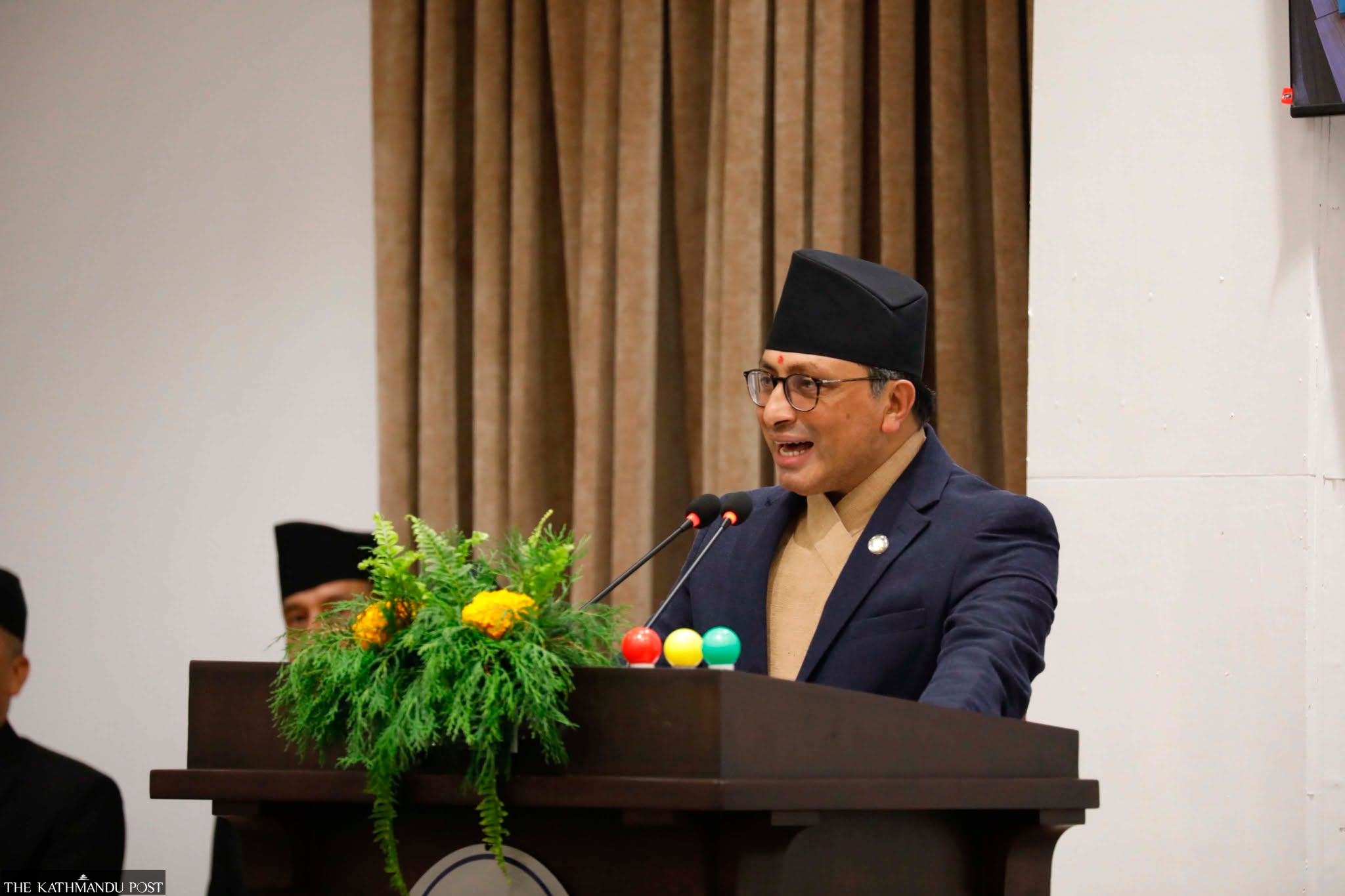
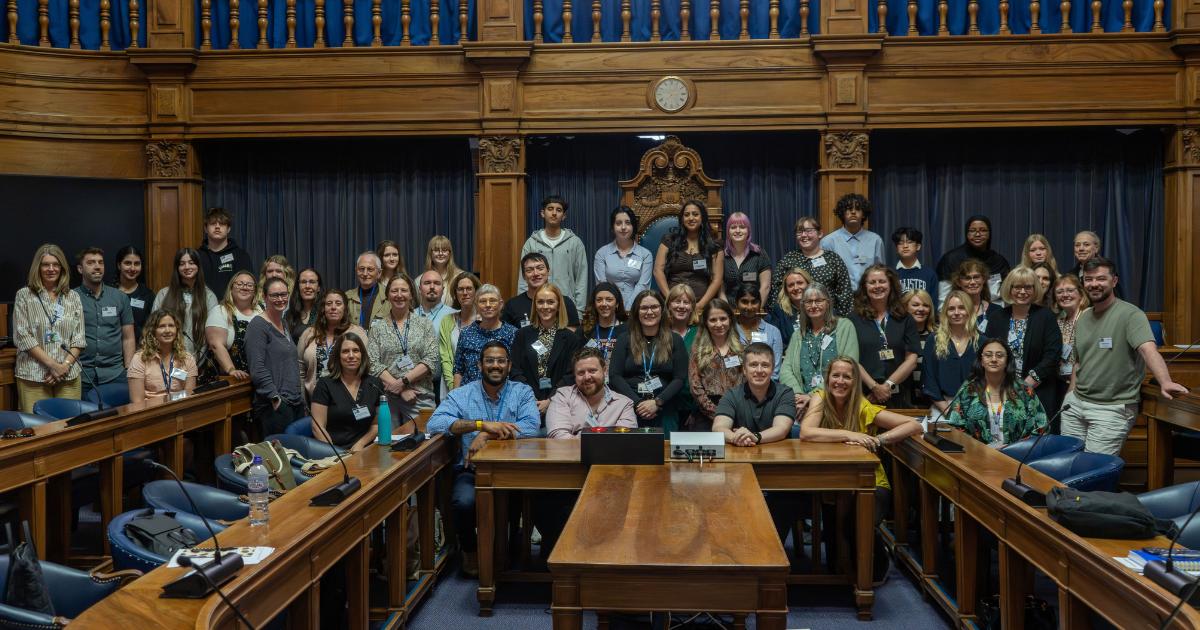
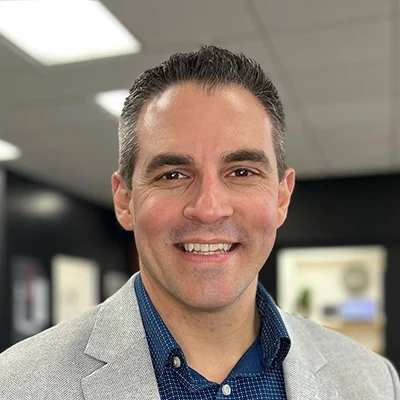
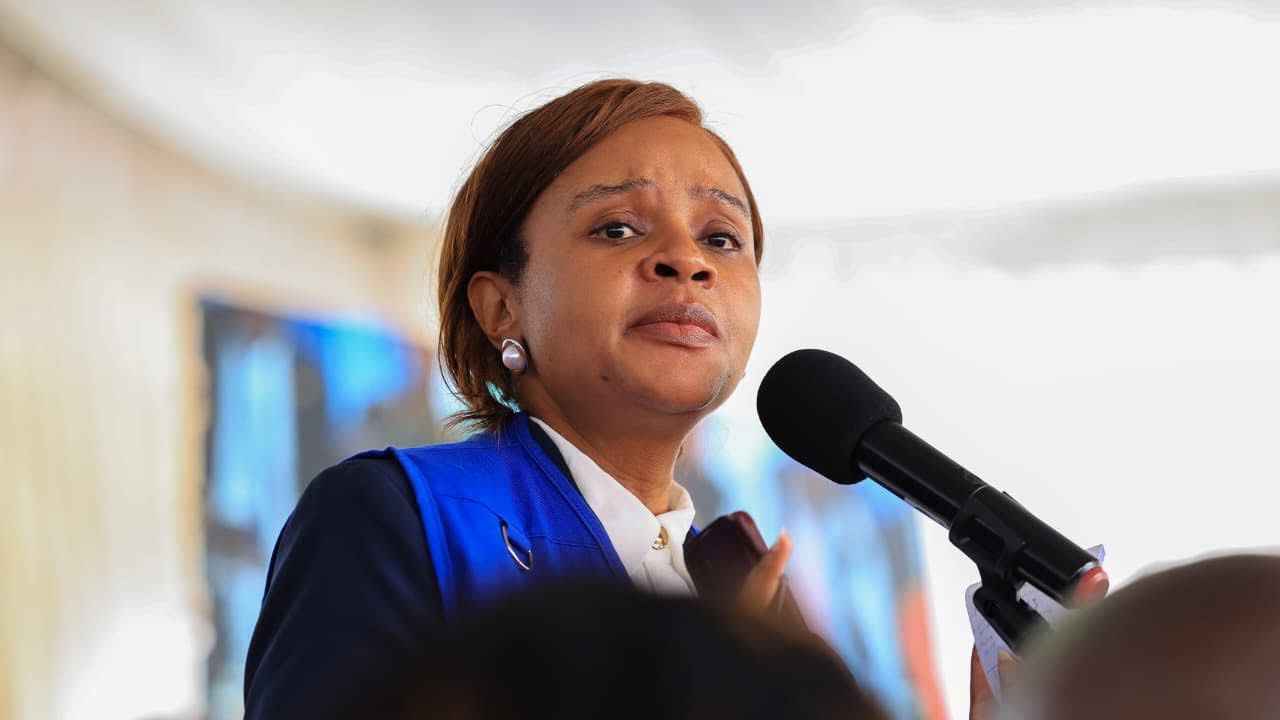
Economy Minister Caoimhe Archibald who was at an event in Stormont last night (June 9) to mark Carers Week

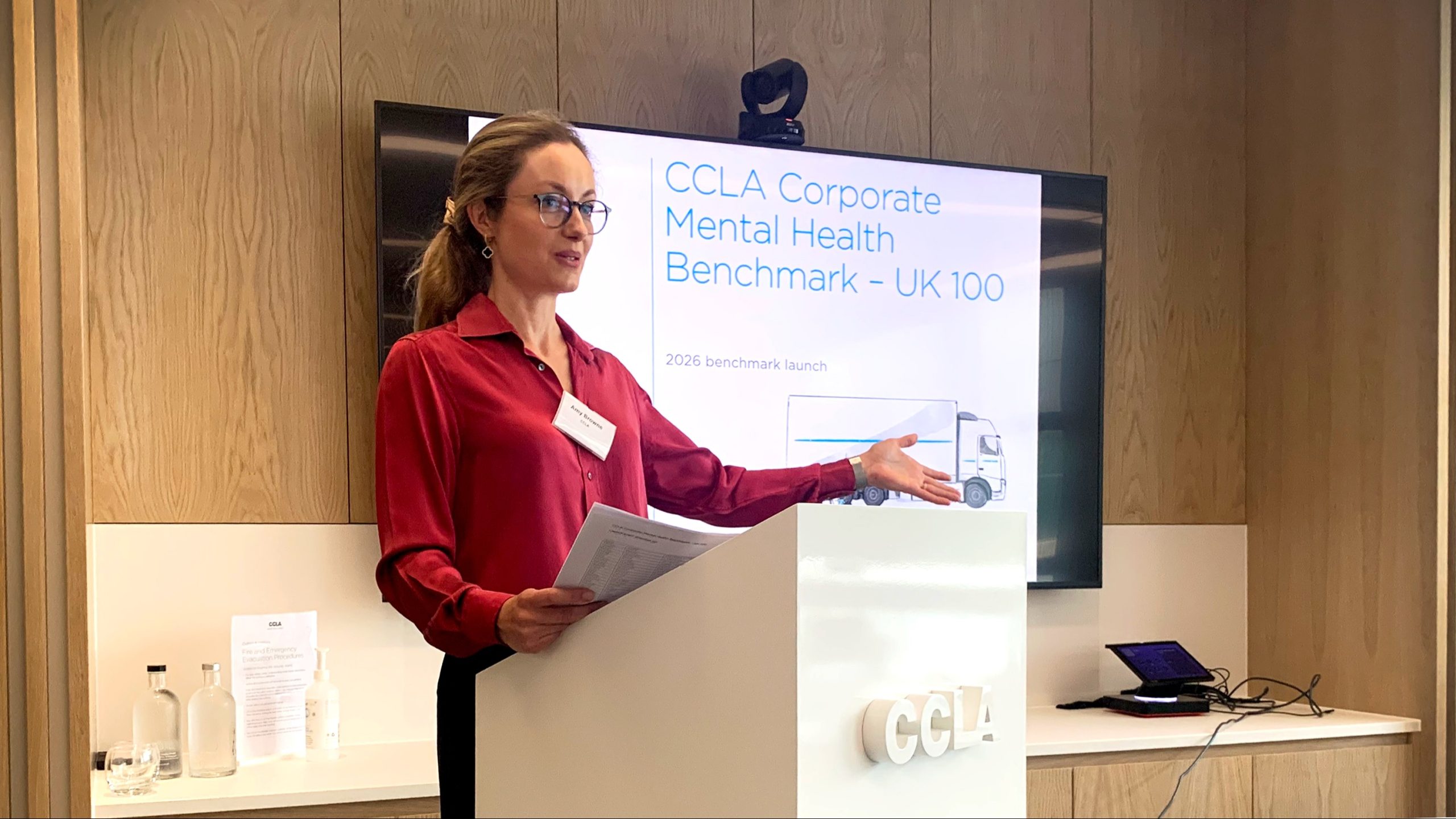
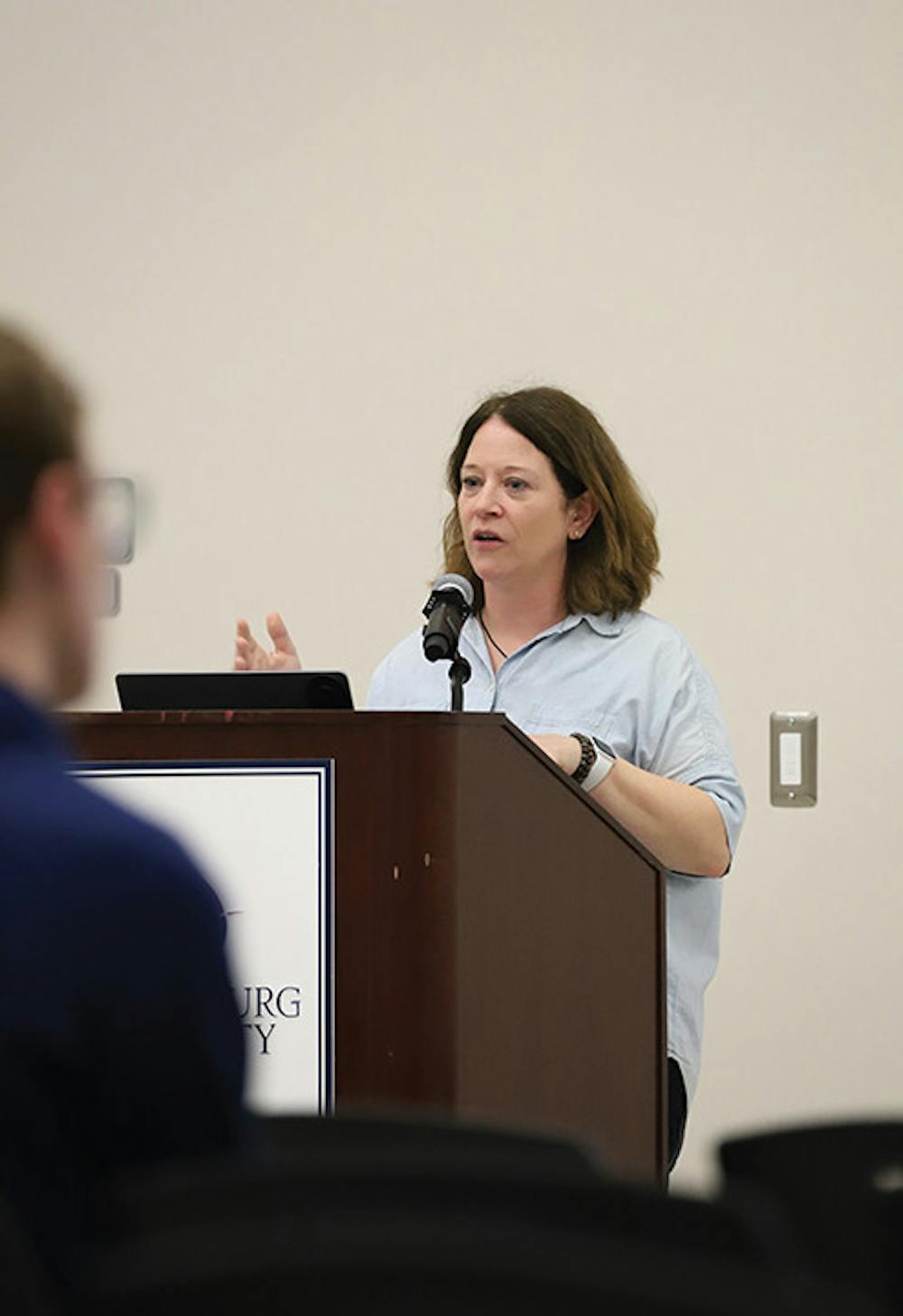
MLA Linda Dillon, chair of the all-party group on carers, at the Stormont event

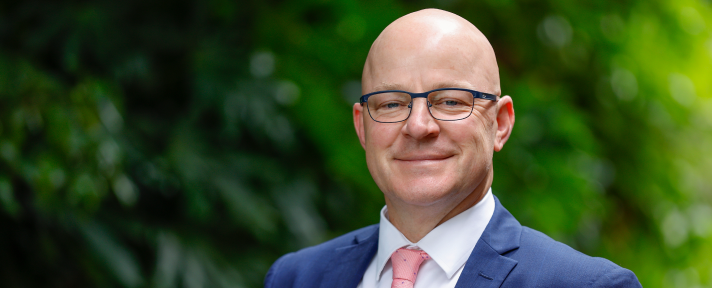
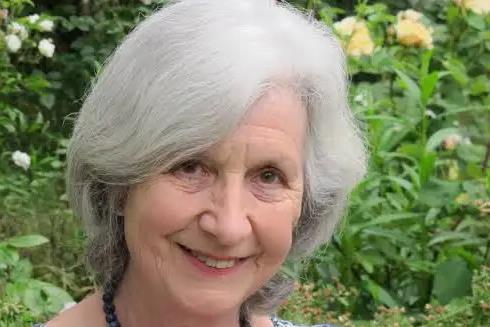
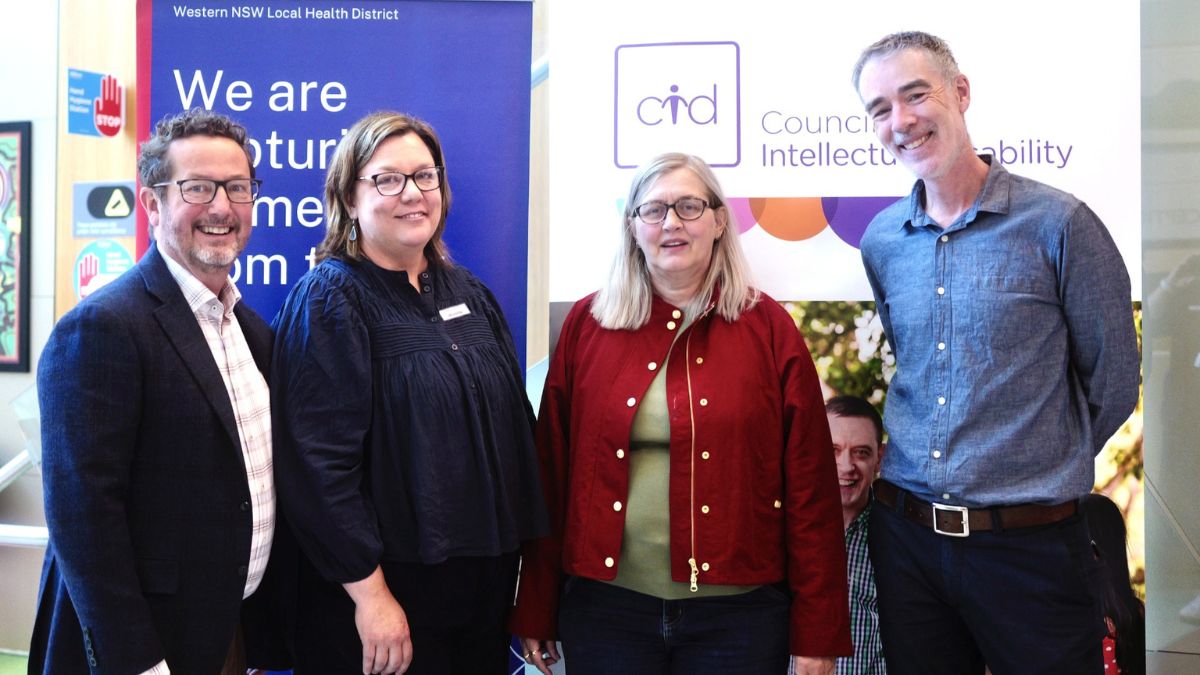
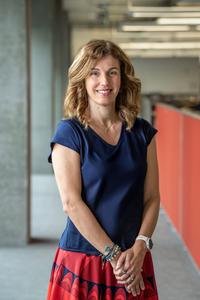
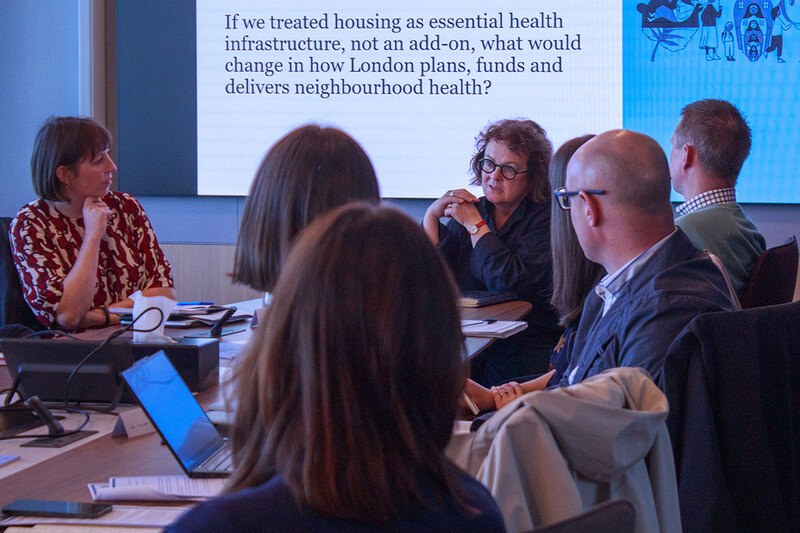
Kirsten Hogg, Director of the Devolved Nations at Carers UK (which includes Carers NI)