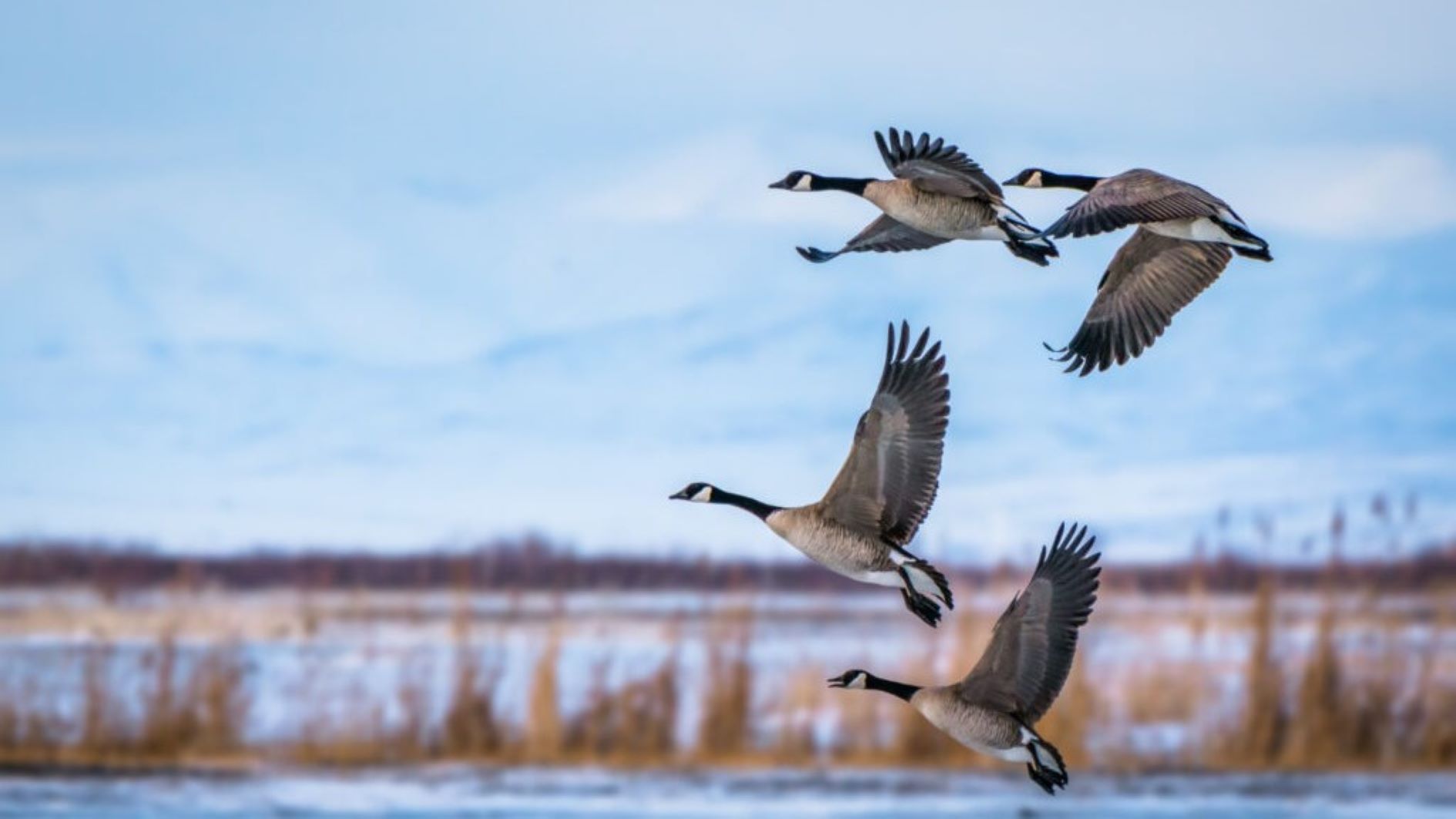
The alarming revelation by conservationists that more than 40 per cent of migratory bird species worldwide are now in decline should worry governments, environmentalists and citizens alike. Beyond the beauty of birds in flight lies a deeper ecological crisis that signals the deteriorating health of the planet itself.
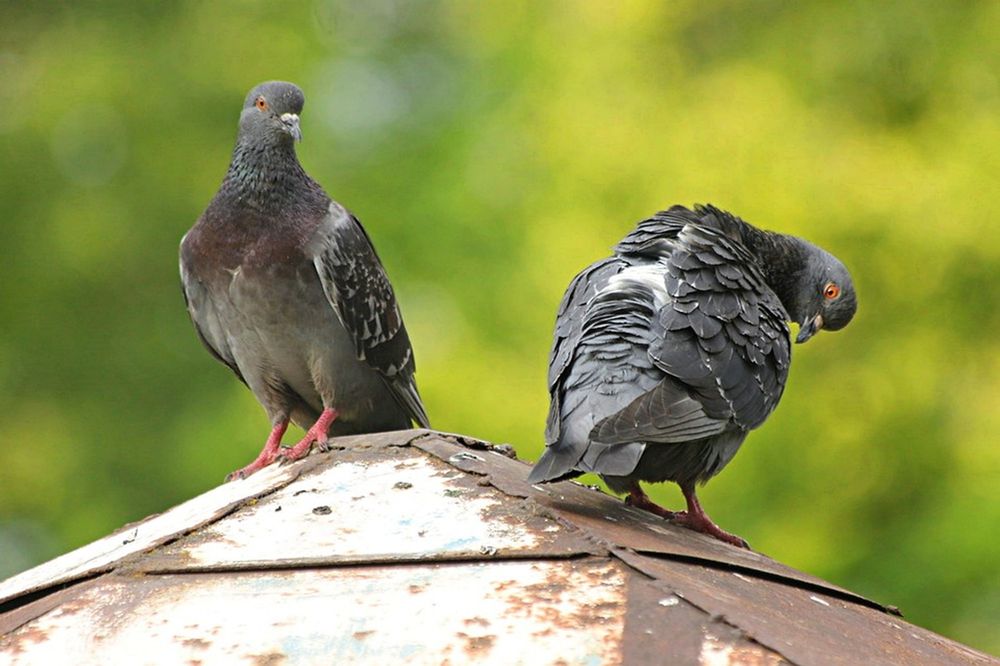
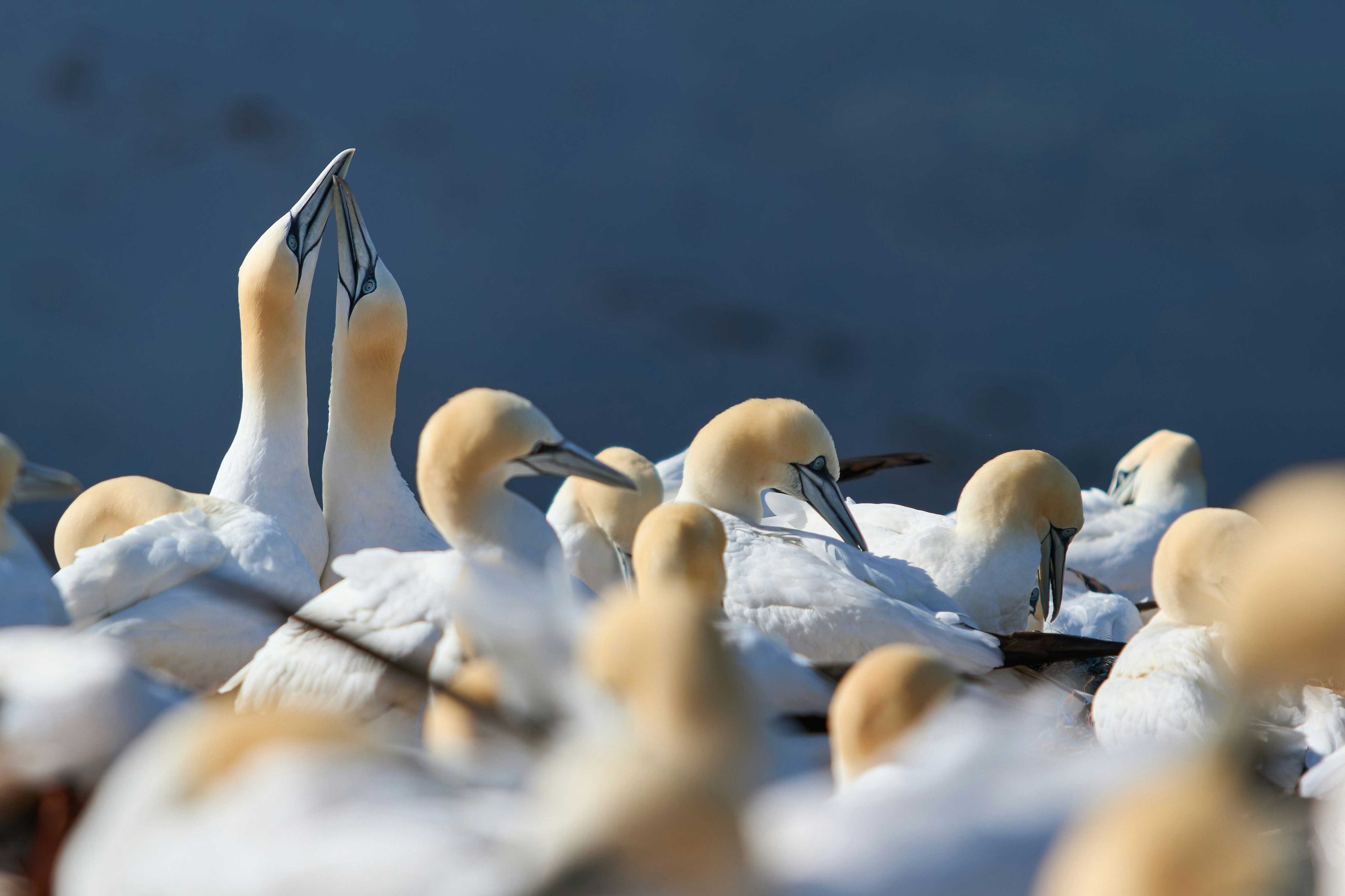
Migratory birds are among nature’s greatest wonders. Every year, millions of birds travel thousands of kilometres across continents and oceans, linking ecosystems, seasons and communities in an extraordinary cycle of survival. Yet, this timeless natural phenomenon is increasingly under threat.
The warning by the Chief Executive Officer of BirdLife International, Martin Harper, is not merely about birds disappearing from the skies. It is about the collapse of ecological systems that sustain agriculture, water resources, biodiversity and ultimately human existence.
Migratory birds are vital indicators of environmental health because they depend on interconnected ecosystems spread across countries and continents. When their numbers decline, it reflects widespread habitat destruction, pollution, climate change and unsustainable exploitation of natural resources.
The importance of migratory birds cannot be overstated. They pollinate plants, disperse seeds, regulate pests and insects, recycle nutrients across ecosystems and contribute significantly to food security.
Many agricultural systems benefit from birds that naturally control crop-destroying pests, reducing dependence on harmful chemicals. Wetlands and coastal ecosystems frequented by migratory species also provide flood control, water purification and climate resilience for millions of people.
The yearly observance of World Migratory Bird Day, celebrated during May and October to align with migration seasons in both hemispheres, is therefore more than a ceremonial event. It is a reminder that humanity shares a common ecological destiny. The migration routes, known as global flyways, connect breeding grounds, feeding habitats and seasonal refuges across the world. These flyways represent some of the most delicate ecological corridors on Earth.
Among the most significant is the African–Eurasian Flyway, which links Africa with Europe and parts of Asia. Every year, countless birds leave the warmth of Africa and travel northward to breed. However, the survival of these species increasingly depends on whether wetlands remain intact, forests are preserved and coastlines protected from reckless development.
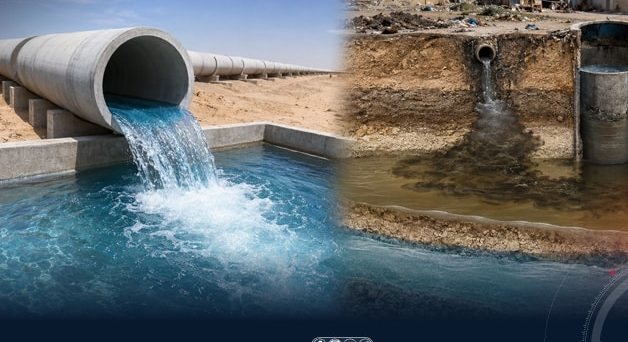
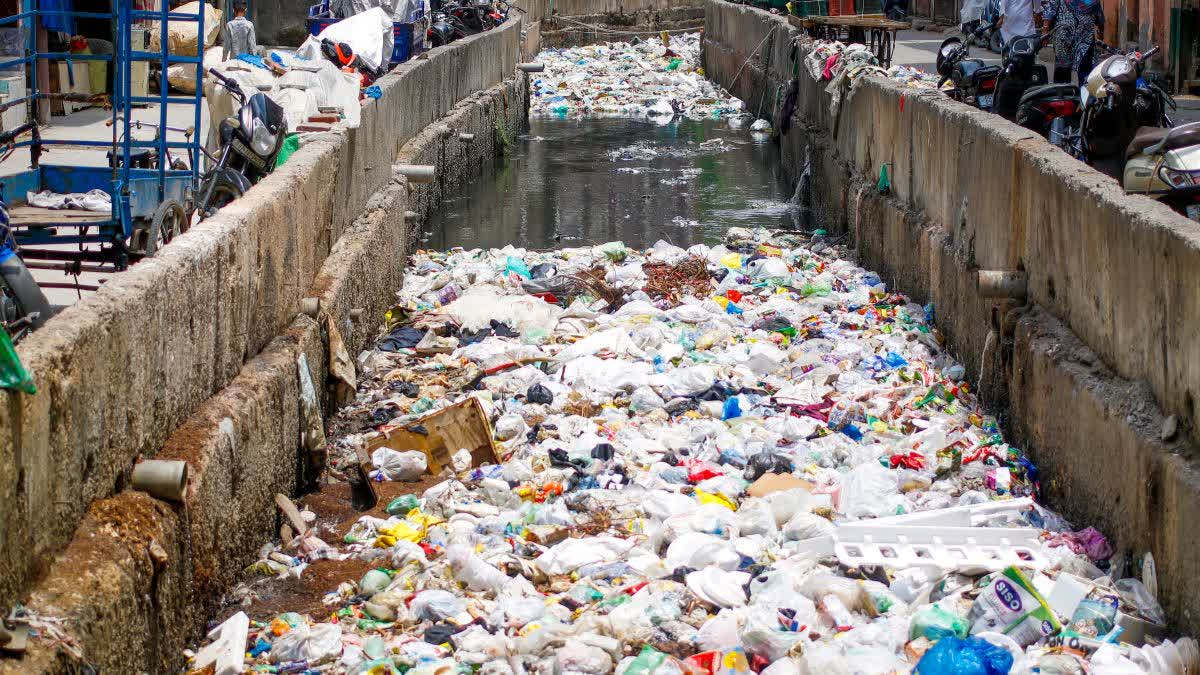
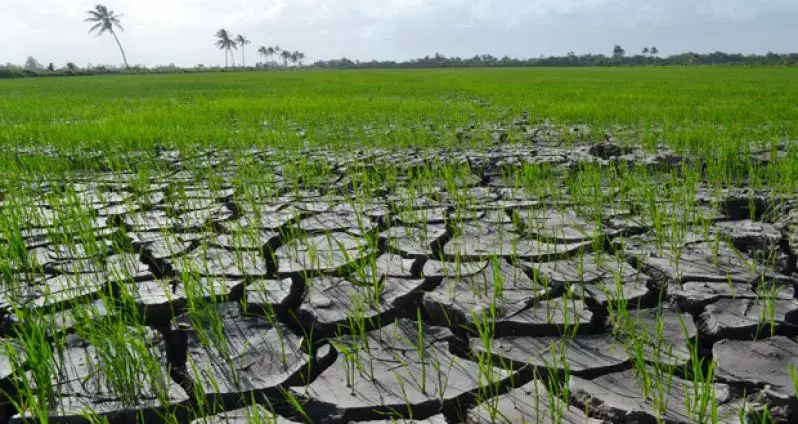
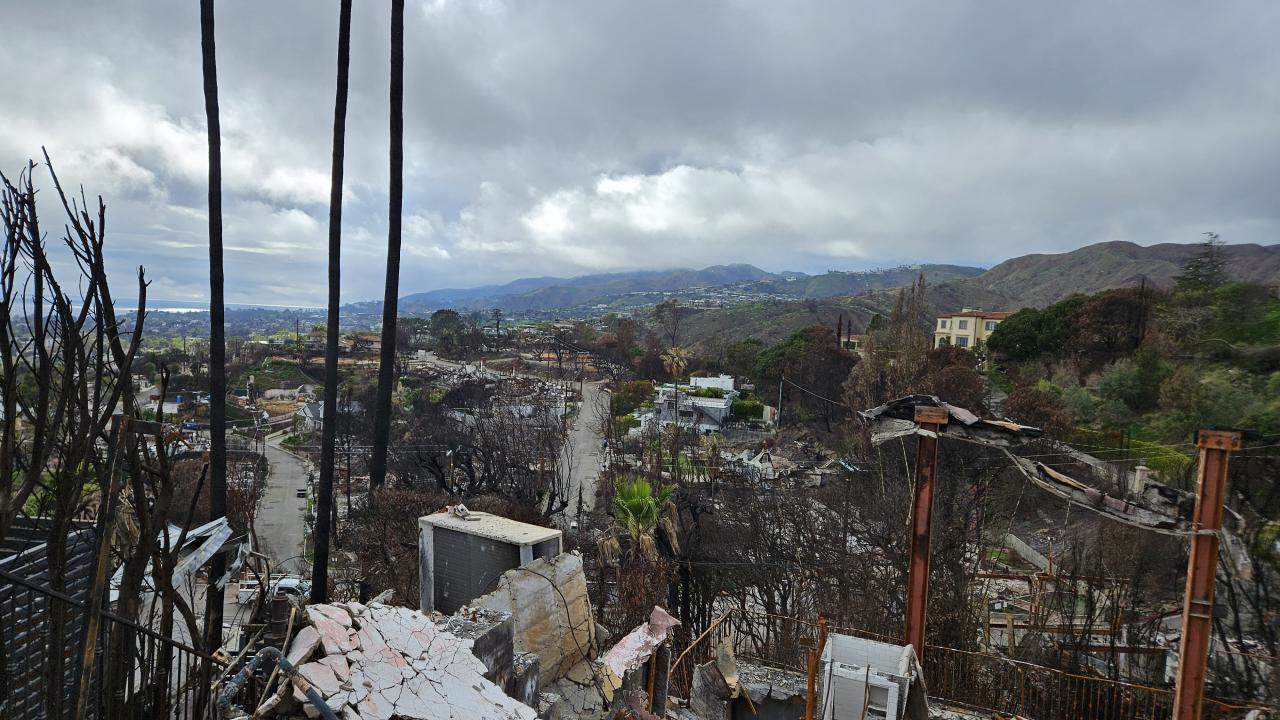
Unfortunately, human activities are rapidly breaking these critical ecological links. Wetlands are being drained for urban expansion, industrial pollution is contaminating water bodies, illegal hunting persists in many regions, while climate change is altering migration patterns and food availability. Coastal degradation, desertification and uncontrolled infrastructural projects continue to destroy habitats essential to migratory birds. The extinction of the Slender-billed Curlew, referenced by conservationists, is a painful reminder of what happens when humanity fails to act in time. Once widespread across parts of Europe and Asia, the species disappeared largely because of habitat destruction and hunting pressure. Its extinction should serve as a global warning that many other migratory species may soon follow unless urgent interventions are implemented.
Africa occupies a strategic position in global bird migration networks. As Dr Paul Matiku of Nature Kenya rightly observed, the continent lies at the centre of some of the world’s major flyways. This places enormous responsibility on African governments and institutions to protect wetlands, forests, rivers and coastal ecosystems that support migratory species.
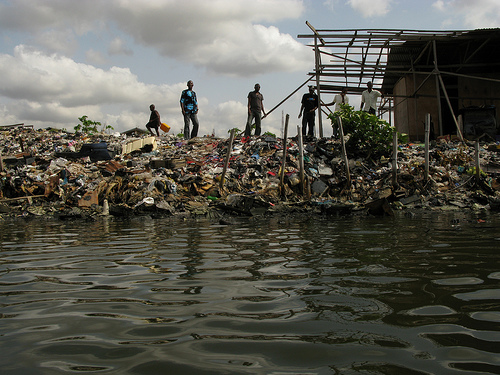
Nigeria, in particular, cannot afford to remain indifferent. The country hosts numerous wetlands and biodiversity hotspots critical to migratory birds, including the Hadejia-Nguru wetlands, the Niger Delta mangroves and coastal lagoons around Lagos. Yet many of these ecosystems face severe threats from oil pollution, sand mining, urban encroachment, deforestation and weak environmental enforcement. The shrinking of wetlands in northern Nigeria due to climate stress and poor water management has already affected biodiversity and local livelihoods. In coastal areas, unchecked dredging and land reclamation projects continue to destroy habitats that birds depend on for feeding and nesting. Environmental policies often exist only on paper, while enforcement agencies remain underfunded and politically constrained.
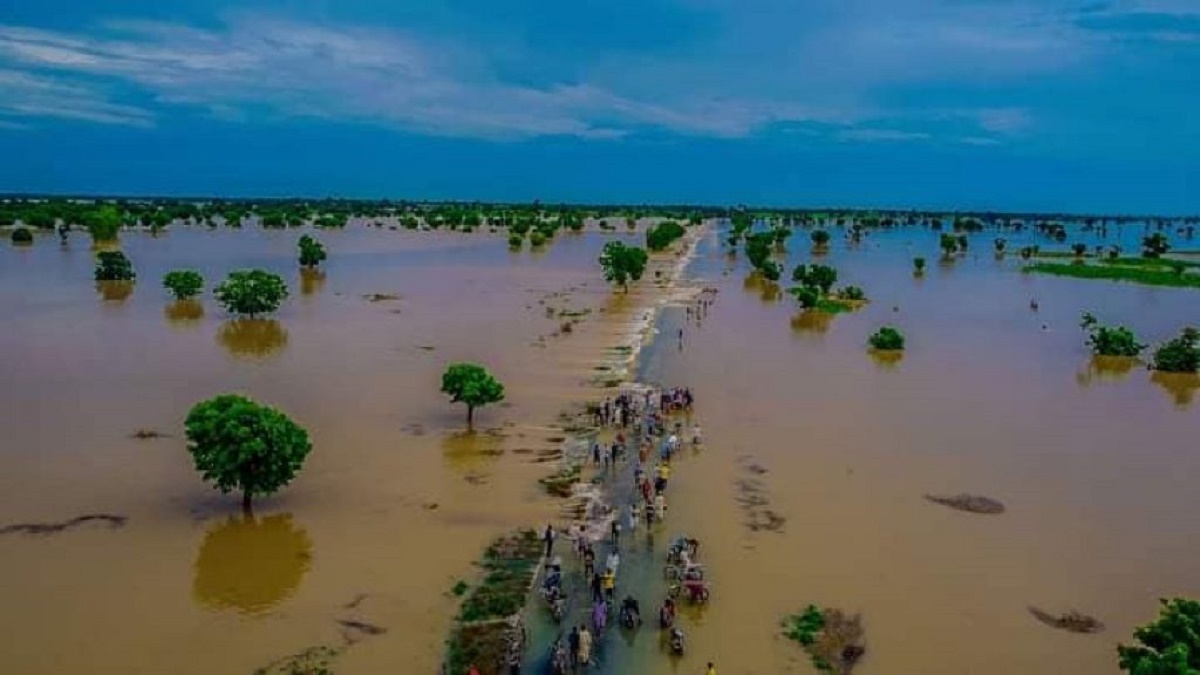
The irony is that protecting migratory birds also protects people. Conservationists are correct in emphasising that healthy flyways contribute to cleaner water, stronger food systems, flood prevention and climate resilience. The destruction of wetlands, for instance, not only threatens birds but also exposes communities to flooding, erosion and water scarcity. Biodiversity conservation is therefore not a luxury reserved for environmental activists; it is a practical necessity for economic survival and public welfare. There is also an important economic dimension to bird conservation that many governments overlook. Ecotourism centred on bird watching generates billions of dollars globally and supports thousands of jobs. Countries that preserve biodiversity attract researchers, tourists and conservation funding. Africa possesses immense potential in this regard, yet environmental neglect continues to undermine such opportunities.
The forthcoming Global Flyways Summit co-hosted by BirdLife International and Nature Kenya is therefore timely. Bringing together experts from science, policy, finance, business and civil society offers an opportunity to move beyond rhetoric towards measurable action. However, conferences and declarations alone will not save migratory birds unless governments demonstrate political will.
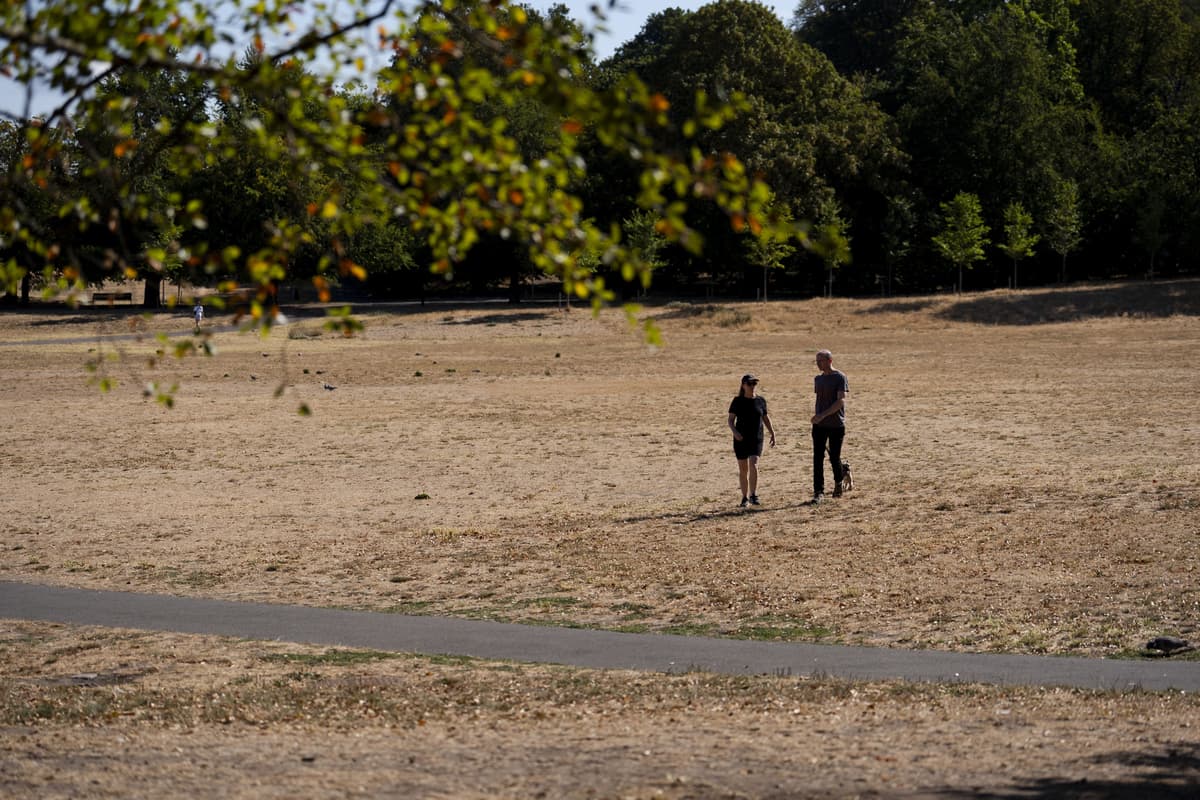
Concrete steps must include stronger enforcement of environmental regulations, restoration of degraded wetlands, protection of coastal ecosystems and integration of biodiversity concerns into national development planning. Urban planning should account for ecological sustainability rather than prioritising short-term commercial gains. Agricultural practices should also encourage habitat conservation while reducing harmful pesticide use that threatens bird populations. Climate action remains equally critical. Rising global temperatures are already disrupting migration cycles, altering breeding seasons and reducing food availability along migratory routes. Nations that continue to treat climate change as a distant concern ignore the growing evidence that biodiversity loss and climate instability are deeply interconnected crises.
Public awareness is another vital component. Schools, media organisations and community groups should intensify environmental education to help citizens understand the value of migratory birds and biodiversity conservation. Indigenous knowledge systems that traditionally protected ecosystems should also be recognised and strengthened.
Ultimately, the decline of migratory birds is warning signal humanity cannot ignore. Nature operates through interconnected systems, and when one part collapses, the consequences spread far beyond wildlife.
The disappearance of birds from the skies reflects deeper ecological imbalances that threaten agriculture, economies, health and climate stability.
The world still has an opportunity to reverse these trends, but time is running out. Protecting migratory birds requires collective global responsibility because flyways transcend political borders. No nation can succeed alone if neighbouring countries continue to destroy habitats and weaken conservation efforts.
Humanity must decide whether future generations will inherit a world still alive with the seasonal movement of birds across continents, or a silent planet diminished by environmental neglect. The choice should not be difficult.