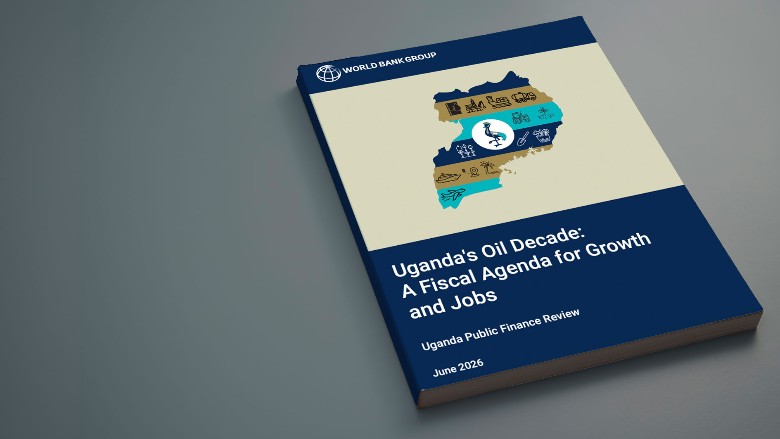
Uganda stands at a turning point. With oil production on the horizon and a young, fast-growing population, the country has a real opportunity to accelerate growth, create jobs, and reduce poverty. But this opportunity will only be realized if public finances are managed well. This Public Finance Review examines the state of Uganda”s budget and public spending, and sets out a practical agenda for turning fiscal policy into a more powerful engine for development.
What the Review Found
Uganda’s economy is growing, but the benefits are not reaching enough people. Every year, about 650,000 Ugandans enter the job market yet less than 68,000 formal jobs are created. Nine out of 10 workers end up in the informal sector, often without stable income or protections.
At the same time, the government faces serious fiscal pressures. Debt repayments are consuming an ever-larger share of public resources, with interest payments now taking up roughly one-third of all tax revenues, leaving less money for roads, schools, hospitals, and other services people depend on.
Tax collection remains weak. Uganda raises less than 13% of GDP in taxes, well below the East African regional average of more than 15%. The problem is not that tax rates are too low, but that too many businesses and transactions fall outside the tax net, or benefit from exemptions.
Public spending is also not delivering full value. About one-third of every shilling invested in infrastructure is lost to inefficiencies. Schools and health facilities are chronically underfunded: real spending per primary school pupil has dropped by 25% over the past decade, and health spending stands at just $20 per person—less than a third of what is needed to provide basic care.
Oil revenues are expected to begin flowing from 2027, averaging around 2.2% of GDP per year. Managed well, this could transform Uganda’s fiscal outlook. Managed poorly, it risks repeating the “resource curse” seen in other oil-producing nations.
What Needs to Change
The Review recommends a five-part reform package that, taken together, could deliver a significant fiscal dividend and support the creation of 3.2 million more and better jobs by 2035.
First, Uganda needs a strong fiscal framework–clear rules that ensure oil money is saved and invested wisely, not consumed in ways that create future problems.
Second, the government should broaden the tax base. This means reducing poorly targeted tax exemptions and ensuring more businesses contribute fairly, without raising rates on those already paying.
Third, public investment needs to work harder. Projects should only proceed when they are properly planned and budgeted, and the persistent cycle of building infrastructure, only to let it deteriorate and then having to rebuild, should end.
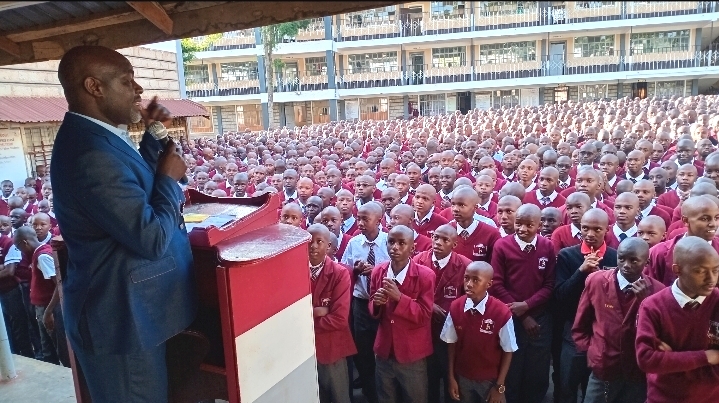
Fourth, more must be invested in people. Education and health spending need to increase substantially, with a focus on what works: keeping children in school, training young people for jobs, and ensuring clinics have medicines and staff.
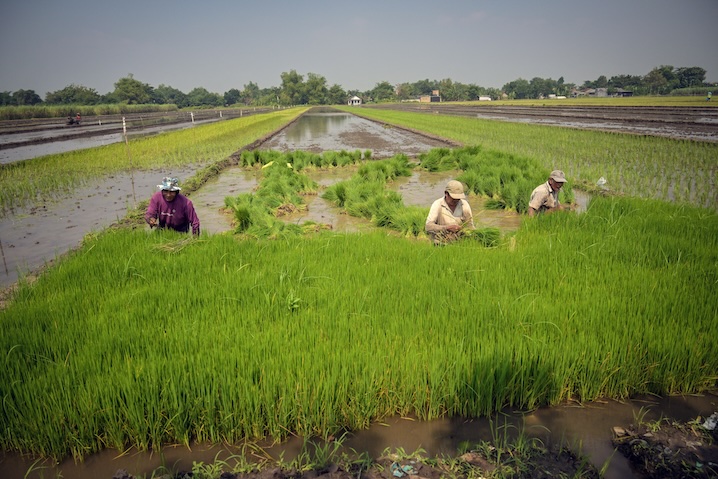
Fifth, government support to priority sectors like agriculture, tourism, and science and technology should shift away from direct transfers to individuals and private companies, and toward the public goods–research, infrastructure, market access–that help entire industries grow.
The Bottom Line
If Uganda acts on these reforms, projections suggest debt can be brought to a sustainable level, poverty reduced, and millions of new jobs created by 2035.