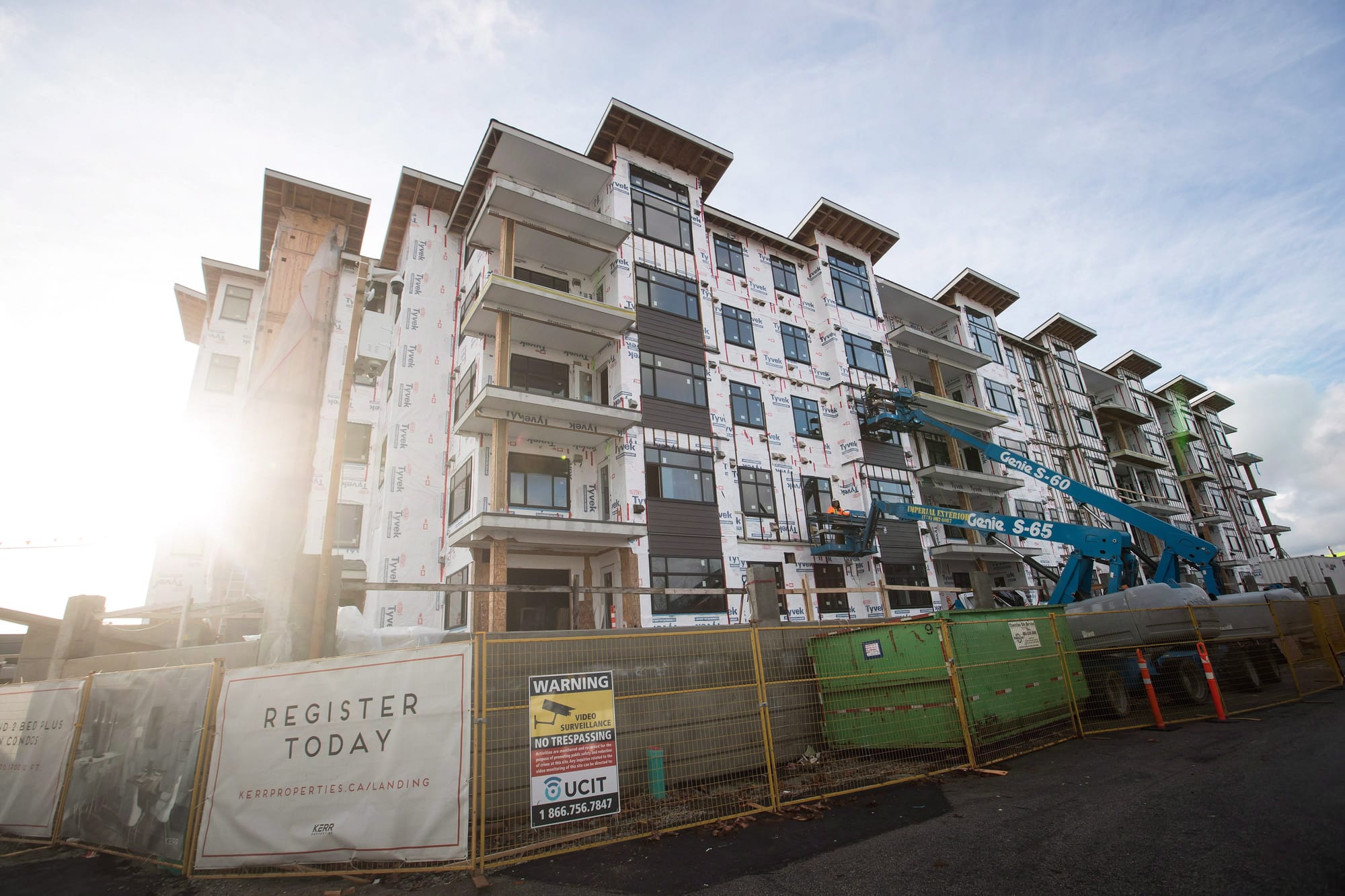
At a time when the looming question of rent control and worries about environmental building standards have many real estate investors shying away from the Bay State, one of Germany’s largest real estate development firms is instead placing a big bet.
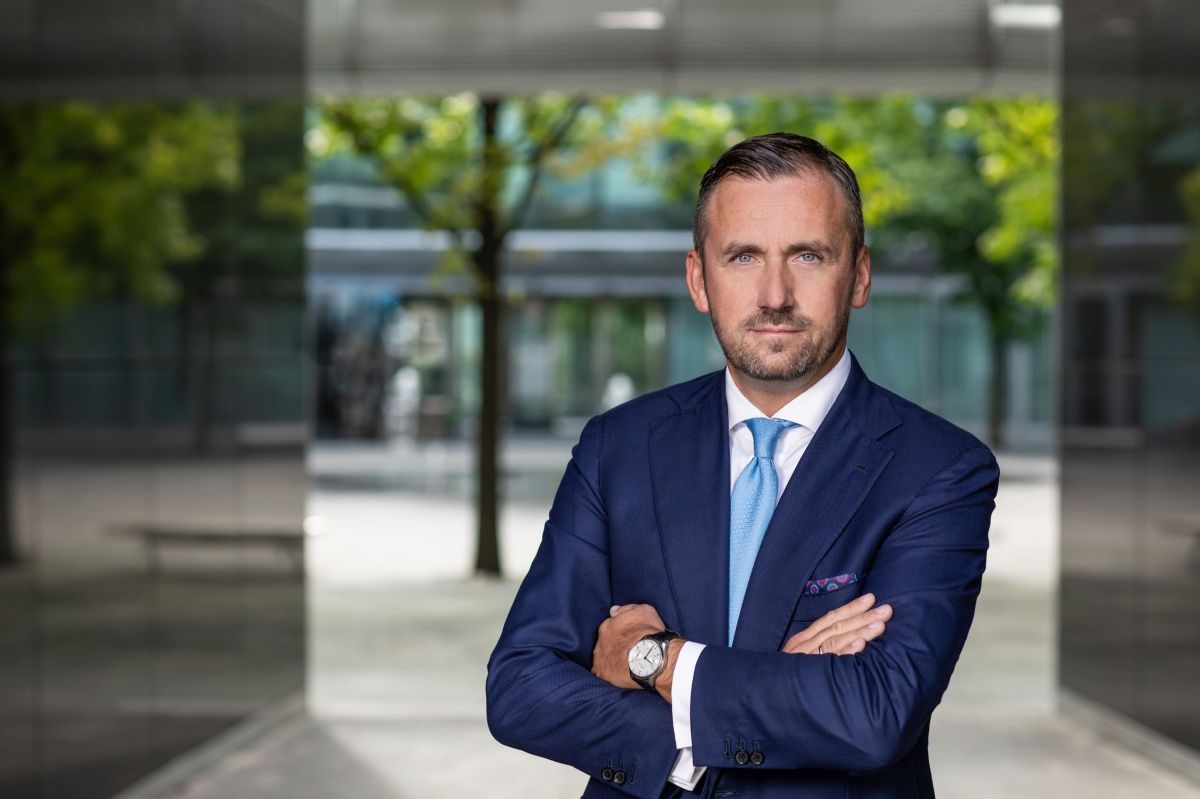
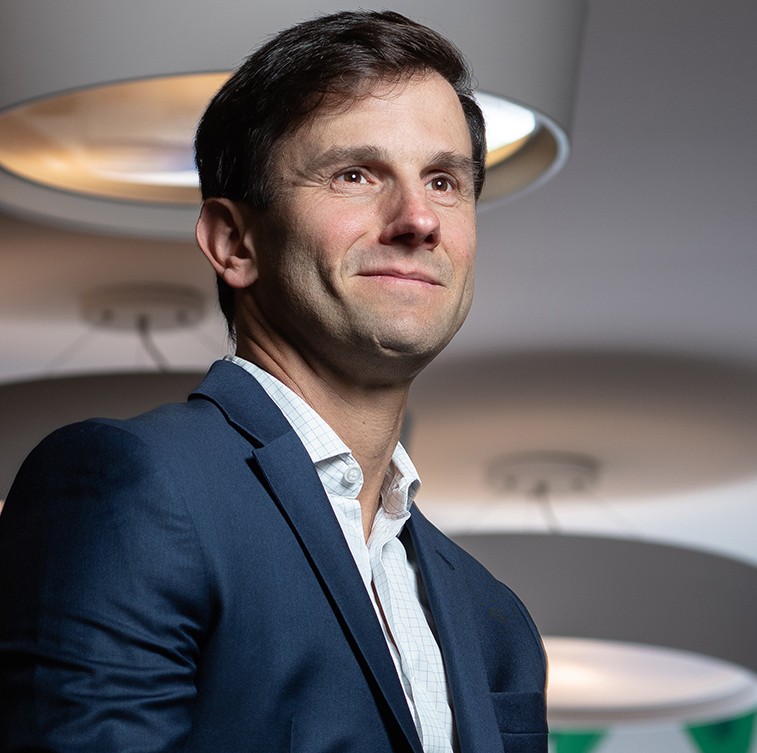
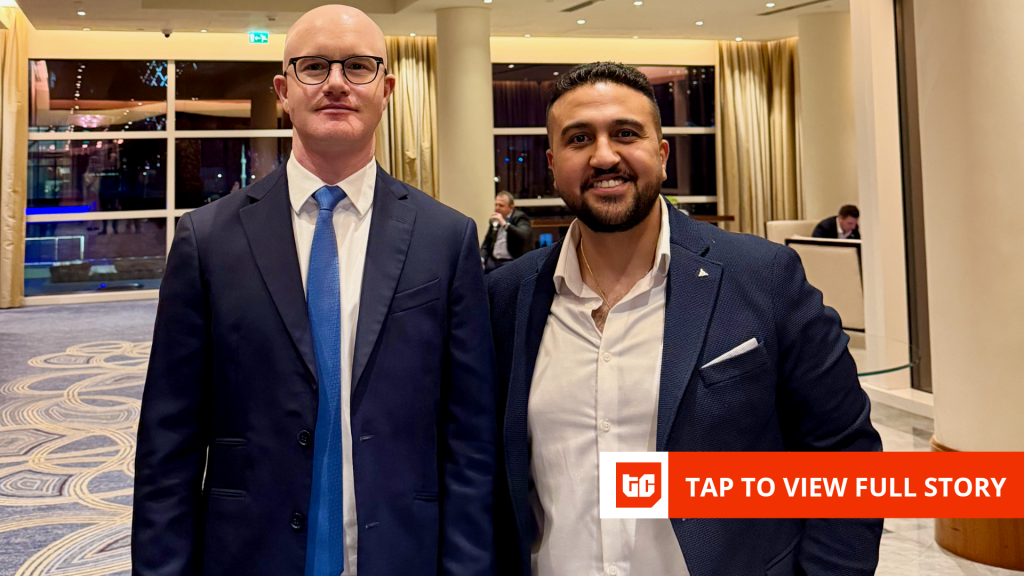
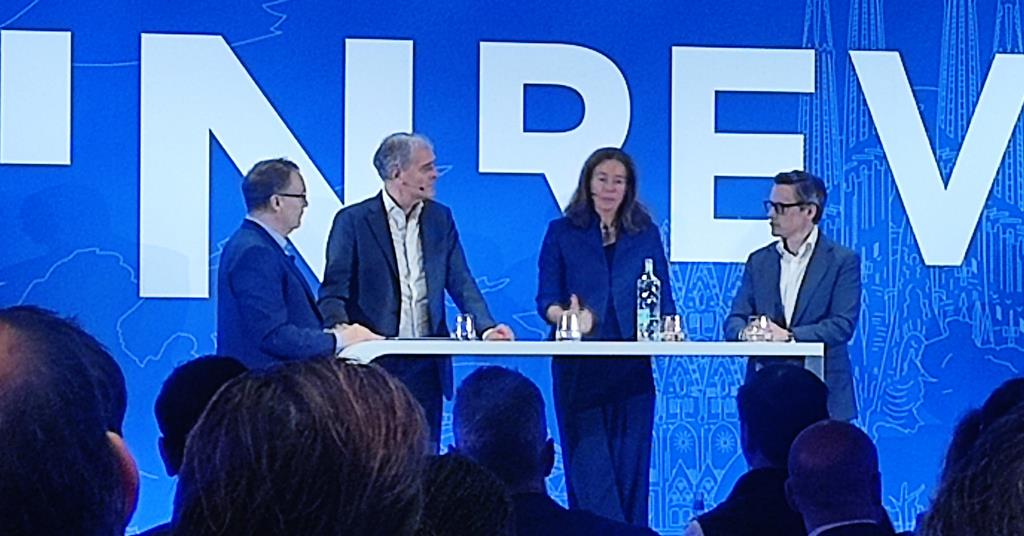
Hamburg-based Garbe, a real estate developer, operator, and investor with more than $17 billion in assets under management, has formed a joint venture partnership with Boston-based Berkeley Investments to create Berkeley Garbe LLC. Garbe has 21 offices in 14 countries, including Singapore and the United Arab Emirates, and the Berkeley joint venture represents the firm’s entrance into the US.
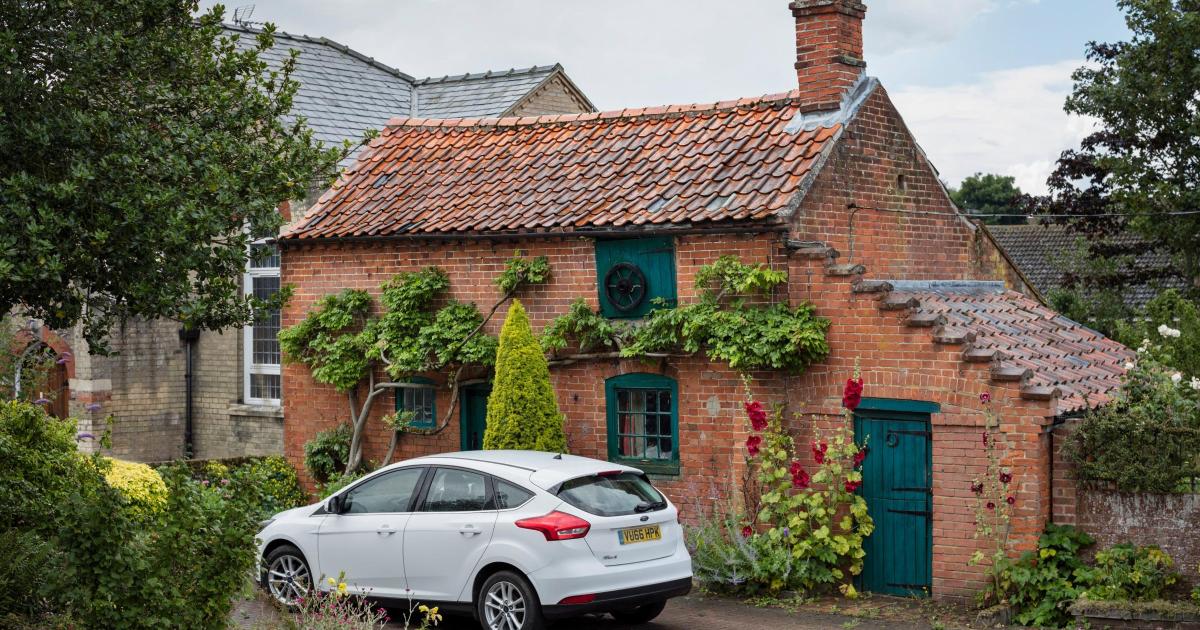
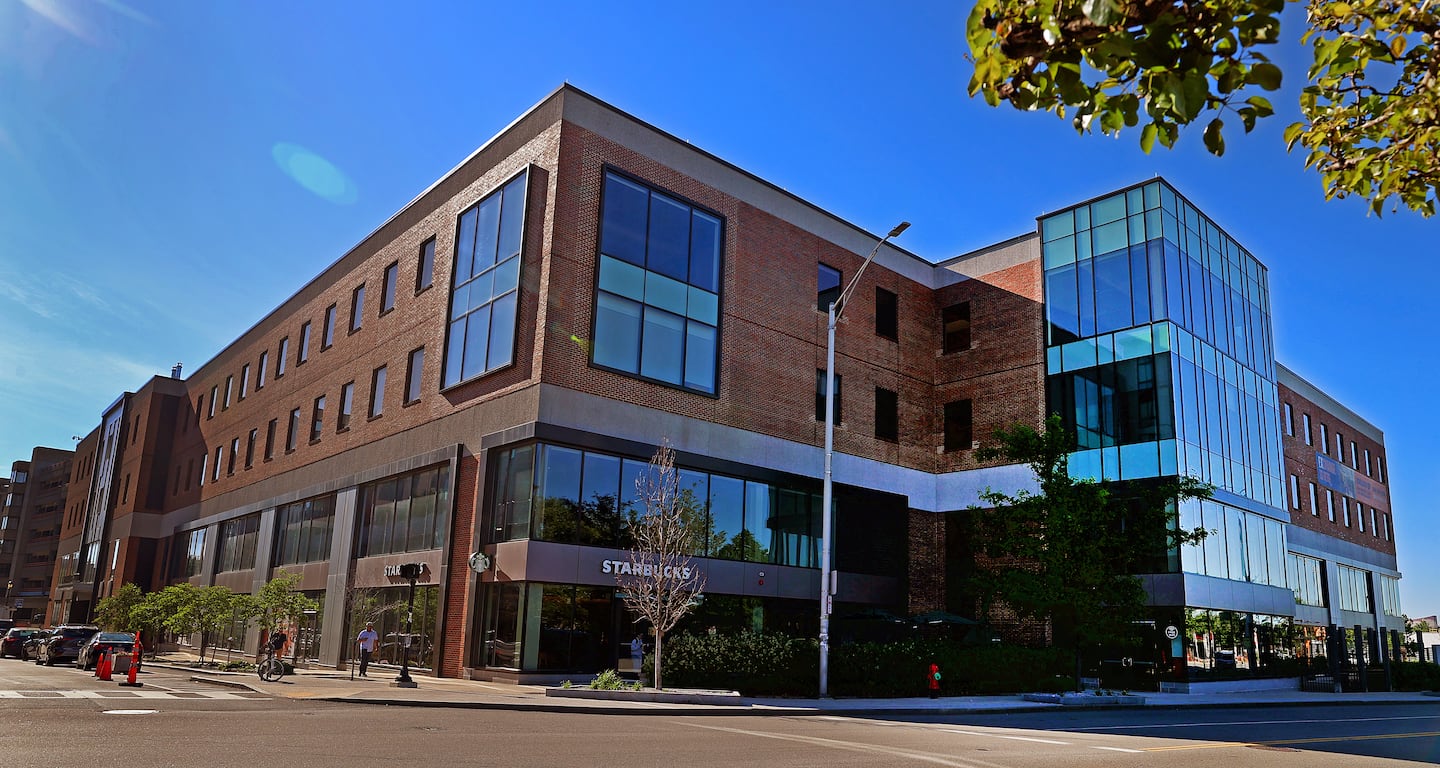
For Young Park, the deal is both a legacy moment and succession plan. Since Park founded Berkeley in 1991, the firm has developed more than 17 million square feet of space. That includes investing in a portfolio of brick-and-beam warehouses in Boston’s Fort Point neighborhood, converting the former Waltham Watch Co. factory into 163 lofts, and creating a 350,000-square-foot life-science laboratory with ground-floor retail across the street from the Malden Center Orange Line station.
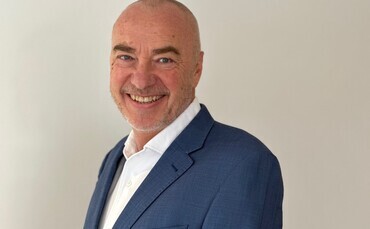
Garbe, meanwhile, manages some 85 million square feet across the globe, and has 600 workers to Berkeley’s 18 local employees. Pairing Garbe’s resources with Berkeley’s local expertise, Park said, will serve as a potential “springboard to a much larger role in the real estate market in Boston.”
“Our competitive advantage will be high,” he said. “We’re very, very excited about the growth potential.”

Park and Christopher Garbe, managing partner of Garbe, declined to specify financial terms, or say precisely how much money Garbe earmarks for investment here. The firms first began working together in the early 2000s, with Garbe and affiliates doing deals with Berkeley in excess of $1 billion — investing in ground-up development, repositioning existing properties, adaptive reuse projects, and more.
In Park and Berkeley, Garbe found a working relationship that was trustworthy, fair, and reliable — all necessary components for a longtime partnership, he said.
“Joint ventures are structured on the basis that you want to do repeat business, because if it’s only for one project, it’s never going to work,” Garbe said. “This relationship, and that joint venture, is quite the opposite of a false marriage.”
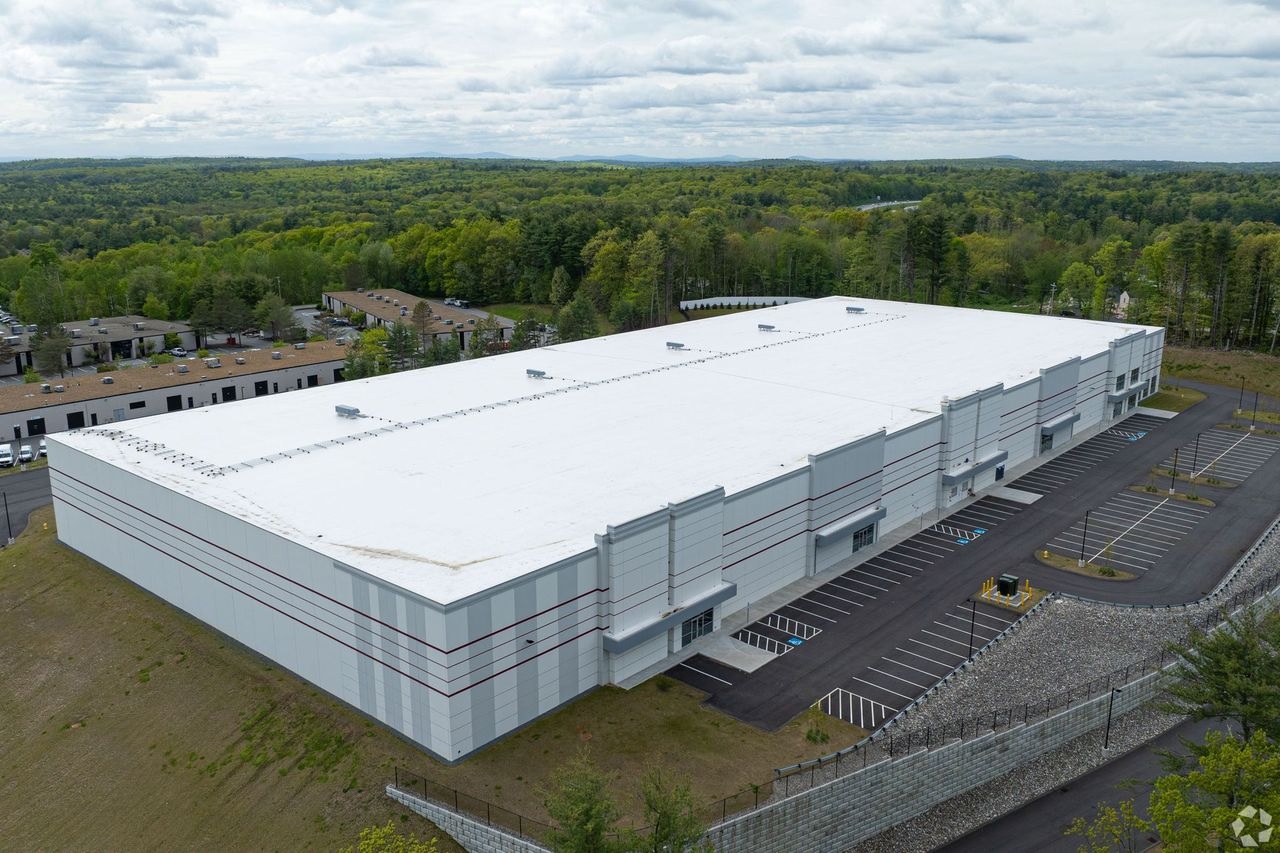
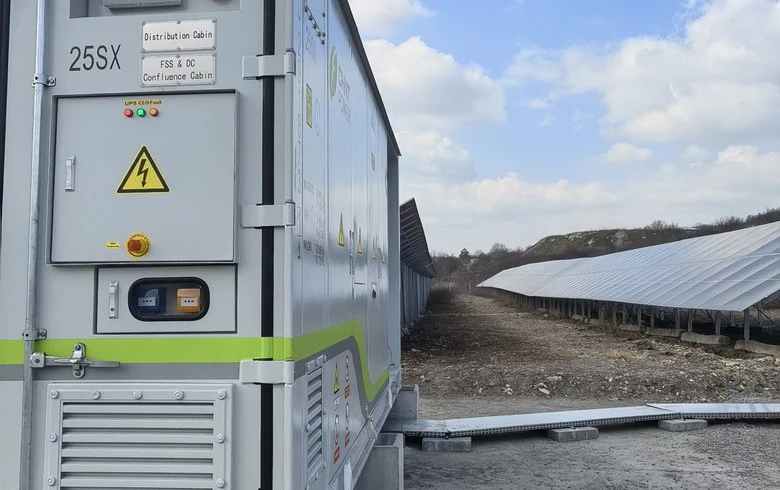
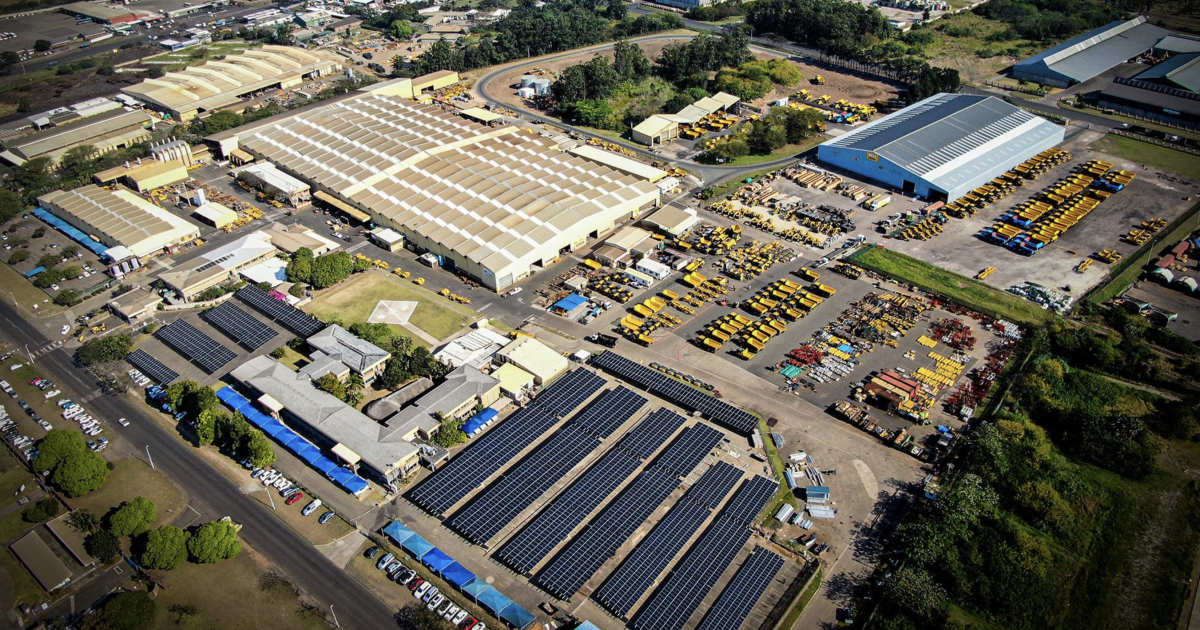
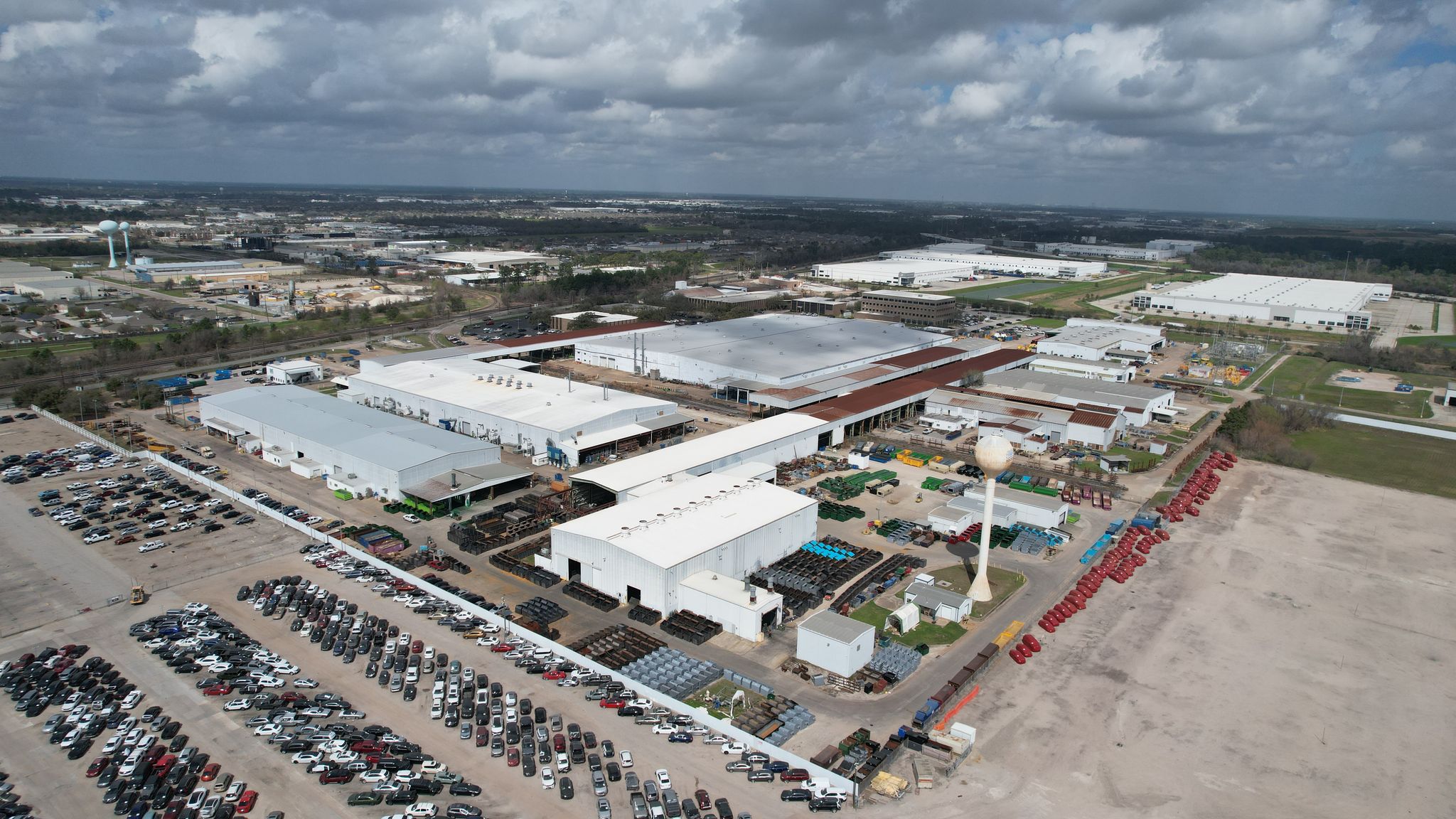
The Boston venture will concentrate on industrial, multifamily, and renewable energy and decarbonization, a three-prong approach to real estate the company has dubbed “sheds, beds, and infrastructure.” Garbe is a frequent development partner of e-commerce behemoth Amazon and has built apartment buildings in major cities throughout Europe. The firm’s growing sustainability business line has focused on rooftop solar photovoltaic panels, and Garbe also developed a data center in its home country for Google.
Berkeley has developed flexible light industrial space and multifamily housing, but has little experience with infrastructure and logistics work. The new venture will function as a real estate operating company — developing property, securing financing, locating sites, negotiating a purchase — and is on the lookout for opportunities across New England.
“It’s an LLC, and we will continue to manage the operation of all the legacy projects,” Park said. “The idea is to really expand our footprint.”

While Garbe is “fully aware” of market pressures in Massachusetts and Boston, he likes the region’s strong underlying real estate fundamentals. Garbe intends to stick around for the long term, he said, and would be open to opportunities in other US markets if the Boston deal goes according to plan. Beyond the decades-long working relationship, Garbe considers Berkeley and Park “very, very competent” real estate operators with “deep market insights.”
“That’s all the recipe to work together, even in challenging and maybe disadvantageous markets,” Garbe said. “The advantages outweigh the disadvantages by a mile. For us this is a really, really good test case to enter the US market.”
Berkeley Garbe LLC will continue growing its Greater Boston and Massachusetts presence, Park said, looking to areas around Worcester for modern flex or warehouse space and to towns with favorable MBTA Communities plans for multifamily projects. It also considers southern New Hampshire a promising submarket, and could eventually branch out to Connecticut or as far as New Jersey.
“For Garbe, and for a number of German investors, they’re saying: ‘We’re going to pinch our nose and live for the next couple of years, but we think that Boston is a really good bet for us,’” Park said. “It’s really a testimonial to believing that, ultimately, education and the belief in a sustainable future, and in an economic climate that’s based on rules are going to prevail. To them, they view Boston not with the same set of eyes as a lot of equity investors.”
Catherine Carlock can be reached at catherine.carlock@globe.com. Follow her @bycathcarlock.