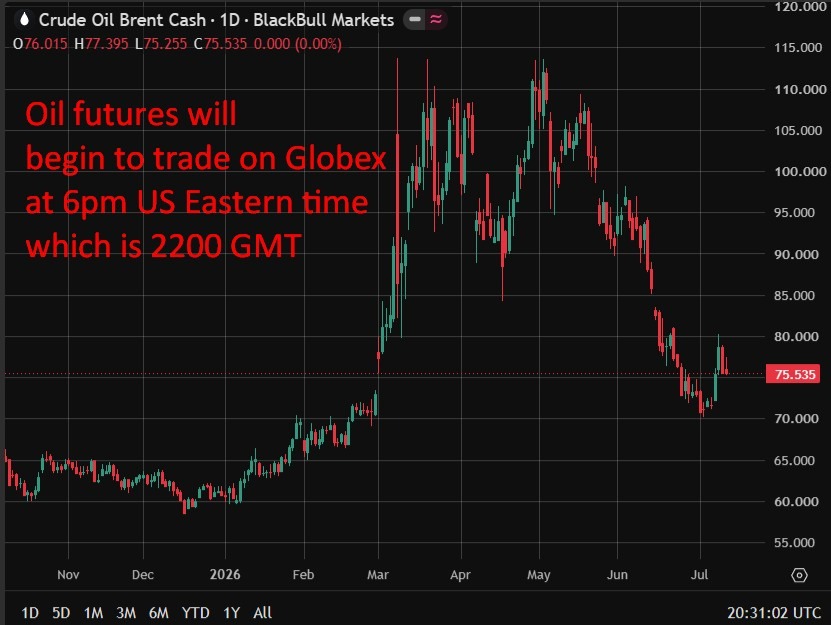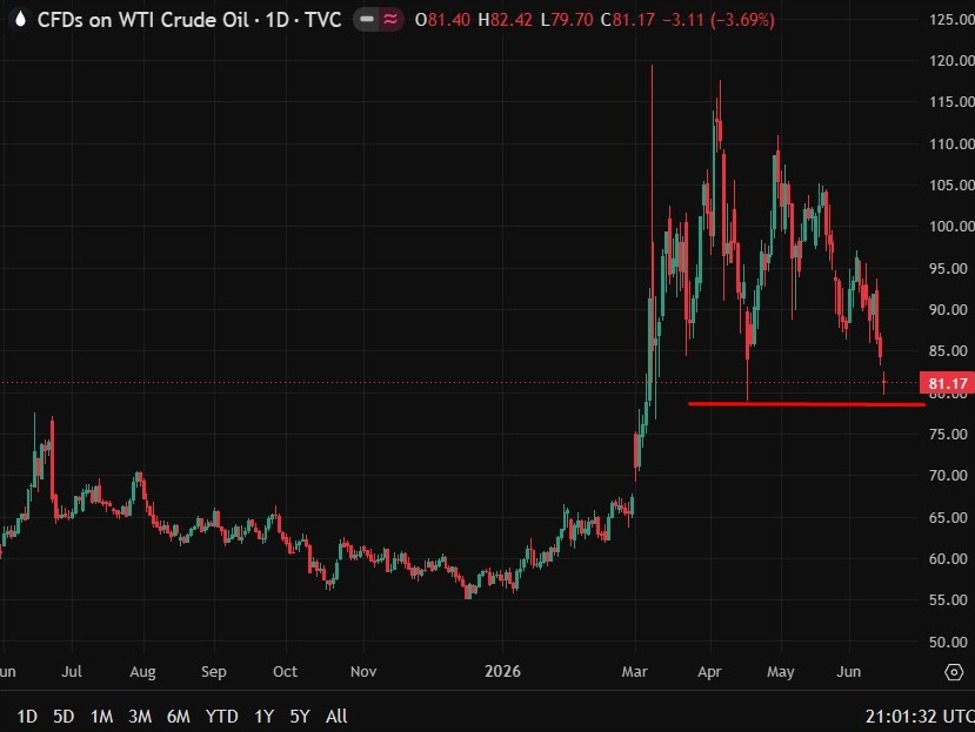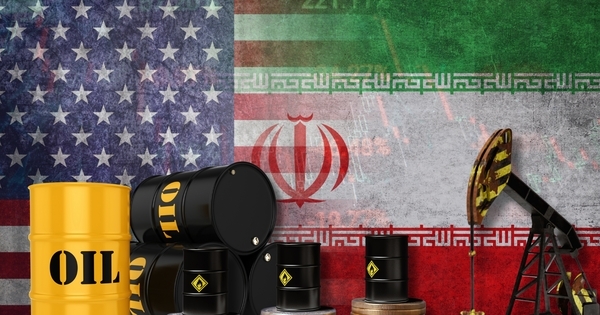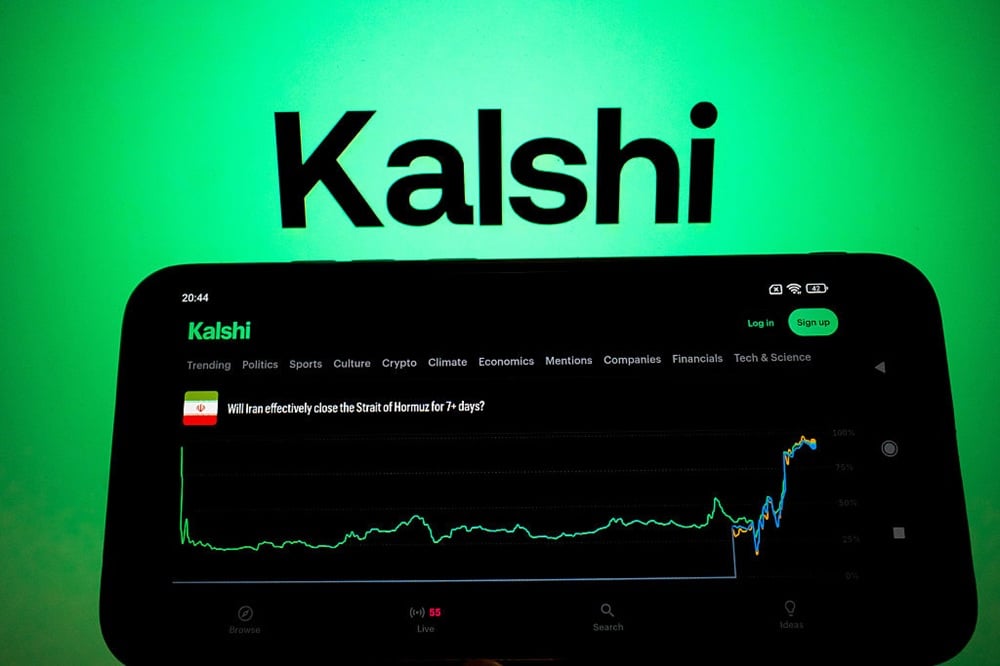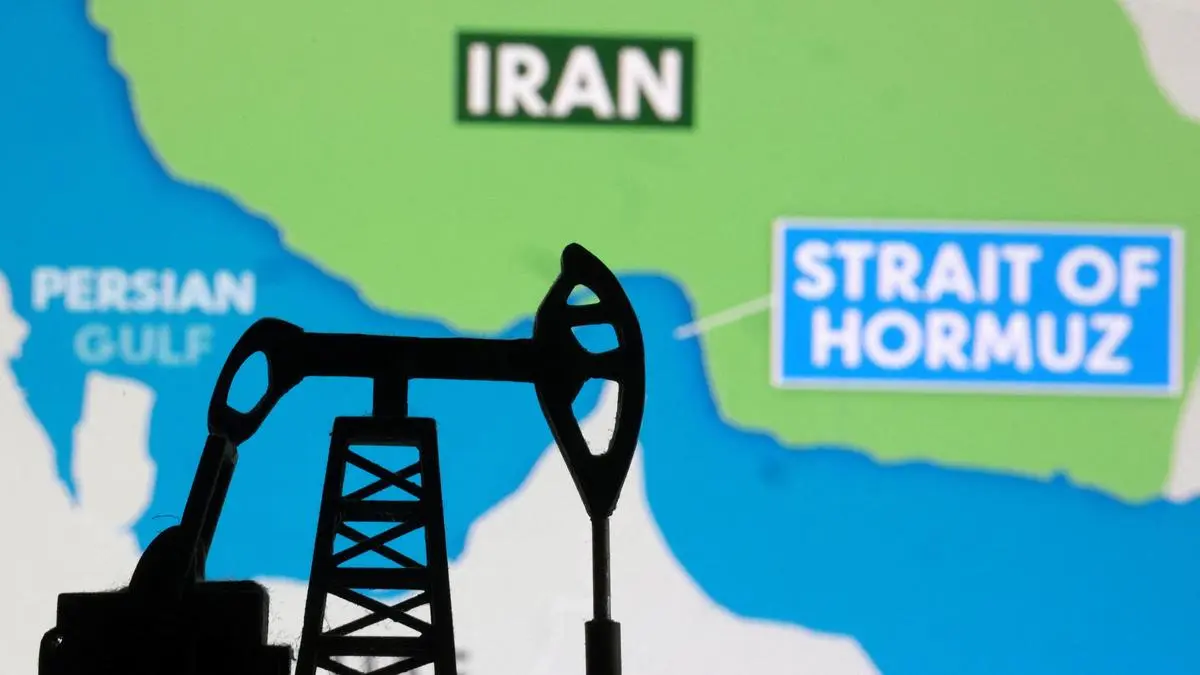
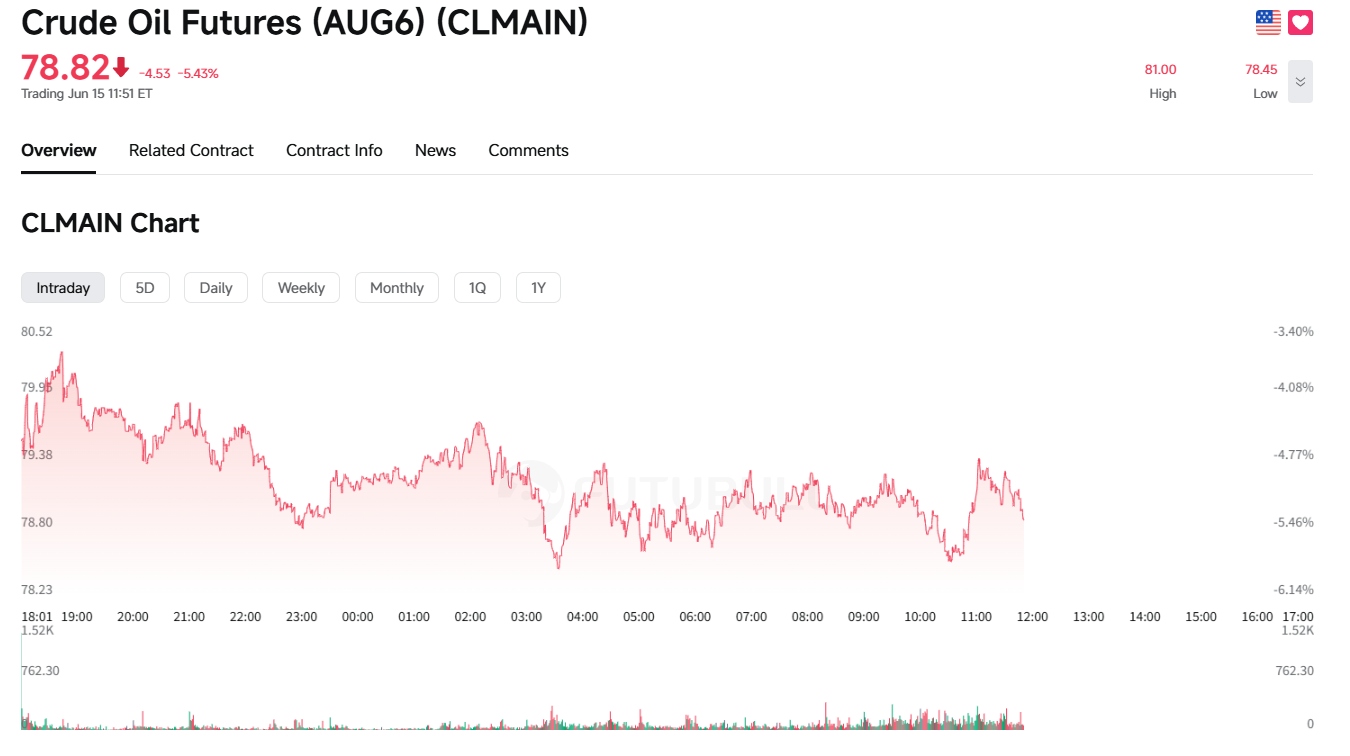
Tradingkey – On June 15, both major crude oil futures came under pressure as the Strait of Hormuz is expected to reopen following a preliminary ceasefire agreement between the U.S. and Iran. As of press time, Brent crude futures fell 5.29% to $82.71, while WTI crude futures dropped 5.43% to $78.82, hitting a new low since March.
It should be noted that free passage through the Strait of Hormuz is not permanent. According to Iran’s Fars News Agency, citing people familiar with the matter, this interim agreement only establishes a 60-day period of free passage. After expiration, Iran will charge fees on passing merchant ships, covering security, navigation services, environmental protection, and insurance.
[Source: FutuBull]
GasBuddy oil analyst Patrick De Haan stated after Trump announced the deal that the average U.S. retail gasoline price is expected to fall below $3.75 per gallon before the July 4th Independence Day holiday. However, he also warned that factors such as hurricane season and tight global inventories remain significant variables, and a full recovery of global oil stocks may take months or even longer.
Westpac also flagged risks, noting that global oil inventories have continued to decline due to the long-term closure of the Strait of Hormuz. Rebuilding inventories will take time, and stocks are likely to fall further before new supply from the Gulf region enters the market.
ANZ also stated that the current energy shock is “far from over,” and shipping traffic in the Strait of Hormuz is unlikely to return to pre-conflict levels in the foreseeable future. The bank cited significantly depleted oil inventories, safety risks from residual mines in the strait, and the need for maintenance on ships stranded in the region. The bank further noted that the market’s view is too simplistic, stating that an $80 oil price will not be enough to support market rebalancing over the next 3 to 6 months, and it expects oil prices to fluctuate in the “low $90 range” entering the third quarter.
Currently, global crude oil inventory consumption is at historic lows. Market institutions predict that the restocking cycle for various countries will last several months, and oil prices may remain in a high range for an extended period.
Reportedly, since late March, the U.S. has cumulatively tapped approximately 66 million barrels of crude oil from its strategic reserves. Currently, the Trump administration has authorized the release of 172 million barrels. If the current rate of withdrawal continues, this quota could be exhausted as early as the beginning of September. At that time, SPR inventories would drop to approximately 243 million barrels, a historically low level.