The Prime Minister has unveiled a major package of international investment into the UK economy at the G7 Summit, with more than 1,300 new jobs expected and significant backing for clean energy and advanced technologies.
The agreements, struck with French and Indian investors, are aimed at strengthening energy security, expanding high-skilled employment and easing pressure on household costs. Cities including Manchester, Leeds and Birmingham are set to benefit directly – particularly through new roles in AI, digital services, and next-generation energy infrastructure.
Key investment highlights
- Hexaware Technologies will invest £25 million to expand UK operations, creating around 1,200 jobs across Manchester, Leeds and Birmingham in AI, digital services, and quantum technologies.
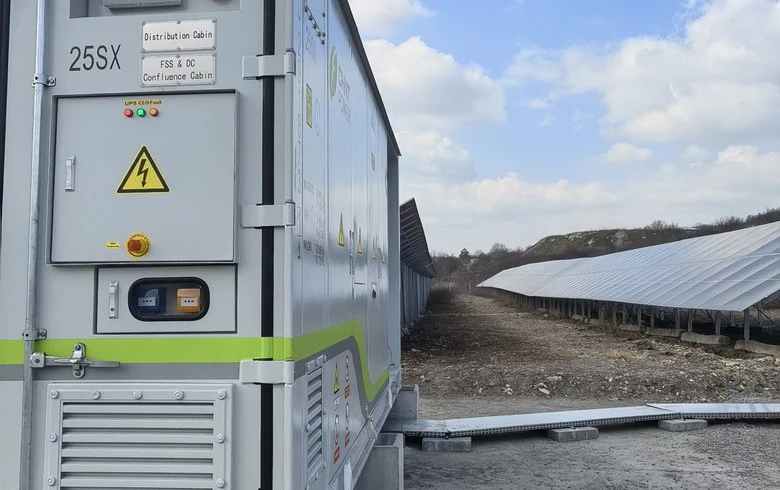
- InfraVia will commit £1 billion to battery storage and flexible energy projects, helping stabilise electricity supply and reduce price volatility.
- Atri Energy Transition will invest over £300 million in large-scale battery storage and advanced manufacturing, supporting more than 100 jobs and strengthening the UK’s clean energy capacity.
Together, the investments reinforce the government’s ambition to accelerate the transition to homegrown energy and reduce reliance on volatile global fossil fuel markets.
A strategic push at a time of global uncertainty
The announcement comes as the Prime Minister meets global leaders against a backdrop of heightened geopolitical instability, including ongoing conflict in Ukraine and the Middle East. The UK is using the summit to deepen international cooperation on supply chains, energy stability, and economic resilience.
The investments are designed not only to stimulate growth but also to protect households from fluctuating global energy prices by improving domestic generation and storage capacity.
Clean energy and industrial strategy at the forefront
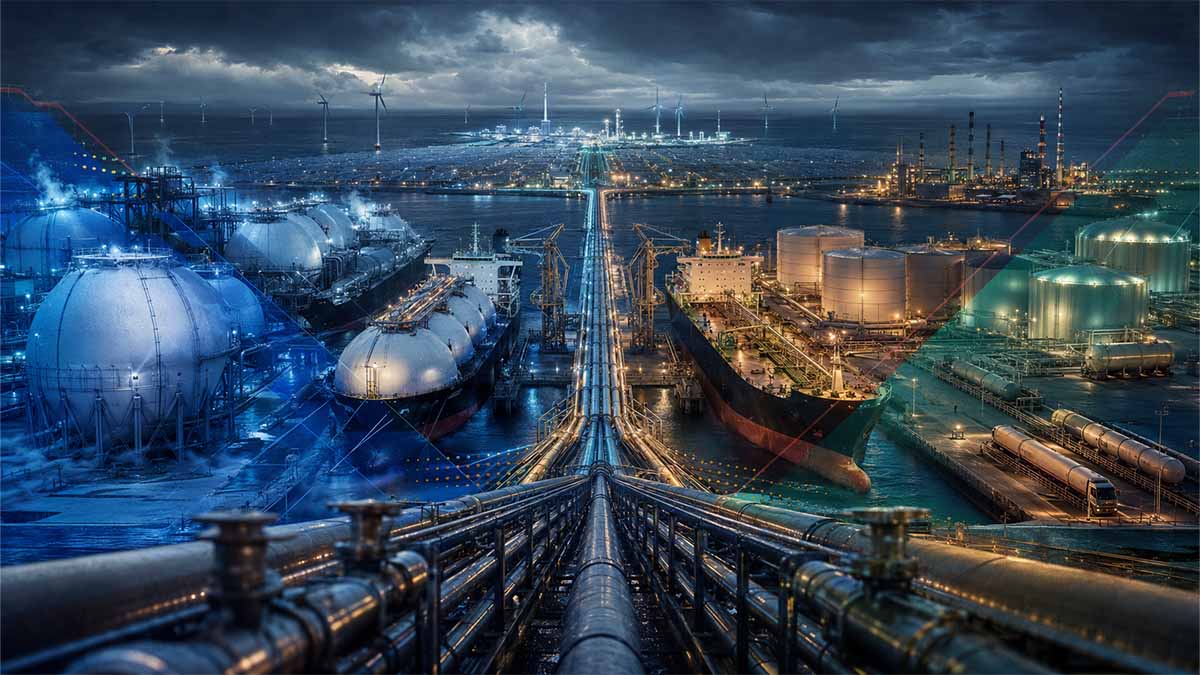
Central to the announcement is the expansion of battery storage infrastructure – seen as critical to balancing supply and demand as renewable energy capacity increases.
InfraVia’s investment will fund projects that can be activated during periods of peak demand or low renewable output, ensuring a more stable grid. Meanwhile, Atri Energy Transition’s new facilities will enable energy to be stored and deployed when needed most, supporting long-term affordability.
These developments align with the government’s wider industrial strategy, which has already secured around £90 billion in private investment into renewable projects since taking office.
Prime Minister Keir Starmer said:
“The world is more dangerous than it has been for a generation, with conflict abroad washing up on our shores.
“That’s why I’m focused on making the UK the best place to do business by offering global investors the stability and competitive environment they need to grow, even in the face of global uncertainty.
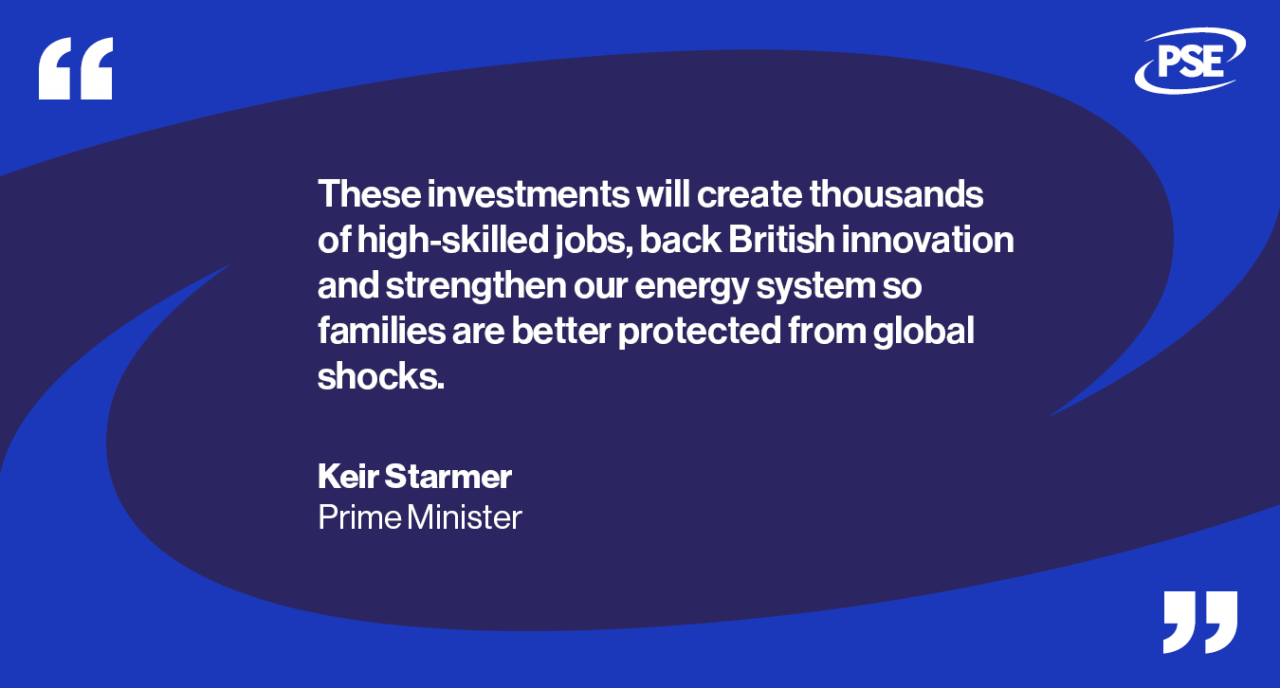
“These investments will create thousands of high-skilled jobs, back British innovation and strengthen our energy system so families are better protected from global shocks.”
Regional impact and skills boost
For regions such as West Yorkshire, the investment in Leeds is particularly significant, with new research and development capabilities expected to enhance the city’s growing reputation as a tech and innovation hub.
In addition to job creation, the expansion of AI and quantum technology capabilities is likely to generate further opportunities across supply chains, education, and skills development – potentially supporting long-term productivity gains for the UK economy.
Strengthening the UK’s global investment appeal
The announcement underlines the UK’s continued attractiveness as a destination for international capital, particularly in emerging sectors like AI and clean energy. It also reflects a broader effort to align economic growth with national security priorities, including energy independence and resilience.
By linking international diplomacy with domestic economic goals, the government is aiming to deliver tangible benefits – from job creation to price stability – while positioning the UK at the forefront of the global clean energy transition.
Image credit: iStock