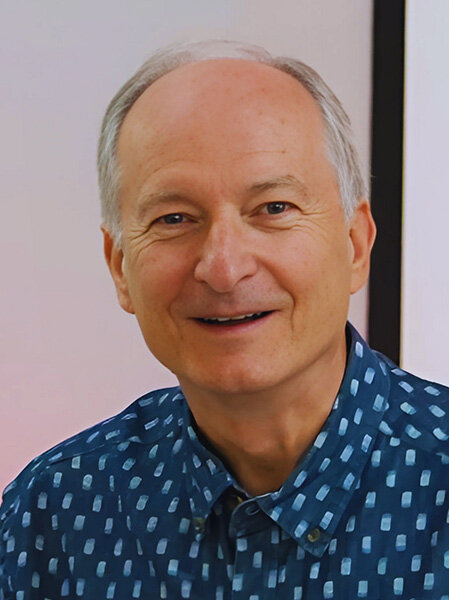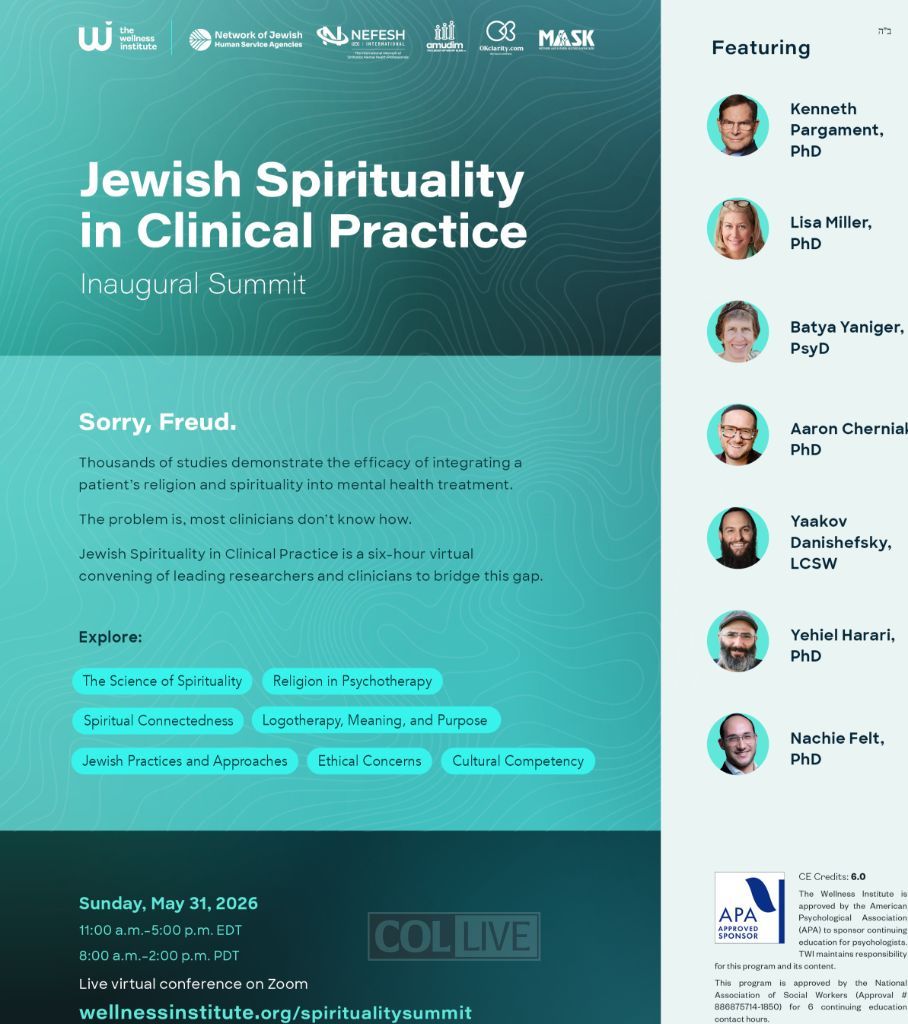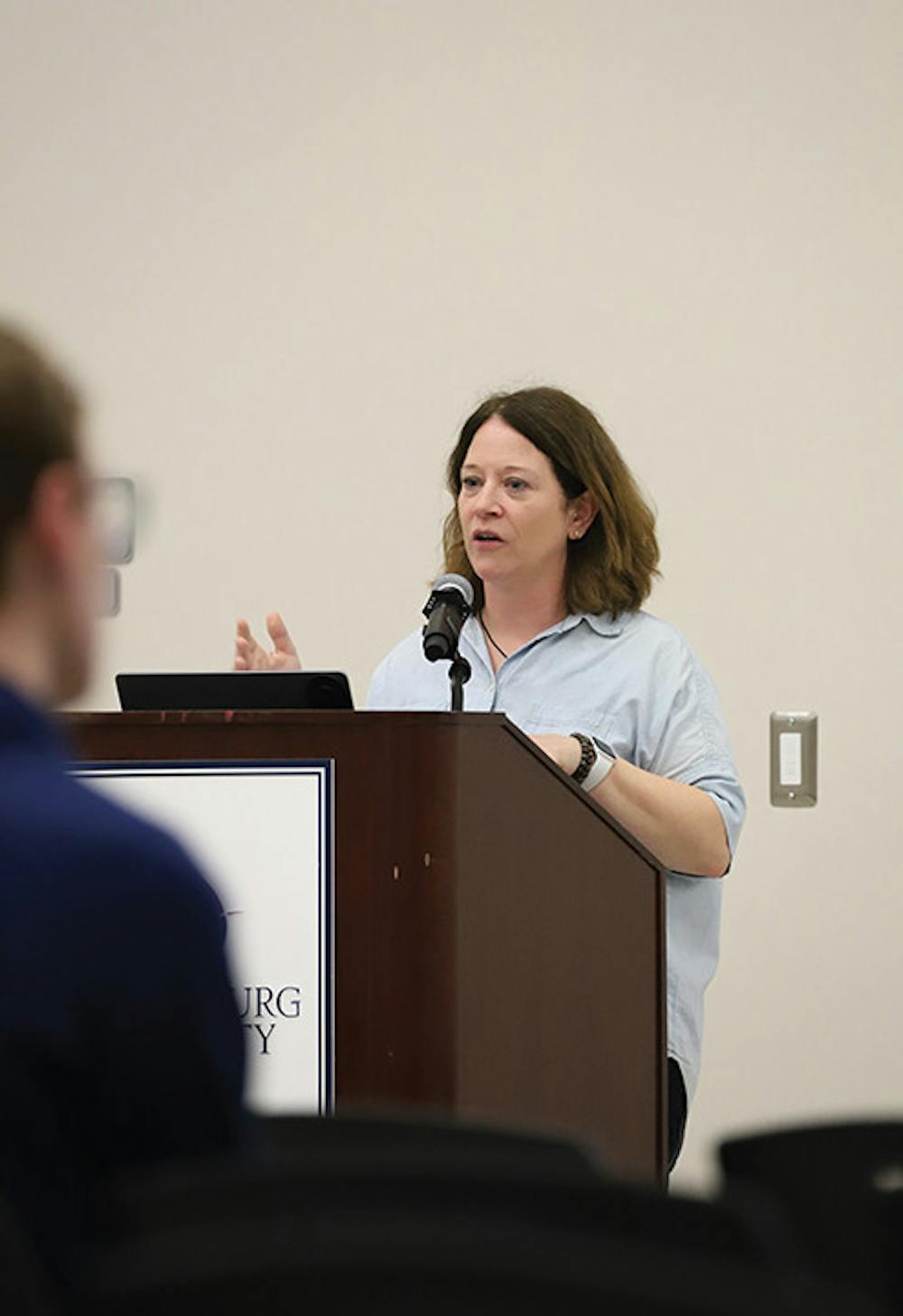
For decades, mainstream psychology treated spirituality as a private matter, separate from the biology of mental health. Dr. Lisa Miller, a professor of psychology and education at Teachers College, Columbia University, has spent thirty years proving that assumption wrong.
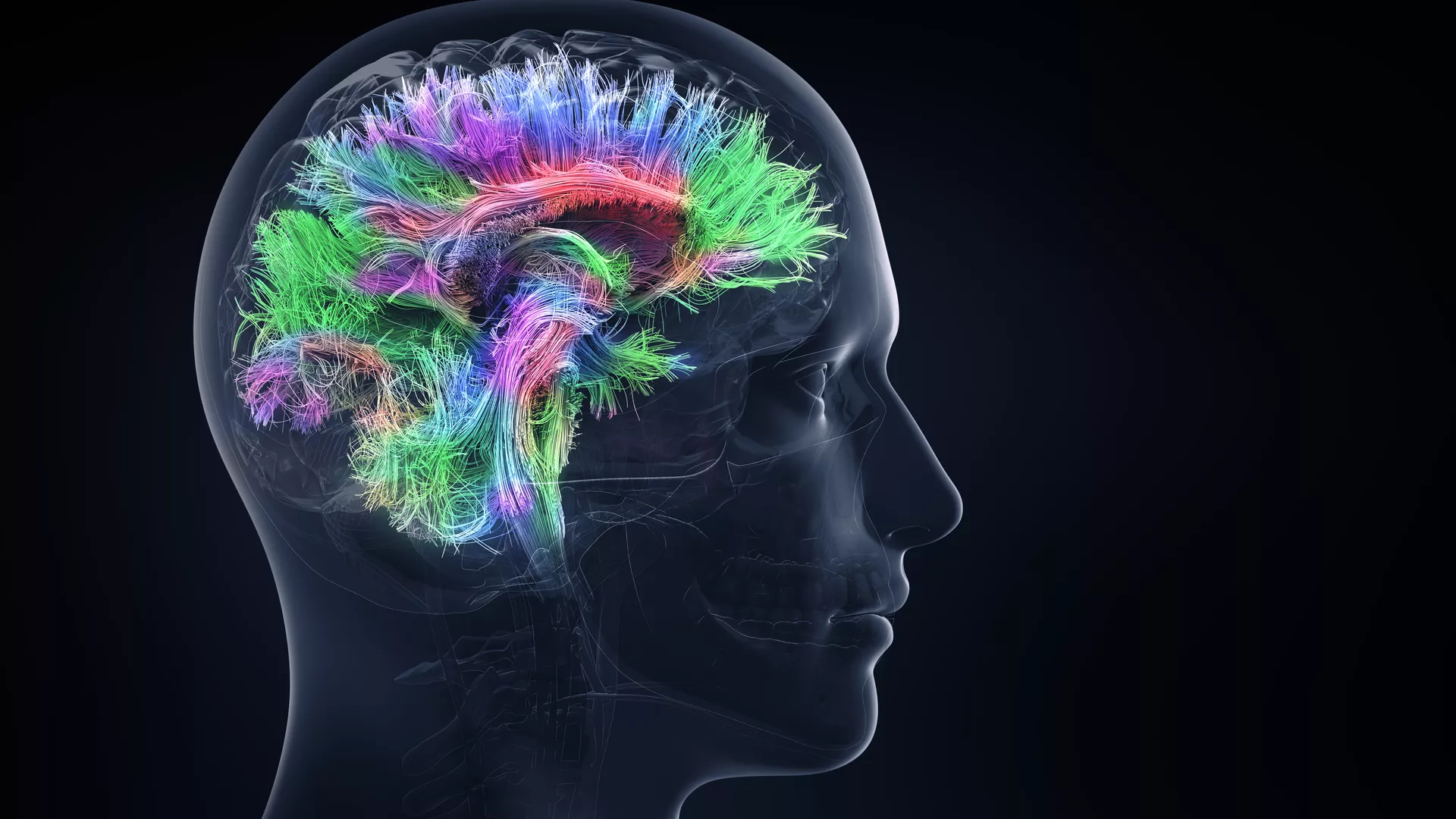
On a recent episode of the Hidden Brain podcast, hosted by Shankar Vedantam, Miller, author of The Awakened Brain, described one of her studies showing that every human brain contains a shared set of neural circuits built to register spiritual connection. It isn’t a personality trait or a matter of belief. It’s a documented, measurable capacity, present in Christians, Hindus, atheists, and everyone in between.
That finding helps us to reframe spiritual connection as something we can all tap into. And according to Miller’s research, spirituality functions as a resilience mechanism.
The Difference Between ‘Achieving Awareness’ Versus ‘Awakened Awareness’ and How Awakened Awareness Can Make You More Resilient
Miller’s clearest illustration is a distinction she calls “achieving awareness” versus “awakened awareness.” Achieving awareness is the planning, strategizing mode most of us are trained in from childhood. It’s the voice that asks, “What do I want, and how do I get it?” This “achieving awareness” is useful, but on its own, Miller says, it’s insufficient for a meaningful life.
Advertisement
Advertisement
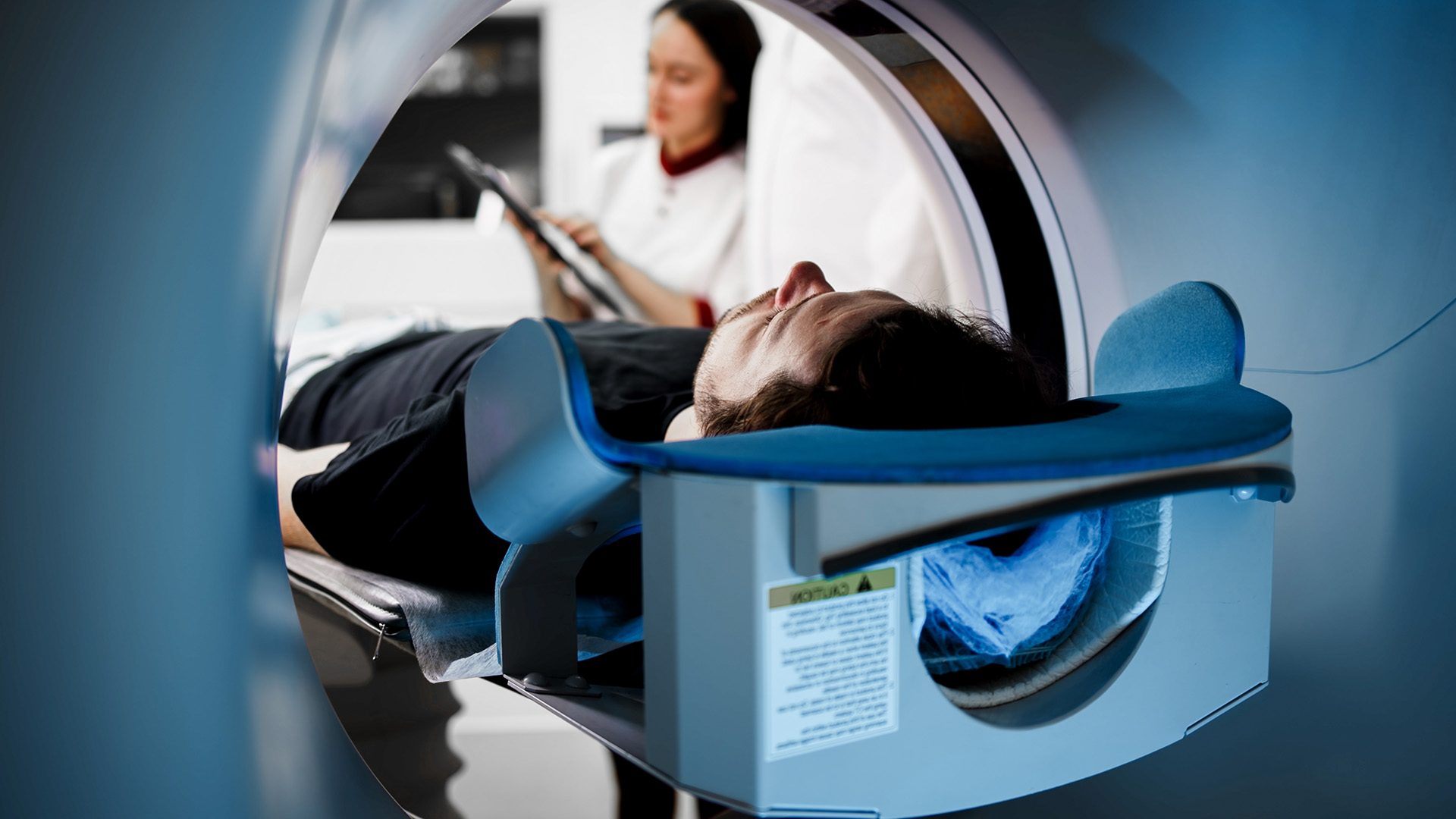
Awakened awareness is different. It’s a receptive mode that asks, “What is life showing me right now?” Miller’s brain-imaging work shows that entering this awakened state draws on three circuits:
-
A bonding network that produces the felt sense of being loved.
-
A broadened attentional network that opens people to new direction and guidance.
-
A network that dissolves rigid self-other boundaries into a sense of shared belonging.
Together, Miller describes the resulting feeling as one of being “loved, held, guided, and never alone.”
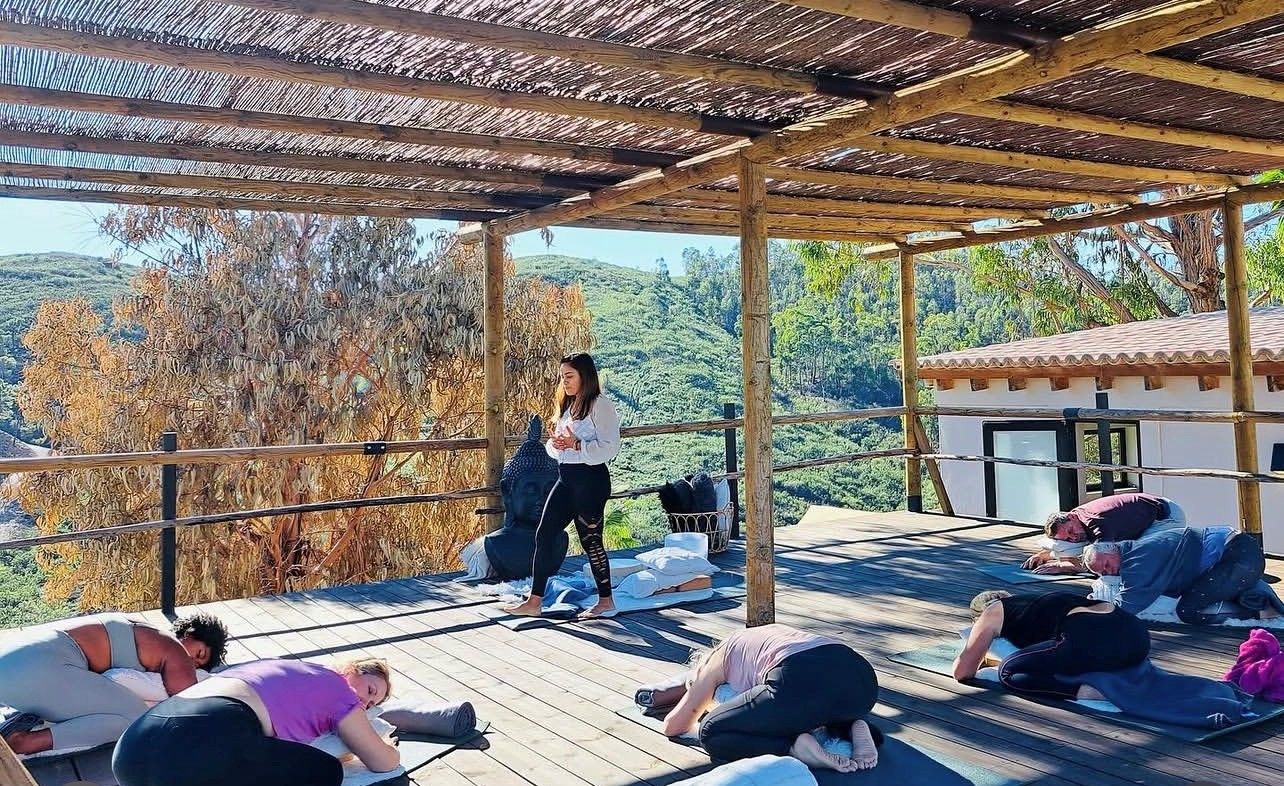
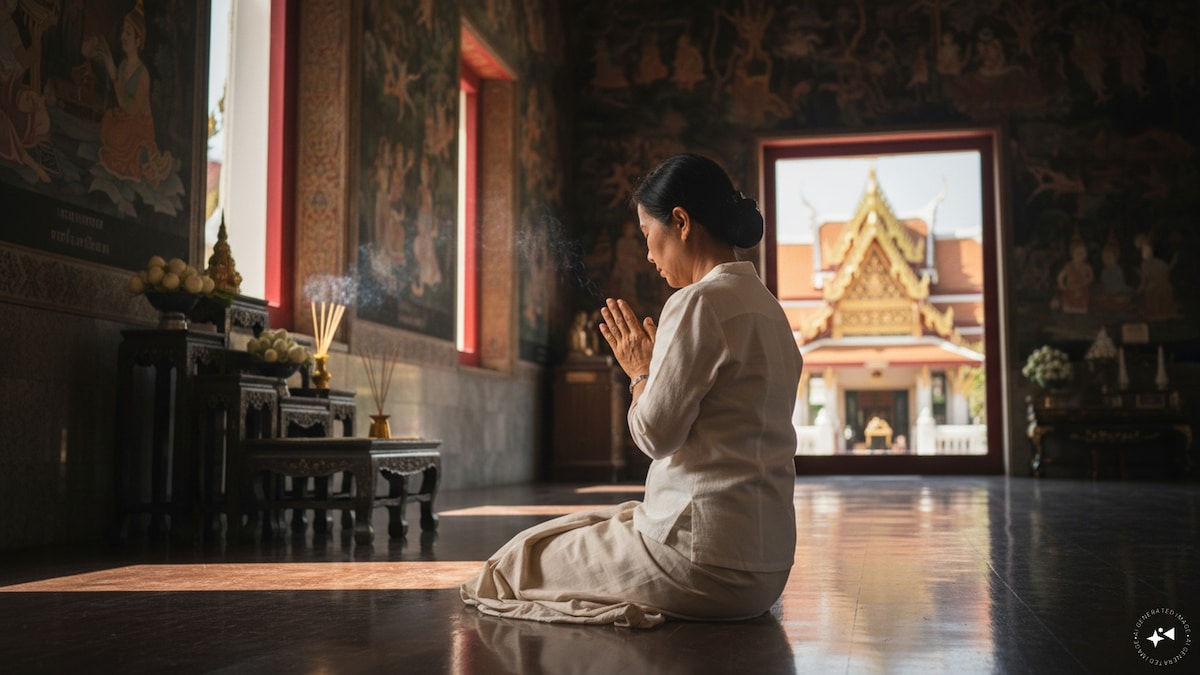
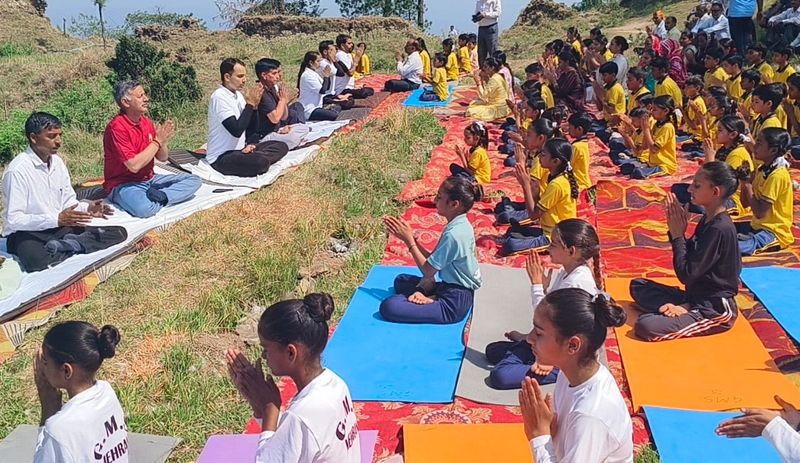
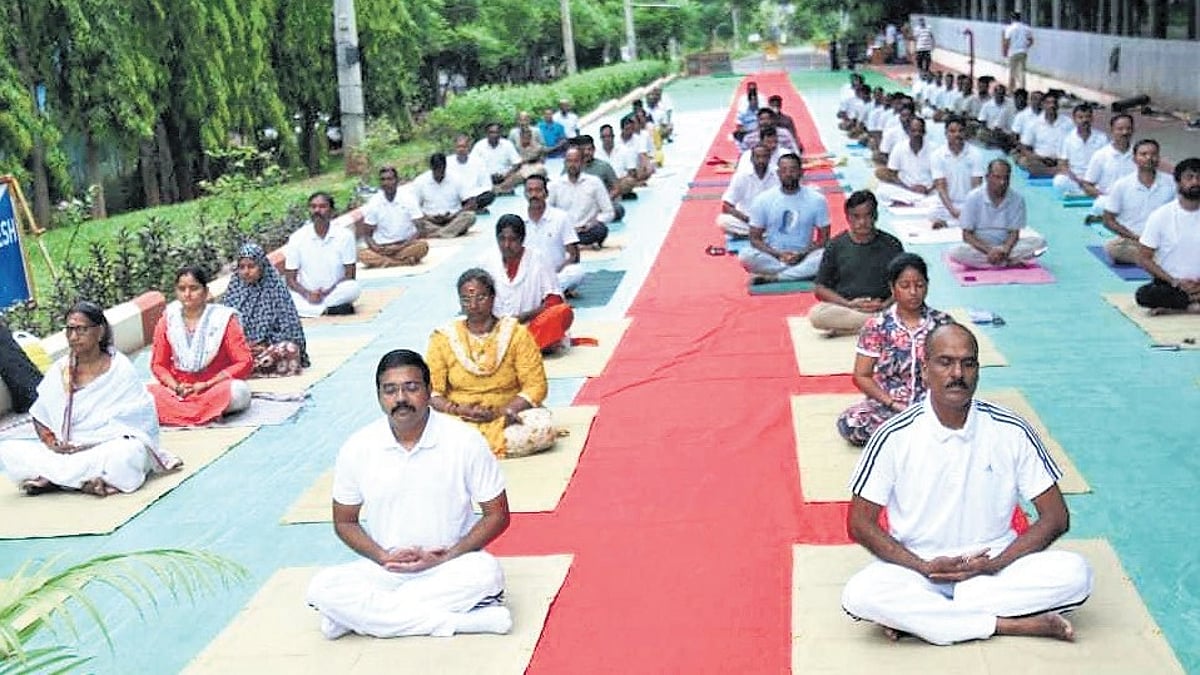
Miller pointed to twin studies which suggest that our spiritual capacity is roughly one-third innate and two-thirds shaped by environment. This, she pointed out, means that most of us are already wired for a certain amount of spirituality, but that we can still strengthen it deliberately through practice. She pointed to actions like prayer, meditation, time in nature, service, and shifting where we place our attention.
The Research-Backed Case For Spirituality
The “what’s in it for me” on tapping into your spirituality is massive. Miller’s research team found that adolescents with a strong personal spiritual life were roughly 80% less likely to develop an unhealthy addiction. They also found that a shared spiritual life was linked to an 82% lower rate of suicide. In an eight-year study published in JAMA Psychiatry, people who sustained a spiritual practice showed a thicker cortex in the exact brain regions that thin in recurrent depression. This, she explained, suggests that spirituality and depression may sit on opposite ends of the same neural axis. Meaning, if you enhance your spirituality, you should enhance your overall mood and sense of happiness.
How Practicing Spirituality Can Improve Your Emotional Intelligence
Emotional intelligence (EI) consists of four core skill areas:
Advertisement
Advertisement
Miller’s work highlights a powerful EI strategy that anyone can use to deepen their self-awareness and self-management, especially when it comes to how you regulate your response to a hardship. To measure your current self-awareness and self-management, experts recommend you take a validated self-assessment.
Most of us default to “achieving awareness” when we find ourselves under stress. We replay what went wrong, gripping tighter and tighter to try to satisfy our need for control. Miller’s research suggests a second option in which we deliberately shift into “awakened awareness.” This can change not just how a setback feels, but how quickly the body and mind recover from it.
An EI Strategy to Practice: The Awakened Question
Next time you’re spiraling over a setback, pause and try to ask a different question. Instead of “What did I do wrong, and how do I fix it right now?” ask: “What is life showing me right now?”
Advertisement
Advertisement
How to do it:
1. Notice the narrow question running on loop, the one focused only on fixing, controlling, or assigning blame.
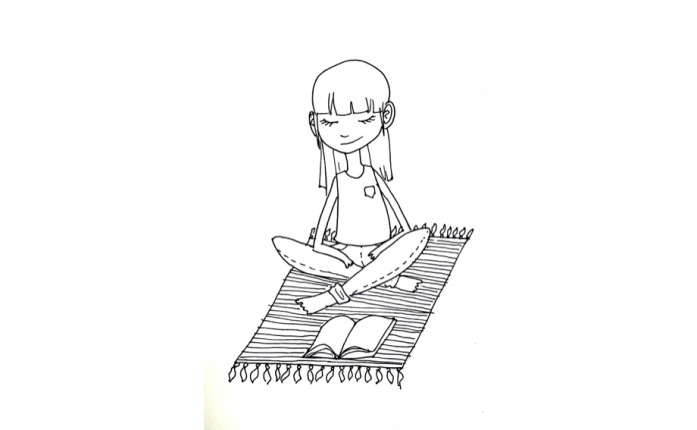
2. Quiet your mind by taking a few slow breaths, a short walk, or engaging in a moment of mindfulness.
3. Ask yourself Miller’s bigger question: “What is life showing me right now?”
4. Stay open. As this question widens your options, stay open to them.
5. Build your spirituality capacity over time through a small, sustained practice: prayer, meditation, time in nature, or service to others. Miller’s research found it’s sustained practice, not a single moment, that changes the brain.
Putting These Ideas Into Practice
Miller’s research suggests that the capacity for spirituality is already wired into you, and that this capacity is shared across faiths, ages, and belief systems. All you need to do is activate it. Next time stress narrows your focus and makes you obsess over “what’s wrong,” try widening your lens by asking Miller’s big spiritual question, “What is life showing me right now?” It’s a strategy that costs nothing, takes seconds, and it might just be the most efficient resilience practice you’re not using.
Advertisement
Advertisement
Kevin Kruse is the Founder + CEO of LEADx, an emotional intelligence training company. Kevin is also a New York Times bestselling author. You can take his free EI Assessment here. It’s psychologically validated and gives you a score breakdown across each of the four core skills.
This article was originally published on Forbes.com