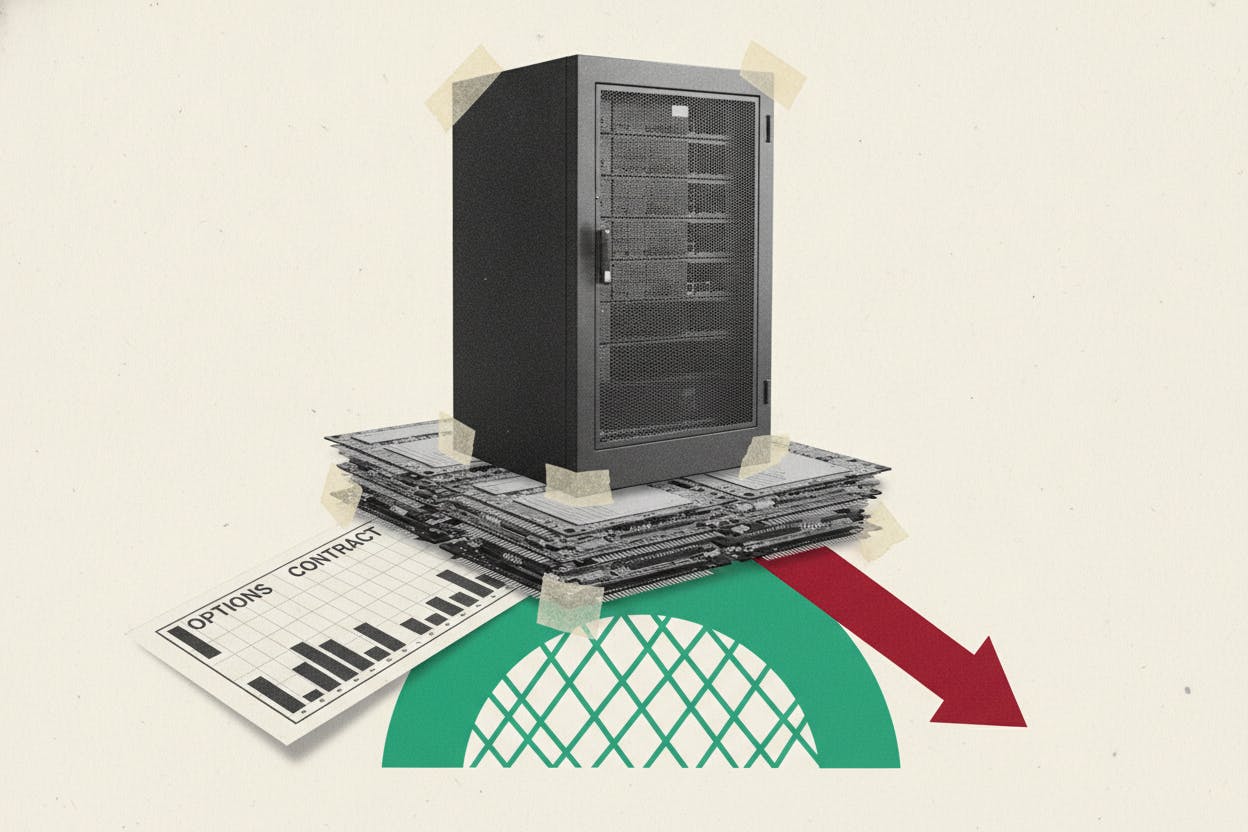
The comparison may indicate how much the U.S. crypto derivatives market could change over the next several years. While spot bitcoin ETFs opened the door for traditional investors to gain exposure to bitcoin through brokerage accounts, regulated perpetual futures could give both retail and institutional traders access to one of crypto’s most popular trading instruments without needing to use offshore venues.
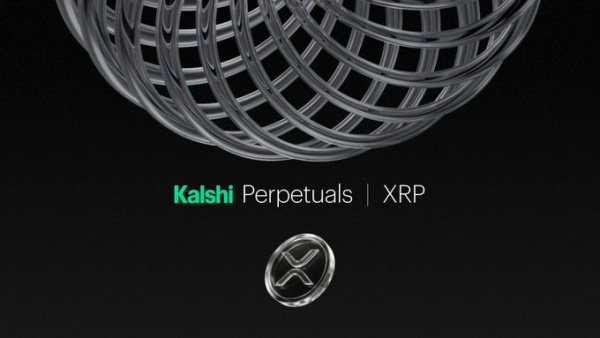
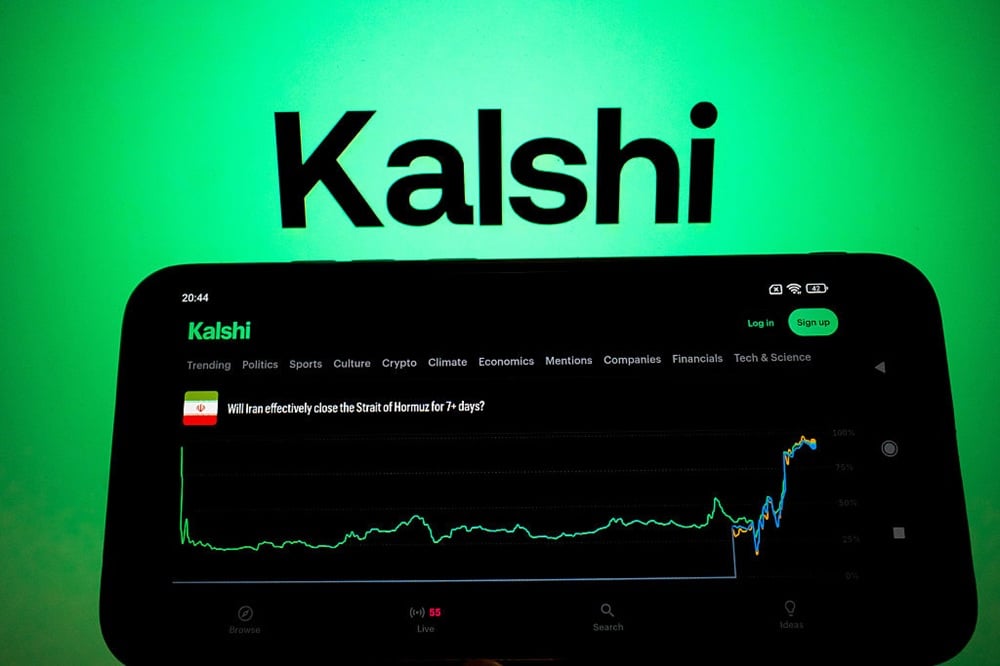
Prediction market platform Kalshi, which launched U.S. perpetual futures last week, said on Wednesday that it already crossed $1 billion in trading volume.
Palmer argued that one reason perpetual futures became so successful outside the U.S. is their simplicity. Unlike dated futures, which require traders to manage expirations and contract rolls, perps allow positions to remain open indefinitely.
“I think it’s a simple derivative structure compared to some of the nuances of dealing with dated futures,” he said. “If I buy a June [future], then it expires, and if I want to keep my position on, I have to roll it.”
Kraken believes removing those complexities — and eventually allowing crypto assets to be used as collateral — could help bring U.S. traders closer to the experience available in international markets, he said.
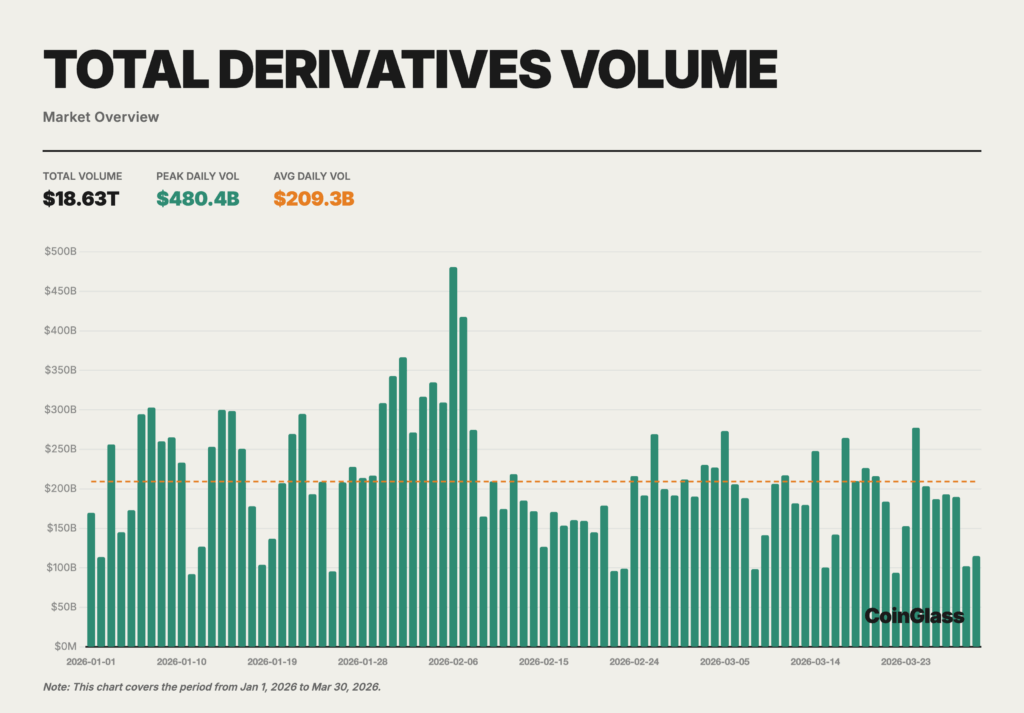
For now, the company sees the launch of regulated perps as just the beginning. Despite crypto derivatives generating trillions of dollars in annual volume globally, Palmer said the U.S. market remains in its early stages.