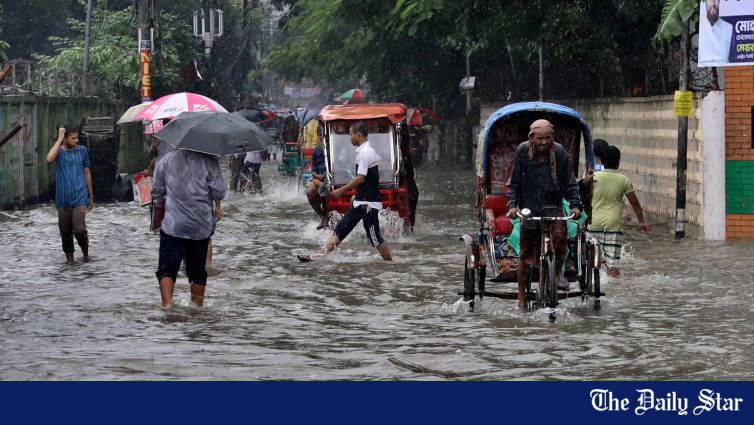
Every year, monsoon showers invariably turn stretches of Dhaka into shallow, stubborn lakes. You see rickshaw-pullers wading knee-deep through Green Road, office-goers abandoning footpaths for the middle of the street and, by evening, social media filling up with photographs of a submerged Bijoy Sarani, a stalled bus in Mirpur, or a child paddling a plastic tub past a tea stall. We call it a drainage problem, an engineering failure, a monsoon inevitability. It is all of these. But if we look a little closer—with the eyes of an anthropologist rather than an engineer—Dhaka’s waterlogging tells a different story about the strange, unfinished lives of the things we buy, use, and throw away.
This July has offered a fresh, painful reminder of just how routine this crisis has become. On July 12, the capital recorded 76mm of rainfall in six hours and, by mid-morning, Green Road, Dhanmondi, Mohammadpur, Karwan Bazar, Motijheel, Shewrapara, Kazipara, Mirpur, Malibagh and stretches of Old Dhaka were under knee-to-waist-deep water. Despite officially identifying 141 chronic waterlogging hotspots across the capital, the city’s drainage infrastructure has remained woefully inadequate. The consequences were immediate and unevenly distributed. Office-goers waded to work in soaked clothes; a young man in Bangshal stood stranded, unable to find transport to take his ailing mother to a hospital in Dhanmondi, while rickshaw and CNG fares rose on flooded routes, turning a public infrastructure failure into a private tax on the poor. These incidents show who suffers first and worst in these events: low-income residents and day labourers.
But perhaps no group bore this more visibly than HSC examinees. In Cumilla, candidates crossed flooded roads in plastic boats or waded waist-deep to reach exam centres such as Comilla Government Women’s College, where floodwater entered the halls. In Bogura, students carried their shoes across a flooded college compound. In Dhaka’s Kazipara, a mother recounted being trapped in her alleyway with her child, blocked by water that had already risen above her knees. Exams under the Chattogram board had to be postponed repeatedly while authorities elsewhere pressed ahead, prompting parents to reflect that an exam date can be rescheduled but an accident on a flooded road cannot be undone. For an 18-year-old who has spent two years preparing for this examination, waterlogging was not an inconvenience to be read about in the newspaper; it was a flooded classroom, a soaked admit card held above the head, a fare that climbed out of reach, and an authority that decided the show must go on regardless.
Anthropologists have long argued that commodities do not stop being interesting once they are purchased. In his influential essay on “the cultural biography of things,” Igor Kopytoff suggested that objects pass through stages—production, exchange, use, and eventually disposal or reuse—and that each stage reveals something about the society that made them. Arjun Appadurai extended this into the now-famous idea of the “social life of things,” insisting that value and meaning are not fixed in an object but travel with it, shifting as it moves from factory to shop to household to gutter. A polythene bag is, in this sense, never just a bag. It is a small, mobile record of a particular kind of urban life—cheap, convenient, disposable—and its story does not end when someone drops it on the street.
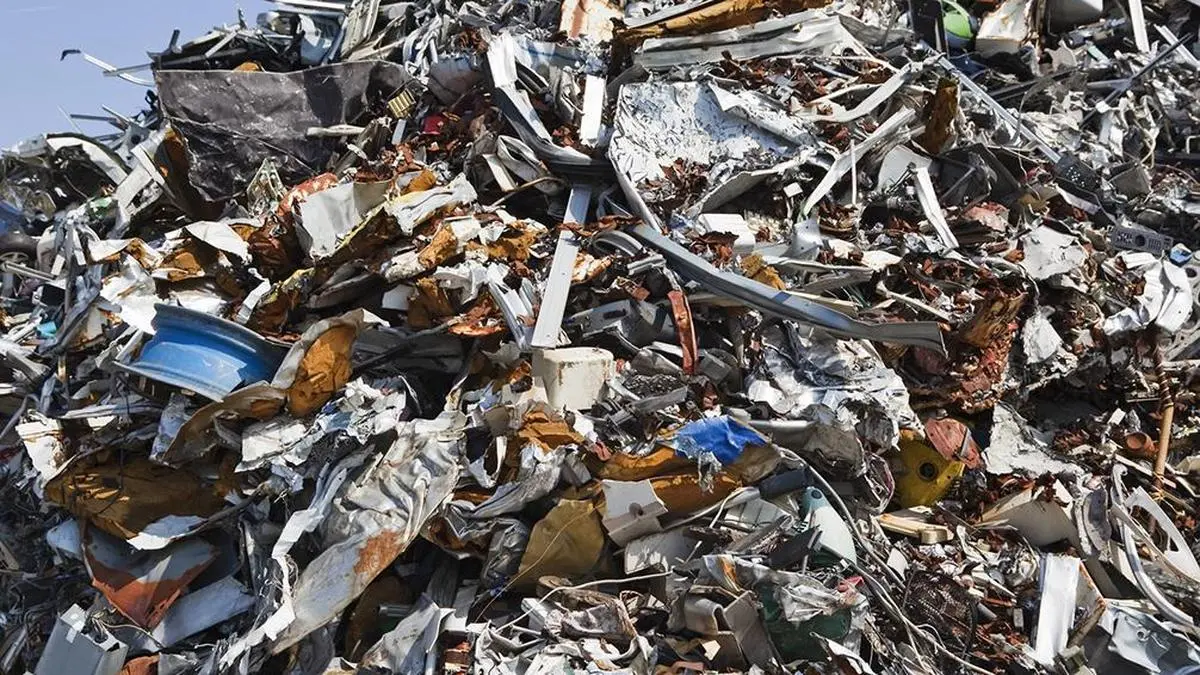
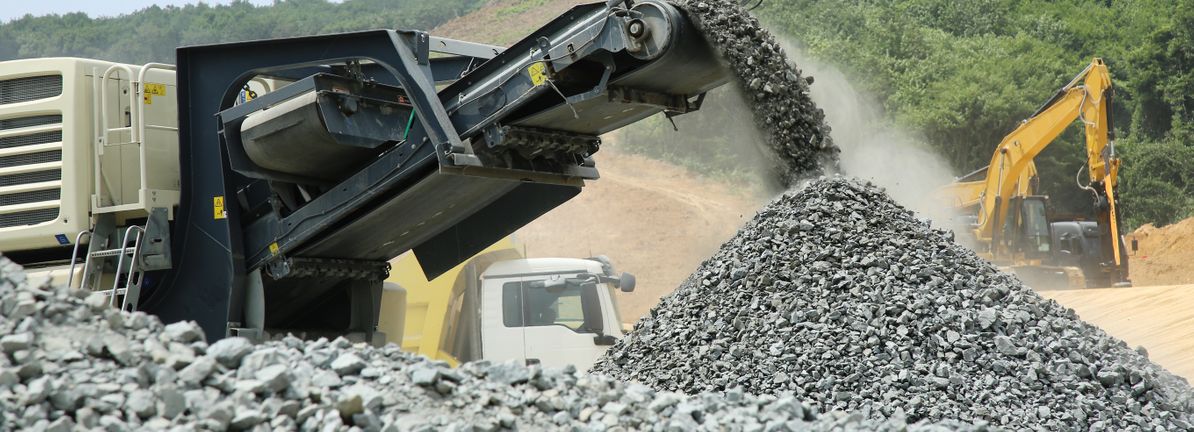
This is where the anthropology of commodities meets the very concrete, very wet problem on Dhaka’s roads. The single-use plastic that chokes our canals and box-culverts did not appear there by accident. It arrived through an entire commodity chain: manufactured cheaply, packaged attractively, and sold in vast quantities because it solves a real problem for people who cannot afford or do not have access to more durable alternatives. The tea-stall polythene, the water bottle, the snacks packet—these are not moral failures of “careless citizens,” as our public discourse often likes to frame it. They are the predictable afterlife of a consumer economy that has industrialised production and distribution far faster than it has built any system for handling what happens after use. The commodity’s journey does not end at the point of sale; it ends, if it ends at all, clogging a drain in Kalabagan.
There is a newer strand of anthropological thinking that helps explain why this matters so much in a city like ours. Bruno Latour’s actor-network theory, which has quietly reshaped urban studies over the last two decades, asks us to stop treating infrastructure—drains, canals, pipes—as a passive background and start seeing it as an active participant in social life. A blocked drain is not simply infrastructure failing to do its job; it is an assemblage of plastic, silt, illegal construction debris, and administrative neglect, all acting together to produce a flood. The anthropologist Brian Larkin has written about infrastructure as something that carries not just water or electricity but also promises: of modernity, a functioning state, a city that works. When a drain fails, it is not only water that overflows; it is the broken promise of urban governance that becomes visible, quite literally, at our feet.
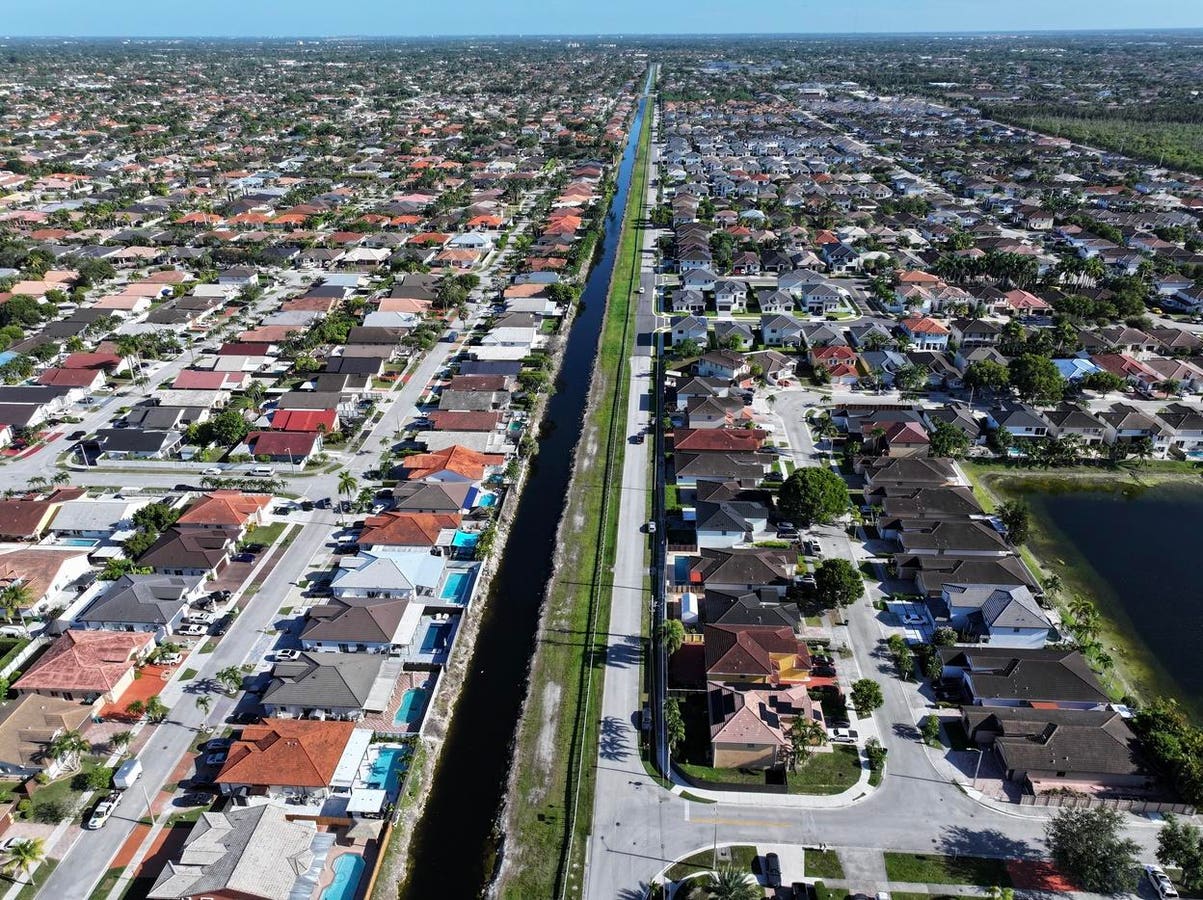
There is a third piece to this puzzle, one closer to home. Much of Dhaka’s traditional drainage capacity—its canals, low-lying wetlands, and retention ponds—has been treated as a commodity over the past three decades or so. Geographers and anthropologists studying urban political ecology describe this as the commodification of urban ecology, where natural drainage systems lose their status as shared, living infrastructure and become private real estate instead. Every housing project built on a canal is a small transaction in which long-term collective resilience is exchanged for short-term private profit. The water that once had somewhere to go now has nowhere left to be, except on our streets.
What makes this framework useful for readers who are not anthropologists is precisely that it refuses easy blame. It is tempting to say waterlogging is caused by “irresponsible people” who throw plastic in drains, or entirely by “government failure.” Both explanations are partly true and too simple. The commodity’s life—from factory floor to gutter—passes through households, markets, developers, city corporations, and the state, each adding a link to a chain that ends in a flooded street. Understanding this chain does not let anyone off the hook; if anything, it multiplies the number of places where intervention is possible. A tighter regulation on single-use plastic manufacturing matters. So does protecting remaining wetlands from commodification. So does redesigning waste collection so that the “end of life” of a commodity is actually accounted for, rather than left to drift into a canal.
Dhaka’s waterlogging, then, is not simply a technical problem awaiting a technical fix. It is what anthropologists would call a material trace—the visible residue of choices made about production, consumption, land, and value, choices most of us never see because they happen far from where the water eventually rises. But the trace is not evenly shared. It is the HSC candidate wading to an exam, the day labourer watching floodwater threaten his home, the son unable to find a vehicle for his sick mother, who pay the accumulated cost of decisions made elsewhere—in factories that manufacture cheap plastic, in offices that approve the filling of a wetland, in agencies that never install the pumps a growing city needs.
Shuvo Roy is a development practitioner. He can be reached at [email protected].
Views expressed in this article are the author’s own.
Follow The Daily Star Opinion on Facebook for the latest opinions, commentaries, and analyses by experts and professionals. To contribute your article or letter to The Daily Star Opinion, see our guidelines for submission.