As reports delve into celebrities’ homes and property investments, the line between curiosity and the public’s right to know is becoming difficult to draw

Celebrities build their careers in the public eye, but in South Korea, the public’s interest in their lives often extends well beyond their work — and increasingly into their homes.
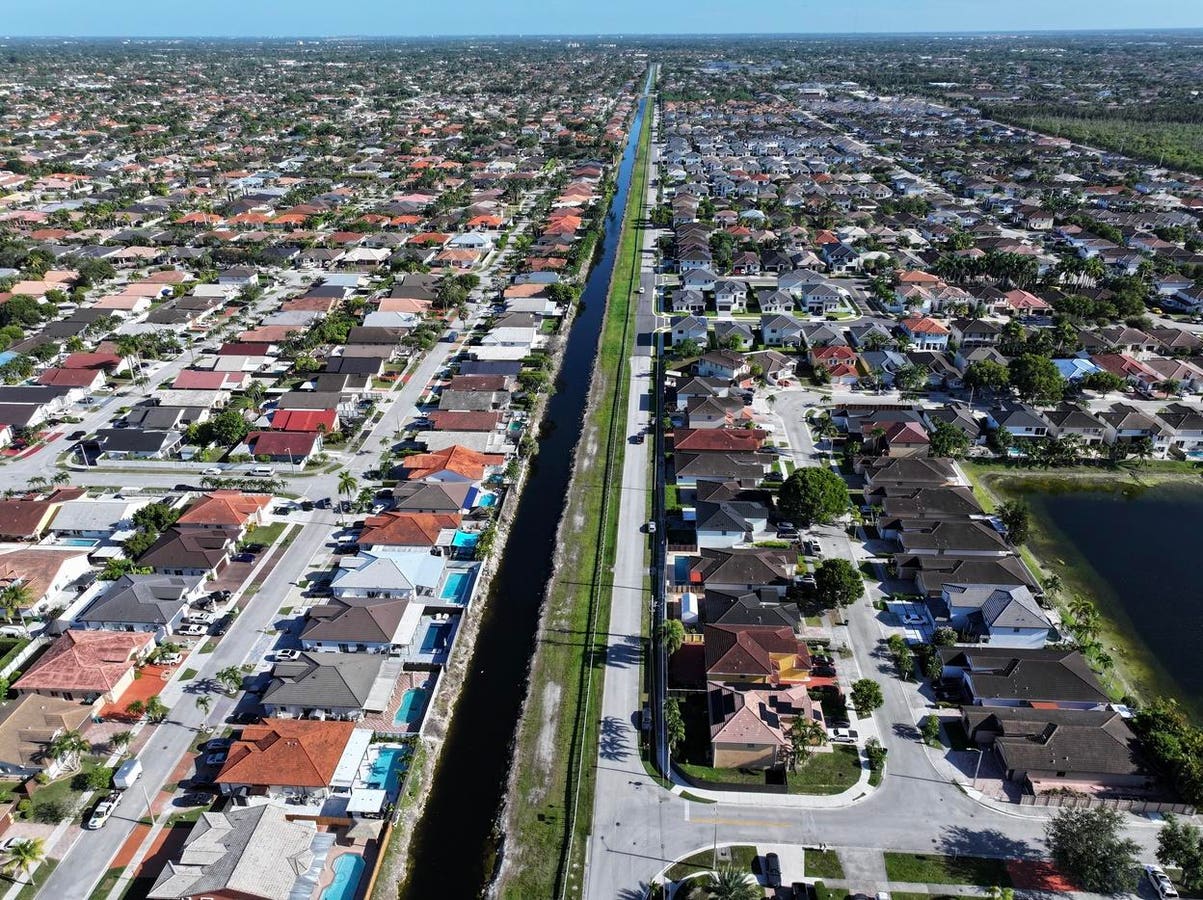
When a celebrity buys or sells a property, entertainment reports routinely detail where it is, how much it cost, what type of home it is, whether the celebrity borrowed money to buy it and how much they may have gained from the transaction. The more expensive or luxurious the property, the greater the attention.
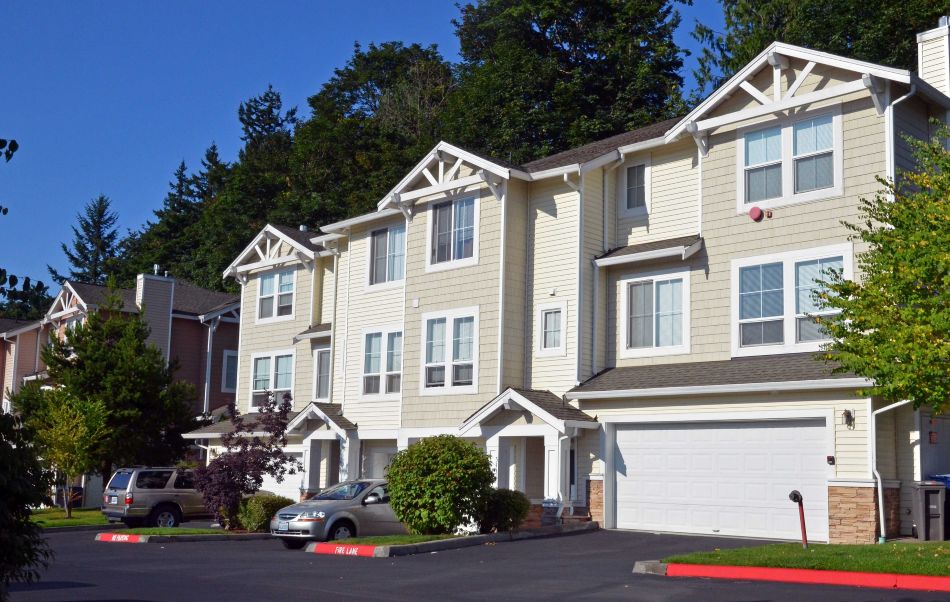
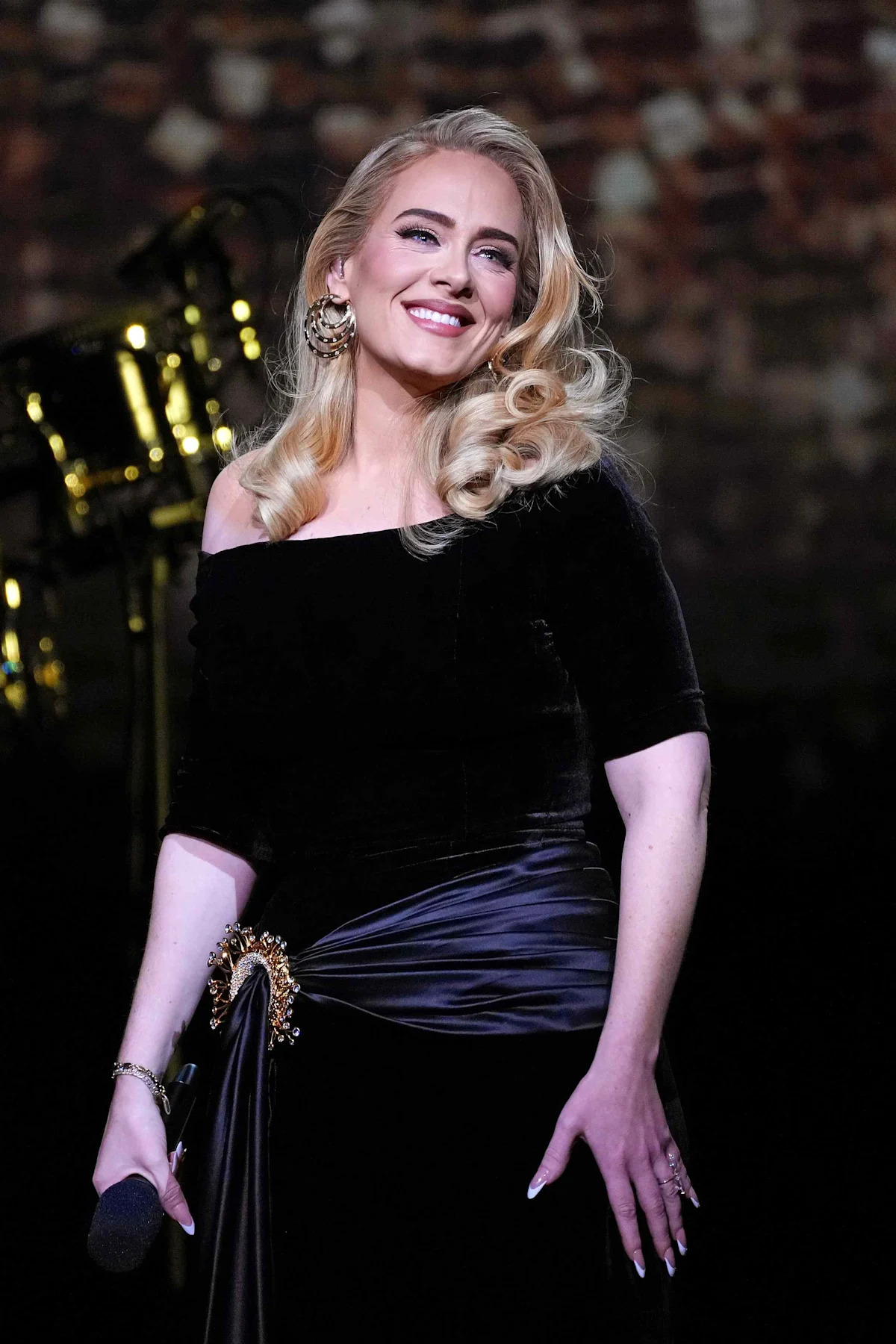
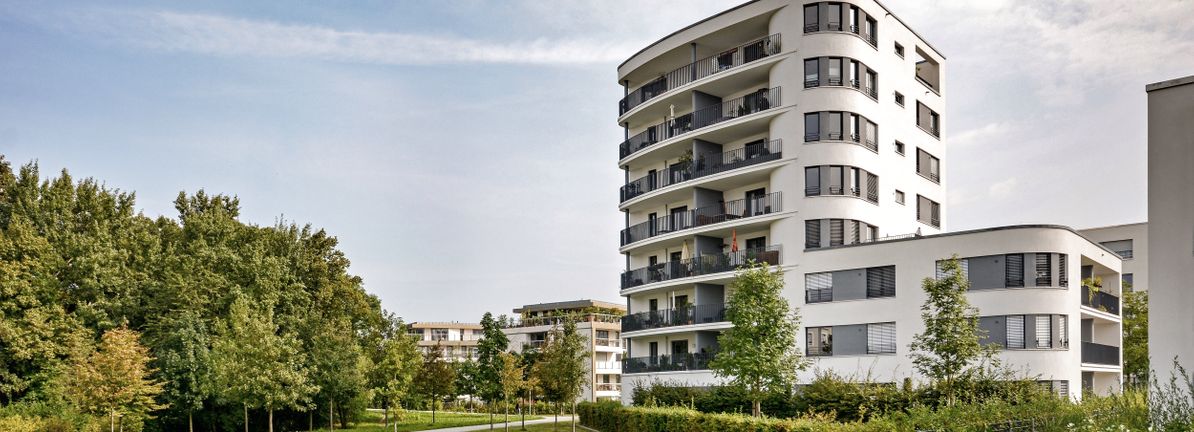
That appetite was on display last month when reports that An Yujin of K-pop group Ive had won the right to purchase a unit at The H Bangbae, a luxury apartment complex in Seoul’s affluent Seocho District, made headlines.
The story initially drew attention because An was reported to have secured a highly sought-after apartment through a housing subscription system that many Koreans see as a means of helping people who need homes most. The prospect of a wealthy celebrity benefiting from the system fueled debate over whether it was serving its intended purpose.
But the discussion soon shifted from the fairness of the subscription system to An’s presumed purchase itself — and to figuring out exactly which unit she had won. By piecing together publicly available data and cross-referencing details about An, local media soon reported that she had secured a 101.87-square-meter unit.
Neither An nor her agency, Starship Entertainment, confirmed the reports or provided details about the property. The agency declined to comment, calling it part of “the artist’s private life.”

Days later, singer and actor Kim Se-jeong became the subject of similar scrutiny after local media reported that she had purchased a penthouse in Seoul’s Gwangjin-gu for more than 3 billion won ($2.1 million).
Her agency, BH Entertainment, confirmed that Kim had bought a home but denied that it was a penthouse priced above the reported amount. It declined to reveal the location, price or type, saying that the “remaining details concern her private life.”
Why celebrity homes attract attention
Such stories have become a familiar genre of Korean celebrity news.
A purchase can generate headlines about a home’s size, location and price, followed by estimates of its current value, mortgage and potential investment gains. A sale can prompt another round of stories calculating how much the celebrity supposedly made.
Public interest in celebrity real estate is hardly surprising in a country where housing is not simply a place to live but one of the biggest sources of household wealth and economic security, said Huh Chang-deog, a sociology professor at Yeungnam University.
“As prices soar and the hopes of becoming a homeowner are getting out of reach, particularly for younger people, reports on celebrities’ property purchases have become a visible display of wealth,” Huh said.
The contrast can be particularly striking when celebrities buy homes entirely in cash, he said.
“For those struggling to afford a down payment or secure a mortgage, seeing a young celebrity buy a multibillion-won home can inspire admiration and fascination, but also a sense of economic disparity,” the professor said.
“In a way, celebrity real estate coverage lies at the intersection of entertainment, personal finance and social inequality. It offers the public a glimpse into lifestyles far beyond their reach while inviting them to judge a star’s investment savvy,” Huh added.
The interest is measurable. In a May 2024 Hankook Research survey of 1,000 adults, one-third said they were curious about where celebrities live.
But what interests the public is not necessarily in the public interest.
A celebrity’s property dealings may warrant scrutiny when they involve suspected tax evasion, illegal loans, speculation or preferential treatment, or when a transaction exposes problems in housing policy.
Fame alone, however, does not necessarily make every home purchase or sale newsworthy — particularly when reporting the details could reveal where someone lives.
That line becomes harder to draw when the information comes from public records.
Public records, private lives
Property and transaction records serve legitimate purposes, including verifying ownership, protecting buyers and sellers, and maintaining transparency in the real estate market. But when separate pieces of information are combined, they can reveal far more than any single record does on its own.
A building name in an article, a sale price in a database, and an owner’s age elsewhere can together identify not only a celebrity’s wealth but also where they are likely to live.
Korean law draws no clear line between the public’s right to know and an individual’s right to privacy.
Article 17 of the Constitution guarantees the right to privacy, while the Constitutional Court has recognized the public’s right to know as part of the freedom of expression protected under Article 21. That also leaves the media with the task of balancing the public value of disclosure against the harm it may cause to individual privacy under the Act on Press Arbitration and Damage Remedies.
Being famous, however, does not make every part of a person’s life fair game. In deciding whether coverage crosses the line, courts have considered whether the information is of legitimate public concern, whether it is true and whether the outlet had sufficient grounds to report it as fact.
In a 2016 ruling, the Supreme Court found that publicly available personal information can, in some circumstances, be used without the individual’s consent. Whether such use is permissible, it said, depends on factors including why and how the information was initially disclosed, how it was later used and the impact on the individual.
A similar question arose in 2023, when the Personal Information Protection Commission reviewed a service that compiled details of celebrity-owned properties from news reports and public real estate records.
The commission did not find the collection of publicly available information unlawful. But it warned that compiling scattered details into an easily searchable database posed privacy risks and called for safeguards, underscoring how combining separate pieces of information can reveal far more than each one does on its own.
A transaction record alone may reveal little, but linking it to a celebrity’s name, estimated wealth and presumed residence can create a detailed picture of the person’s private life, according to the commission.
Price of public attention
Experts say the price of public attention stems from the complicated position celebrities occupy. Behind the curtain, they are private individuals, but their careers and commercial appeal rely heavily on public attention.
“In Korea, celebrities are often seen as public figures, so coverage of their private lives is sometimes justified in the name of the public’s right to know. That is why celebrity gossip can spread so quickly,” Huh said.
The challenge, according to the professor, is determining where the public’s right to know ends and a celebrity’s right to privacy begins.
“Do we have to know every single thing? No,” Huh said, noting that earning a living from public attention does not make every personal choice open to public judgment.
“Celebrities shouldn’t be treated in the same way as politicians or public officials who wield state power and make decisions on the public’s behalf, so they don’t have the same expectations of disclosure and accountability as they do. Their rights as private individuals must be respected,” Huh said.
Yoo Seung-chul, a professor in the Division of Communication and Media at Ewha Womans University, noted that the line between the public interest and celebrity privacy has become increasingly blurred as online platforms compete for clicks and views.
Yoo said celebrities are caught in a bind. They want to keep parts of their lives private, but sharing personal moments helps them maintain a public profile. In what he called the “attention economy,” visibility carries commercial value, with personal content generating views, advertising revenue and endorsement opportunities.
Such voluntary disclosures can blur the boundaries of privacy. A celebrity who shows their living room on television or talks about moving into a new home may appear to invite public interest in the property.
“Celebrities may want to protect their private lives while still choosing to reveal certain parts of them. Personal details can become a way to attract attention and promote themselves,” the professor underscored.
junheee@heraldcorp.com