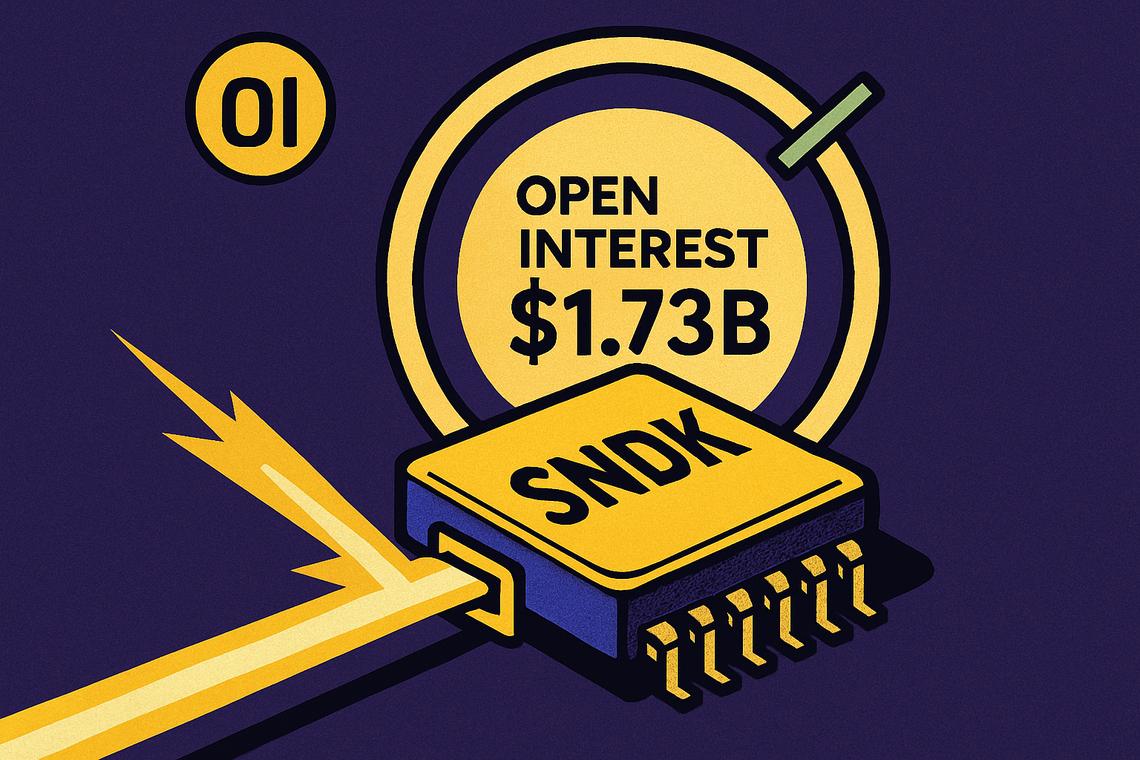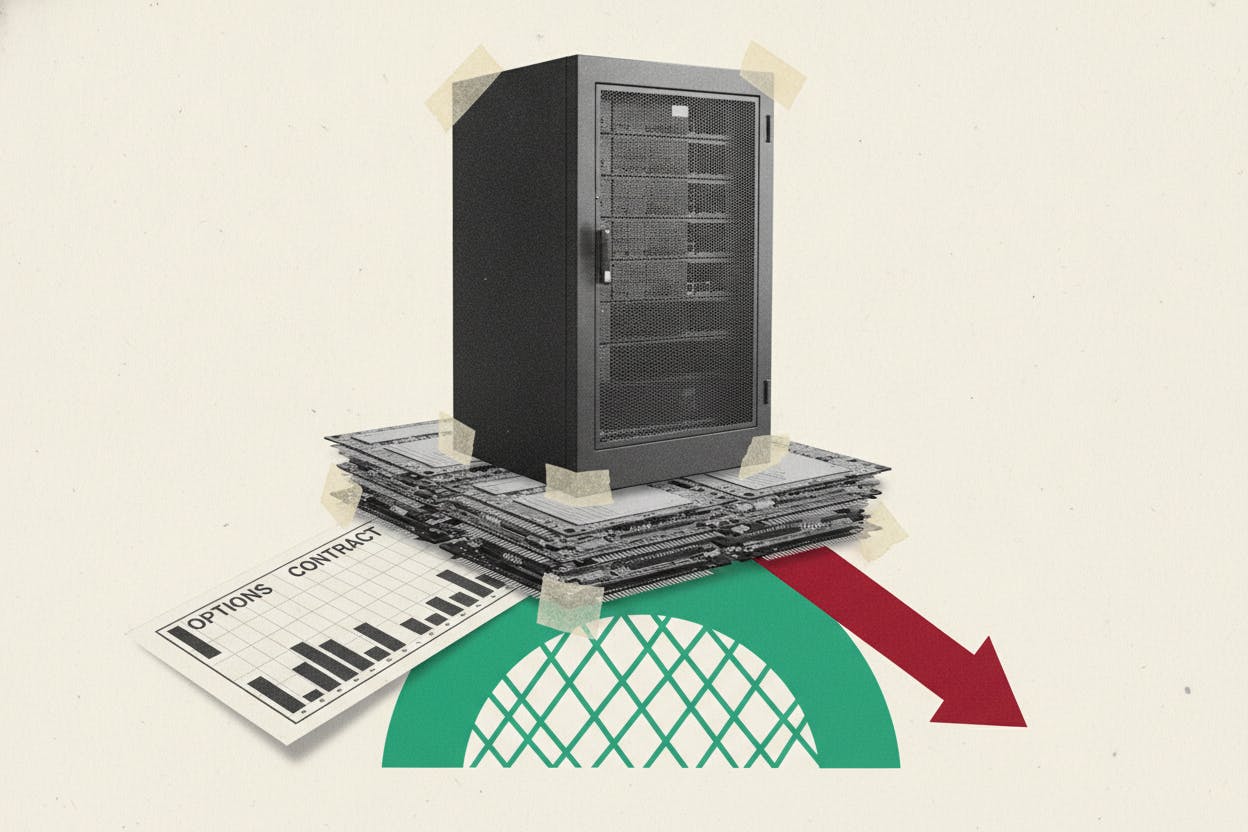
contracts without an expiry date that rely on frequent collateral top-ups and a built-in payment (often called a funding mechanism) to keep prices close to a reference index. The CFTC’s challenge is to decide whether this becomes a practical hedging tool linked to real procurement prices, or a highly leveraged market where benchmarks are easy to nudge and forced liquidations can move prices.
Why should I care?
For markets: The CFTC’s “first step” could shape whether compute hedges act like insurance or like a high-leverage trade.
If compute derivatives grow, the key isn’t the AI label, it’s the plumbing: which spot price index the contract references, how that benchmark is protected from manipulation, and how leverage is limited through margin rules. Those choices determine “basis risk” – the gap between a hedge’s price and what a buyer actually pays for compute – and they matter most for perpetuals, where price discipline depends on constant margining and a funding-style payment that encourages convergence. Get the benchmark and safeguards right, and AI-heavy businesses and cloud suppliers could lock in longer-term capacity with less uncertainty, lowering the extra cushion they build into prices. Get them wrong, and “compute price” could become more volatile, raising hedging costs and potentially spilling over into AI-related earnings expectations.