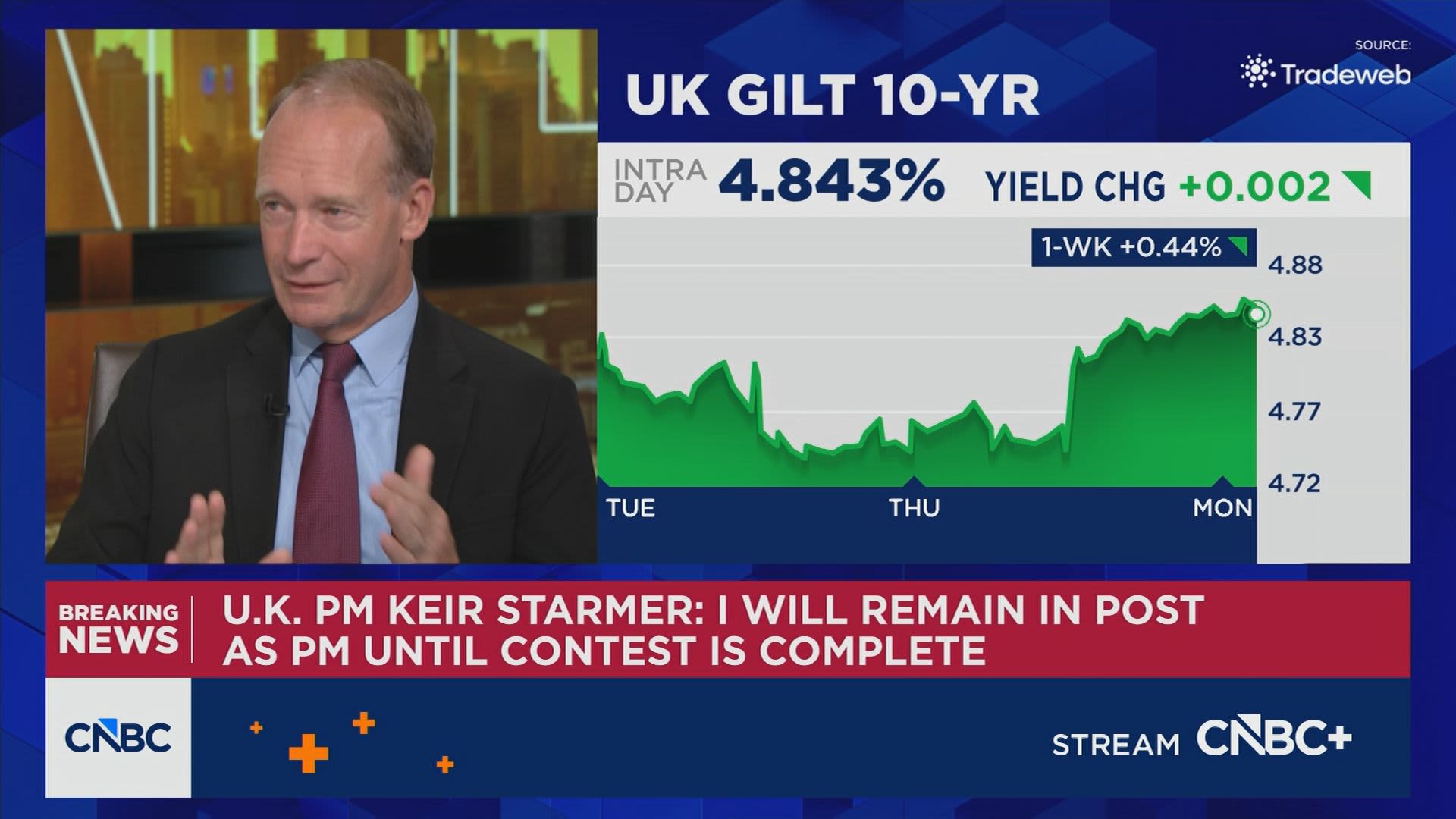
Since the start of the year, yields on longer-maturity bonds have risen sharply, and not just in the UK. While some regions saw higher yields last year, this summer has seen the developed world aggregate at levels not seen in 25 years.
What is driving this move?
Commentators point to rising government deficits, increased corporate borrowing to fund AI investment, and inflation concerns tied to geopolitical instability and reduced Federal Reserve guidance.
Capital Economics’ Jonas Goltermann said bond yields’ recent surge suggests investors are losing patience with fiscal profligacy, while Bank of America’s Mark Cabana said much of the move reflects uncertainty over the lack of Federal Reserve guidance.
There is no consensus on the single most decisive driver. We think the move may say less about a genuine rise in these risks than about how the current cohort of bond investors and issuers is behaving as buyers and sellers this year.
Bond investment returns can be split into components: inflation expectations, a real risk-free return, credit risk, and the term premium, which is compensation for holding a long-term investment rather than a short-term one.
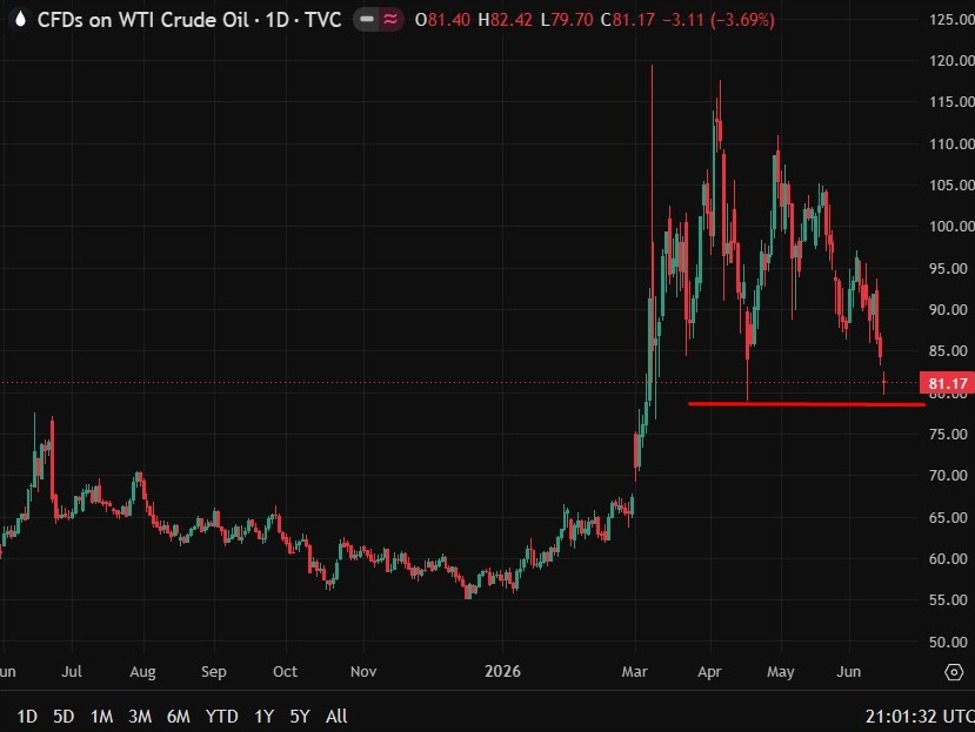
It would be easy to ascribe the moves to higher inflation expectations, given the rise in energy prices. In fact, the conflict in the Gulf caused only a modest inflation jump, about 0.1% in Europe and the UK, 0.2% in Japan, and no discernible impact in the US, where expectations have stayed stable, supporting, but not yet proving, Fed Chairman Warsh’s inflation-fighting stance. Other central banks appear more comfortable with slightly higher inflation over 10 years.
On fiscal policy, the gap between government bond yields and risk-free swap rates rose 0.4% in the US and by up to 0.8% in Europe, the UK and Japan between 2022 and 2025, but has barely moved this year despite deficit concerns, suggesting fiscal sustainability is a worry, but no more so than other components of long-term rates.
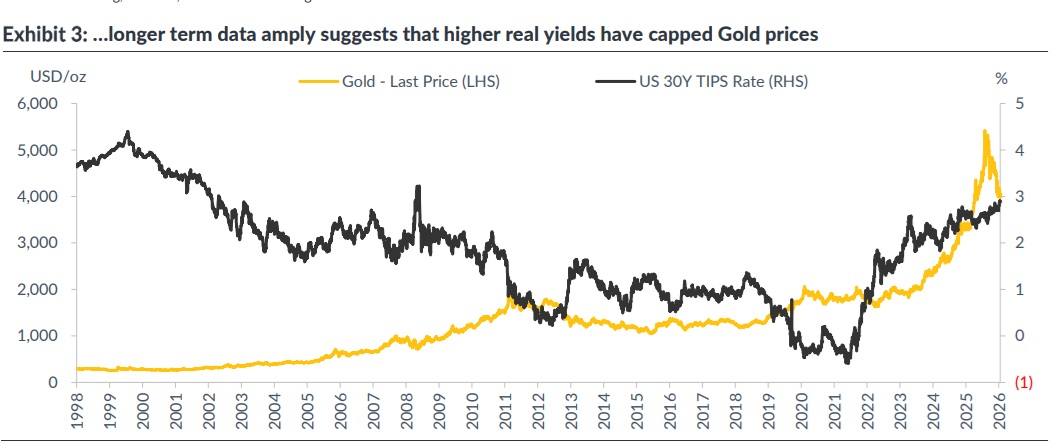
Where moves have been significant is in inflation-adjusted “real” yields, especially in Japan, with the biggest moves coming over the summer.
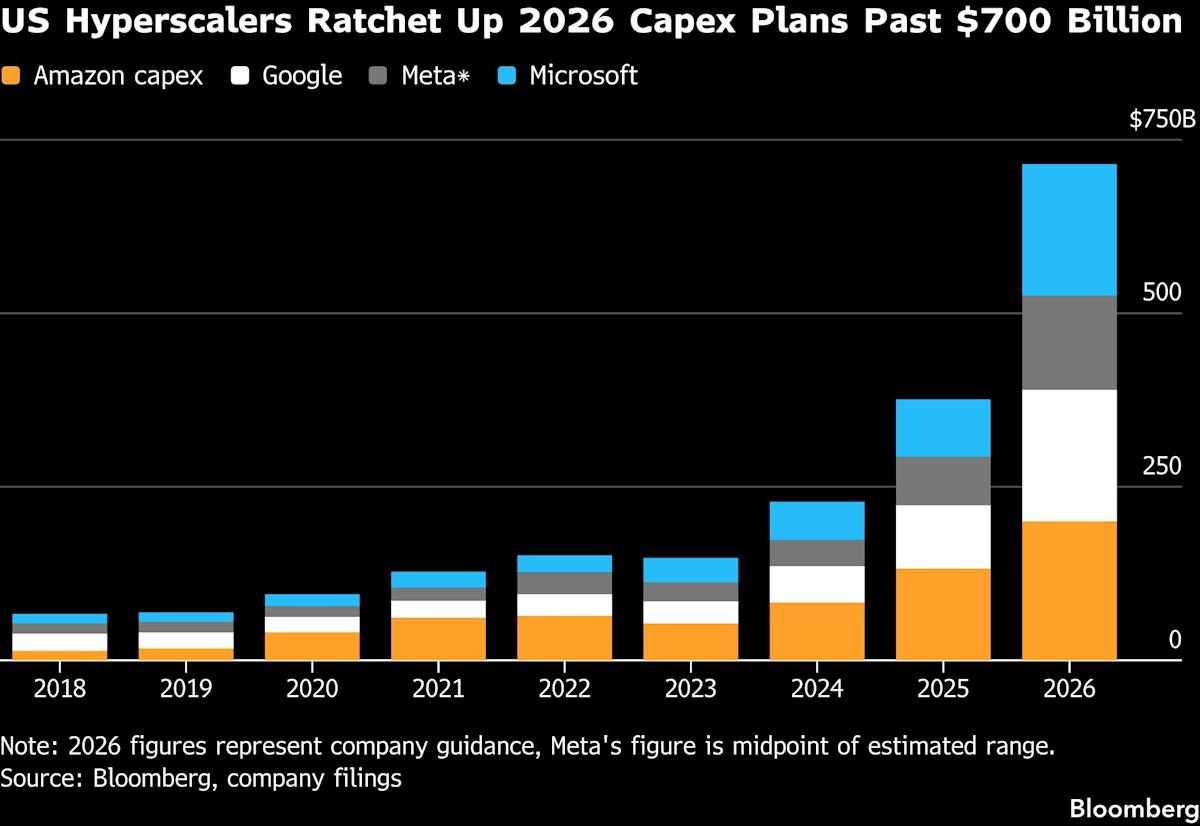
We think heavy issuance of AI infrastructure bonds by hyperscalers is affecting the supply/demand balance. Bloomberg reports investment-grade companies have sold nearly $1.5trn of bonds this year, a 36% jump on last year and likely to eclipse 2020’s record. Nomura estimates $200bn of borrowing by the biggest tech firms alone equates to about 25% of the US Treasury’s net issuance, five times 2025’s level. There is no sign the need for capital is slowing: Amazon and Alphabet have raised their spending forecasts, and Nvidia has announced a $500bn AI infrastructure target.
This debt issuance is keeping equity investors upbeat about profit growth, with Q2 earnings outstandingly strong, so despite the highest bond yields in decades, few investors are swapping equities for government bonds.
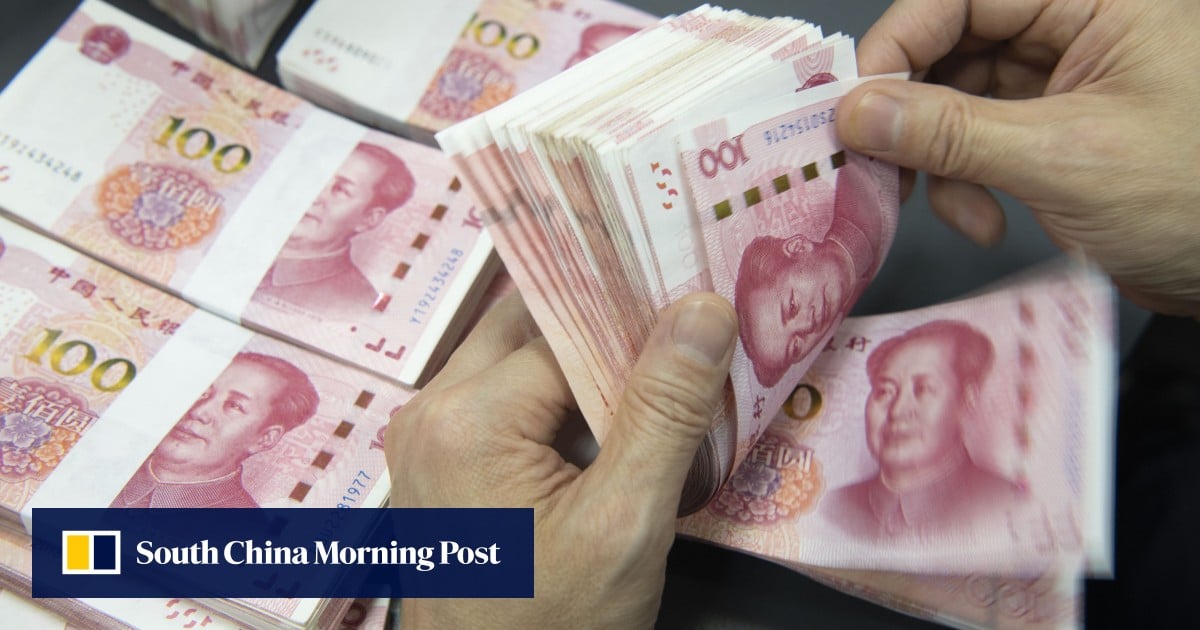
The cohort of international bond investors is therefore static at best, and arguably shrinking and more risk-averse. Chinese investors are increasingly favouring domestic bonds over foreign ones, while China’s holdings of US Treasuries have been shrinking as proceeds are converted into renminbi.
Japanese bondholders are now experiencing what Western holders suffered four years ago, as yields rise and they exit longer bonds. The term premium, the extra expected annual return for holding a long bond, rose sharply in Japan before the summer and remains high, while the US and other markets have lately seen further increases.
Because long bonds are actively traded rather than held to maturity, and carry higher price volatility, the term premium also reflects investors’ willingness to accept that volatility. Despite higher yields, investors still fear fresh shocks and further price falls, so are demanding greater compensation for locking in yields for longer.
Compounding this, the number of longer-bond investors has fallen just as issuance has risen, straining liquidity as sellers increasingly outnumber buyers.
On Wednesday 19th, US Treasury Secretary Scott Bessent announced plans to increase the Treasury’s purchases of long-maturity bonds, notable given its usual role is to sell, not buy, debt. The move signals how seriously the liquidity decline is being taken, and prompted a sharp fall in US and global yields, with the 10-year Treasury yield dropping from 4.75% to 4.63% on Wednesday afternoon. However, as with currency interventions, roughly half that move has already reversed, with no guarantee the intervention proves durable.
This suggests investors happily holding other risk assets may need convincing that bonds are worth holding, perhaps requiring less optimism on equities. There is some hope that the liquidity squeeze is partly seasonal: the summers of 2022, 2024 and 2026 have all seen price falls, with buyers tending to return as autumn begins. Even without new buyers, the extra yield on offer may be enough to bring more stability to the asset class.
Dr Isaac Kean, Market Insights, Tatton Investment Management