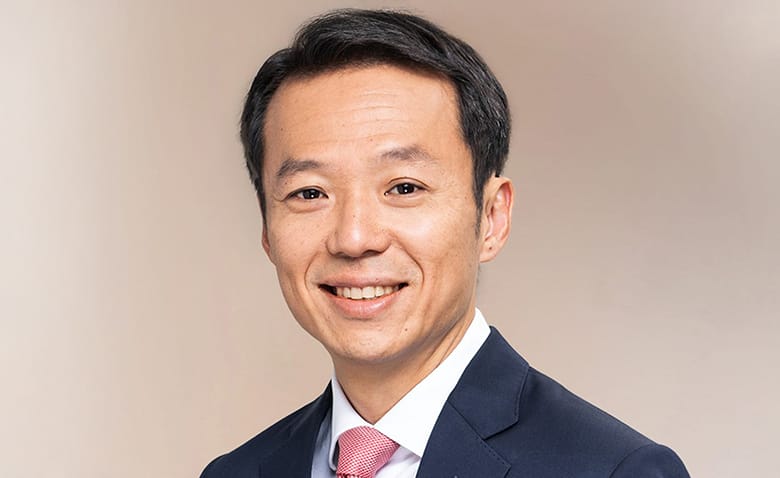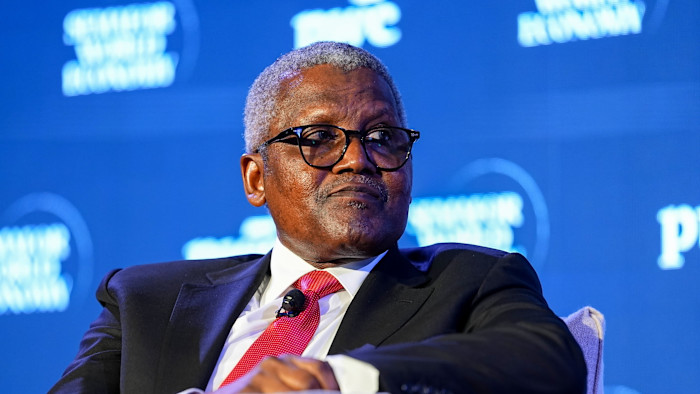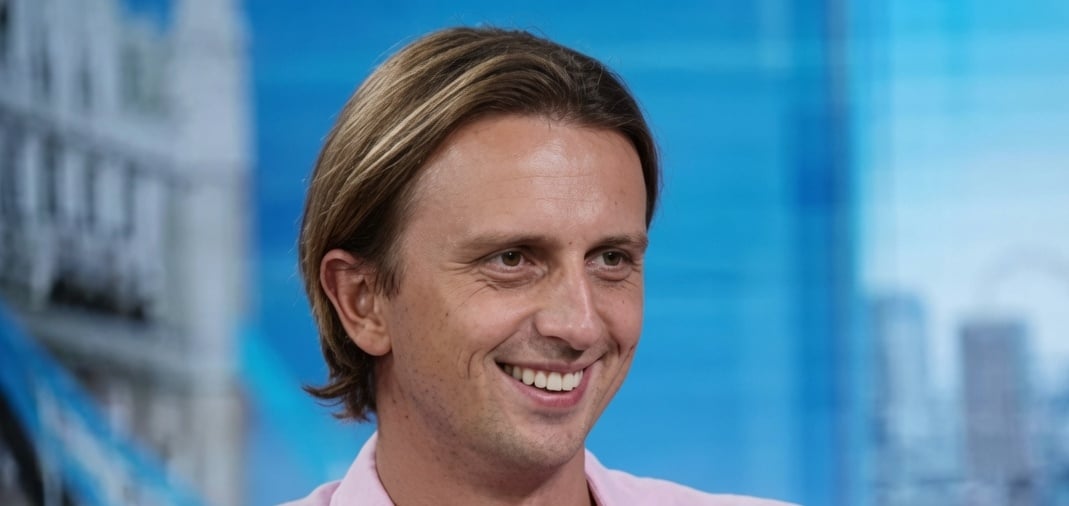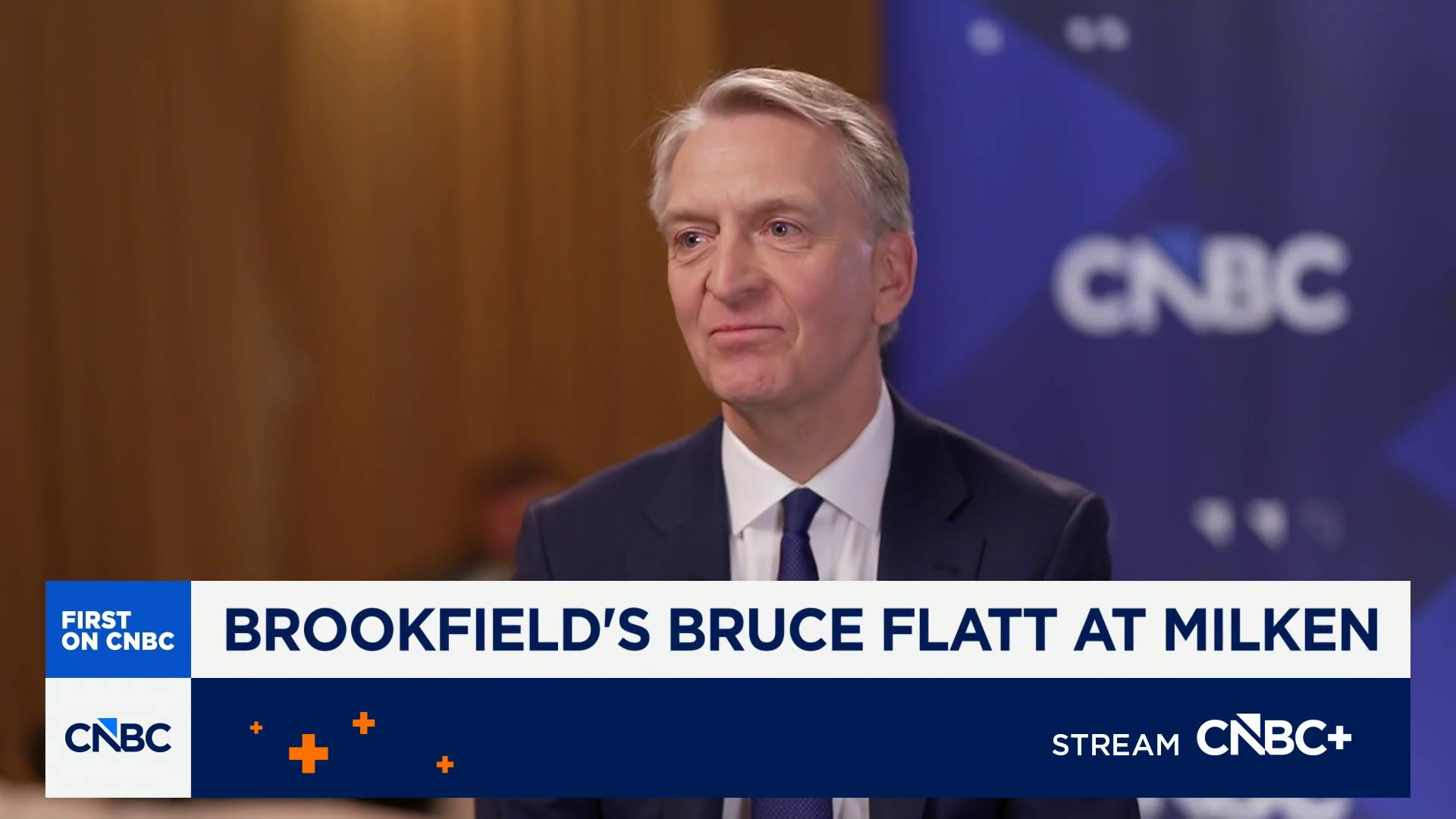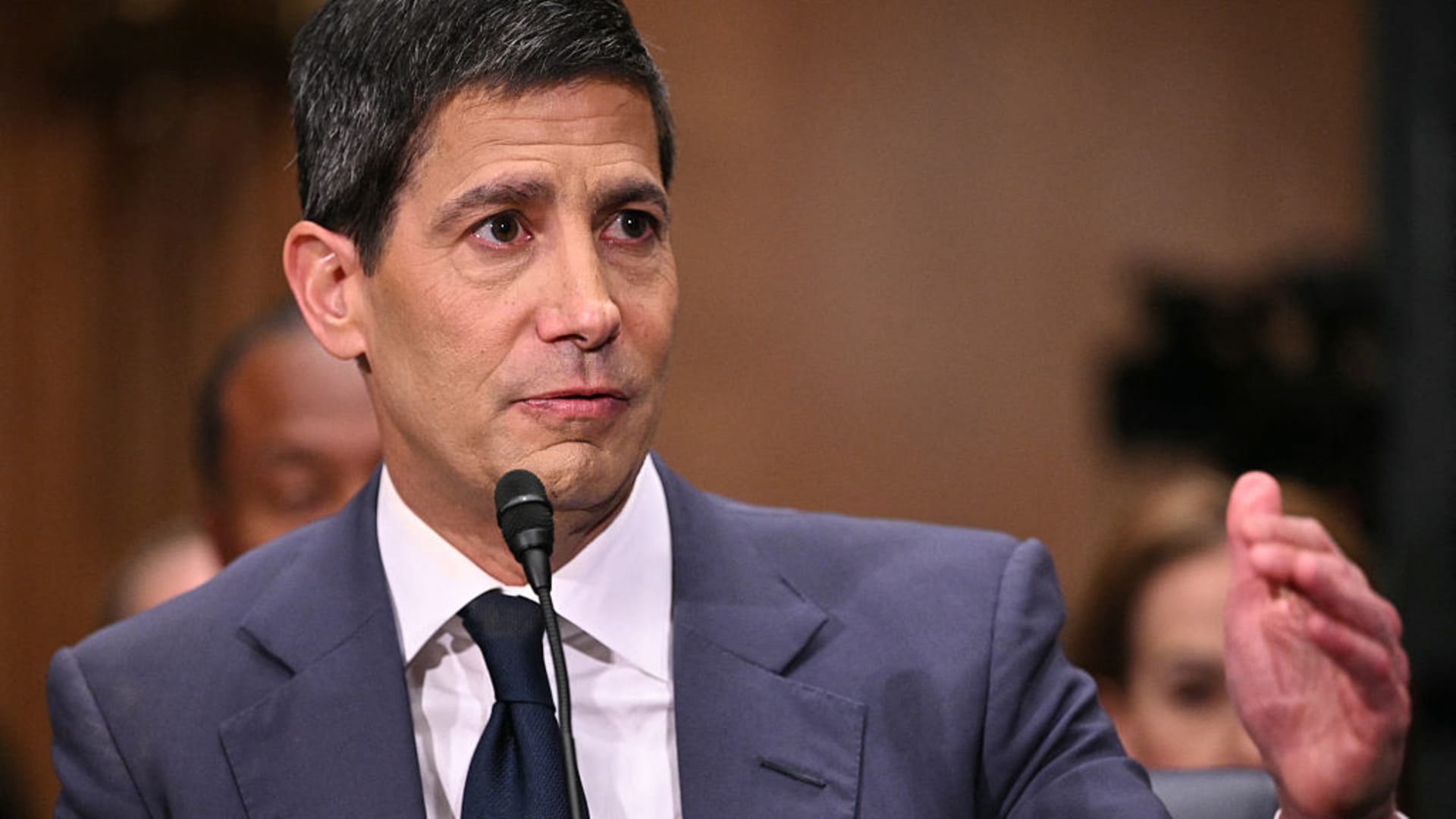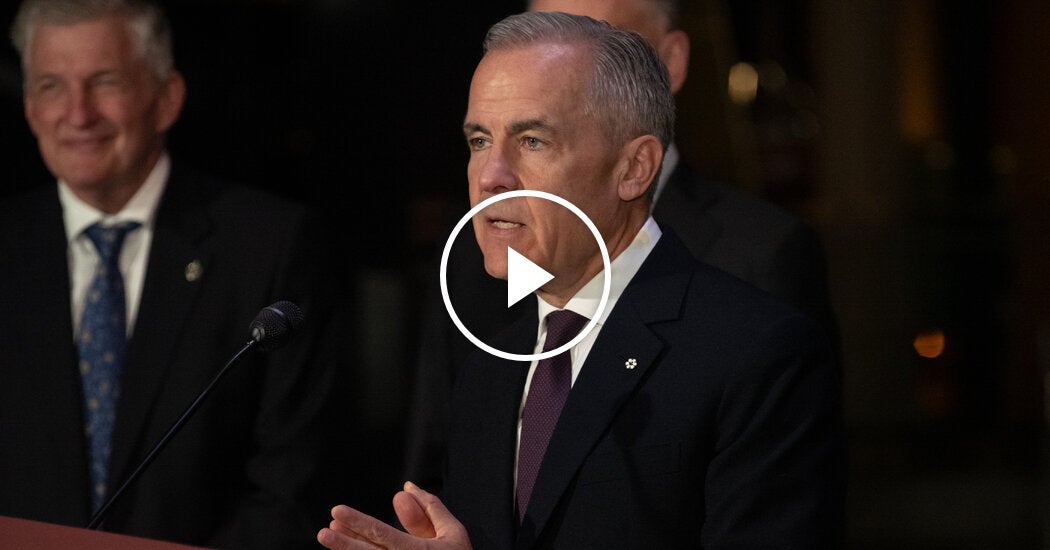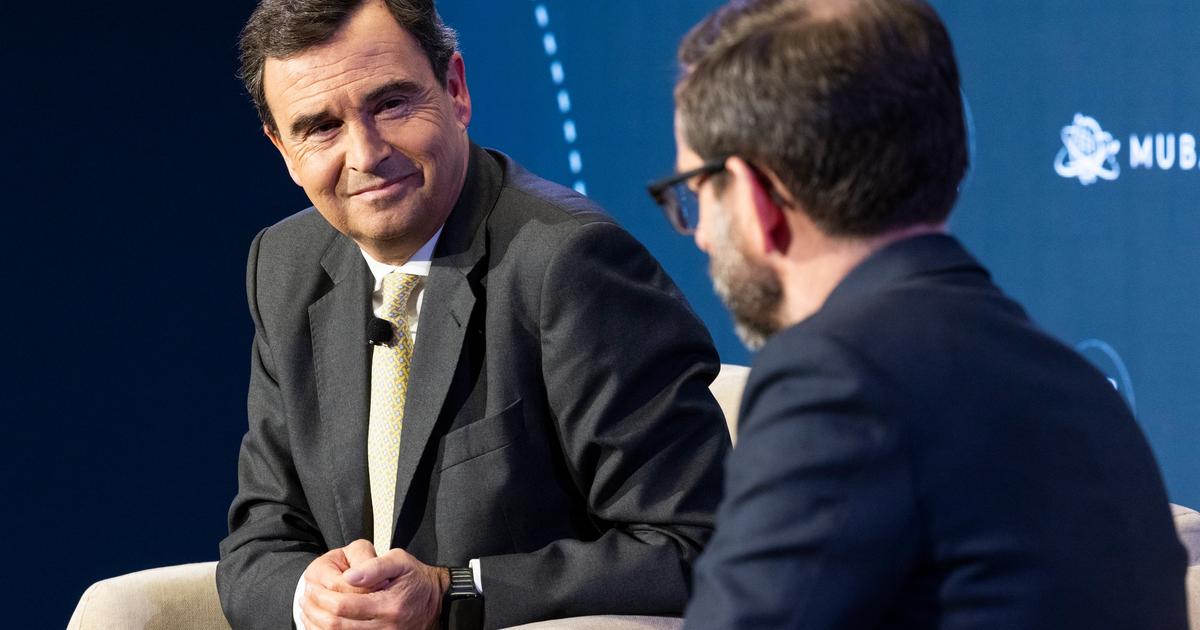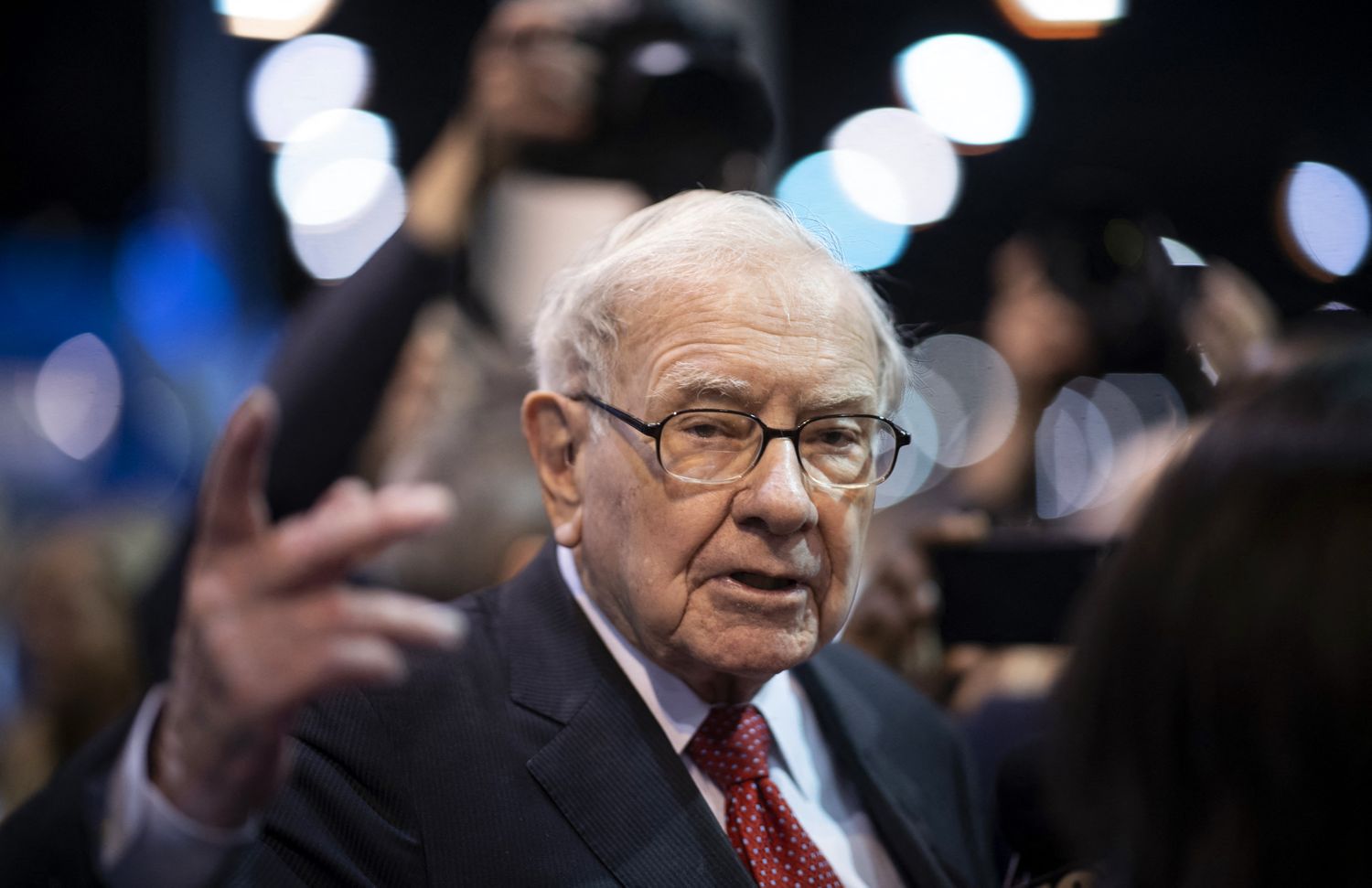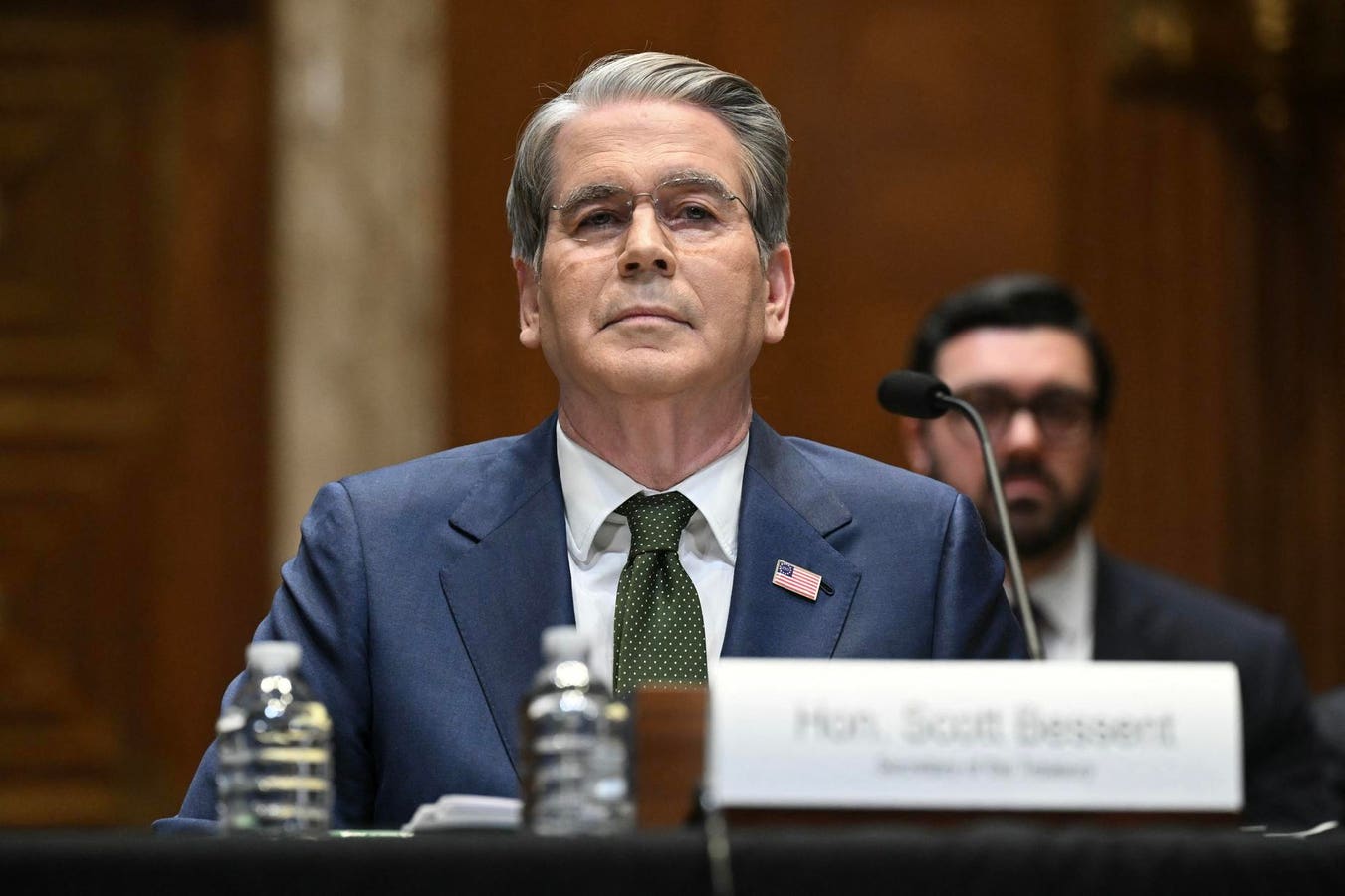
U.S. Secretary of Treasury Scott Bessent.
SAUL LOEB / AFP via Getty Images
Of all the Trump administration’s economic policy initiatives, the Treasury Department’s bond intervention gambit may be the riskiest yet for Asia.
It’s not that markets are giving Treasury Secretary Scott Bessent his comeuppance by shrugging off his long-term debt buybacks. The urgency in deploying buybacks of at least $4 billion is understandable: 30-year yields are testing 20-year highs, and the $32 trillion Treasury market is growing wobbly. But Bessent should be plenty spooked by how fast markets started buzzing about a “dollar debasement” trade — and connecting the dots to Japan’s exploits since the late 1990s.
The playbook: a government caps long-term yields artificially without fixing the underlying fiscal fundamentals — without curbing runaway public debt. The currency has to give instead, adjusting downward and staying weak. Prime Minister Sanae Takaichi’s Liberal Democratic Party might object to the comparison, but yen debasement has been the law of the land in Tokyo for nearly three decades.
And it’s a hard habit to break. For all the buzz about the Bank of Japan pivoting to tightening, the benchmark rate is still just 1%, 27 years after it first went to zero — and a decade after Tokyo devised the modern yield-curve-control playbook Bessent is now cribbing from.
Few took President Donald Trump’s claim at face value that Washington jointly intervened with Japan out of “friendship” in late July. Trump World was worried the Ministry of Finance might dump Treasuries to prop up the yen. A tell: Bessent & Co. sold euros to buy yen rather than use dollars.
As a former hedge fund executive, Bessent knows that even a whiff of the biggest foreign holder of U.S. debt — Japan holds more than $1.1 trillion — selling would have China and other big Asian creditors reaching for the phone. From his days working for George Soros, he should also understand the shockwaves a yen-carry-trade unwind can send through markets.
But it’s one thing for Japan, a $4.3 trillion economy, to debase its currency. Not great, but with roughly 90% of JGBs held domestically, Tokyo has a shock absorber Washington doesn’t. And Japan’s GDP is roughly a seventh the size of America’s.
A major spike in U.S. yields would be a five-alarm systemic event by comparison. Here Bessent’s hedge fund pedigree should, in theory, add nuance. He watched the 1998 Russia-crisis fallout effectively end John Meriwether’s career when Long-Term Capital Management blew up.
This time, the call is coming from inside the house. The risk isn’t the Fed. It’s a national debt topping $40 trillion at the exact moment Trump is rearming his tariff bazooka, chipping at the Fed’s independence, and pushing for a weaker dollar.
That last goal is one of the through-lines from Trump 1.0 to Trump 2.0. Between 2017 and 2021, there were still people around him arguing that an Argentina-style dollar policy was a terrible idea. Bessent is proving far more pliable — whether it’s insisting tariffs are wise policy or muscling in on the Fed’s turf. By intervening directly in bond markets to suppress yields, his Treasury is effectively daring the Fed to cross the White House.
Asia sits on the front lines of potential fallout. A weaker dollar sends Asian exchange rates skyward almost mechanically. Governments across the region are already battling currency speculators — India, Indonesia and others are logging multi-year highs. Central banks have been intervening hard to tame them.
That’s creating a nasty dilemma. Weak emerging-market currencies stoke inflation. But a sudden dollar slump slams competitiveness across China, Korea, Taiwan, Vietnam and beyond. Central banks may need to ease policy — inflation risks be damned — just to lean against currency strength they didn’t ask for.
It’s the mirror image of the “currency war” panic that flares whenever Beijing is suspected of eyeing a yuan devaluation. And amid the whiplash, governments have less bandwidth for the boring, necessary work of cutting bureaucracy, boosting productivity, modernizing labor markets. The opportunity costs are piling up.
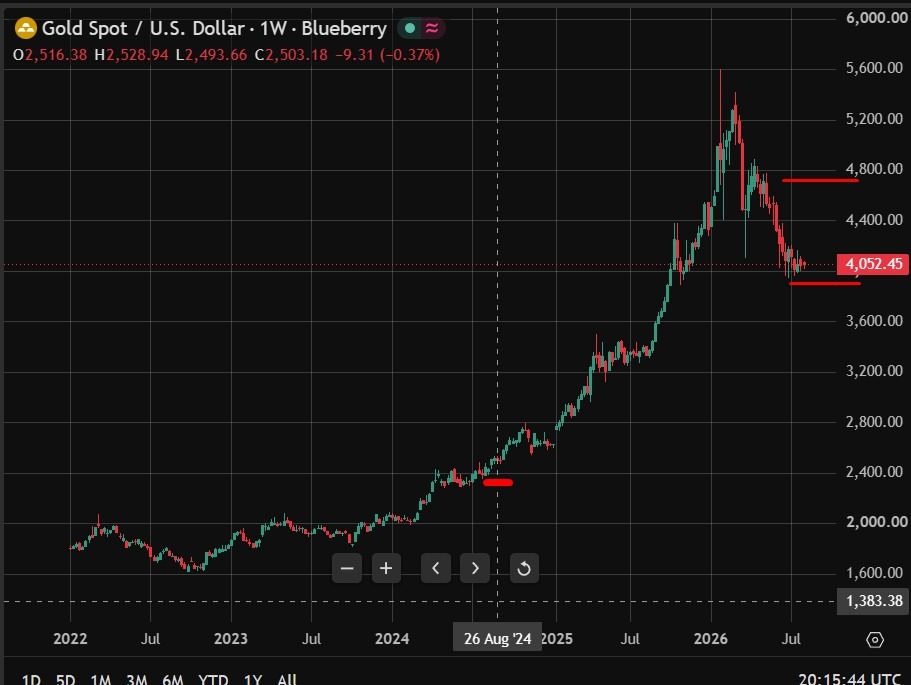
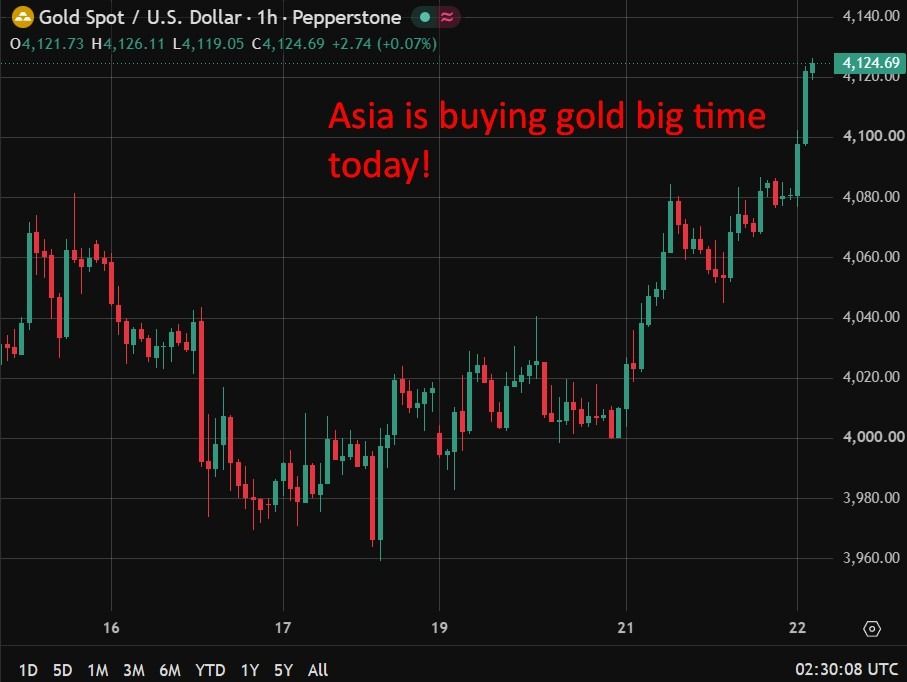
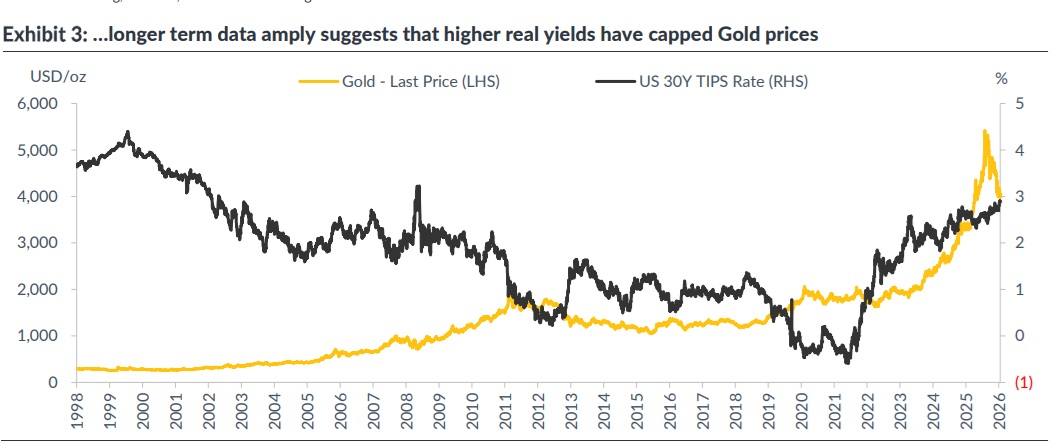
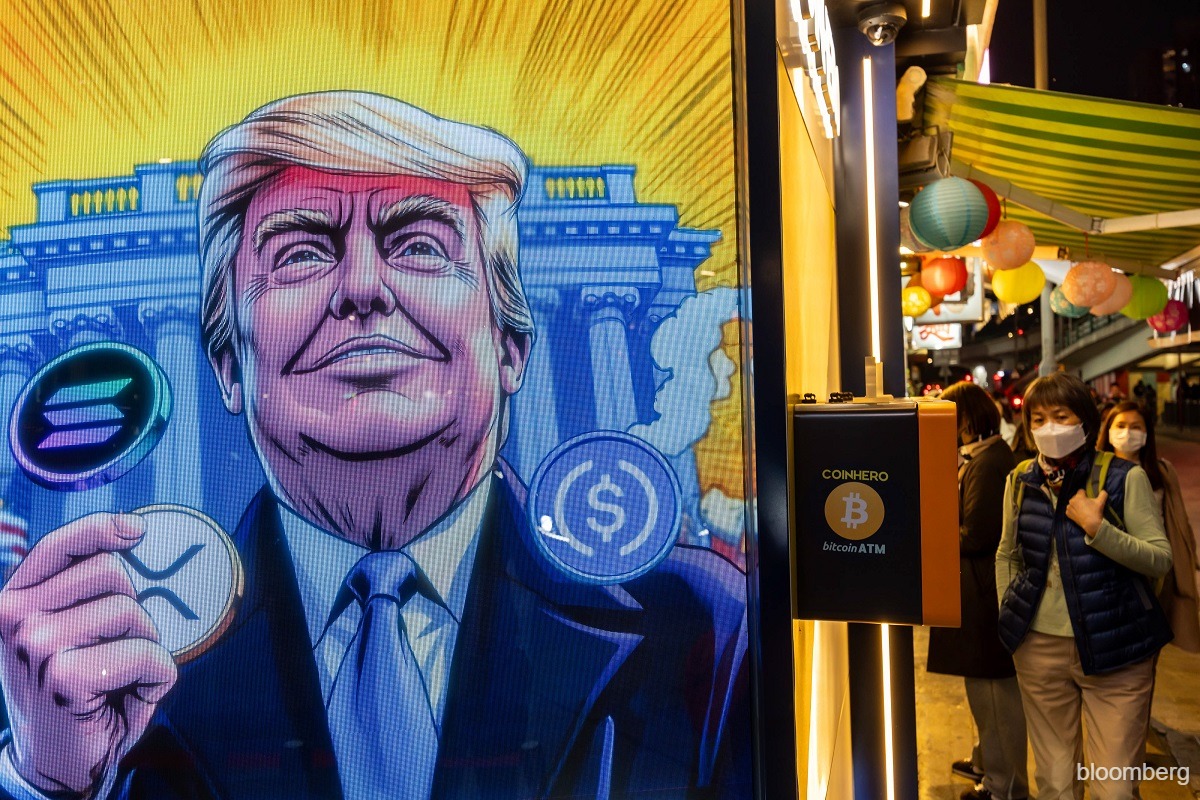
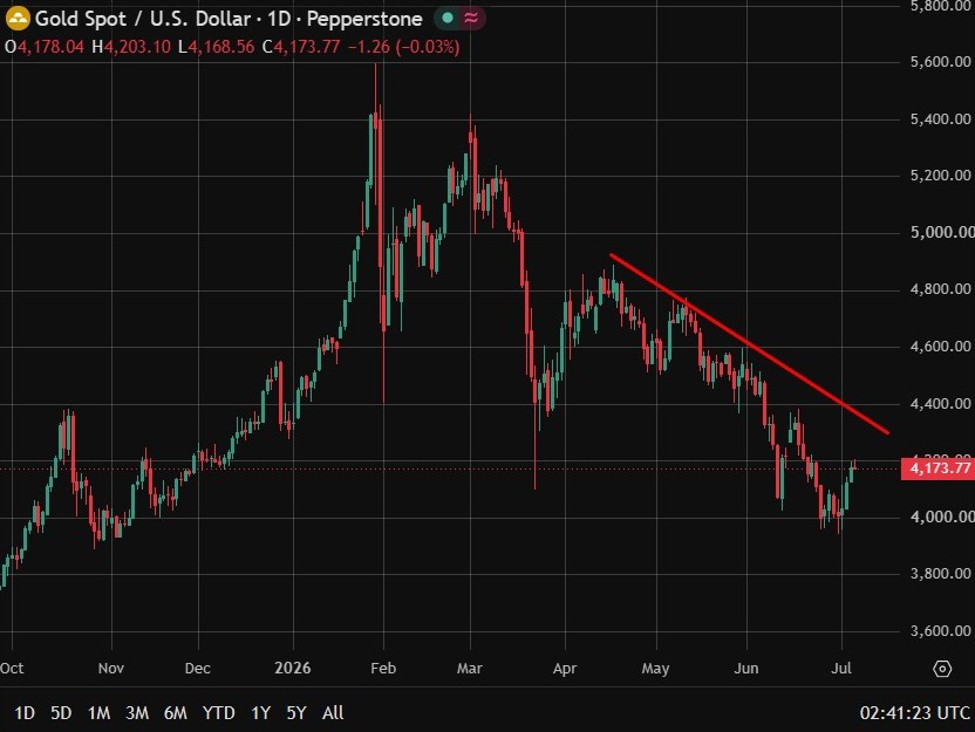
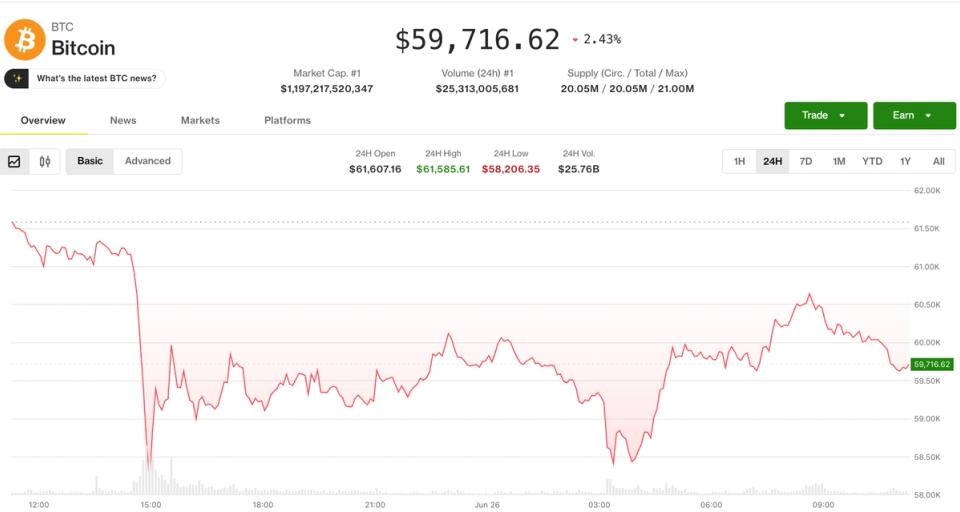
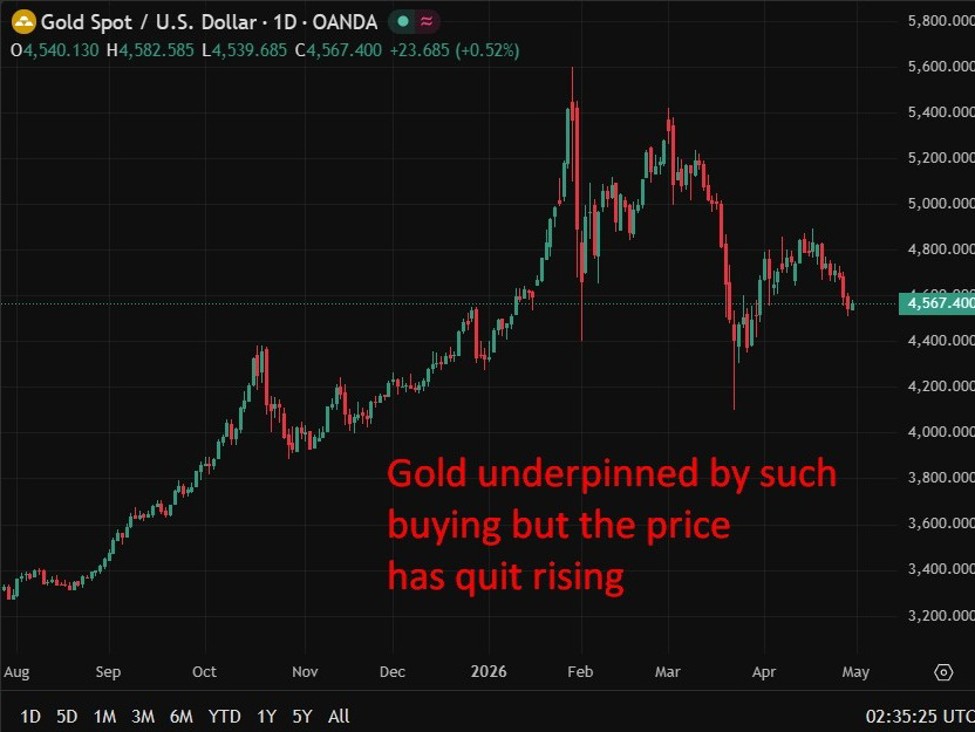
The artificial intelligence trade complicates things further. Currencies tied to it could actually benefit from dollar weakness, as global capital rotates into riskier tech assets and commodity-linked economies. Debasement anxiety is reviving bitcoin and putting a floor under gold. It’s also stoking fears of capital-flow whiplash. If investors conclude en masse that a dollar crisis is brewing, emerging-market assets get sold first and fastest, sovereign spreads widen, and dollar funding tightens.
Bessent is failing to heed Japan’s central lesson: intervention in currency and bond markets doesn’t work over the long run, even when it feels like it is. As Brookings economist Robin Brooks notes, Japan spent decades holding JGB yields artificially low to mask the side effects of a roughly 250% of GDP debt load. “As Japan shows,” Brooks says, “it can be next to impossible to stabilize a currency once it enters a devaluation spiral.”
No serious economist thinks the U.S. is there yet. But the “Bessent put” is already drawing fire from all directions — including from Stanley Druckenmiller, the famed investor who mentored Bessent at Soros Fund Management. Druckenmiller used the pages of the Wall Street Journal to slam the gamble: “Governments defending prices against fundamentals always lose,” Druckenmiller wrote.
Trump has long wanted to devalue the dollar. Staging a “Mar-a-Lago Accord” akin to the 1985 “Plaza Accord” that weakened the dollar is a near-obsession. Knowing that neither China nor Japan would sign on, Trump has Bessent pulling out financial Jenga pieces wherever he can.
Here, it’s important to call Bessent’s bond operations what they are: a prelude to dollar volatility that will hit Asia harder and faster than anywhere.