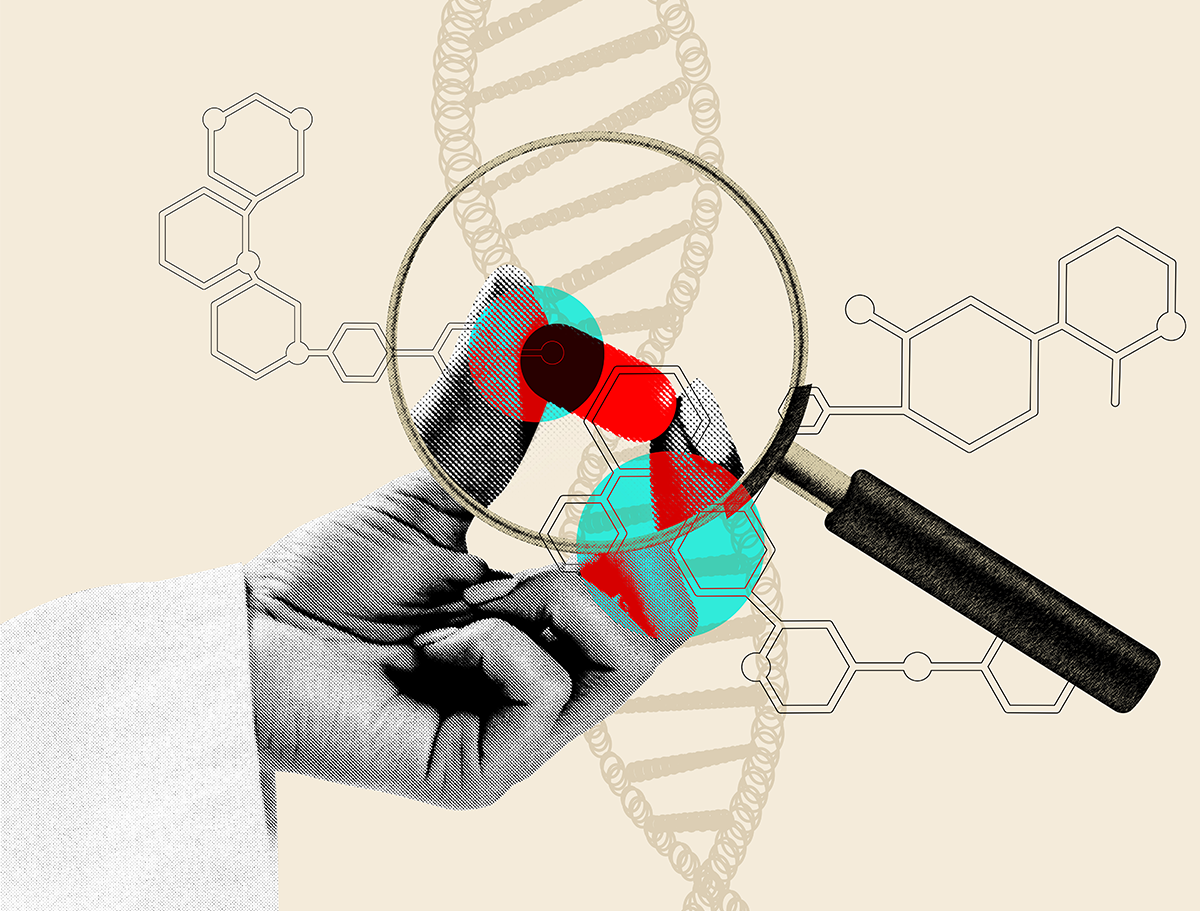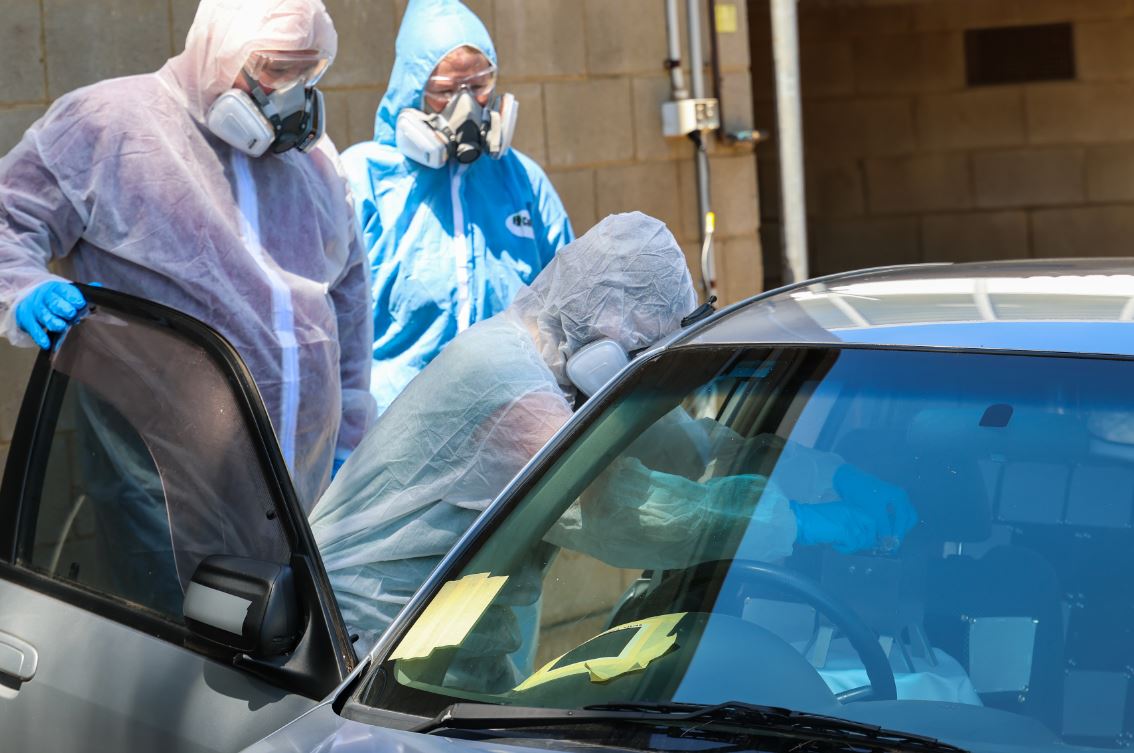
Environmental surfaces play a critical role in infection prevention, yet many health care organizations still rely on indirect measures to assess cleaning effectiveness and environmental risk. New technologies are beginning to change that paradigm by allowing infection preventionists (IPs) and environmental services (EVS) teams to directly visualize microbial contamination and identify high-risk areas in real time.
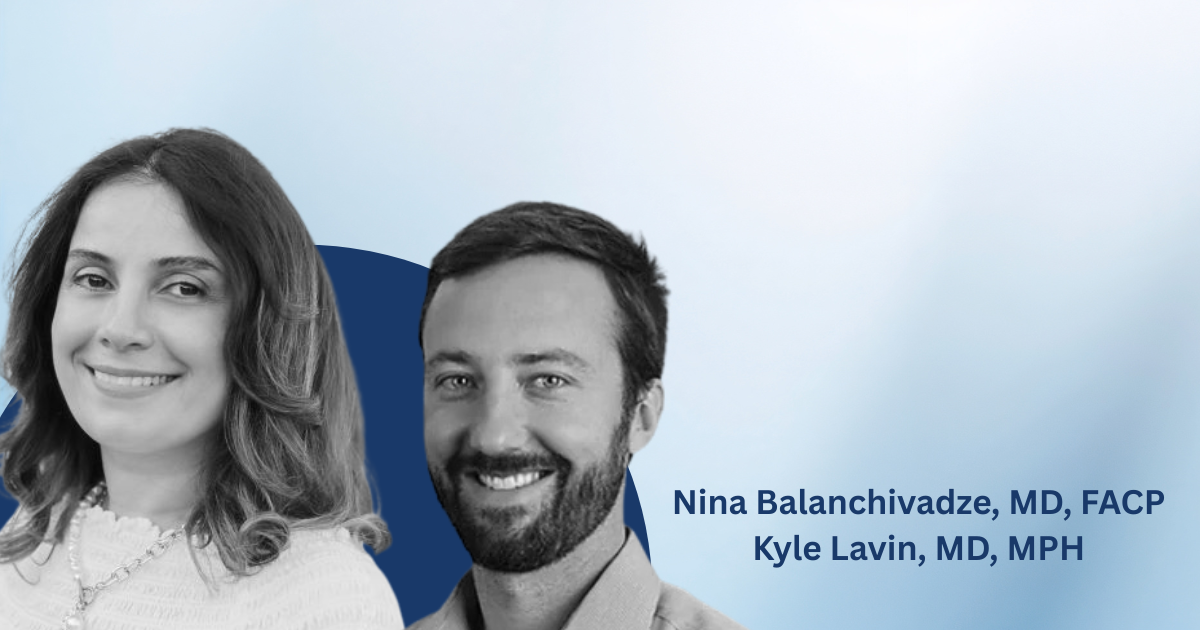
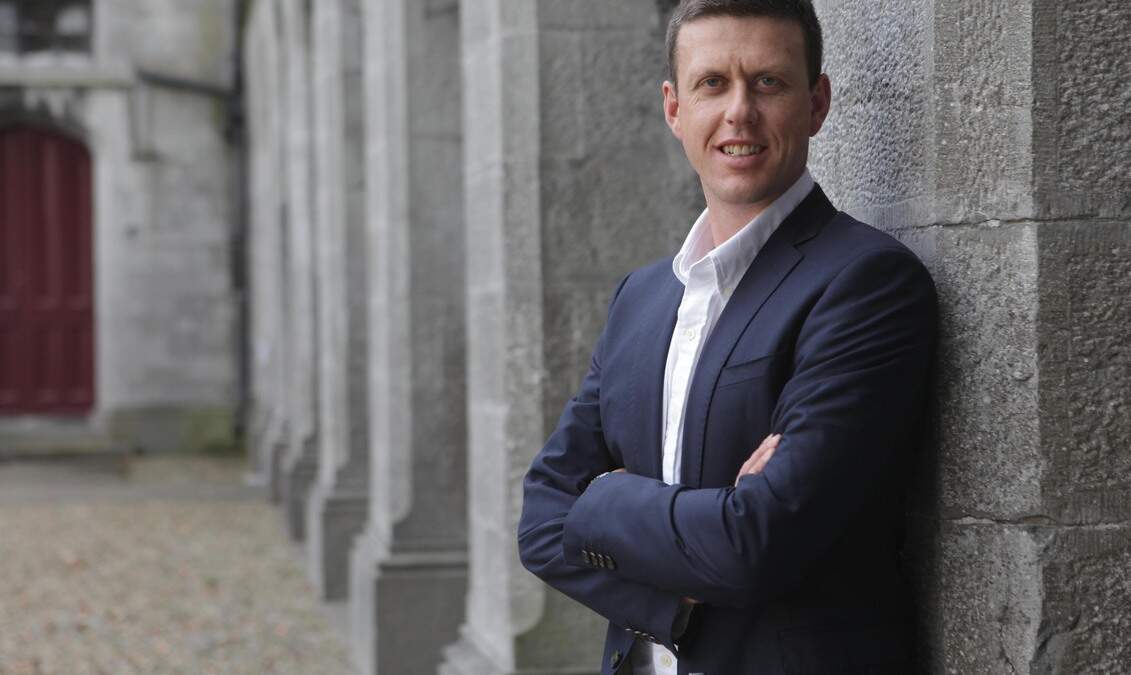
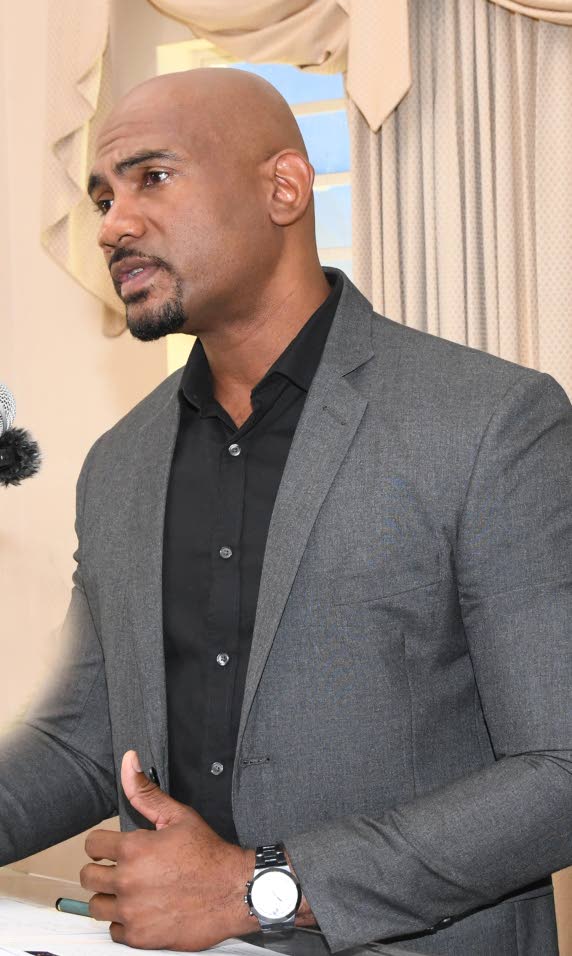
In this Q&A, Infection Control Today® (ICT®) speaks with Michael McIntyre, Founder & CEO of
The discussion explores how real-time microbial visualization may complement existing verification methods, support environmental risk assessments, strengthen collaboration between IPC and EVS teams, and help health care facilities move from reactive cleaning validation to more proactive environmental infection prevention strategies.
ICT: In your Riyadh presentation in December 2025, you highlighted microbial visualization as a new frontier in environmental hygiene. How does seeing pathogens like C difficile in real time change how IPC teams assess cleaning effectiveness compared with traditional audit methods?
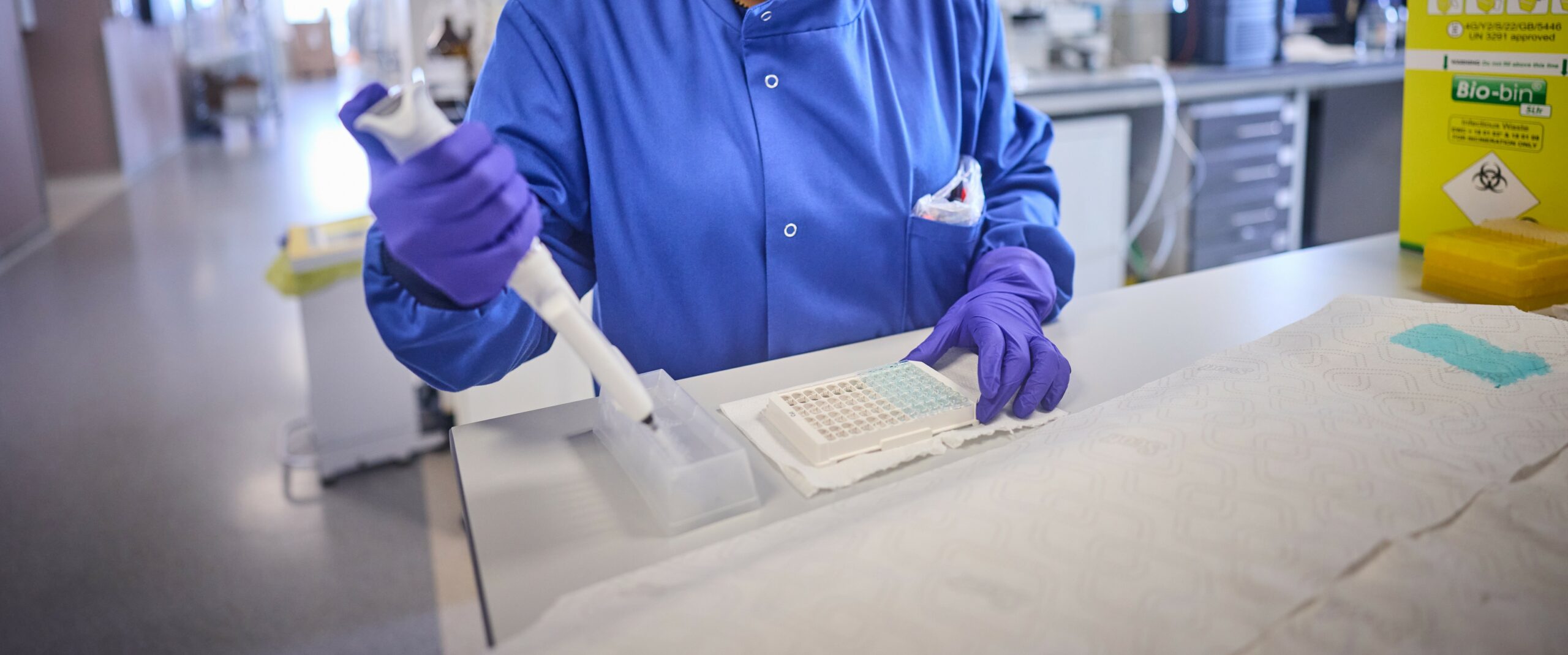
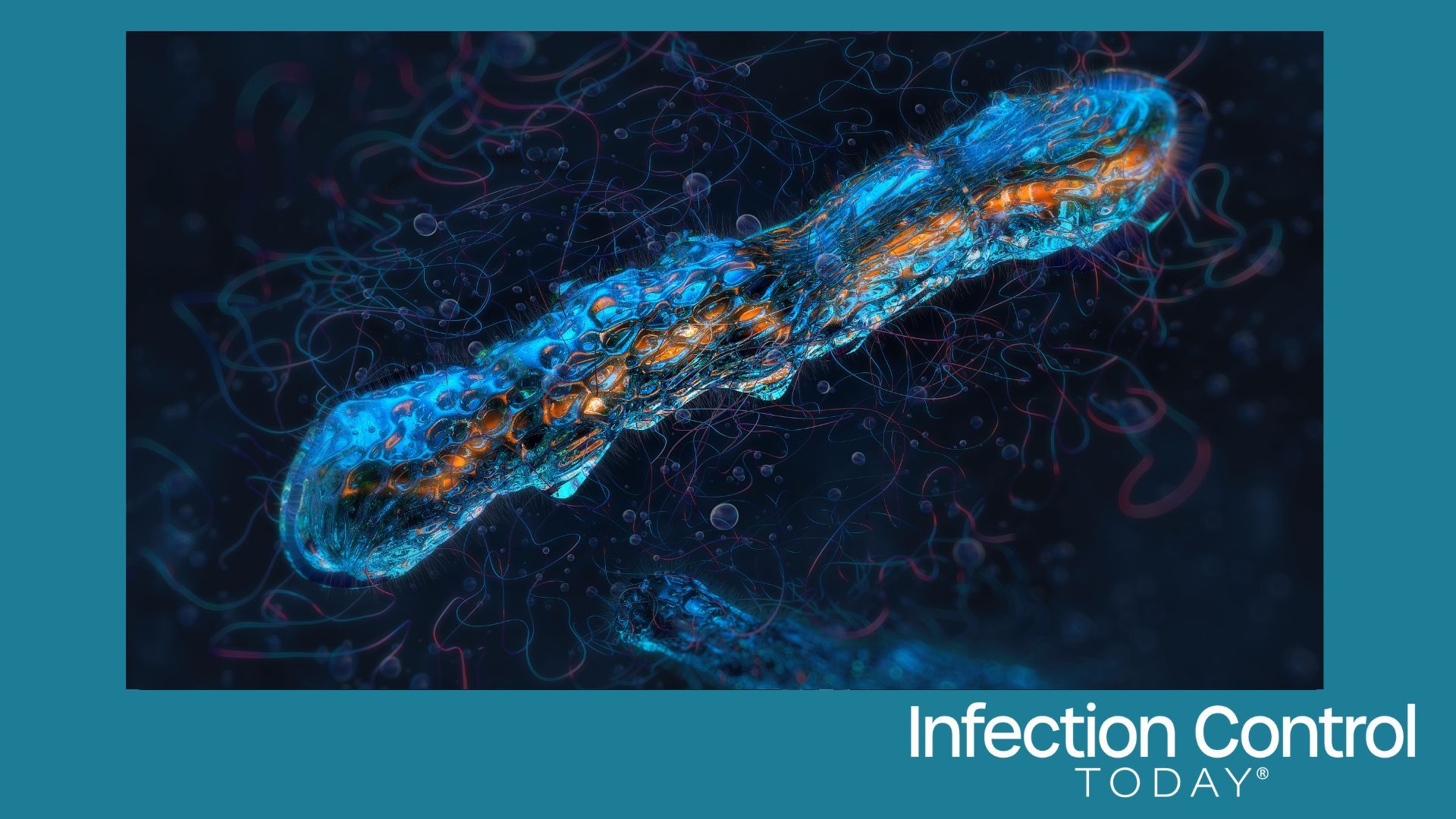
Michael McIntyre: LIV Process is the first-and-only product in the world to provide microbial visualization of viable C difficile spores in a few minutes. The LIV Process solution enables infection preventionists (IPs) and EVS teams with a tool that provides unprecedented verification that C difficile spores have been eradicated after disinfection protocols are implemented.
ICT: Many infection control and prevention programs already use tools such as ATP (Adenosine Triphosphate) testing, fluorescent markers, or environmental cultures. Where does microbial visualization fit within this ecosystem, and how should IPs think about integrating it into existing workflows?
MM: Microbial visualization is a step forward in surface verification methodologies. LIV Process makes existing methodologies and environmental assessment protocols faster, smarter, and more cost-effective by providing infection prevention and EVS teams with a precise, specific visualization tool that’s safe, cost-effective, and easy to implement.
ICT: EVS teams are often asked to improve outcomes with limited time and staffing. What have you learned about how frontline EVS and IPC staff respond to visualization technology, and how does it influence behavior, accountability, and education?
MM: The ability to see where viable C difficile spores exist accelerates environmental service teams’ risk mitigation and ultimately saves time by making the specific problem visible. How can you solve a problem that you cannot see? This question was the genesis for LIV Process’s pursuit of achieving microbial visualization of viable C difficile spores.
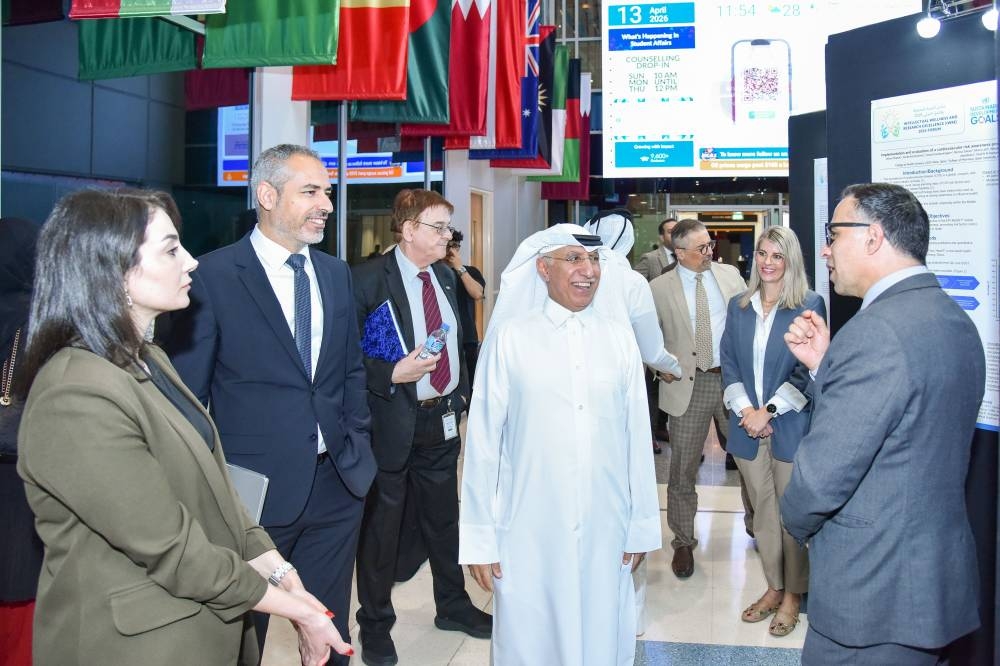
ICT: Your presentation aligns with Saudi Arabia’s Vision 2030 focus on health system modernization. From a global IPC perspective, what lessons from US health systems could translate internationally when adopting visualization-based approaches to infection prevention?
MM: The LIV Process team has learned a great deal from the technology launch in the United States. What has become most clear is that C difficile spores are present across multiple high-touch areas, regardless of the specific department in which it is being implemented. Most of the US hospitals that are using LIV Process integrate the solution into their discharge cleaning protocols on floors that treat their most immunocompromised patients, as well as using LIV Process as a training and education tool to measure cleaning efficiencies as hospitals shift from reactive to preventative measures for elevating patient and caregiver safety in hospitals and nursing homes.
ICT: Looking ahead, how do you see microbial visualization shaping the future of infection prevention, particularly in reducing health care-associated infections, supporting regulatory compliance, and demonstrating value to hospital leadership and patients?
MM: Microbial visualization is transformative. This breakthrough marks the start of a movement to make the invisible visible and expand accessibility worldwide. Catch C difficile before it spreads and save lives now!