Zoom in: With the new fund, 1789 is betting big on a migration of American wealth to the Sun Belt.
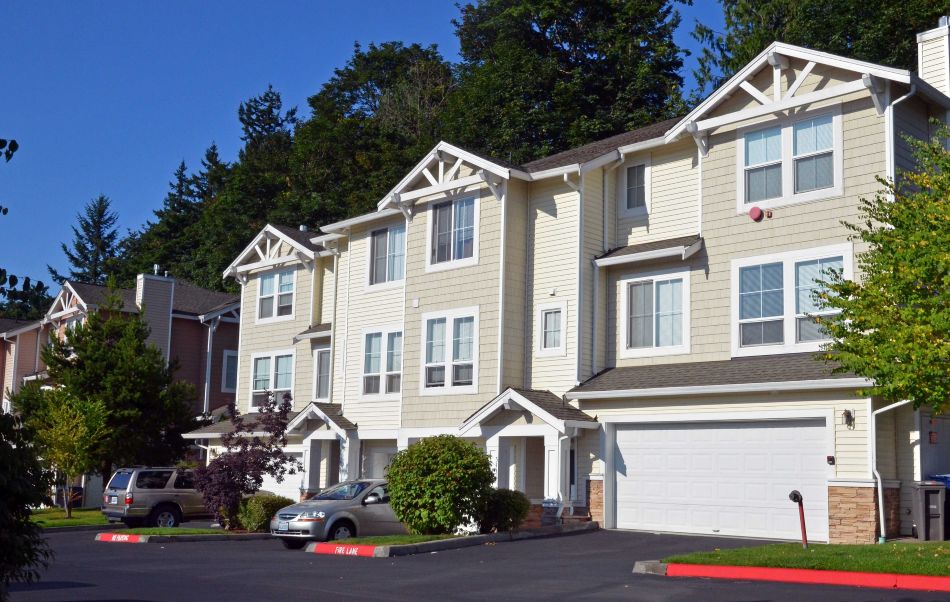
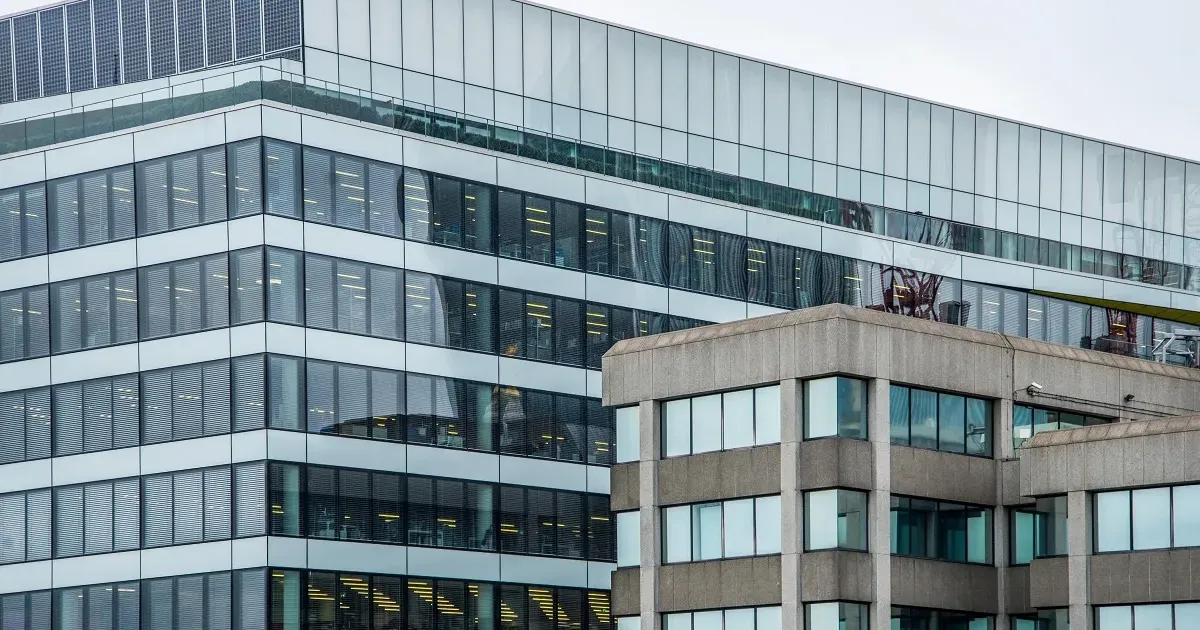
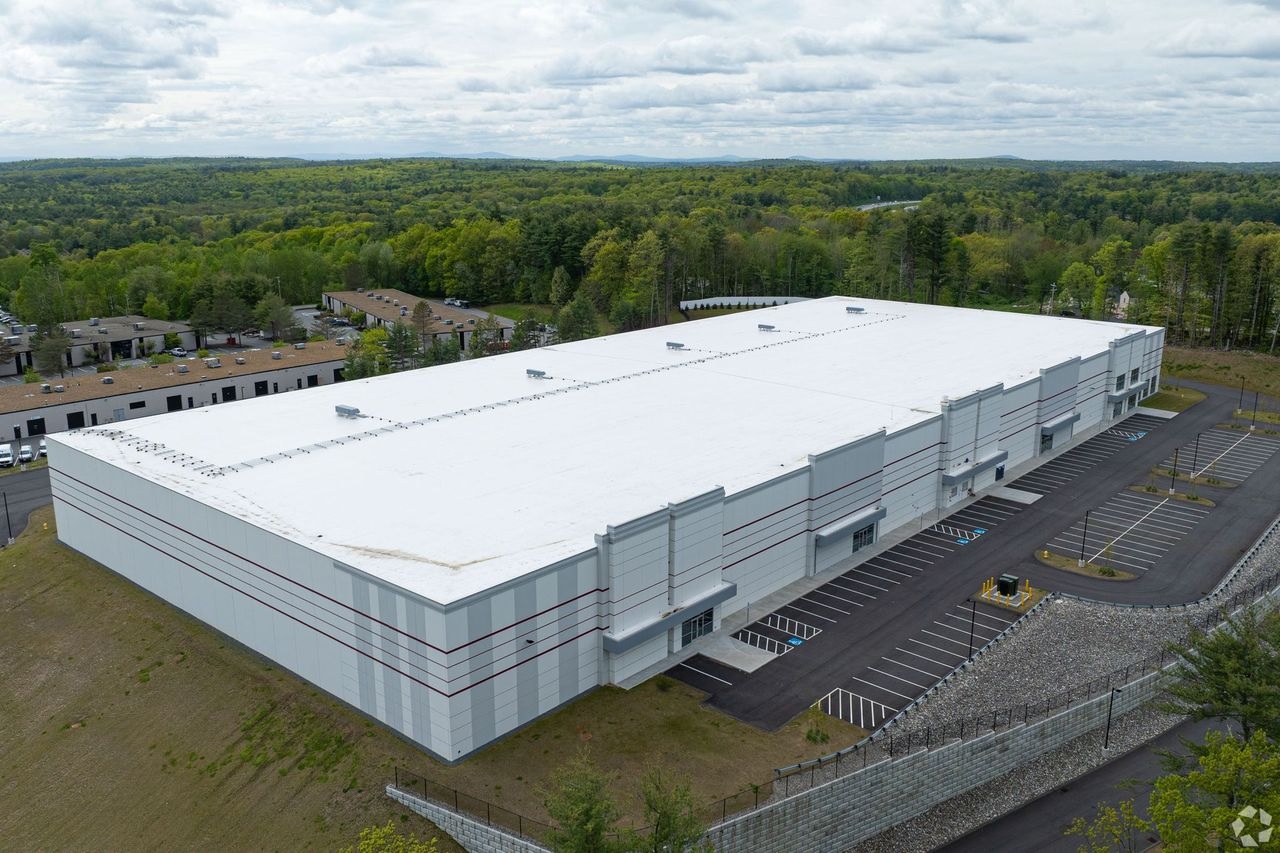
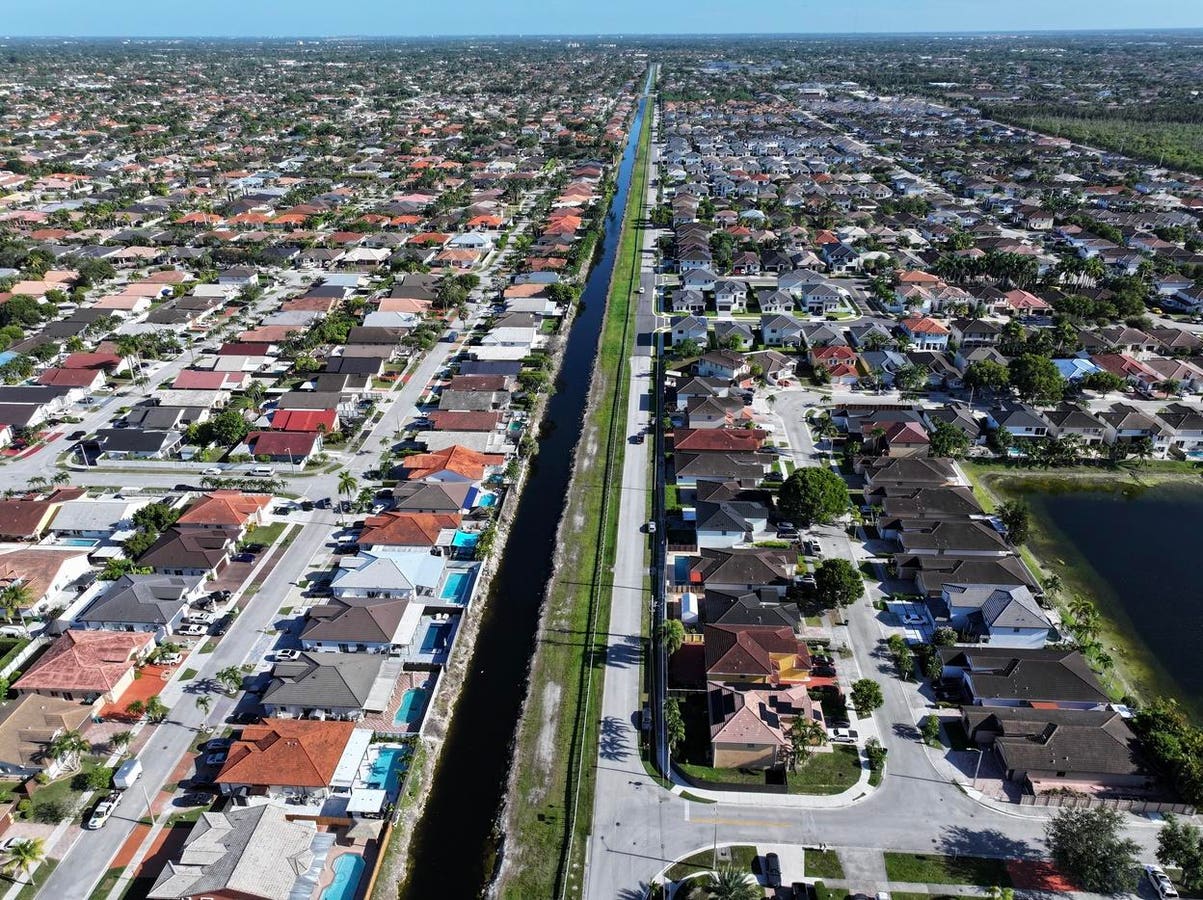
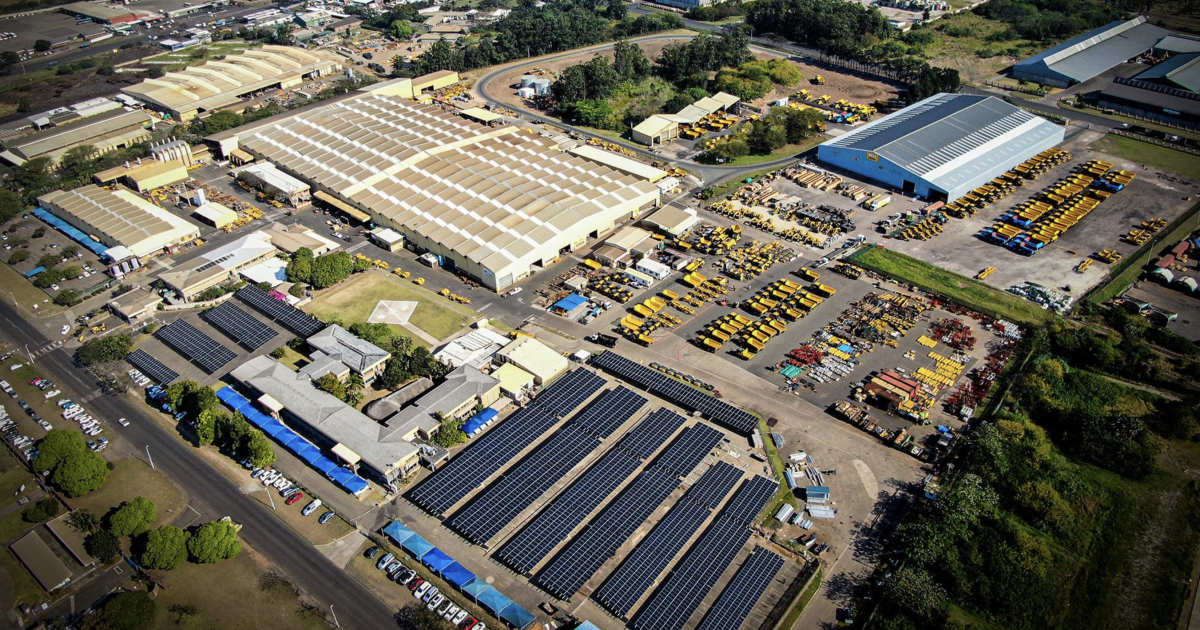
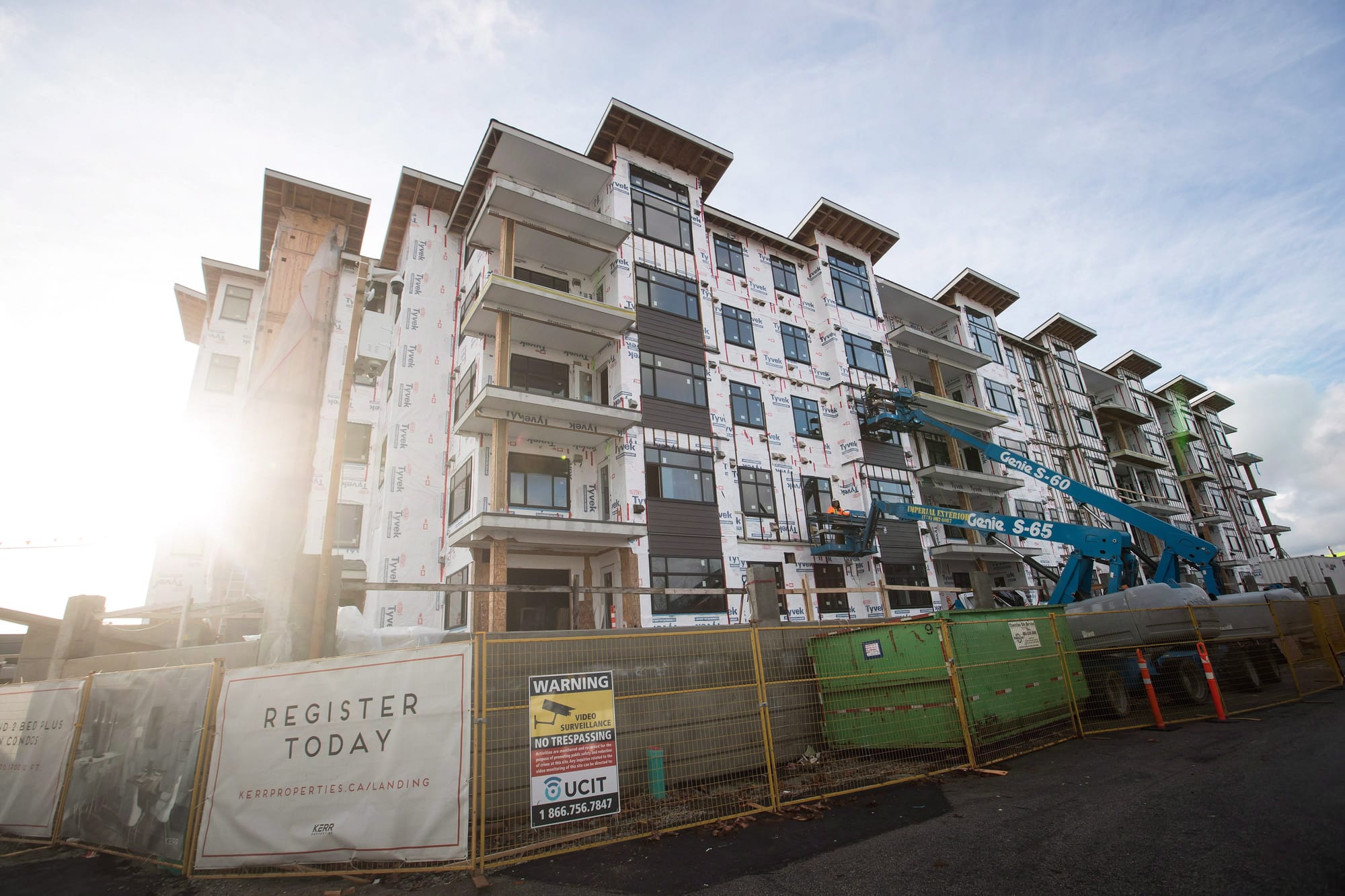
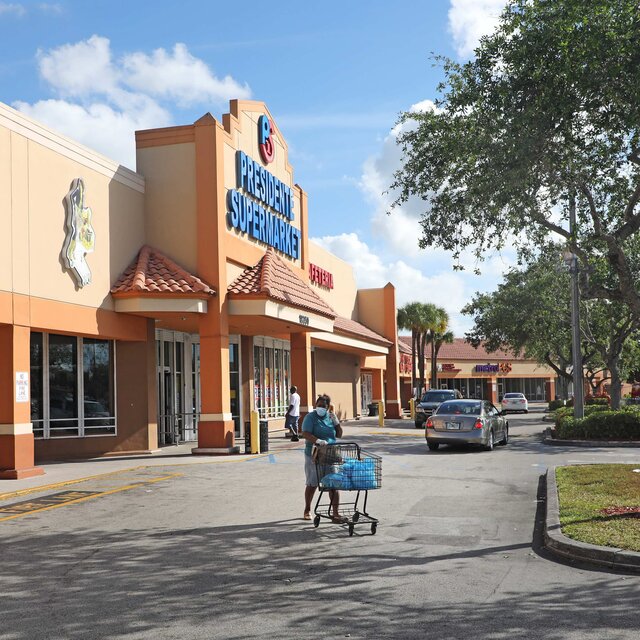
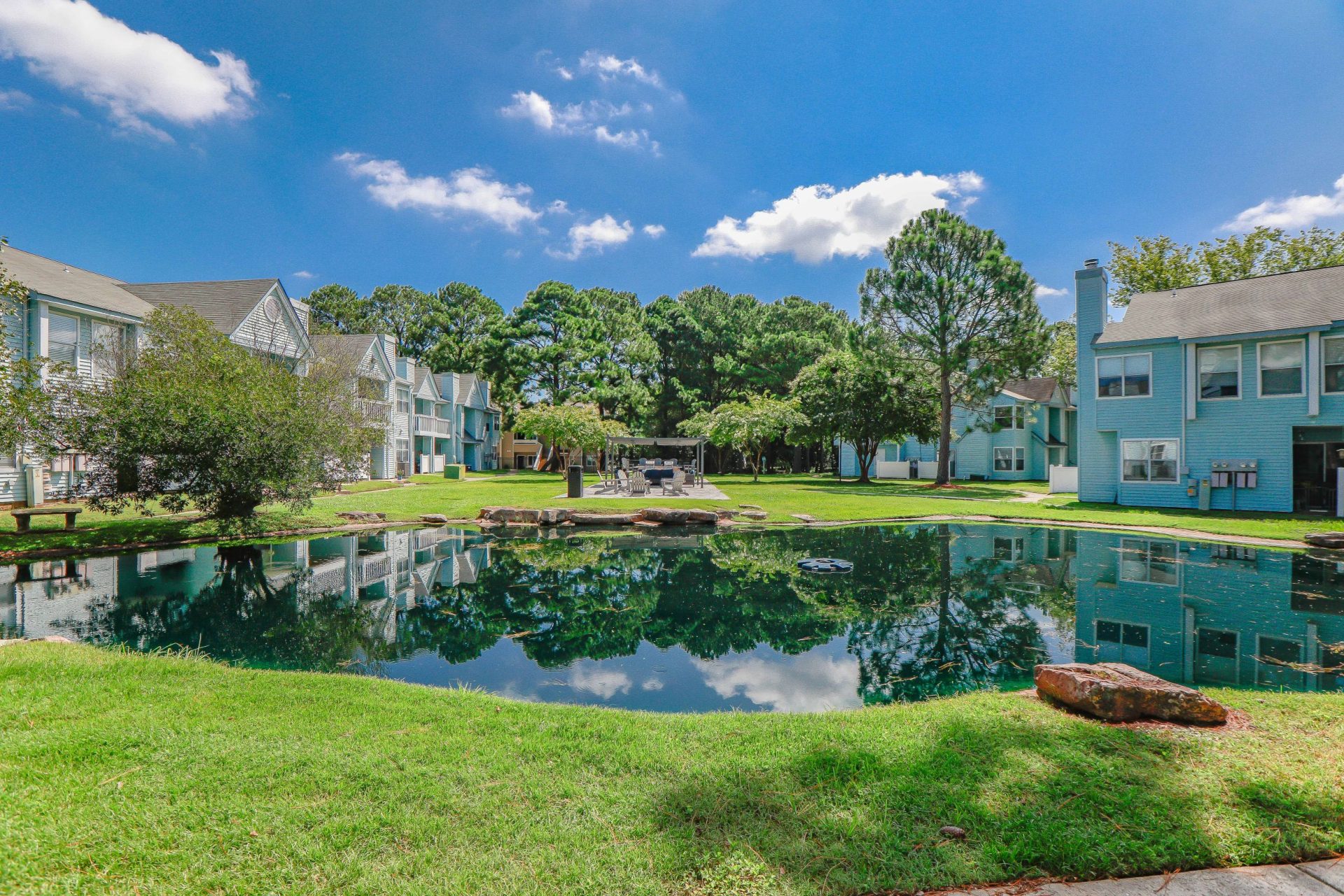
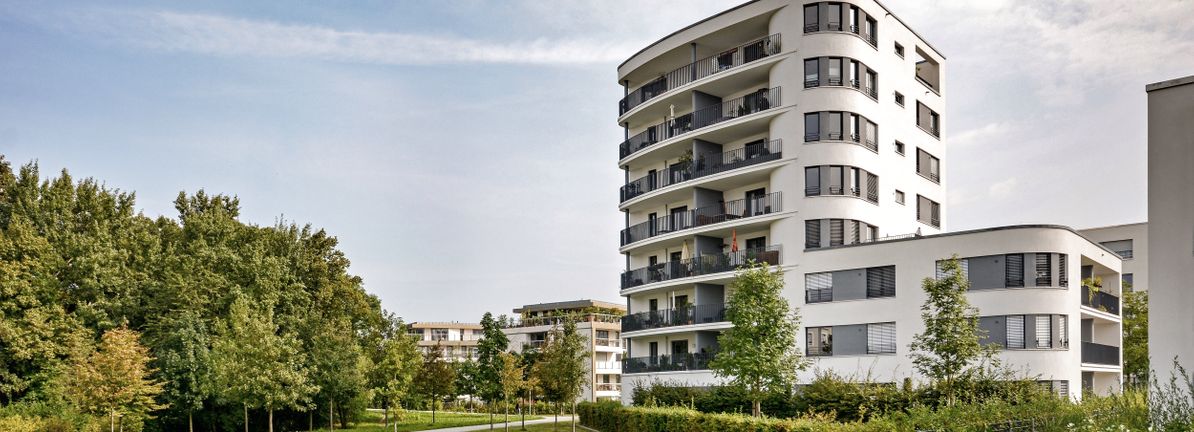
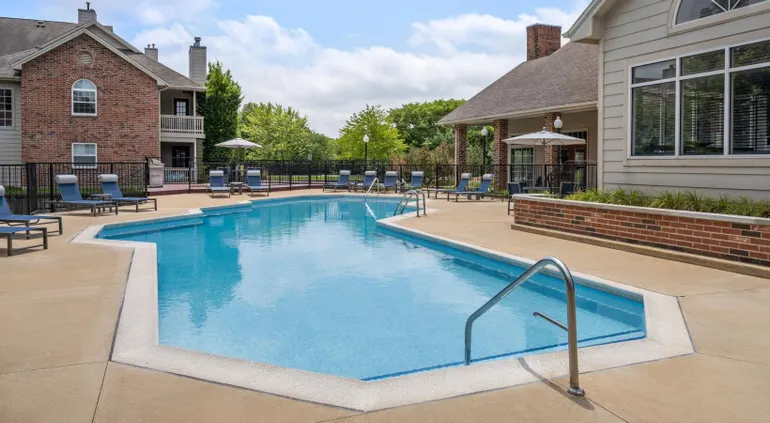
- The fund will focus primarily on fast-growing Sun Belt markets, such as Florida, Texas, Tennessee, Georgia and the Carolinas, with investments spanning housing, community development, manufacturing and digital infrastructure, like data centers, a source familiar with the business said.
- Housing, particularly multifamily and workforce housing, is expected to be one of the strategy’s biggest areas of focus, they added.
- Trump Jr., who does not sit on the investment committee for 1789’s growth equity fund, will sit on the investment committee for the new real estate fund, a source familiar with the business tells Axios.
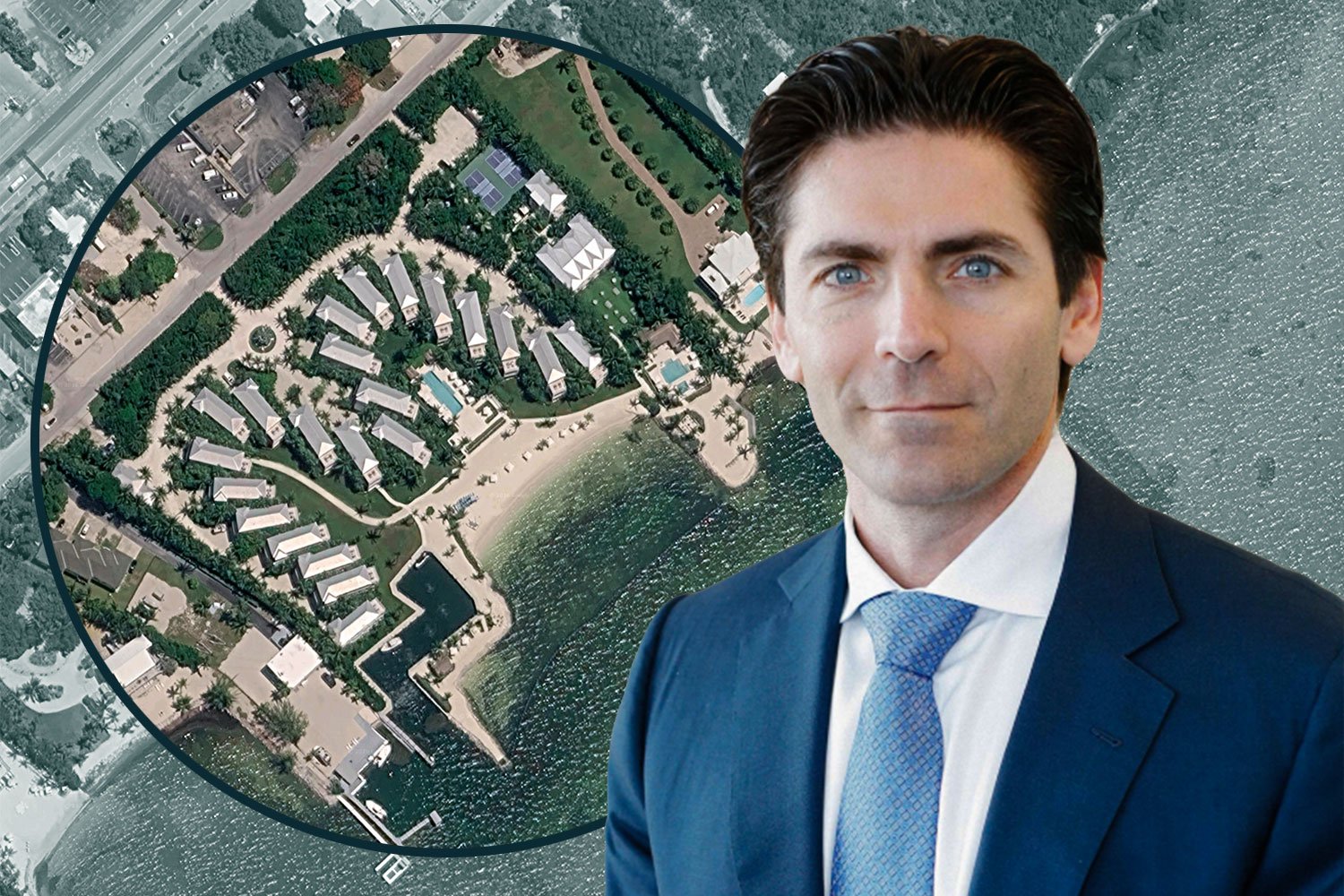
Between the lines: To jumpstart its foray into real estate, 1789 is partnering with Easton Street, a South Florida real estate company, the company said in a statement.
- More than 20 people from Easton Street, formerly called Frisbie Group, are being brought inside 1789 through the joint venture, the source said.
- Integrating the investment manager and operator is designed to eliminate a second layer of fees that investors often pay when large asset managers outsource real estate development.
- The source said the firm believes it can pursue high returns, upward of 30%, because Easton Street brings a pipeline of projects it has already spent years developing.
Zoom out: 1789 now manages more than $3 billion overall, Axios confirmed, up sharply from a few hundred million dollars around the time Trump Jr. joined after the 2024 election.
- Its main growth equity fund had generated returns of roughly 200% as of June 30, Axios has also confirmed. The New York Times first reported those figures last month.
- Roughly 40% of the firm’s capital comes from foreign investors, according to regulatory filings cited by the Times.
- The firm was launched in 2022 by Omeed Malik, a financier known for backing companies with conservative values, Christopher Buskirk, a conservative entrepreneur, media figure, investor and writer, and Rebekah Mercer, a prominent conservative donor.
The big picture: 1789 sees real estate as another expression of its investment strategy, which is to identify big macroeconomic and cultural shifts, from population migration to AI, and make targeted investments in U.S. companies and assets positioned to benefit from them.
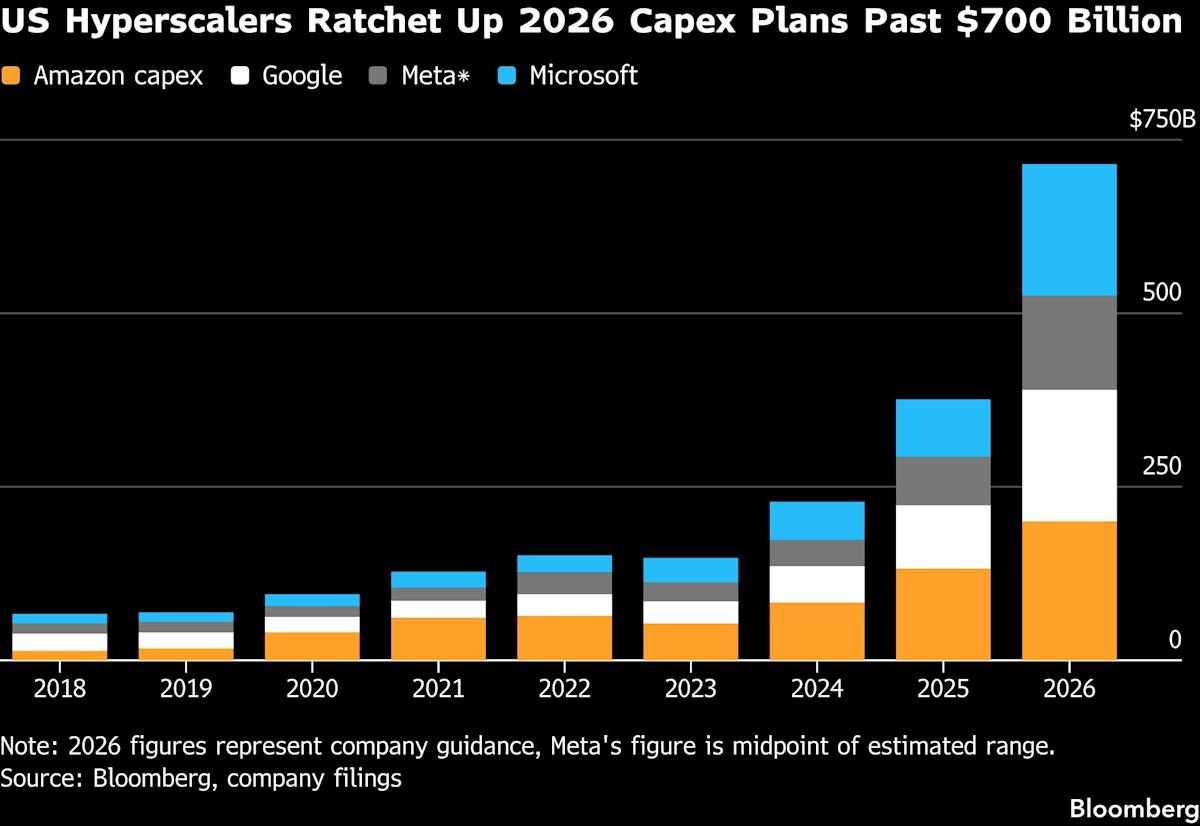
- The firm plans to utilize its existing investments in AI and technology companies to give its real estate fund an edge in developing data centers and other key digital infrastructure in the Sun Belt.
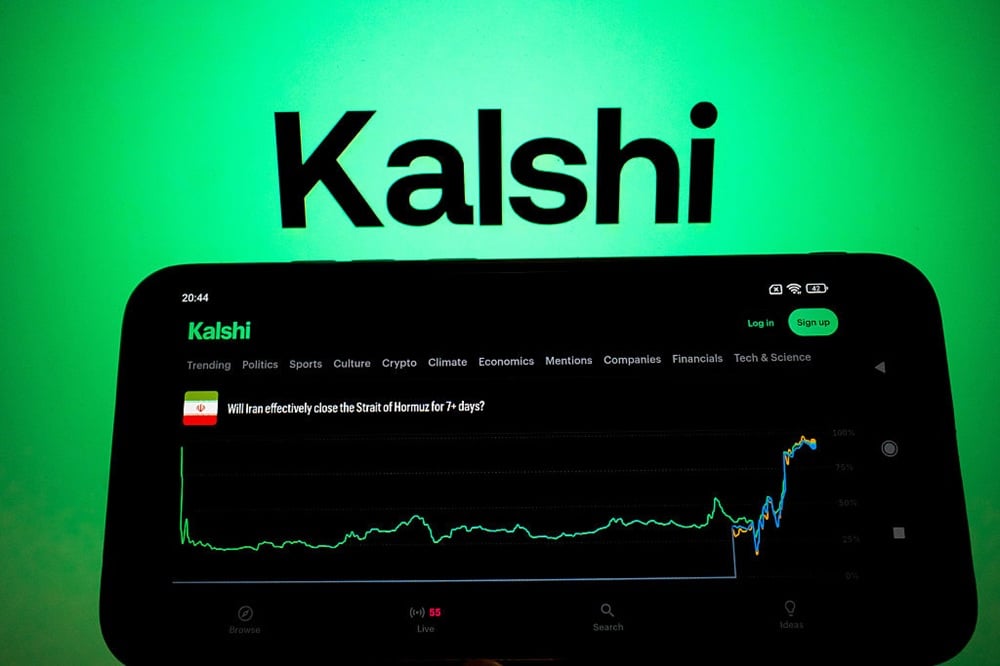
- One of its highest-profile bets, prediction market Polymarket, was valued at $300 million when 1789 invested. It was last valued at around $15 billion in April.
Of note: 1789’s growth and its investments in companies that benefit from federal policy have drawn scrutiny.
- One of its portfolio companies, rare-earth magnet maker Vulcan Elements, received a $620 million Pentagon loan after 1789 invested in it.
What to watch: In a statement, the firm says it expects projects backed by the fund to eventually represent more than $8 billion in total capitalization.
- 1789 plans to supplement the committed fund with project-level co-investments and potentially debt, opening individual deals to existing limited partners and outside investors, the source said.