What is driving — and disrupting — real estate investment across Asia-Pacific in Q2 2026.
Real estate markets are entering a more selective phase. Capital is concentrating on quality assets, financing conditions remain nuanced and structural themes are increasingly driving performance. This edition examines the opportunities, risks and market developments shaping investment outcomes across Asia Pacific.
Fast 5: What we’re seeing in the industry
Asia and Australia
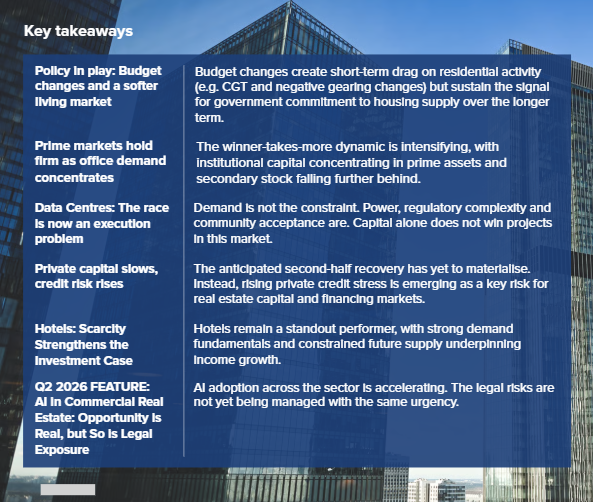
1 Policy in play: Budget changes and a softer living market – Australia
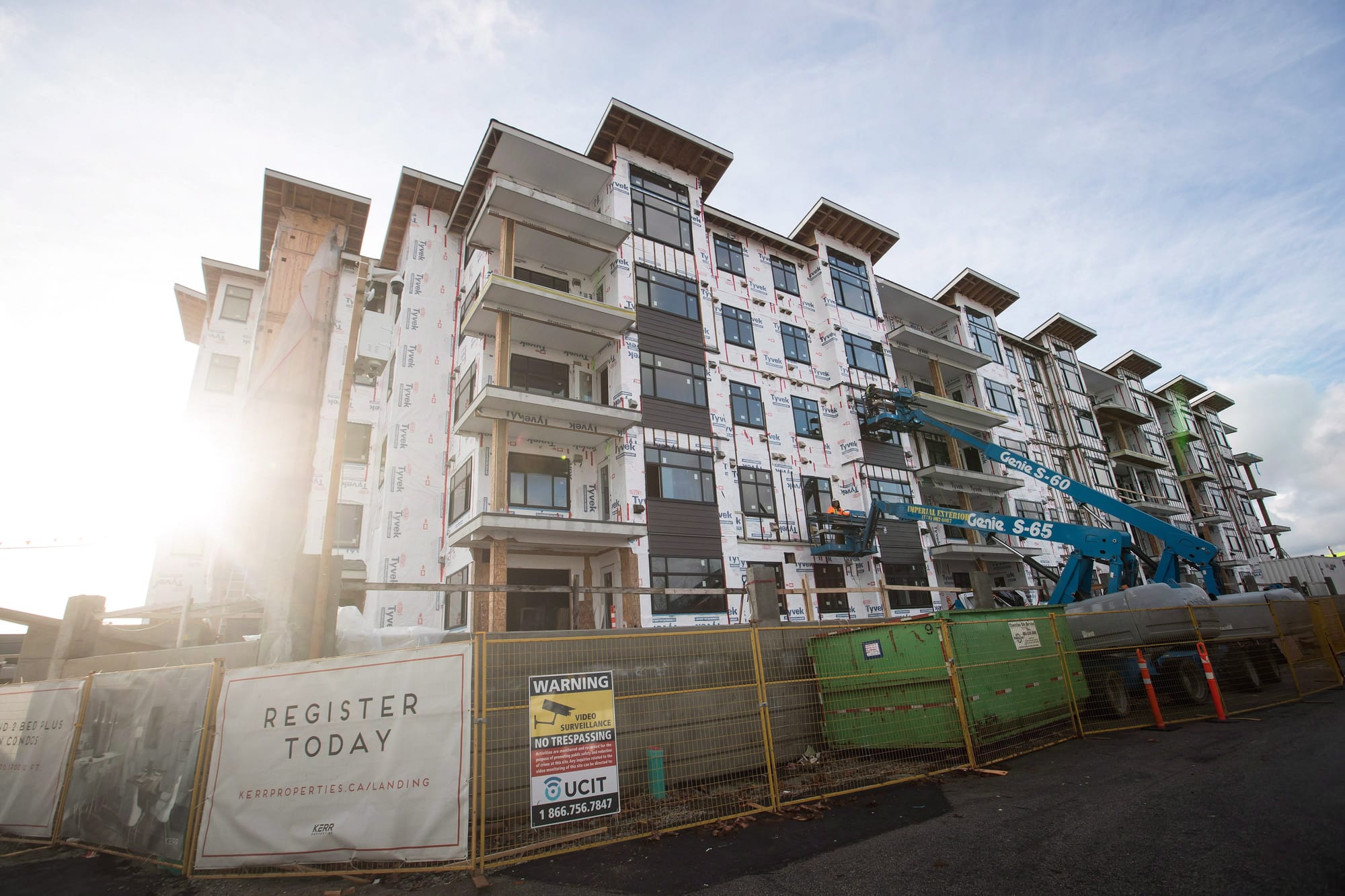
How are the changes likely to impact property development and investment? Near-term conditions remain soft, but structural undersupply provides a compelling medium-term backdrop for rental growth and development activity.
The Government’s stated purpose of the changes to the budget is to level the playing field for first home buyers, preserve the gains investors have made and support investment in new housing supply. Only time will tell if the changes achieve this purpose, but the CGT and negative gearing changes in particular will be important factors for investors to consider before making an investment and may make investment into new residential development more favourable than into established residential property.
Over the medium term, valuers anticipate upward rental pressure as a consequence of both measures. The $2 billion Local Infrastructure Fund brings the Albanese government’s total housing infrastructure commitment to a record $6.3 billion – reaffirming housing supply as a sustained policy priority.
For investors, the more immediate consideration is portfolio strategy. The CGT reforms may alter the economics of holding versus selling assets, making the timing, sequencing and structuring of disposals an increasingly important driver of after-tax returns. For portfolios where exit outcomes are a key component of value creation, disposal strategies may warrant reassessment.
To read more about our insights into the federal budget on property development and investment, click below.
Read: 2026–27 Australian Federal Budget – Implications For Property Development And Investment
2 Prime markets hold firm as office demand concentrates – Asia Pacific
The winner-takes-more dynamic is intensifying, with institutional capital concentrating in prime assets and secondary stock falling further behind.
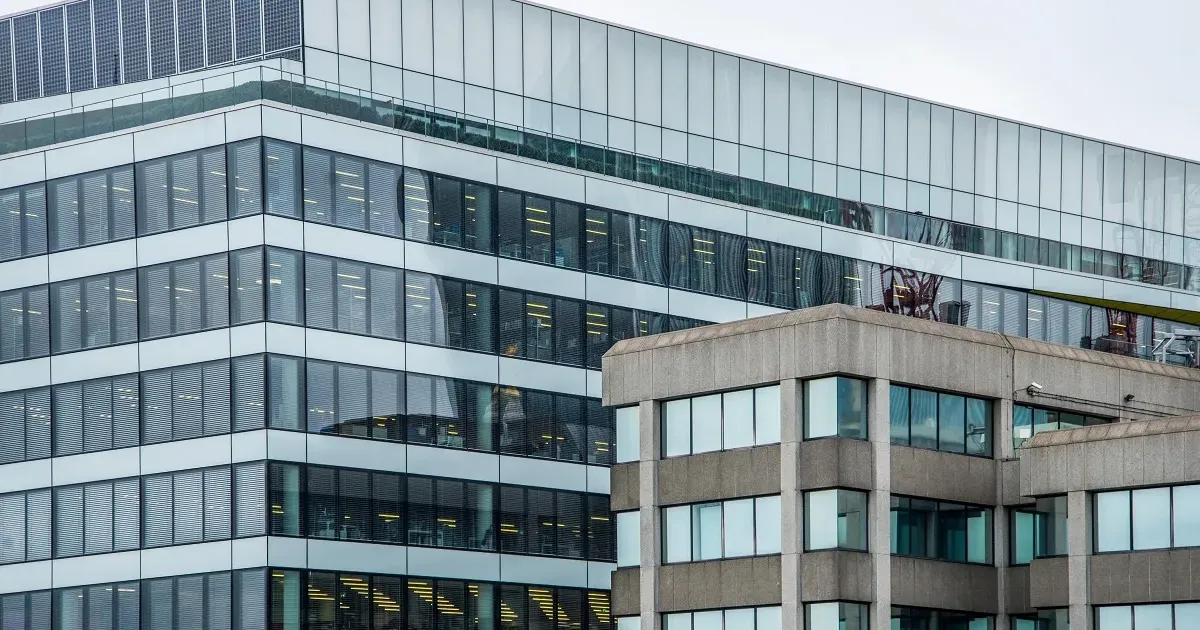
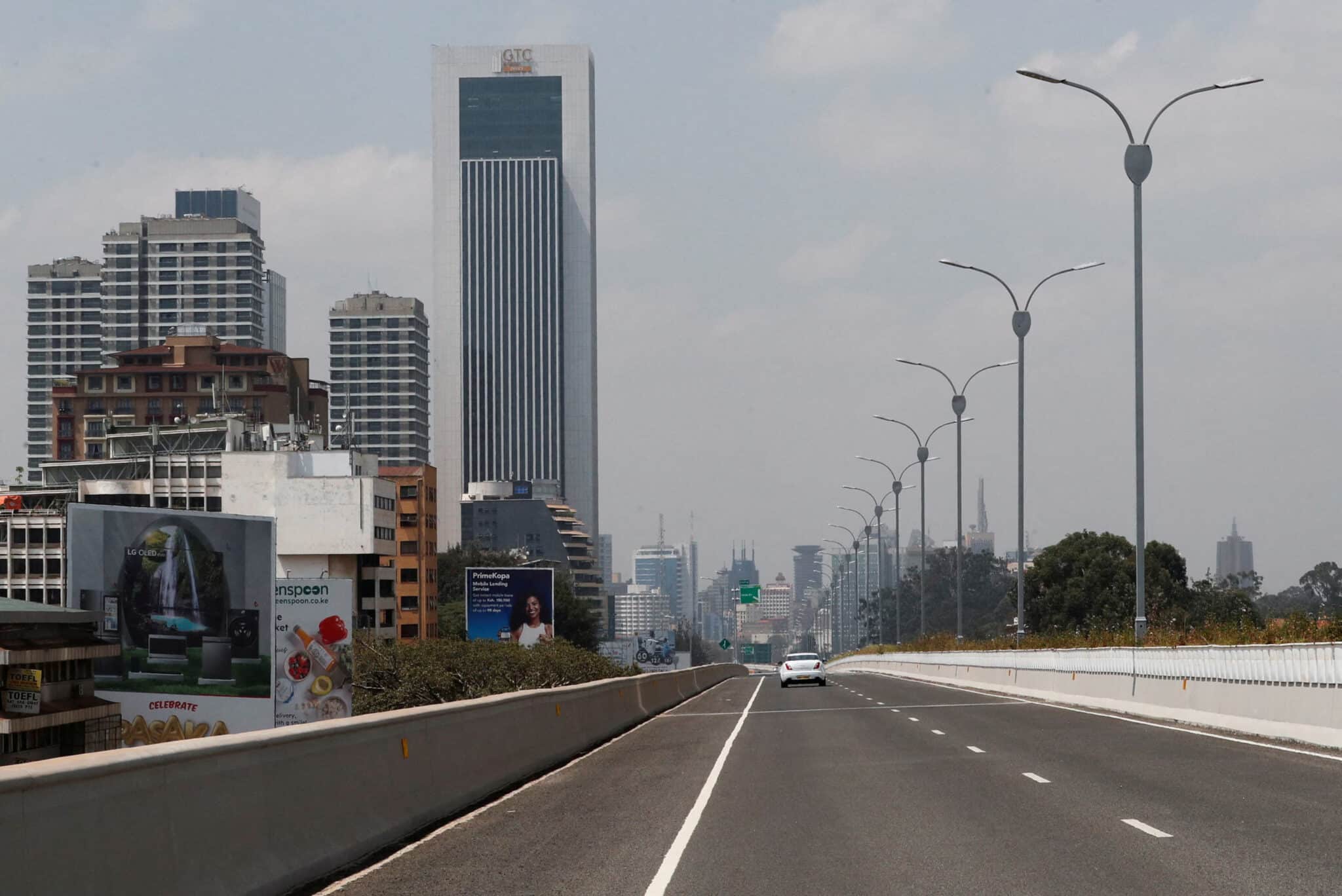
Despite evolving workplace strategies and the growing adoption of AI, investor demand for prime CBD office assets remains robust. Transaction volumes reached US$17 billion in the latest quarter, the strongest result since 2018, driven by landmark deals in Singapore and Tokyo. The market continues to polarise, with well-located premium assets backed by strong tenant covenants attracting genuine pricing tension and competitive bidding. In contrast, secondary and fringe office stock faces ongoing leasing challenges, weaker occupier demand, and increasing pressure on capital values.
Below are some of the biggest deals that are leading the office market through 2026:
Australia: Prime assets continue to attract capital
Sydney remains the deepest pool of liquidity, highlighted by Blackstone’s proposed sale of 85 Castlereagh Street (~$900 million), Aware Super’s pursuit of 100 Market Street (>$500 million), and Charter Hall’s acquisition of a stake in the O’Connell Street precinct development site (> $500 million).
North Sydney has emerged as a major institutional investment market. Dexus’ sale of 100 Mount Street to Investa and BGO for approximately $600 million and Mapletree’s marketing campaign for its North Sydney tower demonstrate sustained investor confidence in the precinct despite broader office market challenges.
Brisbane is one of the strongest-performing office markets in the region. Dexus’ 480 Queen Street is expected to transact near its $680 million book value, potentially becoming Brisbane’s largest office sale on record. Additional transactions including Southpoint ($255 million) and 133 Mary Street ($81.8 million) confirm growing investor appetite for Queensland office assets.
Tenant quality remains a key differentiator. Assets underpinned by government or investment-grade occupiers, such as Castlerock’s acquisition of 1 Nash Street, Perth, and Aware Super’s interest in 100 Market Street, continue to attract strong investor demand.
Asia: Mega deals signal renewed institutional confidence
The largest transaction across the region was CapitaLand Integrated Commercial Trust’s sale of Asia Square Tower 2 in Singapore for approximately $2.48 billion, demonstrating continued global demand for trophy CBD office assets.
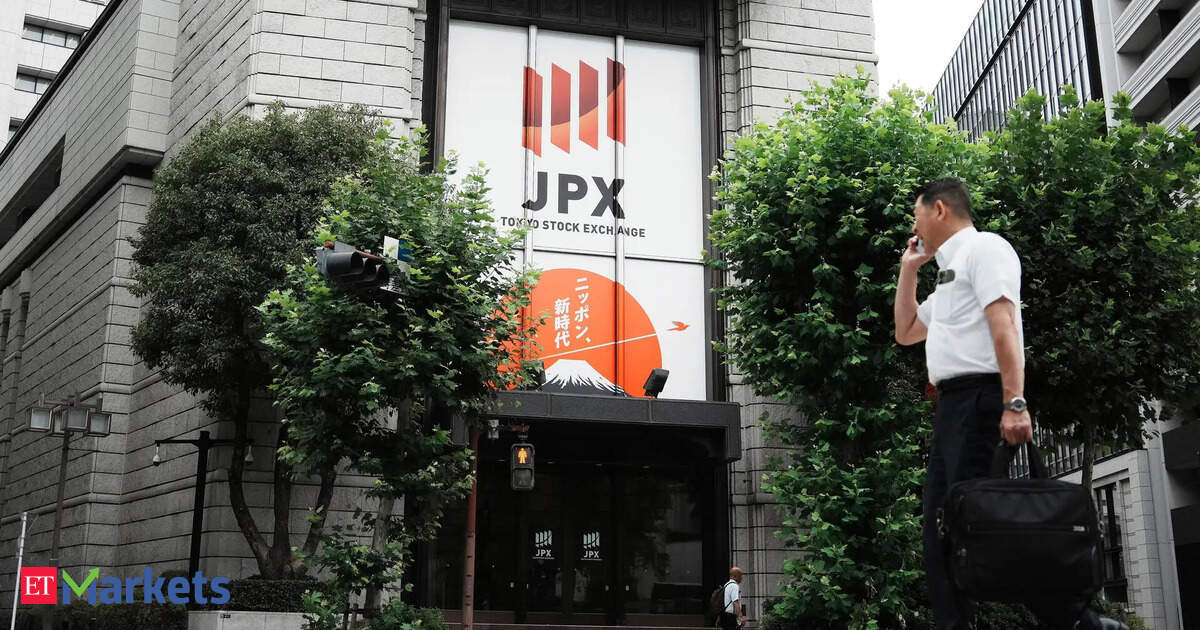
Tokyo remains a preferred destination for global capital. Brookfield’s acquisition of a 48-storey tower in Shiodome and Goldcrest’s purchase of BGO’s central Tokyo office asset for approximately ¥100 billion underline the city’s status as one of Asia-Pacific’s most liquid and resilient office markets.
Cross-border capital is highly active. Singaporean, Malaysian, Canadian, Japanese and Australian investors are all participating in large-scale transactions, reflecting renewed confidence in core office markets after a period of repricing.
Emerging markets continue to generate institutional interest. Jakarta’s US$400 million sale of Pacific Century Place Tower demonstrates that investors remain willing to deploy capital into well-located, high-quality assets beyond traditional gateway cities.
Alternative office strategies are gaining momentum. Vita Partners’ proposed acquisition of a life sciences-focused office and laboratory asset in Macquarie Park highlights increasing investor interest in specialised workplace sectors with stronger demand fundamentals.
3 Data centres: The race is now an execution problem – Asia Pacific
Demand is not the constraint. Power, regulatory complexity and community acceptance are. Capital alone does not win projects in this market.
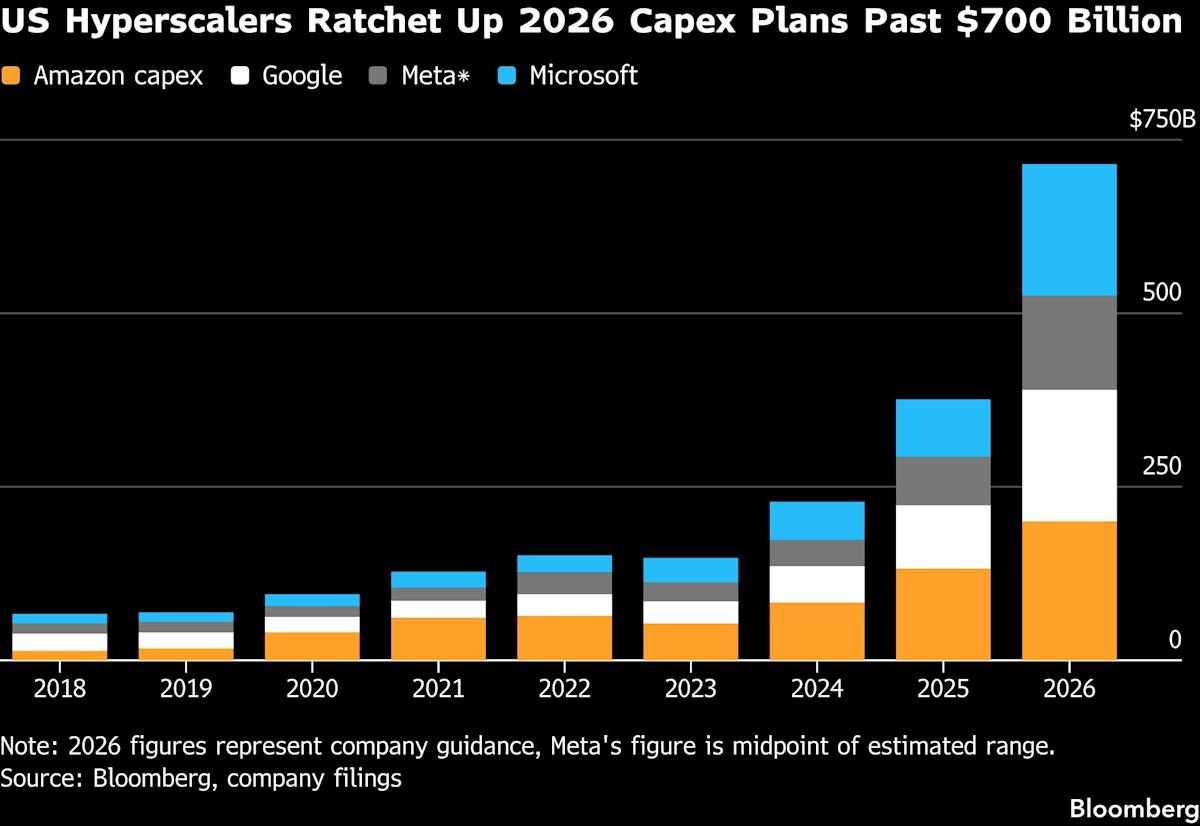
APAC real estate investment grew 19.2% year-on-year in Q1 2026. Deal count fell 30% quarter-on-quarter, geopolitical absorption rather than structural retreat. Hyperscale demand is growing at a 14% CAGR driven by AI adoption, with Mainland Chinese technology capex accelerating rapidly. The demand case is well established. The challenge now is delivery.
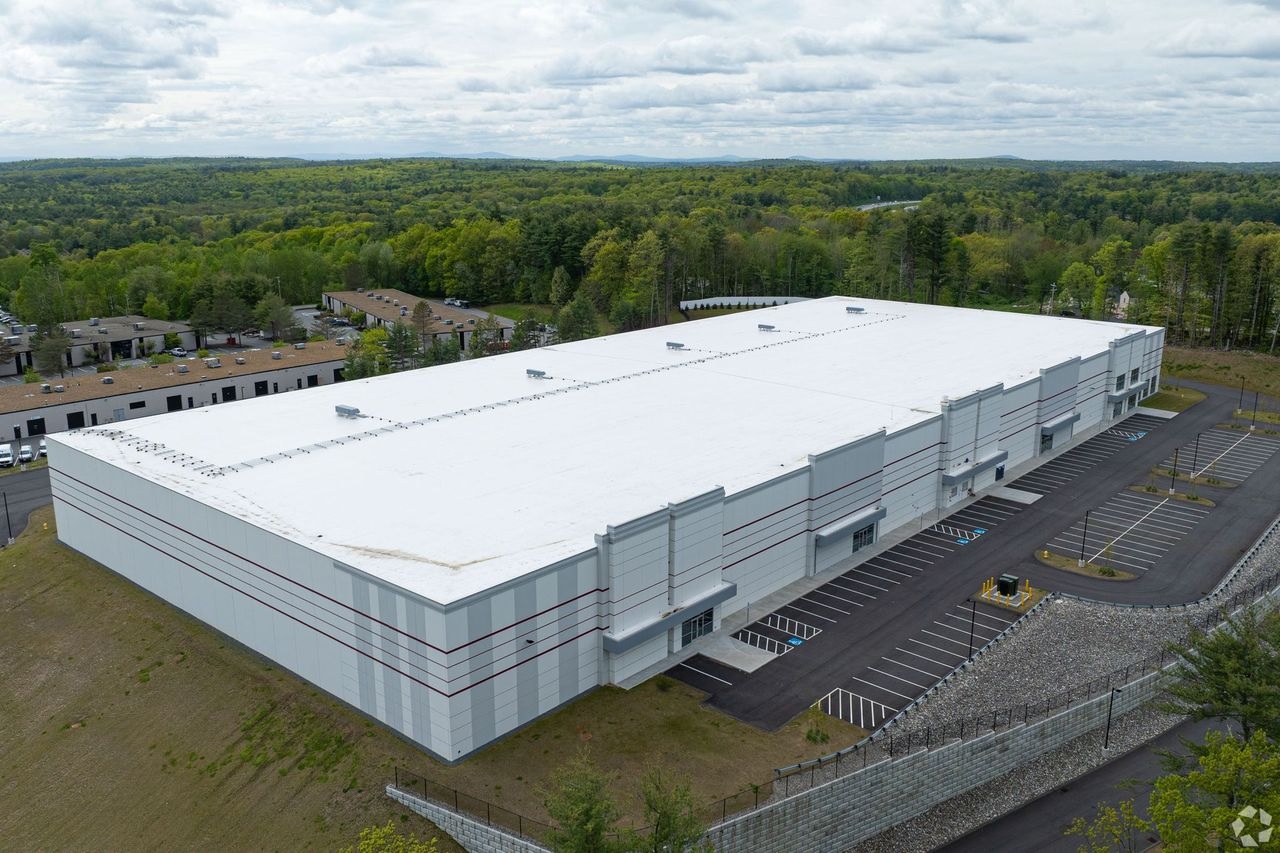
Land is no longer the primary constraint on development. Grid access, planning approvals and energy availability are increasingly dictating project feasibility and delivery timelines. Developers integrating these considerations at inception are gaining a competitive advantage, while those relying solely on real estate and construction fundamentals risk mispricing execution risk.
Community and political engagement must also be built into project strategy from day one. Financing is becoming as important as the asset itself. Lenders are looking beyond real estate fundamentals to tenant quality, revenue certainty, compliance risk and operational resilience. For AI and digital infrastructure assets in particular, aligning the right capital with the right stage of the asset lifecycle is increasingly critical.
Regulation has moved from a peripheral consideration to a core investment variable. Export controls, data sovereignty requirements and foreign investment rules are reshaping how projects are structured and financed. At the same time, social licence, sustainability performance and stakeholder support are increasingly influencing approvals, timing and value. The projects that succeed will be those that integrate power, capital, regulation and community alignment into a single development strategy from day one.
4 Private capital: quiet start, private credit emerging as the key risk – Asia Pacific
The anticipated H2 recovery has yet to materialise. Rising private credit stress is the key risk for real estate capital and financing markets.
Asia’s private capital market delivered a subdued first half of 2026, with fundraising activity largely concentrated among established managers. Baring Asia Private Equity Fund IX (US$15.6 billion), Blackstone Capital Partners Asia III (US$13.1 billion) and Bain Capital Asia Fund VI (US$10.5 billion) accounted for the majority of headline activity, while mid-market managers faced a materially harder environment. Despite global M&A reaching a record US$2.8 trillion in H1 2026, APAC deal value declined 2.4%, reflecting geopolitical uncertainty, private credit volatility and AI-driven valuation pressure on portfolio companies. China and Japan remain the relative bright spots, supported by AI-driven technology investment, corporate carve-outs and take-private activity.
For real estate investors, the more consequential development is emerging stress within private credit markets. Redemption requests across 20 private credit funds exceeded US$22 billion in Q2, with less than 40% fulfilled, highlighting liquidity constraints in parts of the market. As lenders increasingly rely on extensions, payment deferrals and other restructuring measures, attention is turning to covenant protection, documentation quality and enforcement outcomes across Asia’s diverse legal frameworks.
With private credit now a significant source of real estate capital, investors should continue to assess refinancing exposure, lender behaviour and the robustness of legal protections within existing facilities. As conditions become more selective, financing quality may prove just as important as asset quality.
5 Hotels: scarcity strengthens the investment case – Asia Pacific
Hotels remain a standout performer, with strong demand fundamentals and constrained future supply underpinning income growth.
Asset-level performance continues to strengthen across Asia Pacific, with RevPAR growth exceeding pre-pandemic benchmarks in key markets including Japan, Bali, Thailand, Vietnam and Australia. In Australia, improving fundamentals translated directly into capital markets activity, with hotel transaction volumes reaching a record ~A$2.7 billion in 2025, supported by a number of institutional-scale transactions.
Investor appetite remains concentrated in premium and luxury assets, where strong brands, pricing power and resilient cash flows are supporting earnings growth. Capital is becoming increasingly selective, with investors favouring high-quality leisure and gateway-city assets over mid-market hotels facing margin pressure from rising operating and financing costs.
The sector’s most compelling investment attribute remains its supply outlook. Development feasibility continues to be challenged by construction cost escalation, labour constraints and higher funding costs, with future supply forecast to be 41% below historical delivery levels and 35% below projected demand growth. This structural supply-demand imbalance provides a supportive backdrop for occupancy, ADR growth and long-term income performance. For many investors, the most attractive opportunities lie in acquiring or holding existing institutional-quality assets rather than assuming development risk. Adaptive reuse and office-to-hotel conversions are also gaining traction where replacement-cost economics support value creation.

Where the exposure sits
- AI-powered lease review platforms can deliver significant efficiency gains, but they do not remove the need to comply with prescriptive disclosure requirements under retail leasing legislation.
- Errors can trigger statutory remedies, including compensation claims and, in some cases, lease avoidance.
- Smart building and IoT technologies introduce a further layer of risk, elevating privacy, data governance and liability considerations, particularly in strata environments where responsibility must be clearly allocated between owners, managers and occupiers.
- Director accountability is also coming into sharper focus. AI may inform statutory reporting and investment decisions, but responsibility remains with directors.
- Independent scrutiny of AI-generated analysis is essential, particularly where outputs influence financial disclosures, asset valuations or risk assessments.
- For listed entities, AI-generated insights identifying material portfolio deterioration may also have implications for continuous disclosure obligations, while mandatory sustainability reporting from 1 July 2026 raises the governance bar further.
The opportunity presented by AI is significant, but so too is the need for appropriate governance. As adoption accelerates, organisations should ensure that privacy, disclosure and oversight frameworks keep pace with technological change. Those that do so will be better positioned to capture the benefits of AI while managing emerging legal and regulatory risks.
[View source.]