
Updated ,first published
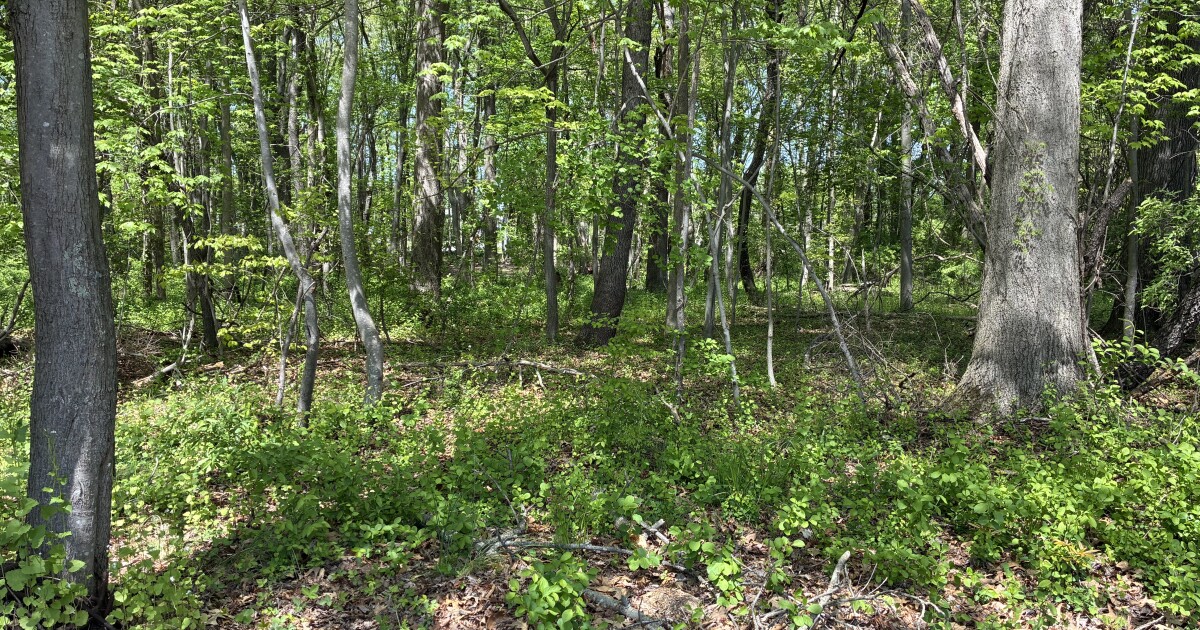
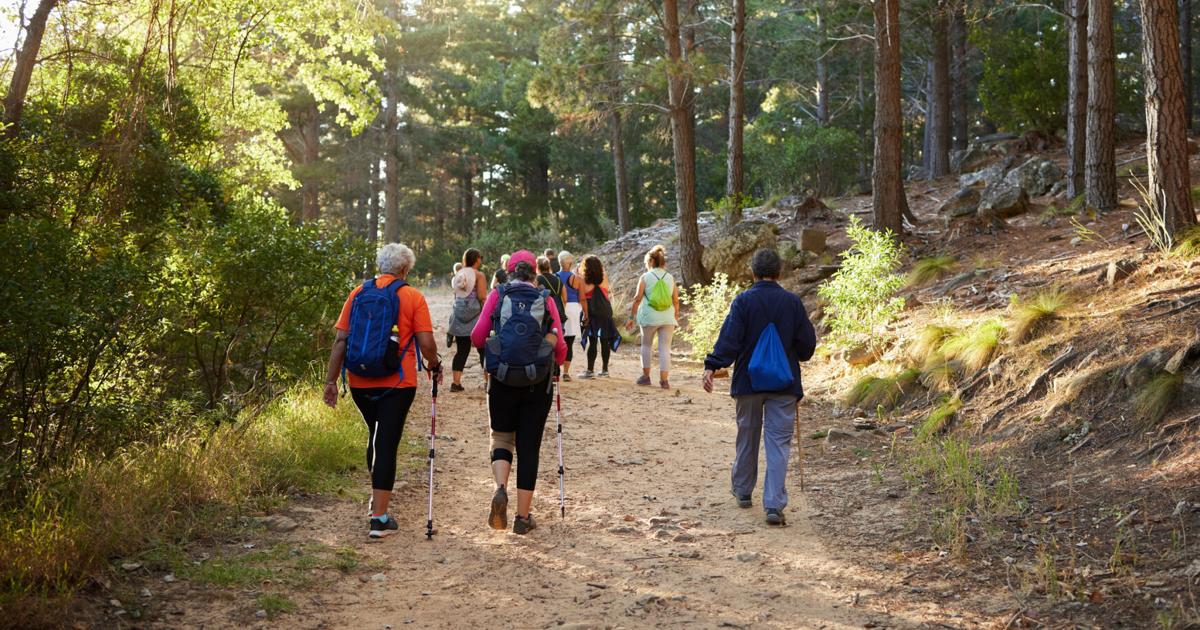
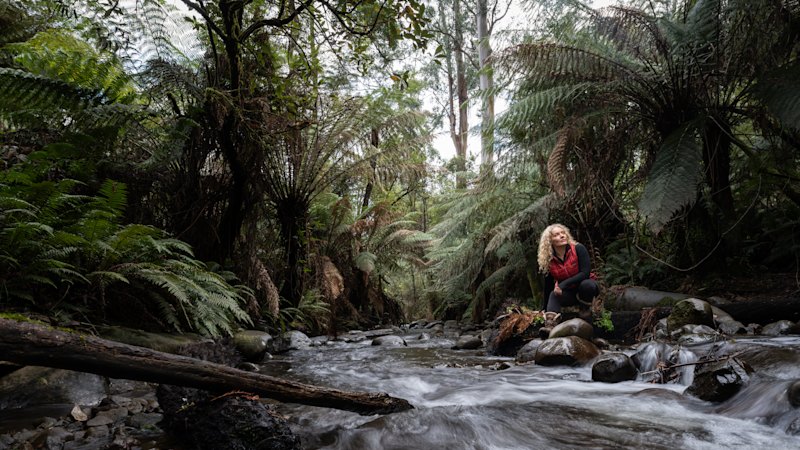
Melburnians have the poorest access to national parks and protected landscapes in Australia, a deficit that has accelerated as the population booms and threatens the famed world-class liveability of Victoria.
New research shows Sydneysiders have more than three times the easy access to protected natural areas than Melburnians and Canberrans have more than 10 times the access to national parks and other protected areas.
Access to protected areas within 60 kilometres of the CBD has declined between 2001 and 2024, the study, co-authored by ecologist Distinguished Professor David Lindenmayer, found.
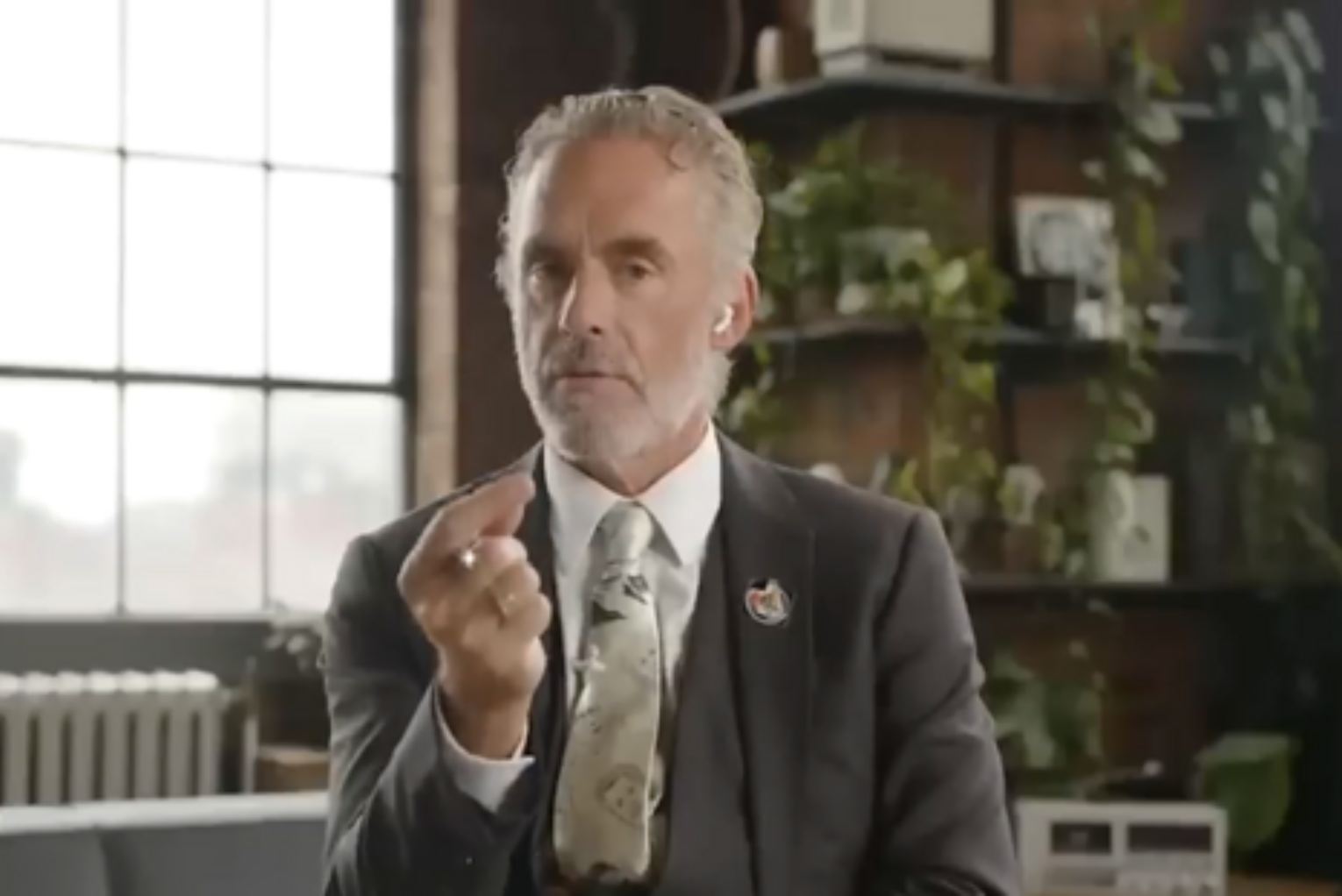
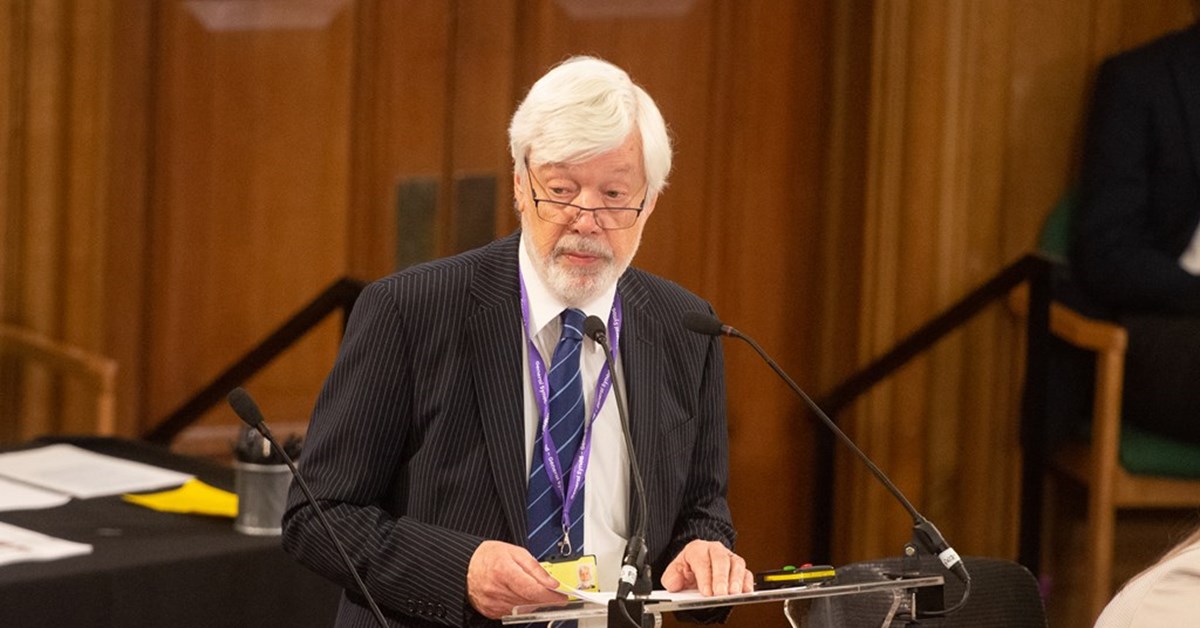
“The increasing intensification of urban development is denying more and more Melburnians access to the places that they need for their mental health and their physical health, and so this is one of the reasons why Melbourne in no way can be considered to be Australia’s most livable city,” he said.
Melbourne is Australia’s fastest-growing city. Between 2001 and 2025, Melbourne’s population soared by more than 1.8 million people, more than the combined populations of Geelong and Adelaide.
Last year, there were 38 people for each hectare of protected area in Melbourne, compared with 13.1 people per hectare in Brisbane, 12.2 people per hectare in Sydney and 0.3 people per hectare in Hobart.
In 2024, most of Australia’s population – 88 per cent – resided in cities or regional centres with more than 10,000 people, according to the Australian Bureau of Statistics.
Those urban areas covered just 54,584 square kilometres, or 0.71 per cent of Australia’s landmass, which concentrated people into relatively small areas and raised the need for access to protected areas like national parks, the research paper’s authors say.
“This is not simply an environmental issue; it’s a health and cost-of-living issue,” said environmental campaigner Sarah Rees, a co-author of the study.
“The research shows that access to nature reduces stress, improves mental health and lowers healthcare costs. At a time when families are under pressure, creating a new national park east of the city would give millions of Melburnians access to world-class nature close to home, without the cost of expensive holidays or long-distance travel.”
The peer-reviewed study, published in Landscape and Urban Planning, comes after the Victorian government in November legislated three new national parks, two conservation parks and an expanded Bendigo Regional Park. Those protected areas will officially open in October, a government spokesman said.
However, the study’s lead author, Dr Chris Taylor, said those new national parks were not enough to halt the downward trend.
“Melbourne ranks as the worst of Australia’s capital cities in terms of being able to access protected natural areas such as national parks, [and] the new national parks announced last year have made no difference to that ranking,” he said.
“Melbourne’s population has grown by more than 1.8 million in the last 25 years, which is more than the populations of Geelong and Adelaide combined. The government must take action on providing greater areas of nature and protected areas for Melbourne.”
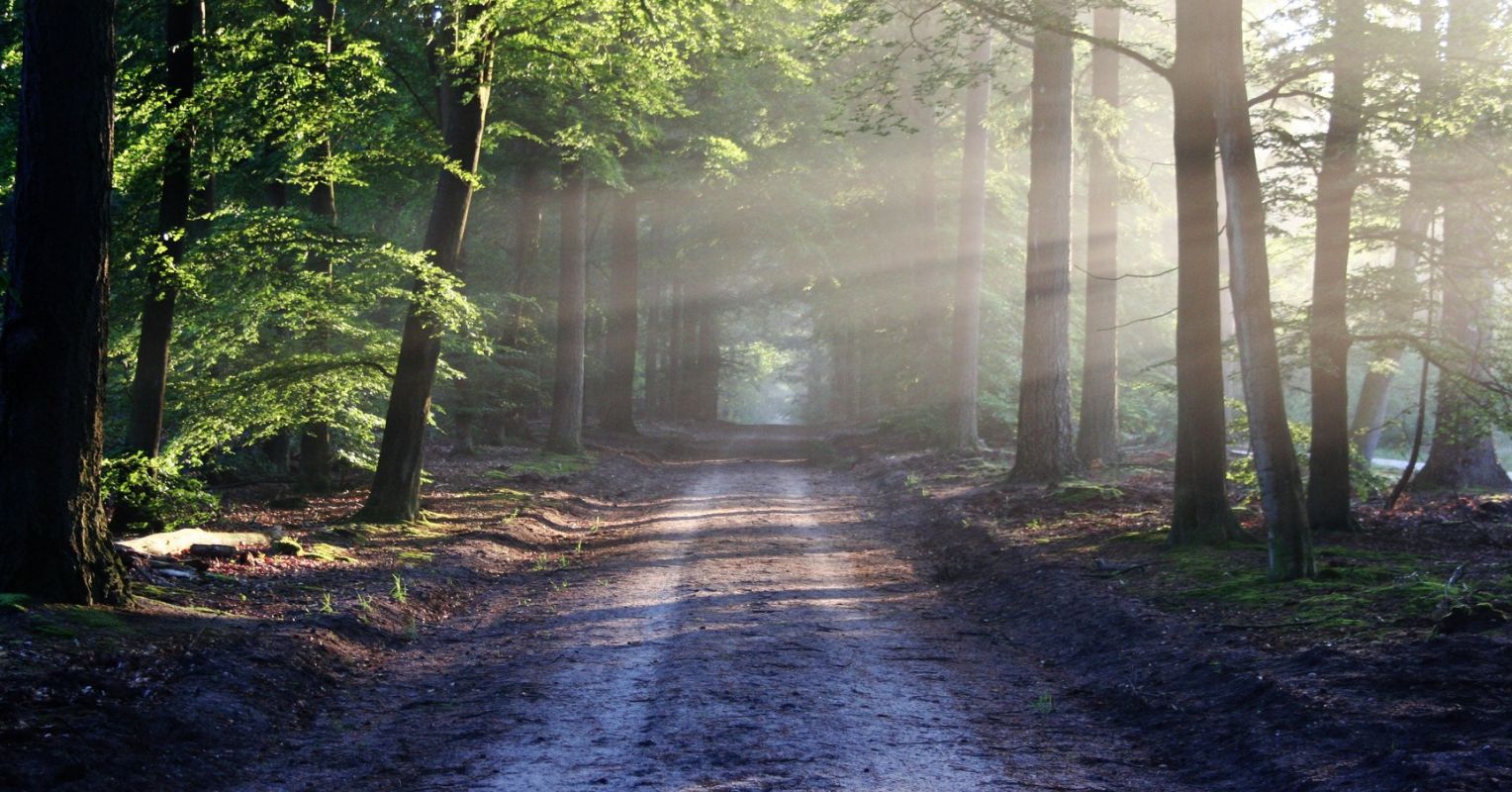
The research paper’s authors reiterated their calls for the creation of the so-called Great Forest National Park, for which environmentalists have been campaigning for years.
The national park would join seven existing forests and state parks in the Central Highlands, adding another 355,000 hectares to triple the area of protected forests in the region.
In a 2014 email to Lindenmayer seen by this masthead, and in a 2015 interview with The Age, former environment minister Lisa Neville and her office committed to pushing ahead with the park.
Last year, however, former environment minister Steve Dimopoulos told attendees at an Electrical Trades Union delegates conference that the Great Forest National Park proposal was not Labor policy, and the government would not implement it.
A government spokesman said the Great Forest National Park “is not and never has been a government policy”.
Lindenmayer said: “The government’s been dragging its feet for 12 years since it made a promise.
“It knew in 2014 that it needed to do something because essentially Melbourne has added the population of Adelaide to the city and done virtually nothing in terms of adding national parks and reserves to this state, and at the same time has drastically cut the budget to these areas.”
Victorian National Parks Association executive director Matt Ruchel said Victoria was one of the most cleared states in Australia.
“We know national parks are a drawcard for visitation, and people see them as an important place – the name, and the brand is an invitation for what they expect,” he said.
“We know there’s very high levels of support, 80 per cent, 90 per cent, sometimes, for the idea of national parks. So it’s a shame that Victoria’s missed that opportunity to establish some really significant parks on our doorstep.”
A government spokesman said Melbourne remained Australia’s most liveable city and the fourth-most liveable city in the world. They said the study’s exclusion of state forests from its research “heavily skewed its findings”.
“Victorians enjoy some of the country’s best national parks, and we’re adding three more as well as opening 1.8 million hectares of state forest, and creating more than 5000 hectares of urban parkland.”
As Melburnians prepare for the King’s Birthday long weekend, the Community and Public Sector Union on Friday called off protected industrial action planned in four Parks Victoria locations this weekend, after receiving what they described as a legal threat from Parks Victoria.
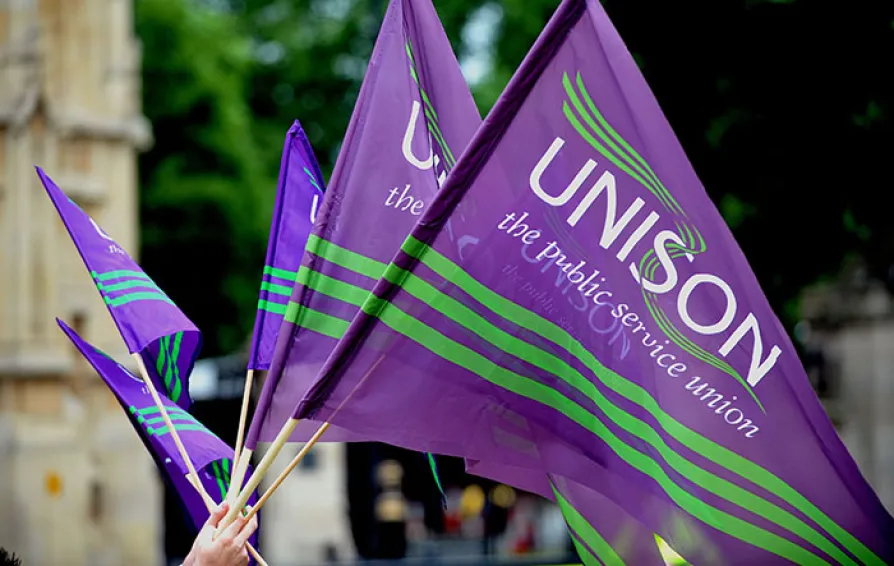
Rangers and workers who maintain Victorian parks, manage public land and provide critical firefighting and emergency responses are locked into a fractious and protracted dispute over pay and conditions with management.
Union members are represented by three separate unions (the Australian Workers’ Union, the Australian Services Union and the CPSU), complicating efforts to reach agreement.
The AWU issued a furious media statement later on Friday accusing the CPSU of breaking ranks in the middle of a fight. The AWU vowed to continue industrial action at a range of Parks Victoria sites over the weekend, which is typically a popular time for campers.
CPSU members have now voted to take protected industrial action that will impact all of Parks Victoria’s operations statewide for a 24-hour period next week.
 Bianca Hall is The Age’s environment and climate reporter, and has worked in a range of roles including as a senior writer, city editor, and in the federal politics bureau in Canberra.Connect via X, Facebook or email.