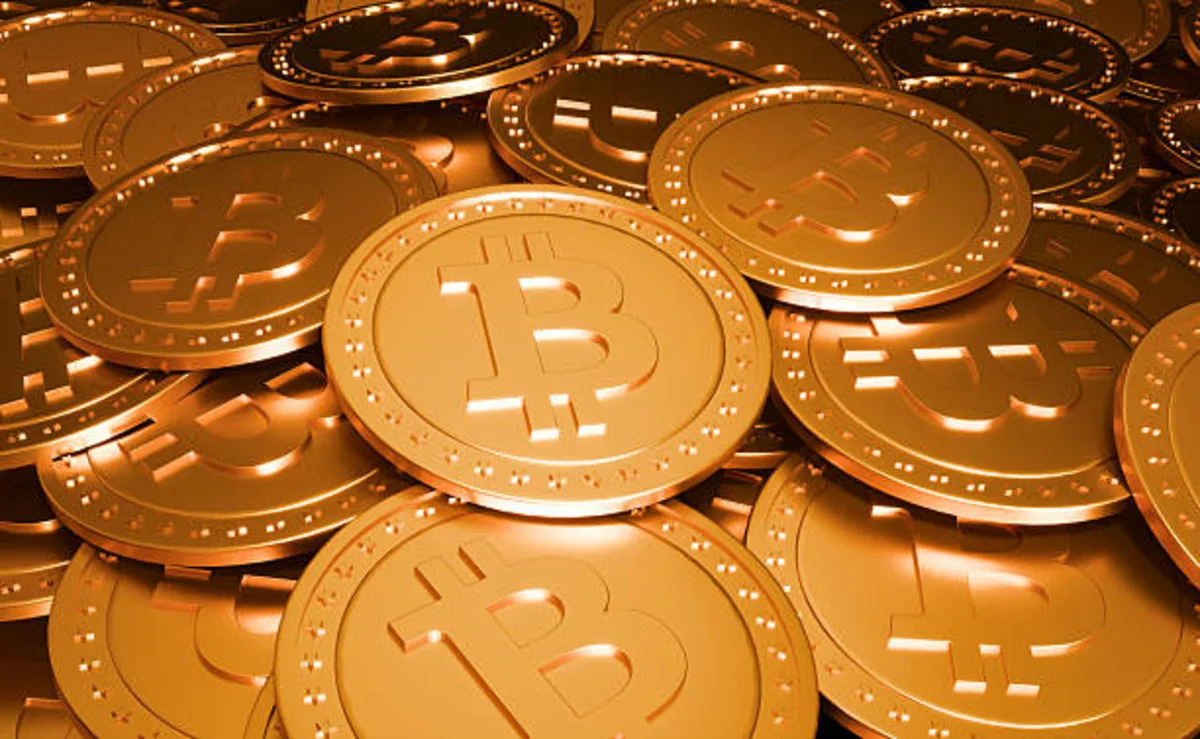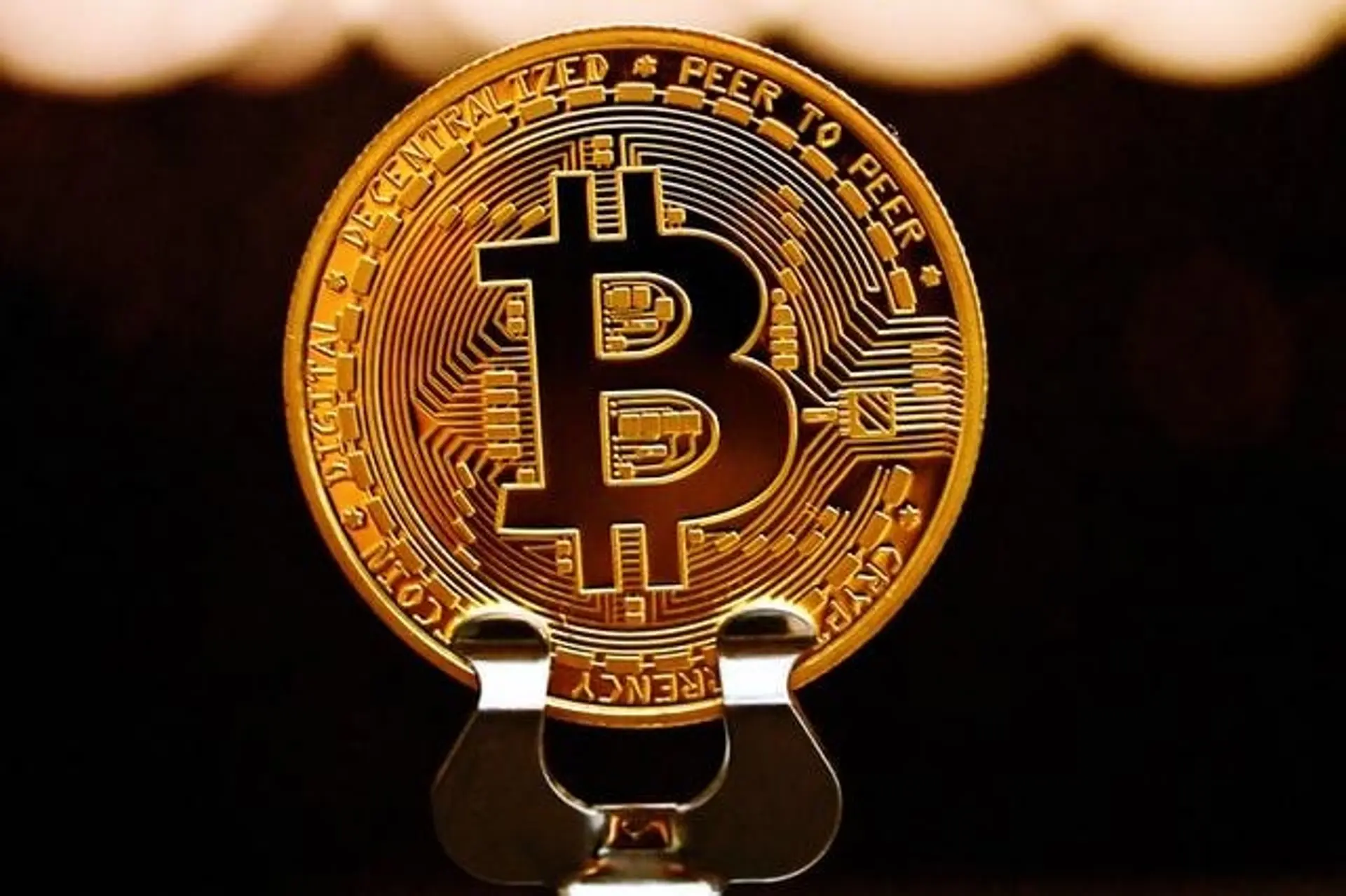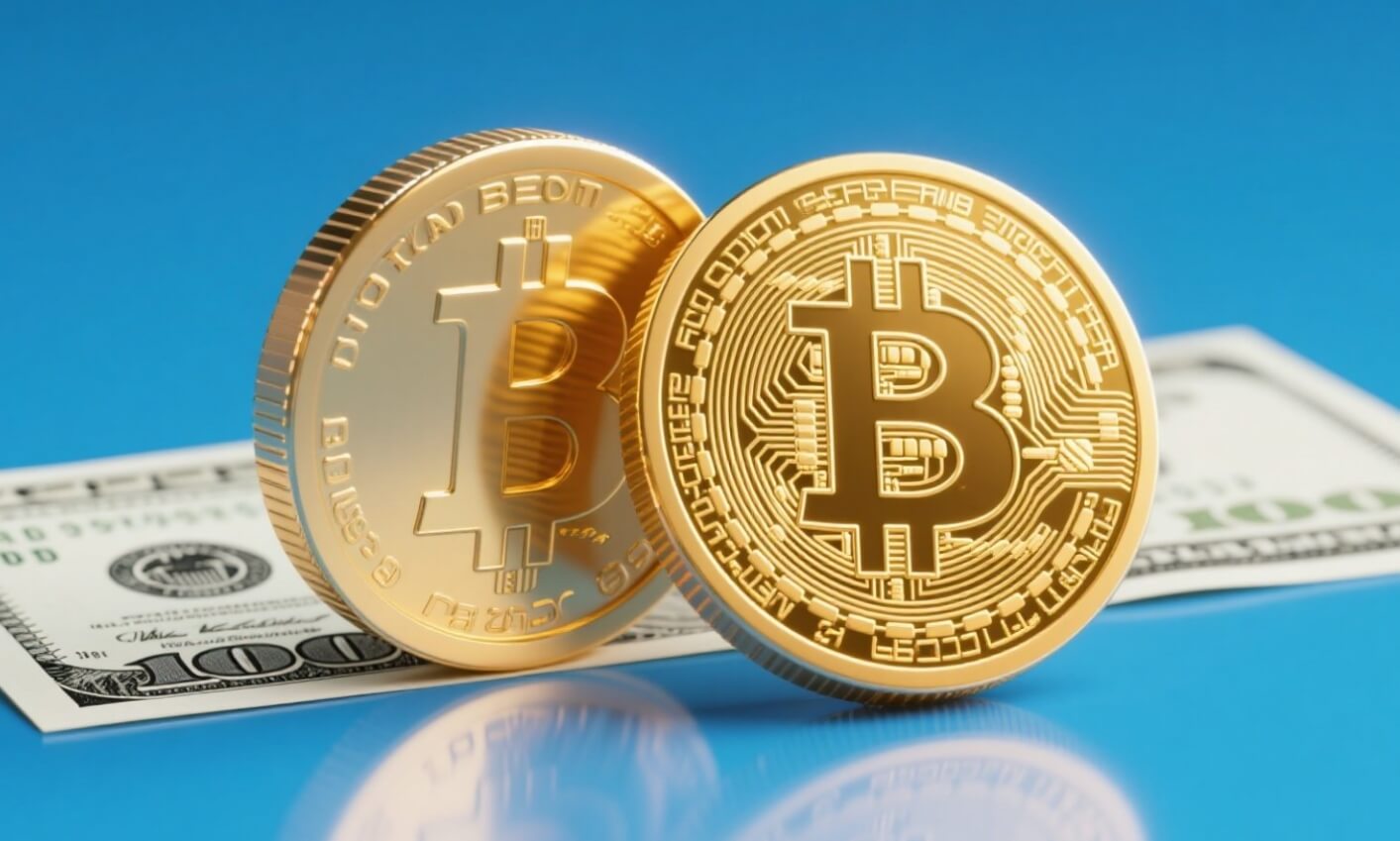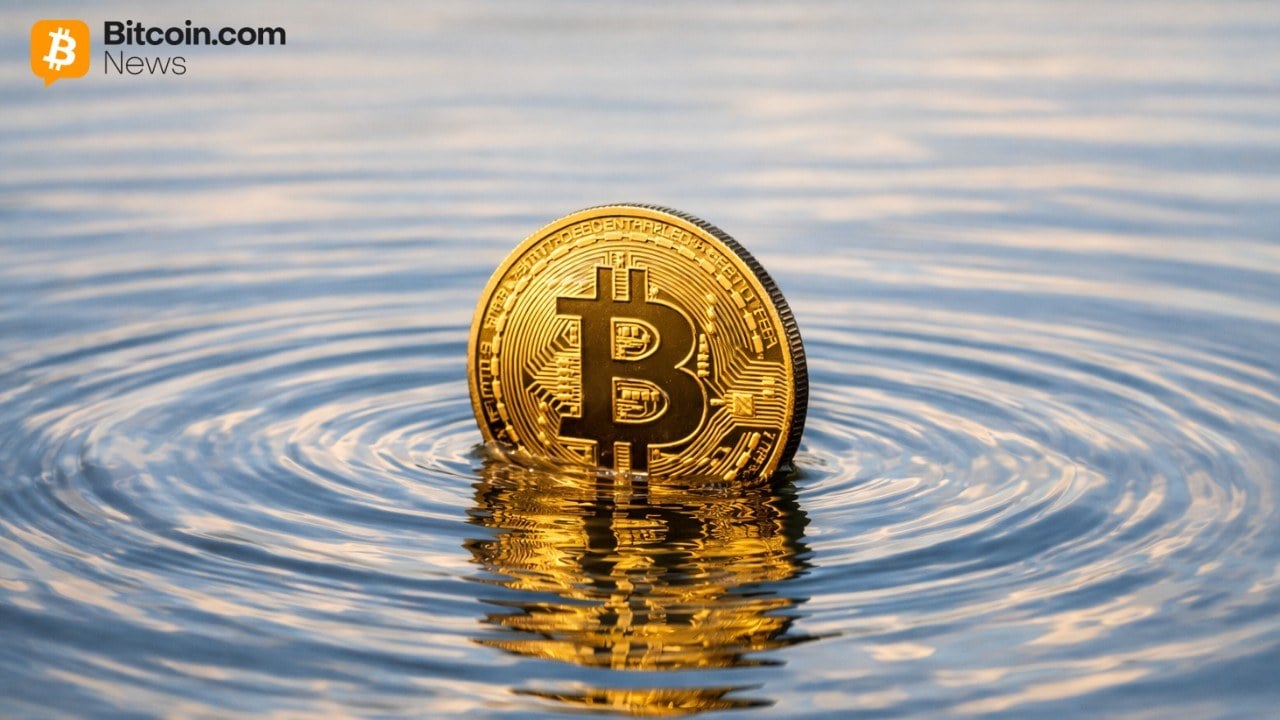
Early bitcoin miners could mine 50 bitcoins per block using low-powered computers. Back then, the payout for mining just one block would be worth millions of dollars today. But at the time, bitcoin didn’t have a tested market value. Famously, one early transaction involved buying two pizzas for 10,000 bitcoins.
The market and the mining landscape have changed since then. Bitcoin now trades in the high five figures, and mining difficulty has increased exponentially. So, is it profitable to mine crypto in 2026, or has the window closed for everyday investors?
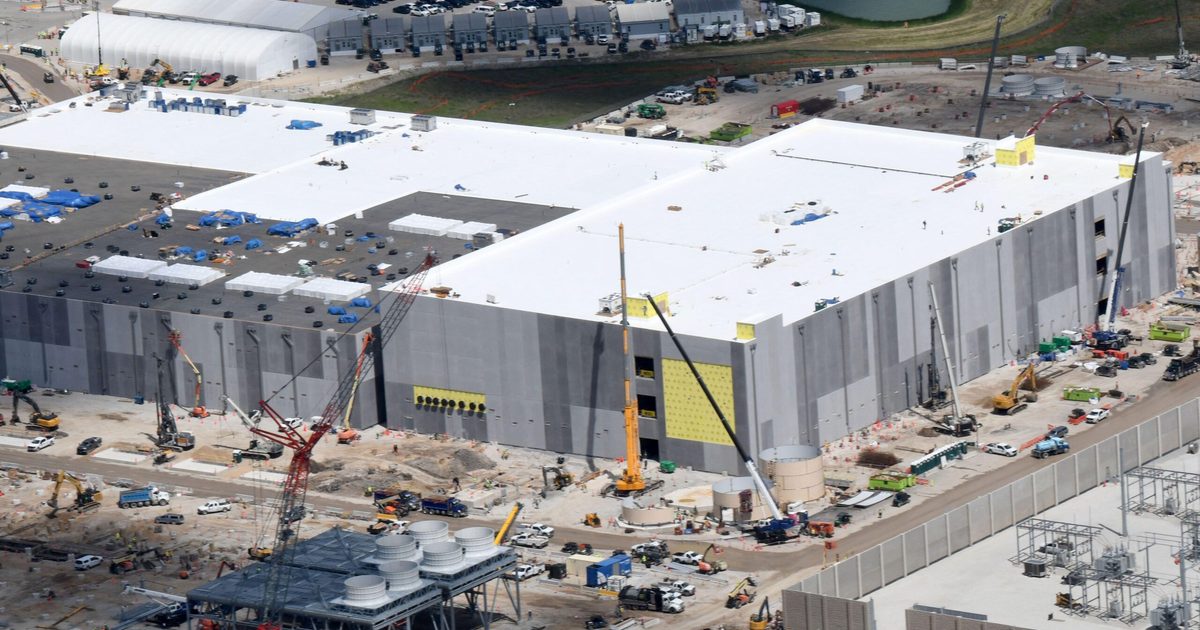
The answer isn’t a simple yes or no. An entire global industry has developed around bitcoin mining, powered by specialized hardware and access to low-cost electricity. However, crypto mining is a speculative venture, and many miners treat mining efforts as a bet on future prices. This perspective also opens up the opportunity to mine other cryptocurrencies that may not be as competitive as bitcoin.
In short, mining can still turn a profit, but you may have to consider mining altcoins (alternative coins) or HODL (hold on for dear life) to your mining rewards for future price appreciation. Even then, profitability isn’t a given.
How mining works: The search for the nonce
To understand crypto mining profitability, you first need to get to grips with the mechanics behind it. Many cryptocurrencies, including bitcoin, Litecoin, dogecoin, and Monero, use a consensus mechanism called Proof of Work (PoW) to validate transactions and ensure they can’t be easily changed. In PoW, miners compete to validate transactions and add new blocks to the blockchain. They do this by finding a qualified nonce, a number used only once.
Miners run data from a proposed block of transactions through an algorithm to generate a fixed-length string of characters called a hash. The network sets a difficulty target, and the hash must be a number lower than this target. So, the first generated hash is unlikely to mine a block. In bitcoin mining in 2026, it takes about 600 sextillion hashes collectively to mine a new block.
When a miner finds a qualified nonce, the rest of the network verifies the result, and the new block of transactions is added to the blockchain. Earnings from the block vary by chain and the market value of the mined asset. For example, Bitcoin currently mints 3.125 new bitcoins as a mining subsidy for a new block. Miners also earn transaction fees for transactions included in the mined block.
Finding the nonce and difficulty adjustments
To change the hash output and mine a block at the current difficulty level, miners add a random variable to the block data. This variable is the nonce mentioned earlier. Mining is often described as solving a complex puzzle, but it’s better described as rapid-fire guessing. Each guess requires computational effort, and this cost of guessing again and again, each time with a new nonce, is the “work” in proof-of-work mining.
Miners change the nonce repeatedly, generating a new hash each time. When a miner finally finds a nonce that produces a hash below the target, they have found the “qualified nonce.”
Think of it like trying thousands of combinations on a padlock. You spin the dials, pull the shackle, and try again. The first miner to find the right combination, or the qualified nonce, gets to add the block. That miner receives the block reward and the transaction fees.
The combination lock analogy offers a simple way to illustrate the repeated guesses required in mining. However, it’s missing one vital element: the difficulty adjustment.
Let’s look at bitcoin as an example. Bitcoin adjusts the mining difficulty every 2,016 blocks to maintain an average block time of 10 minutes. The result is that mining becomes easier (fewer collective guesses) or more difficult (more guesses required) based on the number of hashes per second the mining community generates.
It’s all about incentives. The mining difficulty adjustment ratchets down to encourage more participation when the network hashrate falls. Conversely, as more computing power joins the network, finding a qualified nonce doesn’t get any easier.
The cost equation: Hardware and energy
Mining generates revenue, but it also incurs costs. Two primary expenses dictate your profit margin: hardware and electricity.
You’ll need to choose your equipment carefully, and the type of equipment you’ll need varies based on the cryptocurrency you want to mine. Mining hardware has evolved rapidly over the years, and each generation has left the previous one in the dust:
-
CPUs (central processing units): The CPU is the brain of your computer. Early bitcoin miners used CPUs, but they’re far too slow for today’s difficulty levels. You can still use them to mine a few niche coins, like Monero or Zephyr. Don’t expect to get rich with CPU mining.
-
GPUs (graphics processing units): GPUs are discrete processor chips that power gaming computers and provide more computational power for PoW mining than CPU mining. GPUs also offer more flexibility. However, they aren’t well-suited to mining uber-competitive coins like bitcoin or Kaspa. Instead, GPU miners often focus their efforts on Ethereum Classic or Ravencoin.
-
FPGAs (field-programmable gate arrays): Think of FPGAs as almost like GPUs that you can target to a specific task. These are customizable chips that you can program to mine specific algorithms. They’re more efficient than GPUs, but they’re also more expensive and harder to configure. Configuration requirements make FPGAs a less common choice.
-
ASICs (application-specific integrated circuits): These machines are built to solve one specific algorithm. They’re incredibly fast, but they can only mine one coin. If that coin becomes unprofitable, the machine loses its value. What’s more, ASICs become obsolete as network difficulty rises and newer models enter the market.
Hardware represents a one-time upfront cost (until replacement), whereas electricity is an ongoing drain. Power consumption can account for 60-80% of your monthly mining costs. That means your local electricity rate is the most critical number in your mining journey.
Hashprice and energy costs
Efficient miners, including mining companies, often secure power below $0.06 per kilowatt-hour (kWh). If you’re paying closer to $0.10 per kWh or even higher, you’ll probably struggle to remain viable unless you’re betting on future appreciation. A difference of just a few cents per kWh can determine whether your machines run in the green or the red from a short-term profit-and-loss perspective.
To determine whether your energy costs are low enough to make crypto mining profitable, you need to look at “hashprice.” Hashprice represents the daily revenue earned per unit of computational power. You won’t find this metric on a mining hardware spec sheet. Instead, you’ll need to check mining profitability websites like WhatToMine, MinerStat, or Hashrate.no. These mining data platforms track live network hashpower (the collective hashrate for the network) and coin prices to calculate current hashprices for various algorithms and hardware.
Hashprice fluctuates based on the coin’s market price and the network difficulty. To get a bottom-line number, you’ll need to compare your daily electricity cost against the hashprice to see if your mining efforts are profitable.
Looking at the moving gears of a crypto mining enterprise, you’ll start to see how speculative mining is. If any one of the toggles moves, including difficulty, energy costs, or hardware costs, an expected profit can turn into a loss. Energy costs are lost forever, and hardware depreciates in value. However, if the future price of the coin you mine appreciates, those investments could pay off later.
Bitcoin mining in 2026
Bitcoin is the most famous cryptocurrency, but it’s also the hardest to mine due to competition. The network difficulty chart looks like Mt Everest, and continues to climb as industrial miners add more computing power. In 2026, bitcoin mining isn’t a spare-room hobby anymore.
Even if you buy a dedicated bitcoin ASIC, bitcoin solo mining is like buying a single lottery ticket for a multi-million dollar jackpot. You could wait decades for a payout. Instead, miners join “mining pools.” A pool combines the hashpower of thousands of miners and takes a cut of the mining revenue, typically 1-3%. When the pool mines a block, the reward is split according to the amount of work each miner contributed. You earn steady, smaller payouts instead of waiting years for a lucky strike.
However, even when leveraging a pool, bitcoin mining economics are often brutal due to energy costs and price volatility. This brings us to the “shutdown price.” Electricity is the highest ongoing cost, and every mining rig has a break-even point. A miner paying $0.08 per kWh might operate at a loss, whereas a miner paying $0.04 to $0.06 per kWh with the same hardware turns a profit. A rig that’s losing money likely gets shut down until other metrics (hashprice and energy costs) make mining feasible again – unless you’re playing the long game.
For the average investor paying residential electricity rates, direct bitcoin mining is largely out of reach. You need industrial-scale power rates and the newest ASIC hardware to compete. But that doesn’t mean you can’t use mining to stack bitcoin. It just means you have to take a different path.
Alternative coins and the beginner path
Bitcoin mining is likely out of reach for the average investor. However, you can consider alternative coins, also called “altcoins.” Because these networks have lower difficulty, you can compete with less powerful hardware. Even if your ultimate goal is to stack more BTC, you can mine altcoins and sell those coins to help you acquire more bitcoin.
-
Merge mining: With merge mining, you mine two coins simultaneously. One popular option is to merge mine Litecoin (LTC) and dogecoin (DOGE). Using a Scrypt-based ASIC like the Antminer L7, you can mine both coins at once without using extra electricity and without specialized hardware for each one. This process, called Auxiliary Proof of Work (AuxPoW), essentially pays you two rewards for the same amount of work.
-
Kaspa (KAS) mining: Kaspa mining is another popular option in 2026. Kaspa uses the kHeavyHash algorithm, and Kaspa mining has become a popular alternative to bitcoin mining because lower difficulty puts it within reach of individual miners using a pool. You can mine Kaspa with dedicated ASICs. GPU mining isn’t likely to turn a profit. However, as a less competitive coin than bitcoin, Kaspa may offer a viable mining alternative if you’re willing to invest in an ASIC.
-
Multi-coin mining apps: If your goal is to accumulate bitcoin without buying a pricey ASIC, there’s an easier route. Multi-coin mining software like Unmineable or Cudo Miner acts as a bridge for beginners. Rather than trying to compete with industrial miners on the Bitcoin network, your GPU mines a more profitable altcoin, such as Ravencoin or Ethereum Classic. The software then converts your earnings and pays you in bitcoin. The trade-off is that these platforms charge a higher fee (ranging from 1.5% to 6.5%) for the convenience of the conversion and providing pools. You’re also still bound by your local electricity costs. Still, for a home miner, this indirect route is often the most frictionless way to start stacking sats (the smallest denomination of bitcoin) through mining.
Calculating your profitability
Altcoin values are often more volatile than bitcoin. If a coin’s price spikes, miners flock to it. The network difficulty rises, and your share of the rewards shrinks. Unfortunately, you can’t just set up a rig and forget it. You have to run the numbers before you buy hardware, and also monitor them as an ongoing process. The math is simple (revenue minus costs), but both the top and bottom lines can change quickly.
-
Mining metrics: You’ll need to track your hardware’s hash rate, your electricity price, your machine’s power consumption, the coin’s current difficulty, and the coin’s market price. That’s a lot to track. Sites like WhatToMine or MinerStat help you ballpark your profitability without needing to calculate this by hand. Enter your electricity rate and the hardware you’re using. The platform then estimates your daily, weekly, and monthly returns.
-
Pool fees: Online crypto-mining profitability calculators don’t reflect your true bottom line. You need to subtract pool fees or conversion fees from those estimates. Depending on the crypto exchange or platform you choose, this can reduce your earnings by 1% to as much as 6.5%.
-
Income taxes: There’s also a silent partner to consider: the IRS. In many jurisdictions, including the U.S., mined coins are taxed as ordinary income. You’ll pay taxes based on their fair market value on the day you receive them. Unfortunately, when you’re mining as a hobby, you usually can’t deduct your hardware or electricity expenses to offset crypto mining income. Depending on your tax bracket, this expense can make or break your profitability.
If the final number is still positive after you pay your power bill and your estimated taxes, you’re in the green. If it’s negative, you have to decide if you’re willing to operate at a loss while you bet on the coin’s future price.
Bottom line
Is crypto mining profitable in 2026? It depends. Given the global scale of bitcoin mining, it’s tough to see a road to profitability as a hobbyist miner unless you’re willing to hold for the long term and bitcoin rises. However, the outlook changes if you’re willing to consider altcoins and other alternatives, such as merge mining.
Several coins can still be mined with varying levels of profitability. These include Ethereum Classic, Kaspa, and Ravencoin, as well as mining Litecoin and Dogecoin together. If you decide to explore crypto mining, you’ll likely discover additional alternatives on your own.
Electricity costs remain the largest expense to watch, but don’t forget to account for taxes. For beginners who want to experiment with GPU mining, apps like unMineable and Cudo Miner offer an easy way to get started with crypto mining. If you decide to stay at it, you can consider making a bigger hardware investment and participating in pools directly.