India’s green transition claims face severe scrutiny as the 2026 Environmental Performance Index (EPI) ranked the nation 176th out of 177 evaluated countries.
Published jointly by the Yale Center for Environmental Law & Policy and Columbia University’s CIESIN, the biennial benchmark assigned India an overall score of 22.46 out of 100. Placing second from the absolute bottom—ahead of only Laos (21.78) and trailing behind top-performer Estonia (74.79)—the result underscores an acute development-versus-pollution tension across the world’s most populous nation.
India also finished last among the eight South Asian nations evaluated, trailing behind regional peers including Bhutan, Sri Lanka, Nepal, Pakistan, Maldives, and Bangladesh.
| Policy Objective | Weightage | India Global Rank | Operational Reality |
| Environmental Health | 25% | 174th | Urban exposure, metal contamination, and drinking water risks. |
| Ecosystem Vitality | 45% | 171st | Habitat fragmentation, unregulated land conversion, and declining marine protections. |
| Climate Change Mitigation | 30% | 130th | Accelerated renewable energy adoption offset by heavy structural reliance on coal power. |
Air quality and public health crisis:
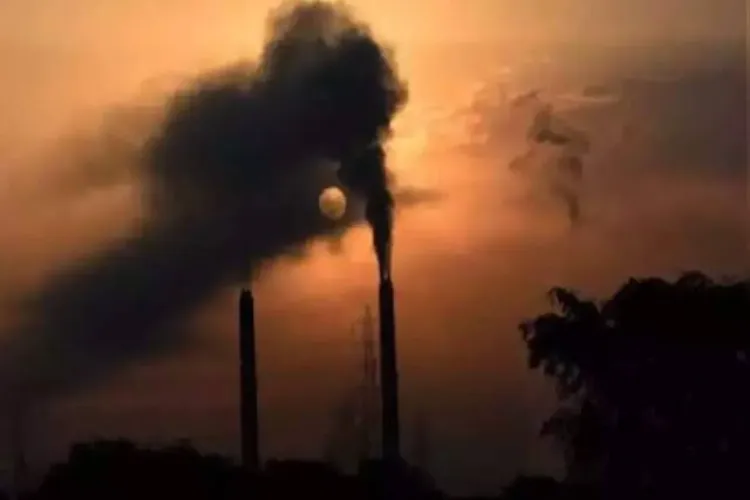
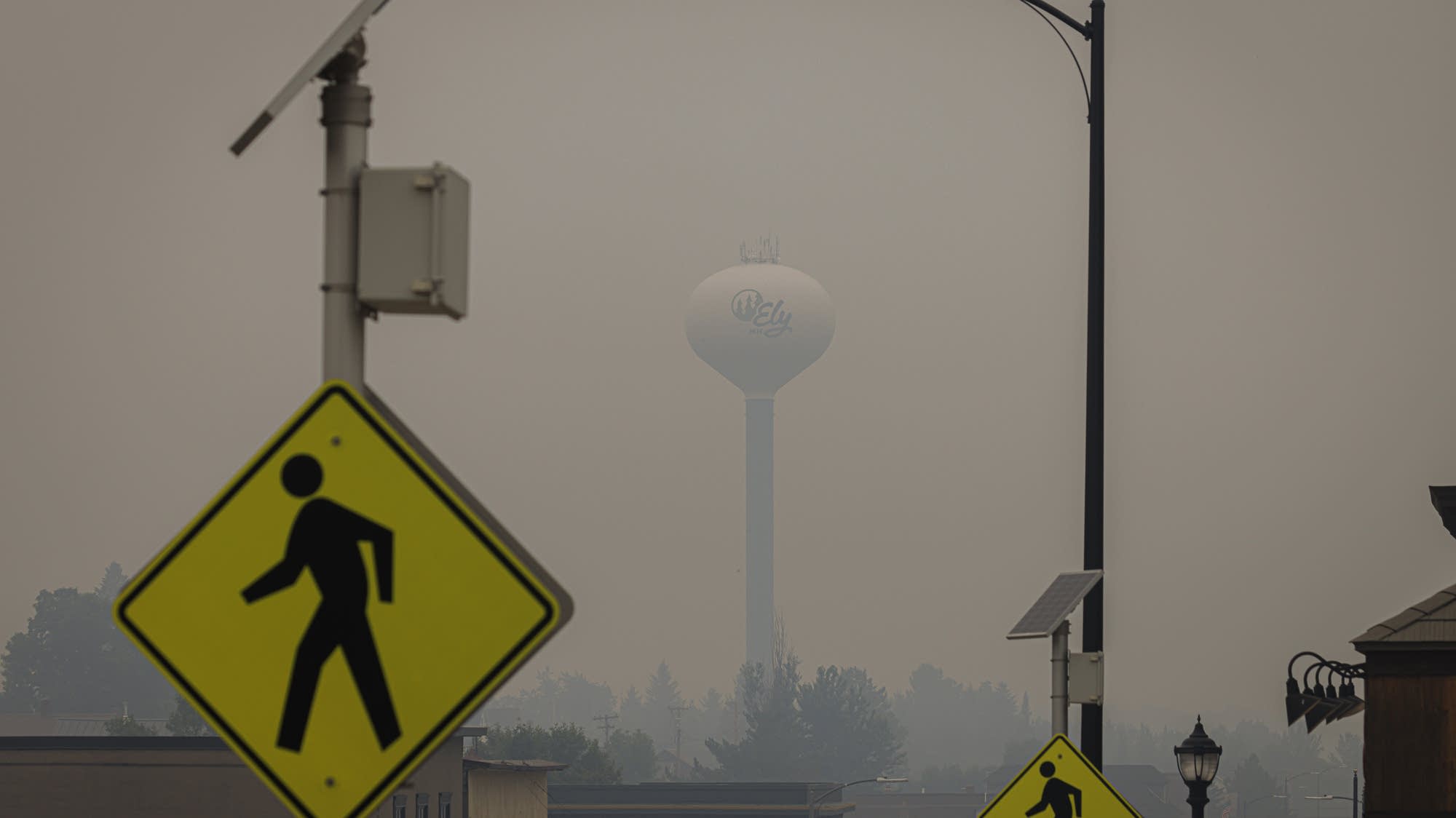
India’s near-bottom performance is primarily anchored by its collapse in the environmental health category, where it sits at 174th globally. Severe ambient fine particulate matter (PM2.5) exposure across major urban belts, combined with vehicular density, industrial effluent releases, and agricultural crop burning, continues to shorten life expectancy and strain municipal healthcare systems. Over a 10-year assessment window, metrics tracking the burden of disease from carbon monoxide, sulfur dioxide, and particulate pollution registered negative trends, highlighting persistent urban air quality failures.
Resource degradation:
Ranking 171st in Ecosystem Vitality and 174th in Biodiversity and Habitat Protection, India’s natural capital faces accelerating degradation.
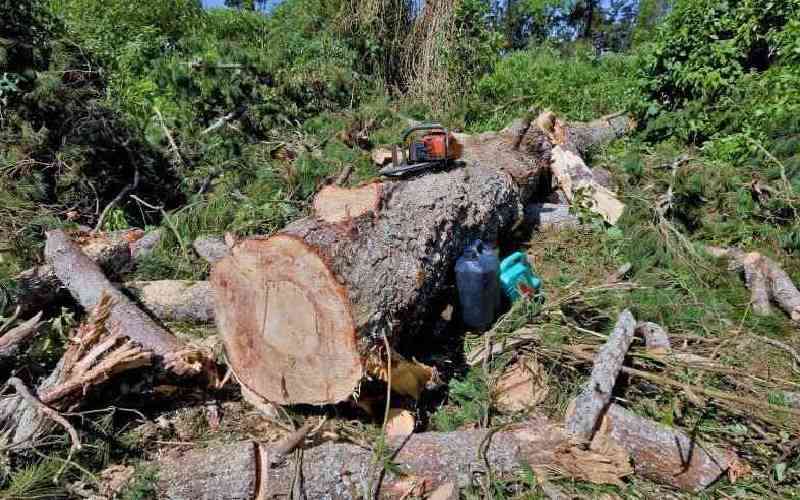
Unregulated land-use conversion, infrastructure expansion, and timber loss continue to fragment critical forest corridors. The index also noted a sharp decline in marine ecosystem protection, with the country’s Marine Protected Area effectiveness score dropping by -51.77 points. Furthermore, intensive chemical farming and inadequate pesticide governance continue to degrade soil health and riverine systems.
Climate policy:
India performed comparatively better in Climate Change Mitigation, securing 130th place—a modest relative gain driven by aggressive utility-scale solar and wind deployment. However, rapid industrial demand growth and continued reliance on coal-fired power plants to ensure grid stability continue to offset these renewable additions.
Despite its low absolute ranking, the 2026 report recorded a positive 10-year change score of +7.47 for India, indicating gradual long-term progress in specific indicators such as waste management and sanitation (both ranked 141st).
The Ministry responds:
The Union Ministry of Environment, Forest and Climate Change (MoEFCC) contested the report’s underlying analytical framework, alleging that composite indices rely on unscientific assumptions that penalize expanding developing economies while ignoring historical emissions and per-capita baselines:
“The indicators used in the report rely on unscientific assumptions and flawed methodologies that fail to reflect the ground reality of developing nations. India remains fully committed to its climate targets under the Paris Agreement, expanding renewable capacity at an unprecedented scale while safeguarding energy security for over 1.4 billion citizens.”
While independent analysts acknowledge the methodological limitations of comparing a large, low-income economy to smaller developed nations, environmental policy experts stress that dismissive responses cannot obscure the empirical reality on the ground. To prevent long-term public health and economic instability, robust environmental enforcement, air quality management, and biodiversity protection must be integrated directly into national economic policy.
Also read: Monsoon Is Now a Climate Risk Multiplier