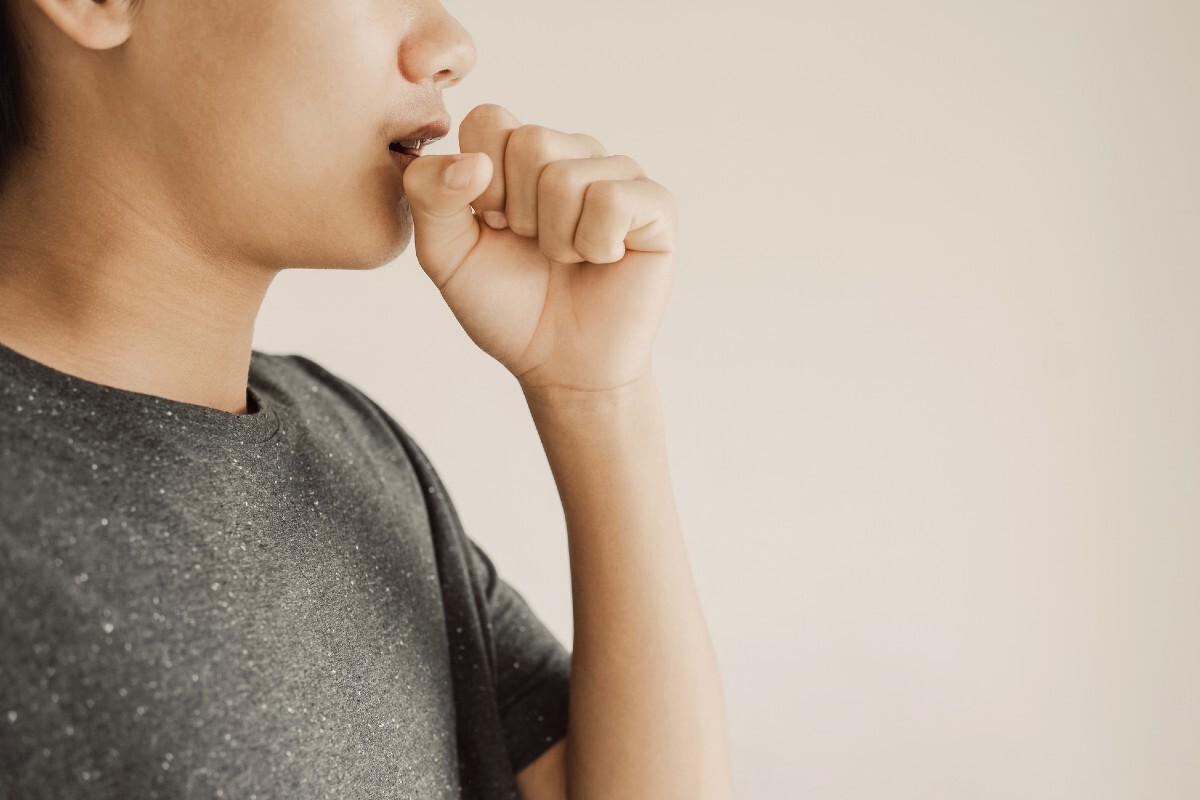
People who smoke only occasionally may still end up paying significantly higher health insurance premiums, as insurers increasingly assess any recent tobacco or nicotine use rather than the frequency of consumption.
According to insurance industry experts, individuals who have used cigarettes, cigars, chewing tobacco, vaping products or other nicotine-based products within the previous 12 months are often classified as smokers during the underwriting process. As a result, even social smokers may face premium rates that are 30-50% higher than those offered to non-smokers.
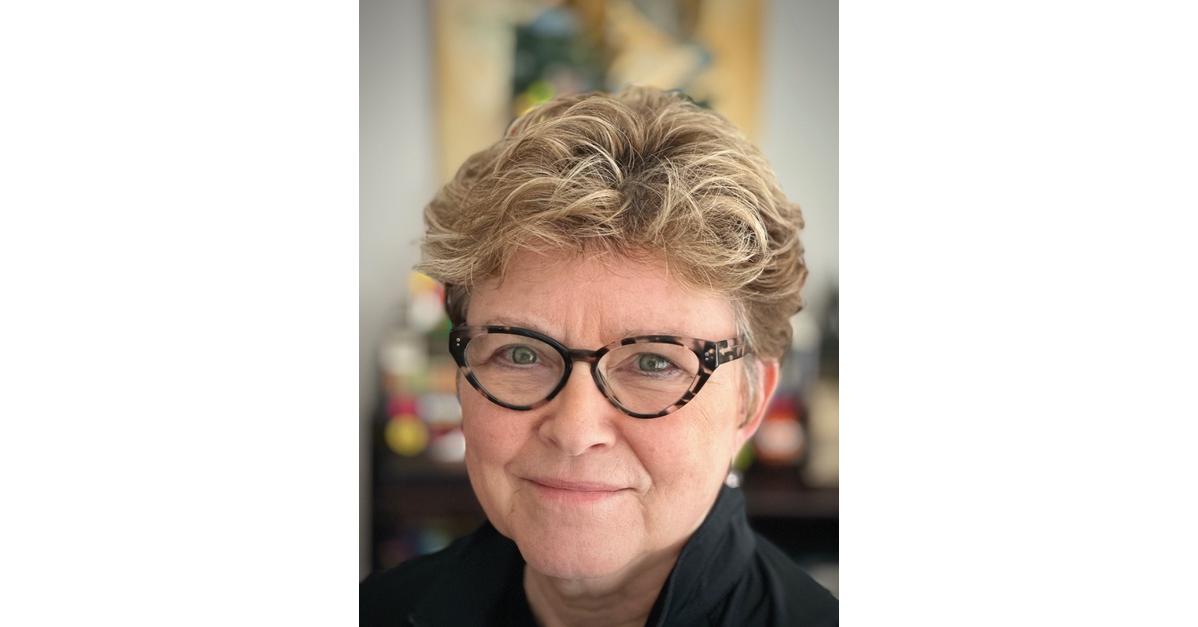
G Srinivasan, Managing Director and Chief Executive Officer of Galaxy Health Insurance told Moneycontrol, said consumers should not assume that occasional smoking is irrelevant when applying for insurance.
Also Read: From Riyan Parag to Ab de Villiers: When cricketers landed in smoking controversies
“Even occasional or social smoking is relevant. It is best advised that complete disclosure of the information is made,” Srinivasan said.
Insurance companies rely heavily on information provided by applicants when assessing risk. Experts said customers should accurately disclose tobacco and nicotine use whenever insurers seek such details, regardless of how frequently they smoke.
Srinivasan said the focus is not on how applicants describe their habits but on whether they answer insurer questionnaires truthfully.
Industry experts noted that there is no uniform definition of a smoker across the insurance sector. Proposal forms and underwriting criteria can differ between insurers, making it important for customers to review application questions carefully and provide complete information.
For people who have quit smoking, non-smoker premium rates are not available immediately. Sarita Joshi, Head of Health and Life Insurance at Probus, told Moneycontrol insurers generally require applicants to remain completely tobacco-free for 12 to 24 months before they can qualify for non-smoker pricing.
Joshi also cautioned that policyholders who restart smoking after purchasing insurance must disclose the habit if they later seek higher coverage, renew certain policies or buy a new insurance plan.
“If you pick up smoking again 4 to 5 years after your policy is active, your existing policy continues as per the original terms and conditions. However, if you try to increase your coverage, renew a term policy, or buy a new plan later on, you must legally declare that you started smoking again. Lying at that stage is considered fraud and can completely ruin a future claim,” she said.
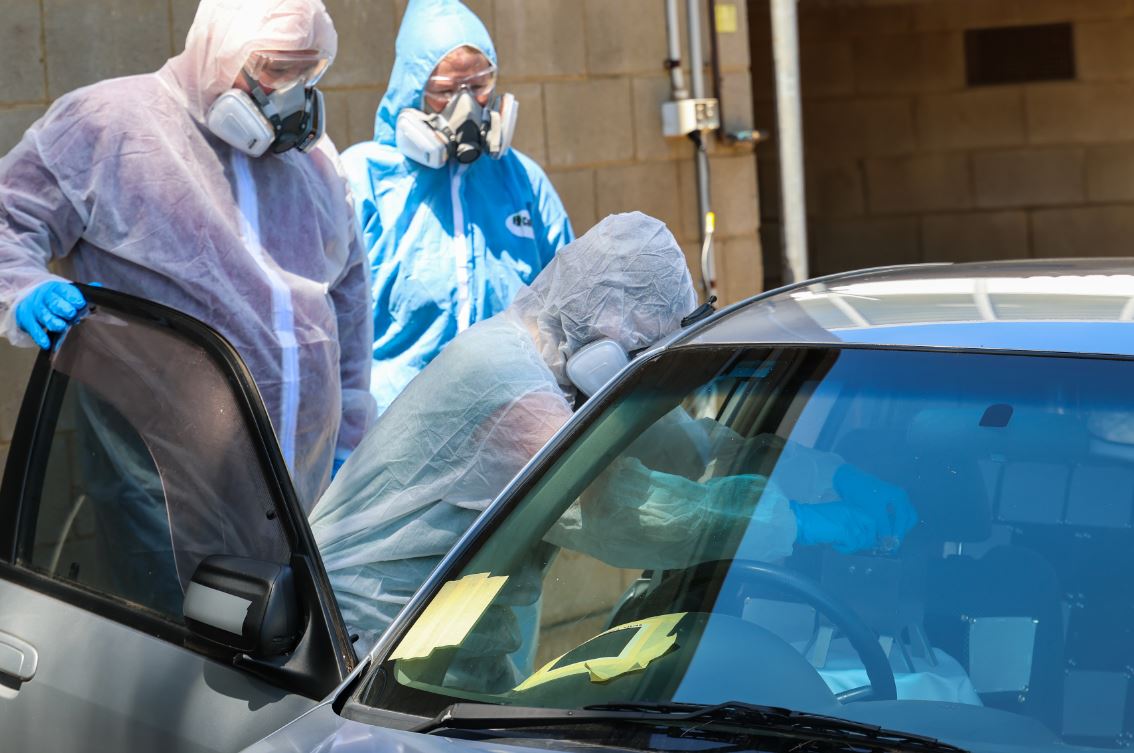
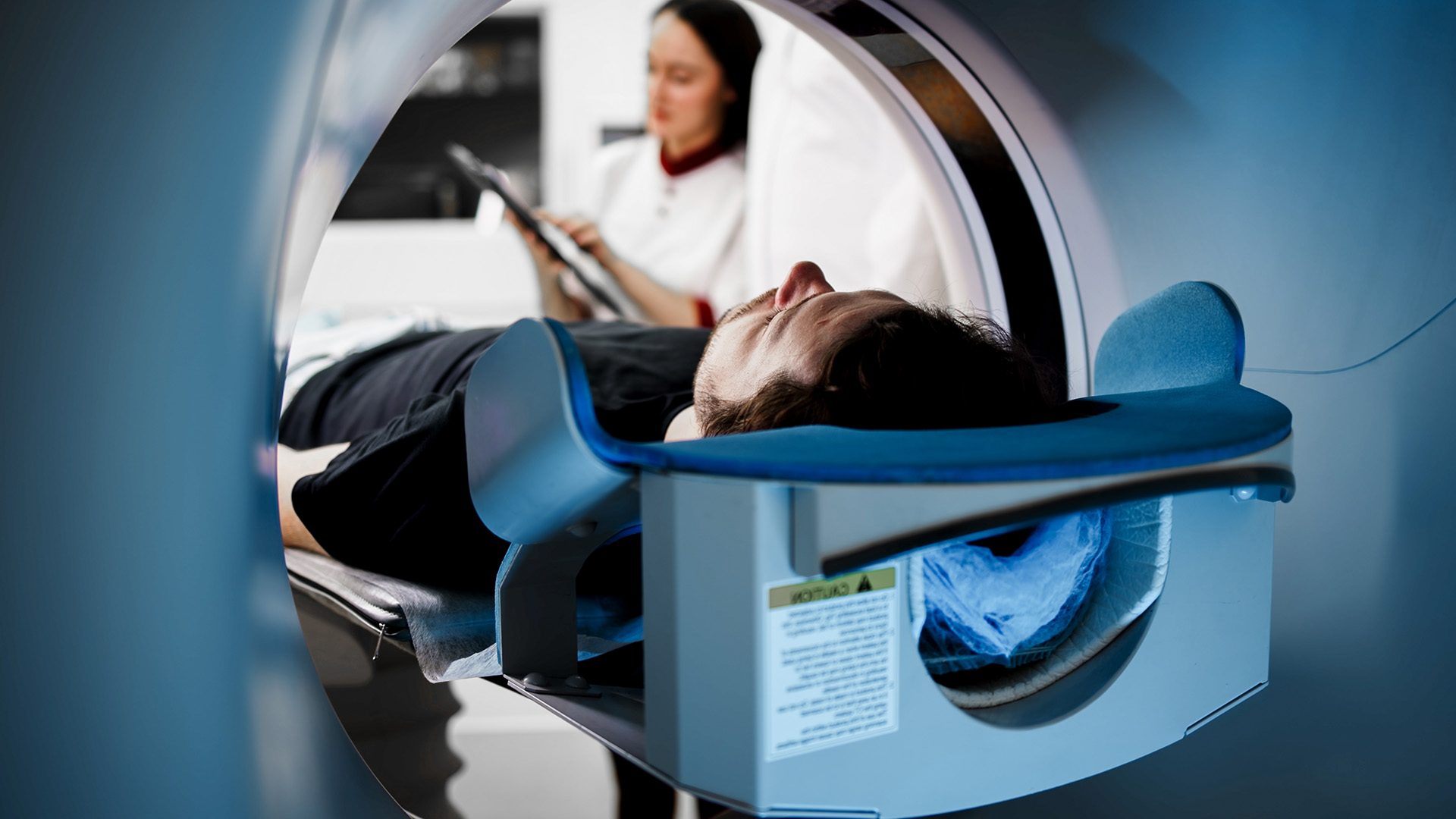
Experts said insurers do not rely solely on self-declarations. Medical examinations often include testing for cotinine, a substance produced when the body processes nicotine.
Joshi said cotinine can remain detectable in blood, urine or saliva for several days after nicotine use, allowing insurers to distinguish between genuine non-smokers and recent users.
While passive smoking is not typically considered during underwriting and does not directly lead to higher premiums, insurers may evaluate any health conditions that arise from long-term exposure to second-hand smoke. Conditions such as asthma, bronchitis or heart-related ailments could influence underwriting decisions if they are reflected in medical records.
Experts said accurate disclosure remains the most important factor during the insurance application process, regardless of whether tobacco use is regular, occasional or social.
First Published on