The development sector is increasingly speaking the language of wellbeing: trust-based partnerships, relational work, adaptive systems, long-term transformation and wellbeing economies. And yet behind many of these conversations are practitioners operating from exhaustion, fragmentation, and permanent urgency.
One of the central contradictions at the heart of systems change work today is hiding in plain sight. You can’t build systems rooted in wellbeing while systematically burning out the people trying to create them. And yet much of the sector continues to operate exactly this way.
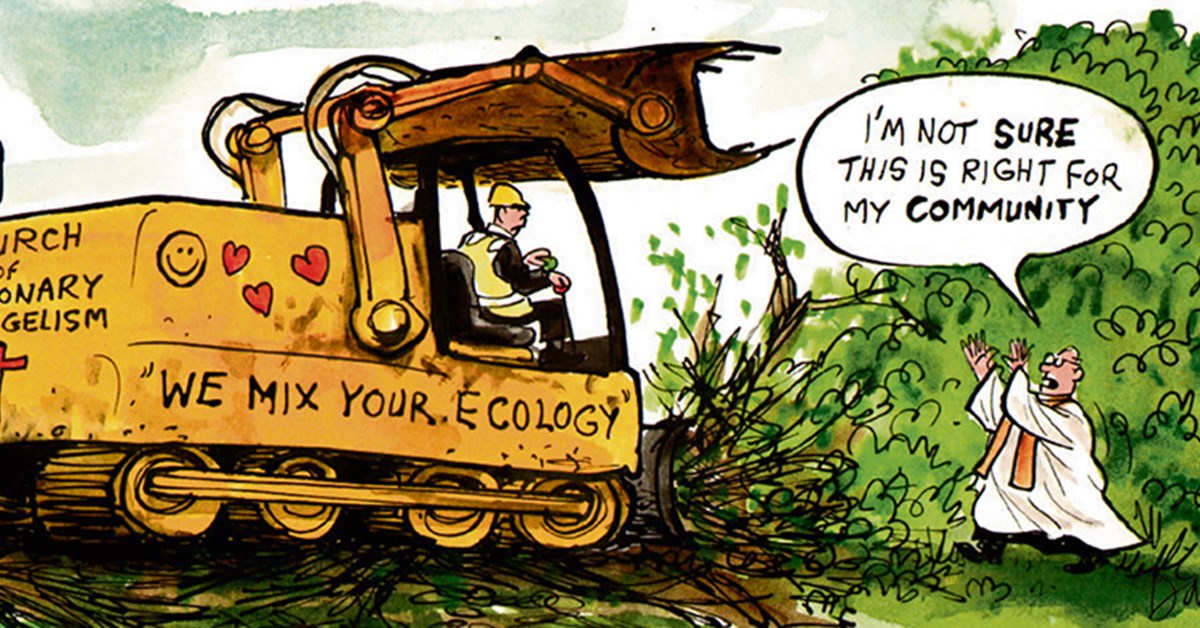
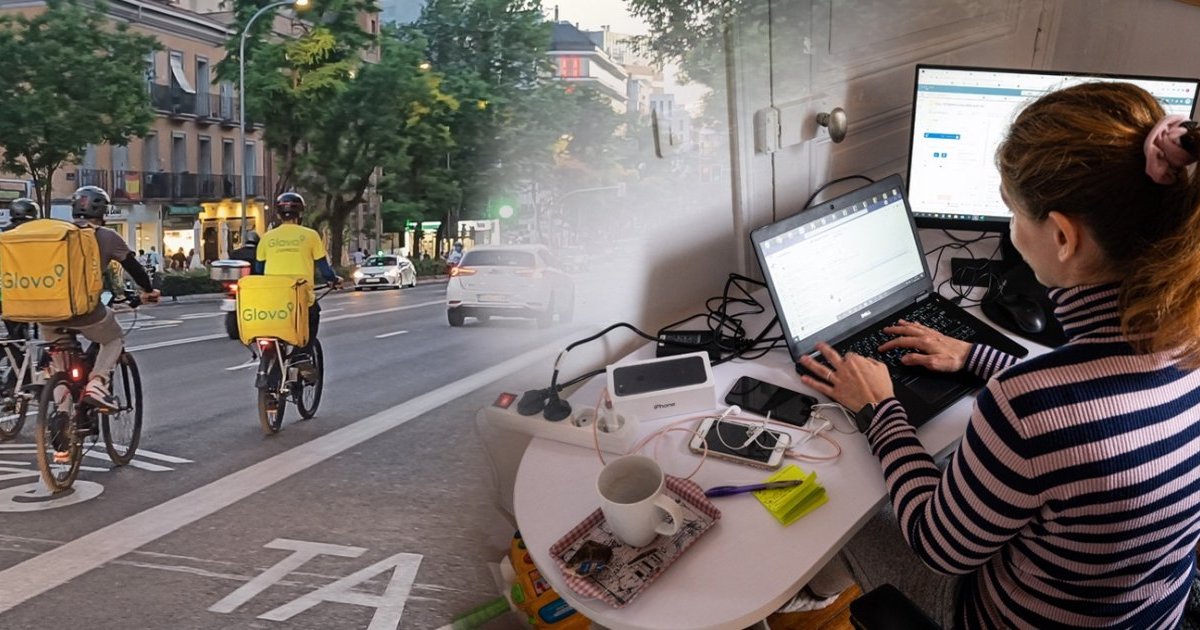
Many organisations now speak the language of transformation while reproducing cultures of depletion internally. They ask practitioners to hold complexity, navigate uncertainty, build trust across differences, and facilitate long-term change processes, all inside systems shaped by compliance pressures, short funding cycles, constant responsiveness, and chronic overload. Over time, the contradiction becomes visible. People begin “performing transformation” rather than practicing it. They speak the language of trust while operating from exhaustion. They facilitate collaboration while carrying unsustainable relational and emotional demands.
This is the tension that the Systems Innovation Learning Partnership (SILP), a collaboration between Climate KIC and the Swedish International Development Cooperation Agency (Sida), kept returning to: how are the people trying to change systems themselves shaped by the systems they work within? (What is the work doing to the people doing the work?) SILP describes this as the “interior condition of the intervenor,” an idea that is uncomfortable because it challenges one of the sector’s deepest assumptions: that systems change is primarily about external structures rather than the emotional, relational, and psychological conditions people bring into the work itself.
When presence becomes a capability
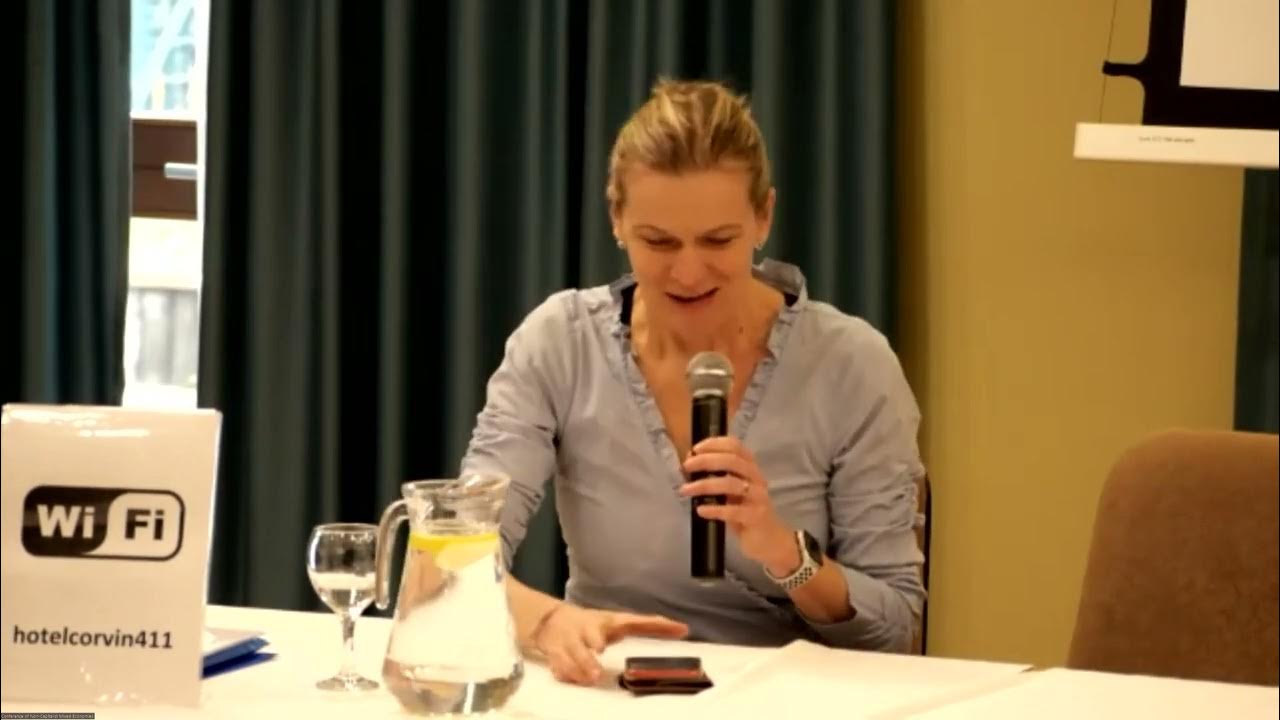
Through SILP’s learning spaces, particularly the ‘Rethinking as Intermediaries Series’ convened with 25 practitioners working across climate adaptation and resilience ecosystems, one insight surfaced repeatedly: the quality of systems change work is deeply shaped by the quality of presence people bring into it.
This became especially visible in facilitation and intermediary roles. Facilitators are not neutral actors. They shape what becomes possible in a room. They influence whose knowledge gets centred, whether disagreement becomes generative or defensive, and whether trust can emerge across institutional and cultural difference. Again and again, practitioners called the same capacities essential: staying present in uncertainty, resisting the pressure to rush complexity into premature solutions, listening without defensiveness, and recognising the limits of one’s own expertise. While these are rarely treated as core systems change capabilities, in practice, they often determine the quality of what becomes possible.
The contradiction becomes even sharper in place-based work. Transformation does not happen in abstraction. It happens in communities, relationships, histories, and specific places. It requires continuity, trust, and long-term presence. Yet many practitioners are trying to do this work while operating in systems defined by fragmentation and acceleration. Deep relational trust cannot be built from survival mode.
How urgency reproduces what we’re trying to change
What surfaced through SILP’s work was not a lack of expertise. The sector already has frameworks, theories of change, strategies, and toolkits in abundance. The deeper issue is that many organisations are struggling to create the conditions required for long-term, adaptive, relational work, and this is not accidental.
Short funding cycles, compliance-heavy reporting, and chronic underinvestment in organisational health shape how people behave under pressure. They influence how organisations hold power, respond to uncertainty, manage risk, and relate to one another. Over time, systems begin reproducing the very behaviours they claim to challenge: urgency crowds out reflection, performance replaces presence, control supersedes trust, and deliverables take precedence over relationships. Burnout is often not simply an individual wellbeing problem. It is evidence of a deeper structural contradiction inside the system itself.
Creating conditions, not just cultures
The answer here is not more wellness programmes or better self-care policies. The challenge runs far deeper than that.
If the quality of systems change work is shaped by the inner condition of practitioners, then funders and organisations have a responsibility to create environments where reflection, trust, learning, and long-term relational work are genuinely possible. That means rethinking what gets valued: organisational health, facilitation quality, learning capacity, and the relational infrastructure required for collective action all need to be treated as operational necessities rather than soft overhead.
The structural and relational dimensions of systems change constantly shape one another. Systems built around chronic urgency eventually produce depleted practitioners. Depleted practitioners struggle to sustain the quality of presence that meaningful transformation requires.
Who we become while trying to change things
SILP’s work points toward a conclusion the sector has been slow to reckon with. Burnout is not a personal failing or a management problem. It is a structural signal that something fundamental needs to change in how systems change work is funded, valued, and sustained.
The question the sector needs to sit with is not only what systems we are trying to change, but who we are becoming in the process of trying to change them. Because if the answer is depleted, fragmented, and running on empty, then the work itself is already compromised.